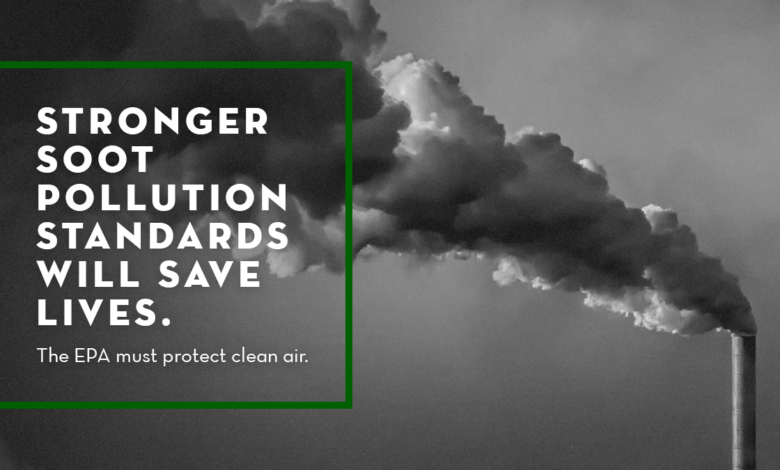
EPA Air Pollution Soot A Deep Dive
EPA air pollution soot is a significant environmental concern. This article delves into the chemical composition, sources, health impacts, and regulations surrounding this pervasive pollutant. We’ll explore how soot is generated, the devastating health effects it can cause, and the crucial role of the EPA in mitigating its impact on our environment and human health.
Understanding the different types of soot, their sources, and the varying exposure levels is critical to developing effective mitigation strategies. This comprehensive look at EPA air pollution soot will highlight the importance of both governmental regulations and individual actions in addressing this global issue.
Defining Soot and its Sources
Soot, a ubiquitous component of air pollution, poses significant environmental and health risks. Understanding its composition, sources, and generation processes is crucial for developing effective mitigation strategies. This exploration delves into the multifaceted nature of soot, highlighting its various origins and the chemical transformations involved in its formation.Soot, also known as black carbon, is a complex mixture of microscopic particles primarily composed of carbon.
Its physical properties include a dark color, low density, and high surface area. These characteristics contribute to its ability to absorb sunlight, influencing local climate and global warming. Soot particles are also capable of penetrating deep into the respiratory system, leading to various health issues.
Soot Sources: A Comprehensive Overview
The origins of soot are diverse, encompassing both natural and anthropogenic activities. Understanding the different sources and their associated generation processes is essential for targeted pollution control measures. The following table provides a breakdown of these various sources.
| Source Type | Chemical Composition (Examples) | Generation Process |
|---|---|---|
| Incomplete Combustion | Elemental Carbon (C), Polycyclic Aromatic Hydrocarbons (PAHs) | Incomplete combustion of organic materials, such as wood, coal, or fossil fuels, in the absence of sufficient oxygen leads to the formation of soot. This process involves the incomplete oxidation of carbon atoms, resulting in the production of soot particles. |
| Forest Fires | Elemental Carbon (C), Organic compounds | Wildfires release large quantities of soot into the atmosphere. The intense heat and lack of oxygen during the combustion process favor the formation of soot particles from various organic matter. |
| Biomass Burning | Elemental Carbon (C), Organic compounds | Burning of agricultural waste, wood, and other biomass materials, often for cooking or heating, contributes significantly to soot emissions. The combustion process, often with limited oxygen, leads to the formation of soot. |
| Diesel Engines | Elemental Carbon (C), PAHs | Diesel engines, due to their combustion characteristics, frequently produce soot as a byproduct. Incomplete combustion within the engine cylinders, particularly at lower temperatures, results in the formation of soot particles. |
| Industrial Processes | Elemental Carbon (C), PAHs, metals | Various industrial processes, such as metal smelting and certain manufacturing activities, release soot into the atmosphere. These processes often involve high temperatures and limited oxygen, conditions that favor the formation of soot particles. |
Chemical Transformations During Soot Formation
The generation of soot involves a complex interplay of chemical reactions. During incomplete combustion, organic molecules break down, and carbon atoms combine to form soot particles. The chemical composition of the resulting soot can vary depending on the source material and the combustion conditions. For example, biomass burning may lead to the production of soot with a higher concentration of organic compounds compared to soot produced from diesel engines.
Impact of Soot on Air Quality
Soot particles, regardless of their source, have a significant impact on air quality. These particles can scatter and absorb sunlight, influencing local and global climate patterns. Moreover, their inhalation can cause respiratory problems and other health issues in humans and animals. Consequently, understanding and controlling soot emissions is crucial for maintaining healthy air quality and mitigating the adverse effects of air pollution.
Health Impacts of EPA-regulated Soot
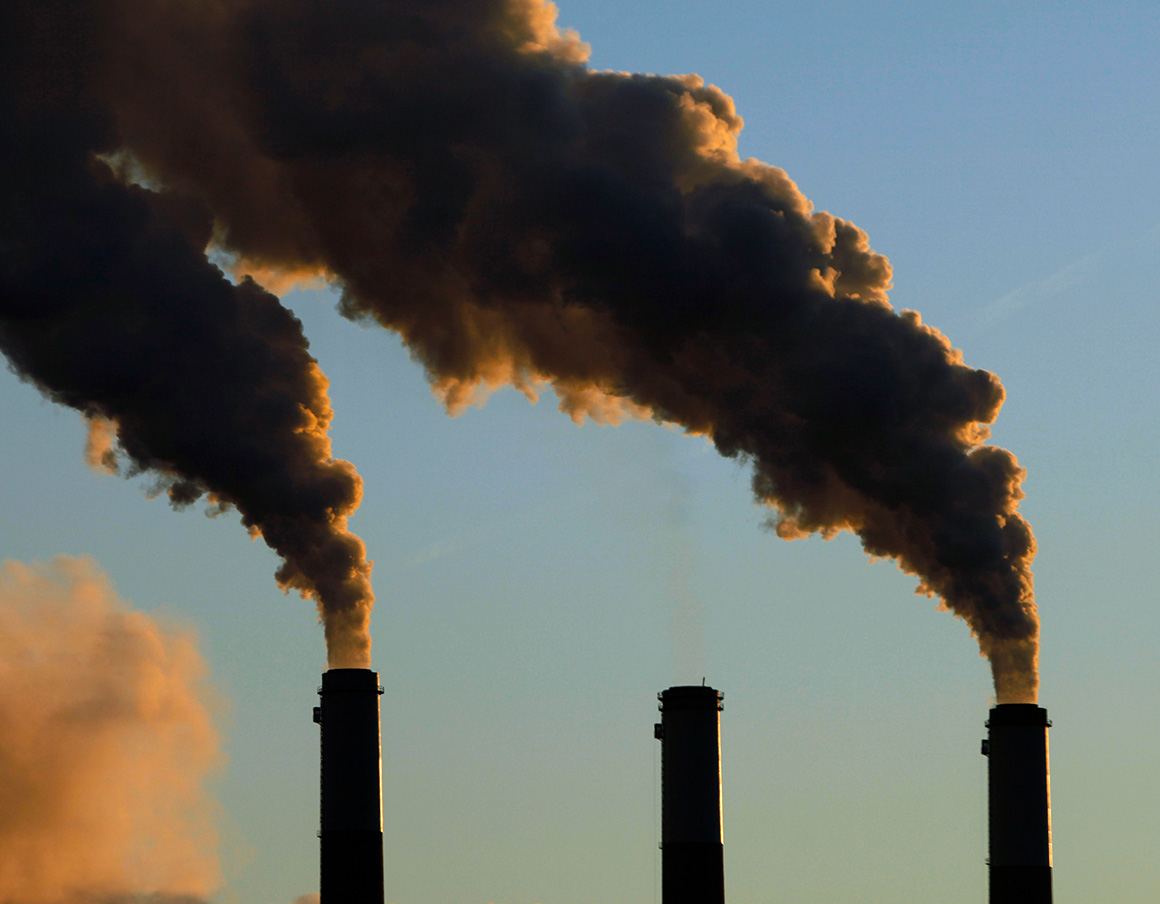
Soot, a byproduct of incomplete combustion, poses a significant threat to human health. Exposure to air pollution containing soot particles can lead to a range of respiratory and cardiovascular problems, impacting various populations disproportionately. Understanding the specific mechanisms by which soot affects the body is crucial for developing effective prevention and treatment strategies. This discussion delves into the adverse health effects of soot, considering different types and exposure levels.The adverse health effects of soot exposure are multi-faceted and often cumulative.
Soot particles, depending on their size and composition, can penetrate deep into the lungs and cardiovascular system. This penetration can trigger a cascade of inflammatory responses, leading to long-term damage. Understanding the specific mechanisms by which soot particles interact with the human body is critical to appreciating the scope of the health risks associated with exposure.
Mechanisms of Soot-Induced Health Effects
Soot particles, often composed of carbon and other pollutants, can directly damage lung tissue. The small size of these particles allows them to penetrate deep into the respiratory system, bypassing the natural defenses of the lungs. This leads to inflammation and oxidative stress, which can impair lung function and increase the risk of respiratory diseases like asthma and chronic obstructive pulmonary disease (COPD).
EPA air pollution soot levels are a serious concern, especially in areas like South Carolina. Recent political developments, such as the Winthrop Poll regarding Haley and Trump’s popularity in South Carolina, winthrop poll haley trump south carolina , might influence future environmental policies. This ultimately impacts the long-term health of the community and the effectiveness of pollution control measures.
So, the air we breathe is undeniably linked to these political trends and choices.
Furthermore, soot particles can enter the bloodstream, potentially contributing to cardiovascular problems by increasing oxidative stress and inflammation in the heart and blood vessels. The size and chemical composition of soot particles influence the severity and type of health effects.
Correlation Between Exposure Levels and Health Outcomes
Studies consistently demonstrate a correlation between exposure levels to soot and observed health outcomes. Higher levels of exposure are associated with increased rates of respiratory illnesses, cardiovascular diseases, and even premature mortality. For example, populations living in urban areas with high levels of industrial emissions often experience higher rates of respiratory problems compared to those in areas with cleaner air.
This correlation underscores the importance of regulating soot emissions and mitigating exposure levels.
Comparison of Health Effects from Different Soot Types
Different sources of soot can vary in their chemical composition and particle size. This difference directly impacts the specific health effects. For instance, soot from diesel exhaust contains different pollutants than soot from coal combustion. Diesel soot, often smaller in size, may be more readily absorbed into the bloodstream, potentially leading to a higher risk of cardiovascular issues.
Coal-derived soot, while potentially larger in size, might still penetrate deep into the lungs, increasing the risk of respiratory problems. The varying chemical composition and particle size of different soot types result in distinct pathways of harm.
Summary of Health Effects and Exposure Levels
| Soot Type | Exposure Level (e.g., µg/m³) | Health Effects |
|---|---|---|
| Diesel Soot | > 50 µg/m³ (chronic exposure) | Increased risk of cardiovascular disease, respiratory infections, lung cancer, premature mortality. |
| Coal Combustion Soot | > 30 µg/m³ (chronic exposure) | Increased risk of respiratory illnesses (e.g., asthma, COPD), lung cancer, cardiovascular problems. |
| Biomass Burning Soot | > 20 µg/m³ (acute exposure) | Acute respiratory symptoms, cardiovascular stress, increased risk of respiratory infections. |
Note: Exposure levels and health effects are examples and may vary based on individual susceptibility and other environmental factors. This table is not exhaustive and further research is necessary to establish precise correlations between soot types and health outcomes.
EPA Regulations and Standards for Soot
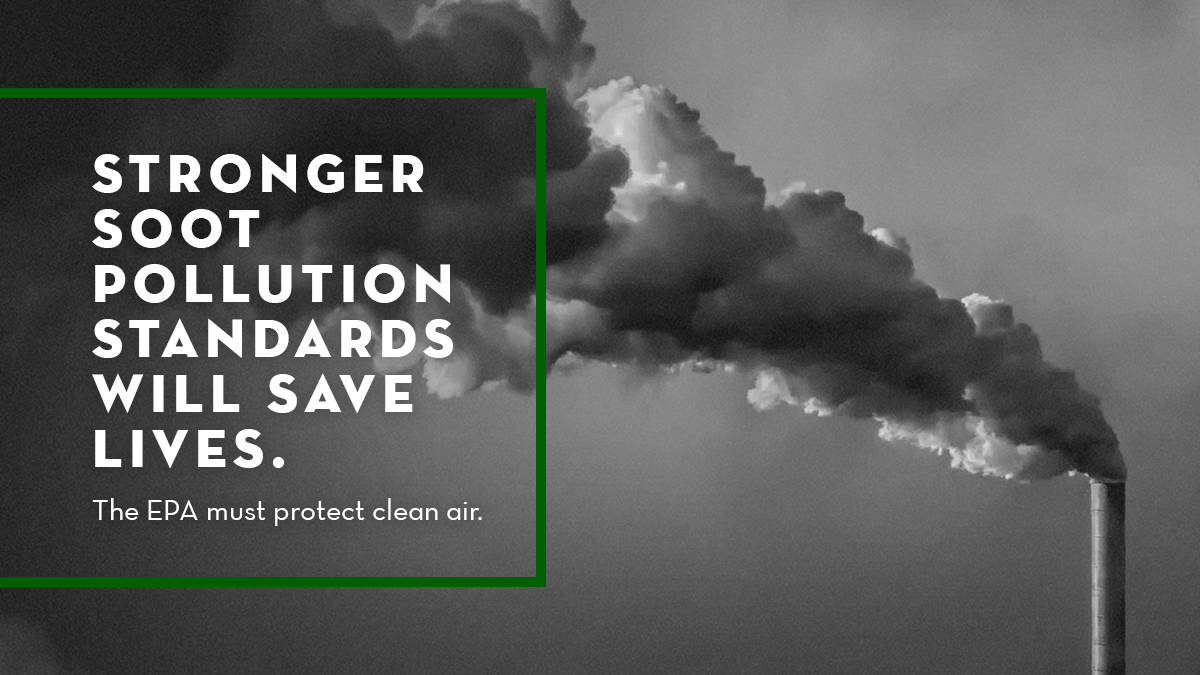
The Environmental Protection Agency (EPA) plays a crucial role in safeguarding public health and the environment by regulating air pollution. This includes soot, a complex mixture of airborne particles that can have significant adverse effects on human health and the ecosystem. Understanding the EPA’s regulations and standards for soot is essential for appreciating the efforts to mitigate its harmful impacts.The EPA’s authority to regulate soot stems from the Clean Air Act.
This legislation empowers the EPA to set national ambient air quality standards (NAAQS) for pollutants, including soot. These standards aim to protect public health and welfare, and they are enforced through various mechanisms, including monitoring, permitting, and penalties for non-compliance. Regulations are tailored to specific pollutants, their sources, and their potential impacts, reflecting a comprehensive approach to air quality management.
EPA’s Role in Regulating Air Pollution Soot
The EPA’s primary role in regulating air pollution soot is to establish and enforce standards to protect public health and the environment. This involves a multifaceted approach, including setting national ambient air quality standards (NAAQS), monitoring air quality, enforcing regulations on sources of soot emissions, and promoting research and technological advancements to reduce soot emissions. The EPA’s actions are grounded in scientific understanding of the health and environmental impacts of soot.
Specific Regulations and Standards for Controlling Soot Emissions
The EPA has implemented various regulations and standards to control soot emissions from different sources. These regulations are often tailored to the specific industrial processes, vehicles, or other sources that contribute to soot pollution. A key component of these regulations is the establishment of emission limits for soot-producing activities. These limits vary depending on the type of source and the specific pollutant.
Rationale Behind EPA Regulations and Standards
The rationale behind EPA regulations and standards for soot is rooted in the significant health and environmental risks associated with soot exposure. Scientific evidence demonstrates a strong correlation between soot exposure and adverse health outcomes, including respiratory problems, cardiovascular diseases, and premature mortality. Moreover, soot can damage ecosystems by affecting vegetation, aquatic life, and overall biodiversity. These regulations are implemented to safeguard public health and protect the environment from the detrimental effects of soot.
Historical Evolution of EPA Regulations for Soot
The EPA’s regulations for soot have evolved over time, reflecting advancements in scientific understanding, technological advancements, and societal awareness of the issue. Early regulations focused on broad emission limits, while later regulations became more specific and targeted, taking into account the specific sources and characteristics of soot. The historical progression reflects an increasing commitment to addressing air pollution and its impact on public health.
Summary of EPA Policies and Actions to Mitigate Soot Emissions
The EPA employs a multifaceted strategy to mitigate soot emissions. This includes setting national ambient air quality standards (NAAQS), developing and implementing regulations for specific sources of soot, funding research and development into cleaner technologies, and enforcing compliance with existing regulations. The EPA’s actions aim to progressively reduce soot emissions and improve air quality across the nation. This ongoing effort reflects a commitment to protecting public health and the environment.
EPA air pollution soot, a significant concern, is often overlooked in discussions about environmental disasters. However, its impact on the Amazon rainforest ecosystem is undeniable. A crucial tipping point for the Amazon rainforest, as discussed in more detail in this article on amazon rain forest tipping point , could be exacerbated by the continued release of soot particles into the atmosphere.
Ultimately, these pollutants could further destabilize the delicate balance of the rainforest, which in turn could significantly worsen the effects of air pollution soot.
Environmental Impacts of Soot: Epa Air Pollution Soot
Soot, a byproduct of incomplete combustion, is more than just an unsightly pollutant. Its presence in the environment has significant and far-reaching consequences, affecting ecosystems, climate patterns, and even human visibility. Understanding these impacts is crucial for developing effective mitigation strategies and safeguarding our planet.Soot particles, due to their dark color and small size, absorb significant amounts of solar radiation.
This absorption can lead to localized warming, altering the delicate balance of atmospheric processes and potentially disrupting ecological systems. The effects of soot extend beyond immediate proximity to pollution sources, impacting ecosystems far from the origin of the emission.
Effects on Ecosystems, Epa air pollution soot
Soot deposition can alter the reflectivity (albedo) of snow and ice surfaces. This darkening effect leads to a reduction in the amount of sunlight reflected back into space, accelerating melting rates and disrupting the delicate balance of these ecosystems. Changes in snow and ice cover affect water availability for downstream ecosystems and the overall climate. For example, melting glaciers and ice caps due to soot-induced warming contribute to rising sea levels, threatening coastal communities and ecosystems.
EPA air pollution soot is a serious concern, impacting public health. Recent scrutiny of the “Read Like Wind” recommendations, highlighted in a recent scandal, read like wind recommendations scandal , raises questions about the overall approach to environmental regulations. Ultimately, the focus should be on effective strategies to tackle soot and improve air quality.
Impact on Atmospheric Processes
Soot particles act as cloud condensation nuclei, influencing cloud formation and precipitation patterns. Their presence can affect the size and lifetime of clouds, impacting the distribution of rainfall and potentially leading to regional droughts or floods. These changes in precipitation patterns can have cascading effects on agriculture, water resources, and the overall health of ecosystems.
Soot and Climate Change
Soot’s impact on climate is multifaceted and complex. While it directly absorbs solar radiation, warming the atmosphere, it also contributes to changes in cloud formation, which can either amplify or mitigate this warming effect. The overall effect depends on specific atmospheric conditions and the concentration of soot relative to other greenhouse gases. For instance, the rapid melting of permafrost regions in the Arctic, potentially releasing large amounts of methane (a potent greenhouse gas), is a significant concern exacerbated by soot-induced warming.
Impact on Visibility and the Environment
Soot reduces visibility, impacting human health and quality of life. It can also damage vegetation by reducing sunlight penetration, impacting photosynthesis and overall plant growth. In addition, soot can accumulate in sensitive ecosystems, like high-altitude regions or alpine meadows, potentially leading to altered species composition and decreased biodiversity. This effect is exacerbated by the accumulation of soot on surfaces, altering the natural reflectivity and hindering the ecosystem’s ability to regulate temperature.
Environmental Impacts Across Ecosystems
| Ecosystem | Impact of Soot |
|---|---|
| Arctic | Accelerated snow and ice melt, altered precipitation patterns, potential release of methane from permafrost. |
| Alpine meadows | Reduced sunlight penetration, altered species composition, decreased biodiversity. |
| Coastal regions | Rising sea levels due to melting glaciers and ice caps. |
| Forest ecosystems | Reduced photosynthesis, altered plant growth, potential for ecosystem damage from increased temperatures. |
| Freshwater ecosystems | Changes in water availability, altered aquatic life, potential for water contamination from soot deposition. |
Monitoring and Measurement of Soot
Understanding air pollution soot requires meticulous monitoring and measurement techniques. Accurate data collection allows for a deeper comprehension of soot’s impact on human health and the environment, aiding in the development and implementation of effective control strategies. This process involves various methods, instruments, and procedures to ensure reliable and comprehensive assessments.Precise quantification of soot concentrations is crucial for understanding its effects and establishing appropriate regulatory standards.
EPA air pollution soot levels are a serious concern, especially when considering the health impacts. The escalating costs of living, particularly in the housing market near NYC, housing market near nyc , might be linked to the increasing demand for clean air. This demand, in turn, further highlights the need for effective policies to address EPA air pollution soot across the region.
Accurate measurements are essential for assessing the effectiveness of pollution control measures and for evaluating the overall air quality in a given region. Different monitoring methods offer varying degrees of accuracy and precision, depending on the specific application and the characteristics of the soot being measured.
Soot Monitoring Methods
Various methods are employed to monitor and measure air pollution soot. These methods are selected based on factors such as the type of soot, the desired level of detail, and the resources available. Choosing the appropriate technique ensures accurate and reliable results for assessing the extent of soot pollution.
Instruments and Technologies for Soot Detection and Quantification
A range of instruments and technologies are used for detecting and quantifying soot. These instruments utilize different principles to measure the physical properties of soot particles, such as their size, mass, and concentration. The selection of an instrument depends on the specific requirements of the measurement, including the level of accuracy needed and the nature of the soot being analyzed.
- Optical Methods: These methods, including light scattering and absorption techniques, are frequently used for measuring soot concentration in the atmosphere. Light scattering instruments, such as nephelometers, measure the amount of light scattered by soot particles. These measurements provide an estimate of the soot concentration in the air. Optical methods are often deployed in remote sensing, enabling large-scale monitoring across expansive areas.
Examples include laser-based instruments, which use lasers to measure the scattering and absorption of light by soot particles.
- Gravimetric Methods: These methods rely on collecting and weighing soot particles to determine their mass concentration. Filter-based samplers are common, where air is drawn through a filter, collecting the soot particles. The filter is then weighed to quantify the amount of soot captured. Gravimetric analysis offers high accuracy but is often time-consuming and requires careful handling of samples.
- Chemical Methods: These methods employ chemical analyses to determine the elemental composition of soot particles. Sophisticated techniques, such as X-ray fluorescence, can identify the specific elements present in soot particles. These techniques provide insight into the source of the soot and its chemical characteristics.
Procedures for Collecting and Analyzing Soot Samples
Collecting and analyzing soot samples accurately is essential for obtaining reliable data. Specific procedures must be followed to ensure the integrity of the samples and the accuracy of the measurements. These procedures involve carefully selecting sampling locations, ensuring proper sample handling, and using appropriate analytical techniques.
EPA air pollution soot is a serious concern, impacting public health. While the ongoing debate about funding for various global issues, like congress ukraine israel aid , is important, it’s crucial to remember the persistent need for action on environmental concerns like soot. The long-term effects of soot on our communities are undeniable, demanding a dedicated and sustained effort from policymakers to tackle this issue.
- Sample Collection: The location of the sampling point significantly impacts the results. Ideally, the sampling site should be representative of the area being studied. Sampling equipment must be calibrated and maintained properly. Proper handling and storage of samples are critical to avoid contamination and degradation.
- Sample Analysis: The chosen analytical method will dictate the specifics of the analysis. For instance, optical methods require careful calibration and data processing to avoid errors. The data processing techniques used should be appropriate for the specific instrument and method employed.
Common Soot Monitoring Methods and Their Advantages/Disadvantages
| Method | Advantages | Disadvantages |
|---|---|---|
| Optical Methods | Relatively fast measurements, remote sensing capabilities, and suitable for continuous monitoring. | Can be affected by other atmospheric particles, potential for errors in interpretation, and may not provide detailed information on soot composition. |
| Gravimetric Methods | High accuracy in determining soot mass concentration, suitable for laboratory analysis. | Time-consuming process, requires specialized equipment, and not ideal for continuous monitoring. |
| Chemical Methods | Provides information about the chemical composition of soot, helping to identify sources. | Often requires specialized laboratories and expertise, more complex than optical or gravimetric methods. |
Mitigation Strategies for Soot Emissions
Soot, a complex mixture of carbonaceous particles, poses significant environmental and health risks. Effective mitigation strategies are crucial to reduce its impact. This section explores various approaches to curtail soot emissions, from technological advancements to individual actions. Successful implementation requires a multifaceted approach encompassing policy, technology, and societal shifts.Reducing soot emissions is vital not only for environmental protection but also for public health.
Implementing effective mitigation strategies will contribute to cleaner air, improved human well-being, and a healthier planet.
Technological Advancements for Controlling Soot Emissions
Technological advancements play a pivotal role in controlling soot emissions from various sources. These advancements aim to improve efficiency and reduce emissions from industrial processes, transportation, and residential heating. Innovative technologies are constantly being developed to minimize soot generation and capture existing emissions.
- Advanced Combustion Technologies: Modern combustion technologies are being optimized to reduce soot formation. These advancements often involve adjusting fuel mixtures, optimizing air flow, and employing advanced burners designed to achieve cleaner combustion. For example, some power plants use fluidized bed combustion, which allows for better mixing of fuel and air, resulting in lower soot emissions. Furthermore, the use of pre-combustion fuel cleaning processes can significantly decrease the amount of soot produced.
- Emission Control Devices: Filters, scrubbers, and other emission control devices are used to trap and remove soot particles from exhaust streams. These devices are tailored to specific applications, considering factors like particle size, flow rate, and the composition of the exhaust gas. For instance, diesel particulate filters (DPFs) are commonly used in vehicles to capture soot particles, and their efficiency is constantly improving.
- Alternative Fuels and Energy Sources: Transitioning to cleaner fuels, such as natural gas or electricity, can dramatically decrease soot emissions from various sectors. For example, switching from coal-fired power plants to natural gas-fired ones can lead to significant reductions in soot emissions. Furthermore, the rise of electric vehicles is expected to have a profound impact on reducing soot pollution from transportation.
Best Practices and Policies for Minimizing Soot Pollution
Implementing effective policies and best practices is critical to minimizing soot pollution. These strategies often involve regulations, incentives, and public awareness campaigns.
- Regulations and Standards: Stringent regulations on soot emissions from industries, vehicles, and power plants are essential. These regulations often specify emission limits and enforcement mechanisms. For example, the EPA sets national ambient air quality standards for soot and other pollutants, guiding state and local governments in their enforcement efforts.
- Incentives and Financial Support: Financial incentives and subsidies can encourage businesses and individuals to adopt cleaner technologies and practices. For example, tax breaks or grants for the installation of emission control equipment can encourage industries to invest in cleaner technologies.
- Public Awareness Campaigns: Raising public awareness about the health and environmental impacts of soot is crucial for driving behavioral changes. Education campaigns can promote the use of cleaner fuels and the adoption of emission-reducing practices in homes and businesses. For example, public service announcements on the importance of using cleaner heating methods during winter can help reduce soot emissions from residential sources.
Individual Actions and Societal Changes in Reducing Soot Pollution
Individual actions, alongside societal changes, play a critical role in reducing soot pollution. Adopting sustainable habits and advocating for policy changes can collectively contribute to cleaner air.
- Household Practices: Individuals can make choices that minimize soot emissions in their daily lives. This includes using cleaner heating methods, such as natural gas or electricity, for home heating. Moreover, choosing energy-efficient appliances and promoting the use of public transportation or cycling can reduce soot emissions.
- Advocacy for Policy Changes: Individuals can advocate for stronger policies to control soot emissions at the local, regional, and national levels. Supporting legislation and policies that incentivize the adoption of cleaner technologies and promote public transportation can make a significant difference.
Flow Chart for Implementing a Soot Emission Reduction Plan
| Step | Description |
|---|---|
| 1. Assess the Situation | Identify soot emission sources and their magnitudes. Analyze existing regulations and policies. |
| 2. Set Realistic Goals | Define specific, measurable, achievable, relevant, and time-bound (SMART) goals for reducing soot emissions. |
| 3. Develop Action Plan | Artikel specific strategies and actions to achieve the set goals, considering technological advancements, policy changes, and individual behaviors. |
| 4. Implement Strategies | Put the action plan into effect, implementing the identified strategies, including technological upgrades, policy changes, and public awareness campaigns. |
| 5. Monitor Progress | Regularly track and evaluate the progress made in reducing soot emissions. Adjust the action plan based on the results. |
| 6. Evaluate and Adapt | Continuously evaluate the effectiveness of the plan and make necessary adjustments. Consider feedback and emerging technologies. |
Conclusion
In conclusion, EPA air pollution soot poses a multifaceted threat to both human health and the environment. From its diverse sources to its varied health impacts, understanding this complex issue requires a multi-pronged approach. The EPA’s regulations and the potential for technological advancements are crucial in controlling soot emissions, but individual actions and societal changes also play a critical role.
Monitoring and measuring soot levels are essential for effective mitigation, and this multifaceted approach will be vital for safeguarding our future.
Question Bank
What are the primary sources of soot pollution?
Soot originates from various sources, including incomplete combustion processes in vehicles, industries, and residential settings. Natural sources like wildfires also contribute to soot emissions.
How does soot affect human health?
Inhalation of soot particles can lead to respiratory problems, cardiovascular issues, and other health complications. The size and composition of the particles significantly influence the severity of the health impacts.
What are some effective mitigation strategies for soot emissions?
Mitigation strategies range from implementing stricter emission standards for industries and vehicles to promoting cleaner energy sources. Developing and deploying advanced pollution control technologies is also crucial.
What role does the EPA play in regulating soot emissions?
The EPA sets standards for air quality, including soot emissions, and enforces regulations to limit the release of pollutants into the atmosphere. They also fund research and support the development of cleaner technologies.