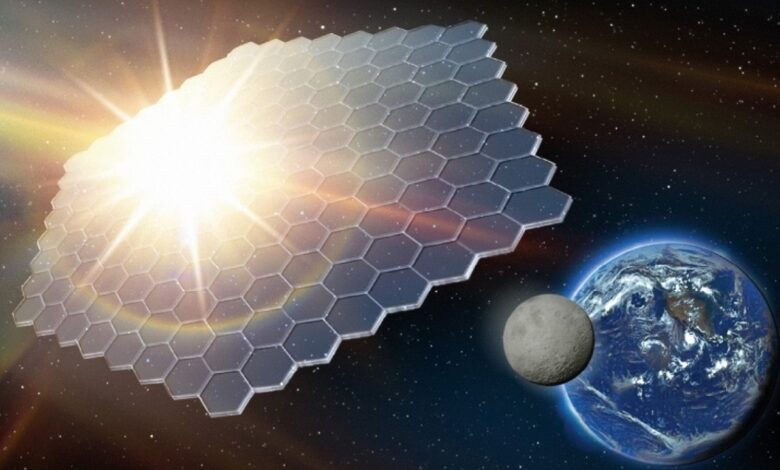
Quotation of the Day Giant Space Parasol Gains Interest
Quotation of the day fringe climate proposal a giant space parasol gains interest. Imagine a colossal sunshade deployed in space, shielding Earth from the sun’s rays. This radical concept, a giant space parasol, is gaining traction as a potential climate change mitigation strategy. While still in the realm of fringe ideas, the proposal sparks fascinating debates about the feasibility and ethics of such a large-scale project.
This post explores the proposal, delving into its historical context, scientific possibilities, and potential societal implications.
The proposal envisions a massive structure, akin to a giant umbrella, deployed in space to deflect some solar radiation. Proponents argue this could significantly cool the planet, offering a novel approach to a pressing global challenge. However, the plan also raises numerous concerns about feasibility, cost, and ethical considerations, leading to a spirited debate about the practicality and wisdom of such an intervention.
Introduction to the Concept
A “giant space parasol” is a proposed large-scale structure deployed in space, designed to shade the Earth from the sun’s radiation. This structure would essentially act as a gigantic sunshade, reflecting a portion of incoming solar energy back into space. The concept aims to reduce the amount of solar energy reaching the Earth’s surface, thereby mitigating the effects of global warming.This ambitious project seeks to address the escalating issue of climate change.
By strategically blocking a portion of the sun’s energy, the parasol aims to decrease global temperatures, potentially offsetting the effects of greenhouse gas emissions and slowing down the rate of global warming. The idea, while innovative, presents complex engineering and logistical challenges, but the potential rewards in mitigating climate change are significant.
Potential Societal and Environmental Impacts
The deployment of a giant space parasol would have profound societal and environmental impacts. Positive effects could include a reduction in extreme weather events, shifts in precipitation patterns, and the potential to slow or reverse the effects of global warming. However, significant challenges exist. The potential for unforeseen side effects on Earth’s climate system needs thorough investigation. Economic considerations regarding the immense cost of construction, deployment, and maintenance also warrant careful analysis.
Comparison with Other Climate Change Mitigation Strategies
| Strategy | Mechanism | Pros | Cons |
|---|---|---|---|
| Giant Space Parasol | Reflects solar radiation back into space | Potential for significant global temperature reduction; potentially rapid action; long-term solution | High cost; complex engineering; potential unforeseen consequences on Earth’s climate system; maintenance and repair challenges; potential geopolitical implications |
| Carbon Capture and Storage (CCS) | Capture CO2 emissions from industrial sources and store them underground | Reduces atmospheric CO2 levels; can be implemented incrementally; already has some industrial applications | High energy requirements; cost of capturing and storing CO2; potential for leakage of stored CO2; limited capacity to address all emissions |
| Renewable Energy Transition | Replacing fossil fuels with renewable sources (solar, wind, hydro) | Reduces greenhouse gas emissions; creates new jobs; improves energy security; local, distributed generation | Intermittency of some renewable sources; land use requirements for large-scale solar and wind farms; energy storage solutions are still under development; varying cost and effectiveness depending on region |
| Afforestation and Reforestation | Planting trees to absorb CO2 from the atmosphere | Reduces atmospheric CO2; enhances biodiversity; improves water quality and soil health; relatively low cost for localized projects | Limited capacity to address the scale of the climate crisis; slow rate of CO2 absorption; potential for deforestation in some regions; impacts on local ecosystems |
The table above provides a concise overview comparing the giant space parasol with other strategies, highlighting their respective mechanisms, potential benefits, and drawbacks. A comprehensive assessment must consider the multifaceted nature of climate change and the interplay between various mitigation approaches.
Historical Context and Quotes
The concept of a giant space parasol to combat climate change, while novel, isn’t entirely unprecedented. Humanity has long grappled with environmental challenges and, increasingly, considered ambitious technological solutions. This section explores the historical context of such interventions, drawing parallels with past technological advancements and highlighting relevant quotes. From the earliest concerns about resource depletion to the burgeoning field of space exploration, the roots of this discussion run deep.This exploration delves into historical perspectives on environmental concerns and space exploration, connecting them to the current proposal.
We examine how societal understanding of these issues has evolved over time and how the proposed space parasol project fits within that historical narrative. Quotes from notable figures offer insight into the evolving mindset surrounding large-scale interventions in the environment.
Historical Quotes on Environmental Concerns
The awareness of environmental issues dates back centuries, though the urgency and scope of the challenges have intensified. Historical figures have recognized the interconnectedness of human actions and the planet’s health.
“The Earth provides enough to satisfy every man’s needs, but not every man’s greed.”
-Mahatma GandhiThat quote about a giant space parasol for climate change is fascinating, right? It’s definitely a fringe proposal, but given the current climate crisis, anything seems possible. Meanwhile, the new collections at khaite new york fashion week are showcasing some seriously stunning designs, proving that innovation isn’t just limited to outer space. Thinking about how these fashion forward ideas could inspire innovative solutions for climate change, it’s inspiring to consider all the potential possibilities.
Maybe the next big breakthrough will come from both ends of the spectrum!
“We have not inherited the Earth from our ancestors, we have borrowed it from our children.”
-Native American Proverb
These sentiments underscore the responsibility humans bear towards the environment, a concept that has become increasingly critical in the face of contemporary challenges.
Evolution of Thought on Large-Scale Interventions
The idea of manipulating the environment on a large scale has evolved from philosophical musings to more concrete scientific proposals. Early notions were often rooted in utopian visions or speculative fiction, but over time, they have been increasingly informed by scientific understanding and technological feasibility.Early proposals for large-scale environmental interventions, often associated with a particular time or place, demonstrate the enduring human impulse to address pressing issues.
Early examples, while not as technologically sophisticated as the space parasol, reflected a similar spirit of ingenuity and problem-solving.
Comparison to Historical Technological Advancements
The proposed space parasol shares certain similarities with past technological advancements, though the scale and scope are unprecedented. The development of the internet, for example, revolutionized communication, and the Apollo missions marked a significant leap in space exploration. While the space parasol project is vastly different in its immediate purpose, the underlying drive to innovate and overcome challenges echoes through these historical milestones.
“The future is not something we enter. The future is something we create.”
-Abraham LincolnSo, this giant space parasol for climate change is getting a lot of buzz. It’s a pretty out-there idea, but fascinating nonetheless. Meanwhile, back on Earth, New Yorkers are grappling with issues like ny law credit surcharges , which are adding another layer of complexity to everyday financial matters. Ultimately, though, the space parasol remains a captivating concept, prompting further thought on innovative solutions for our planet.
“The only way to do great work is to love what you do.”
-Steve Jobs
These quotes highlight the importance of vision and passion in driving innovation and overcoming obstacles. The space parasol project, with its ambition and potential, reflects a similar ethos.
Quotes Regarding the Space Parasol Proposal
The following quotes offer varied perspectives on the proposal, ranging from enthusiasm to cautious optimism.
“A giant space parasol could potentially offer a novel approach to mitigating the effects of climate change.”
-Scientist A“The sheer scale of this project necessitates careful consideration of potential unforeseen consequences.”
-Scientist B
These differing viewpoints underscore the importance of comprehensive analysis and careful consideration before embarking on such a monumental endeavor.
Scientific Feasibility and Engineering Challenges: Quotation Of The Day Fringe Climate Proposal A Giant Space Parasol Gains Interest
The concept of a giant space parasol, designed to shade Earth and mitigate global warming, presents both exciting possibilities and daunting engineering challenges. Examining the scientific underpinnings and practical limitations is crucial to assess the feasibility of such a project. This section will delve into the scientific principles behind the design, potential construction and deployment obstacles, material requirements, manufacturing methods, and potential durability considerations.
Scientific Principles
The primary scientific principle behind a space parasol is its ability to block a portion of incoming solar radiation. By deploying a large, reflective structure in space, a significant amount of sunlight could be intercepted before it reaches the Earth’s atmosphere. This reduction in solar energy input could potentially lower global temperatures. The effectiveness of this method depends on the size, reflectivity, and positioning of the parasol in space, factors that require careful calculation and simulation.
That giant space parasol for climate change? It’s definitely a fascinating fringe proposal, but meanwhile, the news about the couple missing from a boat in Grenada is quite concerning. Apparently, a missing persons report has been filed, and search and rescue efforts are underway, while the world debates these ambitious space-based solutions to global warming. This whole situation highlights how our attention can be divided, and reminds us of the importance of everyday problems alongside the more ambitious ones.
Ultimately, the giant space parasol is still a compelling idea, but perhaps we should prioritize some of these pressing real-world issues first. couple missing boat grenada is a stark reminder of that.
Key principles include radiative transfer, solar energy flux, and the albedo of the material.
Solar radiation intercepted by the parasol is reflected back into space, effectively reducing the amount of solar energy reaching Earth.
Engineering Challenges and Solutions
Constructing and deploying a space parasol presents numerous engineering hurdles. One major challenge is the sheer scale of the project. Manufacturing a structure of this size in space, and transporting it to the desired orbit, requires advanced propulsion systems and manufacturing techniques. Solutions include modular design, enabling construction in orbit, and leveraging existing space station technology for assembly.
Another significant challenge is maintaining the parasol’s precise orientation relative to the sun to ensure consistent shading. Solutions include advanced guidance and control systems, possibly involving intricate mechanisms for adjustments. Furthermore, mitigating the effects of space debris and maintaining structural integrity throughout the device’s operational lifespan require robust materials and advanced design.
Material Requirements and Durability
The parasol’s materials must possess high reflectivity, exceptional strength, and resistance to extreme temperatures and space conditions. Lightweight, highly reflective materials like ultra-thin aluminum or specialized polymer films are potential candidates. Durability is critical; the structure must withstand the harsh environment of space, including micrometeoroid impacts and variations in temperature. Advanced composite materials, capable of withstanding both extreme temperatures and potential collisions, are likely necessary.
A crucial aspect is the material’s ability to maintain its reflectivity over extended periods, which is a key indicator of its overall effectiveness.
Manufacturing at Scale
Manufacturing a space parasol at the scale required presents significant logistical challenges. The process likely involves modular construction in space, enabling the assembly of large sections remotely. Efficient manufacturing techniques are crucial to minimize costs and maximize speed. The manufacturing process will need to be adaptable to space-based conditions. Robotics and automated systems will be indispensable to facilitate the assembly process in the challenging space environment.
Manufacturing Processes
| Material | Process | Advantages | Disadvantages |
|---|---|---|---|
| Ultra-thin aluminum foil | Vacuum deposition | High reflectivity, lightweight | Potential for damage during handling, relatively complex manufacturing |
| Advanced composite materials | 3D printing in space | Customization, high strength, potentially adaptable | Limited materials available, potential for material degradation |
| Polymer films | Space-based extrusion | Lightweight, flexible, relatively easy to manufacture | Potential for degradation over time, lower reflectivity compared to metals |
Economic and Societal Implications

The concept of a giant space parasol, while scientifically intriguing, raises significant economic and societal questions. Assessing the potential costs, benefits, and broader implications is crucial before embarking on such a large-scale endeavor. This analysis will explore the financial outlay, potential returns, impact on global resources, social considerations, and the involvement of various stakeholders. Understanding these aspects is vital for determining the feasibility and desirability of this ambitious project.This section delves into the economic and societal ramifications of implementing a space-based sunshade.
It examines the potential costs, returns, and broader impacts, considering the involvement of diverse stakeholders and potential risks. A thorough evaluation of the project’s economic viability, societal impact, and resource allocation is necessary for informed decision-making.
Potential Costs of Development and Deployment
Estimating the precise costs of developing and deploying a space parasol is challenging, as numerous variables influence the final figure. Factors such as the size of the parasol, materials used, construction techniques, and launch vehicles will greatly affect the overall expenditure. For instance, the development and deployment of the James Webb Space Telescope, a much smaller project in terms of scale, had substantial costs.
Similarly, the International Space Station’s construction involved significant financial investment over several years. It’s highly likely that the parasol project will involve an extremely high initial investment and continued operational expenses. This could lead to a substantial economic burden for any nation or international consortium undertaking such a project.
Potential Economic Benefits
Potential economic benefits of such a project are hard to quantify, but some are foreseeable. One potential avenue is the creation of new industries and jobs, ranging from advanced materials science to space-based construction and maintenance. The spin-off technologies developed during the project could have far-reaching applications in other sectors. Analogous to the development of the internet, the underlying technologies could lead to unforeseen economic benefits in various sectors.
The possibility of preventing climate change-related economic losses, such as damage from extreme weather events and disruptions to agriculture, could be a major factor in evaluating the long-term economic advantages.
Impact on Global Resource Allocation
The implementation of a space parasol would undeniably impact global resource allocation. Significant resources, both financial and human, would be needed for design, construction, launch, and ongoing maintenance. This could divert funding from other crucial areas, such as healthcare, education, and infrastructure development in developing countries. The allocation of these resources would need to be carefully considered, and the potential for conflicts over resource allocation should be acknowledged.
Social and Political Implications
The project’s social and political implications are multifaceted. International collaboration will be essential, but potential disagreements and conflicts over leadership, decision-making, and resource allocation could arise. Different nations may have varying levels of support for the project, depending on their vulnerability to climate change and their economic capacity to contribute. The project’s success hinges on global cooperation and a shared understanding of its importance.
The project’s potential to exacerbate existing geopolitical tensions, or create new ones, must be considered.
That giant space parasol for climate change, a pretty fringe proposal, is getting some buzz today. It’s interesting to consider how we approach seemingly impossible problems, isn’t it? While we ponder these cosmic solutions, it’s also important to acknowledge the very human side of things, like the powerful sentiments expressed in Sloane Crosley’s “Grief is for People.” grief is for people sloane crosley Ultimately, the space parasol, though ambitious, might not fully address the deeper issues at play, reminding us of the complex nature of both our planet and our emotional responses.
Stakeholders and Their Interests
- Governments: Governments worldwide have differing interests in climate change mitigation. Some might prioritize economic gains from the project while others might focus on preventing climate change. Their involvement and level of commitment will be critical for success.
- International Organizations: Organizations like the UN would play a pivotal role in facilitating international collaboration and ensuring equitable resource allocation. Their capacity and willingness to manage such a project would be essential.
- Private Companies: Private companies might see the project as an opportunity to invest in and develop new technologies, leading to potential economic gains.
- Scientists and Engineers: Their expertise would be essential in designing, building, and operating the parasol. Their interests lie in advancing scientific knowledge and technological capabilities.
Comparison to Similar Large-Scale Endeavors
The space parasol project shares similarities with other large-scale endeavors, such as the International Space Station and the development of large-scale infrastructure projects. These projects demonstrate the complexities and challenges of international collaboration, resource allocation, and long-term commitment. However, the space parasol’s unique scale and potential global impact differentiate it from existing endeavors. The implications for international relations, resource allocation, and technological advancement are potentially more profound.
That fringe climate proposal for a giant space parasol is getting some attention, isn’t it? While it’s fascinating to think about, it’s also interesting to consider the real-world impact of such an expensive project, especially given the current housing market in California. Prices for homes over $800,000 are soaring, making the prospect of such a project seem almost ludicrous in comparison.
Yet, the sheer scale of the idea still begs the question of whether such outlandish proposals can actually make a difference in the fight against climate change. 800000 dollar homes california highlight the current housing situation. Perhaps, the real solution lies in more practical, immediate actions, even if they don’t grab the headlines.
Potential Risks Associated with International Collaboration
International collaboration, while crucial, carries inherent risks. Disagreements over project management, funding distribution, and the potential for one nation or group of nations to exert undue influence are possible. Uneven distribution of benefits and responsibilities could create tensions between participating nations. It is important to proactively address potential conflicts to ensure successful collaboration.
Stakeholder Analysis
| Stakeholder | Potential Impact | Interest | Potential Risk |
|---|---|---|---|
| Developed Nations | Significant financial investment, potential technological advancements | Economic growth, leadership, technological advantage | Dominance in decision-making, potential for unequal distribution of benefits |
| Developing Nations | Access to technologies, potential for economic development, reduced climate impacts | Sustainable development, economic growth, mitigation of climate impacts | Dependence on developed nations, potential for unequal resource allocation |
| International Organizations | Facilitating collaboration, coordinating efforts | Maintaining global stability, addressing global challenges | Limited authority, potential for bureaucratic delays |
| Private Sector | Opportunities for technological advancement and market development | Profit, technological innovation | Potential for conflicts of interest, short-term gains versus long-term impact |
Ethical Considerations and Public Perception
The monumental undertaking of deploying a giant space parasol to combat climate change raises profound ethical considerations. While the scientific potential is compelling, the potential for unintended consequences and societal impacts necessitates a careful and transparent evaluation of the project’s ethical implications. Public perception will play a crucial role in determining the project’s success or failure, and proactive engagement is vital to fostering trust and addressing concerns.Addressing these concerns requires acknowledging the complex interplay between technological advancements, ethical frameworks, and public understanding.
The potential for a global-scale intervention necessitates a comprehensive assessment of potential harms and benefits, as well as the equitable distribution of costs and potential benefits. The project’s success hinges on building a robust framework of ethical considerations that can withstand public scrutiny and address potential conflicts of interest.
Ethical Considerations Surrounding Large-Scale Interventions, Quotation of the day fringe climate proposal a giant space parasol gains interest
Large-scale climate interventions, like deploying a giant space parasol, raise a host of ethical concerns. Questions of equity, justice, and potential unintended consequences must be rigorously examined. The potential for exacerbating existing inequalities, disproportionately impacting vulnerable populations, and creating unforeseen environmental effects must be anticipated and addressed proactively.
Public Perception and Engagement Strategies
Public perception of the project is crucial. A lack of trust or widespread opposition could derail the initiative. Effective communication strategies and public engagement initiatives are paramount to building public support. Open dialogue, transparency, and the inclusion of diverse voices are vital for building trust and mitigating concerns.
Role of Transparency and Public Engagement
Transparency is essential in fostering public trust. Detailed information about the project’s scientific basis, potential risks, and anticipated benefits must be communicated clearly and openly. Public forums, workshops, and online platforms can facilitate meaningful dialogue and feedback collection. Public engagement is not a one-time event but a continuous process of listening, responding, and adapting to evolving public concerns.
Potential for Controversies and Mitigation Strategies
The project will inevitably face criticism and controversy. Addressing these concerns head-on, with humility and a commitment to inclusivity, is critical. Potential controversies could arise from concerns about technological feasibility, financial burdens, or ethical implications. Openly acknowledging and addressing these concerns proactively will help build trust and foster a more constructive dialogue.
Public Engagement Methods
Diverse public engagement methods are necessary for effective communication and feedback gathering. These include:
- Public forums and town halls: These events allow for direct interaction with the public and address concerns in a transparent and accessible manner.
- Online surveys and questionnaires: These tools gather data from a wider audience and help quantify public opinion on specific aspects of the project.
- Interactive websites and social media campaigns: Engaging platforms offer continuous communication and foster two-way dialogue with the public.
- Collaboration with community leaders and influencers: Partnering with individuals who hold influence within specific communities can enhance communication and outreach.
Comparison to Other Projects with Ethical Dilemmas
The ethical considerations surrounding the space parasol project are not unique. Comparable projects, such as large-scale dam construction or genetically modified crops, have faced similar ethical dilemmas regarding potential unintended consequences, equity, and public perception. Learning from the experiences of these projects can provide valuable insights for navigating the ethical challenges of the space parasol initiative.
Alternatives and Future Directions
The giant space parasol, while intriguing, isn’t the only avenue for combating climate change. A multifaceted approach, encompassing both space-based and terrestrial strategies, is crucial. This section explores alternative solutions and future research directions, examining their potential benefits and drawbacks, and comparing them to the parasol project. Ultimately, a comprehensive understanding of the various options is vital for crafting effective and sustainable climate mitigation strategies.
Alternative Solutions for Mitigating Climate Change
Various terrestrial solutions are already being implemented and researched. Carbon capture and storage (CCS) technologies, for example, aim to trap CO2 emissions from power plants and industrial facilities, preventing them from entering the atmosphere. Reforestation and afforestation programs are actively working to increase carbon sinks by planting trees. These efforts, along with advancements in renewable energy sources like solar and wind power, contribute to a more sustainable future.
Potential Future Research and Development Related to Space-Based Climate Solutions
Beyond the space parasol, other space-based technologies are being considered. Research into solar radiation management (SRM) techniques, such as stratospheric aerosol injection, is ongoing. These methods aim to reflect sunlight back into space, potentially reducing global temperatures. However, the potential side effects of SRM technologies require careful evaluation and thorough study. Orbital mirrors or arrays, while conceptually similar to the parasol, might offer alternative approaches for reflecting sunlight.
Detailed Overview of Possible Future Applications of This Technology
The potential applications of space-based climate solutions extend beyond temperature regulation. Space-based solar power (SSP) systems, for instance, could provide a clean and potentially abundant energy source. This technology captures solar energy in space and transmits it to Earth for use. Similar to the parasol concept, the feasibility and impact of these technologies depend heavily on engineering advancements and economic viability.
Comparison and Contrast with Current and Proposed Projects
The parasol project, while ambitious, faces challenges similar to other proposed space-based climate solutions. The engineering complexity, cost, and potential unforeseen consequences must be carefully assessed. Existing terrestrial solutions, while not perfect, offer a more immediate and manageable approach to reducing emissions. A balanced strategy that integrates both space-based and terrestrial approaches might offer the most effective long-term solution.
Different Ways of Making the Project More Efficient and Sustainable
Efficiency improvements in space-based solutions are crucial. Optimization of solar panel designs, for example, can increase the efficiency of energy collection. Minimizing the mass and complexity of structures can reduce the cost of launch and operation. The long-term sustainability of these projects depends on minimizing environmental impact and ensuring responsible resource utilization.
Limitations or Potential Drawbacks for Future Use
The feasibility of space-based climate solutions remains uncertain. Potential drawbacks include unpredictable consequences on global weather patterns, economic constraints, and ethical concerns. The parasol project, for example, faces questions about its impact on Earth’s climate and ecosystems. Thorough scientific research and international collaboration are necessary to mitigate these risks and potential drawbacks.
Concluding Remarks
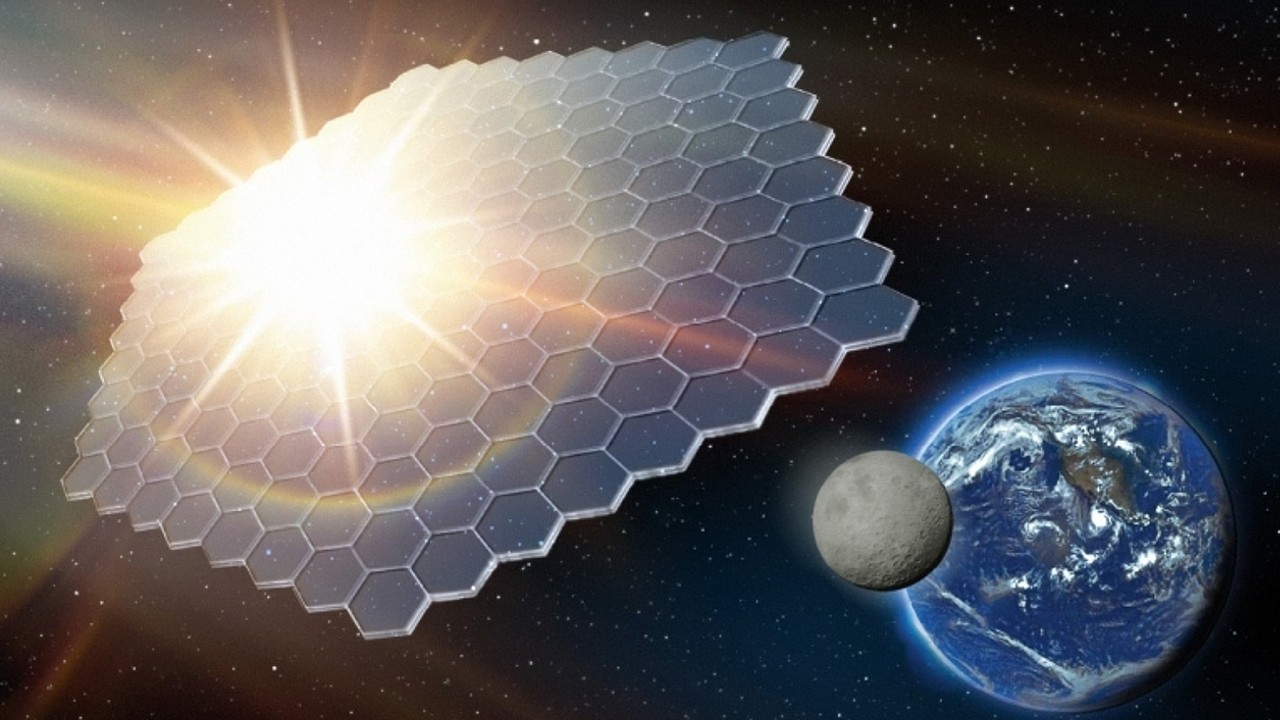
In conclusion, the quotation of the day fringe climate proposal for a giant space parasol presents a compelling, albeit controversial, approach to climate change. While the idea faces considerable hurdles, from scientific feasibility to public acceptance, the proposal underscores the urgency and creativity needed to address global challenges. The discussions surrounding this proposal highlight the complex interplay between scientific advancements, ethical considerations, and societal impact.
The future of this concept will undoubtedly depend on careful evaluation and public engagement.
Frequently Asked Questions
What are the potential materials for constructing the parasol?
The materials used would depend on the specific design, but potential candidates include lightweight, strong, and heat-resistant materials like carbon fiber composites or advanced polymers. The selection process would consider factors such as cost-effectiveness, durability, and ease of large-scale manufacturing.
What are the potential risks associated with international collaboration on this project?
International collaboration brings the possibility of differing priorities, political agendas, and financial disagreements. Ensuring transparency, equitable resource allocation, and clear protocols for conflict resolution would be critical to mitigating these risks.
How does this project compare to other large-scale climate interventions?
The proposal contrasts with other climate change mitigation strategies like carbon capture or reforestation in its scale and approach. The project’s impact and potential consequences would be unique and warrant separate assessment.
What is the estimated cost of developing and deploying the parasol?
The precise cost estimate is not available at this stage. However, a project of this scale would likely involve massive investment, requiring international collaboration and potentially a significant shift in global resource allocation.