
Bangladesh Election Hamas Gaza Japan Steel
Bangladesh Election Dynamics, Gaza Conflict’s Shadow, and Japan’s Steel Industry: Interconnected Geopolitical and Economic Currents
The upcoming general election in Bangladesh is not a solitary domestic affair; its outcomes are intrinsically linked to broader geopolitical shifts and economic realities, including the ongoing conflict in Gaza and the fluctuating global steel market, significantly influenced by Japan’s industrial prowess. Understanding these interwoven threads is crucial for a comprehensive geopolitical and economic analysis. The Bangladesh general election, traditionally a period of intense political maneuvering and societal engagement, is currently unfolding against a backdrop of heightened international scrutiny. The ruling Awami League, led by Prime Minister Sheikh Hasina, faces opposition parties, notably the Bangladesh Nationalist Party (BNP), which are advocating for a caretaker government system for election oversight, a demand the ruling party has consistently rejected. The political discourse is further complicated by concerns regarding democratic freedoms, freedom of the press, and the participation of all political actors. International observers are keenly watching to ensure a free, fair, and credible electoral process, recognizing that the stability and trajectory of Bangladesh, a nation of over 170 million people and a key player in South Asia, have significant regional and global implications. Economic policies, governance, and foreign relations are all at stake, with potential impacts on trade, investment, and regional security.
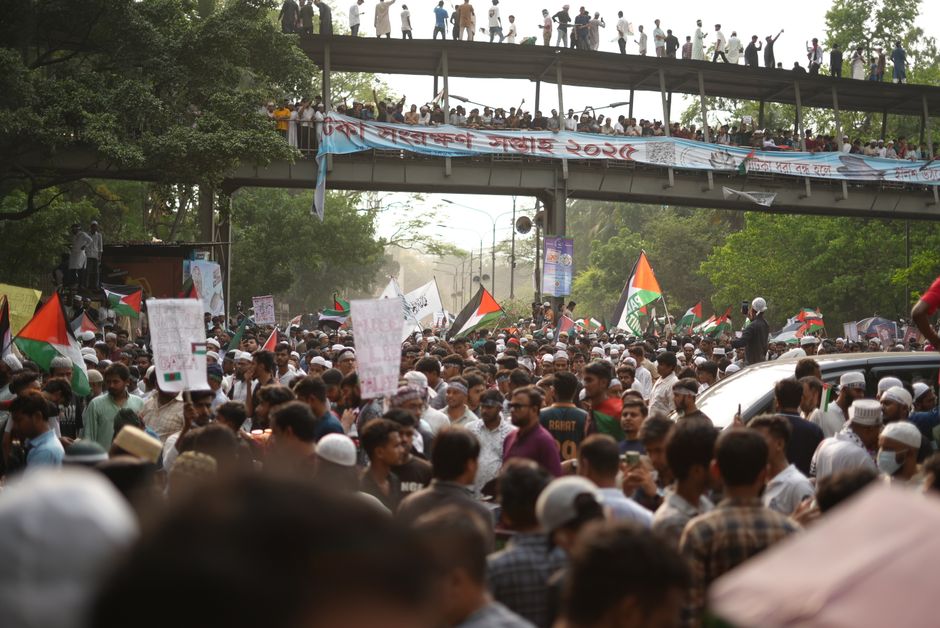
The shadow of the conflict in Gaza, initiated by the October 7th attacks by Hamas and Israel’s subsequent military response, casts a long and somber pall over global affairs, and indirectly influences events like the Bangladesh election. While geographically distant, the humanitarian crisis and the geopolitical ramifications of the Gaza conflict resonate across continents. For Muslim-majority nations like Bangladesh, public sentiment often gravitates towards solidarity with the Palestinian cause. Political parties in Bangladesh, regardless of their domestic platforms, are compelled to acknowledge and address this sentiment. Opposition parties might leverage public opinion on Gaza to criticize the government’s foreign policy stances, or lack thereof, if perceived as insufficient in condemning Israeli actions. Conversely, the ruling Awami League may seek to portray its approach as pragmatic and focused on maintaining national interests and diplomatic ties without alienating key international partners. The conflict’s impact on global oil prices, supply chain disruptions, and increased geopolitical instability can also indirectly affect Bangladesh’s economy, influencing inflation, trade balances, and the overall economic climate within which the election is contested. Furthermore, the intensified focus on Middle Eastern conflicts can divert international attention and resources that might otherwise be directed towards supporting democratic transitions or development initiatives in countries like Bangladesh. This diversion can subtly alter the international community’s engagement with the electoral process, potentially impacting the pressure for transparency and fairness.
Japan’s steel industry, a global titan, plays a pivotal role in the international economy, and its dynamics are inextricably linked to the global political and economic landscape, including events in Bangladesh and the Middle East. Japanese steel producers are renowned for their high-quality products, technological innovation, and significant export volumes. Their output serves a vast array of sectors worldwide, from automotive and construction to infrastructure development and heavy machinery. Consequently, fluctuations in Japanese steel production, pricing, or trade policies can have ripple effects far beyond Japan’s shores. For a developing nation like Bangladesh, which relies on imported steel for its burgeoning infrastructure projects and industrial growth, the cost and availability of Japanese steel are critical economic considerations. Any significant shifts in the global steel market, influenced by Japanese production levels, trade disputes involving Japan, or even global demand dictated by geopolitical stability, will directly impact Bangladesh’s construction costs, manufacturing competitiveness, and overall economic development plans. The interconnectedness means that issues like trade tariffs imposed by various nations on Japanese steel, or shifts in Japan’s own domestic demand, can alter global pricing benchmarks, which Bangladesh then has to contend with.
The Bangladesh election’s outcome will have significant implications for the country’s future economic trajectory, and by extension, its relationship with global commodity markets like steel. A government committed to economic liberalization and infrastructure development will likely see increased demand for steel, potentially leading to more substantial import orders. Conversely, a less business-friendly administration might slow down such projects, reducing demand. Japan, as a major supplier, is therefore indirectly affected by the policy choices made in Dhaka. The political stability and economic growth post-election in Bangladesh are crucial for maintaining consistent trade relationships. Furthermore, the sustainability of large-scale infrastructure projects, often financed by international development banks, is tied to the political will and economic management of the elected government. These projects, in turn, are consumers of steel, thus linking electoral outcomes to global commodity demand.
The Gaza conflict, while primarily a humanitarian and regional security crisis, also has economic dimensions that can influence the global steel market and, indirectly, Bangladesh’s election environment. Disruptions to shipping routes, increased insurance premiums for vessels traversing certain regions, and a general sense of global economic uncertainty can lead to price volatility in commodities. If the conflict escalates or affects major trade chokepoints, it could impact the cost of raw materials for steel production or the shipping costs of finished steel products. This global economic turbulence can exacerbate existing economic challenges within Bangladesh, potentially fueling public discontent and influencing voter behavior during the election. For instance, a surge in imported goods prices due to supply chain issues stemming from the Gaza conflict could directly impact the cost of living in Bangladesh, becoming a significant campaign issue.
Japan’s steel industry, in its pursuit of market share and profitability, is constantly navigating a complex web of international trade agreements, environmental regulations, and geopolitical risks. The global push towards decarbonization, for example, is compelling Japanese steelmakers to invest in greener technologies and production methods. This can lead to shifts in their product portfolio and pricing strategies, which Bangladesh, as a consumer, will have to adapt to. Moreover, geopolitical tensions involving Japan or its major trading partners can lead to trade restrictions or sanctions, impacting the flow of steel and its availability. Such disruptions in the global steel supply chain, even if not directly linked to Bangladesh, can create economic headwinds that affect the incumbent government’s performance and its chances in the election. For instance, if a global steel shortage arises due to geopolitical events, and Bangladesh is struggling to procure essential materials for its development projects, this could become a potent criticism leveled against the ruling party.
The interplay between the Bangladesh election, the Gaza conflict, and Japan’s steel industry underscores the interconnectedness of the modern world. Domestic political events in a nation of Bangladesh’s size can have regional implications, and international conflicts, however distant, can create global economic ripples. Japan’s industrial strength in a sector as foundational as steel means its fortunes are tied to global stability and demand, which are in turn influenced by geopolitical events like the Gaza crisis. Therefore, a holistic analysis of the Bangladesh election necessitates looking beyond its borders, acknowledging the broader geopolitical currents and economic realities that shape its context and potential outcomes. The decisions made by voters in Bangladesh will not only determine its domestic future but will also be made within an environment significantly influenced by international dynamics, from the humanitarian crisis in Gaza to the industrial might of Japan. Understanding these complex interdependencies is vital for appreciating the full spectrum of challenges and opportunities facing Bangladesh, its electorate, and its future leadership. The strategic implications of these three seemingly disparate elements are far-reaching. For instance, a stable Bangladesh with a robust economy is a more reliable trading partner for Japan and a more constructive player in regional security. Conversely, prolonged instability in Gaza could lead to further global economic fragmentation, impacting trade flows and commodity prices, thus affecting both Bangladesh’s development prospects and Japan’s export-oriented industries. The efficiency and competitiveness of Japan’s steel sector are thus indirectly influenced by the resolution, or lack thereof, of conflicts like the one in Gaza, which can impact global investment sentiment and infrastructure spending, ultimately affecting demand for steel.
The implications for foreign policy are also significant. Bangladesh’s stance on the Gaza conflict could influence its relations with various global powers, impacting its ability to secure trade deals or attract investment, which are crucial for its economic development and, consequently, for the incumbent government’s electoral prospects. Japan, as a staunch ally of the United States and a key economic partner for many nations, also finds its foreign policy decisions on issues like trade and security influenced by global events. Shifts in Japanese steel production or export strategies, perhaps driven by geopolitical considerations or the need to diversify markets away from regions experiencing instability, can create opportunities or challenges for countries like Bangladesh seeking to procure essential industrial materials. The sustainability of Japan’s steel industry, facing increasing pressure for environmental compliance and global competition, is itself a testament to its adaptability, a quality that is also essential for nations navigating complex geopolitical and economic landscapes like Bangladesh. The confluence of these factors—an impending election in a populous nation, a protracted and devastating conflict in the Middle East, and the global economic influence of a major industrial power—presents a multifaceted picture where domestic politics are undeniably shaped by international realities. Any analysis seeking to comprehend the full scope of the Bangladesh election must therefore integrate these external influences, recognizing that the choices made at the ballot box will be influenced by and, in turn, contribute to a broader global narrative. The election is not just about who governs Bangladesh; it is also a reflection of how the nation navigates a world increasingly defined by geopolitical tensions, humanitarian crises, and the intricate dynamics of global trade and industry, exemplified by Japan’s indispensable steel sector.
