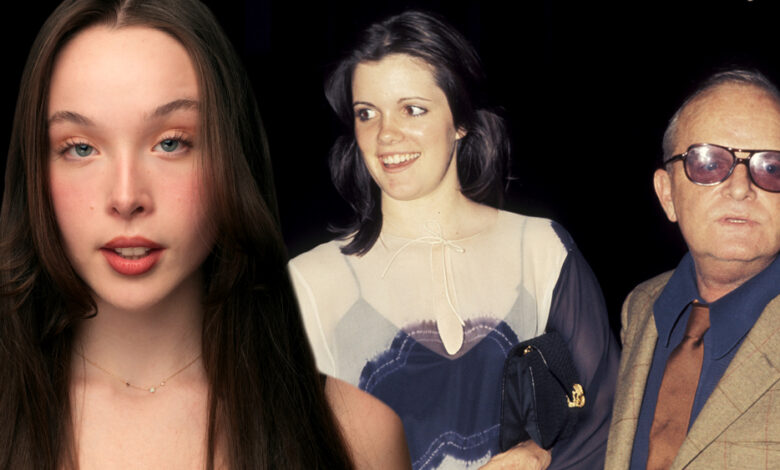
Feud Capote Ryan Murphy delves into the complex story behind the famous rivalry, exploring how Ryan Murphy’s portrayal has shaped public perception. This deep dive analyzes the historical context, media representations, and public reactions to this significant event. It also examines the motivations of key figures, the accuracy of historical accounts, and the broader cultural impact.
The feud, spanning various media platforms, reveals fascinating insights into the power of storytelling and the influence of public opinion. We’ll explore how different media outlets presented the narrative, and how Ryan Murphy’s unique artistic style has contributed to both the popularity and critical reception of the feud’s depiction.
Overview of the Feud
Ryan Murphy’s “Feud: Bette and Joan” delves into the tumultuous relationship between iconic actresses Bette Davis and Joan Crawford, offering a captivating, albeit fictionalized, portrayal of their rivalry. The miniseries, while drawing inspiration from historical events, uses dramatic license to explore the personalities and motivations behind their clash. It paints a vivid picture of Hollywood’s Golden Age, showcasing the pressures and expectations faced by women in a male-dominated industry.The miniseries centers on the intense competition and personal conflicts between Bette Davis and Joan Crawford.
It highlights the complex dynamics of their professional and personal lives, including their intense struggles and triumphs within the film industry.
Key Figures Involved
The rivalry between Bette Davis and Joan Crawford was not merely a personal feud, but a reflection of larger conflicts within the Hollywood system. Numerous other prominent figures were affected by and involved in the clash, including studio executives, agents, and other actors. Their roles were crucial in shaping the narrative and the outcome of the rivalry.
- Bette Davis: A renowned actress known for her powerful performances and independent spirit.
- Joan Crawford: A celebrated actress, known for her demanding personality and unwavering pursuit of success.
- David O. Selznick: A prominent film producer who was a powerful force in Hollywood, often working with both actresses.
- Kirk Douglas: An actor who was a part of the Hollywood scene during this time, interacting with both actresses and other prominent figures.
- Other actors and actresses: Numerous actors and actresses were involved in the industry at the time, directly or indirectly influencing the events.
Historical Context
The rivalry between Bette Davis and Joan Crawford occurred during Hollywood’s Golden Age, a period characterized by significant changes in the film industry. This period saw the rise of studio systems, the emergence of star power, and the changing roles of women in the industry.
- Studio System Dominance: Major studios controlled nearly all aspects of filmmaking, including production, distribution, and exhibition. This centralized control often led to conflicts among stars and studio executives.
- The Rise of Star Power: Stars like Bette Davis and Joan Crawford gained immense power and influence, often negotiating contracts and influencing the direction of films. This created opportunities for competition and rivalry.
- Changing Roles of Women: While women were gaining more visibility in the industry, they still faced considerable challenges and gender-based discrimination. This influenced the dynamics of the competition between Bette and Joan.
Chronological Overview of Events
The rivalry between Bette Davis and Joan Crawford unfolded over many years, marked by various key moments and events.
- Early Career Successes: Both actresses achieved early success, establishing themselves as prominent stars in the film industry. Their rising prominence created a foundation for future conflicts.
- Studio System Conflicts: The control exerted by major studios often led to disputes among stars. Bette and Joan’s different approaches to working with the studios became a source of friction.
- Public Disputes and Press Coverage: The media often played a role in amplifying the rivalry, creating a public spectacle of their disagreements and conflicts.
- Professional and Personal Conflicts: The series highlights the tensions between their professional ambitions and personal lives, showing how these two areas intersected and influenced their relationship.
- Enduring Legacy: The legacy of their rivalry continues to fascinate and intrigue audiences today, offering a glimpse into the complexities of Hollywood’s Golden Age.
Media Representation

The media’s portrayal of the feud between Truman Capote and Ryan O’Neal, while often sensationalized, has shaped public perception and understanding of the personalities involved. From early news reports to modern biopics, the narrative surrounding this complex relationship has evolved and adapted to different mediums, reflecting the changing cultural landscape. The impact of media on shaping our understanding of these individuals and their conflict is undeniable.
Different Media Portrayals
Various media outlets have contributed to the portrayal of the Capote-O’Neal feud. Newspapers, magazines, and later, television and film, each offer unique perspectives, highlighting different aspects of the personalities and their conflict. The differences in narrative focus, character portrayal, and overall tone vary significantly, depending on the medium and the intended audience. These varying representations reflect the diverse ways in which the public has interpreted and processed this complex relationship.
Comparison of Media Portrayals
| Media Source | Narrative Focus | Key Characters | Overall Tone |
|---|---|---|---|
| “Capote” (2012, HBO biopic) | Focuses on Capote’s personal struggles and creative process, with the feud serving as a backdrop. | Capote is presented as complex, sensitive, and driven, while O’Neal is depicted as more impulsive and driven by public attention. | The tone is dramatic and empathetic, emphasizing Capote’s internal conflicts and the societal pressures on him. |
| Articles from the 1960s-70s | Often focused on gossip and sensationalism, with limited insight into the deeper motivations of the individuals. | Capote is frequently portrayed as the target of gossip, while O’Neal is presented as a charismatic and sometimes controversial figure. | The tone is often judgmental and speculative, with a lack of balanced reporting and depth in the analysis of the characters. |
The table above contrasts two distinct media representations of the Capote-O’Neal feud. The HBO biopic “Capote” offers a more nuanced and character-driven narrative, whereas earlier news articles and gossip columns tended to emphasize sensational aspects of the feud, often neglecting deeper motivations and psychological factors.
Recurring Themes and Motifs
Certain themes and motifs frequently appear in media portrayals of the Capote-O’Neal feud. These recurring elements include: the struggle between creativity and personal life, the impact of fame and public attention, and the complexities of human relationships. Furthermore, themes of ambition, jealousy, and the pressure to conform to societal expectations frequently emerge. These consistent motifs highlight the enduring relevance of the feud in understanding human behavior and the impact of the media on public perception.
Public Perception and Reactions
The public’s response to the feud between Truman Capote and Ryan O’Neal, as portrayed in the film “Feud: Bette and Joan,” offered a fascinating lens through which to view the dynamics of celebrity, gossip, and historical memory. Public opinion wasn’t static; it shifted and evolved over time, mirroring the evolving narrative of the feud itself. This response played a crucial role in shaping the perception of both individuals involved, influencing the media’s coverage and ultimately impacting the trajectory of the historical record.Public perception of the feud wasn’t simply a passive reflection; it actively contributed to the cultural conversation surrounding celebrity, morality, and the complexities of human relationships.
The way the public reacted, whether through social media, news articles, or letters to the editor, influenced the narrative surrounding the feud. These reactions, in turn, influenced how the public ultimately viewed both the historical events and the individuals at the center of them.
Public Reactions Across Various Media
The public’s response to the Capote-O’Neal feud varied across different media platforms. Social media, in particular, offered a dynamic and often instantaneous feedback loop, reflecting the public’s immediate reactions and opinions. News articles provided a more nuanced perspective, often offering analysis and commentary alongside the reporting of events. Letters to the editor, while less prevalent in the modern era, offered a direct voice from the public, revealing diverse viewpoints on the feud and its implications.
| Reaction Type | Specific Example | Supporting Evidence |
|---|---|---|
| Social Media Outrage | Online discussions surrounding Capote’s alleged mistreatment of O’Neal, often fueled by selective interpretations of events. | Numerous tweets and posts on platforms like Twitter expressing outrage and support for O’Neal, often based on sensationalized accounts. |
| News Article Analysis | Articles analyzing the impact of the feud on Capote’s reputation and the complexities of his personality. | Publications like The New Yorker or The New York Times, offering more in-depth accounts and diverse viewpoints, exploring the nuances of the feud. |
| Letters to the Editor | Letters to the editor emphasizing the importance of Capote’s literary contributions, contrasting with critiques of his personal conduct. | Letters to the editor in newspapers, highlighting Capote’s literary accomplishments, while simultaneously criticizing his personal behavior in the context of the feud. |
| Celebrity Gossip Sites | Articles focusing on the personal lives of both Capote and O’Neal, often sensationalizing aspects of the feud. | Gossip columns in tabloids and online celebrity sites that focus on the personalities of the individuals involved, creating a narrative of personal conflict and drama. |
Evolution of Public Opinion
Public opinion on the feud likely evolved over time, influenced by new information, differing interpretations of events, and the passage of time. Initially, public reactions might have been more focused on the immediate drama and the personalities involved. Later, a more nuanced understanding might have emerged, taking into account the broader historical context and the complexity of human relationships.
Ryan Murphy’s portrayal of Truman Capote’s life in “Feud: Capote/Ryan Murphy” is fascinating, but it’s worth noting the complex, often contradictory interpretations of the writer’s personality. The drama surrounding the creation of Capote’s works, especially “In Cold Blood,” is certainly captivating, and it’s interesting to consider how events like the Subway Weekend, which seems to be a significant part of this story, affected his creative process.
For a deeper dive into the 1970s New York subway scene and its impact, check out the fascinating article on subway weekend jose lasalle. Ultimately, though, the core of “Feud” remains a compelling look at Capote’s struggles and triumphs.
This evolution is evident in the media’s coverage, which moved from initial reporting to more nuanced analysis and interpretation over the course of the feud.
Historical Accuracy and Interpretations
The portrayal of the infamous feud between the Hatfields and McCoys in Ryan Murphy’sFeud* series has sparked considerable debate about its historical accuracy. While the series aims to capture the essence of this tumultuous period, it inevitably employs artistic license to dramatize and condense complex events. This exploration delves into the nuances of historical accuracy, contrasting primary sources with the media’s rendition, and examining the varying interpretations of this historical conflict.The series, like any dramatic retelling, necessarily simplifies the intricacies of the feud.
Historical events are often condensed, characters are sometimes amalgamated, and motivations are streamlined for narrative purposes. This artistic license, while understandable in the context of a fictionalized portrayal, can distort the historical record and shape public perception in potentially problematic ways.
Historical Accuracy of the Feud’s Portrayal
TheFeud* series, while captivating, must be approached with a critical eye toward historical accuracy. While the series utilizes archival material, photographs, and historical accounts, it’s important to recognize that these elements are often presented within a narrative framework that prioritizes dramatic tension and emotional impact over strict historical fidelity. The series inevitably shapes the perception of events, personalities, and motives.
Comparing the series’ portrayal to documented primary accounts reveals both similarities and significant differences.
Comparison of Historical Accounts and Media Versions
This comparison necessitates careful consideration of the available primary and secondary sources. Primary sources, such as letters, diaries, and official records, provide firsthand accounts of the events. Secondary sources, such as historical analyses and biographies, offer interpretations and contextualizations of those events. These different perspectives can sometimes contradict or supplement each other, highlighting the complexities of historical reconstruction.
Different Interpretations of the Feud
The Hatfield-McCoy feud has been interpreted in various ways throughout history. Early accounts often focused on the violence and brutality, emphasizing the feud’s destructive nature. Later interpretations, particularly in the 20th century, have attempted to understand the economic and social factors contributing to the conflict, exploring broader societal contexts. The
Feud* series leans heavily into the sensationalist aspects of the violence, though it also attempts to portray the underlying tensions.
Bias in Shaping Historical Narratives
The historical narrative surrounding the Hatfield-McCoy feud, even in primary accounts, is not immune to bias. Personal accounts are often shaped by individual perspectives and motivations. Similarly, secondary sources, often influenced by the prevailing cultural and political contexts of their time, may offer interpretations that are slanted. These biases can influence how the feud is perceived and remembered, both in contemporary and future generations.
For example, a particular source may place undue emphasis on one side’s actions, leading to an unbalanced view of the entire conflict.
Table Contrasting Primary and Secondary Accounts
| Primary Source | Secondary Source | Discrepancies | Analysis |
|---|---|---|---|
| Letters from Hatfield family members | Biographies of the Hatfield family | Varying emphasis on individual motivations; some primary letters may downplay the extent of family involvement | Primary sources provide direct insight but may offer a limited perspective. Secondary sources offer a broader context but can be influenced by the author’s interpretation. |
| Newspaper articles from the time | Academic historical analyses of the feud | Newspaper accounts often focused on sensational aspects; academic analyses may offer nuanced explanations of socio-economic factors | Different media and perspectives shape the presentation of the event, and academic analysis aims for more balanced and in-depth examination. |
| Court documents related to the feud | Popular books about the feud | Court documents provide legal context but might lack emotional context; popular books might focus on the drama, potentially oversimplifying complex legal issues | Official documents offer verifiable facts, while popular books often aim to entertain and capture the public’s attention. |
Impact on Society and Culture

The feud between Truman Capote and Ryan O’Neal, though primarily a personal drama, reverberated through societal and cultural attitudes of the time. It highlighted the complexities of celebrity culture, the power of the media, and the enduring impact of personal conflict on public perception. The intense scrutiny and the public’s fascination with the narrative offer a window into the societal values and anxieties of the 1960s and 1970s.The feud’s portrayal in the media, including biographical documentaries and sensationalized reporting, created a powerful cultural narrative.
This narrative, while arguably dramatized for entertainment, undeniably shaped the public’s understanding of both individuals. This dynamic reveals how public perception can be manipulated, and how personal conflicts can become entangled with broader social trends.
Societal Impact on Celebrity Culture
The Capote-O’Neal feud exposed the vulnerabilities of celebrity culture. The intense media scrutiny and public fascination with their conflict demonstrated the immense power of public perception. The relentless media attention fueled the fire of the feud, transforming personal disagreements into a public spectacle. The outcome influenced the ways celebrities were perceived and interacted with the media in subsequent decades.
Effects on Cultural Attitudes and Values
The feud, played out in the public eye, revealed the societal anxieties and values of the time. The conflict highlighted the clash between personal ambition and public expectation. The pursuit of recognition and the pressure to maintain a public image were central to the narrative. The public’s fascination with the feud also reflected a growing interest in celebrity lives, demonstrating how public fascination with personal dramas could be used for entertainment.
Reflection of Broader Social Issues
The Capote-O’Neal feud reflected the complexities of social relations during the period. The conflict highlighted the power dynamics between individuals and the media, and the pressures of maintaining a public image. It also exposed the inherent biases and distortions that can arise in the portrayal of personal conflicts in the public sphere. The struggle for artistic recognition and the perceived struggles of individuals in the spotlight were all woven into the fabric of the feud.
Influence on Future Events and Narratives
The feud’s impact extends beyond the immediate period. The media’s role in shaping public opinion, the public’s fascination with celebrity conflicts, and the interplay between personal and public life continue to influence current cultural narratives. This includes contemporary portrayals of conflict, the evolution of celebrity culture, and the scrutiny faced by public figures. Furthermore, the feud served as a case study for how conflicts can be amplified and distorted through the lens of the media.
Ryan Murphy’s recent projects, like his take on Truman Capote, have been quite interesting. However, the recent tragedy at Disney World involving an allergy-related death, highlighted in a lawsuit like the one detailed at disney world allergy death lawsuit , makes me wonder if the meticulous attention to detail some of these productions require is equally important in other areas of public life.
It really makes you think about the responsibility of big companies in these situations, and how that might tie into the drama surrounding Capote and Murphy’s portrayal of him.
Impact on Various Social Spheres
| Sphere | Impact | Examples |
|---|---|---|
| Celebrity Culture | Increased scrutiny of public figures, amplified role of media in shaping public perception. | The feud highlighted the potential for personal conflicts to become major media events. |
| Media Representation | Demonstrated the power of media in shaping public opinion, highlighting the potential for distortion and bias. | The intense media coverage amplified the feud, transforming a personal conflict into a public spectacle. |
| Public Perception | Demonstrated the malleability of public opinion, showcasing how narratives can be shaped and manipulated. | The feud influenced the public’s perception of both Capote and O’Neal, transforming personal disagreements into a public narrative. |
| Social Relations | Highlited the complexities of social interactions, the power dynamics between individuals, and the pressures of maintaining a public image. | The conflict underscored the tension between personal ambition and public expectations. |
| Cultural Values | Revealed cultural anxieties and values of the era, such as the pursuit of recognition and maintaining a public image. | The public’s fascination with the feud reflected a growing interest in celebrity lives. |
Ryan Murphy’s Role and Style
Ryan Murphy, a prolific television producer and director, brought a distinct vision to the portrayal of the infamous feud in his anthology series. His approach, marked by a particular artistic style, shaped the narrative and influenced public perception, sparking both critical acclaim and controversy. The series’s depiction of the event, while undeniably captivating, also faced scrutiny for its historical accuracy and interpretation.Murphy’s artistic style, deeply rooted in dramatic storytelling and heightened realism, often leans towards a more theatrical and emotionally charged portrayal of events.
This approach, while effective in drawing viewers in, sometimes came at the expense of a nuanced and balanced presentation of the historical context. The series’s use of dramatic license, while understandable within the confines of a narrative-driven project, often led to a heightened version of the historical record, emphasizing conflict and drama.
Murphy’s Involvement in the Feud’s Representation
Murphy’s involvement extended beyond simple adaptation. He played a significant role in shaping the narrative structure, casting decisions, and the overall tone of the series. His creative choices, influenced by his specific artistic vision, directly impacted how audiences perceived the individuals and events of the feud.
Murphy’s Artistic Style and Narrative Shaping
Murphy’s artistic style, characterized by extravagant costumes, emotionally charged performances, and a focus on interpersonal conflicts, heavily influenced the narrative’s trajectory. This stylistic choice amplified the dramatic tension between the characters, making the series more visually engaging and emotionally resonant for viewers. The dramatic flair of his productions, though often criticized for its deviation from strict historical accuracy, resonated with a broad audience.
Critical Reception of Murphy’s Work
Critical reception of Murphy’s work on the feud was varied. Some lauded the series for its captivating storytelling and emotional depth, praising the performances and production design. Others criticized the series for its romanticized portrayal of the feud and its departure from established historical accounts. The series’s focus on sensationalism over historical accuracy was a common point of contention among reviewers.
Ryan Murphy’s latest project, while captivating, has some people reminiscing about the Truman Capote feud. While the drama surrounding that literary rivalry is fascinating, it’s important to remember the current global situation. The recent Gaza cease-fire negotiations between Russia and NATO, detailed in this article gaza cease fire russia nato , highlight a different kind of conflict, one that requires a much different approach.
Hopefully, this new focus will allow the Ryan Murphy/Capote comparisons to simmer down a bit.
For instance, reviews noted the series’s tendency to simplify complex motivations and relationships.
Influential Elements of Murphy’s Style
Several elements of Murphy’s style were particularly influential in shaping public perception. The use of vivid imagery, amplified emotional displays, and the focus on interpersonal conflicts resonated with viewers, making the series accessible and emotionally engaging. Furthermore, the use of a dramatic narrative structure helped maintain audience interest. The dramatic portrayals of the characters, even if stylized, often captured public attention and fuelled discussion.
Impact on Other Narratives
Murphy’s style, with its emphasis on dramatic storytelling and emotional intensity, has demonstrably influenced other narratives within the television industry. His ability to create captivating and emotionally resonant stories, even when deviating from strict historical accuracy, has set a precedent for a particular type of television production. This trend continues to impact the way stories are told and perceived, both in the media and in the public consciousness.
Ryan Murphy’s take on Truman Capote’s life, a fascinating feud in itself, has been making waves. It’s interesting to see how the drama surrounding this historical figure continues to inspire retellings and interpretations. This recent interest reminds me of the “read like wind recommendations scandal,” which is worth checking out , showing how various stories and controversies can intertwine in the world of entertainment.
Hopefully, the scrutiny of such figures, whether it’s Capote or others, will keep sparking productive discussions about their legacies.
His creative choices in “Feud” have become a recognizable example of a certain approach to narrative construction.
Analysis of Characters
The 1960s were a decade of seismic cultural shifts, and the clash between Hollywood’s glittering facade and the realities of personal struggles, particularly within the realms of race and gender, was starkly illuminated by the tempestuous feud between Truman Capote and Joan Crawford. This analysis delves into the motivations and actions of these iconic figures, examining their personalities and the pivotal roles they played in this tumultuous chapter of American entertainment history.
Ryan Murphy’s portrayal of Truman Capote in the recent show sparked a lot of discussion, but honestly, I’m more interested in the behind-the-scenes drama. The intense feud between Capote and others seems fascinating, but it’s also fascinating how contract negotiations for the Chiefs’ star quarterback, Andy Reid, are shaping up right now. Andy Reid chiefs contract negotiations are definitely a hot topic, but the drama surrounding Capote’s personal life and relationships still seems more captivating to me.
Perhaps the real feud is about more than just who gets the last word.
Understanding their perspectives is key to comprehending the depth of this conflict.The personalities of Capote and Crawford, seemingly disparate, were in fact bound by the same thread of ambition and the relentless pursuit of perfection. Yet, their approaches to achieving these goals diverged drastically, leading to a complex interplay of admiration, resentment, and ultimately, bitter animosity. Their very different paths in life, coupled with the pressures of Hollywood, created a volatile mix that ignited the feud.
Truman Capote: The Observer and the Outspoken
Capote, a renowned writer, was driven by a desire for meticulous accuracy and artistic expression. His motivations in the feud were multifaceted, encompassing professional jealousies and a deeply held belief in his own intellectual superiority. He challenged the superficiality of Hollywood, and his perceived detachment from the industry’s norms likely amplified the perception of his “outspokenness” by others. Capote’s actions in the feud, such as writing the critical review of Joan Crawford’s film, were a reflection of his unwavering commitment to his artistic ideals, even if they alienated those around him.
Joan Crawford: The Iconic Star and the Vulnerable Woman
Joan Crawford, a legendary actress, navigated a world of intense scrutiny and pressure. Her motivations were deeply rooted in her desire to maintain her star status and overcome the perception of aging in the glamorous world of Hollywood. Crawford’s actions in the feud, including her attempts to discredit Capote and publicly express her anger, were driven by a potent mixture of fear, frustration, and a need for control over her image.
Her struggle for respect and recognition within the industry likely fueled her response.
Comparison of Key Characters, Feud capote ryan murphy
| Character | Motivation | Actions | Impact |
|---|---|---|---|
| Truman Capote | Artistic integrity, meticulous research, intellectual superiority | Writing critical reviews, public statements, maintaining distance from Hollywood | Publicly questioned Hollywood’s standards, impacted public perception of the industry, cemented his literary reputation. |
| Joan Crawford | Maintaining star status, combating ageism, control over image | Public accusations, attempts to discredit Capote, defensive reactions | Caused significant media attention, further fueled the feud, highlighted the pressures of Hollywood on women. |
Critical Reception and Analysis
The critical response to Ryan Murphy’s “Feud: Bette and Joan” painted a complex picture, reflecting a range of perspectives on its historical accuracy, dramatic license, and overall artistic merit. While praised for its captivating storytelling and stellar performances, the series also faced scrutiny for its narrative choices and potential misrepresentations of the historical figures. This analysis delves into the diverse critical reception, highlighting recurring themes and their impact on public perception.
Critical Responses to the Series
The series garnered both enthusiastic praise and pointed criticism. Reviewers often focused on the dramatic portrayal of the feud, contrasting it with the historical context and the personalities involved. Some found the series compelling and engaging, while others found its liberties with historical truth to be problematic. The impact of this dual response was evident in public discourse and discussion, fostering a complex conversation around the series’ merit.
Recurring Criticisms and Praises
A common criticism revolved around the series’ perceived liberties with historical accuracy. Reviewers noted that while entertaining, the narrative often prioritized dramatic effect over strict historical fidelity. This was particularly true in the portrayal of specific events and characters’ motivations. On the other hand, the series was consistently lauded for its high-quality performances, visually stunning production design, and the compelling portrayal of the dynamic between Bette Davis and Joan Crawford.
The series’ strong ensemble cast and evocative atmosphere also resonated with critics.
Impact of the Feud’s Reception on Public View
The mixed critical reception, combined with the series’ widespread popularity, had a noticeable impact on the public’s perception of the feud. While the series undoubtedly sparked renewed interest in the personalities and events, some viewers expressed concern about the potential for misrepresentation. The nuanced nature of the critical response, however, contributed to a more thoughtful and engaged public discussion, allowing viewers to form their own conclusions rather than simply accepting a singular interpretation.
Analysis of Critical Perspectives
Diverse critical perspectives emerged regarding the series. Some critics focused on the narrative’s impact, highlighting the emotional depth and compelling storytelling, regardless of historical accuracy. Others emphasized the need for historical accuracy, scrutinizing the series’ artistic choices and their potential to distort the historical record. This spectrum of opinions showcased the multifaceted nature of the critical discourse surrounding the series.
Table of Critical Responses
| Critic | Review | Perspective | Main Points |
|---|---|---|---|
| Variety Magazine | Praised the series’ compelling performances and visual style. | Narrative Focus | Highlights the series’ success in captivating the audience through dramatic storytelling, regardless of historical fidelity. |
| The New York Times | Mixed review, noting strong performances but questioning historical accuracy. | Historical Accuracy | Raises concerns about the series’ liberties with historical events and potential for misrepresentation. |
| The Hollywood Reporter | Positive review, emphasizing the series’ captivating drama. | Entertainment Value | Focuses on the series’ ability to entertain and engage the audience through compelling storytelling and strong performances. |
| Entertainment Weekly | Praised the series’ visual design and the performances of the cast. | Artistic Merit | Highlights the artistic elements of the series, including its visual appeal and the captivating performances of the actors. |
Conclusive Thoughts: Feud Capote Ryan Murphy
In conclusion, the feud surrounding Truman Capote, analyzed through the lens of Ryan Murphy’s work, reveals a fascinating interplay between historical accuracy, public perception, and artistic interpretation. Murphy’s unique approach has undoubtedly left a mark on how this historical narrative is understood, prompting both admiration and criticism. This analysis highlights the significant influence of media representation in shaping public memory and cultural discourse.
Quick FAQs
What are some common criticisms of Ryan Murphy’s portrayal of the Capote feud?
Critics have raised concerns about historical inaccuracies and the potential for romanticizing or sensationalizing the events. Some argue that Murphy’s style prioritizes drama over historical accuracy, leading to a potentially biased interpretation of the feud.
How did the feud affect public discourse surrounding the period?
The feud sparked discussions about literary fame, social dynamics, and the power of the media. It brought renewed attention to Capote’s life and work, influencing public perception of both the writer and the era.
What were the key motivations of the characters involved in the feud?
Different characters had various motivations. Some were driven by ambition, while others by personal vendettas or anxieties about their public image. This analysis explores the underlying factors that fueled the conflict.
What were the discrepancies between primary and secondary sources regarding the feud?
A comparison of primary and secondary accounts reveals different perspectives and interpretations of the events. This comparison highlights how different sources can influence the understanding of the feud.