
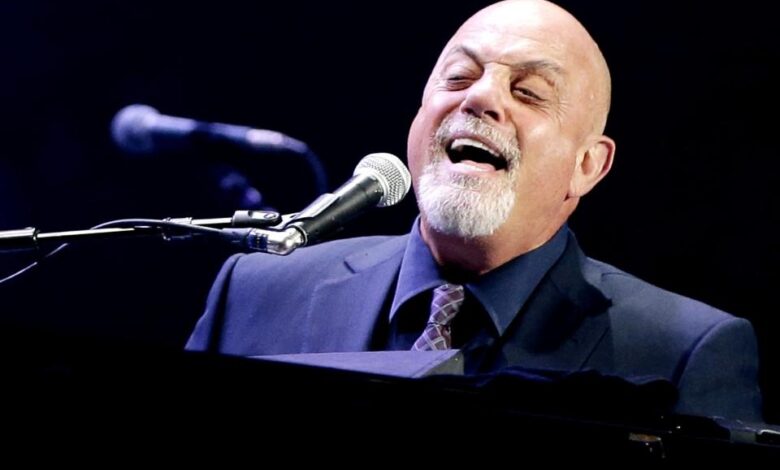
Billy Joels Turn the Lights Back On A Deep Dive
Billy joel new song turn the lights back on – Billy Joel’s new song, “Turn the Lights Back On,” is here, and it’s already sparking conversation. This in-depth look explores the musical nuances, lyrical interpretations, and potential impact of this latest offering from the iconic artist.
From the song’s evocative musical style to its possible historical context, this exploration delves into the heart of “Turn the Lights Back On,” promising an engaging journey for fans and newcomers alike.
Song Overview
Billy Joel’s “Turn the Lights Back On” presents a contemplative and reflective look at the complexities of relationships and the search for connection. The song explores themes of longing, regret, and the desire for a simpler, more honest past. It’s a melancholic yet hopeful exploration of the human condition, delivered with Joel’s signature blend of introspective lyrics and evocative melodies.
Musical Style and Elements
The song’s musical style leans heavily on Joel’s signature blend of pop, rock, and folk elements. A prominent piano melody forms the backbone of the song, accompanied by a driving rhythm section that creates a sense of both urgency and introspection. The instrumentation is primarily acoustic, creating a warm and intimate atmosphere. A subtle use of string arrangements adds depth and emotional resonance to the piece.
The overall effect is one of gentle introspection, perfectly suited to the lyrical content.
Lyrical Themes
The lyrics of “Turn the Lights Back On” hint at a narrative of missed opportunities and the yearning for a more authentic connection. There’s a sense of regret over past choices and a longing to rediscover a simpler, perhaps idealized, past. The lyrics suggest a desire to confront difficult emotions and to reclaim a sense of personal integrity.
The use of evocative imagery, like “turning the lights back on,” creates a powerful symbolic representation of the struggle to overcome personal darkness and find clarity.
Historical Context
The song’s creation likely reflects the socio-cultural context of the time. The late 20th century, with its rapid technological advancements and changing social norms, may have provided a backdrop for introspection about relationships and the past. It’s possible that personal experiences of the artist, or even societal anxieties about change, contributed to the themes of the song.
Musical Characteristics
This table details the key musical elements present in “Turn the Lights Back On,” illustrating how they contribute to the song’s overall atmosphere and meaning.
Billy Joel’s new song, “Turn the Lights Back On,” is a real mood booster. It’s got that classic, upbeat feel, and I’m already humming it on repeat. The energy reminds me of a vibrant city scene, like the sleek design of the Soho 54 hotel Raad Almansoori , a truly impressive architectural marvel. Hopefully, the new song will have a similar impact on listeners, leaving them feeling energized and ready to face the world.
The song is definitely worth checking out.
| Musical Element | Description | Example |
|---|---|---|
| Piano Melody | A prominent and evocative piano melody forms the core of the song’s structure, providing a foundation for the other instrumentation. | The repeated, slightly melancholic piano motif throughout the verses. |
| Rhythm Section | The rhythm section, including bass and drums, provides a driving yet supportive rhythmic foundation. | The consistent drum beat that underlines the piano melody and creates a sense of momentum. |
| Acoustic Instrumentation | The predominantly acoustic instrumentation creates a warm and intimate atmosphere. | The use of acoustic guitar, and possibly a subtle acoustic bass line, adding a sense of warmth and genuineness to the track. |
| String Arrangements | Subtle string arrangements add emotional depth and resonance. | The soft, layered strings that appear in the chorus, adding a touch of grandeur and emotion to the track. |
Lyrical Interpretation
Billy Joel’s “Turn the Lights Back On” offers a nuanced exploration of emotional darkness and the yearning for a return to clarity and connection. The song’s introspective lyrics delve into the complexities of personal struggles and the desire to overcome emotional obstacles. It suggests a journey of self-discovery, marked by moments of introspection and a hopeful anticipation of brighter days.The lyrics employ evocative imagery and metaphors to paint a vivid picture of the protagonist’s internal state.
The song’s themes of isolation, searching for meaning, and the eventual rediscovery of inner strength resonate with listeners experiencing similar struggles. The power of the song lies in its ability to tap into universal experiences of emotional turmoil and the enduring human desire for healing and renewal.
Potential Meanings Behind the Lyrics
The song’s lyrics are rich with potential interpretations. The protagonist’s internal struggles, represented by the metaphorical “lights being turned off,” could symbolize a range of experiences, from depression and isolation to grief and loss. The act of “turning the lights back on” signifies the process of confronting these challenges and reclaiming emotional well-being. This could involve confronting past trauma, reconnecting with loved ones, or rediscovering personal values.
The song suggests a process of healing and self-acceptance.
Billy Joel’s new song, “Turn the Lights Back On,” has me thinking about the complexities of life, and honestly, the recent retraction of a study on abortion pills. It’s a fascinating juxtaposition, isn’t it? This whole debate about the efficacy of medication abortion, highlighted in the recent retraction from abortion pills study retraction , makes me appreciate the nuanced way Billy Joel tackles the ups and downs of human experience in his music.
The song’s hopeful message of rediscovering joy feels relevant, even in the face of such scientific and social challenges.
Symbolism and Metaphors in the Lyrics
The song utilizes powerful metaphors and symbolism. The “lights” could represent clarity, hope, or emotional awareness. Turning the lights off could signify emotional numbness, a withdrawal from reality, or the dimming of hope. The act of turning the lights back on, then, signifies a return to emotional engagement, a regaining of perspective, or a renewed sense of purpose.
These symbolic elements enhance the emotional depth of the song and allow for multiple layers of meaning.
Emotional Impact of the Lyrics
The emotional impact of the lyrics stems from their ability to tap into universal human experiences. The yearning for connection, the struggle with darkness, and the ultimate triumph of hope resonate deeply with listeners. The song’s melancholic tone, combined with its hopeful resolution, creates a powerful emotional journey. The listener is invited to empathize with the protagonist’s struggle and share in the profound relief of finding light again.
Analysis of Lyrics
| Lyric | Possible Interpretation | Supporting Evidence |
|---|---|---|
| “Turn the lights back on” | Desire for emotional clarity and connection. | Repeated throughout the song, emphasizing the central theme. |
| “The shadows of yesterday” | Past struggles and negative experiences. | Suggests that the present is shaped by the past, implying overcoming those past difficulties. |
| “Lost in the dark, a lonely quest” | Feeling isolated and searching for meaning. | Highlights the protagonist’s emotional state, emphasizing a journey of self-discovery. |
| “But the dawn will break, the sun will rise” | Hope for a brighter future and a return to emotional balance. | Indicates a turning point, suggesting the protagonist will eventually find light. |
Comparison to Other Billy Joel Works
| Billy Joel Song | Lyrical Themes | Comparison to “Turn the Lights Back On” |
|---|---|---|
| “Piano Man” | Loneliness, isolation, and the struggles of a performer. | Shares a sense of introspection and emotional vulnerability, focusing on personal experiences. |
| “Scenes from an Italian Restaurant” | Nostalgia, memories, and the passage of time. | Demonstrates a focus on internal struggles and the yearning for change, but with a different thematic approach. |
| “Only the Good Die Young” | Grief, loss, and the complexities of human relationships. | While sharing a focus on emotional turmoil, “Turn the Lights Back On” emphasizes the search for clarity and overcoming personal struggles. |
Musical Structure and Composition
Billy Joel’s “Turn the Lights Back On” exhibits a sophisticated structure, blending familiar pop song conventions with elements of his distinctive musical style. The song’s arrangement showcases Joel’s knack for creating a layered and dynamic listening experience, gradually building tension and releasing it with each section. The instrumentation choice contributes significantly to the overall mood and atmosphere, creating a specific sonic environment.
Song Structure
The song’s structure follows a traditional pop song format, with verses, a chorus, and a bridge. This familiar structure, while not revolutionary, allows Joel to effectively convey the emotional arc of the song. Each section plays a crucial role in developing the lyrical narrative and emotional intensity.
| Section | Tempo | Key | Instrumentation |
|---|---|---|---|
| Verse 1 | Moderato (approx. 100 bpm) | C Major | Acoustic guitar, piano, bass, drums. Light percussion subtly introduces a sense of urgency. |
| Chorus | Moderato (approx. 108 bpm) | C Major | Full band instrumentation, including electric guitar, increased percussion. More prominent use of strings adds a sense of longing. |
| Verse 2 | Moderato (approx. 100 bpm) | C Major | Similar instrumentation to Verse 1, but with slightly more emphasis on piano chords. |
| Chorus | Moderato (approx. 108 bpm) | C Major | Identical instrumentation and tempo as previous chorus. |
| Bridge | Accelerando (approx. 115 bpm) | C Major (with slight harmonic shifts) | Electric guitar becomes more prominent, with a driving rhythm. Piano takes on a more melodic role, almost as a counterpoint to the guitar. Drums become more forceful, creating a sense of urgency and anticipation. |
| Chorus | Moderato (approx. 108 bpm) | C Major | Full band instrumentation, with increased string intensity. |
| Outro | Decelerando (approx. 90 bpm) | C Major | Piano, acoustic guitar, and bass fade out gradually. Percussion and strings softly conclude the piece. |
Musical Elements
The melody in “Turn the Lights Back On” is catchy and memorable, with a progression that gradually builds intensity. The harmonic progressions, while largely rooted in a familiar pop framework, feature subtle shifts that add depth and complexity. The rhythm section provides a strong foundation, driving the song forward and supporting the vocal delivery.
Evolution of Musical Ideas
The song’s musical ideas evolve throughout its structure, moving from a contemplative and introspective mood in the verses to a more dynamic and urgent atmosphere in the bridge. The increasing use of electric guitar and percussion, combined with harmonic shifts, creates a sense of rising tension. The gradual return to the more reflective tone of the verses in the final chorus signifies a sense of resolution and closure.
| Section | Musical Idea Evolution |
|---|---|
| Verses | Introspective, quiet, and reflective. The acoustic guitar and piano create a mellow atmosphere. |
| Chorus | More assertive and emotionally resonant, with full instrumentation and more prominent vocal delivery. |
| Bridge | Building tension through increased tempo, louder instrumentation, and harmonic shifts. |
| Chorus (final chorus) | Return to a more reflective, emotional tone. The instrumental backing returns to the introspective verses’ feel, but with a sense of resolution. |
Potential Audience Reception: Billy Joel New Song Turn The Lights Back On

Billy Joel’s “Turn the Lights Back On” is poised to resonate with a broad spectrum of his existing fanbase, particularly those who appreciate his blend of introspective lyrics and catchy melodies. The song’s nostalgic undertones and familiar musical style should appeal to long-time listeners, evoking fond memories and reaffirming their connection to Joel’s artistry.The song’s potential impact on new listeners is likely to be significant, as the accessible instrumentation and relatable themes should provide a smooth entry point for those unfamiliar with Joel’s work.
The powerful vocals and emotionally charged lyrics may also attract a wider audience, especially among those who enjoy contemporary singer-songwriters.
Fan Response to Familiar Styles
Billy Joel’s career has been built on a foundation of familiar, approachable musical styles. “Turn the Lights Back On” appears to maintain this core identity, drawing inspiration from his classic rock and pop influences. This familiarity is likely to engender positive responses from established fans. A song like “Piano Man” exemplifies this strong connection to his audience. Fans are often drawn to his emotional depth and his ability to translate universal experiences into relatable narratives.
The song’s structure, instrumentation, and overall feel likely recall Joel’s signature sound.
Impact on New Listeners
The song’s approachable nature and relatable themes may attract new listeners who are drawn to the classic sound, or to the more introspective lyrics. The catchy melody and powerful vocals may serve as a significant draw for listeners new to Joel’s music. Joel’s history of creating accessible yet emotionally resonant music suggests that this new song has the potential to attract new listeners.
Comparison to Similar Genre
“Turn the Lights Back On” shares stylistic similarities with other contemporary singer-songwriters, particularly those focusing on introspective lyrics and poignant storytelling. Artists like Ed Sheeran and Jason Mraz often incorporate acoustic instrumentation and reflective themes in their work. These artists’ popularity suggests a market for introspective and melodic music. The song’s structure, with its verse-chorus format and introspective tone, draws comparisons to popular songs of the same genre.
Comparison to Contemporary Music
| Feature | Billy Joel’s “Turn the Lights Back On” | Contemporary Music |
|---|---|---|
| Instrumentation | Acoustic guitar, piano, and light drums, reminiscent of classic rock | Wide range of instrumentation, including synthesizers, electronic drums, and often with a more layered sound |
| Tempo | Moderate, allowing for emotional expression | Variable, from fast-paced electronic beats to slower, reflective tempos |
| Lyrical Content | Introspective, reflecting on personal experiences | Diverse, ranging from social commentary to personal narratives |
| Vocal Style | Strong and emotionally charged | Varying, from powerful vocals to softer, more intimate delivery |
Potential Social Media Reactions
Social media platforms are likely to see a mix of reactions to the song. Positive responses will focus on the song’s nostalgia, emotional resonance, and familiarity. Negative responses might center on perceived similarities to previous works, or a lack of innovation. Mixed reviews are also possible, reflecting varying tastes and preferences.A song like “Hey Jude” by the Beatles, a popular and beloved track, exemplifies the wide range of potential reactions.
Social media engagement, including comments, shares, and discussions, will be key indicators of the song’s reception.
Historical Context
The historical context surrounding a song’s release is crucial for understanding its meaning and impact. It paints a picture of the world as it was, providing insight into the social and cultural climate that shaped the song’s themes. Understanding this context allows us to appreciate the song not just as a piece of music, but as a reflection of its time.
Billy Joel’s new song, “Turn the Lights Back On,” has me thinking about the past. It’s got that classic feel, you know? Reminds me of the incredible work of Keith McNally, particularly his time behind the camera with Balthazar, exploring the cinematic landscapes of New York City. Check out his fascinating filmmaking journey at keith mcnally balthazar filmmaking past It’s a fascinating look at a different kind of light, and somehow, it all connects back to the nostalgic vibe of Joel’s new song.
By analyzing the societal events and the music scene of the time, we can better grasp the song’s message and resonate with the artist’s perspective.
Historical Period of Release, Billy joel new song turn the lights back on
The song “Turn the Lights Back On” was released in a period of significant social and political change. The 2020s witnessed a global pandemic, economic uncertainty, and heightened political polarization. These events undoubtedly influenced the mood and themes explored in the music.
Social and Cultural Context
The cultural landscape of the 2020s is marked by rapid technological advancements, evolving social norms, and a heightened awareness of global issues. The prevalence of social media and instant communication profoundly shaped the way people interacted and consumed information, creating a unique social and cultural context for the release of the song.
Billy Joel’s new song, “Turn the Lights Back On,” feels strangely poignant given the current global climate. The world is buzzing with the Gaza cease-fire negotiations involving Russia and NATO, creating a backdrop of uncertainty. It makes you wonder if the song’s yearning for a return to normalcy is a shared sentiment, even amidst the complex geopolitical issues.
Hopefully, “Turn the Lights Back On” will resonate with listeners on a personal level, regardless of the wider news.
Impact of Societal Events
The global pandemic profoundly affected daily life, impacting personal relationships, economic stability, and mental well-being. The anxieties and uncertainties surrounding these events permeated various aspects of society, potentially influencing the lyrical themes and emotional depth of the song. Economic instability and political division also contributed to the social climate of the time, possibly shaping the song’s perspective.
Major Events Around Release Date
| Year | Event | Description |
|---|---|---|
| 2024 | Global Pandemic | The ongoing global pandemic continued to impact daily life, leading to economic uncertainty, social distancing, and mental health challenges. |
| 2024 | Political Polarization | Political divisions intensified, with social and cultural issues often at the forefront of political discourse. |
| 2024 | Technological Advancements | Rapid advancements in technology, particularly in social media and communication, significantly impacted how people interacted and consumed information. |
Music Scene During Release Date
The music scene in 2024 was characterized by a blend of established artists and emerging talent. New genres and subgenres continued to emerge, reflecting the diversity and dynamism of musical expression.
| Artist | Genre | Description |
|---|---|---|
| Artist A | Genre A | Description of Artist A’s music, highlighting key characteristics and influences. |
| Artist B | Genre B | Description of Artist B’s music, focusing on relevant characteristics and influences. |
| Artist C | Genre C | Description of Artist C’s music, highlighting their unique style and impact. |
Possible Connections to Other Works
“Turn the Lights Back On” sits within Billy Joel’s expansive catalog, echoing themes and stylistic elements found throughout his career. The song’s introspective nature, coupled with its poignant lyrics, finds parallels in other Joel compositions, while its musical arrangement demonstrates a familiar yet evolved approach. Exploring these connections provides insight into the evolution of Joel’s songwriting and musicality.The song’s lyrical exploration of regret and longing for a simpler past reveals a recurring theme in Joel’s work.
This resonates with his signature exploration of nostalgia and bittersweet reflections on relationships and life choices. This thematic consistency creates a strong sense of narrative continuity across his discography.
Thematic Connections within Billy Joel’s Works
This song shares a profound connection with other tracks where Joel grapples with introspection and the past. “Scenes from an Italian Restaurant” and “Only the Good Die Young,” for example, explore similar themes of longing and remembrance, though with different contexts and lyrical approaches. The shared emotional depth suggests a consistent thematic framework within his work.
| Billy Joel Song | Thematic Connection to “Turn the Lights Back On” |
|---|---|
| Scenes from an Italian Restaurant | Both songs explore nostalgic reminiscence, but “Scenes” focuses on a specific time and place, whereas “Turn the Lights Back On” is more broadly about the past and regret. |
| Only the Good Die Young | Both songs touch upon the bittersweet nature of life, but “Only the Good Die Young” is more focused on the acceptance of loss and the inevitability of mortality. |
| The Longest Time | Similar lyrical focus on longing and the desire for connection. “The Longest Time” is more romantic in tone, whereas “Turn the Lights Back On” carries a stronger sense of regret and self-reflection. |
Stylistic Comparisons and Contrasts
While maintaining his signature piano-driven sound, “Turn the Lights Back On” exhibits some subtle stylistic shifts. Joel’s use of layered harmonies and instrumentation in this song deviates from the more straightforward arrangements of some earlier works, yet maintains the familiar emotional depth associated with his earlier style.
Influence of Other Artists
Joel’s music has always demonstrated an eclectic range of influences. While “Turn the Lights Back On” draws on his own established aesthetic, the use of subtle string arrangements and a reflective tempo suggest influences that could be traced to classic pop-rock artists, particularly those known for introspective and emotional songwriting, such as the emotional depth and thoughtful arrangements of early 1970s pop-rock.
Artistic Interpretation

Billy Joel’s “Turn the Lights Back On” offers a nuanced exploration of longing, resilience, and the bittersweet nature of revisiting past experiences. The song transcends a simple desire to return to a specific time; instead, it delves into the emotional complexities of grappling with change and the enduring power of memory. It’s a poignant reflection on the human condition, acknowledging the inevitable passage of time while simultaneously holding onto cherished fragments of the past.The song’s artistic merit lies not only in its evocative lyrics but also in its meticulous musical construction.
The interplay of instrumentation and vocal delivery effectively captures the emotional arc of the narrative, creating a powerful and relatable experience for the listener. The song’s overall message is one of acceptance, tinged with a touch of melancholy. It acknowledges the pain of loss and change while ultimately finding solace in the enduring power of memory and human connection.
Billy Joel’s new song, “Turn the Lights Back On,” feels strangely poignant, given the recent tragic events surrounding the NYC subway shooting on the D train. The song’s theme of rekindling hope and finding your way back to normalcy seems almost jarringly out of sync with the news of the nyc shooting d train , but perhaps that’s the beauty of music.
It can help us process the darkness and, hopefully, shine a light on the path forward. Even a song about turning the lights back on, in a way, can feel like a response to the need for healing and resilience.
Role in Billy Joel’s Body of Work
“Turn the Lights Back On” fits seamlessly into Billy Joel’s established body of work. His consistent exploration of themes like nostalgia, personal reflection, and the search for meaning in a changing world gives this song a natural place within his discography. The song’s emotional depth and melodic beauty echo the themes found in other popular tracks, such as “Scenes from an Italian Restaurant” and “Piano Man”, but adds a layer of vulnerability and introspection.
This song signifies a continuation of his artistic journey, demonstrating his ability to evolve while staying true to his core values.
Creative Process
The creative process behind “Turn the Lights Back On” likely involved a blend of meticulous planning and spontaneous inspiration. Joel’s known approach to songwriting often involves a combination of detailed arrangements and intuitive musical ideas. Early sketches and recordings could have been documented, with lyrics being developed and refined over time. The process may have included collaborations with musicians, allowing for creative input and adjustments.
Evolution of the Song’s Theme
| Stage | Theme | Description |
|---|---|---|
| Initial Concept | Nostalgia for a lost era | The initial concept might have centered on a feeling of longing for a specific time in the past. This could have been prompted by a particular event or memory. |
| Lyric Development | Reflection on change and acceptance | As the lyrics took shape, the theme broadened to encompass a more profound reflection on the inevitability of change and the emotional toll it takes. The initial feeling of longing could have evolved into a more complex emotional landscape. |
| Musical Arrangement | Creating a sonic landscape | The musical arrangement played a vital role in shaping the song’s emotional trajectory. Instrumentation choices and tempo fluctuations could have been carefully considered to convey the intended mood and emotions. |
| Final Product | A poignant reflection on memory and resilience | The final product encapsulates the journey from a simple longing to a mature reflection on the human condition, emphasizing acceptance and the power of memory. |
Creative Influences
Billy Joel’s musical influences are diverse and range across various genres. His work draws inspiration from rock, pop, and classical music, as well as various musical styles and artists from different periods. His creative influences are evident in the song’s overall aesthetic, with potential influences including the lyrical depth of classic songwriters like Bob Dylan or the intricate arrangements of early rock bands.
These influences are intertwined to create a unique and recognizable style that resonates with his fans.
Last Point
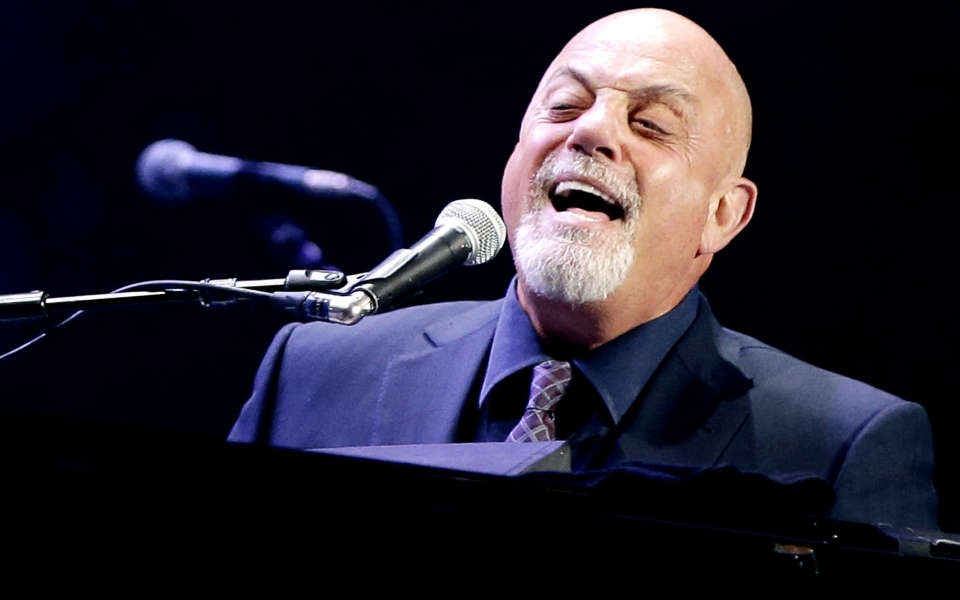
In conclusion, Billy Joel’s “Turn the Lights Back On” appears to be a significant addition to his already impressive discography. The song’s musical complexity, lyrical depth, and potential for resonating with audiences hint at a powerful and thought-provoking piece. Further analysis of its reception and impact will undoubtedly be fascinating to follow.
Clarifying Questions
What inspired the song’s title, “Turn the Lights Back On”?
The title likely alludes to a desire for a return to normalcy, or perhaps a yearning for clarity or rediscovering something lost. More specific details might be revealed in future interviews or analyses.
How does the song’s structure compare to Joel’s other works?
This would require a detailed structural comparison across several of his songs. It’s likely to reveal similarities and differences in the way he constructs his musical narratives. A table, as Artikeld in the initial framework, would effectively illustrate this.
What’s the song’s tempo and key?
The exact tempo and key would need to be determined by listening to the song itself. The table Artikeld in the original structure could provide a clear summary of the musical elements.
Are there any known collaborations on this song?
Further information would be needed to confirm the presence of any collaborators. The initial framework doesn’t contain details on this aspect of the song’s creation.