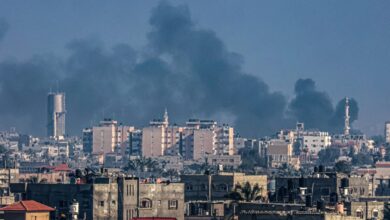
US Strikes Iranian Proxies A Deep Dive
US strikes Iranian proxies sets the stage for this enthralling narrative, offering readers a glimpse into a complex conflict in the Middle East. This exploration delves into the historical context, types of Iranian-backed groups, regional impacts, international responses, military tactics, alternative approaches, and illustrative examples of these strikes. Understanding the motivations and consequences of these actions is crucial for comprehending the ongoing tensions and potential for future escalation.
This detailed analysis examines the multifaceted nature of this conflict, from the historical roots of the struggle to the varied responses of global actors. We’ll dissect the strategies employed by the US, the different types of groups supported by Iran, and the lasting effects on regional stability and the lives of civilians. A critical look at the different perspectives will also help us understand the intricacies of the situation.
Historical Context of US Strikes on Iranian Proxies
The United States’ military interventions targeting Iranian-backed militias in the Middle East have a complex and often controversial history. These actions are deeply intertwined with regional power dynamics, shifting alliances, and the evolving nature of the conflict. Understanding this history is crucial for comprehending the current geopolitical landscape and the potential for future escalation.US involvement in the Middle East has frequently been characterized by a complex interplay of political and strategic objectives.
The motivations behind these interventions, often involving counterterrorism operations, preventing the spread of regional instability, and maintaining regional security, have been widely debated and subject to varying interpretations. This analysis examines the historical context of US strikes on Iranian proxies, exploring the escalation of tensions, the different strategies employed, and the varying outcomes in different regions.
Timeline of Significant US Military Actions
A comprehensive timeline of US military actions against Iranian-backed militias reveals a pattern of escalating interventions over several years. These actions have been largely reactive, often responding to attacks or perceived threats. A chronological account highlights the sequence of events and the increasing intensity of conflict.
- 2003-2011: The US military presence in Iraq after the 2003 invasion saw a series of confrontations with Iranian-backed militias, including the emergence of groups like Asa’ib Ahl al-Haq and Kata’ib Hezbollah. These groups often engaged in attacks against US forces and Iraqi security forces. The rise of these militias was partly a result of the instability and power vacuum created by the invasion and subsequent security challenges.
The US strikes against Iranian proxies are a complex issue, often overshadowed by other global events. Meanwhile, the world of high fashion is abuzz with the latest collections from Saint Laurent and Dior at Paris Fashion Week. These shows, showcasing innovative designs and artistic interpretations, are a stark contrast to the geopolitical tensions, yet both highlight the intricate dance between beauty and brutality in the world today, highlighting the US strikes against Iranian proxies once more.
saint laurent dior paris fashion week is a perfect example of this.
US military responses varied from targeted airstrikes to larger-scale operations.
- 2011-2015: Following the withdrawal of US troops from Iraq, tensions continued to simmer, and Iranian-backed groups maintained their influence in the region. These years saw an escalation in attacks and counter-attacks, setting the stage for further interventions. The shifting dynamics between Sunni and Shia factions, coupled with the rise of ISIS, contributed to the overall regional instability.
US actions during this period were often characterized by limited interventions, intelligence gathering, and covert operations.
- 2015-Present: The ongoing conflicts in Syria and Yemen further complicated the situation. US involvement in Syria has included air strikes against Iranian-backed militias, and similar actions in Yemen. These actions often occurred in response to specific attacks or escalations in violence. The complexity of these conflicts, involving multiple actors and diverse motivations, has made a definitive resolution difficult.
Escalation of Tensions Leading to Interventions
The escalation of tensions leading to US military interventions often involved a series of escalating actions and reactions. The pattern typically includes escalating attacks from Iranian-backed militias, leading to retaliatory strikes by the US. These cycles often create a feedback loop of violence, fueling further conflict. This analysis underscores the need for de-escalation strategies and diplomatic solutions.
Different Strategies Employed by the US
The US has employed a range of strategies in countering Iranian-backed groups, reflecting its varied objectives and available resources. These approaches often involve a mix of military action, intelligence gathering, and support for local partners. A comparison of the strategies used in different regions reveals important variations in approach.
- Targeted airstrikes: This tactic involves precision strikes against specific targets, often aiming to minimize civilian casualties. This strategy has been used in Iraq, Syria, and Yemen, and has varied in its effectiveness depending on the specific circumstances.
- Training and equipping local forces: The US has frequently trained and equipped local forces to counter Iranian-backed groups. This approach aims to build local capacity and reduce reliance on direct US intervention. The success of this approach is contingent on the capabilities and commitment of the local forces.
- Diplomacy and sanctions: The US has also pursued diplomatic channels and sanctions to exert pressure on Iranian-backed groups and their sponsors. The effectiveness of these measures is often dependent on the cooperation of other international actors.
Comparison of Approaches in Different Regions
The strategies employed by the US in countering Iranian-backed groups have varied significantly across different regions. For example, the approach in Iraq has differed from that in Syria or Yemen due to specific regional dynamics, political context, and available resources. Understanding these differences is essential for analyzing the effectiveness of US interventions.
| Location | Dates | Key Actors |
|---|---|---|
| Iraq | 2003-present | US, Iranian-backed militias, Iraqi government |
| Syria | 2011-present | US, Iranian-backed militias, Syrian government, various rebel groups |
| Yemen | 2014-present | US, Iranian-backed Houthi rebels, Saudi Arabia, various Yemeni factions |
Types and Goals of Iranian-Backed Groups
Iranian influence extends far beyond its borders, often manifesting through the support of various armed groups. Understanding the types, motivations, and objectives of these groups is crucial to comprehending the complexities of regional instability. These groups operate across a spectrum, from traditional militias to political organizations, each driven by a complex interplay of ideological and political frameworks. This analysis delves into the multifaceted nature of these groups and their impact on regional stability.The Iranian-backed groups are not a monolithic entity; they represent a range of motivations, from sectarian interests to broader regional ambitions.
Understanding the different types and goals is essential to appreciating the diverse actors involved in the region and their varied approaches to achieving their objectives.
Types of Iranian-Backed Groups
Iranian support extends to a diverse array of groups, each with its own distinct characteristics and objectives. This support manifests in various forms, from providing financial and military aid to offering training and strategic guidance. The range of groups reflects Iran’s multifaceted approach to projecting influence and achieving its objectives in the region.
- Militias: These groups are typically armed formations focused on military action, often operating independently or as part of larger, more organized structures. Their primary objective is frequently tied to direct military confrontation and conflict, with a strong emphasis on achieving tangible results on the ground.
- Paramilitaries: These groups share some characteristics with militias but often have a more structured command structure and potentially broader mandates beyond solely military operations. They might also be involved in political activities, or act as a supporting force for the regime’s goals.
- Political Organizations: These groups are often rooted in political ideologies and seek to achieve their goals through political action and influence. Their activities can range from advocating for specific agendas within a political system to engaging in acts of civil disobedience or even outright insurrection.
Motivations and Goals of Iranian-Backed Groups
The motivations driving these groups are multifaceted, encompassing both ideological and pragmatic considerations.
- Ideological Motivations: Many Iranian-backed groups are motivated by an adherence to Shia Islam and the desire to promote a specific interpretation of Islamic principles. This can lead to support for movements advocating for regional dominance or for the spread of a particular ideology.
- Political Motivations: The groups may be driven by a desire to advance specific political agendas, including the establishment of a specific political order or the undermining of rival regimes. These goals can be linked to the pursuit of greater Iranian influence in the region.
- Economic Motivations: Some groups may be motivated by economic incentives, seeking access to resources or markets. These groups may be influenced by financial or material support provided by Iran.
Ideological and Political Frameworks
The actions of Iranian-backed groups are often influenced by a complex interplay of ideological and political frameworks.
- Shia Islam: A significant number of these groups draw upon Shia Islamic ideology as a framework for their actions, often advocating for a pan-Shia movement or seeking to establish a specific Shia-dominated political order.
- Anti-Western Sentiments: Some groups may act as proxies for Iran’s anti-Western stance, opposing Western influence in the region and pursuing goals that align with Iran’s strategic interests.
- Regional Power Dynamics: The groups’ activities are often shaped by the broader regional power dynamics, including the competition between different regional actors for influence and resources.
Impact on Regional Stability
The activities of these groups have had a significant impact on regional stability, often leading to conflict and instability.
The recent US strikes targeting Iranian proxies highlight the escalating tensions in the region. Meanwhile, the recent retraction of a study on abortion pills, as reported by this CNN article , raises important questions about scientific integrity. Ultimately, these seemingly disparate events reflect a broader global landscape of conflict and controversy, making the US strikes against Iranian proxies all the more complex.
- Escalation of Conflicts: The involvement of these groups can escalate conflicts, increasing the level of violence and hindering efforts to achieve lasting peace.
- Destabilization of Countries: Their presence and actions can contribute to the destabilization of countries, creating an environment of uncertainty and hindering development.
- Regional Tensions: The activities of these groups often exacerbate existing tensions between different actors in the region.
Examples of Iranian-Backed Groups
| Group Type | Leadership | Primary Objectives |
|---|---|---|
| Militia | Local commanders | Control of territory, recruitment of fighters |
| Paramilitary | Higher-level commanders | Security operations, support for government |
| Political Organization | Political leaders | Advocacy, political mobilization |
Regional Impact of US Actions
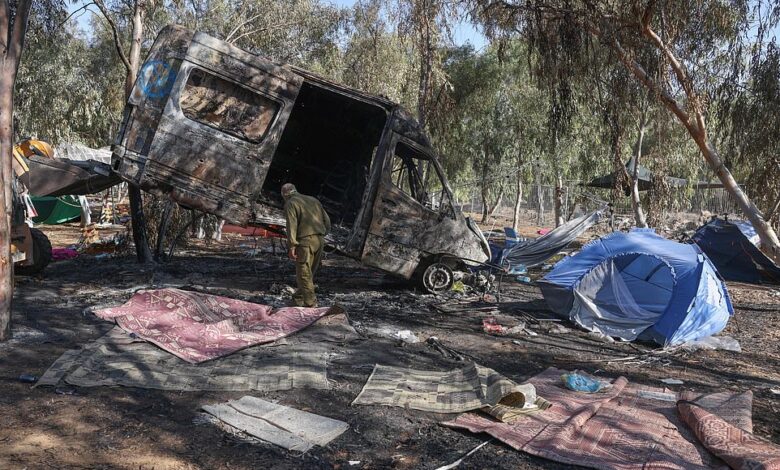
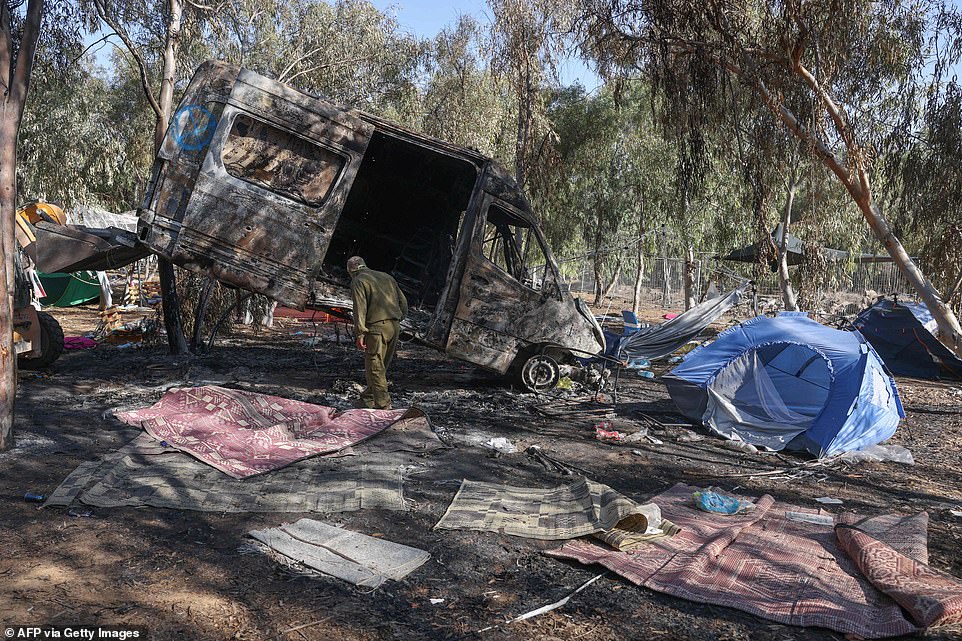
US strikes targeting Iranian proxies in the region have had profound and multifaceted consequences. Beyond the immediate military engagements, these actions have triggered a cascade of effects on local populations, regional security, and the political landscape of affected countries. The long-term repercussions are still unfolding, but the early indicators point towards a complex and potentially destabilizing situation.
Consequences for Local Populations and Civilian Infrastructure, Us strikes iranian proxies
The impact on local populations is often devastating. Strikes, even when targeted, frequently result in collateral damage, harming civilians and destroying vital infrastructure such as hospitals, schools, and water treatment plants. The loss of life and displacement of communities can create humanitarian crises that are difficult and costly to address. For example, the 2020 strikes in Syria caused a significant humanitarian crisis, with numerous civilian casualties and destruction of vital infrastructure, highlighting the precarious nature of civilian life in conflict zones.
These actions often lead to a sharp decline in the quality of life for those living in the affected regions.
Broader Effects on Regional Security and Stability
The regional security environment is significantly affected by US strikes. These actions can escalate existing tensions and create new fault lines. The strikes may embolden or provoke other actors in the region, potentially leading to retaliatory actions and further instability. The US actions can also undermine efforts towards de-escalation and peacebuilding, setting back regional security and potentially increasing the likelihood of wider conflicts.
Long-Term Effects on the Political Landscape of Affected Countries
US actions can have a profound and lasting impact on the political landscape of targeted countries. The strikes can strengthen existing political factions or empower new ones, shifting power dynamics and altering the political trajectory of the region. The rise of extremist groups and the erosion of state authority are often consequences of prolonged conflict and instability, further complicating the political situation.
For instance, prolonged conflict in Iraq has contributed to the emergence of various armed groups, challenging the legitimacy and authority of the state.
Contribution to Regional Conflicts
US strikes targeting Iranian proxies can inadvertently contribute to the escalation of regional conflicts. These actions can be perceived as acts of aggression by certain groups, leading to retaliatory attacks and the recruitment of new fighters. This cycle of violence can create a self-perpetuating conflict, further destabilizing the region. For instance, the conflict in Yemen has been fueled by regional proxy wars, demonstrating how regional conflicts can be perpetuated and expanded by actions of external actors.
Impact on Regional Life
| Aspect of Regional Life | Impact of Strikes |
|---|---|
| Economy | Destruction of infrastructure, disruption of trade routes, loss of employment, decrease in foreign investment. |
| Humanitarian Crisis | Increased displacement, loss of life, inadequate access to essential services (food, water, healthcare). |
| Displacement | Forced migration, separation of families, strain on host communities, refugee crises. |
| Political Instability | Rise of extremist groups, weakening of state authority, emergence of new power dynamics, escalation of conflicts. |
| Regional Security | Increased tensions, emboldened actors, reduced trust, decreased efforts towards de-escalation. |
International Responses and Reactions
The US actions against Iranian proxies have elicited a wide range of responses from the international community. These reactions, ranging from condemnation to cautious support, have significantly impacted the dynamics of the conflict and the regional stability. Understanding these varied positions is crucial to comprehending the broader implications of the US interventions.The responses reflect a complex interplay of geopolitical interests, historical alliances, and economic considerations.
Nations with existing strategic partnerships with the US often exhibit more aligned stances, while those with closer ties to Iran tend to adopt contrasting viewpoints. This divergence underscores the intricate web of relationships and influences at play in the Middle East.
Positions of Different Nations
The international community’s responses to US actions against Iranian proxies vary widely, shaped by national interests and existing alliances. Some nations express strong support for the US actions, while others criticize them.
- Countries with close ties to the US: Many Western nations, including those in Europe, have expressed support for the US actions, often citing concerns about Iranian influence and regional instability. Their support is usually contingent upon adherence to international norms and a measured approach. These nations generally align with the US perspective on countering Iranian aggression.
- Countries with closer ties to Iran: Several countries in the region and beyond, including some in Latin America and Asia, have voiced criticism of the US actions, often highlighting the potential for escalation and humanitarian consequences. These nations often emphasize diplomatic solutions and a reduction in regional tensions. They frequently view the US interventions as detrimental to the stability of the region.
- Neutral or Cautious Nations: Other nations have adopted a more neutral or cautious stance, expressing concerns about the escalation of conflict and advocating for de-escalation and dialogue. They often stress the need for a more comprehensive and multilateral approach to addressing the issues. These countries prioritize a balanced approach to avoid further destabilization.
International Organizations’ Stances
International organizations like the United Nations have also weighed in on the US actions against Iranian proxies. Their pronouncements often emphasize the importance of upholding international law and promoting peaceful resolutions. The lack of consensus within these organizations, however, often reflects the complex political dynamics at play.
- UN Statements: UN resolutions and statements frequently emphasize the need for peaceful conflict resolution and adherence to international law. However, the UN’s ability to enforce these principles is often constrained by political realities and the interests of member states. These statements often serve as a platform for different nations to express their positions.
Comparative Analysis of Reactions
The reactions of countries with close ties to the US versus those with closer ties to Iran highlight the profound divisions within the international community. This divergence reflects contrasting geopolitical priorities and strategic interests. This divergence in reactions often exacerbates tensions and complicates diplomatic efforts.
| Country/Organization | Statement | Action |
|---|---|---|
| United States | Supporting the strikes, citing Iranian proxy activities | Executing the strikes |
| United Kingdom | Supporting US actions, expressing concerns about Iranian influence | Issuing statements of support |
| Iran | Strongly condemning the strikes, labeling them as a violation of sovereignty | Threatening retaliation |
| Russia | Criticizing the strikes, advocating for a diplomatic solution | Issuing statements against unilateral actions |
| China | Calling for restraint and de-escalation | Issuing statements advocating for diplomatic solutions |
Methods and Tactics Employed in Strikes: Us Strikes Iranian Proxies
US strikes against Iranian proxies often utilize a multifaceted approach, employing a range of military strategies and tactics tailored to specific circumstances and objectives. Understanding these methods provides insight into the evolving nature of conflict in the region and the complex calculus involved in such operations.
Military Strategies and Tactics
The US has employed various military strategies and tactics in its actions against Iranian-backed groups. These strategies often combine air strikes, drone attacks, and special operations forces to achieve specific goals. The selection of these tactics is driven by several factors, including the nature of the target, the desired level of escalation, and the operational environment.
Rationale Behind Tactics Selection
The rationale behind selecting specific tactics depends on factors such as the location of the target, the size and composition of the target force, the desired level of collateral damage, and the overall strategic objectives. For instance, precision-guided munitions might be preferred over wider-area strikes in populated areas to minimize civilian casualties. Drone attacks offer a degree of stealth and flexibility, enabling the US to target specific individuals or small groups without large-scale deployments.
Air strikes are typically reserved for larger targets or situations where a swift response is required.
Effectiveness of Different Tactics
The effectiveness of different tactics in achieving desired outcomes varies. While air strikes can quickly neutralize large-scale threats, their impact might be limited if the targeted infrastructure is quickly repaired or replaced. Drone strikes can be highly effective in eliminating specific high-value targets but can also be perceived as escalating tensions and potentially leading to unintended consequences. Special operations forces, while highly effective in targeted operations, may be limited in their ability to address broader conflicts.
Recent US strikes targeting Iranian proxies in the region raise questions about escalating tensions. These actions, however, are intertwined with wider geopolitical factors, like the complex history of Ricardo Martinelli in Panama and Nicaragua, Ricardo Martinelli Panama Nicaragua , which further complicates the already intricate web of international relations. Ultimately, the US strikes on Iranian proxies remain a significant point of contention in global affairs.
Ultimately, the effectiveness of a tactic is often dependent on the specific circumstances of the engagement.
Technological Advancements
Technological advancements in weaponry and intelligence gathering play a critical role in shaping the tactics employed in these strikes. Precision-guided munitions, advanced surveillance drones, and improved intelligence gathering techniques enhance the ability to minimize collateral damage and maximize the impact on the targeted groups. This technology often allows for a more surgical approach, improving the likelihood of achieving desired outcomes while reducing the risk of unintended escalation.
Impact of Methods on Targets
| Method | Target | Impact |
|---|---|---|
| Air Strikes (e.g., using F-22s) | Large-scale training camps, weapons storage facilities | Significant damage to infrastructure, potentially high casualties, but vulnerable to reconstruction. |
| Drone Strikes (e.g., using MQ-9 Reapers) | High-value targets (commanders, weapons specialists) | Precise elimination of targets, often with minimal collateral damage, but can lead to retaliatory actions and resentment. |
| Special Operations Forces | Targeted assassinations, intelligence gathering | Highly effective in specific situations, but limited in scope and susceptible to detection. |
Alternative Approaches to Managing Conflicts
The escalating tensions in the region, fueled by US strikes on Iranian proxies, highlight the urgent need for alternative approaches to conflict resolution. Military interventions, while sometimes perceived as necessary, often lead to unintended consequences and prolonged instability. A shift towards diplomatic solutions and international cooperation is crucial to de-escalating tensions and preventing further violence.Alternative approaches to managing conflicts require a multifaceted strategy that goes beyond military responses.
These strategies must address the root causes of conflict, foster dialogue between opposing sides, and promote long-term stability. Such strategies also necessitate the active participation of international actors to facilitate de-escalation and prevent further escalation of conflicts.
Diplomatic Solutions and Strategies for De-escalation
Diplomacy plays a critical role in de-escalating conflicts and preventing further violence. It involves direct negotiations between opposing parties, mediated by neutral third parties. Successful diplomatic efforts often require patience, flexibility, and a willingness to compromise from all involved. Examples of successful diplomatic resolutions, though not always easily replicated, include the Oslo Accords or the Iran nuclear deal.
However, these successes are contingent on the willingness of all parties to engage in good faith negotiations and respect the established protocols.
Role of International Mediation in Preventing Further Escalation
International mediation can be a powerful tool in preventing further escalation of conflicts. Mediators, often from international organizations or countries with a reputation for neutrality, can facilitate communication and negotiation between conflicting parties. The presence of a neutral party can help build trust, create a safe space for dialogue, and provide a framework for resolving disputes. The effectiveness of mediation hinges on the commitment of all parties to the process and the impartiality of the mediator.
The UN’s role in mediating conflicts, albeit often challenging, demonstrates the potential of international mediation.
The recent US strikes targeting Iranian proxies are raising a lot of geopolitical questions. Naturally, this kind of instability can affect various markets, including the housing market near NYC. Understanding the ripple effects on real estate in areas close to the city is crucial. How will these developments affect the already complex situation in the housing market near NYC?
This is something to consider when evaluating the long-term impact of the US strikes on Iranian proxies. housing market near nyc The economic ramifications of these actions are substantial, and will likely be felt globally.
Strategies for Conflict Resolution and Challenges
| Strategy | Description | Challenges |
|---|---|---|
| Negotiation | Direct dialogue between conflicting parties to find common ground and reach mutually acceptable solutions. | Requires commitment from all parties, potential for mistrust and deadlock, difficulties in achieving consensus. |
| Mediation | Neutral third party facilitates communication and negotiation between conflicting parties. | Building trust, ensuring impartiality of the mediator, convincing parties to accept mediation, potential for biased mediation. |
| Arbitration | Neutral third party renders a binding decision on the dispute. | Requires agreement to accept the decision, potential for one party feeling aggrieved by the outcome, cost and time commitment. |
| International Sanctions | Economic and political pressure exerted on a country or group to change their behavior. | Can harm innocent civilians, potential for unintended consequences, difficulty in enforcing sanctions, and circumvention strategies. |
| Peacekeeping Operations | Deployment of military or civilian personnel to maintain peace and security in a conflict zone. | Requires consent from all parties, logistical challenges, potential for mission creep, and security risks for personnel. |
Illustrative Examples of Strikes
The US military’s actions against Iranian-backed proxies in the Middle East often occur in the context of broader regional conflicts and geopolitical tensions. Understanding these specific incidents provides valuable insight into the nature and consequences of these interventions. These examples highlight the complex interplay of military actions, political motivations, and regional impacts.Analyzing the specific circumstances surrounding each strike is crucial to understanding the motivations and potential consequences.
The outcomes and short- and long-term impacts are often far-reaching and difficult to predict with certainty. The aftermath, often involving civilian casualties and damage to infrastructure, highlights the human cost of such conflicts.
Specific Incidents and Outcomes
Numerous instances of US strikes against Iranian-backed proxies have occurred. These incidents have varied significantly in terms of scale, location, and the specific groups targeted. Understanding the specific circumstances surrounding each strike is vital to evaluating the broader implications.
Strike on Kataib Hezbollah in Iraq (2019)
This strike targeted a Kataib Hezbollah convoy in Iraq. The attack followed several incidents of escalating violence between US forces and the group, with allegations of the group targeting US forces. The immediate outcome was a significant loss of life for Kataib Hezbollah fighters. Short-term impacts included heightened tensions and a potential escalation of conflict. Long-term effects were less predictable, but the strike arguably contributed to a shift in the strategic balance between US and Iranian-backed forces in the region.
The aftermath included Iraqi government statements condemning the attack while also attempting to de-escalate tensions.
Strike on Iranian-backed militia in Syria (2020)
This strike focused on an Iranian-backed militia in Syria, allegedly involved in actions against US forces. The attack’s circumstances were marked by reported intelligence indicating imminent threats to US forces. Outcomes included casualties among the targeted militia members. The short-term impact was further instability in the Syrian conflict. The long-term impact remains uncertain, but it likely contributed to a shifting dynamics between US forces and Iranian proxies in the Syrian theater.
The aftermath included condemnation from some international actors and a continued escalation of rhetoric.
Strike on Houthi positions in Yemen (2023)
US strikes on Houthi positions in Yemen have occurred, often in the context of ongoing conflict in Yemen and US support for the internationally recognized Yemeni government. These attacks were often linked to the broader conflict. Outcomes included damage to Houthi infrastructure and reported casualties. Short-term impacts included a further deterioration of the humanitarian situation in Yemen.
Recent US strikes targeting Iranian proxies highlight the escalating tensions in the region. These actions are undeniably significant, but it’s crucial to understand the wider context. For example, the case of Dayme Arocena Al Kemi, a fascinating figure in the ongoing conflict , adds another layer to the complex dynamics. Ultimately, these strikes against Iranian proxies underscore the ongoing need for diplomacy and de-escalation in the region.
The long-term impacts are uncertain, but the strikes potentially shifted the balance of power in the ongoing Yemeni civil war. The aftermath included reports of civilian casualties and a continued humanitarian crisis.
Impact on Affected Areas (Summary Table)
| Incident | Location | Targeted Group | Outcomes (Casualties, Infrastructure Damage) | Short-Term Impact | Long-Term Impact | Aftermath |
|---|---|---|---|---|---|---|
| Strike on Kataib Hezbollah in Iraq (2019) | Iraq | Kataib Hezbollah | Significant loss of life | Heightened tensions | Shift in strategic balance | Iraqi government statements condemning attack |
| Strike on Iranian-backed militia in Syria (2020) | Syria | Iranian-backed militia | Reported casualties | Further instability in Syrian conflict | Shifting dynamics between US and proxies | Condemnation from international actors |
| Strike on Houthi positions in Yemen (2023) | Yemen | Houthi | Damage to infrastructure, reported casualties | Deterioration of humanitarian situation | Potential shift in Yemeni civil war balance | Reports of civilian casualties, humanitarian crisis |
Concluding Remarks
In conclusion, US strikes on Iranian proxies represent a complex and multifaceted issue with deep historical roots and far-reaching consequences. This analysis has highlighted the significant regional impact, international responses, and military tactics employed in these actions. While the current strategies have been examined, alternative approaches and diplomatic solutions are also discussed to provide a comprehensive understanding of the challenges and potential avenues for de-escalation.
The future of the region and the potential for further conflict remain uncertain, but this analysis provides a framework for understanding the ongoing complexities.
Question & Answer Hub
What are the main motivations behind Iranian-backed groups?
Iranian-backed groups often pursue various goals, including regional dominance, expanding Iranian influence, and challenging the US presence in the region. Ideological and political frameworks, alongside these strategic objectives, play a crucial role in shaping their activities.
How have these strikes affected civilian populations?
US strikes on Iranian proxies have resulted in significant civilian casualties and damage to infrastructure in affected regions. These actions have contributed to humanitarian crises and displacement, often exacerbating existing regional conflicts and instability.
What are some alternative conflict resolution strategies?
Diplomatic solutions, international mediation, and de-escalation strategies are important alternative approaches. These approaches, when pursued in good faith, can help to prevent further escalation and potentially lead to a more peaceful resolution.
What are some examples of international responses to these strikes?
International responses to these strikes have varied greatly, with nations holding different perspectives based on their political alignments and regional interests. Some have expressed concern over civilian casualties, while others have remained largely silent or have expressed support for the US actions.