
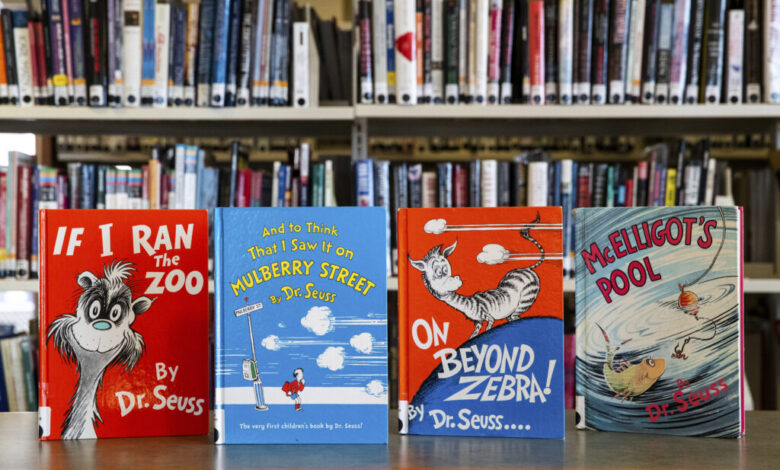
Seuss Book Racism Ethics A Critical Look
Seuss book racism ethics sets the stage for a deep dive into the complex legacy of Dr. Seuss’s beloved children’s books. We’ll explore the historical context of their creation, examining the social and political climates of the time. Beyond that, we’ll analyze potentially problematic content, comparing interpretations across generations, and delving into the ethical responsibilities of children’s literature.
Finally, we’ll consider alternative interpretations and modern approaches to children’s literature, ultimately exploring the impact of these books on children and society.
Dr. Seuss’s books, while often cherished, have come under scrutiny in recent years due to their depiction of certain racial and ethnic groups. This analysis will explore the nuances of these depictions, examining both the potential harm and the possibility of positive interpretations. The exploration will delve into the historical context, the potential for misinterpretation, and the evolution of social and cultural understanding of race.
Comparing Different Interpretations
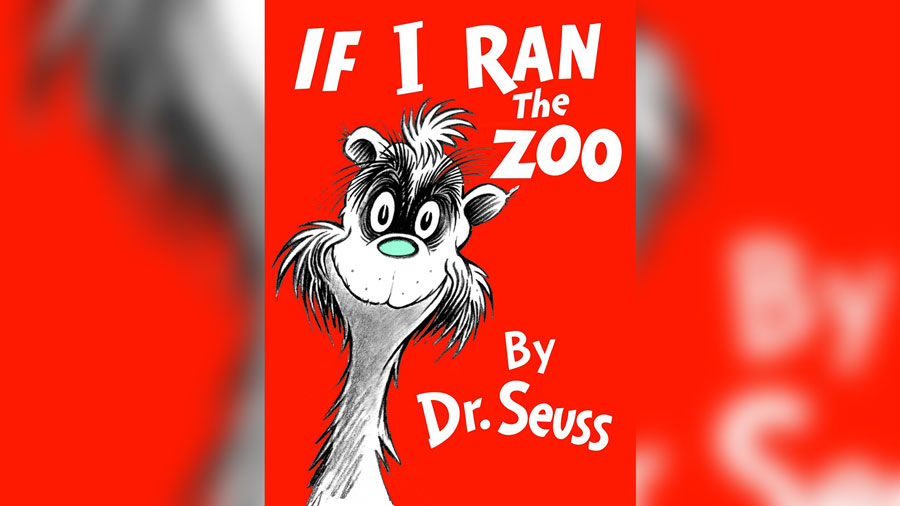
Deconstructing children’s literature, especially classics, requires a nuanced understanding of how various audiences perceive the same material. This involves acknowledging that interpretations are shaped by the individual’s background, experiences, and societal context. Analyzing how different generations and cultures react to the same illustrations and text allows us to gain insight into the evolution of societal perspectives on race and ethnicity.
This exploration will delve into the varying levels of sensitivity to specific topics across different demographics.Different lenses through which we view literature inevitably lead to varied interpretations. The same book, for example, might be viewed as a harmless exploration of different cultures by one generation while another sees it as perpetuating harmful stereotypes. This highlights the importance of critical analysis in understanding the impact of children’s literature.
A deeper understanding of these varying perspectives allows us to foster more inclusive and meaningful conversations about race and ethnicity.
Evolution of Perspectives on Race and Ethnicity
The concept of race and ethnicity, and the associated sensitivities, have undergone significant transformations over time. Societal views on these topics have evolved significantly, influenced by social movements, legal decisions, and changing cultural norms. The past century has witnessed a remarkable shift in how race and ethnicity are understood, from largely discriminatory views to a more nuanced and complex appreciation of diversity.
The ethical concerns surrounding Dr. Seuss’s books and their portrayal of certain racial groups are definitely worth discussing. While some argue that the books are harmless, others feel they perpetuate harmful stereotypes. This debate is complex and often heated. It’s interesting to note how the discussion of Seuss’s work overlaps with recent analyses of the fit of players like Phil Kessel within the Vancouver Canucks’ team dynamic, as seen in articles like this one on phil kessel vancouver canucks fit.
Ultimately, both topics highlight the importance of examining cultural representation and considering the potential impact of seemingly simple narratives.
This evolution significantly affects how contemporary readers interpret historical children’s literature.
Varying Sensitivity to Certain Topics
Sensitivity to certain topics, particularly those related to race and ethnicity, differs considerably across demographics. Factors such as personal experiences, cultural background, and societal norms influence individual reactions to these themes. The interpretation of certain imagery or language can vary drastically between readers of different generations, racial backgrounds, and socioeconomic classes.
Comparison of Interpretations Across Different Groups, Seuss book racism ethics
| Demographic | Interpretation | Rationale for Interpretation |
|---|---|---|
| Generation Z (born after 1997) | Likely to perceive overt racial stereotypes as harmful and problematic, potentially identifying instances of cultural appropriation or inaccurate representations. | This generation has grown up in a more racially and culturally diverse environment, and is more likely to be exposed to and critical of such depictions. |
| Millennials (born between 1981 and 1996) | May hold a more mixed view, recognizing the historical context while also acknowledging the harmful impact of stereotypes. | This generation experienced the rise of social media and increased awareness of social justice issues, but may still hold some biases inherited from previous generations. |
| Baby Boomers (born between 1946 and 1964) | May interpret illustrations or text through the lens of their own experiences, potentially missing or minimizing the harm in stereotypes, viewing them as harmless. | This generation often grew up in a less diverse environment and may have less direct experience with the impact of racial bias. |
| African American Children | May experience a heightened emotional response to racial imagery, potentially finding instances of positive representation inspiring, but instances of negative portrayal hurtful. | Their lived experiences often directly intersect with the subject matter, potentially making their interpretation more personal and powerful. |
| Children from Diverse Ethnic Backgrounds | Interpretation varies greatly depending on their specific ethnic background and cultural understanding. | This group will potentially find nuanced representation inspiring and relatable. However, they may also be sensitive to instances where their culture is misrepresented or stereotyped. |
Ethical Considerations of Children’s Literature
Children’s literature holds a unique position in shaping young minds. It’s not merely entertainment; it’s a powerful tool for instilling values, fostering understanding, and developing a sense of self and the world. Consequently, the ethical responsibilities of authors and publishers are paramount, as the stories they choose to tell and the messages they convey have lasting impacts on developing readers.The creation and dissemination of children’s literature carry significant ethical weight.
Authors and publishers must be mindful of the potential for their work to reinforce harmful stereotypes or promote inclusivity and understanding. This responsibility extends beyond avoiding overt prejudice; it involves a commitment to nuanced representation, cultural sensitivity, and the exploration of complex social issues in age-appropriate ways.
Ethical Responsibilities of Authors and Publishers
Authors and publishers of children’s literature have a profound responsibility to represent diverse experiences and perspectives authentically. This goes beyond simply including characters of different races or ethnicities; it involves understanding and portraying the nuances of culture, socioeconomic status, and ability. The portrayal of characters should be complex and avoid reducing individuals to stereotypes.
Impact of Children’s Literature on Shaping Values and Attitudes
Children’s literature plays a critical role in shaping young readers’ values and attitudes. The characters, narratives, and themes presented in books influence children’s understanding of themselves, others, and the world around them. Stories that feature positive interactions and diverse perspectives can foster empathy and acceptance. Conversely, stories that perpetuate stereotypes can contribute to prejudice and discrimination.
The ethical concerns surrounding Dr. Seuss’s books and their potential racist imagery are definitely a hot topic. While some argue that these books are simply products of their time, others believe they perpetuate harmful stereotypes. Interestingly, this conversation around outdated representations in children’s literature is somewhat mirrored in the recent buzz around Tracy Chapman’s Grammy performance and the fast car combs she used, tracy chapman grammys fast car combs.
Ultimately, the discussion about Dr. Seuss and his books highlights a broader need to examine and address problematic representations in popular culture, particularly for young audiences.
Perpetuating Harmful Stereotypes
The ways in which children’s literature can perpetuate harmful stereotypes are multifaceted. One example is the over-representation of specific character traits based on race or gender, often creating a narrow and limiting view of individuals. Another instance is the use of stereotypical language that reinforces biases or assumptions about specific groups. Inaccurate portrayals of cultures and traditions can lead to misunderstandings and contribute to a lack of empathy and understanding.
The ethical concerns surrounding Dr. Seuss’s books and their portrayal of certain racial groups have sparked intense debate. While some argue that these books are harmless, others point to problematic stereotypes. This conversation about cultural sensitivity in children’s literature is often connected to broader discussions about societal biases, even reaching into the political sphere. For example, the complex political history of Central American nations like Panama and Nicaragua, particularly in relation to figures like Ricardo Martinelli, Ricardo Martinelli Panama Nicaragua , provides another lens through which to examine these same issues of cultural representation and power dynamics.
Ultimately, these critiques of Seuss’s work highlight the ongoing need for careful consideration of the messages we transmit to young readers.
Children’s literature must strive for a more nuanced and realistic representation of diverse experiences.
Promoting Positive Messages About Diversity
Books can be powerful tools for promoting positive messages about diversity and inclusion. They can offer opportunities for children to see themselves and others reflected in the stories, which can foster a sense of belonging and acceptance. Authentic representation and celebration of different cultures and perspectives help young readers understand and appreciate the richness of human diversity.
Ethical Dilemmas Faced by Children’s Book Creators
Children’s book creators often face ethical dilemmas related to sensitive topics. One example is deciding how to address issues like racism, prejudice, or discrimination. Presenting these topics requires careful consideration of the age appropriateness of the material and the potential impact on young readers. Another ethical dilemma arises when choosing which aspects of a culture to highlight and how to avoid cultural appropriation.
Examples of Ethical Dilemmas
A specific dilemma could involve portraying a character with a disability. The portrayal should avoid perpetuating harmful stereotypes, while also showcasing the character’s strengths and abilities. Another example involves depicting different socioeconomic backgrounds. Books should avoid reinforcing poverty or wealth as a defining characteristic, focusing instead on individual agency and resilience. A further example is in the depiction of LGBTQ+ characters.
Authentic and positive portrayals of LGBTQ+ characters can foster understanding and acceptance.
The recent controversy surrounding Dr. Seuss books and their portrayal of certain racial groups raises some interesting questions about children’s literature and ethics. It’s a complex issue, but as we consider the implications of these books, it’s important to look at the bigger picture. The ongoing legal battles surrounding the 2020 election, like the case involving Donald Trump and potential future legal challenges, whats next federal election case trump , highlight the need for critical discussions about representation and fairness in all aspects of society, including children’s literature.
Ultimately, we need to engage in these conversations and work towards creating more inclusive and equitable spaces for everyone.
Alternative Representations and Interpretations: Seuss Book Racism Ethics
Re-imagining potentially problematic elements in children’s literature is crucial for promoting inclusivity and positive messages about diversity. This process requires careful consideration of the original context, intended audience, and the potential impact of alternative interpretations. By re-contextualizing problematic imagery and narratives, we can create opportunities for children to develop a more nuanced understanding of different cultures and perspectives.
This approach encourages critical thinking and fosters empathy.This section explores alternative interpretations of potentially problematic elements in children’s literature, offering re-imagined scenarios that promote positive messages about diversity and inclusion. By showcasing how problematic elements can be re-contextualized, we aim to inspire educators and illustrators to create more inclusive and representative stories. These examples highlight how subtle shifts in imagery and narrative can significantly alter the message conveyed to young readers.
Re-imagining Stereotypical Representations
A common challenge in children’s literature is the perpetuation of stereotypes. These stereotypes, whether intentional or unintentional, can have a negative impact on children’s understanding of different cultures and backgrounds. Examining and re-imagining these stereotypes can lead to a more accurate and inclusive portrayal of diverse communities. For example, characters often associated with specific occupations or ethnicities can be re-imagined with broader, more nuanced traits.
Illustrative Examples of Alternative Interpretations
| Original Text/Image | Alternative Representation | Rationale for Change |
|---|---|---|
| A picture book depicting a character of Asian descent always depicted as a quiet, submissive student. | A picture book depicting a character of Asian descent as a curious, energetic student who excels in math and science, but also enjoys playing music and sports. | The original representation perpetuates a stereotype of passivity and conformity. The alternative portrayal emphasizes the multi-faceted nature of individuals and celebrates diverse talents. |
| A story featuring a character who is always depicted as poor and uneducated. | A story showcasing a character of similar background who is resourceful, intelligent, and resilient, and who uses their creativity and ingenuity to overcome challenges. | The original portrayal reinforces a limiting stereotype of poverty. The alternative representation highlights the strength and potential of individuals regardless of their socioeconomic background. |
| A picture book with a story where the only people of color are servants. | A story where people of color are portrayed in various roles, including professionals, artists, entrepreneurs, and community leaders. | The original depiction perpetuates the problematic idea of limited opportunities for people of color. The alternative representation fosters a sense of equality and possibility. |
Addressing Potential Biases in Language and Narrative
Analyzing language and narrative choices is crucial for identifying potential biases. By examining the language used to describe characters, settings, and events, we can identify and challenge harmful stereotypes and biases. This analysis can lead to the development of more nuanced and inclusive narratives.
Re-contextualizing Cultural References
Cultural references in children’s literature can unintentionally reinforce harmful stereotypes. For example, references to specific cultural traditions might be presented in a way that oversimplifies or misrepresents those traditions. Re-contextualizing these references to accurately reflect the complexities of the culture can foster greater understanding and appreciation. Incorporating diverse perspectives and voices during the writing process can enhance the authenticity and inclusivity of the work.
Impact on Children and Society
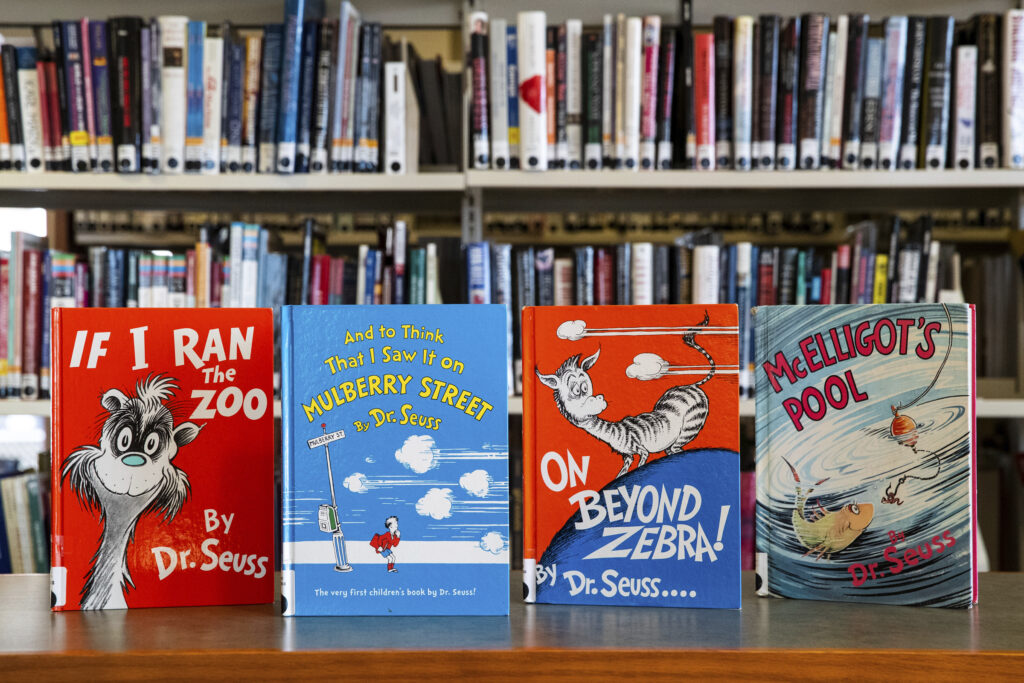
Dr. Seuss’s whimsical world, though beloved by generations, presents a complex legacy. The impact of his books on children’s understanding of race and ethnicity is a significant concern. Examining how these books might affect children’s worldview, perceptions, future interactions, and value development is crucial for fostering a more nuanced understanding of diversity and inclusion.The enduring popularity of Seuss’s work, coupled with their accessibility for young readers, means his books have the potential to shape children’s early perceptions of the world.
This influence can be powerful, impacting their developing understanding of cultural differences and social interactions.
Potential Impact on Children’s Understanding of Race and Ethnicity
Seuss’s books, while entertaining, can inadvertently perpetuate stereotypes or present inaccurate portrayals of different racial and ethnic groups. These depictions, even if unintentional, can have a profound effect on a child’s developing sense of self and others. Children may internalize these representations, leading to potentially harmful biases or misunderstandings. For example, caricatures or overly simplified portrayals of specific ethnic groups can contribute to the formation of stereotypes.
Effect on Worldview and Perceptions of Different Groups
The simplified representations in Seuss’s books can shape children’s early worldview. Children may interpret these portrayals as accurate reflections of reality, which can influence their perceptions of different groups. This can manifest in the form of biases or prejudices, as children may not be exposed to the complexities of different cultures or perspectives. The limited range of characters and their interactions may not accurately reflect the diversity of human experience.
Influence on Future Interactions and Relationships
The stereotypes presented in some Seuss’s books could influence children’s future interactions and relationships. Children who are exposed to these stereotypes might exhibit prejudiced behaviors or attitudes towards individuals from different racial or ethnic backgrounds. Furthermore, they might struggle to form meaningful relationships with people from different cultures, leading to misunderstandings and social isolation. The impact on future interactions can be significant, influencing social connections and potential biases.
Relationship Between Books and Values Development
The messages embedded in Seuss’s books, whether intended or not, can impact the development of children’s values. If the books present stereotypical portrayals or limited perspectives on race and ethnicity, children may develop values that are narrow and biased. Conversely, if the books promote tolerance, understanding, and respect, children may develop a more inclusive and empathetic worldview. Seuss’s characters, while imaginative, can teach valuable lessons, and their potential for promoting positive values should be considered in the context of their depictions.
The recent ethical debate surrounding Dr. Seuss books and their racist imagery has sparked a lot of discussion. It’s a reminder of how easily harmful stereotypes can be perpetuated in seemingly harmless stories. This echoes the controversy surrounding the retraction of a study on abortion pills, highlighting the importance of rigorous research and ethical considerations in the medical field.
While the abortion pills study retraction raises questions about the validity of scientific claims, the ongoing conversation around Dr. Seuss books underscores the importance of critically examining the cultural narratives we consume and potentially revising them to promote a more inclusive and equitable society. abortion pills study retraction Just as we scrutinize medical studies, we should similarly evaluate the messages in children’s books to ensure they don’t perpetuate harmful biases.
Final Review
In conclusion, examining Seuss’s books through the lens of racism ethics reveals a nuanced picture. While these books hold a significant place in children’s literature history, a critical evaluation of their content is crucial. Understanding the historical context, potential for misinterpretation, and the evolution of social and cultural understanding is paramount. Ultimately, this examination prompts us to consider the ethical responsibilities of authors and publishers, and the lasting impact of children’s literature on shaping values and attitudes.
Alternative interpretations and modern approaches to diversity in children’s literature provide valuable insights for creating a more inclusive and representative future.
Clarifying Questions
What are some specific examples of potentially problematic content in Seuss’s books?
Several illustrations and text passages in Seuss’s books have been identified as potentially problematic, particularly those depicting racial stereotypes or caricatures. For example, some characters’ physical features or mannerisms could be interpreted as offensive by modern standards. Further, the lack of diverse characters in some books has been criticized as neglecting the realities of different cultures.
How has the interpretation of Seuss’s books changed over time?
Interpretations of Seuss’s books have evolved significantly. Earlier generations might have viewed the books through a different lens, possibly overlooking or downplaying the potentially problematic content. Contemporary readers, however, are more likely to critically analyze the books’ depictions of race and ethnicity.
What are the ethical responsibilities of children’s book creators?
Children’s book creators have a responsibility to avoid perpetuating harmful stereotypes and promote positive messages about diversity and inclusion. They should strive to present characters and cultures in a respectful and accurate manner, avoiding insensitive depictions. This includes recognizing that children’s literature can influence their values and attitudes.
What are some alternative interpretations for potentially problematic elements in Seuss’s books?
Alternative interpretations could recontextualize the potentially problematic elements to promote positive messages about diversity and inclusion. For example, characters could be reimagined with more nuanced and realistic features, or the narrative could be re-written to address and dismantle any stereotypes.


