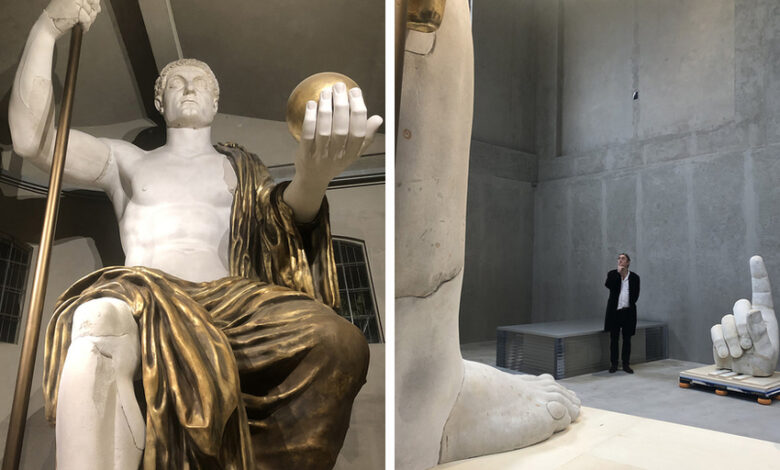
Colossus Constantine Rome Statue A Giants Legacy
The Colossus Constantine Rome Statue, a monumental figure from Roman history, stands as a testament to imperial power and artistic skill. This colossal bronze statue, erected during a specific period of Roman dominance, offers a fascinating glimpse into the political and social climate of the time. We’ll delve into its historical context, physical description, cultural significance, location, and preservation, culminating in a deeper understanding of its enduring legacy.
The statue’s imposing size and intricate details likely reflected the emperor’s immense power and influence. Its location in the heart of Rome would have served as a constant reminder of imperial authority to all who beheld it.
Historical Context: Colossus Constantine Rome Statue
The colossal statue of Constantine in Rome, a testament to imperial power and propaganda, stands as a captivating example of Roman artistic and political expression. Its construction, situated within a specific historical and political context, reflected the emperor’s ambition and the evolving dynamics of the Roman Empire. This article delves into the historical background, the political and social factors influencing its creation, and the statue’s role in the broader context of Roman imperial ideology.The statue of Constantine, though its precise location and form are debated, is believed to have been erected during the early years of Constantine’s reign, likely in the early 4th century AD.
This period marked a significant transition in Roman history, moving away from the traditional polytheistic beliefs and towards a growing acceptance of Christianity. The political landscape was also shifting, with the empire undergoing significant administrative and military restructuring.
Period of Erection
Constantine’s reign, from approximately 306 to 337 AD, saw substantial changes in Roman society and politics. The empire, which had faced periods of civil war and instability, was gradually consolidating under his rule. This period witnessed the rise of Christianity as a significant force in Roman society, which would profoundly influence the political and cultural climate.
Political and Social Context
The erection of the statue coincided with a pivotal moment in Roman history. The empire was undergoing a period of reform and consolidation under Constantine’s leadership. This period also saw the empire grappling with the challenges of maintaining unity and stability, particularly in the face of internal strife and external pressures. Constantine’s efforts to portray himself as a divinely sanctioned ruler were crucial to consolidating his power and legitimacy.
The creation of monumental statues, like the one dedicated to Constantine, served to reinforce his authority and his image in the minds of the population.
Significance in Roman Imperial Ideology
The statue of Constantine, like other imperial statues of the era, served a vital role in propagating Roman imperial ideology. It conveyed the image of a powerful and divinely ordained ruler. The size and grandeur of the statue, common characteristics of imperial statues, aimed to instill awe and reverence in the populace. The statue, along with other imperial monuments, was a key instrument in maintaining the emperor’s authority and projecting an image of strength and stability.
Comparison with Other Roman Imperial Statues
The statue of Constantine likely shared stylistic and thematic elements with other Roman imperial statues of the period. These statues typically depicted emperors in a commanding pose, often in military attire, emphasizing their strength and authority. Differences may have existed in the specific iconography or the style used to reflect the individual emperor’s character and policies. However, the fundamental purpose remained consistent: to solidify imperial authority and reinforce the emperor’s image as a divinely appointed leader.
Known Artists or Artisans
Unfortunately, the specific artists or artisans involved in the creation of the statue of Constantine in Rome are not definitively known. Documentation of this period, especially concerning the authorship of specific artworks, is often fragmented or lacking. Further research may shed light on the identity of those responsible for the statue’s design and execution. The identities of the artisans are usually not preserved in historical records for monuments of this scale, unless they were incredibly famous in their time.
Physical Description
The colossal statue of Constantine, erected in Rome, stands as a testament to the emperor’s power and ambition. Beyond its historical significance, the statue’s physical attributes offer a window into the artistic sensibilities and engineering prowess of the Roman Empire. Its impressive scale and intricate details speak volumes about the societal values and artistic conventions of the era.The statue’s imposing presence is more than just a visual display; it’s a carefully crafted embodiment of imperial authority.
The meticulous attention to detail, from the drapery to the facial features, reveals a deep understanding of human anatomy and the principles of sculptural representation.
Dimensions and Materials
The statue’s dimensions are truly remarkable. Estimates suggest a height exceeding 40 feet, making it a towering figure that would have dominated the Roman landscape. The sheer scale of the statue would have been awe-inspiring to those who witnessed it. Unfortunately, precise measurements are difficult to ascertain due to the statue’s eventual destruction and subsequent historical obscurity.
The materials used in the construction were likely a combination of bronze and other metals, common in large-scale Roman sculptures. Bronze was prized for its durability and ability to capture the details of the figure.
Artistic Style and Techniques
The artistic style of the statue reflects the classical tradition, emphasizing realism and idealized representation of the human form. The sculptors employed techniques familiar in Roman art, including the use of contrapposto (a natural pose of the human body) to convey movement and dynamism. The careful modelling of muscles, folds of drapery, and facial expressions would have given the statue a lifelike quality.
The use of bronze, with its ability to reflect light, likely further enhanced the statue’s visual impact.
Unique Features and Design Elements
One unique feature of the statue is likely the depiction of Constantine himself. His pose, garments, and attributes would have been carefully chosen to communicate his status and authority. Specific details like the emperor’s armour or insignia, if present, would have been carefully rendered to convey his imperial power. The scale of the statue, as a monumental piece, would have been a crucial element in its ability to instill awe and respect.
Comparison with Contemporary Roman Sculptures
| Feature | Description | Dimensions (estimated) | Materials |
|---|---|---|---|
| Colossus of Constantine | Monumental representation of an emperor, likely in a commanding pose. | Height exceeding 40 feet | Bronze and other metals |
| Trajan’s Column | Narrative relief sculpture depicting Trajan’s military campaigns. | ~100 feet tall | Marble |
| Bust of Augustus | Idealized portrait of the first Roman emperor. | Variable, depending on the specific bust. | Marble |
| Ara Pacis Augustae | Altar dedicated to peace, adorned with elaborate relief sculptures. | Variable, based on the individual elements. | Marble |
The table above illustrates some of the key design elements that were common to contemporary Roman sculptures. Note the variation in scale, materials, and subject matter, reflecting the diverse artistic expressions of the time. The Colosseum, although not a sculpture, provides an example of how monumentality and grandeur could be achieved in architecture. It shows how Roman artists, engineers, and architects worked in tandem to create structures that would awe the public.
Cultural Significance
The colossal statue of Constantine, a towering figure in Roman history, held immense cultural significance beyond its sheer physical grandeur. Its presence in the public sphere profoundly impacted Roman society, reflecting and shaping values, beliefs, and perceptions across different social strata. Understanding its cultural impact requires examining how it resonated with the populace, how it functioned within public life, and how it compared to similar monumental sculptures throughout the empire.
The colossal statue of Constantine in Rome, a marvel of ancient engineering, often overshadows the political dramas of today. For example, the figure of Ricardo Martinelli, a prominent figure in Panama and Nicaragua politics, Ricardo Martinelli Panama Nicaragua , certainly offers a compelling contrast. Ultimately, the enduring beauty of the Constantine statue stands as a testament to the power of art to transcend time, just as the struggles and triumphs of individuals like Martinelli shape the modern world.
Impact on Roman Society
The statue’s monumental scale and imposing presence served as a powerful visual representation of Constantine’s authority and power. This was crucial in solidifying his reign and reinforcing his legitimacy in the eyes of the people. The statue’s location in a prominent public space, likely a forum or a major thoroughfare, made it impossible to ignore. This constant visibility fostered a sense of awe and reverence, subtly influencing the public’s perception of the emperor.
Reflection of Roman Values and Beliefs
The statue, in its artistic style and iconography, likely embodied specific Roman ideals. The depiction of Constantine, possibly in a military or imperial pose, would have showcased Roman values like strength, valor, and the inherent right to rule. The choice of materials and artistic techniques would have reflected the empire’s sophisticated craftsmanship and the reverence for tradition. The sheer scale of the statue, a typical feature of Roman monumental sculpture, also emphasized the empire’s vastness and power.
Perception by Different Social Groups
The statue’s impact varied across social classes. The elite, including senators and prominent citizens, would have likely viewed the statue as a powerful symbol of their own standing within the empire, as it demonstrated their proximity to the emperor and the imperial court. The common people, while perhaps not as directly connected to the political machinations, would have experienced the statue’s imposing presence as a visual representation of imperial authority and a reminder of their place within the larger societal structure.
The symbolism would have been more abstract for them, possibly evoking a sense of awe, reverence, and perhaps even fear.
Role in Public Life
The statue’s presence in the public sphere undoubtedly played a crucial role in shaping public life. Its position, likely within a public space, would have served as a gathering point, a place for ceremonies, and a focus of civic activity. Public processions and other events might have centered around the statue, further solidifying its symbolic importance in the daily lives of Romans.
It likely played a role in reinforcing a sense of unity and collective identity.
Comparison with Similar Sculptures
Comparing the statue of Constantine to other monumental sculptures from across the empire reveals fascinating insights. Similar works, erected to commemorate emperors and other important figures, would have existed in various parts of the empire. Analyzing the stylistic differences and the specific context of these other statues provides a broader perspective on the cultural and political forces that shaped Roman monumental sculpture.
This comparison allows for a richer understanding of the unique characteristics of the Constantine statue and its position within the wider artistic and cultural landscape of the empire.
Potential Interpretations of Symbolism
The statue’s symbolism is open to various interpretations. It could represent:
- Imperial Power and Authority: The sheer scale of the statue and its prominent location would have been intended to convey the emperor’s supreme power and authority.
- Military Prowess: The statue’s pose and attire could have emphasized Constantine’s military successes and his role as a defender of the empire.
- Divine Right to Rule: The statue could have been intended to subtly suggest Constantine’s divine connection or legitimacy to rule.
- Civic Pride: The statue’s presence in a public space could have served to evoke a sense of civic pride and belonging within Roman society.
- Continuity of Tradition: The statue’s stylistic elements could have echoed earlier imperial portraits, reinforcing the continuity of Roman tradition.
These interpretations, however, are not mutually exclusive and could be intertwined to create a more complex understanding of the statue’s symbolic meaning.
Location and Preservation
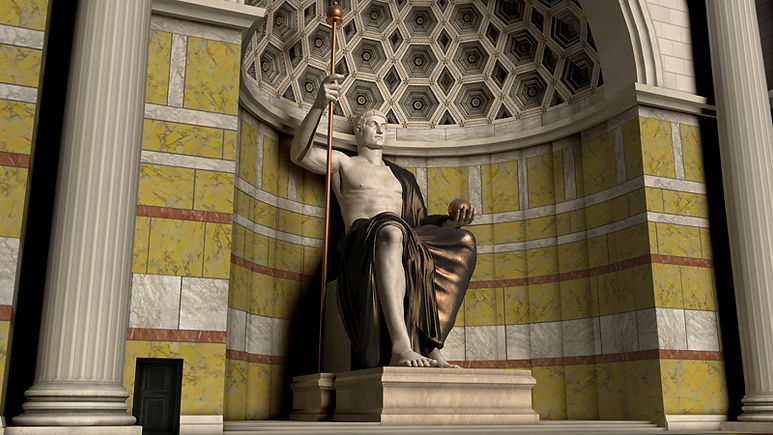
The Colossus of Constantine, a towering bronze statue of the Roman Emperor, once stood proudly in the heart of ancient Rome. Its very presence spoke volumes about the power and prestige of the empire. However, the statue’s journey through time wasn’t without its challenges, and its current state reflects the impact of both natural forces and human intervention.The statue’s location within the Roman landscape was crucial to its perceived significance.
Its position influenced the way it was perceived by the public, and this aspect is intertwined with its overall cultural significance. The challenges of preservation over centuries have led to the need for dedicated restoration efforts. Understanding these efforts, and the current state of the statue, is essential for appreciating the monument’s resilience.
Location in Ancient Rome
The Colossus of Constantine, though not definitively located, is believed to have been positioned in a prominent public space. Its placement likely reflected the Emperor’s power and authority, situated near important civic centers or areas with high foot traffic. The precise location within the city is obscured by the passage of time and historical changes.
The colossal statue of Constantine in Rome is pretty impressive, right? It’s amazing how much detail they managed to capture in such a massive piece of art. Speaking of impressive, have you seen the craze around the Acne Studios scarf on TikTok? acne studios scarf tiktok It seems like everyone’s trying to get their hands on one.
Regardless, the scale of the Constantine statue is still truly remarkable, isn’t it?
Historical Changes to Location
Over time, the statue’s location shifted, often due to urban development and the shifting priorities of the city. Natural disasters, such as earthquakes or floods, could also have contributed to the statue’s relocation or displacement. Historical accounts offer clues to these shifts, but a definitive reconstruction of the statue’s movement through time remains elusive.
Challenges in Preserving the Statue
The colossal bronze statue faced numerous challenges in maintaining its integrity. Exposure to the elements, particularly the corrosive effects of weather, contributed to the gradual deterioration of the metal. Furthermore, the statue’s vulnerability to vandalism and theft throughout its history is well-documented. The sheer size of the statue also presented logistical challenges for maintenance and restoration.
Restoration and Conservation Efforts
Restoration and conservation efforts, while crucial, are not without their own complexities. These efforts have to consider the delicate balance between preserving the original form and incorporating modern techniques to address the damage caused by the passage of time. A deep understanding of the statue’s original form and the techniques employed in its creation is essential for effective restoration.
Preserving the patina and original material are equally important.
Current State of Preservation
The current state of preservation of the Colossus of Constantine is a testament to both the challenges and the dedication of conservators. The statue’s physical condition, and any visible damage, are documented and analyzed, which is crucial for future preservation strategies. The methods employed to protect the statue, and the resulting condition of the statue, are vital considerations.
The colossal statue of Constantine in Rome, a marvel of ancient engineering, reminds us of the power and grandeur of the past. Thinking about massive projects like that, it’s interesting to consider current global issues, like the recent congressional debates on aid to Ukraine and Israel. Congress Ukraine Israel aid highlights the ongoing need for international support, which, in turn, makes the sheer scale of the Constantine statue all the more impressive.
It’s a reminder of the enduring legacy of powerful figures and empires.
Method for Protecting Similar Historical Statues in the Future
Preservation efforts for historical statues, such as the Colossus of Constantine, must consider a multi-faceted approach. This includes proactive measures to prevent damage, such as implementing stringent security protocols to deter vandalism. Protecting the statues from the elements requires careful environmental monitoring and control in their surroundings. Developing comprehensive preservation plans, including regular inspections, and appropriate restoration techniques, are also necessary.
For example, using modern materials to repair or reinforce the structure while preserving the original aesthetic is a critical part of the plan. A detailed database of historical statues, including their material composition and construction methods, will be invaluable for developing targeted preservation strategies.
Possible Interpretations
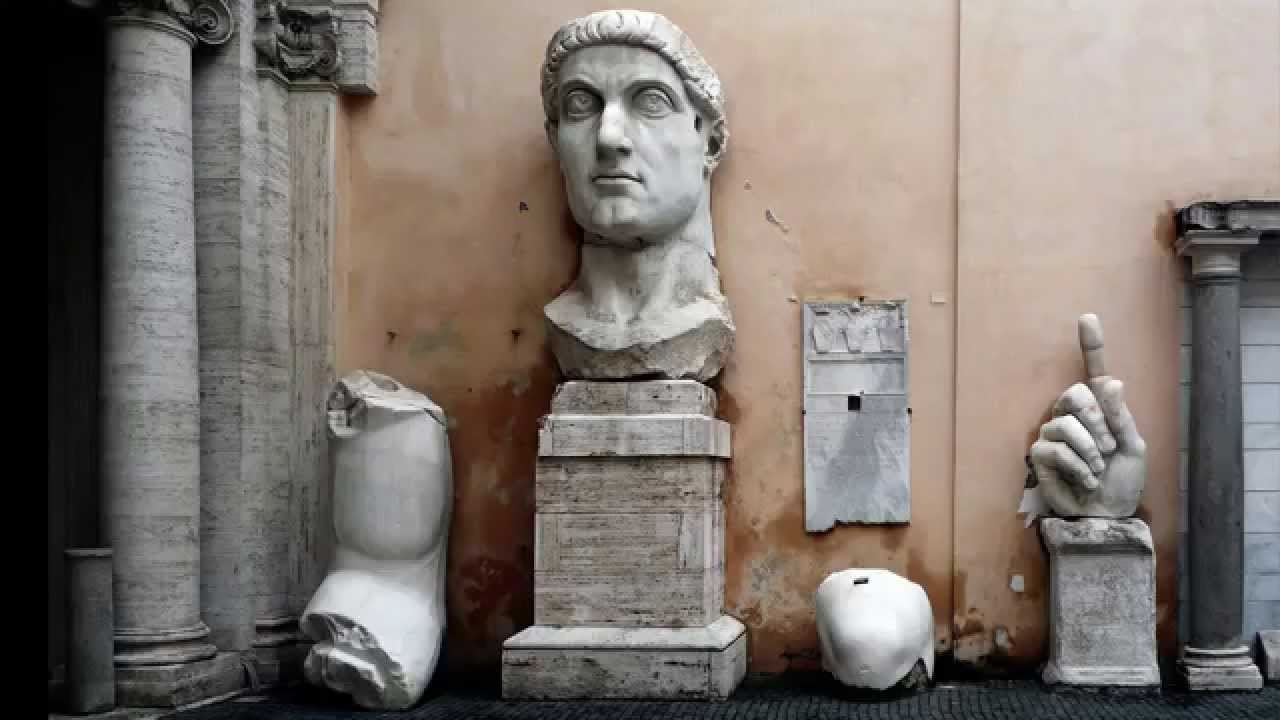
The Colossus of Constantine, a monumental figure, stood as a testament to imperial power and ambition. Its sheer scale and placement within the Roman landscape invite a myriad of interpretations, stretching far beyond a simple representation of a ruler. This section explores potential meanings, considering the statue’s context, symbolism, and impact on the surrounding culture.The statue, positioned prominently in a public space, likely served multiple purposes.
It could have been intended to inspire awe and reverence for the emperor, a visible manifestation of his authority. It might also have served as a symbol of the city’s power and prosperity under his rule, a beacon of Roman dominance.
Different Interpretations of the Statue’s Purpose
The statue’s purpose extended beyond mere commemoration. It likely functioned as a potent symbol of imperial power, asserting Roman dominance and the emperor’s authority. The colossal scale of the figure underscored the vastness of the empire and the emperor’s perceived omnipotence. Furthermore, the statue could have served as a visual representation of Roman ideals, such as strength, invincibility, and prosperity.
Analysis of the Statue in Relation to its Surrounding Environment
The Colossus’s location within the urban fabric was crucial to its intended message. Its placement in a public space, likely a prominent forum or a significant intersection, ensured maximum visibility and impact. This strategic location allowed the statue to be observed by a vast number of people, potentially reinforcing the emperor’s presence and authority throughout the city. The environment around the statue likely influenced the design choices and the symbolic meaning attributed to the sculpture.
For instance, the proximity to other significant structures, like temples or public buildings, could have been carefully planned to enhance the overall impact and reinforce the political narrative.
Exploration of Symbolism Embedded in the Statue’s Design
The statue’s design likely incorporated symbolic elements, such as specific attire or gestures. The emperor’s attire, for example, might have symbolized his role as a military leader, a high priest, or a divine figure. Specific hand gestures, postures, or the presence of specific objects in the sculpture could have conveyed deeper meanings and contributed to the intended message.
The presence of other figures or decorative elements surrounding the statue could have further enriched the symbolism, adding another layer of interpretation.
The colossal statue of Constantine in Rome, a marvel of ancient engineering, reminds us of the power and ambition of the Roman Empire. However, modern geopolitical realities, like those surrounding the US, Russia, nuclear capabilities, space exploration, Pakistan, and Asia, us russia nuclear space pakistan asia , bring a different kind of monumental challenge. Ultimately, the statue stands as a testament to human endeavor, a reminder of our past while contemplating the future.
Potential Historical or Social Narratives Reflected in the Statue
The Colossus could reflect prevailing social and political narratives of the time. The statue’s size and grandeur could have been a deliberate effort to showcase the emperor’s achievements and accomplishments. It might have served to consolidate power and legitimize his rule. Furthermore, the statue could have addressed contemporary issues or anxieties, reflecting anxieties about external threats or internal challenges within the empire.
Elaboration on the Statue’s Legacy
The Colossus’s legacy extends beyond its physical existence. It served as a model for future monumental sculptures, influencing the representation of power and authority in subsequent artistic endeavors. The statue’s impact on the collective imagination of Romans, and even later societies, cannot be underestimated. Its symbolic significance endured, shaping perceptions of imperial power and the role of the emperor.
Significance in the Context of Modern Understandings of Power and Authority
The Colossus of Constantine, in modern contexts, serves as a reminder of how power is often manifested through grand displays and monumental representations. Its enduring presence raises questions about the enduring appeal of such symbolic displays of power. The statue allows us to reflect on the methods and motivations behind the construction of powerful monuments and the messages they convey.
Visual Representations
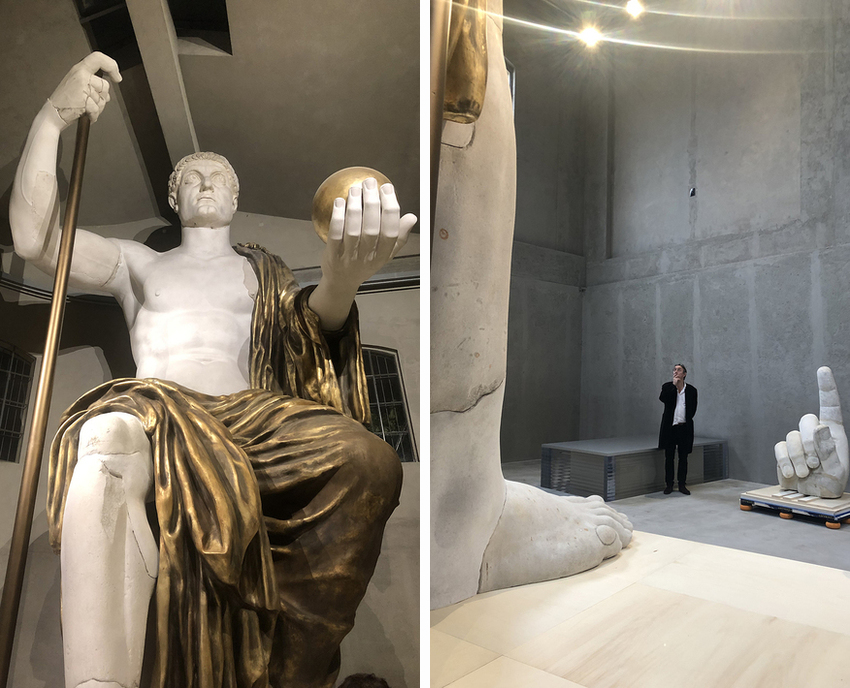
The Colossus of Constantine, a towering symbol of Roman power, is more than just a historical artifact; it’s a captivating visual story. Understanding its visual representations provides a deeper appreciation for the statue’s impact and the artistic techniques of its time. This section delves into detailed descriptions, timelines, and interpretations, offering a comprehensive visual experience of this remarkable monument.This section explores the various visual representations of the Colossus of Constantine, enabling visitors to engage with the statue on a multi-faceted level.
From detailed descriptions to interactive timelines and 3D models, we provide a multifaceted approach to appreciating the monument’s visual legacy.
Detailed Description of the Statue
The Colossus of Constantine, an imposing bronze statue, depicted the emperor in a majestic pose, likely standing atop a high pedestal. Historical accounts suggest the statue was rendered with meticulous detail, showcasing intricate drapery, musculature, and facial features. The statue’s colossal scale, likely exceeding 30 feet in height, would have been awe-inspiring to those who witnessed it. The statue’s material, likely bronze, would have gleamed in the sunlight, amplifying its grandeur.
This monumental scale, combined with the detailed craftsmanship, would have made the statue a focal point of the city.
Visual Timeline of the Statue
A visual timeline depicting the Colossus’s journey from conception to preservation is crucial for understanding its historical context. The timeline would begin with artistic sketches or conceptual drawings that might have served as blueprints for the statue’s creation. Subsequent stages would illustrate the construction process, showcasing different stages of sculpting, casting, and assembly. The timeline should include periods of damage and restoration, with clear illustrations of the statue in different states of preservation.
Finally, the timeline should show the statue in its current state, highlighting efforts towards its conservation.
Descriptive Captions for Images
The captions for images should not just identify the subject but provide detailed information about the depicted aspects of the statue.
- Image 1: A rendering of the Colossus of Constantine in its intended location, positioned on a high platform. The caption should highlight the colossal scale and the architectural context of the surrounding area. It should also emphasize the impact of such a monumental statue on the urban landscape.
- Image 2: A close-up view of the statue’s face, showcasing the detailed sculpting of facial features and expressions. The caption should detail the likely use of bronze for the statue, emphasizing the sheen and reflective quality of the material. It should also compare the style to contemporary Roman sculptures.
- Image 3: A side view of the statue, focusing on the drapery and musculature. The caption should emphasize the artistic rendering of the human form, comparing the style to other Roman statues and discussing the potential influences of Greek artistic traditions.
Description of a 3D Model
A 3D model of the Colossus would allow for a more immersive experience, enabling users to explore the statue from multiple angles. The model should showcase the statue’s detailed features, such as the folds of drapery, the expression on the face, and the musculature of the body. The model should highlight the scale and proportion of the statue in relation to a human figure, enhancing the viewer’s comprehension of its size and grandeur.
Illustrations of Different Perspectives
Illustrations displaying different perspectives of the statue would provide a complete visual representation.
- Perspective 1: A frontal view emphasizing the statue’s majestic pose and the detailed craftsmanship of the features.
- Perspective 2: A side view to illustrate the intricate folds of the drapery and the powerful musculature of the figure.
- Perspective 3: A bird’s-eye view of the statue on its pedestal, showcasing the overall impact and scale of the monument within its urban setting.
Interactive Graphic Displaying the Statue’s Evolution, Colossus constantine rome statue
An interactive graphic, incorporating images and text, would illustrate the statue’s evolution from initial concept to its final form. The graphic should display stages of sculpting, casting, and potential restoration. Users could navigate through the different phases, learning about the techniques employed and the challenges encountered during each stage. This interactive element would offer a dynamic way to understand the monument’s journey throughout history.
The colossal statue of Constantine in Rome, a marvel of ancient engineering, stands as a testament to the empire’s power. Protecting yourself from illness is just as important as appreciating historical monuments. Understanding the importance of condon prevencion vih sida is crucial in modern society, just as the statue’s preservation is vital to understanding the past.
The grandeur of the statue, a symbol of the Roman world, reminds us of the ongoing importance of health and knowledge in the present day.
Conclusive Thoughts
In conclusion, the Colossus Constantine Rome Statue stands as a powerful symbol of Roman imperial ambition and artistic prowess. Its historical context, physical attributes, and cultural significance offer valuable insights into the lives and beliefs of those who lived during its time. From its creation to its present state, this colossal figure continues to fascinate and inspire. The statue’s enduring presence prompts us to consider the nature of power, art, and cultural exchange throughout history.
Detailed FAQs
What materials were used in the statue’s construction?
Unfortunately, the exact materials aren’t definitively known. Historical records might offer clues, but more research is needed to determine the precise composition of the statue’s construction.
What happened to the statue after its initial erection?
The statue’s location likely changed over time due to various historical events. Understanding these changes would require further study of Roman history. The statue might have been moved to accommodate evolving urban development or to address other factors.
Were there any significant challenges in preserving the statue?
Preservation efforts faced various challenges, including the inevitable effects of time and environmental factors. Material deterioration, damage from natural disasters, or even intentional damage could have impacted the statue’s integrity.
How did the statue’s design reflect Roman values and beliefs?
The statue’s size, material, and style would have reflected the grandeur and power associated with the Roman imperial system. The symbolism incorporated into the statue’s design would have conveyed important messages about power and authority. Additional research could reveal more specific interpretations.