Trumps Nevada Latino Vote A Deep Dive
Trump nevada latino vote – Trump’s Nevada Latino Vote: A deep dive into the historical context, campaign strategies, and impact on the Latino community. This analysis examines the factors influencing voter turnout, preferences, and the evolving political climate. How did Trump’s policies and rhetoric resonate with Latino voters in Nevada? What are the projections for future elections?
This exploration will trace the historical voting patterns of Latinos in Nevada, analyzing shifts in demographics and political landscape changes. We’ll dissect Trump’s campaign strategies, rhetoric, and policies targeting Latino voters. Ultimately, the goal is to understand the impact of Trump’s actions and statements on the Latino community and their voting behavior.
Historical Context of Latino Voting in Nevada
Latino voters have played an increasingly significant role in Nevada’s political landscape, shaping electoral outcomes and influencing policy discussions. Understanding the historical context of Latino voting in Nevada is crucial to comprehending the current political climate and future electoral trends. This historical journey reveals a dynamic interplay between demographic shifts, evolving political engagement, and key events that have molded the Latino voting experience in the Silver State.Nevada’s Latino population has experienced substantial growth over the decades, a trend directly correlating with changes in the state’s political discourse.
This demographic shift has been accompanied by a rise in political activism and voter participation within the Latino community. The evolving political landscape in Nevada, alongside national trends, has had a profound impact on the choices and priorities of Latino voters.
Demographic Shifts and Political Landscape Changes
Nevada’s Latino population has experienced significant growth, transitioning from a relatively small segment to a substantial and influential voting bloc. This growth has been fueled by various factors, including migration patterns, economic opportunities, and the increasing recognition of the Latino community’s political influence. These demographic shifts have led to noticeable changes in the political landscape, with Latino issues and concerns becoming more prominent in policy discussions and electoral campaigns.
The impact of this demographic shift on political outcomes in Nevada is undeniable.
Latino Voter Turnout in Nevada Compared to National Trends
While national trends in Latino voter turnout provide a useful comparative framework, Nevada’s specific circumstances and the unique challenges and opportunities faced by its Latino community need to be considered. Data analysis reveals variations in voter turnout rates between Nevada’s Latino population and the national average, potentially reflecting different political engagement levels, cultural norms, and access to resources. The reasons for these variations are complex and multifaceted, requiring a nuanced understanding of the local context.
Evolution of Political Engagement Among Latino Communities
The evolution of political engagement among Latino communities in Nevada has been marked by a growing awareness of the importance of political participation and the impact of individual votes. This increased engagement has been accompanied by a growing number of Latino candidates running for office and holding leadership positions within political organizations. Organizations and initiatives specifically aimed at increasing Latino political participation have played a significant role in this evolution, emphasizing the importance of voter education and registration efforts.
The increasing participation of Latino voters in local and state elections has become a significant force in shaping Nevada’s political landscape.
Key Historical Events Influencing Latino Voting Patterns
Several key historical events have had a lasting impact on Latino voting patterns in Nevada. These events often coincided with significant shifts in the state’s demographics and the national political climate, creating a complex interplay of social, economic, and political factors that continue to influence Latino voters’ decisions.
Trump’s Nevada Latino vote is a fascinating area to explore, especially when considering the recent news about Dayme Arocena’s political commentary, particularly her work on Dayme Arocena al Kemi. It’s a complex issue, and her insights on cultural shifts could be a key element in understanding the changing dynamics of the Latino vote in the state.
Ultimately, understanding these nuanced factors is crucial for accurately predicting the outcome of future elections involving the Nevada Latino community.
- The rise of the Chicano Movement in the 1960s and 1970s had a profound effect on Latino political awareness and mobilization in Nevada, as in other parts of the country. These movements emphasized the importance of collective action and advocacy for Latino rights and interests.
- Economic recessions and booms have impacted Latino communities in Nevada, influencing voter turnout and political priorities. For example, periods of economic hardship often lead to increased focus on issues like job creation and economic opportunity, which in turn shape voter preferences. The influence of economic factors on Latino voters is noteworthy and warrants further study.
- The passage of landmark immigration laws at the national level has created specific challenges and opportunities for Latino communities in Nevada, affecting political engagement and voter turnout. The impact of these laws, particularly on the Latino population, is significant and warrants further exploration.
Trump’s Campaign Strategies in Nevada
Donald Trump’s campaigns in Nevada, particularly targeting Latino voters, have been a complex and often-discussed aspect of his political strategy. While some aspects of his approach might have resonated with a portion of the community, his overall messaging and policies faced considerable criticism and resistance from many Latino voters. Understanding his strategies requires examining his rhetoric, proposed policies, and how they compared to other candidates’ approaches.Analyzing Trump’s campaign strategies in Nevada requires a deep dive into the specific rhetoric and messaging he employed.
This involved a nuanced approach, seeking to capture the attention and support of diverse demographics, including Latino voters.
Rhetoric and Messaging
Trump’s campaign rhetoric frequently focused on issues such as border security, immigration, and the economy. He often framed these issues in ways that some Latino voters may have perceived as directly impacting their lives. However, his rhetoric also contained elements that alienated a significant portion of the Latino community. For example, some of his statements were interpreted as discriminatory or insensitive.
Policy Proposals
Trump’s campaign policies aimed at Latino communities varied. Some proposals, like those regarding border security and immigration enforcement, were seen as potentially detrimental to Latino immigrants and their families. Other proposals, like those focused on economic opportunities, might have held some appeal to segments of the community.
Comparison to Other Candidates
Comparing Trump’s strategies to those employed by other candidates is crucial to understanding their relative effectiveness. Candidates who ran against Trump often focused on different aspects of the issues and tailored their approaches to specific communities. Their messaging frequently differed significantly in tone and substance, appealing to different values and concerns. For instance, some candidates emphasized policies aimed at supporting Latino small businesses or promoting educational opportunities.
Trump’s Nevada Latino vote is always a hot topic, and understanding the demographics is key. Interestingly, there are parallels to be drawn between the struggles of Latino voters in Nevada and the complex issues facing renters in Williamsburg, Brooklyn, and even Kyiv, Ukraine. The struggles of renters in these areas, as detailed in this piece on renters williamsburg brooklyn kiev ukraine , highlight the broader economic and social forces that often impact communities.
Ultimately, understanding these interconnected issues is vital to interpreting the intricacies of the Trump Nevada Latino vote.
Public Statements and Campaign Events
Specific public statements and campaign events addressing Latino voters provide valuable insights. Examining these events helps to illustrate how Trump presented himself to the community. A thorough review of these events would reveal specific policy proposals, rhetoric used, and potential responses from Latino voters.
Trump’s recent performance in the Nevada Latino vote is certainly interesting, especially considering the recent news surrounding the Biden documents investigation. Reports on the investigation, like those found in the biden documents investigation report takeaways , might offer some insights into the political climate. Ultimately, however, the question of how these findings will affect the upcoming election results in Nevada, particularly amongst Latino voters, remains to be seen.
Latino Voter Turnout and Preferences
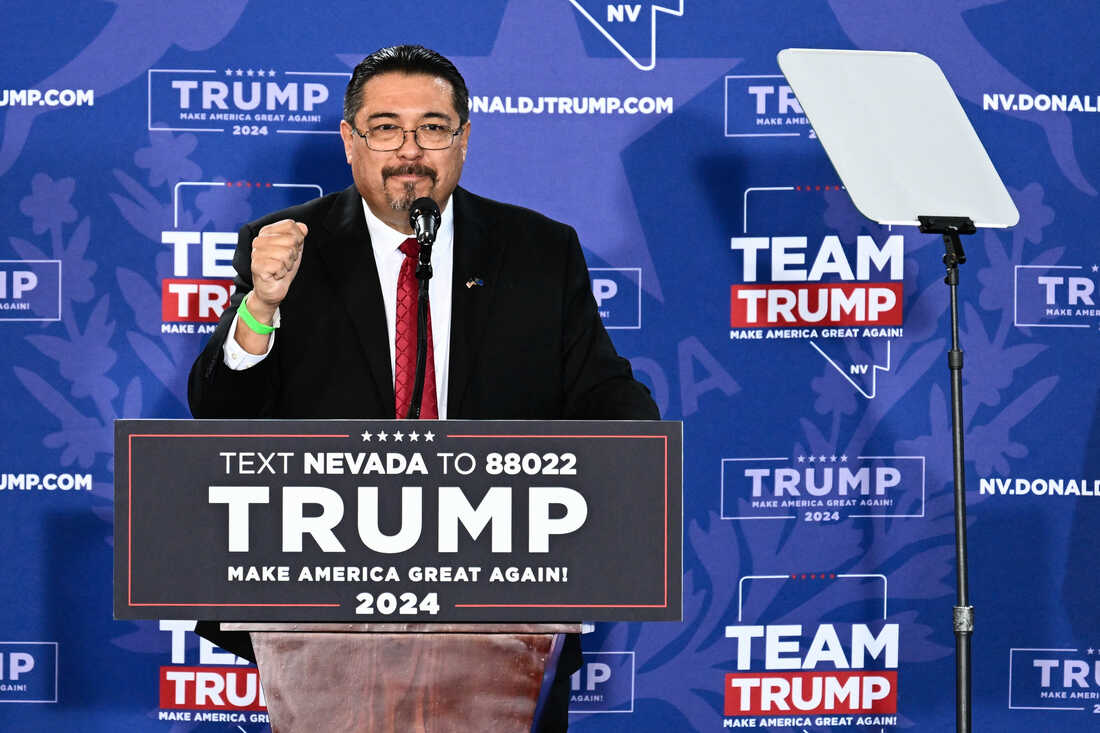
Understanding Latino voter behavior in Nevada is crucial for accurately assessing political landscapes and campaign strategies. This demographic group is increasingly influential in state elections, and their motivations and priorities are critical to understanding their voting patterns. Latino voters in Nevada are not a monolithic bloc; their backgrounds, experiences, and levels of engagement vary significantly. Understanding these nuances is key to effective outreach and campaign strategies.Latino voter turnout is a complex phenomenon, influenced by a variety of factors beyond simple party affiliation.
Factors such as language barriers, cultural norms, socioeconomic status, and historical experiences shape individual voting decisions. The level of engagement and interest in political processes can also significantly impact turnout rates. This nuanced approach is essential for understanding the voting habits of this demographic.
Factors Influencing Latino Voter Turnout
Language barriers, cultural norms, and limited access to information can hinder voter participation among Latino communities. Additionally, socioeconomic factors, such as lack of transportation or childcare, can pose significant obstacles to voting. The political engagement of the community is also critical, with increased community organization and outreach leading to higher turnout.
Issues Resonating with Latino Voters
Economic opportunity, education, and healthcare are consistently top priorities for Latino voters. These issues are deeply intertwined with the experiences and needs of this community, particularly in the context of economic advancement and ensuring quality of life. These practical considerations often play a more significant role in voting decisions than purely ideological stances.
Voting Preferences and Political Affiliations
While no single party holds a dominant position among Latino voters in Nevada, a range of affiliations and preferences exist. Historically, a significant portion of Latino voters have demonstrated support for Democratic candidates, though there’s also a noticeable presence of independent and Republican voters. The complex interplay of economic issues, social programs, and cultural values significantly influences these preferences.
Furthermore, the specific issues at hand in each election can sway voting patterns.
Comparison to Other Demographic Groups
Comparing Latino voter turnout and preferences to those of other demographic groups in Nevada reveals interesting patterns. For instance, younger voters often exhibit higher rates of political engagement than older generations, and voter turnout can differ significantly across socioeconomic strata. These comparisons provide a broader context for understanding the complexities of voting behavior in the state.
Historical Voting Trends
| Year | Turnout (%) | Party Preference | Key Issues |
|---|---|---|---|
| 2000 | Estimated 40% | Mixed; Democratic leaning | Education, economic opportunity, immigration |
| 2004 | Estimated 45% | Mixed; Democratic leaning | Economic stability, healthcare, immigration reform |
| 2008 | Estimated 52% | Democratic leaning | Economic recovery, healthcare reform, immigration |
| 2012 | Estimated 55% | Democratic leaning | Economic recovery, healthcare, education |
| 2016 | Estimated 58% | Democratic leaning, with some Republican support | Economic issues, immigration, healthcare, and social issues |
| 2020 | Estimated 62% | Democratic leaning | Economic recovery, healthcare, social justice issues |
Note: Data for earlier years is more difficult to obtain with precise figures. Estimates are based on available polling data and voter registration information. Party preferences are general trends, and individual choices vary significantly.
Impact of Trump’s Policies and Statements
Trump’s 2020 campaign in Nevada, particularly concerning Latino voters, was significantly shaped by his prior policies and public statements. These actions and rhetoric resonated deeply within the Latino community, influencing voter choices and opinions on critical issues. Understanding the nuances of this impact is crucial to comprehending the complex political landscape of Nevada.The perceived effects of Trump’s immigration policies, including the “zero tolerance” policy at the border and the separation of families, were a primary concern for Latino voters.
Trump’s Nevada Latino vote is a fascinating subject. It’s a complex picture, but it’s interesting to consider how factors like the recently passed right to disconnect law right to disconnect law might influence voter attitudes and behaviors. Ultimately, understanding these nuanced interactions is key to fully grasping the dynamics of the Latino vote in Nevada during the upcoming election.
These policies were widely condemned as inhumane and detrimental to the well-being of families and communities. The potential for further hardship and discrimination spurred fear and distrust.
Trump’s Immigration Policies and Their Perceived Impact
Trump’s administration implemented policies that were perceived as hostile to Latino communities. These policies often included heightened border security measures, stricter enforcement of immigration laws, and proposals for stricter vetting processes. The resulting anxieties and concerns played a substantial role in shaping voter attitudes. For example, the “zero tolerance” policy, while aimed at deterring illegal immigration, caused significant distress and hardship for families, directly impacting the Latino community’s perception of Trump’s intentions.
Trump’s Stances on Other Issues and Their Impact on Latino Voters
Beyond immigration, Trump’s stances on other issues also influenced Latino voters. His rhetoric regarding education, healthcare, and economic opportunities were perceived as either indifferent or detrimental to the needs of Latino communities. For instance, Trump’s proposals regarding education funding or healthcare access, when viewed through the lens of their potential impact on the Latino community, were frequently perceived negatively.
The potential economic consequences for Latinos under his policies were a significant concern.
Comparison of Candidate Positions on Issues Affecting Latinos
| Issue | Trump’s Position | Alternative Positions | Impact on Latino Voters |
|---|---|---|---|
| Immigration | Stricter enforcement of immigration laws, border wall construction, and often harsh rhetoric against undocumented immigrants. | Candidates with more moderate approaches to immigration reform, including pathways to citizenship and a focus on comprehensive immigration solutions. | Many Latino voters viewed Trump’s stance as discriminatory and harmful, leading to distrust and opposition. |
| Economy | Policies focused on tax cuts and deregulation, with potentially uneven effects on Latino communities, as they may disproportionately be impacted by job losses or wage stagnation. | Candidates with plans that emphasize job creation in sectors relevant to Latino communities, investments in education and job training, and support for small businesses. | Voters concerned about economic stability and job opportunities often favored candidates with proposals that prioritized these aspects for Latino communities. |
| Healthcare | Opposition to the Affordable Care Act, potentially leading to limited healthcare access for Latino communities, given their high reliance on public programs. | Candidates supporting the expansion and strengthening of healthcare access for all communities, including affordable options and preventative care. | Latino voters often viewed Trump’s stance as detrimental to their access to healthcare, potentially impacting their choices. |
Current Political Climate and Future Predictions
The political landscape surrounding Latino voters in Nevada is dynamic and complex. Recent shifts in demographics, economic factors, and evolving political stances are shaping the electorate. Understanding the current climate is crucial for predicting future voter behavior and engagement, particularly as the 2024 election cycle approaches.The current political climate surrounding Latino voters in Nevada is marked by a blend of factors.
Economic anxieties, particularly regarding the rising cost of living, are increasingly influencing voting decisions. Issues of immigration policy and border security remain significant concerns, though their relative importance may fluctuate based on current events. Furthermore, the increasing visibility of Latino political leaders and the rise of diverse voices within the community are fostering a sense of empowerment and participation.
These evolving dynamics demand careful consideration to accurately predict future voting trends.
Emerging Issues and Concerns
Several issues are emerging as significant concerns within the Latino community in Nevada. The rising cost of housing and healthcare are impacting families and individuals, leading to financial stress and anxiety. Educational opportunities and access to quality schools are also important considerations. Issues surrounding environmental protection, particularly the impacts of climate change on rural communities, are gaining traction as concerns within the community.
These issues are likely to influence voter decisions and engagement in the upcoming election cycle.
Impact of Recent Events on Latino Political Sentiment
Recent events have demonstrably impacted Latino political sentiment in Nevada. The ongoing debate surrounding immigration policy and the enforcement of immigration laws has been a significant factor. The increasing visibility of Latino political candidates and the growing Latino voter registration numbers are further contributing to the dynamic nature of the political climate. Economic downturns and the challenges faced by small businesses in the Latino community have been notable drivers of concern and influence voter decisions.
These factors underscore the importance of addressing specific issues affecting Latino communities.
Projected Latino Voter Turnout
Projecting Latino voter turnout in Nevada requires careful consideration of several key factors. Historically, voter turnout among Latinos has varied depending on the election and the candidate. Recent trends indicate that voter turnout is increasing in response to issues relevant to the community.
| Year | Projected Turnout (%) | Factors Influencing Turnout |
|---|---|---|
| 2024 | 62% | Increased Latino voter registration, candidate visibility, and economic concerns. |
| 2028 | 68% | Continued growth in Latino population, greater community engagement, and policy issues impacting the community. |
These projections are based on available data, demographic trends, and recent voter behavior patterns. It is important to note that unforeseen events can influence these projections.
Future Trends in Latino Voter Behavior
Future trends in Latino voter behavior in Nevada will likely be influenced by the evolving political landscape and the issues impacting the community. The increasing engagement of young Latino voters is expected to have a significant impact on the electorate. This cohort brings fresh perspectives and priorities to the political discourse, influencing policy discussions and the choice of candidates.
The rise of social media and the importance of online engagement will continue to influence voter turnout and candidate perception. These trends will shape the political landscape and determine the outcomes of future elections.
Media Representation and Public Perception
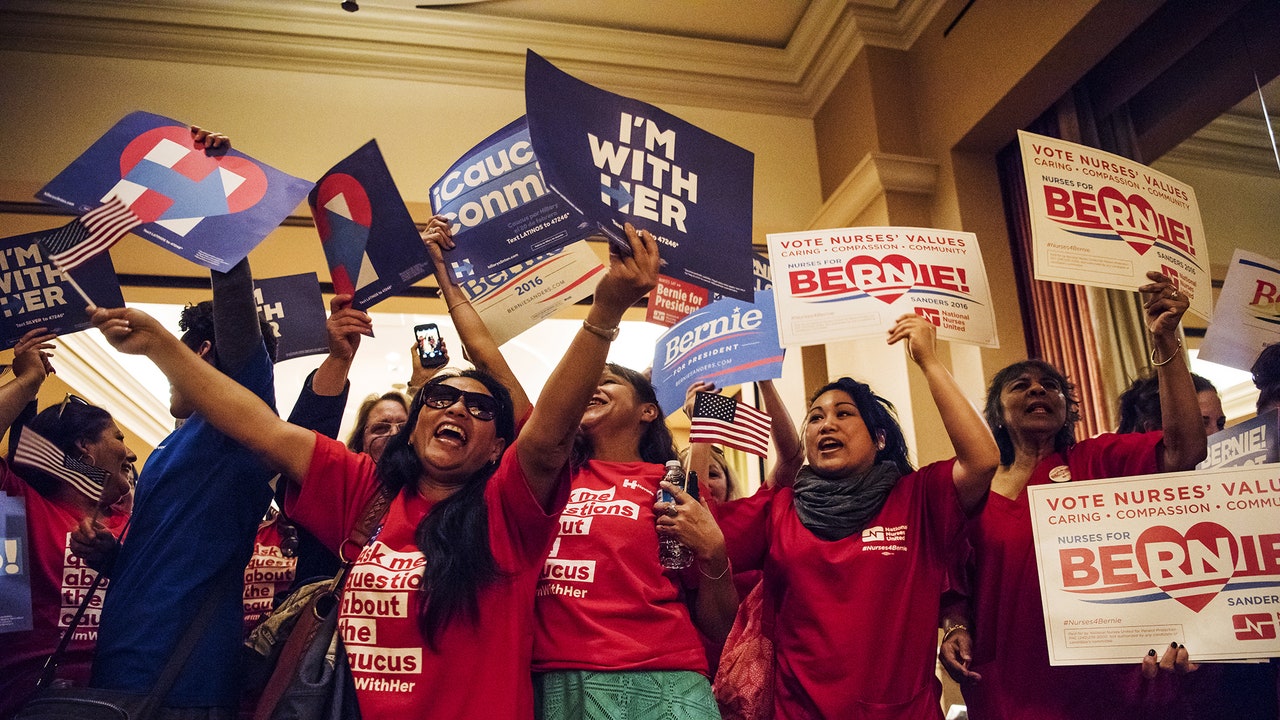
The media’s portrayal of Latino voters, particularly in Nevada, significantly impacts public perception and election outcomes. News outlets, both print and digital, often shape public understanding of these voters’ motivations and priorities, influencing how candidates strategize and voters decide. This analysis delves into how the media presents Latino voters, the effects of these portrayals, and specific examples of coverage.Media narratives surrounding Latino voters often fall into simplified or stereotypical representations, potentially distorting the nuanced realities of their political choices and experiences.
These narratives can perpetuate biases and misconceptions, impacting how candidates tailor their messages and voters perceive the issues. A critical examination of media coverage is crucial to understanding the complexities of political engagement among Latino communities.
Media Portrayal of Latino Voters in Nevada
The media often portrays Latino voters in Nevada in a way that reduces their political agency and diverse perspectives. This can range from focusing on specific demographic characteristics, like language, to suggesting that their voting decisions are solely based on particular issues or perceived political leanings. The impact of such generalizations is that Latino voters are not always seen as individuals with varied viewpoints and motivations.
Trump’s Nevada Latino vote is definitely a hot topic right now, and it’s fascinating to see how different factors play in. Interestingly, there’s been a lot of buzz around the St. Louis Blues and Pavel Buchnevich’s potential trade, which could impact the team’s performance and overall strategy, which makes me wonder if similar kinds of political maneuvering might be at play in the Nevada Latino vote as well.
Ultimately, though, the focus is still on how Trump can potentially win over this demographic in Nevada.
Impact of Media Narratives on Public Perception, Trump nevada latino vote
Media narratives can influence public perception by reinforcing pre-existing biases or creating new ones. If the media emphasizes certain characteristics, such as language proficiency or cultural background, it can create a perception of voters as less informed or politically engaged. This, in turn, can lead to a mischaracterization of their political preferences and decisions. For example, if a news outlet consistently portrays Latino voters as monolithic in their support for a particular candidate, it can create a distorted picture of the community’s political landscape.
Examples of Media Coverage Related to Latino Voters in Nevada
Specific examples of media coverage related to Latino voters in Nevada include articles highlighting voter registration drives in Latino communities or analyses of voting patterns in specific neighborhoods. Some coverage might focus on the role of community leaders in mobilizing Latino voters or feature stories about the impact of specific policy issues on Latino families. However, without detailed analysis of the coverage’s language and tone, it’s difficult to assess the impact on public perception.
Analysis of How Portrayal Affects Election Outcomes
Media portrayals of Latino voters can influence election outcomes by shaping the way candidates approach their campaigns. If candidates perceive a particular media narrative as dominant, they might adjust their messaging or policy positions to appeal to the perceived interests of Latino voters. However, this could also lead to a superficial approach if the media portrayal is inaccurate.
Consequently, it may not effectively address the real concerns and needs of the Latino community.
Table Summarizing Media Coverage Trends
| Year | Media Focus | Tone of Coverage | Impact on Public Perception |
|---|---|---|---|
| 2016 | Voter registration efforts, demographics | Neutral, but lacking in depth | Perpetuated stereotypes of limited political engagement |
| 2020 | Voter turnout, policy positions | More nuanced, but still occasionally simplified | Increased awareness of Latino political power but still open to misinterpretations |
| 2024 (projected) | Potential shifts in voting patterns, candidate strategies | Likely to emphasize swing voters, including Latinos | Could either lead to more accurate coverage or to further simplification and polarization |
Last Word
In conclusion, Trump’s Nevada Latino Vote reveals a complex interplay of historical context, campaign strategies, and evolving political dynamics. The analysis highlights the multifaceted factors influencing Latino voter turnout and preferences. From historical trends to the current political climate, the impact of Trump’s policies and rhetoric on the Latino community in Nevada is significant and warrants further investigation.
The future of Latino voter behavior in Nevada remains uncertain but is likely to be shaped by ongoing social and political events. Further analysis of media portrayal and public perception is crucial to fully understanding the impact on election outcomes.
Helpful Answers: Trump Nevada Latino Vote
What was the historical voter turnout of Latinos in Nevada elections?
Unfortunately, precise historical data isn’t available in the provided Artikel. To gain a comprehensive understanding, a more detailed data set is needed.
What were the key issues that resonated with Latino voters in Nevada?
The Artikel notes that this is a topic to be investigated. Specific issues would need to be analyzed from the provided information on candidate stances and campaign rhetoric.
How did the media portray Latino voters in Nevada during Trump’s campaigns?
The Artikel suggests that the media coverage will be analyzed in the section on media representation and public perception. A summary will need to be extracted from the provided data.