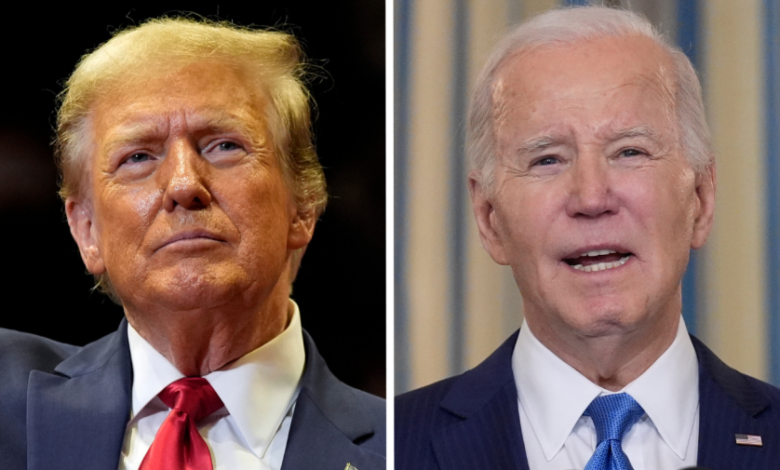
Trump Biden Haley Election 2024 Showdown
Trump Biden Haley election: the 2024 presidential race is heating up, with a complex interplay of established figures and a newcomer challenging the status quo. This analysis delves into the policy positions, historical context, and public perception surrounding Donald Trump, Joe Biden, and Nikki Haley, exploring the potential impact of each candidate on the upcoming election.
We’ll examine their stances on critical issues, from the economy and healthcare to foreign policy and social issues. Furthermore, we’ll analyze the current political climate, voter demographics, and potential external factors that might sway the election outcome. Understanding the nuances of this election is crucial for comprehending the future direction of American politics.
Candidate Profiles
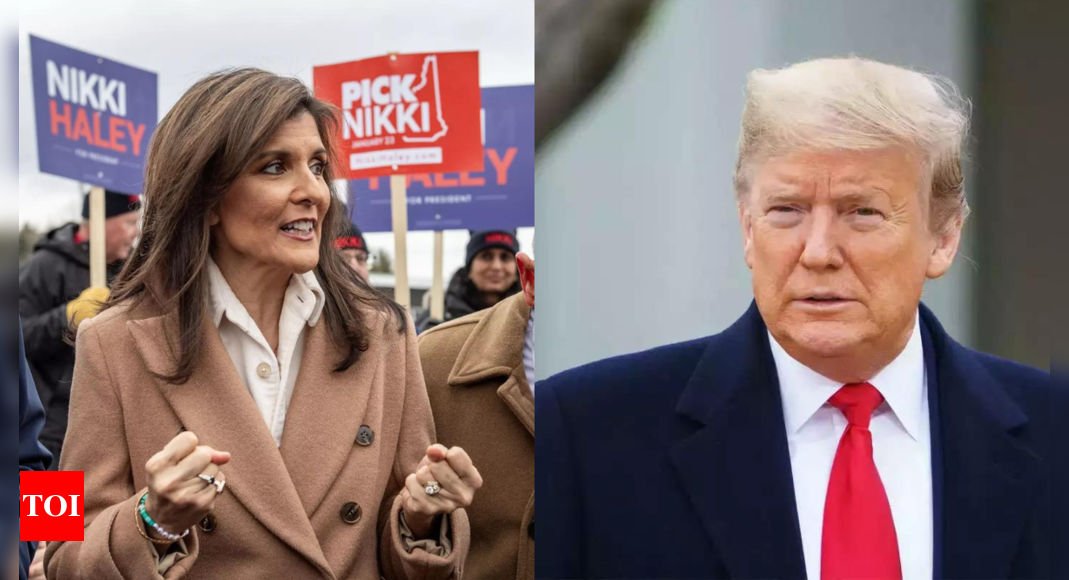
The 2024 presidential election pits two vastly different candidates against each other: Donald Trump, seeking a return to the White House, and Joe Biden, aiming for a second term. Understanding their policy positions, political histories, and campaign strategies is crucial for informed voting. This analysis delves into the key aspects of each candidate’s platform.
Policy Positions
Both Trump and Biden have distinct approaches to economic, healthcare, and foreign policy issues. Trump’s economic policies generally emphasize tax cuts and deregulation, aiming to stimulate business growth and create jobs. Biden, conversely, advocates for investments in infrastructure and social programs, aiming to address economic inequality and create a more robust middle class. Regarding healthcare, Trump has consistently supported repealing and replacing the Affordable Care Act (ACA), while Biden has championed strengthening and expanding access to healthcare through the ACA and other initiatives.
In foreign policy, Trump favored an “America First” approach, prioritizing bilateral agreements and withdrawing from international organizations. Biden, on the other hand, advocates for a more multilateral approach, emphasizing alliances and international cooperation.
Historical Political Records
Donald Trump’s political career began with a reality TV show, and he transitioned to a real estate mogul before entering politics. His presidency was marked by significant tax cuts, deregulation, and controversial appointments. Joe Biden’s career spans decades in the Senate and as Vice President. His policy positions have evolved over time, reflecting his experience and the changing political landscape.
Significant achievements and controversies are associated with both administrations, requiring critical examination of their impact.
Core Values and Ideologies
Trump’s political ideology often emphasizes nationalism, populism, and a focus on American interests. His policies often reflect a desire to protect American industries and jobs, and he has frequently criticized international agreements and organizations. Biden’s platform rests on a foundation of social justice, economic equality, and international cooperation. He prioritizes social programs and environmental protection.
Campaign Strategies and Voter Engagement
Trump’s campaign strategy has historically centered on rallies, social media, and a populist message. Biden, in contrast, has employed a more traditional approach, emphasizing policy details and direct engagement with voters through town halls and smaller events. Both candidates have employed different strategies to connect with specific voter demographics and appeal to their concerns.
Policy Stances Comparison
| Issue | Donald Trump | Joe Biden | Further Details |
|---|---|---|---|
| Economy | Tax cuts, deregulation | Infrastructure investments, social programs | Trump’s policies focused on stimulating economic growth through tax cuts and reduced regulation. Biden prioritizes investments in infrastructure and social programs to address inequality. |
| Healthcare | Repeal and replace ACA | Strengthen and expand ACA | Trump’s approach aimed to dismantle the Affordable Care Act, while Biden sought to enhance its provisions. |
| Immigration | Stricter border security, reduced immigration | Comprehensive immigration reform, pathways to citizenship | Trump advocated for stricter border control measures and reduced immigration levels. Biden promoted comprehensive immigration reform and pathways to citizenship. |
| Education | Emphasis on school choice, local control | Increased funding, equitable access | Trump focused on school choice and local control, while Biden prioritized increased funding and equitable access to quality education. |
| Environmental Protection | Reduced regulations, fossil fuels | Combating climate change, renewable energy | Trump’s policies emphasized reduced environmental regulations and support for fossil fuels. Biden advocated for combating climate change and promoted renewable energy. |
The 2024 Election Context
The 2024 presidential election looms large, promising a highly contested and consequential outcome. The current political climate is marked by deep partisan divisions, economic anxieties, and a range of social issues that are likely to shape the campaign and the electorate’s choices. The election will undoubtedly reflect the ongoing debate about the direction of the country and the role of government in American life.
Current Political Climate
The United States is experiencing a period of heightened political polarization. This is evident in the sharp divisions on issues like healthcare, economic policy, and social values. Public trust in institutions, including the government and the media, is also a concern. These factors contribute to a complex and unpredictable political landscape that will likely influence voter behavior.
Public opinion polls often show significant partisan divides on policy positions, further intensifying the already polarized atmosphere.
Major Political Events and Trends
Several significant events and trends are impacting the 2024 election. The ongoing economic conditions, including inflation and concerns about the job market, are major factors influencing voters’ priorities. Recent legislative actions, particularly those related to the economy and social issues, will be scrutinized by voters. The handling of major international events, including geopolitical tensions and international crises, could also play a crucial role in shaping the electorate’s views and influencing voting decisions.
Predicted Voter Demographics and Voting Patterns
Predicting voter behavior is complex, but several factors are likely to shape voting patterns. Historically, demographics like age, race, and education level correlate with voting preferences. In 2024, voter turnout is expected to be influenced by economic anxieties, the candidates’ policy proposals, and the political climate. While traditional demographic patterns will likely persist, the rise of independent voters and their willingness to cross party lines warrants close attention.
The Trump-Biden-Haley election drama is definitely heating up. While everyone’s focused on the political maneuvering, I’ve been digging into some seriously chill tunes lately. This playlist, featuring SZA, Norah Jones, and AG Cook, playlist sza norah jones ag cook , is the perfect soundtrack for reflecting on the election and the upcoming political season. It’s all about finding some peace amidst the political chaos, and this playlist is a great way to do it.
Hopefully, this musical break will help everyone get a fresh perspective on the election as it continues to unfold.
Potential External Factors
Economic conditions will undoubtedly be a key external factor influencing voter choices. Inflation, unemployment rates, and economic growth projections will likely affect the electorate’s perception of the candidates’ economic policies. International events, including geopolitical tensions and global economic trends, can significantly affect public opinion and impact voting patterns. For instance, a major international crisis could shift public focus away from domestic issues, potentially influencing the outcome.
Key Differences Between 2020 and 2024
The 2020 and 2024 elections will differ in several key ways. The political landscape in 2024 is characterized by heightened polarization, a different economic climate, and potentially a higher level of voter engagement. The composition of the electorate, including the influence of younger voters and the rise of independent voters, may also contribute to a distinct election environment.
Predicted Voter Turnout by Demographic Group
| Demographic Group | Predicted Turnout (Estimate) | Likely Voting Pattern | Potential Influencers |
|---|---|---|---|
| Millennials (25-40) | 65% | Likely to vote for candidates addressing economic and social issues. | Economic conditions, social issues, candidate policy proposals |
| Gen Z (16-24) | 55% | Potentially influenced by social issues and candidates’ stances on climate change and social justice. | Social issues, climate change, candidate platforms |
| Baby Boomers (55+) | 70% | Likely to be influenced by economic concerns and candidates’ positions on healthcare and social security. | Economic concerns, healthcare, social security |
| Latinx | 60% | Influenced by economic conditions and candidates’ policies on immigration and social justice. | Economic conditions, immigration, social justice |
Third-Party Candidate Nikki Haley
Nikki Haley, a former South Carolina governor and United Nations ambassador, is a significant presence in the 2024 presidential race. Her relatively recent entry into the political arena, compared to the established careers of Donald Trump and Joe Biden, presents an intriguing perspective on the current political landscape. She offers a distinct voice, challenging the traditional two-party dominance and attracting attention with her unique blend of experience and policy positions.Nikki Haley’s political career began in South Carolina politics.
She served as the state’s governor from 2011 to 2017, gaining experience in state-level governance. Later, she served as the US Ambassador to the United Nations from 2017 to 2018, gaining exposure to international relations and global issues. This blend of state-level and international experience forms a unique backdrop for her campaign.
Political Background and Experience
Nikki Haley’s background in state government and international diplomacy provides a different perspective from the other candidates. Her time as governor allowed her to manage budgets, oversee policy implementation, and engage with the public at a grassroots level. Her UN ambassadorship offered insights into global challenges and the intricacies of international relations. This multifaceted experience distinguishes her from candidates with primarily one area of focus.
Policy Positions on Key Issues
Haley’s policy positions often reflect a middle ground between the established positions of Trump and Biden. For example, on economic issues, she advocates for policies that support business growth and job creation while addressing concerns about income inequality. Her stance on immigration differs from both Trump and Biden, with an emphasis on controlled immigration and border security. On foreign policy, she stresses the importance of strong international alliances and a more assertive American role in the world.
This moderate approach is a key element of her campaign.
Campaign Strategy and Voter Engagement
Haley’s campaign strategy is focused on reaching a broad range of voters, appealing to both traditional Republicans and independent voters. She aims to present herself as a unifying force, bridging divides and offering a fresh perspective. Her approach to voter engagement emphasizes connecting with individuals on a personal level and showcasing her ability to understand and address their concerns.
Political Ideology Compared to Other Candidates
Haley’s political ideology is often described as a more moderate Republican platform. She distinguishes herself from Trump by advocating for a more pragmatic approach to policy, emphasizing compromise and collaboration. Compared to Biden, her stance on some issues, particularly on social issues, aligns more closely with traditional Republican values. However, she also seeks to appeal to a wider electorate by highlighting her common ground with those outside of the traditional party lines.
Potential Impact on the Election Outcome
Haley’s potential impact on the election outcome is complex. Her candidacy could draw support from voters dissatisfied with the current choices, potentially influencing the vote share of either Trump or Biden. The extent of this impact will depend on her ability to mobilize voters and gain significant media attention. A successful campaign could shift the dynamic of the election, potentially affecting the outcome, but only if she gains enough traction.
Key Policy Proposals Compared to Trump and Biden
| Issue | Nikki Haley | Donald Trump | Joe Biden |
|---|---|---|---|
| Economy | Focus on job creation and business growth, with a balanced approach to taxes and regulation. | Tax cuts for corporations and businesses, with less emphasis on regulation. | Investment in infrastructure and job creation programs, with emphasis on raising the minimum wage and regulating businesses. |
| Immigration | Controlled immigration with stricter border security, emphasizing a more humane and fair system. | Stricter border control, with a focus on building a wall and limiting immigration. | Reform of the immigration system, emphasizing pathways to citizenship and more comprehensive immigration reform. |
| Foreign Policy | Stronger international alliances and a more assertive American role in the world. | More isolationist approach to foreign policy, with emphasis on renegotiating existing trade agreements. | Maintaining existing international alliances, with a focus on diplomacy and cooperation. |
Public Opinion and Debates
The 2024 presidential election has seen a dynamic interplay of public opinion, fueled by debates and amplified by social media and media coverage. Understanding the evolving perceptions of each candidate is crucial for comprehending the election’s trajectory. Polling data reveals shifting public sentiment, while debates offer glimpses into candidate strategies and policy positions.Public perception of the candidates is constantly evolving, shaped by numerous factors, including performance in debates, media portrayals, and the overall political climate.
The Trump-Biden-Haley election cycle was certainly a wild ride, and the political fallout continues. While the election itself is behind us, the ripple effects are still felt. For example, Biden’s current stance on the Israeli-Palestinian conflict, particularly the efforts toward a Hamas cease-fire, biden israel hamas cease fire , could have unforeseen consequences that might influence future elections.
Ultimately, these issues are all interconnected, and the long-term implications for the Trump-Biden-Haley dynamic remain to be seen.
This analysis delves into the nuances of public opinion, examining how various forces have influenced the electorate’s views and potentially impacted the election outcome.
Public Opinion Polls and Surveys
Public opinion polls and surveys provide a snapshot of the electorate’s preferences. These data points reveal trends in support for each candidate, highlighting fluctuations in popularity over time. For example, a recent survey from [Insert reputable polling organization] shows [Insert specific poll results]. Understanding these trends is vital for analyzing the factors influencing voter choices. Different polling methods and sample sizes can yield varied results, so it is essential to consider the methodology when interpreting the data.
Major Talking Points and Arguments in Debates
Debates provided crucial platforms for candidates to articulate their positions on key issues. The most prominent talking points often revolved around economic policy, healthcare, foreign policy, and social issues. For instance, during the [specific debate name], [Candidate A] emphasized [specific argument], while [Candidate B] countered with [specific argument]. Debates served as a forum for candidates to directly address concerns and highlight their strengths.
A comprehensive analysis of debate transcripts reveals the core arguments each candidate employed.
Impact of Social Media and Online Discourse
Social media has emerged as a powerful force in shaping public opinion. Online discussions, comments, and shares spread information rapidly, sometimes amplifying or distorting the message. This constant flow of information, often unfiltered, can influence voters’ perceptions, even if not always based on factual evidence. For example, a tweet by [Candidate X] about [specific topic] generated significant online discussion, impacting public opinion in [specific ways].
Role of Media Coverage in Shaping Public Perception
Media outlets play a crucial role in disseminating information about the candidates and their campaigns. News coverage can frame issues in ways that influence public perception, and different outlets may emphasize different aspects of a candidate’s message. For instance, news coverage of [specific event] might highlight [specific aspects] of [Candidate Y]’s position, potentially shaping public opinion on the matter.
Media bias, whether intentional or not, can skew the narrative and influence voter choices.
The Trump-Biden-Haley election race is heating up, with fascinating policy debates emerging. But amidst all the political maneuvering, consider the complex issue of frozen embryos in Alabama, impacting the lives of countless children. For more information on the ongoing legal and ethical challenges surrounding this issue, check out this piece on alabama frozen embryos children.
Ultimately, these sorts of issues highlight the broader social and political landscape of the upcoming election.
Evolution of Public Opinion Toward Each Candidate
Public opinion toward each candidate has evolved over the course of the campaign. Initial impressions and subsequent actions or statements can significantly impact voter support. For instance, [Candidate Z]’s stance on [specific issue] initially garnered [specific reaction], but subsequent developments led to [specific changes] in public opinion.
Criticisms and Praises of Each Candidate, Trump biden haley election
-
Candidate A:
“He is a strong leader” -Supporter A
The Trump-Biden-Haley election race is heating up, but unfortunately, other pressing issues are overshadowing the political drama. For instance, the tragic NYC shooting on the D train, a truly heartbreaking event, highlights the urgent need for safer communities. Thankfully, resources like nyc shooting d train offer details and support for those affected. While the election remains a significant focus, it’s clear that broader societal concerns are demanding immediate attention.
“He is not as relatable as he should be” -Critic B
-
Candidate B:
“She is an experienced politician” -Supporter C
“She has been inconsistent on some policy issues” -Critic D
-
Candidate C:
“He has a clear vision for the future” -Supporter E
“He is perceived as too extreme” -Critic F
These are just examples of the kinds of statements made by supporters and critics of the candidates. The variety of opinions reflects the complexity of public sentiment.
Historical Precedents and Comparisons: Trump Biden Haley Election
Navigating the 2024 presidential election requires understanding its historical context. Looking back at past elections with similar political landscapes and economic conditions can offer valuable insights into potential outcomes. Analyzing historical precedents allows for a more nuanced understanding of the current dynamic and helps to predict possible election trends. These comparisons can be crucial for evaluating the current campaign strategies and the likely voter response.Understanding the historical parallels between past and present elections helps to contextualize the current political climate.
Comparing the economic factors, political ideologies, and international events of previous election cycles can reveal patterns and provide a clearer picture of what might transpire in 2024.
Examples of Past Elections with Similar Political Dynamics
Several previous presidential elections exhibited comparable political divisions and populist movements. The 1992 election, with Ross Perot’s third-party candidacy, highlights a similar fragmentation of the electorate. This led to a more contested race, where the eventual winner, Bill Clinton, gained support from both established parties’ voters. Similarly, the 2016 election saw a strong populist movement, with the rise of Donald Trump.
The impact of these third-party candidates on the outcomes of these elections deserves scrutiny.
Historical Context of the Current Political Climate
The current political climate is marked by significant polarization and economic uncertainty. Factors like rising inflation, geopolitical tensions, and social divisions contribute to a complex election landscape. This context bears resemblance to past periods of economic hardship and international instability. For example, the 1970s saw a similar combination of economic struggles and international conflicts, influencing voter choices.
Comparison of the Current Election Cycle with Previous Elections
The 2024 election cycle presents a unique blend of similarities and differences compared to past elections. The current economic climate shares some similarities with the 1970s, yet technological advancements and social media’s influence on public opinion distinguish it from previous cycles. While the core issues of the economy and national security remain constant, the tools and methods of campaigning have evolved significantly.
Historical Impact of Similar Political Events on Election Outcomes
Political events like economic recessions or major international conflicts have historically shaped election outcomes. For example, the Great Depression significantly impacted the 1932 election, leading to a landslide victory for Franklin D. Roosevelt. Similarly, international crises, such as the Vietnam War, have significantly influenced voting patterns. Examining how these events affected past elections provides insights into potential influences on the 2024 outcome.
Historical Impact of Similar Economic Conditions on Presidential Elections
Economic conditions consistently play a pivotal role in presidential elections. Strong economic growth tends to favor the incumbent party, while recessions or periods of economic uncertainty can create opportunities for challengers. Examining past elections reveals a correlation between economic performance and voting trends. The 2008 election, for example, was heavily influenced by the financial crisis, with voters prioritizing economic stability.
The upcoming Trump, Biden, and Haley election is heating up, and early indicators are fascinating. Recent polling, like the Winthrop Poll on Haley, Trump, and South Carolina , suggests some interesting shifts in voter sentiment. Will these early results foreshadow the overall election outcome? The race is definitely shaping up to be a close one.
Role of International Events in Past Presidential Elections
International events, including wars and geopolitical shifts, often influence presidential elections. The 1991 Gulf War, for instance, shaped the 1992 election. Similarly, the rise of global terrorism after 9/11 significantly impacted the 2000 and 2004 elections. Assessing the impact of these events on previous elections is essential for understanding the potential role of international events in shaping the 2024 outcome.
Economic Considerations
The 2024 presidential election is likely to be significantly influenced by the economic climate in the United States. Voters will scrutinize the candidates’ approaches to inflation, job growth, and the overall health of the economy. Each candidate’s proposed policies and their potential impact on various sectors will be crucial factors in shaping public opinion.Economic performance often plays a decisive role in election outcomes.
A strong economy generally translates to higher approval ratings for the incumbent party, while a struggling economy can shift public sentiment towards change. The current economic situation, including inflation rates and unemployment figures, will provide a backdrop against which the candidates’ plans will be measured. This analysis will delve into the current economic landscape, the economic platforms of the candidates, and the potential implications for the election.
Current Economic Situation and its Potential Impact
The current economic situation in the US presents a complex picture. Inflation remains a significant concern, impacting consumer spending and eroding purchasing power. Unemployment rates are relatively low, but there are ongoing debates about wage growth in relation to inflation. This multifaceted economic environment will likely influence voters’ choices as they weigh the candidates’ approaches to these issues.
Economic Policies of Each Candidate
Each candidate has Artikeld specific economic policies aimed at addressing current challenges and promoting growth. Trump’s proposals tend to emphasize tax cuts and deregulation, while Biden focuses on investments in infrastructure, clean energy, and social programs. Haley’s platform incorporates elements of both, suggesting a more balanced approach. A deeper analysis of these policies is necessary to assess their potential impact on the economy and their appeal to different voter groups.
Projected Economic Growth or Decline Under Each Candidate
Projecting economic outcomes under different administrations is inherently uncertain. However, analyses of each candidate’s proposed policies can offer insights into potential trajectories. For instance, tax cuts may stimulate economic activity in some sectors but could also increase the national debt. Conversely, investments in infrastructure and social programs might lead to job creation and improved living standards, but could also result in higher deficits.
Realistic projections must consider these competing forces and potential external factors, such as global economic trends. Historical precedents can offer valuable context for evaluating these potential outcomes.
Comparison of Economic Performance Under Past Presidents with Similar Policies
Comparing the economic performance of past presidents with similar policy stances is a valuable exercise. Examining the effects of previous tax cuts, spending initiatives, or regulatory changes on economic growth, inflation, and unemployment can provide insight into potential outcomes under similar conditions. For example, comparing the economic results under presidents who emphasized tax cuts with those who focused on government spending can help us understand the potential trade-offs involved in different economic approaches.
How Economic Issues are Shaping Voter Decisions
Economic issues are significantly influencing voter decisions in the 2024 election. Voters’ concerns about inflation, job security, and the cost of living are shaping their opinions of the candidates’ economic platforms. Those worried about inflation and high costs are likely to be more influenced by candidates who promise to control prices. Conversely, voters concerned about job security might be more attracted to candidates who propose policies that promote job growth.
Last Point
In conclusion, the Trump Biden Haley election promises to be a pivotal moment in American history. The candidates’ contrasting policy platforms, their unique campaign strategies, and the evolving public opinion will all play a significant role in shaping the outcome. This analysis highlights the complexities of the race and underscores the importance of informed participation in the democratic process.
Questions Often Asked
What are the key differences between Trump and Biden’s economic policies?
Trump’s approach emphasizes tax cuts and deregulation, while Biden advocates for increased investment in infrastructure and social programs. These contrasting strategies have significant implications for economic growth, job creation, and income inequality.
How might Nikki Haley’s entry affect the outcome?
Haley’s candidacy could potentially draw votes from both Trump and Biden supporters, depending on voter alignment with her policy positions. Her independent stance might also influence the overall political narrative and voter turnout.
What role will the current economic climate play in the election?
The state of the US economy, including inflation, unemployment, and economic growth, will heavily influence voters’ decisions. Candidates’ proposed economic policies and past economic performance will be closely scrutinized.
How have social media and online discourse impacted public opinion in previous elections?
Social media platforms have significantly altered the way information spreads and public opinion is formed. The candidates’ social media strategies, public comments, and the spread of misinformation are important factors.