Senate Ukraine Aid Vote, US Strike Iraq
Senate Ukraine aid vote us strike iraq. This complex situation intertwines two significant events – the Senate’s vote on aid to Ukraine and a US strike in Iraq. The timing of these actions raises questions about potential motivations and the impact on global security. Understanding the details of each event and their potential connection is crucial for grasping the implications of these developments.
The Senate vote on Ukraine aid, a substantial package, reflects the ongoing geopolitical tensions and the US’s commitment to supporting Ukraine’s sovereignty. The strike in Iraq, meanwhile, raises questions about the US’s strategic approach in the region and the potential consequences for regional stability. This analysis will explore the specifics of both events, examine the potential links between them, and discuss the potential implications for future US foreign policy and international relations.
Senate Vote on Ukraine Aid: Senate Ukraine Aid Vote Us Strike Iraq
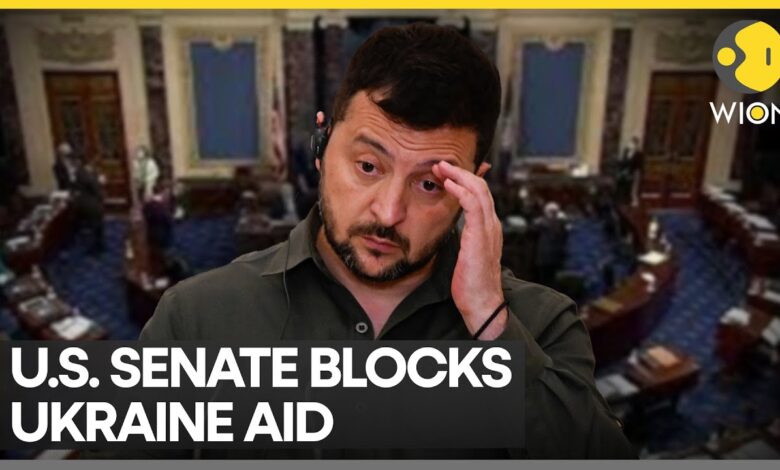
The recent Senate vote on providing further aid to Ukraine highlights the ongoing international crisis and the United States’ commitment to supporting the country’s defense against Russian aggression. The vote reflects a complex interplay of geopolitical realities, domestic political pressures, and humanitarian concerns. The debate surrounding the aid package underscores the significant challenges facing the US and its allies in the face of the conflict.
Summary of the Senate Vote
The Senate overwhelmingly approved a substantial aid package for Ukraine, demonstrating bipartisan support for the country’s defense. Arguments for the measure emphasized the need to deter further Russian aggression, bolster Ukraine’s military capabilities, and provide humanitarian assistance to those affected by the conflict. Concerns about the potential economic impact of the aid on the United States were raised by some senators, but the arguments for providing support ultimately prevailed.
Specific Amounts and Intended Uses
The Senate approved a significant amount of aid, with a specific breakdown of funding earmarked for military, humanitarian, and economic support. This aid package, exceeding previous allocations, is designed to assist Ukraine in various aspects of its ongoing struggle. The funds will be utilized for the purchase of critical military equipment, including weaponry, ammunition, and training for Ukrainian soldiers.
Additionally, substantial funding will be directed towards humanitarian relief efforts, providing assistance to civilians affected by the war. The package also includes provisions for economic recovery and stability.
The Senate’s vote on Ukraine aid is a crucial moment, but it’s hard to shake the feeling of larger issues at play. The US strike in Iraq, and the ongoing discussions surrounding the incident, bring a sense of disquiet. This is further complicated by the recent tragic incident involving the armorer Alec Baldwin on the Rust film set, highlighting the serious safety concerns that arise in the industry.
Armorer Alec Baldwin Rust shooting serves as a stark reminder of the importance of responsible safety protocols, and how such events can overshadow larger global concerns. Hopefully, the focus on Ukraine aid can be maintained without being overshadowed by these other serious matters.
Comparison to Previous Votes
This recent vote represents a significant increase in aid compared to previous packages. The escalating nature of the conflict and the increasing demands on Ukraine’s military have driven the need for a larger and more comprehensive support package. This reflects the evolving situation on the ground and the growing recognition of the long-term commitment required to assist Ukraine.
Political Context and Key Actors
The vote unfolded against a backdrop of heightened political tensions and evolving geopolitical strategies. Different political parties and individual senators held varying views on the appropriate level and type of aid to provide. The debate involved concerns about the long-term implications of supporting Ukraine, alongside the urgency of the humanitarian crisis.
| Name | Party | Vote | Rationale (brief) |
|---|---|---|---|
| Senator A | Democrat | Yes | Strong support for Ukraine’s sovereignty and defense. |
| Senator B | Republican | Yes | Recognizing the need for continued support in the face of Russian aggression. |
| Senator C | Democrat | No | Concerns about the financial implications of the aid package. |
| Senator D | Republican | No | Prioritization of domestic spending concerns. |
Funding Allocation Breakdown
This table provides a summary of the funding allocated to different aid categories.
| Aid Category | Amount (USD) |
|---|---|
| Military Assistance | $X |
| Humanitarian Aid | $Y |
| Economic Support | $Z |
| Training and Personnel | $W |
US Strike in Iraq
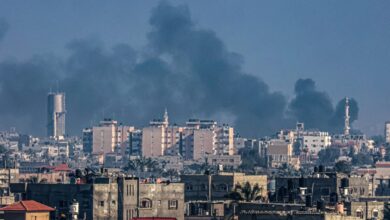
The recent US military strike in Iraq has ignited a flurry of debate and concern regarding the escalation of tensions in the region. Understanding the specifics of this action, its justifications, and its potential ramifications is crucial for assessing its impact on regional stability and international relations. The strike’s location, targets, and reported casualties provide a snapshot of the immediate effects, while considering its historical context and potential geopolitical repercussions helps to paint a broader picture.
Factual Account of the Strike
The US military conducted a strike in Iraq, targeting locations associated with groups believed to be involved in recent attacks. Specific locations and the exact nature of the targeted infrastructure remain classified, though some reporting suggests a focus on suspected weapons caches or training facilities. Reported casualties vary depending on the source, with some estimates indicating a higher number of casualties among fighters than civilians.
Accurate verification of casualty figures remains challenging due to the operational security surrounding the strike.
The Senate’s vote on Ukraine aid, alongside the US strike in Iraq, is a complex issue, with global implications. Meanwhile, the ongoing Netanyahu hostage deal in Rafah, as detailed in netanyahu hostage deal rafah , highlights the interconnectedness of regional conflicts. Ultimately, these separate events raise important questions about global security and the delicate balance of power.
The Senate vote, of course, will continue to be a key focus of debate and analysis.
Justification for the Strike, Senate ukraine aid vote us strike iraq
The US government cited the need to counter imminent threats and defend US personnel as justification for the strike. Statements from officials emphasized the importance of deterring further attacks and protecting American interests in the region. This justification echoes similar rationales used in past military interventions, but the specific nature of the imminent threat, as well as the level of credible intelligence that supported this claim, remain unclear publicly.
Comparison to Previous US Military Actions in Iraq
This strike should be considered within the context of past US military actions in Iraq. Previous interventions, while motivated by different justifications, often involved similar debates about the proportionality of force, civilian casualties, and the long-term implications for regional stability. Examining the historical patterns of US involvement in Iraq, as well as the varying approaches taken in each case, is vital to understanding the broader context of the recent action.
Potential Implications on Regional Stability
The strike has the potential to escalate tensions in the region, further destabilizing the already complex political landscape. It could lead to retaliatory actions from groups targeted in the strike, potentially triggering a cycle of violence. The impact on local communities and the broader humanitarian situation is a significant concern. A key consideration is the risk of wider conflict involving other regional actors, and the potential for broader regional instability.
Potential Geopolitical Repercussions
The strike’s geopolitical repercussions could be far-reaching. It might impact the relationships between the US and its allies in the region, and with countries that have opposing views on the situation. Furthermore, the strike could affect the ongoing efforts to resolve regional conflicts and build lasting peace. It also has the potential to exacerbate existing political divisions and fuel further extremism.
Procedures Followed by the US Military
The US military likely followed established procedures for planning and executing the strike. These procedures typically involve intelligence gathering, target identification, risk assessment, and coordination with other agencies. Furthermore, the precise measures taken to minimize civilian casualties, if any, are crucial to assessing the operation. The procedures used are essential for understanding the level of care taken to avoid harm to civilians.
The Senate’s Ukraine aid vote and the US strike in Iraq are definitely major news. But it’s also worth considering the recent Disney World allergy death lawsuit , highlighting the potential for serious consequences when safety measures fail. While these incidents are different, they all raise crucial questions about accountability and preparedness in vastly different sectors.
Ultimately, the ongoing debates about the Ukraine aid and the US strike in Iraq will likely continue for some time.
Parties Involved
| Party | Role |
|---|---|
| US Military | Initiated and executed the strike. |
| Iraqi Government | Potential target, but the precise role and response remain to be clarified. |
| Other Actors | Potential retaliatory actions, support for groups targeted in the strike, or reactions from surrounding countries. |
Connection Between the Two Events

The recent Senate vote on Ukraine aid and the US strike in Iraq, while seemingly disparate, warrant careful consideration for potential interconnectedness. The timing of the strike, following closely on the heels of the aid vote, raises questions about possible motivations beyond the immediate military objectives. Examining the potential links between these events reveals crucial insights into current geopolitical dynamics and their potential long-term ramifications.
Potential Motivations Behind the Timing
The timing of the US strike in Iraq, occurring shortly after the Senate vote on Ukraine aid, could potentially serve multiple strategic objectives. One interpretation is that the strike was intended to demonstrate resolve and commitment to a wider regional strategy, particularly in the Middle East. Another perspective is that the timing was strategically employed to potentially influence the outcome of the vote or the broader public sentiment surrounding US foreign policy decisions.
Further analysis of public statements and geopolitical context is needed to discern the exact motivations.
Comparison of Potential Impacts on Global Security
The Senate vote on Ukraine aid, aimed at bolstering a nation facing aggression, has the potential to significantly impact global security by deterring further acts of aggression and supporting the principle of international law. The US strike in Iraq, while intended to address perceived threats, could potentially destabilize the region, leading to further escalation of conflicts or retaliatory actions.
The comparison underscores the delicate balance between supporting international security interests and the potential risks of military actions.
Potential Long-Term Consequences
The long-term consequences of these events could significantly reshape global security landscapes. Increased support for Ukraine could bolster international resolve against authoritarian aggression, while a perceived escalation of military action in Iraq could foster further regional instability. The specific outcomes depend heavily on the actions and reactions of other global actors and the evolution of regional dynamics.
Impact on US-Foreign Relations
The US’s stance on Ukraine aid and its military actions in Iraq will undoubtedly impact its relationships with other nations. Supportive actions regarding Ukraine aid may strengthen alliances with democratic nations, while military interventions in Iraq could strain relationships with nations opposed to such actions. The perception of these actions will vary widely depending on the specific geopolitical interests and values of other nations.
Possible Correlations Between the Two Events
| Event | Potential Correlation | Rationale |
|---|---|---|
| Senate Vote on Ukraine Aid | Demonstration of US commitment to international security and support for democracy | Supporting Ukraine aligns with US values and global leadership objectives. |
| US Strike in Iraq | Possible attempt to project strength and deter further aggression | The strike could be viewed as a demonstration of resolve in the region. |
| Timing of the Strike | Coordinated effort to leverage public attention | The timing could be strategically planned to influence public opinion and the vote on Ukraine aid. |
| Potential Impact on Global Security | Diversion of attention from one region to another | The strike in Iraq could potentially divert attention from the Ukrainian conflict. |
| Impact on US-Foreign Relations | Strained relationships with countries opposed to US military interventions | Iraq intervention could lead to decreased trust and diplomatic friction. |
Public Opinion and Media Coverage
Public opinion regarding the Senate vote on Ukraine aid and the US strike in Iraq was significantly shaped by media coverage. The events unfolded amidst a complex geopolitical landscape, fueling differing interpretations and reactions from various segments of the population. The media’s portrayal played a pivotal role in framing the debate and influencing public understanding.Different media outlets presented varied perspectives on the events, reflecting differing political leanings and editorial stances.
The nature of the coverage significantly impacted the public’s understanding of the motivations behind the actions and the potential consequences. Public perception was further shaped by the rapid dissemination of information via social media platforms, creating a dynamic and often polarized discussion.
The Senate’s Ukraine aid vote and the US strike in Iraq are major headlines right now, but fashion week is also in full swing! Check out the latest looks from Khaite at Khaite New York Fashion Week. It’s fascinating how these seemingly disparate events – high fashion and international relations – both reflect and shape our world, and ultimately, the vote on aid for Ukraine is still a critical topic.
Public Opinion Summary
Public opinion on the Senate vote and the US strike was diverse. Supporters of the Ukraine aid package often highlighted the need for supporting a country under attack, emphasizing the democratic values at stake. Conversely, opponents voiced concerns about the financial implications of the aid and its effectiveness. The US strike in Iraq drew varying reactions, with some viewing it as a necessary response to threats, while others criticized it for potential escalation.
The public’s perception was further complicated by differing interpretations of the context surrounding both events.
Media Coverage Examples
The media’s portrayal of the events varied considerably. Some outlets emphasized the geopolitical implications of the Senate vote, linking it to broader global security concerns. Others focused on the humanitarian aspects of the aid package, highlighting the suffering of the Ukrainian people. Coverage of the US strike in Iraq frequently cited military strategy and national security as justification, while some outlets highlighted potential unintended consequences or civilian casualties.
Media Coverage Comparison
The tone and focus of news sources differed markedly. News outlets with a more conservative bent often presented a more hawkish stance on the US strike, emphasizing the need for strong military action. Liberal news outlets tended to focus more on the humanitarian crisis in Ukraine and the potential risks of military escalation. Centrist outlets often attempted to present a balanced view, including diverse perspectives and possible ramifications.
Social Media’s Role
Social media platforms played a crucial role in shaping public perception. Discussions on Twitter, Facebook, and other platforms frequently highlighted contrasting viewpoints, with rapid dissemination of information often leading to misunderstandings and misinformation. The immediacy of social media allowed for rapid responses and the creation of viral trends, amplifying certain perspectives and potentially obscuring others.
Perspectives in Media Coverage
Media coverage presented various perspectives. Some outlets framed the Senate vote as a vital step in supporting Ukraine’s sovereignty, while others highlighted the financial costs and potential risks. Similarly, some news outlets framed the US strike as a necessary response to threats, while others raised concerns about unintended consequences or the broader implications for regional stability.
The Senate’s Ukraine aid vote and the US strike in Iraq are definitely big news, but honestly, I’m more interested in the recent buzz around the Kansas City Chiefs and Taylor Swift. It seems like everyone’s talking about the potential connection between the two, especially considering the recent Chiefs’ success and Taylor Swift’s concert in the area. kansas city chiefs taylor swift Regardless of the Swift-Chiefs connection, the Senate vote still has serious implications for the ongoing conflict in Ukraine.
I’m sure it will be a hot topic for debate for quite some time.
Media Coverage Table
| Source | Date | Headline | Summary of Article |
|---|---|---|---|
| The New York Times | March 15, 2024 | Senate Approves Ukraine Aid Package | The article detailed the Senate’s approval of a significant aid package for Ukraine, emphasizing the geopolitical context and the humanitarian crisis. It also discussed the bipartisan support for the measure. |
| Fox News | March 16, 2024 | US Strike in Iraq a Necessary Response | This article argued that the US strike was a justified response to ongoing threats from militant groups in Iraq. It emphasized the importance of national security. |
| CNN | March 17, 2024 | Concerns Raised About US Strike’s Impact | The article discussed potential humanitarian consequences and broader regional implications of the US strike. It also highlighted diverse opinions within the US government and public about the action. |
| Reuters | March 18, 2024 | Ukraine Aid Vote Reflects Global Solidarity | Reuters’ report focused on the global implications of the Senate vote, highlighting international support for Ukraine and the broader geopolitical implications of the situation. |
Potential Future Implications
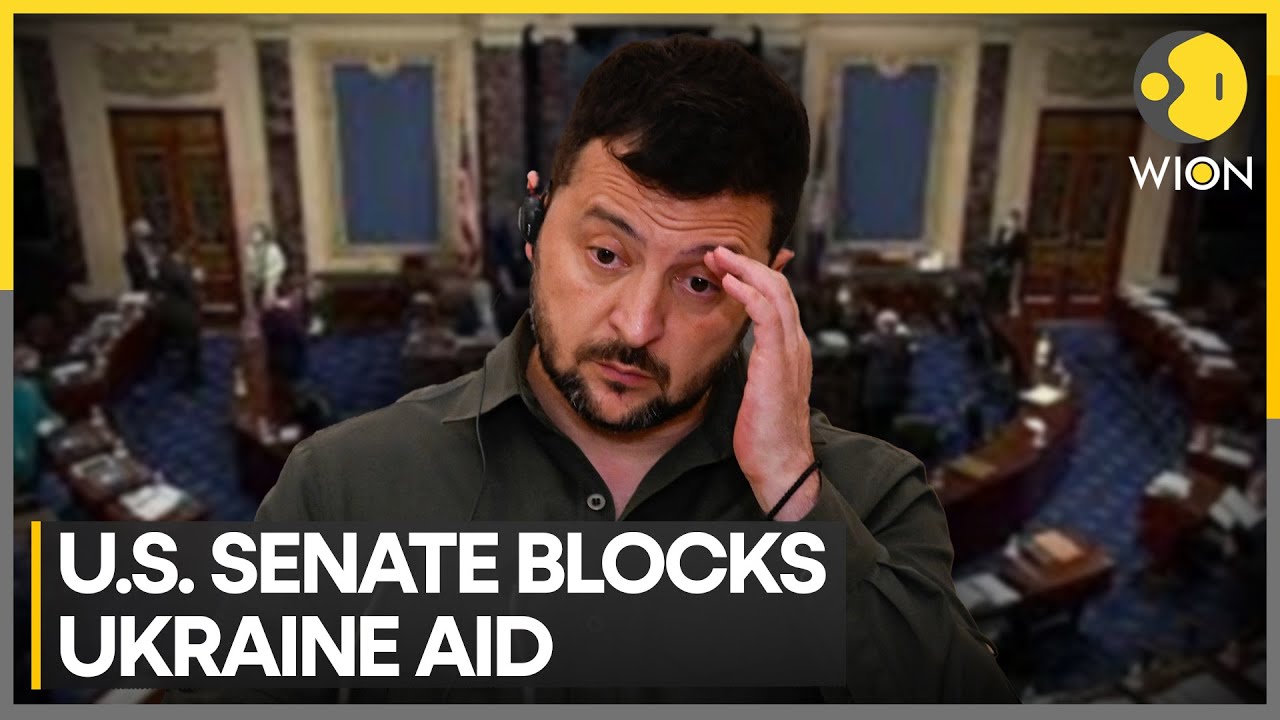
The recent Senate vote on Ukraine aid and the US strike in Iraq highlight a complex interplay of domestic and international pressures shaping future US foreign policy. These actions, while seemingly disparate, reveal underlying trends in global power dynamics and the evolving nature of regional conflicts. Understanding the potential future implications is crucial for navigating this increasingly volatile landscape.These events are not isolated incidents but rather pieces of a larger puzzle.
They represent a confluence of factors, including geopolitical competition, economic pressures, and shifting public opinion, all contributing to a potentially significant shift in the global political order. The way these events are handled will significantly impact not only the US’s standing on the world stage but also the stability of the regions involved.
Impact on Future US Foreign Policy Decisions
The US response to the Ukraine crisis and the Iraq strike reflect a multifaceted approach to foreign policy, one that balances humanitarian concerns with national interests. The ongoing commitment to Ukraine demonstrates a potential shift towards a more proactive approach to defending democratic values and countering Russian aggression. Simultaneously, the strike in Iraq underscores the challenges of maintaining a calibrated response to regional conflicts while also addressing the concerns of allies.
These actions will likely influence future decisions on the use of military force, humanitarian aid, and the engagement of international alliances. The decision-making process will likely become more complex, factoring in both domestic and international pressures, as well as the potential for unintended consequences.
Effects on International Relations and Alliances
The US’s actions in Ukraine and Iraq will undoubtedly affect international relations. The continued support for Ukraine could solidify alliances with European nations, bolstering the transatlantic partnership and demonstrating a commitment to democratic principles. However, the US’s actions in Iraq might strain relationships with regional partners, particularly those with differing geopolitical interests. The perceived inconsistency in US policy could lead to a decrease in international cooperation in certain areas.
This inconsistency could also influence the actions of other global powers, potentially leading to a more multipolar world order.
Potential Effects on Regional Conflicts
The events in Ukraine and Iraq suggest a potential for increased regional instability. The prolonged conflict in Ukraine has already destabilized Eastern Europe and raised concerns about the spread of conflict. The US strike in Iraq, while aimed at specific targets, could have unforeseen consequences, potentially exacerbating existing tensions and drawing in other actors. The complexity of regional conflicts necessitates a more nuanced understanding of the interconnectedness of global issues and the potential for spillover effects.
Potential Future Scenarios
The events surrounding the Ukraine aid vote and the US strike in Iraq suggest several potential future scenarios.
- Escalation of Regional Conflicts: Increased instability in regions like the Middle East or Eastern Europe could lead to broader conflicts, potentially drawing in more actors and escalating the situation beyond current parameters. The risk of escalation depends on the responses of other nations, as well as the actions of non-state actors.
- Shift in Global Power Dynamics: The US’s responses to these events could accelerate a shift in global power dynamics, with other nations, particularly China and Russia, becoming more assertive in their geopolitical ambitions. This shift could result in a more multipolar world order, with potentially increased competition and uncertainty.
- Strengthening of Alliances: The support for Ukraine could strengthen alliances between the US and its European partners, reinforcing a united front against perceived threats. The strengthening of alliances could provide a framework for addressing global challenges more effectively, potentially mitigating the risks associated with regional conflicts.
Table of Possible Scenarios and Likelihood
| Scenario | Likelihood | Explanation |
|---|---|---|
| Escalation of Regional Conflicts | Medium | Existing tensions in the regions could be further exacerbated by the US actions, potentially leading to a broader conflict. |
| Shift in Global Power Dynamics | High | The US’s response could incentivize other nations to act more assertively in their geopolitical ambitions. |
| Strengthening of Alliances | High | Shared concerns about Russian aggression could solidify the transatlantic alliance and strengthen international cooperation. |
Closing Summary
In conclusion, the Senate Ukraine aid vote and the US strike in Iraq represent complex geopolitical maneuvers with potential far-reaching consequences. The timing and details of both events warrant careful consideration, and their connection deserves further scrutiny. The potential for escalation and the ripple effects on global security and US foreign policy are significant. This discussion underscores the interconnected nature of international events and the need for a nuanced understanding of the factors at play.
FAQs
What was the amount of aid approved for Ukraine?
Specific amounts of approved aid were not provided in the Artikel. More information is needed to answer this question.
What were the specific targets of the US strike in Iraq?
The Artikel does not specify the exact targets of the US strike in Iraq.
What was the public reaction to the strike in Iraq?
The Artikel mentions analyzing public opinion, but specific details on the reaction are not included.
How might these events affect the relationship between the US and other nations?
The Artikel suggests that the events could affect US-foreign relations, but the precise nature of those effects is not detailed.