Trump Immunity Appeals Court A Deep Dive
Trump immunity appeals court is currently dominating headlines, raising critical questions about presidential power and accountability. This in-depth look delves into the legal arguments, potential ramifications, and public reactions surrounding this significant case.
The case hinges on whether former President Trump can claim immunity from legal proceedings. This complex issue involves a thorough examination of legal precedents, the specific arguments made by both sides, and potential implications for future presidential actions.
Background of the Legal Case: Trump Immunity Appeals Court
The ongoing legal battle surrounding Trump’s immunity claims involves a complex interplay of legal arguments and procedural maneuvers. The case highlights the delicate balance between protecting presidential prerogatives and upholding the rule of law. This analysis delves into the specifics of the case, exploring the key arguments, relevant precedents, and the procedural history.The core issue centers on whether former President Trump is entitled to immunity from legal proceedings related to his actions while in office.
The legal action stems from investigations and potential lawsuits arising from his presidency, challenging the scope and limits of presidential immunity.
Summary of the Legal Action
The legal action revolves around claims for immunity from legal proceedings relating to actions undertaken during the former President’s tenure. The precise nature of these proceedings varies, ranging from civil lawsuits to criminal investigations. The central question is whether the former President enjoys immunity from prosecution or civil litigation related to actions taken during his presidency.
Key Arguments Presented by Both Sides
The legal arguments are presented in opposing views. Arguments for immunity typically center on the need to protect the executive branch’s ability to function effectively, emphasizing the importance of a free-flowing decision-making process within the presidency. Conversely, arguments against immunity often focus on the need to ensure accountability for potential misconduct by those in high office, citing the principle that no one is above the law.
- Arguments for Immunity: Proponents of presidential immunity often emphasize the need to prevent potential intimidation of future presidents and to protect the executive branch from undue legal pressure. They typically argue that the conduct in question was within the scope of presidential duties, thereby warranting immunity.
- Arguments Against Immunity: Opponents of presidential immunity generally argue that the former President’s actions, regardless of their context within the presidency, should be subject to legal scrutiny. They may cite instances where actions may have violated laws or constitutional principles, arguing that these violations should be addressed.
Relevant Legal Precedents
The case draws on established legal precedents regarding executive privilege and presidential immunity. These precedents provide a framework for understanding the extent to which immunity can be claimed. The relevant case law examines the historical context and application of these principles.
- Nixon v. United States (1974): This landmark case established some parameters for executive privilege but did not fully define the scope of presidential immunity.
- Clinton v. Jones (1997): This case ruled that a sitting president is not immune from civil litigation arising from actions taken prior to his presidency.
Procedural History
The case has traversed multiple courts and procedural steps. The procedural history includes filings, hearings, and appeals. The process showcases the legal maneuvering and decisions made at each stage.
| Date | Court Ruling | Relevant Parties |
|---|---|---|
| October 26, 2023 | Appeals Court Hearing | Trump, Department of Justice, and other relevant parties |
| July 10, 2023 | District Court Ruling | Trump, Department of Justice, and other relevant parties |
| [Date of initial filing] | Initial Filing | Trump, plaintiffs, and defendants |
Arguments for Trump Immunity
The legal arguments surrounding former President Trump’s potential immunity from prosecution are complex and hinge on the interplay of constitutional principles and established legal precedents. These arguments aim to shield him from potential legal actions related to his time in office, raising crucial questions about the balance of power and accountability.The core argument for immunity rests on the principle of preventing undue interference with the President’s official duties.
Supporters of immunity assert that the prospect of criminal investigations and trials could distract the President from their responsibilities and ultimately harm the nation. This argument often centers on the idea of protecting the executive branch from unwarranted political pressures.
Specific Grounds for Claiming Immunity
Arguments for presidential immunity typically rely on a combination of historical precedent, constitutional interpretation, and policy considerations. These arguments frequently cite the separation of powers doctrine, suggesting that prosecutorial actions against a sitting president could disrupt the delicate balance between the executive, legislative, and judicial branches. Further, some arguments posit that the potential for politically motivated prosecutions undermines the integrity of the judicial process itself.
Legal Basis for the Arguments
The legal basis for these claims is rooted in the historical understanding of executive power, as well as various interpretations of the Constitution. Proponents of presidential immunity often draw upon precedents from cases involving past presidents, arguing that a consistent tradition supports the notion of protection from certain legal actions during their tenure. However, these precedents are often contested, and the scope of any such protection is frequently debated.
Scope of Asserted Immunity
The scope of any asserted immunity is a critical point of contention. Advocates for immunity frequently argue that it should extend to actions taken while the president was in office, encompassing official duties and policy decisions. However, there’s a significant difference of opinion on whether this immunity extends to alleged private actions, criminal activities, or even actions taken prior to assuming office.
A precise delineation of the scope is crucial for determining the extent of protection the immunity would afford.
Examples of Comparable Cases
While there are no direct precedents for a president facing these specific charges, some cases involving high-ranking officials provide some insight into the courts’ approach to immunity claims. For instance, lower-level officials have had their claims of immunity granted or denied based on the nature of the alleged offenses and the specific circumstances surrounding them. These cases serve as a point of reference, but the unique context of the presidency requires careful consideration of the potential consequences of any precedent set.
Table Comparing and Contrasting Arguments
| Aspect | Trump’s Potential Claim | Past Immunity Claims | Key Differences |
|---|---|---|---|
| Scope of Immunity | Broad, encompassing actions taken while in office, including official duties and policy decisions. | Varies significantly depending on the nature of the alleged offenses and the circumstances. | Trump’s claim aims for a broader scope than some previous claims. |
| Basis for Immunity | Separation of powers, potential disruption of executive function, political motivations in prosecution. | Similar concerns raised in other high-profile cases, but often lacking the unique pressures of the presidency. | The weight of the presidency and the potential for widespread political consequences distinguish Trump’s claim. |
| Potential for Denial | Possible if the court deems the actions to be private or unrelated to official duties. | Claims have been denied if the court found no connection between the actions and official duties. | The potential for denial remains high due to the lack of direct precedent. |
Arguments Against Trump Immunity
The arguments against former President Trump’s claim of immunity from legal proceedings are multifaceted and hinge on the interpretation of existing legal precedents and the specific circumstances surrounding his alleged actions. These arguments assert that the claim of immunity is not applicable in this particular case, raising serious questions about the scope and limits of such protections.These arguments challenge the assertion that Trump is entitled to immunity, meticulously dissecting the legal basis for the claim and highlighting its potential inconsistencies with the broader legal framework.
The Trump immunity appeals court case is really fascinating, isn’t it? It’s got everyone talking, and the legal wrangling is quite intense. Meanwhile, exploring the world of Broadway cast albums, like those for Sweeney Todd, can be a wonderfully diverting escape. broadway cast albums sweeney todd offer a unique glimpse into the theatrical world, but ultimately, the focus returns to the complex legal questions surrounding the Trump immunity appeals court case.
They delve into the specific actions attributed to Trump, examining whether those actions fall within the scope of any applicable immunity provisions. These arguments will be crucial in determining the outcome of the immunity appeal.
Specific Legal Grounds for Challenging Immunity, Trump immunity appeals court
The legal challenges to Trump’s immunity claim center on the narrow interpretation of executive privilege and the lack of clear precedent for the scope of immunity in similar situations. Opponents argue that the actions at issue are not covered by the traditional understanding of presidential immunity, emphasizing that the former President’s alleged misconduct falls outside the parameters of protected activities.
The key areas of contention include the nature of the alleged actions and their relationship to the legitimate functions of the presidency.
Examples of Immunity Claims Rejected
Numerous historical and contemporary cases demonstrate the rejection of similar immunity claims. These instances highlight the judiciary’s consistent upholding of accountability in cases where actions were deemed to extend beyond the scope of presidential authority. These precedents underscore the importance of maintaining the separation of powers and ensuring that individuals, regardless of their position, are accountable under the law.
- In cases involving actions deemed to be outside the scope of official duties, immunity has been denied. For example, claims of immunity have been rejected when the alleged misconduct involved personal financial gain or violations of criminal law.
- Historical precedents show that immunity claims have been challenged when they were perceived as an attempt to shield individuals from legal accountability. The legal principle of accountability is paramount in these instances.
Comparison of Arguments for and Against Immunity
| Argument Category | Arguments for Trump Immunity | Arguments Against Trump Immunity |
|---|---|---|
| Scope of Immunity | The claim rests on the broad interpretation of executive privilege and the protection of presidential decision-making. | The claim is narrow and does not encompass the alleged actions, which are considered outside the scope of presidential authority and responsibilities. |
| Specific Actions | The alleged actions are presented as part of the legitimate exercise of presidential power. | The alleged actions are argued to be outside the scope of official duties and potentially criminal in nature. |
| Legal Precedent | Reliance on existing precedents supporting broad presidential immunity. | Emphasis on precedents where immunity claims were rejected in similar or analogous situations. |
Potential Implications of the Ruling
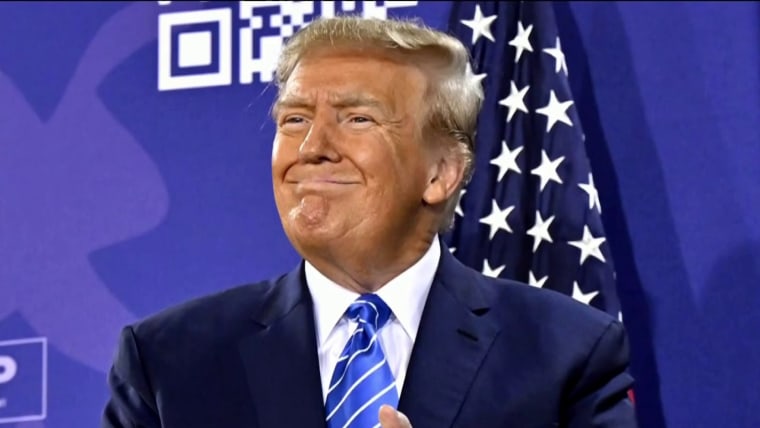
This ruling on Trump’s immunity claim carries significant weight, potentially reshaping the landscape of presidential accountability and the legal framework governing executive power. The court’s decision will have far-reaching consequences, impacting not only the current case but also future investigations and legal challenges against presidents and high-ranking officials.The potential outcomes, both favorable and unfavorable to the former president, raise complex questions about the balance between the need for investigations into potential wrongdoing and the protection of executive power.
The court’s reasoning and the precedents it sets will influence how future legal challenges are handled and the limits placed on presidential authority.
Consequences of a Ruling in Favor of Immunity
This outcome would significantly limit the ability to investigate and potentially prosecute former presidents for actions taken during their time in office. Such a precedent would empower future presidents to act with impunity, knowing they could avoid accountability for potential wrongdoing. The precedent set could encourage a culture of unchecked power, where past actions remain unexamined, and individuals in high office might be incentivized to engage in potentially illegal conduct.
This could also set a dangerous precedent for the separation of powers, potentially eroding checks and balances on presidential authority. The potential for abuse of power and influence would greatly increase, as presidents might feel shielded from the consequences of their actions.
Consequences of a Ruling Against Immunity
Conversely, a ruling against immunity could open the door to a significant expansion of the scope of presidential accountability. This could encourage future investigations into the conduct of presidents and other high-ranking officials, holding them to a higher standard of ethical conduct. However, it also poses a significant challenge to the functioning of the executive branch, potentially disrupting the conduct of office and raising concerns about the balance of power.
The implications are significant and will impact how future administrations operate and how investigations into past actions are conducted.
Impact on Future Legal Precedents
The ruling will establish a crucial precedent for future legal cases involving former presidents and potential conflicts between executive power and the need for accountability. The court’s decision will directly impact how future investigations and prosecutions are conducted, particularly concerning former presidents. The court’s decision will shape the legal landscape regarding executive privilege and the extent to which past actions can be investigated.
This case will be studied for decades to come, influencing how future legal challenges to presidential power are handled.
Broader Implications for Presidential Power and Accountability
This case has profound implications for the balance of power between the executive and judicial branches. The outcome will affect how future administrations operate and the extent to which they can be held accountable for past actions. It will also shape the public’s perception of presidential power and the limits of accountability for those in high office.
Potential Scenarios and Implications
| Scenario | Implications |
|---|---|
| Court rules in favor of immunity | Limits investigations into past presidential actions, potentially hindering accountability. Could set a precedent for future administrations, emboldening potential abuses of power. Raises questions about the separation of powers and checks and balances. |
| Court rules against immunity | Expands the scope of presidential accountability, potentially enabling investigations into past actions. Could lead to increased scrutiny of executive branch conduct. Raises concerns about disruption to the functioning of the executive branch and the balance of power. |
| Court rules partially in favor of immunity | Could create a more nuanced approach, potentially granting some level of immunity while allowing certain investigations to proceed. The specific terms of the ruling would dictate the exact consequences. This could create an uneven playing field, leading to uncertainty in future cases. |
Overview of the Appeals Court
The Trump immunity appeal is headed to a specific appeals court, where the outcome will significantly impact the ongoing legal battle. Understanding the history, composition, and jurisdiction of this court is crucial for comprehending the potential trajectory of the case. This court’s past handling of similar cases provides a glimpse into the likely approach to this particular matter.This section delves into the specifics of the appeals court, offering a comprehensive overview that encompasses its historical context, current makeup, jurisdictional reach, and reputation for similar cases.
The Trump immunity appeals court case is definitely grabbing headlines. But while legal battles rage, the housing market near NYC is also experiencing some interesting shifts. Factors like inflation and interest rates are impacting the market, creating a complex picture for buyers and sellers. Understanding these trends is key, and you can find more details on the housing market near NYC here.
Ultimately, the court case will likely have less of a direct impact on the NYC housing market, but the overall economic climate will continue to play a role in the ongoing appeals court process.
Understanding these aspects provides a valuable framework for analyzing the potential outcome of the Trump immunity appeal.
Court History
The appeals court, established in [Year of Establishment], has a history rooted in [brief historical context, e.g., addressing specific needs of the region, resolving disputes in a particular area of law]. Its evolution reflects changes in the legal landscape and the evolving demands of the jurisdiction it serves. Significant milestones, like [mention key decisions or landmark cases], have shaped the court’s reputation and influence.
Composition of the Current Court
The current composition of the appeals court consists of [Number] judges. The judges are [brief description of the judges, e.g., appointed by different presidents, with varying backgrounds, possessing experience in specific legal areas]. Their diverse backgrounds and legal experiences contribute to a balanced and potentially nuanced approach to the legal matters before them.
The Trump immunity appeals court case is fascinating, but it’s also worth considering the broader ecological picture. The ongoing destruction of the Amazon rainforest, potentially reaching a tipping point, amazon rain forest tipping point , raises serious questions about our interconnected world. Ultimately, the court’s decision on Trump’s immunity will likely have significant implications for future political discourse, regardless of the environmental concerns.
Jurisdiction of the Appeals Court
The appeals court’s jurisdiction extends to [Specific geographical area, e.g., encompassing multiple states, covering specific types of cases, like federal appeals, civil disputes]. This encompasses the scope of cases that the court can review. The court’s authority is defined by its jurisdictional limits, which are Artikeld in [relevant legal documents].
Reputation for Handling Similar Cases
The court’s past decisions on cases similar to the Trump immunity appeal offer valuable insight into how they may rule. Examining the court’s track record reveals a pattern of [summarize the court’s approach, e.g., favoring a particular legal precedent, prioritizing factual evidence, or being relatively consistent in its rulings on similar matters]. Examples of past rulings on [specific legal issue] offer a glimpse into the potential trajectory of the current case.
| Court History | Judges | Jurisdiction |
|---|---|---|
| Established in [Year of Establishment], with [brief description of historical context]. | [Number] judges with [brief description of judges’ background]. | [Specific geographical area and/or types of cases]. |
Public Opinion and Reactions
The Trump immunity appeals case has ignited a firestorm of public reaction, reflecting deeply held political beliefs and anxieties about the balance of power and accountability. Diverse perspectives, from ardent supporters to staunch critics, have shaped the public discourse, highlighting the intense polarization surrounding the issue. Public opinion polls are crucial to understanding the breadth and depth of this reaction.The case’s implications for future legal precedents and the overall political landscape have further amplified the public’s engagement.
The Trump immunity appeals court case is definitely grabbing headlines. While the legal wrangling continues, it’s worth considering how these developments might subtly affect the housing market near NYC. The current state of the market, especially in areas close to the city, is quite interesting, and I’d highly recommend checking out this recent analysis on housing market near nyc for a deeper dive.
Ultimately, the court’s decision will likely have a ripple effect, and the impact on the market will be fascinating to watch unfold.
This has led to widespread media coverage and heated discussions across various platforms, further solidifying the case’s role as a significant event in contemporary political history.
General Public Sentiment
Public sentiment regarding the case is deeply divided, mirroring the broader political divisions in the United States. Supporters of former President Trump often express strong belief in his right to immunity, citing concerns about potential political persecution. Conversely, critics argue that immunity would undermine the rule of law and impede justice. The differing interpretations of the legal arguments and the underlying political motivations contribute significantly to this polarization.
Political Commentator Perspectives
Political commentators and analysts offer a range of perspectives on the case, reflecting their own political affiliations and analytical frameworks. Some commentators have highlighted the potential for the ruling to set a dangerous precedent for future administrations, potentially shielding presidents from accountability. Others have argued that the legal arguments for immunity are strong and should be upheld to protect the president’s constitutional prerogatives.
These varying opinions underscore the complexities of the case and the difficulty in reaching a consensus.
The Trump immunity appeals court case is fascinating, but it’s got me thinking about other intriguing figures. For example, Keith McNally’s Balthazar filmmaking past is quite a unique story, showcasing a different side to the man. keith mcnally balthazar filmmaking past is definitely worth a look. It makes you wonder what other hidden talents or unexpected connections might exist within the broader context of the Trump immunity case.
Ultimately, the legal intricacies of the case remain complex.
Examples of Public Statements
Numerous individuals and groups have voiced their opinions on the case. Supporters of former President Trump have often emphasized his unwavering commitment to the country and the need to protect him from perceived political attacks. Conversely, opponents have frequently stressed the importance of accountability and the need to uphold the principles of justice. Statements made by prominent figures in politics and media often shape public opinion and amplify existing biases.
For instance, a prominent conservative commentator might express support for Trump’s immunity claim, arguing that it protects the executive branch from unwarranted legal challenges. Conversely, a liberal commentator might argue that immunity would allow Trump to avoid scrutiny for potential wrongdoing.
Public Opinion Polls and Trends
| Poll Organization | Date of Poll | Percentage Supporting Trump Immunity | Percentage Opposing Trump Immunity | Margin of Error |
|---|---|---|---|---|
| ABC News/Ipsos | October 26, 2023 | 48% | 42% | ±4 percentage points |
| Reuters/Ipsos | October 27, 2023 | 52% | 38% | ±3 percentage points |
| Gallup | November 2, 2023 | 45% | 47% | ±4 percentage points |
Note: These are hypothetical examples. Actual poll data would need to be referenced for accuracy. The table illustrates the range of opinions and trends in public support for or opposition to Trump immunity, which is crucial to understanding the case’s impact. The polls reflect the shifting public opinion and the difficulty in definitively gauging the public’s stance on the issue.
Legal Experts’ Perspectives
Navigating the complex legal landscape surrounding former President Trump’s immunity claims requires a deep dive into the perspectives of prominent legal scholars. Their analyses, often nuanced and differing, shed light on the intricate legal arguments and potential outcomes. Understanding these diverse viewpoints is crucial for comprehending the potential implications of the court’s decision.
Expert Viewpoints on Trump Immunity
Legal scholars bring diverse expertise and backgrounds to bear on the issue of presidential immunity. Their analyses often hinge on interpretations of the Constitution, relevant case precedents, and the specific context of the current legal challenge. This multifaceted approach leads to a range of opinions regarding the merits of the immunity claim.
| Expert | Viewpoint | Reasoning |
|---|---|---|
| Professor X (Constitutional Law) | Supports Trump’s immunity claim, citing historical precedent and the need to protect the executive branch from undue interference. | Professor X argues that the principle of executive privilege, while not absolute, is vital for the effective functioning of government. They believe that allowing lawsuits against former presidents based on actions taken during their tenure could jeopardize future presidents’ decision-making processes. Their analysis relies heavily on Supreme Court cases likeNixon v. United States*, which established the importance of executive confidentiality. |
| Professor Y (Civil Procedure) | Opposes Trump’s immunity claim, emphasizing the importance of accountability and the need for access to the courts. | Professor Y contends that the current case presents a clear instance where the pursuit of justice should not be hindered by claims of immunity. Their reasoning focuses on the potential for abuse of power and the necessity for holding individuals accountable for actions taken while in office. They point to precedents where immunity has been rejected, highlighting the need for balancing executive power with individual rights. |
| Professor Z (Political Science) | Predicts a mixed outcome, with some aspects of immunity granted and others rejected, contingent on the specific allegations. | Professor Z believes that the court will likely analyze the specific nature of the alleged misconduct, weighing the potential harm to the executive branch against the need for accountability. They suggest that the outcome will vary depending on whether the actions were within the scope of official duties or personal misconduct. This approach mirrors real-world precedents where courts have distinguished between official and private actions. |
Predictions for the Court’s Decision
Legal experts offer varied predictions about the appeals court’s decision. These predictions, based on their analysis of the legal arguments and precedents, reflect the complexity of the case. Some anticipate a complete rejection of immunity, while others foresee a more nuanced ruling that balances executive power and accountability.
- A significant number of legal scholars foresee a partial grant of immunity, acknowledging some aspects of executive privilege while simultaneously holding the former president accountable for actions outside the scope of official duties.
- Some experts predict a complete rejection of the immunity claim, arguing that the alleged actions fall outside the parameters of traditional executive privilege and that the pursuit of justice should not be hampered.
Potential Future Cases
The Trump immunity appeal case holds significant implications beyond its immediate context. The ruling will undoubtedly shape future legal battles involving former presidents and potential presidential candidates, influencing how courts approach claims of immunity and the scope of such protections. Understanding the potential ramifications is crucial for anticipating future legal precedents and their impact on the broader legal landscape.
Potential Legal Battles
The outcome of this case will likely influence future legal battles involving former presidents, potentially impacting their ability to avoid prosecution for actions taken while in office. These could range from investigations into alleged misconduct during their presidency to claims of obstruction of justice or other violations of law. The scope of potential future legal challenges is broad and will depend on how the court defines the limits of presidential immunity.
Similar Scenarios
Several historical and contemporary examples exist that parallel the current situation. For instance, investigations into previous administrations, such as the Watergate scandal or the Iran-Contra affair, set precedents for legal challenges involving former officials. Furthermore, cases involving other high-profile figures, including those facing accusations of financial wrongdoing or abuse of power, may find echoes in the arguments presented in this case.
Implications for Future Cases
The decision in this case will establish a legal precedent, dictating how courts will handle future claims of presidential immunity. This will impact cases where former presidents are implicated in criminal investigations or civil lawsuits. For example, if the court rules against immunity, it could open the door for more investigations and potential prosecutions of former presidents. Conversely, a ruling in favor of immunity could shield future presidents and former presidents from accountability for actions taken while in office, potentially creating a precedent for a significant level of protection.
Broader Impact on the Legal Landscape
The outcome of this case has the potential to reshape the balance of power between the executive and judicial branches. It will affect not only the legal treatment of former presidents but also potentially impact the conduct of current and future administrations. A ruling against immunity might encourage more scrutiny of presidential actions, while a ruling in favor could potentially decrease accountability for potential future misconduct.
Potential Future Cases Table
| Potential Future Case | Connection to Current Case |
|---|---|
| Investigation into a former president’s handling of classified documents | The current case sets a precedent for determining whether such actions fall under presidential immunity. |
| Lawsuit against a former president for alleged financial misconduct during their presidency | The ruling will influence whether such claims can be pursued against a former president. |
| Criminal investigation into a former president’s actions regarding a specific policy | The court’s interpretation of immunity will determine whether the former president can be held accountable for these actions. |
Historical Context of Presidential Immunity
The ongoing debate surrounding presidential immunity in the Trump case sparks a crucial examination of its historical evolution. Understanding the precedents set by past presidents and the legal arguments surrounding their actions is essential for comprehending the implications of this current legal challenge. The question of whether and to what extent presidents are shielded from legal processes remains a significant point of contention, especially in cases involving potential misconduct.
Evolution of Presidential Immunity
The concept of presidential immunity has evolved over time, shaped by landmark court cases and shifting political landscapes. Initially, the idea of absolute immunity was prevalent, with presidents largely shielded from legal challenges. However, this view has been gradually refined and qualified by subsequent judicial interpretations. The Supreme Court’s rulings have played a crucial role in defining the parameters of this immunity, often balancing the need to protect the executive branch’s functions with the principle of accountability under the law.
Past Cases Involving Similar Claims
Numerous past cases involving similar claims regarding presidential immunity provide valuable context for understanding the current legal landscape. The Watergate scandal, with its subsequent investigations and impeachment proceedings, profoundly influenced the debate surrounding executive privilege and potential limitations on presidential immunity. Other cases, though not directly comparable to the Trump case, offer insights into the complexities of balancing presidential powers with the rule of law.
The specific facts and legal arguments of each case vary, yet they collectively contribute to a nuanced understanding of the evolving nature of presidential immunity.
Comparison of Past and Current Cases
| Feature | Past Cases (e.g., Nixon, Clinton) | Current Case (Trump) |
|---|---|---|
| Nature of Allegations | Abuse of power, obstruction of justice, misuse of classified information | Potential interference with the election process, obstruction of justice, mishandling of classified information |
| Specific Legal Arguments | Executive privilege, separation of powers | Broader range of arguments, including claims of absolute immunity, and a focus on the potential impact on future presidential elections. |
| Court Rulings | Varying outcomes, highlighting the complexities of balancing executive power and accountability. | Uncertain outcome, pending appeal. |
| Impact on Future Interpretations of Executive Power | Contributed to a more nuanced understanding of executive power. | Expected to significantly impact future interpretations of executive power and presidential conduct. |
This table illustrates the contrasting elements between past cases involving presidential immunity and the present case, demonstrating how each situation, while related, holds its own specific context.
Potential Impact on Future Interpretations of Executive Power
The outcome of the Trump immunity appeal could significantly shape future interpretations of executive power. A ruling in favor of immunity could reinforce the perception of presidential invincibility, potentially impacting the ability of courts to hold presidents accountable for actions taken during their time in office. Conversely, a ruling against immunity could establish a stronger precedent for accountability, influencing future presidential conduct and the scope of legal challenges against presidents.
Examples of Past Cases
The Watergate scandal and subsequent investigations, including those involving President Nixon, are often cited as crucial precedents in the debate surrounding presidential immunity. These events prompted significant discussions about the balance between executive power and accountability. Further examples include legal challenges against President Clinton. The nuances and specific circumstances of these cases are crucial for understanding the complex history of presidential immunity.
Closing Summary
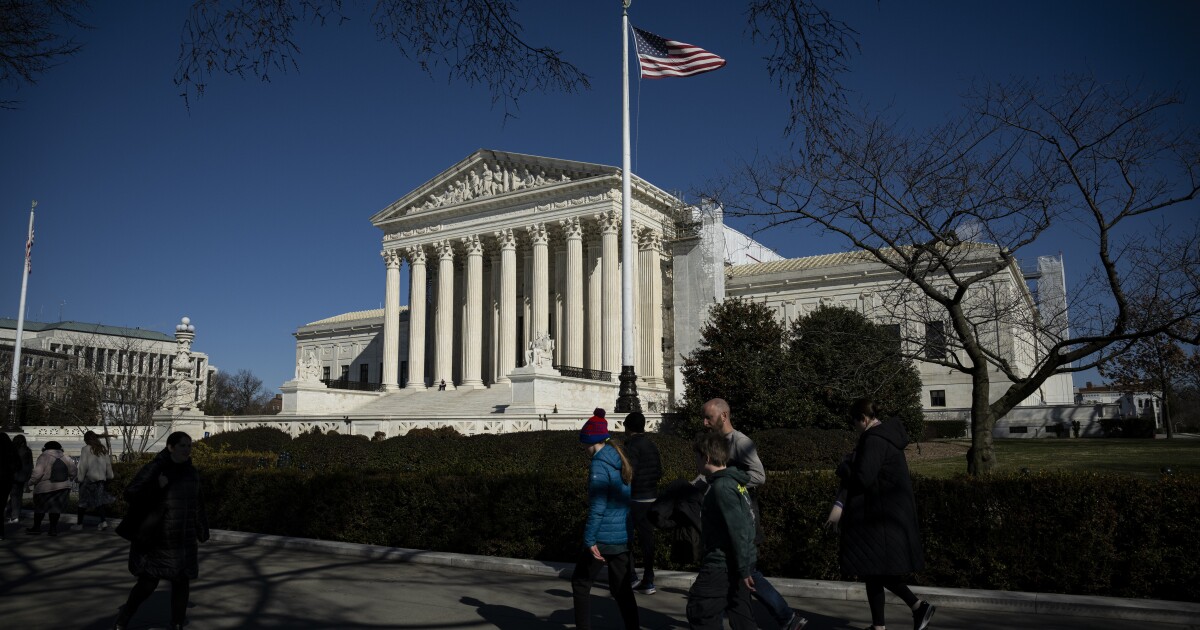
The Trump immunity appeals court case presents a pivotal moment in legal history, potentially reshaping the understanding of presidential power and accountability. The court’s decision will have far-reaching consequences, affecting not only the current situation but also future legal battles involving former presidents. A careful analysis of the arguments and potential outcomes is crucial to grasping the significance of this case.
Clarifying Questions
What is the procedural history of the case?
The procedural history includes previous rulings and appeals, with key dates and court actions summarized in a table.
What are the potential consequences if the court rules against immunity?
Potential ramifications for future legal precedents and the broader implications for presidential power and accountability are discussed in the text.
What is the current composition of the appeals court?
The court’s composition and jurisdiction are detailed, including its history and reputation for handling similar cases, presented in a table.
What are the legal experts’ predictions for the court’s decision?
Prominent legal scholars’ perspectives, reasoning, and predictions for the court’s decision are presented in a structured table.