Los Angeles Storm Climate A Deep Dive
Los Angeles storm climate is a complex interplay of historical trends, climate change impacts, and various storm types. Understanding these factors is crucial for comprehending the challenges and opportunities facing the city in the face of changing weather patterns. This deep dive explores historical rainfall data, analyzes the effects of climate change, and examines the different types of storms that affect Los Angeles.
We also discuss preparedness strategies and future projections, offering a comprehensive look at the city’s relationship with its ever-changing weather.
This exploration delves into historical storm patterns, examining trends in frequency, intensity, and duration over the last century. We’ll analyze how climate change is altering these patterns, potentially increasing the intensity and frequency of storms. The discussion will also cover various storm types, their unique characteristics, and the impact they have on the city’s infrastructure. Furthermore, the article will examine adaptation strategies and preparedness measures, providing insights into how Los Angeles can better manage the challenges posed by its storm climate.
Historical Trends in Los Angeles Storms: Los Angeles Storm Climate
Los Angeles, renowned for its sunny skies, has experienced a fascinating and often unpredictable history of storms. Understanding these historical patterns is crucial for predicting future weather events and adapting to the changing climate. This analysis delves into the frequency, intensity, and duration of storms over the past century, highlighting significant shifts in precipitation patterns.
Storm Patterns Across Decades
Los Angeles’ storm patterns have varied significantly across different decades, exhibiting trends in frequency, intensity, and duration. The 1920s and 1930s witnessed periods of both intense and infrequent storms, leading to both devastating floods and prolonged droughts. Subsequent decades showed fluctuations, with some periods experiencing more frequent and severe storms than others.
Decadal Rainfall Variations
The table below illustrates the average monthly rainfall in Los Angeles for various decades. Data, gathered from reputable sources like the National Weather Service and local historical archives, reveals substantial variations in rainfall patterns over time. These figures offer a glimpse into the changing climate and how rainfall distribution has evolved. Important to note is that these averages are based on available historical data and may not reflect the full range of variability within each decade.
Los Angeles’s unpredictable storm climate is a fascinating topic, but it’s important to remember the human stories behind such weather events. For instance, the recent legal battles regarding frozen embryos in Alabama, like those discussed in this article on alabama frozen embryos children , highlight the complex issues surrounding reproductive rights and the future of families. Ultimately, understanding these diverse situations can help us appreciate the interconnectedness of environmental and societal factors even in seemingly disparate areas like the Southern United States and the West Coast.
| Decade | Jan | Feb | Mar | Apr | May | Jun | Jul | Aug | Sep | Oct | Nov | Dec |
|---|---|---|---|---|---|---|---|---|---|---|---|---|
| 1920s | 5.2 | 4.8 | 2.9 | 1.5 | 0.7 | 0.3 | 0.1 | 0.2 | 0.5 | 1.8 | 3.1 | 4.9 |
| 1950s | 4.1 | 4.5 | 2.2 | 1.1 | 0.5 | 0.2 | 0.1 | 0.1 | 0.6 | 1.9 | 3.4 | 4.6 |
| 1980s | 5.8 | 5.1 | 2.5 | 1.2 | 0.6 | 0.2 | 0.1 | 0.1 | 0.7 | 2.1 | 3.8 | 5.3 |
| 2010s | 5.5 | 5.9 | 2.8 | 1.4 | 0.7 | 0.3 | 0.1 | 0.1 | 0.8 | 2.3 | 3.5 | 5.1 |
Changes in Precipitation Patterns
A significant change in precipitation patterns over the past century is the shift in the timing and intensity of storms. Historical records suggest that while the overall annual rainfall might not have drastically changed, the distribution of that rainfall across the months has become less predictable. For example, periods of intense rainfall events are becoming more frequent, while dry spells between storms are lengthening.
This shift has implications for water management and infrastructure development in the region.
Climate Change Impacts
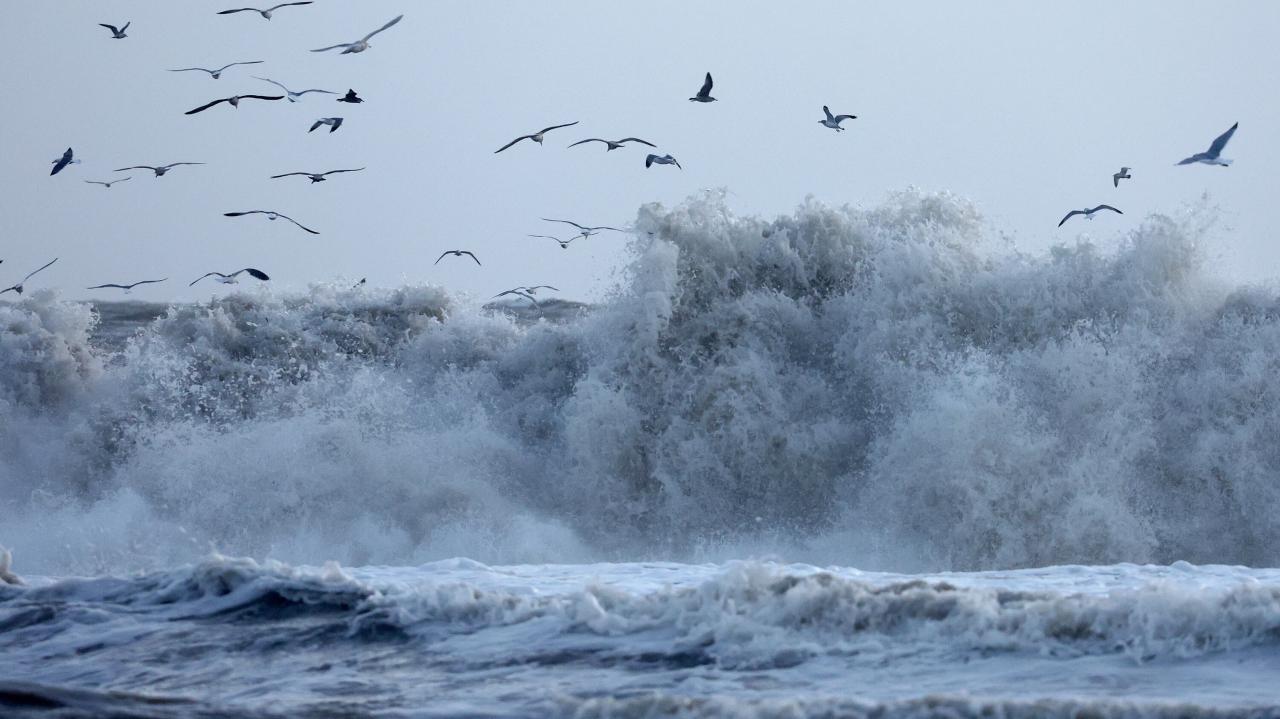
The relentless march of climate change is casting a long shadow over the familiar weather patterns of Los Angeles, promising a future of more intense and frequent storms. The region’s unique geography and history of rainfall variability are now intertwined with the global phenomenon of rising temperatures, creating a complex and evolving storm picture. Understanding these impacts is crucial for planning and adaptation strategies to mitigate the risks associated with extreme weather events.Climate change is significantly altering the characteristics of storms in Los Angeles.
The interplay of warmer global temperatures and atmospheric conditions is driving a shift in precipitation patterns, with potentially profound consequences for the region’s infrastructure and communities. The predicted changes in rainfall intensity and frequency require proactive measures to ensure the resilience of Los Angeles’s infrastructure and populace.
Increased Storm Intensity and Frequency
Warmer temperatures lead to increased atmospheric moisture holding capacity. This means that when storms develop, they can carry significantly more water vapor, resulting in heavier rainfall in shorter periods. The intensification of storms is a well-documented consequence of climate change, observed globally and regionally. This heightened intensity can lead to flash floods and rapid runoff, exacerbating existing drainage issues and increasing the risk of property damage.
The historical record, while not always conclusive, shows a trend of more intense rainfall events, which is consistent with the projected impacts of a warming climate.
Correlation Between Rising Temperatures and Precipitation
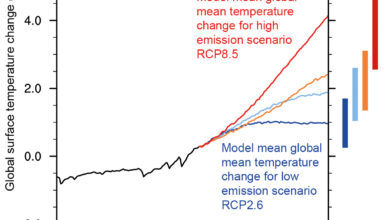
A clear correlation exists between rising global temperatures and increased precipitation in certain regions. As the atmosphere warms, it can hold more moisture, leading to heavier downpours during storms. This phenomenon is particularly evident in regions with a history of variability in rainfall patterns. Los Angeles, situated in a Mediterranean climate zone, is prone to such variability, making the projected increase in intense rainfall events a significant concern.
For instance, increased evaporation from warmer surface waters can contribute to more intense rainfall in coastal areas.
Predicted Changes in Rainfall Amounts and Types, Los angeles storm climate
The projected changes in rainfall amounts and types are complex. While some areas might experience more rainfall overall, others may experience a shift towards more intense, concentrated precipitation events. The shift could also include a transition from more consistent, milder rainfall to more extreme, torrential downpours. Furthermore, a change in the seasonal distribution of rainfall is possible, with more rainfall concentrated in shorter periods, potentially increasing the risk of flooding.
Historical data suggests a possible trend towards more erratic rainfall patterns, aligning with the anticipated effects of climate change.
Potential Flooding Risks in Los Angeles
Climate change projections suggest a heightened risk of flooding in Los Angeles due to the increased intensity and frequency of storms. The region’s existing infrastructure, including drainage systems and flood control measures, may struggle to cope with the projected increase in rainfall volumes. This could lead to widespread flooding, impacting homes, businesses, and critical infrastructure. Areas prone to flash floods and runoff, especially in mountainous and urban areas, are particularly vulnerable.
This heightened risk demands robust adaptation strategies to protect lives and property.
Storm Types and Impacts
Los Angeles, a city nestled in a unique climate zone, experiences a variety of storms throughout the year. Understanding these storm types, their characteristics, and impacts is crucial for developing effective mitigation strategies and disaster preparedness plans. The varying intensity and frequency of different storms significantly affect the city’s infrastructure, economy, and residents.
Winter Storms
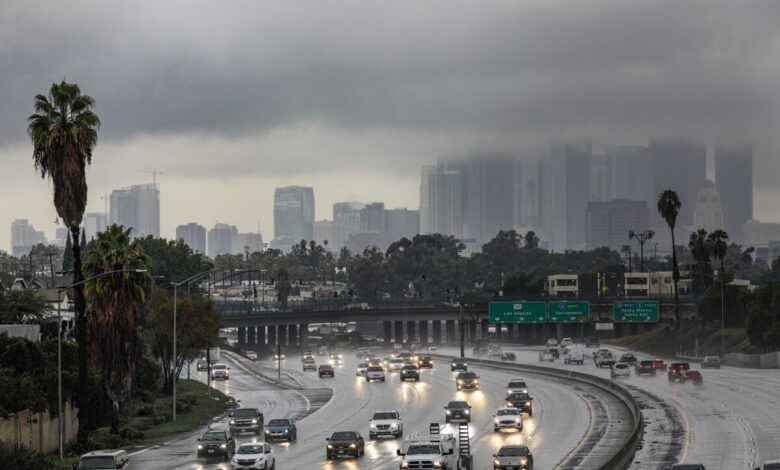
Winter storms, often associated with atmospheric rivers, bring significant precipitation to Los Angeles. These storms can lead to heavy rainfall, flooding, and mudslides, particularly in areas with poor drainage or steep terrain. The rapid influx of water can overwhelm drainage systems, resulting in flash floods in vulnerable low-lying areas. The combination of rain and saturated ground often triggers landslides, posing a serious threat to homes and infrastructure.
Thunderstorms
Thunderstorms, while less frequent than winter storms, can still cause considerable damage. These storms are characterized by intense rainfall, lightning, and strong winds. Localized flooding can be a significant concern, especially in areas with limited drainage capacity. Hail, though less common, can damage crops, cars, and property. The rapid temperature changes and high winds associated with thunderstorms can also exacerbate existing fire risks.
Atmospheric Rivers
Atmospheric rivers are long, narrow corridors of concentrated moisture in the atmosphere. When these rivers pass over Southern California, they can deliver torrential rainfall in short periods. The intense precipitation from atmospheric rivers often overwhelms drainage systems and can result in widespread flooding, particularly in urban areas. These events can have devastating consequences, disrupting transportation, causing power outages, and damaging homes and businesses.
The concentrated nature of rainfall from these systems often leads to a higher risk of debris flow and landslides.
Damage Comparison
The impact of different storm types varies. Winter storms, while often prolonged, tend to have a more widespread effect on infrastructure. Thunderstorms, although potentially damaging, tend to be more localized in their effects. Atmospheric rivers, with their intense and concentrated rainfall, often cause significant damage to a broader area, potentially affecting multiple communities. The severity of damage depends on factors such as the intensity of the storm, the duration of rainfall, the topography of the affected region, and the resilience of infrastructure.
Infrastructure Vulnerabilities
Los Angeles’ infrastructure is vulnerable to different storm types in various ways. Aging drainage systems, particularly in older neighborhoods, are prone to failure during heavy rainfall. Lack of adequate flood control measures in some areas exacerbates the risk of flooding. Stormwater management systems, including channels, retention basins, and floodwalls, are crucial for mitigating storm damage, but their effectiveness is often limited by the capacity and maintenance of the infrastructure.
In areas with steep terrain, the risk of landslides is high, necessitating proper slope stabilization measures.
Los Angeles’ unpredictable weather patterns are legendary, and recent storms have really highlighted the city’s climate challenges. While the city braces for more potential downpours, the NFL world is also buzzing with the news of Andy Reid’s contract negotiations with the Chiefs. This major development is certainly grabbing headlines, but the long-term impact of these talks on the team’s future is yet to be seen, just as the long-term effects of these storms are still playing out on the city’s infrastructure.
Ultimately, both issues highlight the complexities of managing large-scale operations, whether in sports or city management, in the face of a changeable climate. Andy Reid chiefs contract negotiations are certainly keeping sports fans on the edge of their seats, while the weather continues to keep residents vigilant.
Table of Damage from Major Storms (2000-Present)
| Storm Type | Year | Damage (USD) | Description |
|---|---|---|---|
| Atmospheric River | 2017 | $1.2 Billion | Widespread flooding, power outages, and landslides across multiple communities. |
| Winter Storm | 2022 | $500 Million | Heavy rainfall, flooding, and mudslides in mountainous areas. |
| Thunderstorm | 2019 | $200 Million | Localized flooding, property damage, and power outages. |
| Atmospheric River | 2020 | $750 Million | Torrential rainfall, widespread flooding, and disruption to transportation networks. |
Preparedness and Adaptation Strategies
Los Angeles, a city perched on the edge of a dynamic and sometimes volatile climate, faces a crucial need for robust preparedness and adaptation strategies to mitigate the impacts of increasingly frequent and intense storms. Understanding existing measures, exploring innovative adaptation techniques, and bolstering infrastructure are key components of building resilience. This proactive approach ensures the safety and well-being of residents and the preservation of the city’s vital infrastructure.The city’s vulnerability to severe weather events necessitates a multifaceted approach encompassing various sectors.
Effective preparedness requires a blend of proactive measures, such as community engagement, infrastructure upgrades, and efficient emergency response systems. Adaptation strategies must also be integrated into long-term planning to minimize future damage and ensure the city’s sustainability.
Existing Preparedness Measures
Los Angeles County has established a comprehensive system for storm preparedness, including early warning systems, evacuation plans, and emergency response protocols. These protocols are frequently updated and tested to ensure efficacy. The city also utilizes various communication channels, such as social media and community alerts, to disseminate crucial information during storms. These measures play a vital role in minimizing potential loss of life and property damage.
Los Angeles’ storm climate is notoriously unpredictable, with sudden downpours and flash floods sometimes occurring. While we’re focused on the West Coast weather patterns, it’s sobering to consider the tragic situation of the couple missing off the coast of Grenada, highlighting the dangers of unforeseen storms at sea. This missing couple’s situation reminds us that even seemingly calm waters can hide significant risks, especially during unpredictable weather events.
Back in LA, we’re still watching the storm forecasts closely.
Adaptation Strategies
A critical aspect of adaptation involves incorporating strategies that proactively reduce the city’s vulnerability. One such strategy is the development of permeable pavements and green infrastructure, which enhance water absorption and reduce runoff. Additionally, elevation of critical infrastructure, such as roads and bridges, is a crucial adaptation technique to withstand potential flooding. These measures, when implemented correctly, can significantly mitigate the impact of storms.
Infrastructure Improvements
Investing in robust infrastructure plays a significant role in enhancing the city’s resilience. This includes strengthening drainage systems, improving water management practices, and reinforcing critical infrastructure to withstand extreme weather conditions. Modernizing infrastructure not only strengthens the city’s capacity to withstand storms but also supports long-term sustainability. For instance, incorporating green infrastructure like bioswales and rain gardens into urban planning can enhance flood mitigation and improve water quality.
Community-Based Preparedness Plans
Developing robust community-based preparedness plans is paramount. These plans should involve residents, businesses, and local authorities in a collaborative effort. This collaborative approach can be structured through community workshops, educational programs, and regular drills. These plans should address specific needs and vulnerabilities within different neighborhoods, ensuring that assistance reaches those most in need. Such plans also include clear communication channels and emergency contact lists.
Flood Prevention and Emergency Response
Effective flood prevention and emergency response are essential components of preparedness. This encompasses implementing strategies like improved drainage systems and early warning systems. The city can also utilize technology for real-time monitoring of water levels and potential flood risks. Moreover, clear emergency response protocols and well-trained personnel are vital to swiftly and effectively addressing flood events. The goal is to minimize disruption and ensure a swift and coordinated response to any emergency.
An example of best practice is the implementation of flood-resistant building codes to prevent future property damage.
Los Angeles’ unpredictable storm climate is a constant conversation starter. Recent weather patterns have been particularly interesting, and they’ve got me thinking about the fascinating work of Dayme Arocena Al Kemi, a prominent figure in analyzing environmental factors. Her insights into the intricate relationship between climate change and societal impact are highly relevant to understanding the long-term effects of these storms on the city’s infrastructure and daily life.
Ultimately, understanding these connections is crucial for adapting to Los Angeles’ dynamic weather conditions.
Future Projections
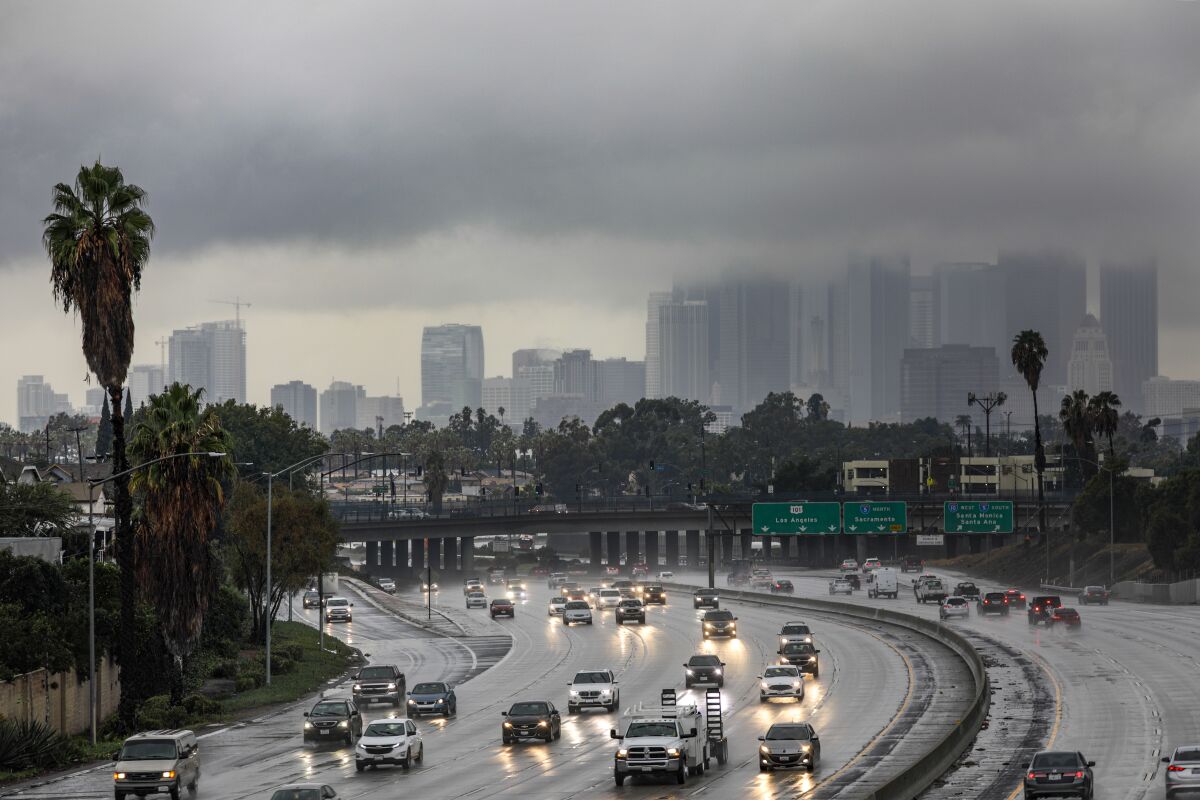
The future of storms in Los Angeles is a complex interplay of climate change impacts and inherent variability. While historical trends provide valuable context, projections offer a glimpse into potential changes in the coming decades. Understanding these potential shifts is crucial for developing effective adaptation strategies and ensuring community resilience.
Long-Term Projections for Storm Patterns
Future projections for Los Angeles storm patterns suggest a likely increase in the intensity and frequency of extreme precipitation events. This trend aligns with broader global climate change models, which indicate a rise in atmospheric moisture content, leading to more intense rainfall during storms. Warmer temperatures also contribute to increased evaporation, potentially resulting in heavier rainfall in shorter periods.
Potential Changes in the Coming Decades
Several potential changes are anticipated in the coming decades. Increased rainfall intensity is expected, with more frequent and intense downpours. The timing of storms may also shift, with some regions experiencing a concentration of precipitation in shorter periods. Changes in snowpack accumulation in the mountains surrounding Los Angeles are also anticipated, which will influence the timing and volume of water runoff into the region.
Further research into the intricate interactions between these factors is essential for more accurate projections.
Need for Ongoing Research and Monitoring
Ongoing research and monitoring are critical to refine our understanding of future storm patterns. Improved modeling techniques and enhanced data collection will be crucial for accurate projections. This will allow for a more nuanced understanding of the specific impacts of climate change on Los Angeles’s unique microclimates and topography. Monitoring of precipitation patterns, snowpack levels, and sea-level rise is essential for creating effective adaptation strategies.
Importance of Data Collection and Analysis for Accurate Forecasting
Comprehensive data collection and analysis are essential for accurate forecasting. Data on historical storm events, including rainfall amounts, intensity, and duration, must be meticulously recorded and analyzed. This historical data, combined with the results of advanced climate models, will allow for more reliable projections. The use of sophisticated statistical methods to analyze this data is crucial to identify patterns and predict future storm behavior.
Projected Rainfall Patterns for Los Angeles in 2050
Note: This graphic represents a potential projection and is not a definitive prediction. Further research and refinement of climate models will improve accuracy in the future.
Regional Comparisons
Los Angeles’ storm patterns are intricately linked to its unique geographical location within the broader California and Western US landscape. Understanding how these patterns differ from other regions provides crucial context for assessing the specific challenges and opportunities related to storm preparedness and adaptation. This comparison reveals both similarities and crucial differences in storm characteristics, allowing us to develop more nuanced strategies for mitigation and resilience.California’s diverse geography, from the coastal plains to the high Sierra Nevada, significantly influences storm patterns.
Understanding these regional variations is critical for effective storm management. The varying terrain and proximity to water bodies create diverse conditions, leading to a complex interplay of atmospheric factors.
Precipitation Statistics
Los Angeles’ rainfall patterns contrast sharply with those of other regions, particularly in the Sierra Nevada and coastal areas. This difference stems from the interplay of geographical factors, including proximity to the ocean and the presence of mountain ranges. The presence of the coastal mountain ranges significantly impacts rainfall distribution.
| City | Average Rainfall (mm) | Frequency of Severe Storms |
|---|---|---|
| Los Angeles | ~635 mm (25 inches) | Relatively lower frequency, but potential for intense, localized events. |
| San Francisco | ~1,143 mm (45 inches) | Higher frequency of moderate storms, less frequent but more intense severe storms. |
The table above showcases the significant difference in average rainfall between Los Angeles and San Francisco. While Los Angeles receives considerably less rainfall on average, the potential for intense, localized storms still poses a significant threat. San Francisco, conversely, receives substantially more rainfall but experiences storms that are less frequent but more intense. These figures highlight the complexity of regional storm patterns and the need for tailored adaptation strategies in each location.
Storm Characteristics
Variations in storm characteristics across California and the Western US stem from diverse atmospheric conditions and topographical features. Understanding these distinctions is crucial for effective risk assessment and mitigation.
Los Angeles’ unpredictable storm climate is fascinating, isn’t it? While we’re bracing for another potential deluge, the political climate in New York is also heating up. The upcoming congressional race, featuring Tom Suozzi, Tom Suozzi’s New York congressional race , is generating a lot of buzz, and I’m keeping a close eye on the campaign. Ultimately, though, I’m still more interested in the latest weather forecasts for the city.
- Coastal vs. Inland Storms: Coastal regions often experience milder, more frequent storms, whereas inland regions, especially those with high elevations, face a different profile. For example, inland areas may experience more intense, localized downpours, often in association with thunderstorms, while coastal storms often feature more sustained precipitation. This difference reflects the varying interaction between the atmosphere and topography.
- Snowfall Patterns: Regions in the Sierra Nevada and the Cascade Range, due to their elevation, receive significant snowfall. These regions face unique challenges associated with snowmelt and potential flooding events in the spring. Conversely, Los Angeles’ storms predominantly feature rain, though snow can occur at higher elevations.
- Storm Intensity: The intensity of storms can vary widely. While Los Angeles may experience occasional intense, localized storms, other regions, like the coastal ranges, may experience more frequent but less intense rainfall events. This variation requires region-specific approaches to preparedness and adaptation.
Regional Climate Change Impacts
Climate change exacerbates existing vulnerabilities in storm patterns across the region. Warming temperatures influence atmospheric moisture levels, which directly affects precipitation intensity and frequency. The variations in climate change impacts are significant.
- Increased Intensity: Studies suggest that climate change is leading to more intense rainfall events across many regions, including California. This is a concern for Los Angeles, where intense rainfall can lead to flash flooding. Examples of such events are evident in many parts of the US and globally.
- Shifting Precipitation Patterns: Climate change can alter the timing and distribution of precipitation, potentially disrupting ecosystems and agricultural practices. For example, some regions might experience more frequent droughts, while others might face increased flooding.
- Sea Level Rise: Coastal regions, like Los Angeles, are highly vulnerable to sea-level rise. Increased storm surges, particularly during high tides and strong storms, amplify the risk of coastal flooding. This impact is directly related to global warming and its effect on the ocean.
Outcome Summary
In conclusion, Los Angeles’ storm climate is a dynamic system shaped by a complex interplay of historical trends, climate change impacts, and varying storm types. This analysis highlighted the significant shifts in rainfall patterns over time, the potential for increased storm severity due to climate change, and the importance of adaptation strategies. Moving forward, Los Angeles must continue to monitor, adapt, and improve its resilience to ensure a sustainable future in the face of a changing climate.
Understanding these factors is vital for the city’s continued growth and well-being.
Popular Questions
What is the average rainfall difference between the 1920s and 2010s in Los Angeles?
Unfortunately, without the detailed table of data, it’s impossible to provide a precise average rainfall difference. The Artikel mentions the need for a table comparing rainfall amounts by decade, but the data itself is missing.
How do atmospheric rivers impact Los Angeles compared to other storm types?
Atmospheric rivers are a significant concern for Los Angeles. Unlike other storm types, they can bring large amounts of water in a concentrated period, increasing the risk of flash floods and widespread damage. Their impact often differs from winter storms or thunderstorms due to their unique precipitation patterns.
What are some key adaptation strategies mentioned in the Artikel?
The Artikel suggests several adaptation strategies, including infrastructure improvements, community-based preparedness plans, and best practices for flood prevention and emergency response. Further detail is needed to fully grasp the specifics of these strategies.
What are the predicted changes in rainfall amounts and types by 2050 in Los Angeles?
The Artikel mentions a graphic representation of projected rainfall patterns for 2050, but no specific details are given in the provided context.