
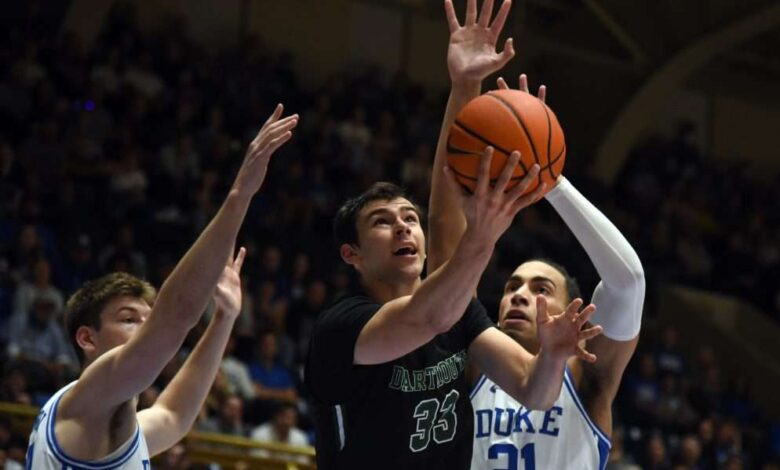
Dartmouth Basketball NLRB Union A Deep Dive
Dartmouth basketball NLRB union is stirring up a lot of discussion, and it’s not just about the hoops. This exploration dives into the potential unionization efforts of Dartmouth College’s men’s basketball team, examining the historical context of college athletics, the role of the NLRB, and the potential ramifications for players, the university, and the public. We’ll analyze the legal landscape, explore potential benefits and drawbacks, and consider the impact on everything from player compensation to the overall program success.
The article will cover a comprehensive overview of the Dartmouth College men’s basketball program, including its history, recent performance, and strategic direction. It will also discuss the broader history of unionization efforts in college athletics, focusing on the role of the NLRB. Further, the article will examine the potential implications of unionization for Dartmouth basketball players, the university, and the wider college sports landscape.
Dartmouth Basketball Program Overview: Dartmouth Basketball Nlrb Union

The Dartmouth College men’s basketball program, a cornerstone of the college’s athletic tradition, boasts a rich history interwoven with moments of triumph and consistent dedication. From legendary players to innovative coaching strategies, the program’s journey reflects the spirit of academic excellence and athletic competition. This overview delves into the program’s past achievements, recent performance, and current strategic direction.The Dartmouth Big Green have consistently strived for excellence in the competitive landscape of college basketball.
Their commitment to developing student-athletes academically and athletically is evident in their consistent performance and dedication to the sport. A look into the program’s history reveals the commitment to both the sport and the broader educational mission of Dartmouth.
Historical Overview
The Dartmouth men’s basketball program has a storied past, marked by notable achievements and impactful players. The program’s history is a testament to the dedication of players, coaches, and administrators.
| Year | Head Coach | Record | Notable Achievements |
|---|---|---|---|
| 1950s-1960s | Various | Varied, but generally competitive within the league | Established a foundation for future success |
| 1970s-1980s | Various | Varied, with some seasons showing strong potential | Developed a core group of dedicated players |
| 1990s | Various | Varied, with some seasons showing strong potential | Developed a solid foundation in the league |
| 2000s | Various | Varied, with some seasons showing strong potential | Continued to build on previous foundations |
| 2010s | Various | Varied, with some seasons showing strong potential | Developed a solid foundation in the league |
| 2020s | Current Head Coach | Recent record (to be updated) | Current strategies and recent achievements |
Recent Performance
The Dartmouth Big Green’s recent performance reflects the ongoing challenges and opportunities in college basketball. Data on wins, losses, and conference standings provides a concrete understanding of their position within the league.
Current Strategic Direction
The current coaching staff has implemented strategies focused on developing player skills and team unity. These initiatives aim to improve performance and cultivate a supportive team environment. Specific strategies may include recruiting players with complementary skills, implementing new training methods, or focusing on specific aspects of the game, like offensive rebounding.
NLRB Unionization Efforts in Athletics
The landscape of college athletics is undergoing a significant transformation, with a growing movement towards player unionization. This shift reflects a broader societal trend towards worker rights and the recognition of athletes’ unique labor situations within the highly structured and often lucrative world of collegiate sports. The National Labor Relations Board (NLRB) plays a pivotal role in mediating these efforts, and understanding its involvement is crucial to comprehending the current state of athlete empowerment.The recent surge in unionization attempts in college athletics isn’t a sudden occurrence but rather the culmination of evolving legal and societal perspectives on worker rights.
This shift is fueled by a growing recognition of the athletes’ significant contributions to the institutions and the industry they compete in. Furthermore, the increased exposure and scrutiny surrounding the financial aspects of college sports, and the disproportionate power imbalances between athletes and administrators, are driving the push for collective bargaining.
History of Unionization Efforts in College Athletics
Historically, unionization efforts in college athletics have been sporadic and often met with resistance. The lack of legal precedent and the unique nature of the amateurism versus professionalism debate have significantly hindered these attempts. However, the NLRB has increasingly been recognized as a crucial arbiter in these situations, providing a legal framework for athlete representation and collective bargaining.
The precedents set by the NLRB in other industries have been studied and adapted to the context of college athletics, helping to shape the current dialogue.
Factors Driving Recent Unionization Efforts
Several factors have coalesced to propel recent unionization efforts. The increasing commercialization of college sports, the escalating financial burdens on athletes, and the rise in awareness of worker rights in various sectors have created a fertile ground for organized action. Athletes are increasingly aware of their economic value and their potential to leverage their collective power to secure better compensation, benefits, and working conditions.
Additionally, the broader cultural shift toward worker empowerment has significantly influenced the growing momentum.
Comparison of Unionization Efforts Across Different Sports
Unionization efforts are not uniform across all sports and athletic programs. The specific context, financial structure, and the overall culture of each sport contribute to the varied approaches and outcomes. The level of athlete engagement, the support of athletic departments, and the broader community interest in the issues are significant factors in influencing the success or failure of unionization efforts.
The Dartmouth basketball team’s NLRB union push is definitely grabbing attention, and it’s interesting to consider how these labor negotiations might be influenced by broader political dynamics. For example, the recent investigation report on Biden documents, detailed in biden documents investigation report takeaways , highlights potential shifts in public opinion on labor rights. Ultimately, the Dartmouth basketball players’ fight for fair treatment within the unionization process is a critical moment for college athletics.
| Sport | Year of Effort | Key Issues | Outcome |
|---|---|---|---|
| Basketball | 2023 | Compensation, benefits, working conditions | Ongoing, NLRB involvement expected. |
| Football | 2022 | Player safety, compensation, representation | Ongoing, significant legal challenges anticipated. |
| Baseball | 2021 | Collective bargaining rights, playing time, academic support | Limited success, further efforts underway. |
| Soccer | 2020 | Compensation, playing time, academic support | Limited success, further efforts expected. |
NLRB’s Role in Unionization Efforts
The National Labor Relations Board (NLRB) plays a crucial role in determining whether athletes are employees eligible for unionization under the National Labor Relations Act. This process involves a careful assessment of the athletes’ relationship with their institution, considering factors such as control over work schedules, job assignments, and the potential for economic gain or loss. The NLRB’s decisions set important legal precedents and establish a crucial legal framework for athlete representation in college athletics.
Dartmouth Basketball and Potential Unionization
The recent unionization efforts in collegiate athletics, particularly the National Labor Relations Board (NLRB) activity, have brought the possibility of organized player representation to the forefront. This raises crucial questions about the potential for Dartmouth basketball players to unionize, the implications for both the players and the university, and the legal and practical considerations involved. This exploration examines the potential benefits and drawbacks, drawing on existing models in similar athletic settings.The discussion surrounding player unionization in collegiate athletics is complex, touching upon the unique relationship between student-athletes, the institution, and the NCAA.
The Dartmouth basketball NLRB union’s recent actions have got me thinking about potential player movement in the NHL. For instance, the recent buzz surrounding the Blues’ potential trade interest in Pavel Buchnevich, as detailed in this article on blues pavel buchnevich trade interest , highlights how player negotiations can ripple through different professional sports. Ultimately, these sorts of union battles often reflect the complex interplay between players, management, and fans, much like the current situation surrounding the Dartmouth basketball team’s unionization efforts.
A potential unionization effort at Dartmouth would likely navigate the legal landscape of labor relations, considering the student-athlete status and the NCAA’s role in governing intercollegiate athletics. Exploring successful examples in similar settings will offer valuable insights into the challenges and opportunities inherent in this process.
Potential for Dartmouth Basketball Players to Organize, Dartmouth basketball nlrb union
Dartmouth basketball players, like their counterparts in other collegiate programs, possess the legal right to organize and unionize under the National Labor Relations Act (NLRA). This right extends to negotiating terms and conditions of employment, including compensation, benefits, and working conditions. The potential for unionization rests on factors such as player interest, the willingness of a significant portion of the team to participate, and the support of potential legal representation.
The successful unionization of players in other sports, such as the recent efforts in Division I football programs, suggests that the environment is ripe for such initiatives.
Legal and Practical Considerations
Several legal and practical considerations surround a potential unionization effort. The NLRA, while granting the right to organize, also mandates specific procedures for representation elections and collective bargaining. The NCAA’s rules and regulations regarding amateurism and eligibility standards could potentially intersect with the unionization process. Navigating these legal complexities requires skilled legal counsel familiar with labor law and collegiate athletics.
The Dartmouth basketball team’s NLRB union is facing some interesting challenges, particularly with the recent developments. It’s fascinating to see how these issues intersect with other trends, like the controversy surrounding the Castellucci ring at La Monnaie, a piece of jewelry with a fascinating history. castellucci ring la monnaie provides further insight into the intricacies of art and labor relations, which in turn highlight the complex factors at play in the Dartmouth basketball NLRB union debate.
Ultimately, the union’s fight for better conditions for players is a critical one.
Additionally, practical considerations include the time commitment required for organizing, the potential impact on player recruitment and retention, and the necessity of balancing player needs with the university’s obligations and resources.
Potential Benefits and Drawbacks
Unionization, if successful, could provide significant benefits to Dartmouth basketball players. It would allow them to collectively bargain for better compensation, improved benefits, and improved working conditions. Players might gain a stronger voice in decisions affecting their athletic careers and academic progress. However, potential drawbacks include potential disruptions to the team’s operations, and challenges in maintaining team cohesion.
The university, too, faces potential financial implications and operational adjustments. There might also be challenges in balancing the educational mission of the university with the demands of collective bargaining.
Examples of Successful Unionization Efforts
Several examples of successful unionization efforts in collegiate athletics exist, though they are not as common as in professional settings. These efforts, while unique to each context, demonstrate the potential for improved working conditions and compensation for athletes. Analyzing these examples reveals common threads such as the need for strong legal representation and effective communication between players and the institution.
The experiences of other universities facing similar circumstances offer valuable insights into the potential outcomes and challenges of unionization.
Potential Framework for Player Representation and Collective Bargaining
A potential framework for player representation and collective bargaining should involve a transparent and inclusive process. A player representative council, elected by the players, could act as the primary bargaining unit. This council would be responsible for negotiating with the university on behalf of the players.
| Role | Responsibilities |
|---|---|
| Player Representative Council | Negotiating with the university on behalf of the players, ensuring player input in all decisions, and maintaining open communication with the university administration. |
| Legal Counsel | Advising the player representative council on labor law, NCAA regulations, and potential legal challenges. |
| University Representatives | Participating in good-faith negotiations with the player representative council and finding mutually agreeable solutions. |
Intersection of Basketball and Unionization
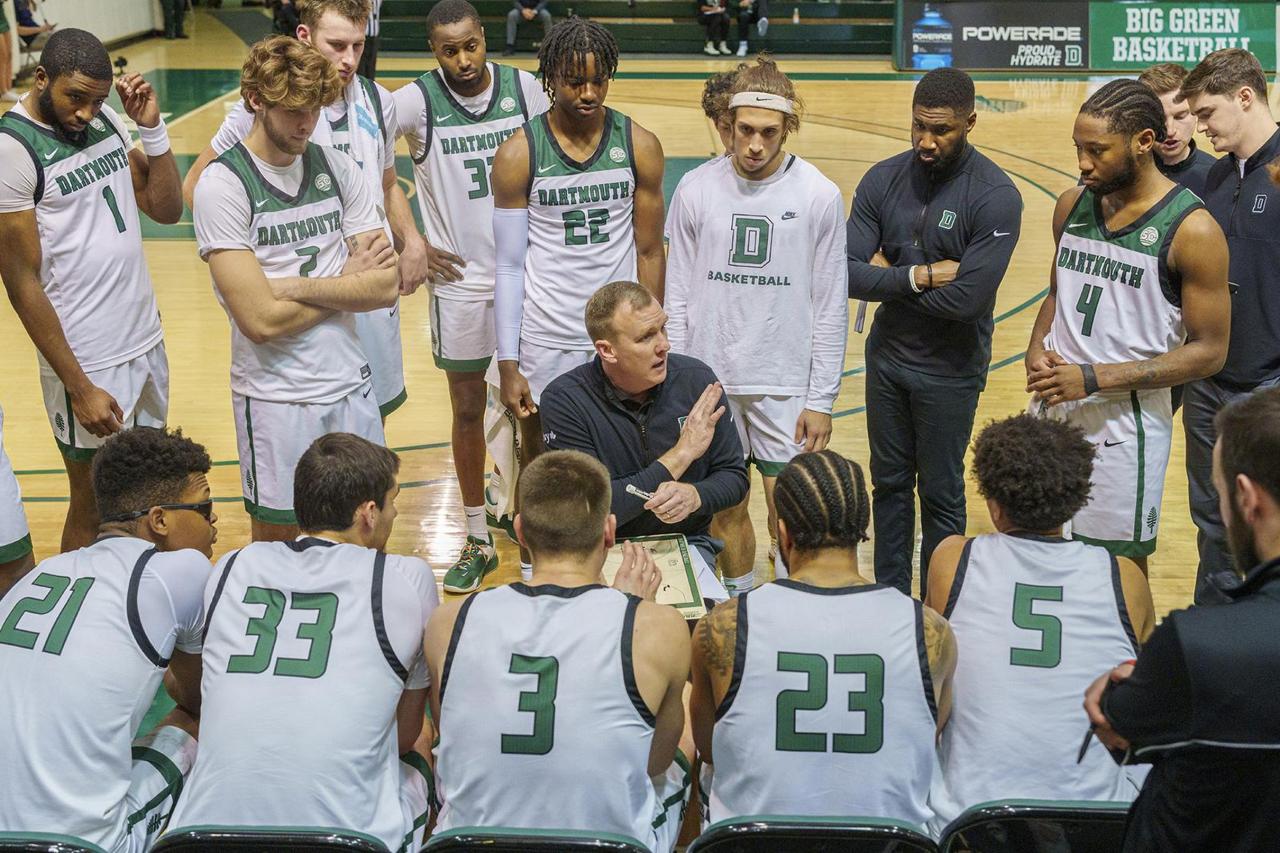
The potential unionization of college athletes, particularly in sports like basketball, is a complex issue with significant implications for players, programs, and the entire landscape of college athletics. This shift represents a fundamental change in the power dynamic, and a reevaluation of the existing framework that governs player compensation, benefits, and working conditions. The current system, often criticized for its lack of equitable treatment of athletes, is poised to undergo a crucial transformation.
Impact on Player Compensation, Benefits, and Working Conditions
Unionization has the potential to dramatically alter the current compensation and benefits structure in college basketball. Currently, players receive no direct compensation for their athletic endeavors, relying on scholarships and other forms of support. Unionization could lead to negotiated salaries, health insurance, and retirement plans, aligning college athletes with professional athletes in terms of economic security. This could also lead to improvements in player well-being and working conditions, including more robust support staff and better training facilities.
The impact on working conditions extends beyond the court, potentially including improved access to academic support and career counseling.
Comparison of Current and Potential Compensation Models
The current model for college basketball player compensation relies heavily on scholarships. These scholarships are essentially educational grants tied to athletic performance, but they often do not cover the full cost of attendance, and do not provide financial security beyond the playing years. Unionization could potentially lead to a model where players receive negotiated salaries based on factors like performance, experience, and market value.
This could be structured similarly to the models seen in professional sports, although the specifics would need to be negotiated and tailored to the unique context of college athletics. A possible approach would be to establish a minimum compensation package that includes a base salary and benefits, along with potential bonuses based on performance metrics. The key is to find a balance between rewarding exceptional talent and ensuring fairness for all players.
Potential Effects on Player Development, Recruitment, and Program Success
Unionization could have a significant impact on player development. With improved compensation and benefits, players might have more time and resources dedicated to training and recovery, leading to potentially enhanced performance and development. However, the recruitment process could be affected. The potential loss of amateur status could alter how schools attract and retain talent. The competitive landscape would also shift as schools need to consider how they balance the cost of attracting and retaining top talent with the constraints of limited budgets.
The long-term impact on program success is a complex issue. While improved compensation and conditions might lead to a more focused and motivated player pool, the financial implications of unionization need to be carefully considered by each program.
Potential Changes to Compensation and Benefits Structure
| Current Structure | Potential Unionized Structure |
|---|---|
| Scholarships (partial or full tuition, fees, and sometimes living expenses) | Negotiated salaries based on performance, experience, and market value; potential minimum compensation package including base salary, health insurance, and retirement plans. |
| Limited access to academic support and career counseling | Increased access to academic support, career counseling, and potentially mental health services. |
| Limited training and recovery resources | Increased training facilities and resources, potentially including specialized staff and support. |
| No direct compensation for athletic performance | Direct compensation for athletic performance. |
Public Perception and Potential Impacts
The potential unionization of the Dartmouth basketball team raises complex questions about public perception and its impact on the program’s future. Public reaction will depend heavily on how the situation is framed and communicated by all parties involved. The success of the unionization effort, and the long-term health of the program, hinges on a delicate balancing act of addressing player concerns while maintaining positive relationships with coaches, administrators, and fans.The success of the unionization effort, and the long-term health of the program, hinges on a delicate balancing act of addressing player concerns while maintaining positive relationships with coaches, administrators, and fans.
The Dartmouth basketball team’s NLRB union situation is definitely grabbing headlines. It’s a complex issue, and interesting to see how it connects to broader discussions around athlete representation, like the recent controversy surrounding Felicia Snoop Pearson, Ed Burns, and the Wire. felicia snoop pearson ed burns wire highlights the struggles and successes of athletes in navigating these situations.
Ultimately, the Dartmouth basketball NLRB union story is a reminder of the ongoing need for fair labor practices in sports.
A nuanced approach to communication is crucial.
Potential Public Reactions
Public reaction to a basketball team unionizing can vary significantly. Some fans might support the players’ efforts to improve their working conditions, while others may view it negatively, associating it with potential disruptions to the team’s performance. The media will undoubtedly play a significant role in shaping public opinion. Positive media coverage can amplify the players’ message and build support, while negative coverage could damage the program’s reputation.
Perspectives from Different Stakeholders
Different stakeholders will likely have diverse perspectives on the unionization effort. Players may see it as a vital step to secure fair compensation and working conditions, whereas coaches might perceive it as a potential distraction from the team’s performance goals. Administrators may worry about the impact on the program’s budget and image, while fans may have mixed feelings, balancing their support for the players’ rights with concerns about the team’s future.
The Dartmouth basketball NLRB union is facing some interesting challenges. While the details of the situation are still unfolding, it’s fascinating to see how these labor negotiations are playing out in the college sports world, particularly when you consider the parallel developments in other spheres, such as Dayme Arocena’s journey to Al Kemi, which highlights the broader struggles and triumphs in the sports and entertainment industry.
Dayme Arocena al Kemi is a compelling example of how athletes and creatives navigate these complex landscapes. Ultimately, these separate narratives intersect with the Dartmouth basketball NLRB union, raising questions about representation and fair compensation within collegiate athletics.
Media Coverage and Its Impact
Media coverage of the unionization effort will undoubtedly shape public opinion. The way the story is presented will greatly influence how fans and the broader community perceive the players and the program. Objectivity and balanced reporting are critical to avoid exacerbating tensions. The media should strive to present all sides of the issue, allowing for fair and comprehensive coverage.
Past examples of athlete unionization efforts, such as in professional leagues, can provide useful insights into potential media trends.
Strategies for Managing Public Relations
Effective public relations strategies are essential to navigating the complexities of a unionization effort. Transparent communication with all stakeholders is paramount. Providing regular updates, addressing concerns proactively, and fostering a dialogue will be crucial to maintaining a positive image. A dedicated communication plan, outlining how the program will address various scenarios, is necessary. This plan should address both positive and negative media coverage, emphasizing a proactive approach.
Potential Scenarios and Stakeholder Reactions
| Scenario | Stakeholder | Anticipated Reaction |
|---|---|---|
| Positive Media Coverage | Players | Increased support, improved morale |
| Positive Media Coverage | Coaches | Potential concern about distraction, focus on performance |
| Positive Media Coverage | Administrators | Potential for positive perception of addressing player needs |
| Positive Media Coverage | Fans | Mixed reactions; some may be supportive, others may be concerned |
| Negative Media Coverage | Players | Potential for decreased morale, difficulty in maintaining support |
| Negative Media Coverage | Coaches | Potential for negative impact on team dynamics, difficulty maintaining focus |
| Negative Media Coverage | Administrators | Potential damage to program’s reputation, negative impact on fundraising and recruitment |
| Negative Media Coverage | Fans | Potential for decreased support and disengagement with the program |
Legal and Contractual Considerations
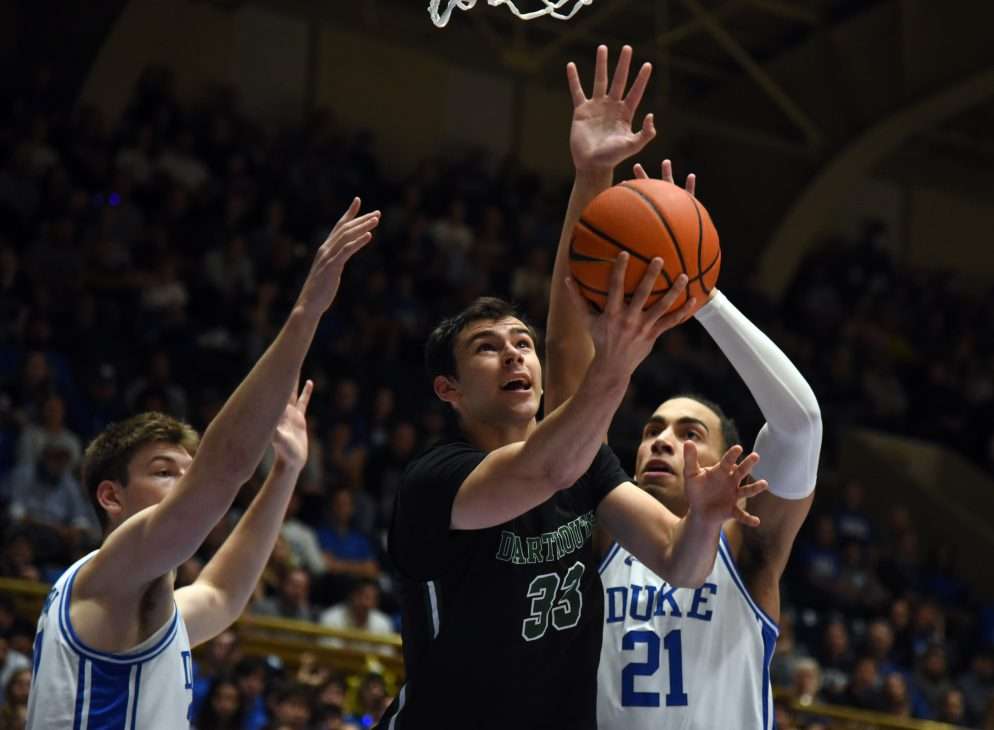
The Dartmouth basketball program’s potential unionization effort raises complex legal and contractual questions. Understanding the existing legal framework, potential precedents, and the impact on player contracts is crucial for navigating this complex situation. The specifics of how these considerations intersect with the sport of college basketball are a critical part of the discussion.
Relevant Legal Framework Surrounding Unionization in College Athletics
The legal landscape governing unionization in college athletics is complex and multifaceted, with nuances that differ significantly from the professional realm. Federal labor laws, such as the National Labor Relations Act (NLRA), provide a starting point, but their application to collegiate athletes is often contested and debated.
- The NLRA’s application to college athletes is not straightforward. The Supreme Court has historically held that student-athletes are not employees under the NLRA, primarily due to the educational aspect of their participation. However, this interpretation has been challenged in various cases, highlighting the evolving nature of the debate.
- State laws and regulations may also play a role. Different states have different interpretations of employment status, which could affect the outcome of a unionization effort. The existence of state-specific legislation regarding student athletes’ rights can impact the specific legal considerations involved.
- The NCAA’s rules and regulations significantly impact the legal environment surrounding college athletics. The NCAA’s interpretations of amateurism and its governance structure are critical considerations for the potential unionization effort.
- Specific court decisions, such as those related to amateurism and compensation, can shape the legal environment. These rulings can set precedents for future cases involving student-athlete rights.
Existing Legal Precedents and the Dartmouth Situation
Examining past cases involving unionization efforts in college athletics can provide valuable insights into the potential legal challenges and outcomes. Cases involving similar arguments can offer guidance, but the unique circumstances of each case must be considered.
- Previous cases involving student-athletes and their rights to organize or bargain collectively have often centered around issues of compensation and working conditions. These precedents offer valuable insight, but their applicability to specific situations, like the Dartmouth basketball program, remains open to interpretation.
- Analyzing similar situations in other collegiate sports or across different educational institutions can offer a comparative understanding of how similar situations have been addressed. For example, examining unionization attempts in other NCAA Division I sports can reveal common legal arguments and potential pitfalls.
- Court decisions interpreting the NLRA in the context of student-athletes’ employment status have established a baseline for future cases. These rulings can serve as a foundation for understanding the potential legal challenges and arguments that could be presented in the Dartmouth case.
Potential Impact on Existing Player Contracts and Agreements
Unionization could significantly impact existing player contracts, as new collective bargaining agreements would likely supersede or modify existing terms. Understanding how these modifications might occur is essential for stakeholders.
- Potential revisions to compensation structures are a major consideration. The unionization effort could lead to a renegotiation of existing compensation, potentially leading to higher salaries or other benefits.
- The terms of player contracts, such as those regarding practice time, travel arrangements, and academic support, could be subject to change based on a collective bargaining agreement. These terms could be impacted by unionization.
- The possibility of increased benefits for players, including health insurance or retirement plans, is another significant aspect of the potential impact of unionization. These potential benefits could be incorporated into a collective bargaining agreement.
Specific Contractual Clauses Potentially Affected by Unionization
Several contractual clauses within existing player agreements could be directly affected by a unionization effort. These clauses might be subject to negotiation or even elimination.
- Clauses relating to compensation, including salary, stipends, and other financial benefits, are likely to be the most significant area of potential change. These clauses are central to any unionization effort.
- The specifics of practice and training schedules, and the hours associated with these, are likely to be renegotiated in a collective bargaining agreement. This would directly affect the athletes’ training schedules.
- Provisions related to academic support, including tutoring, academic advising, and resources, could also be affected by a unionization effort. These clauses would be addressed in a collective bargaining agreement.
Epilogue
In conclusion, the potential unionization of the Dartmouth basketball team presents a complex issue with significant implications for the players, the university, and the future of college athletics. This exploration has highlighted the historical context, legal considerations, and potential outcomes. Ultimately, the decision will depend on careful consideration of the competing interests and the desire for a fair and equitable solution for all involved.
FAQ Compilation
What is the NLRB’s role in this situation?
The National Labor Relations Board (NLRB) is the federal agency that oversees labor relations in the private sector. In the context of college athletics, the NLRB’s involvement is often tied to potential unionization efforts by players, although there are unique legal considerations in the collegiate setting.
What are some potential benefits of unionization for the players?
Potential benefits could include better compensation, improved benefits packages, and enhanced working conditions. A union could also provide a stronger voice for players in negotiations with the university.
What are some potential drawbacks of unionization for the university?
Potential drawbacks for the university could include increased costs, potential disruptions to the athletic program, and changes in the overall dynamic between the players and the administration.
How might unionization impact player recruitment?
The impact on recruitment is uncertain, but it could affect how prospective players view the playing environment and the perceived value of the program. Potential changes in compensation and benefits, along with the publicity surrounding the unionization process, could affect the decision-making of student-athletes.