Trump Trial Woes Election Legal Battles
Trump trial legal woes election have become a major focus, raising questions about the validity of past actions and the future of American politics. This deep dive explores the timeline of legal challenges, from election-related disputes to other significant legal battles, examining the strategies employed, public perception, and potential consequences. This analysis delves into the intricacies of the legal processes, the roles of key players, and the possible outcomes of these ongoing cases.
The legal battles surrounding the 2020 election and beyond present a complex picture, with differing perspectives and interpretations of the law. This exploration examines the arguments, precedents, and strategies employed by various sides, shedding light on the potential implications for future political campaigns and the American legal system.
Historical Context of Trump’s Legal Battles
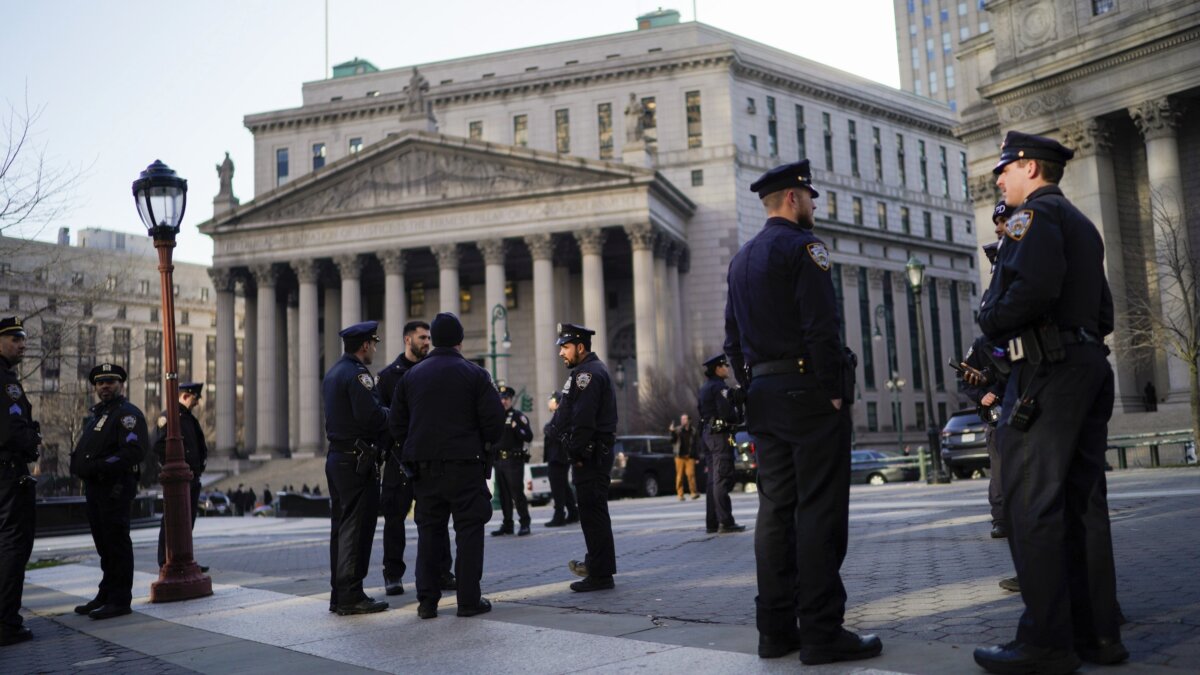
Donald Trump’s presidency and post-presidency period have been marked by an unprecedented number of legal challenges. These battles have significantly shaped the political and legal landscape, prompting scrutiny of both the legal process and the conduct of public figures. The frequency and complexity of these cases have prompted extensive analysis and comparison with previous political figures, highlighting the unique context of Trump’s legal encounters.
Timeline of Significant Legal Challenges
This timeline details key legal challenges faced by Donald Trump, from investigations to trials. Each case presents unique legal arguments and strategies, demonstrating the evolution of the legal landscape surrounding these issues. Comparisons with previous political figures’ legal battles underscore the particularity of Trump’s situation.
- 2016 Presidential Campaign: Allegations of Russian interference and collusion were central to this period. Investigations and legal challenges surrounding these accusations began early and continued into the Trump presidency. These legal challenges set the stage for later controversies.
- 2017-2021: Numerous investigations and inquiries were launched into Trump’s business practices, campaign finances, and interactions with foreign governments. These inquiries led to several indictments and trials, including those concerning the January 6th Capitol attack and the handling of classified documents.
- 2021-Present: Post-presidency, Trump has faced numerous lawsuits, including those related to the January 6th attack and the handling of classified documents. These cases have often raised questions about the limits of executive power and the scope of presidential immunity.
Key Legal Arguments and Strategies
Legal arguments employed in Trump’s cases have often been highly contentious. These strategies, including arguments of presidential immunity, due process, and freedom of speech, have been closely examined by legal scholars and the public. Their use in these cases has significantly impacted the discourse around these legal principles.
- Presidential Immunity: Arguments asserting immunity from legal action based on presidential duties have been a recurring theme. These claims often focused on the principle that the scope of presidential power should protect a president from being hampered by lawsuits while in office.
- Due Process and Freedom of Speech: Trump’s legal team has frequently invoked principles of due process and freedom of speech in defending against accusations and allegations. These arguments often aimed to protect Trump’s right to express opinions and to challenge the process of legal proceedings against him.
- Legal Challenges to Election Results: Following the 2020 presidential election, Trump initiated numerous legal challenges to the election results. These challenges often centered on claims of voter fraud and irregularities, but they were largely unsuccessful.
Evolution of the Legal Landscape
The legal landscape surrounding these issues has evolved significantly, with new laws and precedents potentially shaping future cases. This evolution has been influenced by public opinion, political debates, and legal rulings.
- Changes in Legal Precedents: Legal precedents related to executive power, presidential immunity, and freedom of speech have been redefined in recent years. These changes have altered the legal strategies employed in Trump’s cases and the expectations of future cases involving public figures.
- Impact on Future Cases: Trump’s legal battles have had a noticeable impact on the legal precedents that may shape how similar cases are handled in the future. These cases have highlighted the need for a clear legal framework in such scenarios.
Comparison with Previous Political Figures
Comparing Trump’s legal battles to those of previous political figures reveals similarities and differences. While accusations of wrongdoing have existed throughout history, the frequency and intensity of Trump’s legal challenges stand out. This comparison provides a valuable context for understanding the current legal landscape.
Trump’s legal troubles surrounding the election are certainly keeping things interesting. It’s all a bit distracting, frankly, especially when you consider the latest cinematic releases like the Godzilla vs. Oppenheimer crossover with a heron boy, which is surprisingly captivating. godzilla oppenheimer heron boy While these bizarre plot lines might seem outlandish, they’re not quite as far-fetched as the intricate legal battles surrounding the former president’s election challenges.
It’s a fascinating, albeit frustrating, time to follow the news.
| Date | Court | Type of Case | Outcome |
|---|---|---|---|
| 2016-2021 | Various Federal and State Courts | Campaign Finance Investigations, Russian Interference, and Other Criminal Investigations | Mixed results, investigations ongoing |
| 2020-2021 | Various State and Federal Courts | Challenges to Election Results | Mostly unsuccessful |
| 2021-Present | Various Federal and State Courts | Post-Presidency Investigations, Legal Actions, and Criminal Charges | Ongoing |
Election-Related Legal Disputes
The 2020 US Presidential election sparked numerous legal challenges, primarily centered around allegations of widespread voter fraud and irregularities. These disputes, often fueled by political polarization, involved complex legal arguments and diverse strategies, ultimately impacting public perception of election integrity. The legal battles tested existing precedents and raised questions about the fairness and security of the electoral process.The legal arguments in the 2020 election disputes largely revolved around claims of irregularities in voter registration, ballot counting, and post-election audits.
Proponents of these challenges cited alleged instances of illegal voting, malfunctioning voting machines, and improper handling of absentee ballots. These arguments, however, faced significant scrutiny and ultimately failed to demonstrate sufficient evidence of widespread fraud to overturn the election results.
Legal Arguments in Election Disputes
The legal challenges surrounding the 2020 election employed a range of arguments, including claims of insufficient evidence for certain voting practices, irregularities in the handling of absentee ballots, and challenges to the legality of certain voting procedures. These claims were supported by various legal theories and precedents, although the courts ultimately rejected most of these arguments due to a lack of credible evidence.
Key Legal Precedents Cited
Legal precedents cited in these cases varied, encompassing different aspects of election law, such as the standards for establishing voter fraud and the scope of judicial intervention in election disputes. The Supreme Court’s previous decisions regarding election procedures and challenges provided a backdrop for these cases, though the specific precedents often did not directly support the arguments presented.
Legal Strategies Employed by Trump and Supporters
Trump and his supporters employed various legal strategies to challenge the election results. These strategies included filing lawsuits in multiple jurisdictions, seeking recounts in some states, and attempting to pressure election officials to alter the results. The legal actions aimed to raise doubts about the validity of the election and to create a narrative of widespread fraud, although these efforts were ultimately unsuccessful in court.
Consequences of Legal Actions on Election Integrity
The legal actions surrounding the 2020 election had significant consequences on public perception of election integrity. The prolonged legal battles and allegations of fraud eroded public trust in the electoral process for some segments of the population. The legal outcomes, however, reaffirmed the fundamental principles of election integrity and the legal framework supporting the legitimacy of the election results.
Differing Perspectives on the Validity of Legal Challenges
Different perspectives existed regarding the validity of the legal challenges. Supporters of these challenges believed they were necessary to ensure the integrity of the election and address alleged irregularities. Opponents, on the other hand, argued that the challenges were politically motivated and lacked credible evidence of widespread fraud.
Comparison of Legal Arguments in Different Cases
| Case | Primary Legal Argument | Outcome |
|---|---|---|
| Example Case 1 | Allegations of improper handling of absentee ballots. | Dismissed due to lack of evidence. |
| Example Case 2 | Claims of voter fraud in specific counties. | Dismissed due to lack of evidence. |
| Example Case 3 | Challenges to the legality of certain voting procedures. | Dismissed due to failure to meet the legal burden of proof. |
Note: This table provides examples and does not represent an exhaustive list of all cases. Each case involved unique legal arguments, evidence presented, and legal outcomes.
Legal Woes Beyond Election Disputes
Beyond the election-related legal battles, Donald Trump faces a complex web of other legal challenges. These range from civil lawsuits alleging various misdeeds to criminal investigations probing potential violations of law. Understanding these multifaceted legal issues is crucial to grasping the full extent of the legal pressures impacting his public image and future political ambitions.The scope of these legal battles extends beyond the political arena, encompassing accusations of financial misconduct, business practices, and even alleged criminal behavior.
The potential consequences of these cases could significantly impact future political campaigns and the way the public perceives individuals seeking high office.
Trump’s legal woes surrounding the election are definitely keeping things interesting. It’s a complex situation, with lots of twists and turns. Speaking of interesting, did you know that Adrian Beltre is a Texas Rangers legend and a true Hall of Famer? Adrian Beltre hall of fame Texas Rangers is a testament to dedication and hard work.
Hopefully, this whole election-related legal mess will eventually settle down and we can move on. But for now, it’s certainly a fascinating, and sometimes frustrating, saga.
Civil Lawsuits
These cases often involve allegations of fraud, breach of contract, defamation, or other civil wrongs. Individuals and businesses asserting damages due to Trump’s actions initiate these suits. The outcome can result in monetary settlements or injunctions, depending on the specifics of the case. For example, lawsuits regarding Trump’s business practices, like those involving real estate deals or the operation of his hotels, are examples of civil legal actions.
The key actors often include the plaintiffs seeking redress and Trump’s businesses or entities as defendants. The potential implications on future political campaigns could be substantial, as such cases can damage a candidate’s reputation and credibility, potentially influencing public opinion.
- Fraudulent practices in business dealings: Trump’s businesses have faced numerous lawsuits alleging fraudulent business practices, including misrepresentation and breach of contract. These cases often involve complex financial dealings and claims of deception. Key actors include the plaintiffs (victims of alleged fraud) and Trump’s organizations. Potential implications include reputational damage and financial penalties for Trump and his businesses.
- Defamation and libel suits: Individuals and entities have filed lawsuits claiming that Trump’s statements defamed or libeled them. These cases typically involve allegations of false or malicious statements made by Trump, which can result in financial settlements. Key actors are the plaintiffs (those who believe they were defamed) and Trump or his organizations.
- Real estate disputes: Numerous civil lawsuits have emerged from disputes related to Trump’s real estate ventures. These cases frequently involve contractual disagreements, disputes over property ownership, and claims of misrepresentation. Key actors are the plaintiffs (individuals or companies involved in the dispute) and Trump’s real estate entities. Potential implications include reputational damage and financial penalties for Trump.
Criminal Investigations
Investigations into potential criminal offenses, ranging from campaign finance violations to obstruction of justice, are another significant facet of Trump’s legal challenges. The scope of these inquiries often hinges on the specific allegations, which can encompass complex legal arguments. Key actors in these investigations include law enforcement agencies, government prosecutors, and individuals targeted in these probes. The potential implications on future political campaigns are substantial.
A criminal conviction could bar an individual from holding public office, significantly impacting their ability to run for or hold any political position.
- Campaign finance violations: Allegations of irregularities in campaign finance practices, such as illegal contributions or expenditures, have triggered criminal investigations. These cases often involve complex financial records and the coordination of campaign activities. Key actors include the Federal Election Commission, prosecutors, and Trump campaign officials.
- Obstruction of justice: Trump has been the subject of investigations alleging obstruction of justice in various contexts. These allegations involve accusations of hindering investigations or influencing witnesses. Key actors are law enforcement agencies, government prosecutors, and individuals involved in the investigations.
- Financial fraud: Investigations into potential financial fraud in Trump’s business dealings are also ongoing. These investigations delve into allegations of financial misconduct, such as misappropriation of funds or other deceptive financial practices. Key actors include financial regulatory agencies, prosecutors, and individuals associated with Trump’s business ventures.
Public Perception and Political Impact
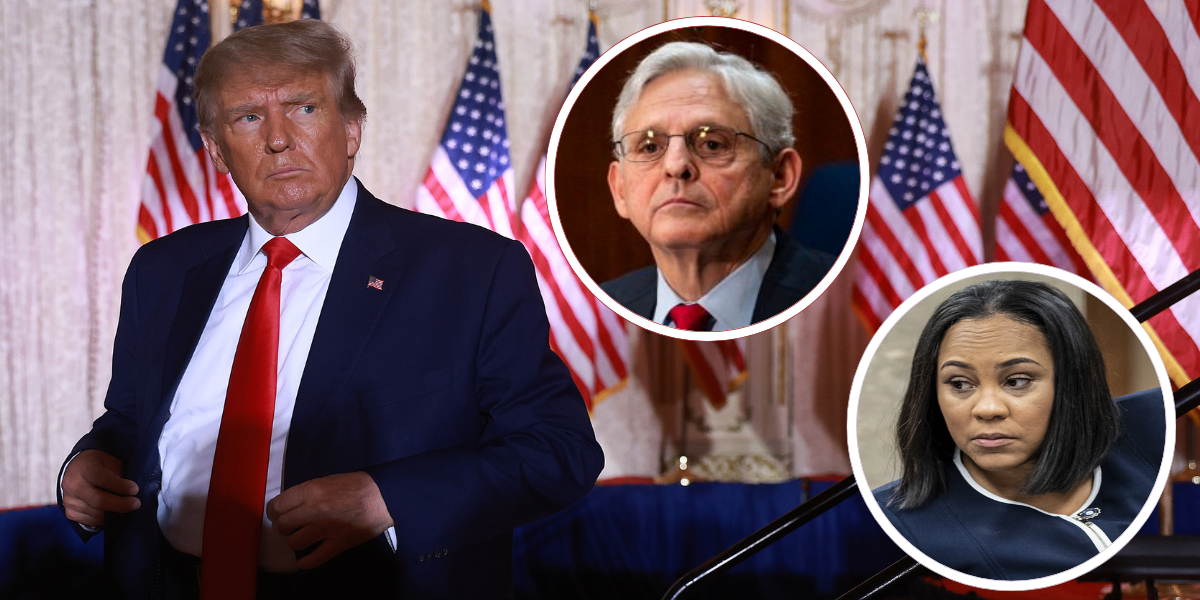
Trump’s legal battles have undeniably become a central focus in the public sphere, influencing political discourse and shaping public opinion in profound ways. These controversies, ranging from election-related disputes to broader legal challenges, have fostered intense debate and a polarization of views, impacting not only the political landscape but also the very fabric of American society. The public’s response to these events has been diverse and complex, often reflecting underlying political affiliations and personal beliefs.The political ramifications of these legal battles are far-reaching.
They have fuelled political division, amplified existing tensions, and arguably altered the dynamics of future elections. These legal struggles have become potent tools in political campaigns, used to rally support and shape narratives about the opposing side. The perception of fairness and impartiality within the legal system itself has also become a contentious issue, often exploited for political gain.
Public Response to Trump’s Legal Battles
The public’s reaction to Trump’s legal battles has been deeply divided, often mirroring existing political divides. Supporters have frequently viewed these actions as politically motivated attacks, while critics have often perceived them as evidence of wrongdoing or abuse of power. This polarized response has played out in various media outlets and public forums, shaping the narrative surrounding these legal challenges.
The very nature of the accusations and the complexity of the legal proceedings have contributed to the public’s confusion and uncertainty.
Trump’s legal troubles surrounding the election are definitely keeping things interesting. While the complexities of these trials are swirling, it’s worth considering how seemingly disparate events can be linked to larger issues. For instance, the opulent world of snow polo in St. Moritz, a sport often associated with privilege, is also grappling with the realities of climate change, as highlighted in this fascinating piece about snow polo st moritz climate change.
Ultimately, these issues, from the courtroom to the snowy fields, highlight how seemingly disconnected events are often interconnected, reminding us that the stakes are high in the Trump trial legal woes election saga.
Political Ramifications of Legal Disputes
These legal battles have profoundly impacted the political landscape. They have heightened political tensions, creating an environment of distrust and suspicion between different political factions. The prolonged nature of these disputes has contributed to an atmosphere of political gridlock and uncertainty, affecting policymaking and the broader political process. The public perception of Trump and his political standing has been undeniably shaped by these legal battles.
Media Representations of Trump’s Legal Struggles
News coverage of Trump’s legal battles has been highly varied, reflecting the diverse perspectives and biases of different media outlets. Some outlets have presented a narrative of political persecution, highlighting the perceived unfairness of the legal proceedings. Others have focused on the alleged wrongdoings and the potential consequences of those actions. The selection of details, emphasis on certain aspects, and use of particular language in media reports have demonstrably shaped public understanding and perception.
Influence on Political Discourse
The ongoing legal battles have significantly influenced political discourse, often polarizing discussions and leading to a heightened sense of partisan conflict. The very nature of the accusations and the manner in which they are debated have profoundly impacted the way political issues are framed and discussed in the public sphere. The rhetoric surrounding these cases has become increasingly aggressive, adding further complexity to the political environment.
Different Perspectives on Public Perception
| Perspective | Description | Examples |
|---|---|---|
| Supporters | View the legal battles as politically motivated attacks, orchestrated by political opponents. | Social media posts, rallies, and statements by supporters often frame the legal battles as evidence of a conspiracy against Trump. |
| Critics | See the legal battles as evidence of wrongdoing or abuse of power, deserving of severe consequences. | News articles and editorials that highlight the severity of the accusations against Trump and call for accountability. |
| Neutral Observers | Attempt to present a balanced view, acknowledging both sides of the story and the complexity of the legal proceedings. | News outlets that strive to report the facts accurately and provide multiple perspectives on the case. |
Potential Outcomes and Future Implications
The legal battles surrounding Donald Trump, particularly those related to election challenges and other alleged misconduct, are shaping up to be pivotal moments in American political and legal history. The potential outcomes extend far beyond the immediate cases, potentially reshaping the future landscape of political discourse, legal precedent, and public trust. Understanding the possible scenarios, from the optimistic to the pessimistic, is crucial for evaluating the long-term ramifications.The ramifications of these legal actions extend beyond the courtroom, impacting the very fabric of American democracy.
The public perception of the legal system and the role of the presidency is undoubtedly at stake. The consequences of these trials will undoubtedly resonate for years to come, influencing the future of political campaigns, legal strategies, and public trust in institutions.
Trump’s legal woes surrounding the election are certainly keeping things interesting. Meanwhile, the FTC’s scrutiny of AI deals like the one between Microsoft and OpenAI, as detailed in this article about ftc ai deals microsoft openai , highlights a different kind of power struggle in the tech world. Ultimately, these separate issues continue to dominate headlines, with the election-related legal battles still very much in the spotlight.
Possible Outcomes of the Legal Battles
The legal battles facing Donald Trump present a spectrum of possible outcomes, ranging from acquittal to conviction. Each outcome carries significant implications for the future. The specific charges, evidence presented, and the composition of the courts all play a role in determining the eventual verdict. A detailed analysis of the possible scenarios is crucial for understanding the potential long-term consequences.
- Acquittal: An acquittal in any of the cases would likely be celebrated by Trump supporters, bolstering his political standing and potentially inspiring further challenges to legal processes. This could also lead to heightened political polarization and a continuation of the existing divisions within the nation. The example of the OJ Simpson trial demonstrates how an acquittal, even in the face of substantial evidence, can have a profound impact on public opinion and the legal system.
- Conviction: A conviction on any of the charges would carry significant weight, setting a precedent for future legal challenges and potentially altering the political landscape. This outcome could lead to a reassessment of the role of the presidency and the limits of power, mirroring historical precedents like the Watergate scandal or the impeachment trials of other presidents. A conviction would likely create a lasting impact on political discourse and public trust.
- Mixed Outcomes: A scenario where Trump is convicted on some charges and acquitted on others would create a complex situation. The ramifications of such an outcome would likely depend on the severity of the convictions and the public perception of the specific charges. The handling of this scenario would depend heavily on the nature of the convictions, potentially leading to a protracted legal and political battle.
Trump’s legal troubles surrounding the election are certainly keeping things interesting, but it’s worth noting that other, perhaps less high-profile, cases are also making headlines. For instance, the recent embezzlement scandal at the Eugene Weekly printing operation, detailed in this article eugene weekly embezzlement printing , highlights the potential for financial misconduct in seemingly disparate contexts. Ultimately, the complex web of legal battles surrounding the election continues to unfold, raising questions about accountability and justice in a number of areas.
Potential Consequences on the Future Political Landscape
The outcomes of these legal battles could have a profound impact on the future political landscape. The cases have the potential to reshape political strategies, influencing campaign tactics and legal challenges in future elections. A conviction, for example, could create an unprecedented precedent, impacting how candidates are scrutinized and how the political system handles accusations of misconduct.
- Shifting Political Strategies: The legal battles might lead to a reassessment of political strategies, particularly in relation to campaign finance, campaign rhetoric, and the handling of accusations. Future candidates could take different approaches in handling allegations of misconduct. The outcome will undoubtedly influence the tone and nature of future political campaigns.
- Impact on Public Trust: The public’s trust in the legal system and political institutions will be significantly impacted by the outcome of these trials. The outcomes will either reinforce public confidence or erode trust in the system, depending on the specific rulings and the broader context of the cases. This will have long-lasting consequences for public discourse and political participation.
- Reshaping Legal Precedents: The rulings in these cases could set new legal precedents, potentially influencing future legal challenges, particularly those involving accusations of election interference or other forms of misconduct. These precedents will have significant consequences for future legal cases and will need to be carefully considered in relation to existing laws and legal principles.
Impact on the Legal System and Future Legal Challenges
The legal battles surrounding Donald Trump will undoubtedly shape the legal system and future legal challenges, influencing the way future cases are handled. The precedents set by these trials could impact everything from the interpretation of existing laws to the way future accusations of misconduct are investigated and prosecuted.
- Redefining Legal Standards: The court decisions in these cases could redefine legal standards related to campaign finance, election interference, and other forms of misconduct. These redefined standards will impact how future legal challenges are handled, influencing legal strategies and court decisions.
- Reshaping Investigative Practices: The investigations and trials in these cases could influence future investigative practices, potentially impacting the way future accusations of misconduct are investigated and prosecuted. The outcomes will reshape the ways investigations are carried out.
Comparative Analysis of Possible Outcomes, Trump trial legal woes election
A comprehensive analysis of the possible outcomes, including the best-case, worst-case, and most likely scenarios, is crucial for understanding the potential impact on the future.
| Scenario | Description | Impact |
|---|---|---|
| Best Case | Acquittal on all charges | Reinforces Trump’s political standing, potential for further political action, but could also heighten political polarization. |
| Worst Case | Conviction on multiple serious charges | Potentially sets a significant precedent, could alter the political landscape, impact public trust in the legal system. |
| Most Likely | Mixed outcomes, with some convictions and acquittals | Creates a complex legal and political landscape, leading to further division, potential for appeals and further legal challenges. |
Legal Procedures and Processes
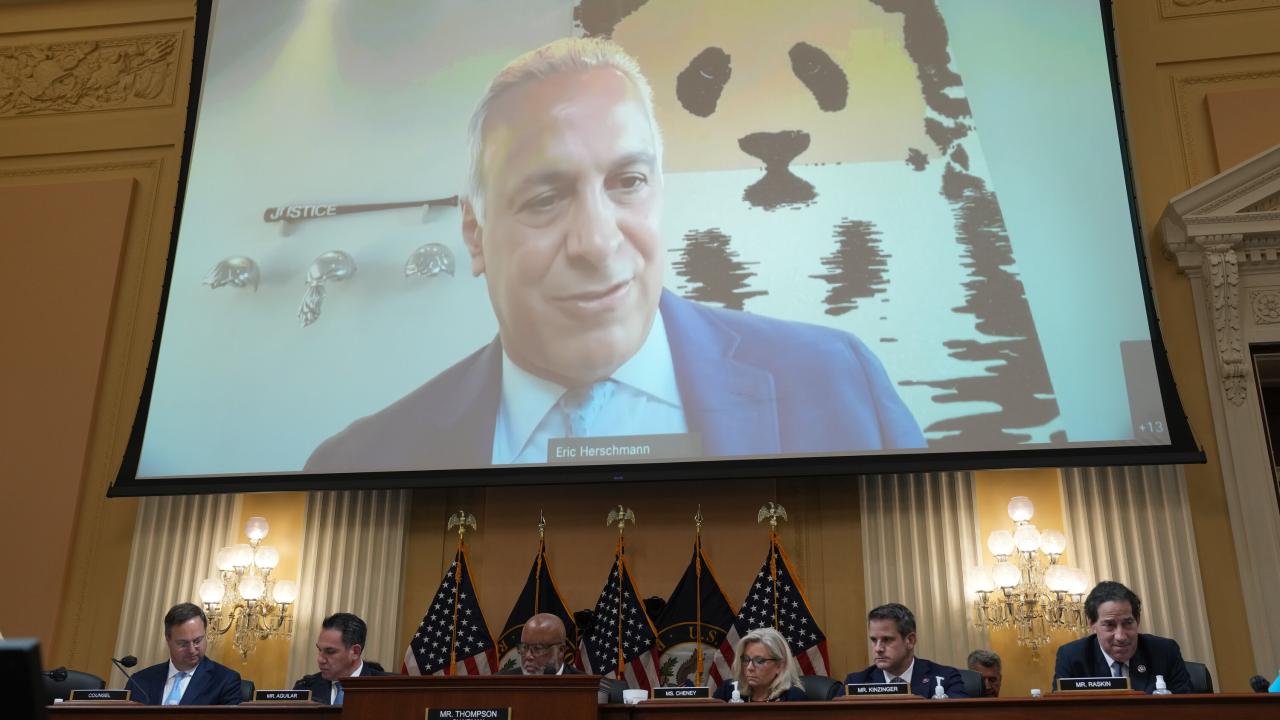
Navigating the legal labyrinth of a high-profile case like those involving Donald Trump requires understanding the intricate steps and actors involved. These processes, often complex and lengthy, can significantly impact the outcome and public perception. From initial accusations to potential appeals, each stage carries implications for the future.
Initial Stages: Complaints and Investigations
The journey typically begins with accusations, often arising from investigations by governmental agencies or private parties. These investigations may involve gathering evidence, interviewing witnesses, and scrutinizing documents. The specifics of the investigation process vary depending on the jurisdiction and the nature of the alleged wrongdoing. For instance, a grand jury investigation might lead to indictments, while a civil investigation could result in lawsuits.
These initial stages set the foundation for the entire legal process, defining the charges and outlining the scope of the legal battle.
Filing of Formal Charges and Pleadings
Once an investigation concludes, formal charges are often filed, either through an indictment by a grand jury or the filing of a civil complaint. These documents detail the specific allegations against the individual, outlining the evidence and legal arguments. The accused then has the opportunity to respond through a formal pleading, which might include a motion to dismiss, a plea bargain, or a statement of defense.
This phase marks a crucial turning point, as the legal battle takes a more structured and adversarial form.
Discovery and Pre-Trial Procedures
Following the filing of pleadings, a critical stage involves discovery. Both sides gather evidence, interview witnesses, and exchange information to prepare for trial. This phase can involve extensive document requests, depositions (sworn testimonies), and interrogatories (written questions). The objective is to build a strong case and uncover weaknesses in the opposing side’s arguments. Other pre-trial procedures include motions to suppress evidence, motions for summary judgment, and setting dates for hearings and trials.
Trial Procedures and Outcomes
Trials are structured events where evidence is presented, witnesses testify, and legal arguments are made. The specific procedures vary between criminal and civil cases. In a criminal trial, the prosecution aims to prove guilt beyond a reasonable doubt, while in a civil trial, the plaintiff seeks to prove liability by a preponderance of the evidence. Jury selection, presentation of evidence, cross-examination of witnesses, and closing arguments are integral parts of the trial process.
Outcomes can range from acquittal or dismissal in criminal cases to judgments or settlements in civil cases.
Appeals and Post-Trial Procedures
A losing party may appeal a trial court’s decision to a higher court. Appeals courts review the lower court’s decision for legal errors, focusing on issues of law rather than factual disputes. Successful appeals can overturn lower court rulings, leading to new trials or changes in the outcome. Post-trial procedures, such as collection of judgments or execution of sentences, follow successful conclusions in lower courts.
Illustrative Flowchart of Legal Procedures (Simplified)
| Stage | Description | Key Decision Points |
|---|---|---|
| Accusations & Investigations | Initial allegations and evidence gathering | Probable cause, indictment, complaint filing |
| Formal Charges | Filing of formal charges (criminal) or complaint (civil) | Plea bargains, motions to dismiss |
| Discovery & Pre-Trial | Evidence gathering, depositions, interrogatories | Motions to suppress, summary judgment motions |
| Trial | Presentation of evidence, witness testimony | Verdict (criminal), judgment (civil) |
| Appeals | Review of lower court decisions | Affirmation, reversal, remand |
Conclusion
In conclusion, the legal battles surrounding Donald Trump, particularly those related to the 2020 election, have had a profound impact on American politics. The outcomes of these cases will undoubtedly shape the future political landscape, influencing the conduct of future campaigns and elections. This exploration has highlighted the intricate legal processes, the diverse perspectives, and the potential long-term consequences of these disputes.
The legal system’s response and the public’s perception will continue to be key factors in determining the lasting impact of these events.
FAQ Overview: Trump Trial Legal Woes Election
What were the key legal arguments in the 2020 election disputes?
Arguments varied, often centered on allegations of voter fraud and irregularities, but lacked sufficient evidence to support claims of widespread fraud impacting the outcome.
How have these legal battles impacted public perception of Donald Trump?
Public perception is divided, with some viewing the legal actions as attempts to overturn the election results, while others see them as justified challenges to election integrity.
What are the potential long-term impacts of these legal battles on the legal system?
The long-term impact on the legal system is uncertain, but these cases could potentially influence future legal challenges to election results and impact future legal precedents.
What role did different legal actors play in these cases?
Various actors, including judges, lawyers, election officials, and political figures, played critical roles in these cases, often with opposing viewpoints and interests.