North Korea Russia Missiles Bank A Dangerous Alliance
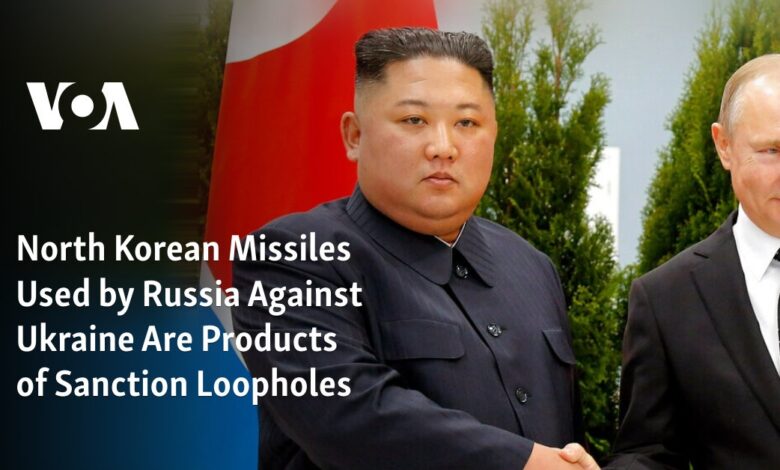
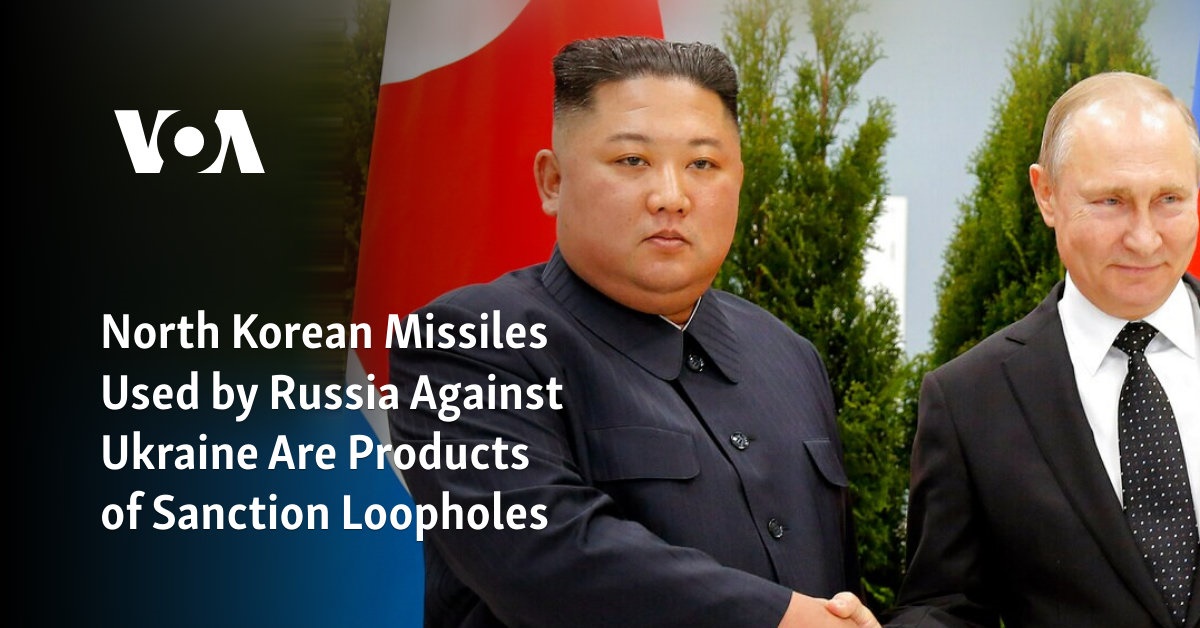
North Korea Russia missiles bank highlights a dangerous and worrying alliance. This cooperation between the two nations raises serious concerns about global security and regional stability. The potential for the exchange of advanced missile technology, coupled with stockpiling, could significantly alter the geopolitical landscape.
This article delves into the historical context of this relationship, examining past collaborations and potential motivations. It explores the types of missiles involved, the potential implications of a large missile bank, and the international responses to this concerning development. Furthermore, it analyzes the technological aspects of the collaboration, potential future scenarios, and case studies that illuminate the gravity of the situation.
North Korea-Russia Missile Cooperation
North Korea’s pursuit of advanced missile technology has been a long-standing concern for the international community. Its relationship with Russia, particularly in the realm of missile development, has intensified in recent years, raising questions about the potential for shared knowledge and the implications for regional security. This complex relationship necessitates a thorough examination of historical context, technological exchanges, and motivations behind the cooperation.The history of North Korea’s missile program reveals a consistent effort to develop its capabilities, often in defiance of international sanctions.
This development has been influenced by various factors, including access to foreign technology and expertise, as well as a desire to enhance its national security posture. Russia, with its own extensive missile program, has emerged as a significant player in this dynamic, particularly given its historical ties and strategic interests in the region.
Historical Overview of North Korea’s Missile Development and Relationships
North Korea’s missile program has evolved significantly since its inception. Early stages involved acquiring and adapting technology from other countries, notably the Soviet Union during the Cold War. This has laid a foundation for independent development, which has been further augmented by potential technological exchanges with Russia in recent years.
Types of Missiles Exchanged or Potentially Exchanged
North Korea and Russia have a history of exchanging or potentially exchanging missile technologies, though precise details are often classified. Technological similarities are evident in the design and construction of certain missile systems, although Russia’s missile technology generally remains significantly more advanced. Speculation centers on the potential transfer of Russian designs, components, or know-how, which may include solid-propellant rocket technology, guidance systems, and possibly even long-range ballistic missile designs.
Specific Instances of Cooperation
While concrete evidence of direct missile technology transfers is often elusive, instances of Russian assistance in training North Korean personnel in missile technology, joint exercises, and the sharing of technical data are not entirely out of the question. These collaborations, often shrouded in secrecy, remain a source of ongoing concern for regional stability.
Potential Motivations, North korea russia missiles bank
North Korea’s motivations are complex, encompassing a desire for enhanced military capabilities, a counterbalance to perceived threats, and a means to assert itself on the global stage. Russia’s motivations may involve strategic alliances, expanding its influence in the region, and potentially exploiting North Korea’s program for its own military gains.
Comparison of Key Missile Characteristics
| Characteristic | North Korean Missile | Russian Missile |
|---|---|---|
| Range (km) | Estimated range varies depending on the type of missile. Some models may have ranges under 1000 km, while others might exceed 2000 km. | Russian missiles exhibit a wide range of ranges, from shorter-range tactical missiles to intercontinental ballistic missiles (ICBMs) with ranges exceeding 10,000 km. |
| Payload (kg) | Payload capacity varies significantly based on the specific North Korean missile type. | Russian missiles have a wide range of payload capacities, tailored to different missions and targets. |
| Accuracy | Accuracy of North Korean missiles is subject to ongoing assessment and debate. Data on accuracy is often limited or not publicly available. | Russian missiles generally exhibit high accuracy, with advanced guidance systems enabling precise targeting. |
| Guidance System | North Korean missiles often use relatively basic guidance systems, although their design and development have been ongoing. | Russian missiles utilize advanced guidance systems, including inertial navigation, GPS, and other sophisticated technologies. |
| Solid Propellant Technology | Potential access to Russian expertise or components in this area is a concern, especially regarding the reliability and performance of solid-propellant rockets. | Russia possesses advanced solid-propellant rocket technology and expertise, playing a significant role in their missile programs. |
The Missile Bank
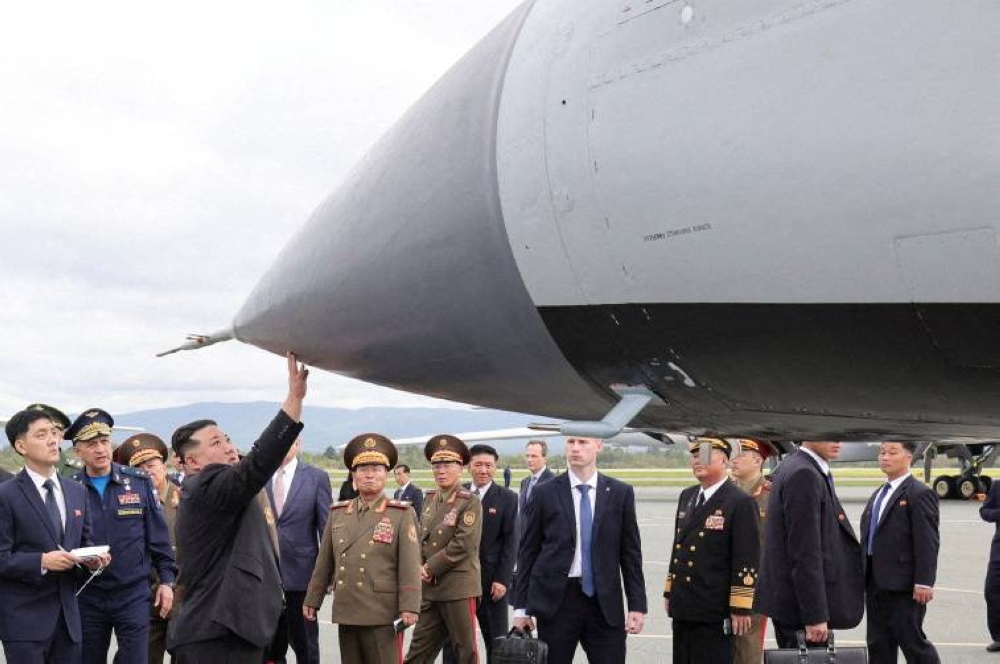
The recent reported cooperation between North Korea and Russia regarding missiles raises significant concerns about the potential for enhanced offensive capabilities. This collaboration necessitates a deeper understanding of the concept of a “missile bank,” particularly concerning the stockpiles and capacities of both nations. Analyzing their motivations and strategies behind missile accumulation is crucial for assessing the implications for regional and global security.The concept of a “missile bank” refers to the collective arsenal of missiles held by a nation.
This includes not only the number of missiles but also their types, ranges, and the associated infrastructure for maintenance, deployment, and production. A significant missile bank provides a nation with the capability to project power and deter potential adversaries, and also serves as a potent tool for political leverage. Understanding the size and composition of these arsenals is essential for evaluating the potential risks and implications of such cooperation.
North Korea’s Missile Stockpile
North Korea’s missile program has undergone rapid development in recent years. While precise figures on its missile stockpile remain largely classified, North Korea has demonstrated its ability to develop and deploy various types of ballistic missiles, including short-range, medium-range, and potentially intercontinental ballistic missiles (ICBMs). This development underscores its determination to bolster its strategic capabilities and enhance its defensive posture.
North Korea and Russia’s missile bank is a serious concern, with the potential for global instability. While these geopolitical tensions are worrisome, it’s fascinating to consider the artistry of jewelry, such as the exquisite Castellucci ring la monnaie , a testament to the beauty and craftsmanship that exists even amidst such global anxieties. The sheer scale of the missile arsenal, however, continues to raise serious questions about international security.
Limited public data suggests an expanding arsenal, but precise numbers and specifications remain elusive.
Russia’s Missile Stockpile
Russia possesses a vast and sophisticated arsenal of ballistic missiles, including intercontinental ballistic missiles (ICBMs), intermediate-range ballistic missiles (IRBMS), and cruise missiles. Russia’s existing stockpile is substantial, reflecting its status as a nuclear power and a significant military force. The precise numbers of deployed and stored missiles remain classified, but the sheer volume of its strategic arsenal is widely recognized.
Comparison of Missile Stockpiles
Direct comparisons of missile stockpiles are difficult due to the lack of publicly available data. While Russia’s overall military capacity is generally known, detailed breakdowns of specific missile types and numbers are often not released. Publicly available data regarding North Korea’s missile stockpile is even more limited. Assessing the exact size and capacity of either country’s missile bank necessitates further analysis.
Reasons Behind Missile Stockpiling
Nations stockpile missiles for a multitude of strategic reasons. These include deterrence against potential adversaries, projecting power, maintaining strategic dominance, and reinforcing political leverage. The perceived threats, both real and perceived, play a significant role in influencing stockpiling strategies.
Missile Deployment Scenarios
| Scenario | Target | Description |
|---|---|---|
| Short-Range | Neighboring countries | Used for localized deterrence and projecting power within a relatively limited radius. |
| Medium-Range | Regional adversaries | Designed for strikes against targets within a wider geographical area. |
| Long-Range | Global targets | Capable of reaching targets across continents, signifying a nation’s global reach. |
International Response and Concerns: North Korea Russia Missiles Bank
The burgeoning missile cooperation between North Korea and Russia has sparked widespread international concern and a variety of responses. This collaboration, particularly regarding the development and potential deployment of advanced weaponry, represents a significant escalation in regional tensions and a challenge to global security architecture. The potential for these weapons to fall into the wrong hands or be used in conflict raises serious implications.The cooperation between these two nations underscores the growing assertiveness of both, pushing the boundaries of international norms and raising critical questions about the future of regional stability.
The international community’s response is multifaceted, reflecting differing geopolitical priorities and national security interests. Different nations are reacting in different ways, based on their own security assessments and political relationships with North Korea and Russia.
International Reactions
The international community has reacted to the North Korea-Russia missile cooperation with a mix of condemnation, diplomatic efforts, and sanctions. The reactions vary based on each country’s specific national interests and existing relationships with both nations. Some nations are taking a firm stance, while others are adopting a more cautious approach, attempting to navigate the complex situation.
Concerns Raised by Other Nations
Several key concerns have emerged regarding the North Korea-Russia missile cooperation. A primary concern is the potential proliferation of advanced missile technologies, which could be transferred to other countries or non-state actors. This transfer would increase the risk of weaponization and conflict. Another concern revolves around the possibility of North Korea acquiring advanced technologies from Russia, which could significantly enhance its missile capabilities.
North Korea and Russia’s missile bank is a worrying development, but it’s also important to consider the broader geopolitical implications. This complex issue, alongside the upcoming US federal election and the ongoing legal proceedings surrounding Donald Trump, like the case detailed in whats next federal election case trump , raises serious questions about global stability. Ultimately, the North Korea-Russia missile situation remains a major concern, requiring careful international attention.
This would further destabilize the region and increase the threat to international peace and security. Moreover, the cooperation could embolden North Korea, leading to further provocative actions.
Potential Consequences for Global Security
The consequences of this cooperation for global security are far-reaching and potentially catastrophic. Increased missile capabilities in the hands of both North Korea and Russia, particularly if shared, could significantly alter the regional and global balance of power. This could lead to a heightened risk of miscalculation and conflict. The possibility of nuclear proliferation cannot be ruled out.
The development of advanced missile technologies could have severe implications for global stability and the safety of international relations.
Comparison of Country Reactions
Countries have responded to the situation with varying degrees of intensity. Some countries have adopted a more confrontational approach, including the imposition of sanctions and the condemnation of the collaboration in international forums. Others have chosen a more cautious approach, prioritizing diplomatic engagement and seeking avenues for dialogue. The United States, for example, has condemned the cooperation and threatened further sanctions.
The North Korean and Russian missile bank is a concerning development, highlighting the escalating arms race. It’s important to remember that these actions don’t exist in a vacuum. The Davine Joy Randolph Awards focus on celebrating achievements in diverse fields, and the underlying issues of global security, including the potential misuse of advanced weaponry, are a stark reminder of the need for international cooperation to address such escalating tensions.
The potential for conflict involving these missiles necessitates careful diplomacy and international efforts to prevent a dangerous escalation.
Other countries may take a more nuanced approach based on their own national interests and geopolitical relationships.
Diplomatic Efforts
Various nations are engaged in diplomatic efforts to address the North Korea-Russia missile cooperation.
| Country | Action | Outcome |
|---|---|---|
| United States | Imposed sanctions, issued condemnations | Mixed results, depending on the specific sanction and the country being targeted. |
| South Korea | Increased military preparedness, diplomatic pressure | Limited immediate impact on the cooperation. |
| Japan | Increased vigilance, cooperation with allies | Still in progress, results yet to be seen. |
| United Nations | Discussions and resolutions | Limited impact on the actions of North Korea and Russia. |
Potential Future Implications
The burgeoning North Korea-Russia missile cooperation presents a complex web of potential future implications, with ramifications extending far beyond the immediate region. This collaboration signifies a significant shift in the geopolitical landscape, demanding careful consideration of its potential impact on regional stability and global relations. The implications for the development and proliferation of advanced weaponry are particularly alarming.The intensified exchange of military technologies between North Korea and Russia could lead to a cascading effect, potentially influencing other nations to seek similar partnerships.
This could create a dangerous arms race, accelerating the proliferation of weapons of mass destruction. This dynamic poses a considerable threat to international security and the stability of the global order.
The North Korean and Russian missile bank is a worrying development, raising serious geopolitical concerns. It’s a complex issue with potential ramifications for global security. Meanwhile, the recent Costar Group Super Bowl ads costar group super bowl ads certainly grabbed attention, but the sheer scale of the North Korean-Russian missile buildup is a far more significant matter, and one that needs urgent international attention.
The global community needs to address this threat head-on, and soon.
Possible Future Scenarios
This cooperation could lead to several scenarios, including the development of joint missile systems, the transfer of sensitive missile technologies, and the potential for North Korea to gain access to more sophisticated Russian missile technology. North Korea, known for its unpredictable nature, could also leverage this partnership for further nuclear testing, escalating tensions in the region and globally.
Impact on Regional Stability
The North Korea-Russia missile cooperation has the potential to destabilize the already fragile regional security environment. The increased military capabilities of North Korea, bolstered by Russian support, could embolden the country to take more aggressive actions, potentially escalating existing conflicts or creating new ones. This could directly threaten the security of neighboring countries, leading to a domino effect of regional instability.
Threats to Other Countries
The enhanced missile capabilities developed through this cooperation pose a direct threat to the security of other countries. The expanded range and accuracy of North Korean missiles, possibly equipped with advanced Russian technology, could significantly increase the threat of missile attacks. This could lead to a renewed arms race, heightening global tensions and the risk of armed conflict.
The possibility of these missiles being used in regional conflicts or against targets outside the immediate region cannot be discounted.
Potential Military Strategies and Responses
Countries facing this threat will likely implement various military strategies and responses. These could include bolstering their own missile defense systems, increasing intelligence gathering efforts to track the development and deployment of new missile technologies, and strengthening alliances to counter the growing threat. Further, preemptive strikes or military intervention could be considered, but this would be a high-risk option with severe consequences.
Diplomacy and international pressure are also potential strategies, although their effectiveness remains uncertain.
International Responses
| Organization | Response | Justification |
|---|---|---|
| United Nations | Increased sanctions, Security Council resolutions condemning the cooperation, and strengthened international monitoring efforts. | The UN’s mandate includes maintaining international peace and security. Sanctions are a primary tool for deterring undesirable behavior. |
| NATO | Increased military exercises in the region, strengthened intelligence sharing with allies, and reinforced military deployments to deter potential aggression. | NATO’s core function is collective defense. Demonstrating a united front and increasing military readiness can discourage further escalation. |
| ASEAN | Diplomatic engagement with both North Korea and Russia, promoting dialogue and de-escalation, and supporting regional security initiatives. | ASEAN’s focus is on regional cooperation and stability. Promoting dialogue and finding peaceful solutions is crucial in this context. |
Illustrative Case Studies
Examining past instances of missile development collaborations offers valuable insights into the current North Korea-Russia dynamic. Understanding historical patterns can illuminate potential future trajectories, while highlighting the complexities of international relations in the face of emerging threats. These case studies will explore the motivations, outcomes, and key differences between past and present scenarios.
Examples of Past Missile Development Collaborations
Past instances of missile development collaborations, though often shrouded in secrecy, reveal a pattern of shared technological advancement. These collaborations, frequently driven by strategic interests or economic incentives, demonstrate how countries leverage shared expertise to enhance their military capabilities.
- Soviet Union and various Eastern Bloc nations: The Soviet Union, during the Cold War, fostered close relationships with its Eastern Bloc allies, facilitating the exchange of military technologies, including missile designs. This cooperation allowed for the proliferation of Soviet missile technology across the bloc, strengthening their collective military posture. The influence of this collaboration extended beyond the immediate participants, impacting the global strategic landscape during the Cold War.
North Korea and Russia’s missile bank is a serious concern, with implications for global security. While geopolitical tensions simmer, it’s interesting to consider how music can provide a momentary escape, like this curated playlist featuring SZA, Norah Jones, and AG Cook playlist sza norah jones ag cook. Ultimately, though, the complex issue of these missile arsenals remains a significant worry.
The Soviet Union’s role in supporting missile development in its allies was instrumental in shaping the military balance of power during the period.
- Former Soviet Republics and Russia: The dissolution of the Soviet Union led to a complex interplay between Russia and its successor states. Some republics retained access to Soviet-era missile technology and infrastructure. The transfer of this technology, often under specific agreements, affected the security dynamics in the region, creating both opportunities and challenges for maintaining stability. The complexities of these post-Soviet transfers highlight the delicate balance between technological sharing, regional security, and national interests.
- China and Pakistan: The Chinese-Pakistani relationship demonstrates a different model of missile cooperation, often characterized by a more subtle and long-term exchange. These collaborations are driven by a confluence of factors, including strategic considerations, economic ties, and the desire for mutual technological enhancement. The influence of this collaboration is felt in the broader regional context, influencing strategic dynamics in South Asia and beyond.
The outcomes of these exchanges frequently involve a combination of benefits and risks for both parties.
Factors Driving Past Collaborations
Several factors typically motivate countries to engage in missile development collaborations. These factors often overlap and influence each other.
- Strategic Considerations: The pursuit of a more balanced or enhanced military posture, often in response to perceived threats or to gain a strategic advantage, is a key driver. The strategic goals of each participating nation frequently shape the terms and nature of the collaboration.
- Economic Incentives: The potential for economic benefits, such as technology transfer, joint ventures, and access to new markets, often plays a significant role in driving collaborations. The financial implications of these collaborations are frequently a significant consideration for both participating nations.
- Political Alliances: Existing political alliances or emerging partnerships can facilitate the exchange of military technologies and knowledge. The alignment of political interests and objectives plays a critical role in determining the scope and nature of the cooperation.
Key Differences between Current and Past Collaborations
While the motivations behind missile development collaborations remain similar, the current situation presents distinct characteristics. The current geopolitical context, including heightened tensions and a more complex web of international relationships, distinguishes it from past collaborations. This includes the unique aspects of North Korea’s and Russia’s relationship and the potential for global consequences.
“The current collaboration between North Korea and Russia differs significantly from past instances due to the unique geopolitical context, involving heightened tensions and a complex web of international relationships. This includes the unique nature of the North Korean-Russian relationship and the potential for global consequences.”
Technological Aspects
The intricate dance of missile development involves a complex interplay of technological advancements and geopolitical considerations. North Korea and Russia’s collaboration in this arena raises critical questions about the transfer of knowledge and the potential implications for global security. Understanding the technological facets of this cooperation is crucial to assessing the evolving threat landscape.The relentless pursuit of more advanced missile technology often involves the fusion of existing knowledge with innovative design principles.
This process is not simply about incremental improvements; it frequently entails breakthroughs in propulsion systems, guidance systems, and warhead designs. The potential for combined expertise and resources between North Korea and Russia underscores the urgency of analyzing these developments.
Advancements in Missile Design and Development
Modern missile designs leverage sophisticated materials and technologies to enhance performance. Composite materials are increasingly used to reduce weight and improve structural integrity. Advanced guidance systems, employing inertial navigation and GPS, allow for precise targeting and increased accuracy. These advancements are further propelled by developments in miniaturization, enabling smaller, more maneuverable missiles. Furthermore, the integration of hypersonic technologies promises to revolutionize missile capabilities.
Transfer of Technologies Between North Korea and Russia
North Korea, despite its relative isolation, has demonstrated a surprising aptitude for acquiring and adapting technologies. This adaptability is critical to its missile program. Russia, with its extensive experience in missile development and production, may be a key partner in this process. The transfer of technologies could involve the exchange of blueprints, components, or even the training of North Korean personnel.
This transfer could take place overtly or covertly.
Limitations and Challenges in the Transfer
Despite the potential benefits, significant limitations and challenges hinder the transfer of missile technology. These limitations include the difficulty in safeguarding sensitive technological information, the need for specialized expertise, and the possibility of technological mismatches. Moreover, international sanctions and geopolitical pressures can greatly impede the smooth execution of such transfers. The risk of technological leakage to other countries further complicates the picture.
Importance of Specific Technological Aspects in Missile Development
The development of reliable propulsion systems is paramount. Stronger and more efficient engines enable longer ranges and higher speeds. Similarly, advanced guidance systems enhance accuracy and increase the effectiveness of missile attacks. Advanced warheads and their delivery systems, coupled with precise targeting, can significantly impact military operations. These specific aspects, when combined, lead to improved missile performance.
Illustrative Examples of Missile Types
| Missile Type | Features | Range |
|---|---|---|
| R-27R | Air-to-air missile, advanced guidance | 100+ km |
| KN-23 | North Korean intermediate-range ballistic missile | 3000 km |
| R-300P | Russian medium-range ballistic missile | 2000+ km |
| KN-08 | North Korean short-range ballistic missile | 1000+ km |
Note: Ranges are approximate and can vary depending on the specific configuration and launch conditions. Data is sourced from publicly available information.
Closing Notes
In conclusion, the North Korea Russia missiles bank represents a significant threat to global security. The potential for proliferation of advanced missile technology, combined with the stockpiling of these weapons, could destabilize the region and have far-reaching consequences. International cooperation and robust diplomatic efforts are crucial to mitigate the risks associated with this concerning alliance.
Key Questions Answered
What are the potential motivations behind North Korea’s missile development?
North Korea’s motivations for developing missiles are multifaceted, including a desire for regional influence, deterring potential adversaries, and enhancing its perceived power on the world stage. It’s also a means of bolstering their domestic political standing.
What are the key technological similarities and differences between North Korean and Russian missiles?
While details are often limited and classified, some similarities might exist in design principles. However, Russian missiles likely represent a more advanced stage of technological development, with greater range and sophistication in their systems.
What are some examples of past missile development collaborations?
Numerous historical instances exist, although specifics are often obscured. Examining these cases helps to understand the motivations and outcomes of such collaborations, providing valuable insights into the current situation.
How does this cooperation compare to past collaborations?
The current situation differs from past collaborations in the heightened geopolitical tension and the potential for a larger-scale exchange of more advanced missile technology. The involvement of Russia adds another layer of complexity.