

SEIU Union Mary Kay Henrys Impact
SEIU Union Mary Kay Henry leads a powerful force in labor advocacy. Her tenure as president has reshaped the union’s approach to critical issues, driving significant change within various sectors.
This exploration delves into the history and structure of the Service Employees International Union (SEIU), focusing on Mary Kay Henry’s leadership, her impact on different sectors, and the evolving relationship between the union and employers. We’ll also examine the public perception of the SEIU, current challenges, and its key positions on crucial issues.
SEIU Union Overview
The Service Employees International Union (SEIU) is a powerful labor union advocating for the rights and improved working conditions of various service and healthcare workers. Its mission is deeply rooted in social justice, aiming to create a more equitable and just society for all. The union’s impact extends far beyond the immediate workplace, influencing broader policy discussions and shaping the landscape of labor relations.The SEIU’s history reflects a commitment to progressive change.
Emerging from a period of significant labor unrest and social activism, the union has evolved into a multifaceted organization, responding to the ever-changing needs of its members and the broader labor movement. Its core principles remain consistent, emphasizing worker empowerment, collective bargaining, and social justice.
History and Evolution
The SEIU’s origins can be traced back to the early 20th century, with the union consolidating various service employee organizations. Key events and milestones throughout its history significantly shaped the union’s present form and future direction. The union’s development reflects a commitment to adapting to the changing economic landscape and evolving worker needs. The union’s strategic approach to organizing and negotiating has been a significant factor in its growth and influence.
Structure and Organization
The SEIU’s structure is hierarchical, comprised of local chapters and national departments. This decentralized approach allows for a strong local presence, responding effectively to the unique needs of various communities. The national office provides support and resources to the local chapters, facilitating collaboration and shared strategies. This intricate network ensures that the union can effectively represent the diverse interests of its members across the nation.
Local Chapters and Departments
The SEIU is composed of numerous local chapters, each representing a specific geographical area or industry sector. These chapters are responsible for organizing members, negotiating contracts, and providing essential services to their constituents. The union’s departments, such as those focused on healthcare, education, or public sector workers, further refine the organization’s ability to cater to specific needs and address particular industry challenges.
The strength of the union lies in its ability to connect local action with national strategies.
Key Initiatives and Data
| Union Name | Region | Year Founded | Key Initiatives |
|---|---|---|---|
| SEIU Local 1 | California | 1932 | Improved wages and benefits for janitorial staff; advocacy for fair labor practices |
| SEIU Local 2 | New York | 1935 | Increased healthcare coverage for home care workers; community outreach programs |
| SEIU Local 3 | Illinois | 1940 | Negotiating contracts with state government; advocating for fair wages and job security |
| SEIU Healthcare | National | 2000s | Advocacy for affordable healthcare; improved patient care and safety; promoting workplace diversity and inclusion |
| SEIU Public Service | National | 1990s | Negotiating contracts with state and local governments; advocating for public sector workers’ rights; advocating for improved public services |
Mary Kay Henry Leadership

Mary Kay Henry’s leadership within the Service Employees International Union (SEIU) has been marked by a powerful blend of experience, advocacy, and a deep commitment to workers’ rights. Her career trajectory has consistently demonstrated a dedication to empowering marginalized communities and advocating for social and economic justice. Her tenure as president has brought significant policy changes and impactful actions to the forefront of the union’s agenda.Her background has provided a strong foundation for her leadership style, emphasizing collaboration, strategic planning, and a deep understanding of the needs of working-class Americans.
This understanding, combined with her experience navigating complex political landscapes, has been instrumental in shaping her approach to union activism.
SEIU union president Mary Kay Henry is a powerful voice in labor advocacy. Her recent work has garnered significant attention, but her influence extends beyond the headlines. Interestingly, some have drawn parallels between her strategic approach and the innovative marketing strategies seen in Costar Group’s Super Bowl ads, costar group super bowl ads. Ultimately, Mary Kay Henry’s leadership continues to shape the landscape of labor relations.
Background and Career Trajectory
Mary Kay Henry’s career began in the service sector, providing her with firsthand knowledge of the challenges and triumphs faced by working people. Her early experiences likely instilled a strong sense of empathy and a determination to improve the lives of those she represented. This early understanding of the realities of labor and the need for collective bargaining likely laid the groundwork for her later career trajectory and activism.
Subsequent roles in various union capacities and her increasing involvement in SEIU activities likely fostered her leadership skills and honed her strategic thinking. These roles also exposed her to the intricacies of labor negotiations, union strategy, and the nuances of the political environment, which contributed significantly to her leadership style.
Mary Kay Henry, the SEIU leader, is always on the front lines of worker rights. Recently, her union has been involved in some crucial discussions about New York’s new laws regarding credit surcharges, specifically ny law credit surcharges. These new rules are definitely shaping the landscape of financial services, and Henry’s SEIU is sure to continue advocating for fair treatment of workers in the face of these changes.
Role as President of the SEIU
As president of the SEIU, Mary Kay Henry has become a prominent voice for workers’ rights. Her role encompasses overseeing the union’s operations, negotiating contracts, and leading advocacy efforts on behalf of its members. She has been a key figure in shaping the SEIU’s agenda and directing its activities. This includes not only internal union affairs but also external political engagement and advocacy.
Policy Positions and Advocacy Efforts
Mary Kay Henry is a staunch advocate for policies that benefit working families. Her key policy positions include:
- Strengthening collective bargaining rights: This involves ensuring workers have the ability to organize and bargain collectively for fair wages, safe working conditions, and job security.
- Expanding access to affordable healthcare: This includes advocating for policies that reduce the cost of healthcare for working families and provide access to quality care.
- Raising the minimum wage: This involves advocating for policies that increase the minimum wage to a living wage, ensuring that workers can afford basic necessities.
- Promoting workers’ rights: This includes advocating for fair treatment and legal protections for all workers, including those in precarious or low-wage positions.
These positions are deeply rooted in the belief that workers deserve fair treatment and a voice in the workplace. She has been instrumental in driving these policies and initiatives within the SEIU and beyond.
Significant Decisions and Actions
Mary Kay Henry has overseen significant decisions and actions during her presidency, including:
- Leading successful contract negotiations: These negotiations have resulted in improved wages, benefits, and working conditions for SEIU members across various sectors.
- Implementing innovative strategies for union organizing and mobilization: These strategies have been critical in expanding the union’s reach and influence.
- Engaging in political advocacy: This includes lobbying for legislation that supports workers’ rights and advocating for the needs of working-class families in the political arena.
These actions have had a tangible impact on the lives of countless workers and have helped to advance the cause of labor rights.
Key Policy Positions
| Policy Position | Specific Details | Relevant Dates |
|---|---|---|
| Raising the minimum wage | Advocating for a significant increase in the federal minimum wage, ensuring it meets the cost of living and provides a fair wage for workers. | 2018-present |
| Strengthening collective bargaining rights | Promoting legislation and policies that bolster the rights of workers to organize and collectively bargain, ensuring fair wages, safe working conditions, and job security. | 2018-present |
| Expanding access to affordable healthcare | Advocating for policies that reduce healthcare costs and ensure access to quality care for working families. | 2018-present |
| Promoting workers’ rights | Championing policies that guarantee fair treatment and legal protections for all workers, including those in precarious or low-wage positions. | 2018-present |
SEIU’s Impact and Influence
The Service Employees International Union (SEIU) is a powerful force in the labor movement, advocating for the rights and well-being of workers across diverse sectors. Its influence extends beyond collective bargaining, encompassing social and political activism. This analysis delves into the SEIU’s impact on various sectors, highlighting its achievements, challenges, and role in shaping labor relations and social change.The SEIU’s impact is substantial, demonstrating a commitment to improving working conditions and raising standards for workers in crucial sectors like healthcare, education, and public services.
Through collective bargaining, the SEIU has achieved tangible results in wages, benefits, and overall working conditions, benefiting millions of workers and their families.
Impact on Healthcare
The SEIU’s presence in the healthcare sector is significant. Their collective bargaining efforts have often focused on issues such as fair wages, affordable healthcare for workers, and improved patient care. By organizing and negotiating with healthcare providers, the SEIU has played a vital role in shaping the working conditions for nurses, home healthcare aides, and other essential personnel.
Improved wages and benefits directly correlate with higher quality of care, as well as increased job satisfaction, which can positively affect worker retention and overall healthcare delivery.
Impact on Education
SEIU’s influence on education encompasses a wide range of roles, from support staff to teachers. Their organizing efforts have focused on securing fair wages, benefits, and working conditions for educational support personnel, which directly impacts the quality of education provided to students. The union’s campaigns have brought attention to issues such as workload, lack of resources, and the need for better training.
The impact extends to improved school environments, enhanced support for students, and greater job satisfaction for staff.
Impact on Public Services
The SEIU’s influence in public services is extensive, covering a multitude of roles from transportation workers to social workers. Through organizing and negotiating, the SEIU advocates for fair compensation, job security, and better working conditions. This often leads to improved services for the public, as well as increased job satisfaction among workers. Their involvement in issues such as retirement security, healthcare access, and safety standards contributes to a more efficient and responsive public service system.
Key Achievements and Challenges
The SEIU has achieved considerable success in raising awareness of critical labor issues and securing improvements in wages, benefits, and working conditions for its members. However, challenges persist, including maintaining union membership, navigating evolving economic landscapes, and adapting to technological advancements. Their efforts to address these challenges often involve innovative strategies and collaborations with other organizations.
Data Demonstrating Influence, Seiu union mary kay henry
Unfortunately, specific, quantifiable data illustrating the SEIU’s influence on wages, benefits, and working conditions for all sectors is not readily available in a single, consolidated source. While individual case studies and reports may exist, there isn’t a central repository of comprehensive data. Further research would be needed to gather such details.
SEIU’s Role in Social and Political Movements
The SEIU has actively participated in various social and political movements, often advocating for policies that support workers’ rights and improve social justice. The union’s involvement in these movements has strengthened its position as a significant voice in public discourse and policy-making. Their efforts have brought about important changes in labor laws and regulations, as well as heightened public awareness of critical issues.
| Sector | Impact on Wages | Impact on Benefits | Impact on Working Conditions |
|---|---|---|---|
| Healthcare | Improved wages for healthcare workers, potentially leading to better pay scales and higher salaries. | Increased access to healthcare benefits for workers and improved coverage. | Improved working hours, safer environments, and enhanced training programs for healthcare personnel. |
| Education | Increased wages and improved pay scales for educational support staff. | Enhanced benefits packages for support staff, potentially including better retirement plans and healthcare. | Reduced workloads, improved resources, and better support for staff in their roles. |
| Public Services | Improved wages and salaries for public service workers. | Improved benefits packages for public service workers, including healthcare and retirement plans. | Enhanced job security, improved working conditions, and better safety measures for public service workers. |
Union-Management Relations
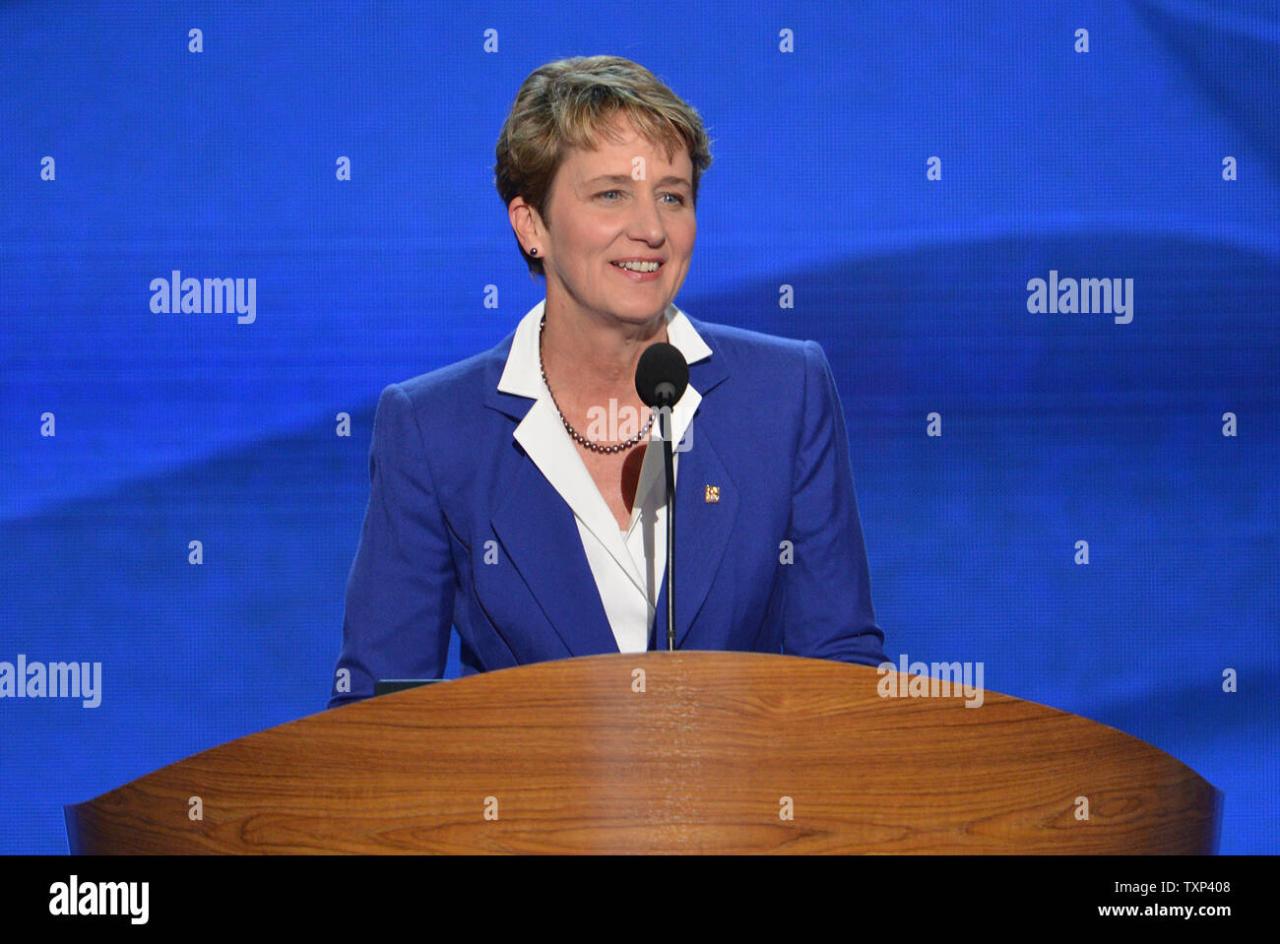
The relationship between labor unions and employers is a complex dynamic, often characterized by negotiation, compromise, and occasional conflict. Understanding this dynamic is crucial for appreciating the role of unions like SEIU in advocating for workers’ rights and improving working conditions. This section delves into the SEIU’s approach to union-management relations, examining their strategies, successes, and the challenges they face in various sectors.
SEIU’s Approach to Employer Relations Across Sectors
The SEIU, a diverse union representing a broad range of workers, adopts varying approaches to employer relations depending on the specific industry and the employer’s stance. For instance, their approach to negotiations with a large, publicly traded corporation will differ significantly from their engagement with a small, privately owned business. The union’s strategy often considers the employer’s financial resources, size, and overall corporate culture.
This adaptable approach allows the SEIU to tailor their negotiation tactics to maximize the likelihood of a favorable outcome for their members.
Negotiation Strategies Employed by the SEIU
The SEIU employs a multifaceted approach to negotiations, often combining legal strategies, public pressure, and internal union mobilization. Their negotiation strategies are typically rooted in a desire to secure fair wages, benefits, and safe working conditions for their members. This approach frequently includes collective bargaining, mediation, and arbitration when necessary. A key element is building strong relationships with their members, empowering them to be active participants in the negotiation process.
Successful Negotiation Outcomes
The SEIU has achieved numerous successful outcomes in labor disputes and negotiations over the years. These victories often result in improved wages, benefits, and working conditions for the union’s members. A critical aspect of these successes is the SEIU’s ability to effectively leverage the collective power of their membership. These victories demonstrate the potential for unions to effect positive change in the workplace.
Table of Negotiation Outcomes
| Sector | Employer Type | Negotiation Strategies | Outcomes |
|---|---|---|---|
| Healthcare | Large hospital system | Collective bargaining, public pressure campaigns, legal action | Improved wages, benefits, and patient safety protocols |
| Education | Public school district | Negotiations with school board, community outreach, teacher involvement | Increased teacher salaries, improved classroom resources, enhanced teacher training |
| Public Sector | Local government agency | Collective bargaining, advocating for fair compensation, legal representation | Improved retirement benefits, job security, better working conditions |
| Retail | Large chain retailer | Strikes, boycotts, community support, legal representation | Improved wages, benefits, and working conditions |
Public Perception of the SEIU: Seiu Union Mary Kay Henry

Public perception of the SEIU, like any large labor union, is complex and multifaceted. It’s shaped by a variety of factors, including media portrayals, public opinion on specific issues, and the union’s own communication strategies. Understanding this perception is crucial for effective advocacy and relationship-building.The SEIU’s image is often tied to its advocacy for workers’ rights and its efforts to improve wages and working conditions.
However, this image can be influenced by negative press, especially when the union is involved in high-profile labor disputes or strikes. Public opinion is often swayed by narratives presented in the media, which can vary depending on the specific angle of the coverage.
Summary of Public Perception
The public perception of the SEIU is varied and often depends on the specific issue at hand. Some view the union positively for its role in advocating for better wages and working conditions for various sectors of the workforce. Others hold a more negative perspective, potentially due to concerns about the impact of union actions on businesses or the economy.
Examples of Media Coverage
Media coverage of the SEIU frequently involves reports on labor negotiations, strikes, and activism related to specific industries. For instance, coverage of the union’s involvement in contract negotiations for healthcare workers can often feature both positive and negative perspectives. The tone and emphasis of this coverage significantly impact public perception.
Public Opinion on SEIU Actions and Policies
Public opinion on the SEIU’s actions and policies is frequently polarized. Supporters often highlight the union’s role in securing improved benefits and fair treatment for workers. Conversely, critics might express concerns about potential disruptions to businesses or the perceived cost of union contracts. The specifics of the issue at hand, such as the particular industry or policy, tend to influence public sentiment.
Factors Contributing to the Public Image
Several factors contribute to the SEIU’s public image. These include the union’s advocacy efforts, media portrayals, the specific industries it represents, and the outcomes of negotiations and strikes. The union’s communication strategies and the way it presents its arguments to the public are also important. Furthermore, public perception can be influenced by the general political climate and economic conditions.
Comparison of Public Perception Across Demographics
| Demographic | Potential Positive Perception | Potential Negative Perception | Factors Influencing Perception |
|---|---|---|---|
| Working-class individuals | Strong support for workers’ rights and improved conditions. | Concerns about potential job losses or economic impacts. | Personal experiences with employment and economic security. |
| Business owners/managers | Recognition of the union’s role in representing workers. | Concerns about the potential costs of union contracts and labor disputes. | Impact on business operations and profitability. |
| Politically active individuals | Alignment with progressive values and social justice. | Concerns about union tactics or perceived political influence. | Political ideology and engagement with social issues. |
| General public | Awareness of the union’s role in advocating for workers. | Exposure to media portrayals and specific events. | Exposure to various sources of information. |
Current Issues Facing the SEIU
The Service Employees International Union (SEIU) navigates a complex landscape of evolving challenges and opportunities. From legislative battles to internal dynamics and public perception, the union faces a multifaceted array of issues that demand careful consideration and strategic responses. Understanding these current issues is crucial to appreciating the union’s role in the broader social and economic context.The SEIU, a powerful force in the labor movement, faces a range of challenges that affect its members and its ability to advance its goals.
These challenges include adapting to changing workforce demographics, navigating the complexities of the gig economy, and addressing the ever-evolving demands of the modern workplace. The union’s success in addressing these issues will significantly impact its future influence and ability to improve the lives of its members.
Legislative Issues
Legislative efforts impacting workers’ rights and labor unions are significant factors in the SEIU’s current environment. These legislative issues directly affect the union’s ability to advocate for its members and maintain its influence. For example, recent legislative changes regarding labor organizing and collective bargaining have presented challenges and opportunities for the SEIU. Varying levels of support for worker protections and unionization efforts across different states and regions further complicate the landscape.
Current Controversies and Disputes
The SEIU, like any large organization, has been involved in controversies and disputes. These situations, often arising from internal disagreements or external conflicts, can significantly affect the union’s reputation and effectiveness. Examples include disputes over contract negotiations, internal union governance issues, and public perception regarding certain actions taken by the union. The resolution of these disputes impacts the morale and confidence of union members and the overall stability of the organization.
Emerging Trends and Future Challenges
Several emerging trends will significantly impact the SEIU in the coming years. The increasing prevalence of the gig economy, the growth of the healthcare industry, and the shifting demographics of the workforce will influence the union’s strategies and priorities. The rise of automation and AI poses new challenges to the types of jobs represented by the SEIU, requiring the union to adapt and re-skill its members for future employment opportunities.
The union will need to address the changing needs of a diverse workforce to ensure ongoing relevance.
Mary Kay Henry, head of the SEIU union, is always focused on worker rights. Considering the current economic climate, especially the housing market near NYC, housing market near nyc is a significant factor impacting many of her union’s members. Her focus on fair wages and affordable housing remains a top priority for the SEIU.
Potential Future Trends
Several factors suggest potential future trends. The increasing demand for affordable healthcare, the growing need for skilled workers in various sectors, and the rising cost of living will likely continue to influence the SEIU’s priorities. The union will need to adapt its strategies to address these evolving needs and demands. A focus on issues like healthcare access, fair wages, and job security will likely remain central to the SEIU’s future efforts.
Impact of the Gig Economy
The gig economy’s rapid expansion presents unique challenges. Traditional employment models are being challenged by the rise of independent contractors and freelancers. The SEIU needs to adapt its strategies to represent and advocate for workers in this new economy. This includes developing new ways to organize and bargain for fair wages, benefits, and working conditions for gig workers.
SEIU Union President Mary Kay Henry is a powerful figure, but recent controversies surrounding “read like wind recommendations” are drawing attention away from her leadership. This recent scandal, involving allegations of questionable practices, is raising eyebrows and prompting a deeper look at the inner workings of the union. It’s a fascinating contrast to the significant work done by SEIU and Mary Kay Henry in advocating for workers’ rights, and how these events might impact the future of the union.
read like wind recommendations scandal is definitely worth a look if you’re interested in the details.
The SEIU’s ability to successfully engage with this evolving workforce will be critical for maintaining its influence and relevance.
SEIU’s Position on Key Issues
The Service Employees International Union (SEIU) is a powerful voice for workers across diverse sectors. Their positions on critical issues like healthcare, wages, and worker protections reflect a commitment to improving the lives of their members and advocating for a more equitable society. This section details the SEIU’s stances on these vital topics, providing context and examples of their advocacy.
Healthcare
The SEIU strongly advocates for universal healthcare access and affordable, quality healthcare for all. They recognize that healthcare is a fundamental human right and a critical component of a healthy society. This position is rooted in the belief that everyone deserves access to preventative care and timely treatment, regardless of their socioeconomic status or employment.
- The SEIU actively campaigns for policies that expand access to affordable healthcare, including expanding Medicaid, strengthening the Affordable Care Act (ACA), and exploring alternative models like single-payer systems.
- They believe that employer-sponsored healthcare plans should be accessible and affordable for workers. They actively negotiate for better healthcare benefits as part of collective bargaining agreements.
- The SEIU has fought for and achieved improved healthcare coverage for their members in various sectors, demonstrating the impact of their advocacy.
Wages and Compensation
The SEIU is committed to fair wages and compensation for its members, recognizing that fair pay is essential for a decent standard of living. Their rationale stems from the understanding that a fair wage ensures workers can meet basic needs and participate fully in society. They understand that wages must be adjusted to keep pace with inflation and the cost of living.
- The SEIU consistently advocates for higher minimum wages and fair compensation in all sectors. They argue that a living wage is necessary to support families and contribute to a thriving economy.
- They actively negotiate for wage increases and improved benefits in collective bargaining agreements, aiming to close the wage gap and ensure equitable compensation for all workers.
- The SEIU’s focus on wages is a cornerstone of their efforts to improve the lives of their members and reduce economic inequality.
Worker Protections
The SEIU prioritizes worker protections, advocating for policies that ensure safe working conditions, fair labor practices, and the right to organize. They recognize that these protections are essential for preventing workplace hazards and fostering a safe and productive work environment.
- The SEIU actively campaigns for stronger worker safety regulations and enforcement mechanisms, aiming to prevent workplace injuries and illnesses. They support laws that protect workers from discrimination and harassment.
- They advocate for the right to organize and bargain collectively, recognizing that collective bargaining empowers workers and leads to better wages, benefits, and working conditions.
- The SEIU has played a crucial role in advocating for and achieving improved worker protections for its members, highlighting the power of collective action in achieving these goals.
SEIU Position on Legislation and Policies
The SEIU’s position on relevant legislation and policies is consistently aligned with their commitment to workers’ rights and fair treatment. Their advocacy is driven by the belief that fair and just laws are necessary for a thriving society.
| Issue | SEIU Position | Rationale | Examples |
|---|---|---|---|
| Affordable Care Act (ACA) | Support | Expands access to healthcare and affordability. | Advocating for ACA expansion and protection from rollback. |
| Minimum Wage | Increase | Ensures a living wage for workers. | Advocating for state and federal minimum wage increases. |
| Workplace Safety | Strengthen | Protects workers from hazards and injuries. | Advocating for stronger OSHA regulations and enforcement. |
SEIU and Social Justice Movements
The Service Employees International Union (SEIU) has a long and impactful history of involvement in social justice movements. Their commitment to advocating for the rights and well-being of workers extends far beyond collective bargaining; it encompasses a broader vision of social and economic justice for all. This commitment is deeply rooted in the union’s values and is central to its strategic approach.The SEIU’s involvement isn’t simply about improving the wages and benefits of its members.
It’s about creating systemic change that addresses the root causes of inequality and injustice. This approach often involves collaborating with other social justice organizations and advocating for policies that benefit marginalized communities. This approach has been instrumental in shaping the political landscape and driving important social progress.
SEIU’s Advocacy for Social and Economic Justice
The SEIU consistently advocates for policies that advance social and economic justice. Their campaigns often focus on issues such as affordable healthcare, fair wages, and safe working conditions, impacting not just their members but also broader communities. These campaigns frequently leverage grassroots organizing and community outreach to build public support and influence policy decisions.
Mary Kay Henry, head of the SEIU union, is a powerful figure in labor advocacy. Her work reminds me a lot of the creative energy and dedication seen in Keith McNally’s and Balthazar’s past filmmaking endeavors, as explored in this fascinating piece about Keith McNally and Balthazar’s filmmaking past. Ultimately, Henry’s leadership style echoes a similar commitment to pushing boundaries and achieving impactful change, much like a well-crafted film.
SEIU’s Alliances with Other Organizations
The SEIU actively partners with various organizations to amplify their voices and impact. These collaborations extend beyond traditional labor unions, encompassing community groups, advocacy organizations, and social justice movements. This strategic approach allows the SEIU to leverage the expertise and resources of diverse partners to achieve a wider range of goals.
- The SEIU often collaborates with community organizations to address issues like affordable housing, access to healthcare, and education reform. These collaborative efforts are designed to create a positive impact on a broader segment of society, not just SEIU members.
- Partnerships with racial justice groups and immigrant rights advocates are common, reflecting the SEIU’s commitment to fighting systemic inequalities and advocating for fair treatment for all.
- These alliances allow the SEIU to expand its reach and influence, leveraging the combined strength of diverse organizations to achieve a more substantial impact on social and economic justice issues.
Examples of SEIU’s Community Outreach Initiatives
The SEIU has implemented numerous community outreach initiatives to foster engagement and build support for their advocacy efforts. These initiatives often involve educational workshops, community forums, and public awareness campaigns. They are designed to inform the public about the issues they are working on and to encourage broader participation.
- Organizing voter registration drives to empower communities and increase participation in the democratic process is a common outreach initiative. This fosters a sense of civic engagement and strengthens the collective voice of marginalized groups.
- The SEIU often collaborates with local community groups to organize protests and rallies to raise awareness about social injustices and advocate for policy changes.
- Educational workshops focused on financial literacy and job training are frequently offered, aiming to equip community members with the tools to improve their economic well-being.
SEIU’s Partnerships with Social Justice Organizations
The SEIU’s collaborations with social justice organizations often focus on specific issues and goals. These partnerships are crucial for leveraging resources, expertise, and shared goals to achieve greater impact.
| Partner Organization | Area of Focus | Impact |
|---|---|---|
| National Domestic Workers Alliance | Fair wages and working conditions for domestic workers | Increased awareness and advocacy for the rights of domestic workers, leading to policy changes and improved protections. |
| ACLU (American Civil Liberties Union) | Civil rights and liberties | Collaboration on issues related to workers’ rights and freedoms, creating a broader impact on the overall human rights landscape. |
| National Nurses United | Improving working conditions and patient care for nurses | Joint advocacy efforts to address issues impacting nurses’ well-being and patient safety. |
Closing Notes
In conclusion, the SEIU under Mary Kay Henry’s leadership has demonstrably influenced labor movements and social justice efforts. While challenges remain, the union’s commitment to its members and broader social causes positions it for continued success. Her impact extends beyond the negotiating table, shaping public discourse and inspiring future generations of activists.
FAQ Section
What are some key achievements of the SEIU under Mary Kay Henry’s leadership?
Specific achievements depend on the sector and the time period, but examples include increased wages and benefits for members, successful contract negotiations, and policy advocacy for workers’ rights.
What is the SEIU’s stance on healthcare?
The SEIU generally advocates for accessible and affordable healthcare for all workers, including those in various sectors. They often support policies that expand coverage and lower costs.
How does the SEIU’s approach to negotiations differ across various employers?
The SEIU adapts its strategies based on the specific employer and sector, taking into account factors such as the employer’s size, industry, and negotiation history. Their strategies are tailored to achieve the best possible outcomes for their members.
What is the SEIU’s position on immigration reform?
The SEIU’s stance on immigration reform often aligns with broader social justice goals, advocating for policies that protect workers’ rights regardless of immigration status.