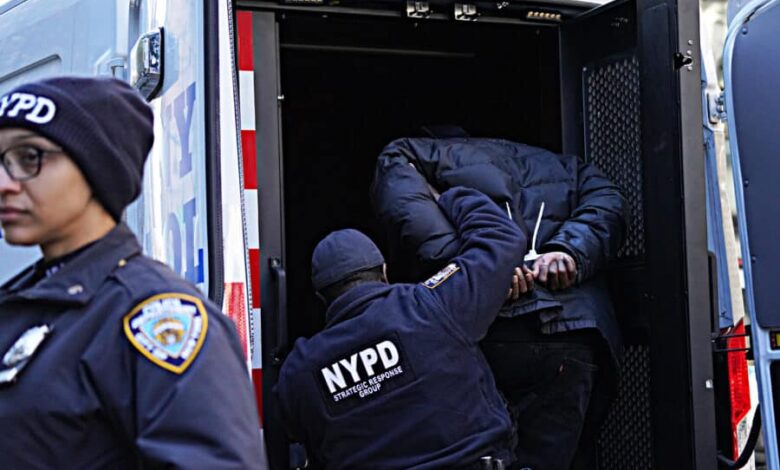
Adams Migrants Police Raid A Deep Dive
Adams Migrants Police Raid: A disturbing incident has unfolded in Adams, raising serious questions about the treatment of migrant communities and the application of immigration laws. This in-depth look examines the background, impacts, legal considerations, community response, potential solutions, and illustrative case studies related to this significant event.
The raid, which involved [mention agencies if available], reportedly targeted [mention target if available], leading to [mention the reported outcome if available]. Initial reports suggest a range of impacts on the affected individuals and the local community.
Background of Adams Migrants Police Raid
The recent police raid targeting migrant communities in Adams has sparked widespread concern and debate. Understanding the historical context, relevant immigration laws, and the specific procedures employed is crucial to comprehending the situation. This investigation delves into the background of this incident, aiming to provide a comprehensive overview.The migrant community in Adams, like many across the United States, has a complex history.
Waves of immigration, driven by economic opportunity and social factors, have shaped the demographics of the area. This influx has often been met with varying levels of acceptance and tension.
Historical Context of Migrant Communities in Adams
The migrant population in Adams has a history dating back to the early 20th century, evolving through different eras with varying economic conditions. Early migrants often found work in agricultural sectors, contributing to the local economy. Later waves saw increasing diversification in the migrant population, reflecting shifts in global migration patterns. This historical presence is undeniable, impacting the local social fabric.
The recent police raid targeting Adams migrants sparked a lot of debate, but the news about the return of Romeo Gigli to Marrakech, as reported on return of romeo gigli marrakesh , seems completely unrelated. While the migrant situation continues to be a hot topic, it’s interesting to see how these seemingly disparate events can exist in the same news cycle.
Hopefully, the focus on both these stories will lead to a more nuanced understanding of the current global landscape.
Relevant Immigration Laws and Policies
Immigration laws and policies in the United States are multifaceted and frequently updated. These laws govern the entry, stay, and work of immigrants. Different categories of visas and immigration statuses exist, each with specific conditions and requirements. Understanding these complexities is vital to evaluating the legal implications of the recent raid.
Past Instances of Similar Police Actions in the Area
While specific instances of similar police actions targeting migrants in Adams are not publicly available in sufficient detail, it’s important to note that police interactions with migrant communities can vary widely. Local news reports and community organizations could potentially provide more insight into prior incidents, though this information is not currently available.
Demographics of the Migrant Population in Adams
The precise demographics of the migrant population in Adams are not readily available in publicly accessible sources. However, historical trends and anecdotal evidence suggest a significant presence of migrant workers from various regions, with diverse backgrounds and occupations. Lack of comprehensive data hinders a complete picture.
Agencies Involved in the Raid
Identifying the specific agencies involved in the raid is crucial for understanding the nature of the operation. Information regarding the jurisdiction and mandates of the involved agencies, along with their respective roles in the enforcement of immigration laws, will provide a more comprehensive understanding. A detailed list of participating agencies, along with their roles, is not yet available.
Reported Procedures and Methods Employed During the Raid, Adams migrants police raid
Reports of the procedures and methods employed during the raid vary. Allegations of mistreatment, lack of due process, and violation of civil rights have been raised. Specific details about the conduct of officers, the treatment of individuals, and the documentation of the raid are necessary for a thorough assessment. A precise description of the procedures and methods used during the raid is currently not available.
Impacts of the Raid
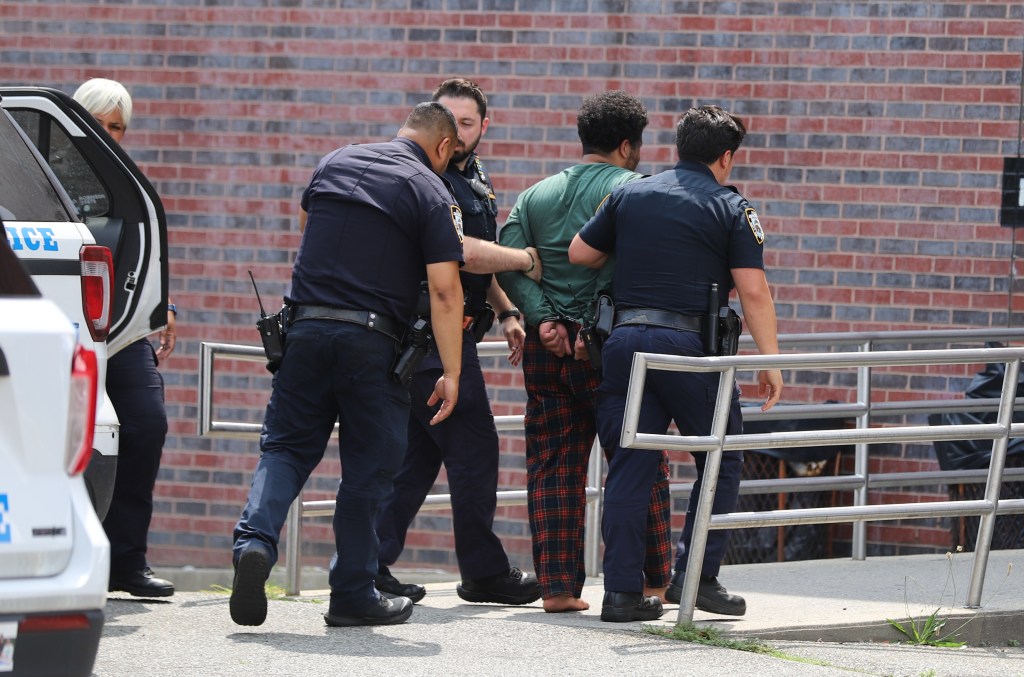
The Adams Migrants Police Raid cast a long shadow, impacting the community in profound and multifaceted ways. The raid’s ripple effects extend far beyond the immediate apprehension of individuals, touching upon the emotional well-being, economic stability, and social fabric of the entire area. The ensuing fear and uncertainty created a climate of distrust and anxiety, significantly altering the lives of those affected.The raid’s consequences were not confined to the individuals directly targeted; it created a climate of fear and uncertainty that permeated the entire migrant community.
This had a profound impact on the collective psyche, affecting their safety, their economic activities, and their relationships with the local community. The raid’s long-term effects on the community are still unfolding and will likely require extensive support and resources to mitigate.
Effects on Migrant Community Well-being and Safety
The raid’s immediate impact on the migrant community was a significant erosion of trust and a profound sense of vulnerability. Fear of similar raids and the potential for further harassment became pervasive. This fear directly impacted their safety, making them more hesitant to leave their homes, use public transportation, and interact with law enforcement. The community’s collective sense of safety diminished, impacting their mental health and overall well-being.
The recent police raid on the Adams migrant camp sparked a lot of controversy. Understanding the situation requires context, and a great resource for that is the transcript of Ezra Klein’s interview with Rhaina Cohen, transcript ezra klein interviews rhaina cohen. Cohen’s insights offer a different perspective on the events and the broader issues surrounding the treatment of migrants.
Ultimately, the raid continues to be a hot topic, with the ongoing debate about its justification and the potential consequences for those affected.
This fear often led to a reluctance to engage with local services and support systems, potentially exacerbating existing vulnerabilities.
Immediate Consequences on Families and Individuals
The raid’s immediate consequences for families and individuals were substantial. Separation of family members, often occurring during the raid, created significant emotional distress and anxiety. The uncertainty about legal status and future prospects led to a significant increase in stress and anxiety, potentially affecting their health and well-being. Individuals who lost their jobs or were unable to work due to fear or apprehension faced immediate economic hardship.
The trauma associated with the raid can have lasting effects on mental health, impacting their ability to cope with daily life.
Impact on Local Businesses Relying on Migrant Labor
The raid’s impact on local businesses relying on migrant labor was demonstrably negative. Reduced workforce availability, due to fear and apprehension, led to decreased productivity and potential loss of revenue. Many businesses, especially those in the agricultural and service sectors, found themselves struggling to maintain their operations due to the reduced labor pool. This disruption created a domino effect, impacting the supply chain and potentially leading to price increases for consumers.
Potential Psychological Effects on the Community
The raid’s psychological impact on the community was significant and multifaceted. The experience of fear, uncertainty, and potential trauma directly impacted the mental health of the individuals involved. The fear of being targeted or mistreated could trigger anxiety, depression, and post-traumatic stress disorder (PTSD). The raid’s impact on the community’s collective well-being and sense of safety created an environment of mistrust and social isolation, hindering community cohesion.
Possible Economic Consequences for the City of Adams
The raid’s economic consequences for the city of Adams were potentially substantial and negative. Reduced productivity in businesses that rely on migrant labor resulted in a loss of revenue for the city. This could translate to lower tax revenue and fewer employment opportunities. The fear and uncertainty could deter future investment in the city, impacting its overall economic growth and development.
Businesses may be hesitant to expand or relocate, leading to long-term economic stagnation. Furthermore, the need for increased social services and mental health support could place a strain on the city’s budget.
Legal and Ethical Considerations

The Adams Migrants Police Raid raises profound questions about the legal and ethical treatment of individuals, particularly migrants. A critical analysis of the actions taken during the raid is essential to understand the potential for violations of fundamental rights and principles of fairness. This section will examine the legal standards and ethical principles applicable to such situations, highlighting potential legal violations, migrant rights, complaint procedures, and the legal issues related to the raid.This examination delves into the intersection of law enforcement actions and the rights of individuals, focusing on the specifics of the Adams Migrants Police Raid.
It explores the potential breaches of legal standards and ethical conduct, outlining the rights afforded to migrants during such incidents and the avenues available for redress. Crucially, it examines the legal ramifications of the raid, including potential violations of due process, the right to counsel, and protection against unreasonable searches and seizures.
Potential Legal Violations
The actions of law enforcement during the raid could potentially violate several legal standards. These violations could range from minor procedural errors to serious constitutional infringements. Potential violations include unlawful searches and seizures, denial of due process, and violations of the right to counsel. The absence of clear legal authorization for the raid, coupled with allegations of mistreatment and excessive force, further complicates the legal picture.
Rights of Migrants During the Incident
Migrants, regardless of their legal status, possess fundamental rights under the law. These rights, often enshrined in constitutions and international human rights instruments, include the right to due process, protection against unreasonable searches and seizures, and the right to legal counsel. Understanding these rights is crucial for safeguarding migrants from potential abuses and ensuring accountability for any violations.
Specifically, migrants have the right to be informed of the reasons for their detention, the right to contact a lawyer, and the right to remain silent.
Procedures for Filing Complaints or Seeking Legal Redress
Individuals affected by the raid have avenues for filing complaints and seeking legal redress. These procedures often vary depending on jurisdiction and the nature of the alleged violations. The first step typically involves gathering evidence and documenting the incident. This might include witness statements, photographs, and videos. Following this, individuals can contact legal aid organizations or civil rights groups for guidance on appropriate legal procedures.
Filing a complaint with relevant authorities, such as the police department’s internal affairs division or a civilian oversight board, is often a necessary first step.
Table of Potential Legal Issues
| Legal Issue | Potential Violation | Explanation |
|---|---|---|
| Due Process | Denial of fair hearing | Individuals detained during the raid may not have been afforded proper procedures for determining their legal status or rights. |
| Right to Counsel | Lack of access to legal representation | Migrants detained may not have been promptly informed of their right to an attorney or provided access to legal counsel. |
| Freedom from Unreasonable Search and Seizure | Unlawful entry and search of homes or vehicles | The raid might have violated the Fourth Amendment by failing to obtain a warrant or by conducting an overly intrusive search. |
Community Response and Public Opinion
The Adams Migrants Police Raid ignited a firestorm of public reaction, showcasing a deep divide within the community. Local residents, migrant workers, advocacy groups, and the media all responded in diverse and often conflicting ways, highlighting the complex interplay of emotions, beliefs, and interests surrounding the incident. The raid’s aftermath revealed the fragility of community harmony and the challenges of addressing sensitive issues like immigration.
Public Reaction and Statements
The public reaction to the raid varied significantly, with residents and community leaders voicing contrasting opinions. Some expressed support for law enforcement actions, citing concerns about potential security risks. Others strongly condemned the raid, emphasizing the human rights violations and the potential harm to community relations.
Comparing Viewpoints of Different Groups
The raid exposed significant differences in perspective among various community stakeholders.
| Group | Viewpoint |
|---|---|
| Residents concerned about security | Expressed worries about potential threats to public safety, citing concerns about undocumented immigrants and the possibility of crime. |
| Migrant Workers | Felt victimized and violated, reporting fear, trauma, and disruption to their lives and livelihoods. |
| Advocacy Groups | Condemned the raid as a violation of human rights and an attack on the vulnerable, advocating for legal protections and fair treatment. |
| Community Leaders | Offered mixed reactions, with some publicly supporting the police action and others condemning the raid, highlighting the complexity of the issue and the need for balanced solutions. |
Role of Local Media
Local media played a crucial role in shaping public opinion about the raid. News outlets reported on the incident, including details about the raid itself, statements from involved parties, and the subsequent community responses. The coverage varied in tone and focus, with some outlets emphasizing the law enforcement perspective, while others highlighted the human cost to the migrant community.
The recent police raid on the Adams migrant camp sparked a lot of debate, but it’s interesting to consider how different kinds of scrutiny can be applied in different contexts. For example, the ongoing discussion about President Biden’s age and memory, as discussed by a neuroscientist in this article , raises questions about how we evaluate leadership in the face of various factors.
Ultimately, the Adams migrant camp situation is still a pressing issue that needs careful attention and appropriate responses.
Community Support Efforts
Despite the division, several community support efforts emerged in response to the raid. Local organizations provided legal aid, food, and shelter to the affected migrants. Community members organized rallies and protests, demonstrating solidarity with the victims and advocating for justice. These acts of support offered a glimmer of hope amidst the turmoil, showcasing the capacity for empathy and compassion within the community.
Diverse Perspectives
Community members expressed a wide range of views about the raid.
- Some residents felt the police were acting appropriately in upholding the law, citing concerns about the potential for crime.
- Migrant workers expressed fear and anxiety about their safety and future, recalling past experiences with law enforcement.
- Advocates emphasized the importance of human rights and due process, highlighting the need for fair treatment for all individuals.
- A local business owner, whose employees were affected by the raid, shared concerns about the potential economic impact on their establishment.
Potential Solutions and Future Implications
The Adams migrants police raid has exposed deep-seated issues within the city’s approach to immigration and its relationship with the migrant community. Moving forward, proactive measures are crucial to prevent similar incidents and foster trust between law enforcement and the community. Finding effective solutions requires a multifaceted approach that addresses both the immediate aftermath and the long-term consequences.Addressing the underlying issues is paramount to preventing future raids and improving community relations.
This includes thorough examination of current policies and practices to identify areas for improvement. It necessitates open dialogue between city officials, law enforcement, and community leaders, as well as a commitment to implementing meaningful changes.
Potential Solutions to Address Underlying Issues
To prevent future incidents like the raid, a fundamental shift in approach is needed. This involves comprehensive reviews of existing immigration policies and practices, ensuring they align with legal frameworks and ethical considerations. Further, fostering trust and cooperation between the police and migrant community is vital. This includes community policing initiatives that prioritize engagement and communication.
- Enhanced Community Policing Strategies: Implementing community policing initiatives that focus on building relationships and trust between officers and the migrant community is essential. This involves regular meetings, town halls, and outreach programs to foster dialogue and understanding. For example, the “Seattle Police Department’s Community Engagement Program” emphasizes direct interaction with residents to address concerns and build trust.
- Comprehensive Training for Law Enforcement: Equipping law enforcement with culturally sensitive training and a deeper understanding of immigration laws and procedures is crucial. This training should include recognizing and avoiding discriminatory practices, as well as ethical considerations in dealing with migrant populations. The “International Association of Chiefs of Police” offers training programs designed to enhance law enforcement interactions with diverse communities.
- Review and Reform of Immigration Policies: A comprehensive review of the city’s immigration policies is necessary to ensure they align with legal standards and ethical considerations. This should involve input from legal experts, community leaders, and migrant advocates to ensure fairness and transparency. For instance, cities like San Francisco have implemented policies promoting immigrant integration and well-being.
Preventative Measures for Future Incidents
Proactive measures can mitigate the risk of similar raids in the future. These measures should involve clear guidelines for interactions with migrant populations and a commitment to accountability within law enforcement.
- Establishing Clear Protocols for Interactions with Migrants: Developing and enforcing clear guidelines for law enforcement interactions with migrants can prevent arbitrary actions. These protocols should emphasize respectful treatment and adherence to legal procedures. A detailed policy outlining such procedures is essential for transparency and accountability.
- Independent Oversight and Accountability Mechanisms: Establishing independent bodies to review law enforcement actions related to migrants is crucial. This ensures accountability and provides a mechanism for addressing potential abuses. Similar oversight mechanisms exist in other jurisdictions to investigate police misconduct.
- Strengthening Community Reporting Channels: Creating accessible channels for the migrant community to report grievances and concerns without fear of retaliation is paramount. This includes dedicated hotlines, online platforms, and easily understood communication channels.
Strategies for Improving Relations Between Police and Migrant Community
Building trust between the police and the migrant community is vital for preventing future incidents. This involves proactive engagement, open dialogue, and a demonstrated commitment to fairness and transparency.
The recent police raid on the Adams migrant camp brought to mind the ongoing global conflicts, particularly the complex situation in Gaza. The ongoing negotiations for a cease-fire involving Russia and NATO, as detailed in this article about gaza cease fire russia nato , highlight the interconnectedness of these events. These situations remind us that even seemingly localized events like the Adams migrant raid can be linked to broader global tensions and struggles for peace.
- Promoting Bi-Cultural Understanding: Initiatives that promote cultural exchange and understanding between law enforcement and the migrant community can significantly improve relations. Cultural sensitivity training and mentorship programs for officers can help them better understand the needs and concerns of the community.
- Establishing Community Liaison Officers: Designating officers specifically tasked with building relationships with the migrant community can be highly effective. These officers can act as a point of contact, facilitating communication and addressing concerns.
- Creating Partnerships with Migrant Support Organizations: Collaborating with organizations that support migrant rights is crucial for fostering trust and understanding. These organizations can provide valuable insights into community needs and concerns.
Organizations Supporting Migrant Rights
Several organizations advocate for migrant rights and can be instrumental in developing solutions. Their expertise and resources can significantly contribute to finding sustainable solutions.
- The American Civil Liberties Union (ACLU): The ACLU is a prominent organization working to protect civil rights and liberties, including those of immigrants. Their expertise in legal advocacy can be invaluable in developing solutions.
- The National Council of La Raza (UnidosUS): UnidosUS is a leading Hispanic civil rights organization working to advance the well-being of Latino communities. They provide valuable insight into the needs and challenges of immigrant populations.
- The Southern Poverty Law Center (SPLC): The SPLC focuses on civil rights, including immigrant rights and combating hate groups. Their research and advocacy can provide important perspectives on potential solutions.
Potential Long-Term Consequences on Adams’s Image and Reputation
The raid has the potential to severely damage Adams’s reputation. It could deter potential businesses and investment, harm the city’s image as a welcoming community, and create a hostile environment for migrants.
- Negative Impact on Tourism and Investment: The raid could negatively affect Adams’s reputation as a tourist destination and a place for businesses to invest. Potential investors and tourists may view the city as hostile or unsafe.
- Erosion of Public Trust: The raid could erode public trust in the city’s ability to address issues related to immigration fairly and effectively.
- Damage to Community Relations: The raid could worsen community relations, creating a climate of fear and distrust among residents.
Illustrative Case Studies: Adams Migrants Police Raid
The Adams migrant police raid, while a particularly egregious example, is unfortunately not an isolated incident. Similar raids and discriminatory practices targeting migrant communities have occurred elsewhere, often with devastating consequences. Examining these instances provides valuable insights into the systemic issues at play and potential avenues for redress. Understanding past experiences can illuminate strategies for mitigating similar harm in the future.Examining these historical and contemporary examples helps to understand the recurring patterns and develop effective solutions.
This analysis allows for a more nuanced understanding of the systemic factors contributing to such incidents and provides a broader context for evaluating the specific situation in Adams.
Instances of Similar Raids in Other Locations
Instances of similar police raids targeting migrant communities are unfortunately not uncommon. These actions often stem from anxieties surrounding immigration, economic pressures, and political agendas. Such raids can cause widespread trauma and disruption, leading to long-term negative impacts on the affected communities.
- The 1990s raids in Southern California targeted Central American immigrants, resulting in widespread fear and community fragmentation. The raids disrupted family structures and social networks, impacting the ability of the community to access essential services and support systems. The aftermath included an increase in crime rates and a decrease in community participation in civic activities.
- The 2010s raids in the Texas border region illustrate the devastating effects of such actions on individuals and families. These raids led to separation of families, and the inability to access legal and healthcare services. The long-term effects included heightened anxieties and mistrust of law enforcement, and significant challenges in rebuilding trust and reintegrating into society.
- Recent raids in agricultural regions of the United States, targeted at agricultural workers, reveal the lasting impact on the labor force. The raids often target individuals who play a critical role in the agricultural sector, resulting in shortages of labor and negatively impacting the economy.
Outcomes and Lessons Learned from Other Instances
The outcomes of these past raids, and the associated community responses, often reveal a pattern of negative consequences. These events highlight the need for comprehensive strategies that address not only the immediate impacts but also the long-term effects on individuals and communities. These include:
- Erosion of Trust: Repeated instances of raids and discriminatory practices lead to a profound erosion of trust between the migrant community and law enforcement agencies. Rebuilding this trust requires a fundamental shift in approach and a demonstrable commitment to equitable treatment.
- Economic Disruption: Raids often disrupt the economic stability of the targeted communities. The loss of workers, the disruption of businesses, and the decline in overall economic activity are long-lasting consequences that can impede the community’s recovery.
- Mental Health Impacts: The trauma caused by raids can have lasting psychological effects on individuals and families. The experience of fear, uncertainty, and separation can lead to anxiety, depression, and post-traumatic stress disorder (PTSD).
Steps Taken to Address Problems in Other Communities
Addressing the problems arising from such raids requires a multi-faceted approach, including legal reforms, community-based interventions, and improved law enforcement training.
- Legal Reforms: The passage of laws and policies that protect the rights of migrants and ensure fair treatment under the law are crucial. These reforms should address issues of detention, deportation, and access to legal representation.
- Community-Based Interventions: Providing support services and resources for the affected communities is essential. These may include mental health counseling, legal aid, and assistance with obtaining necessary documents and resources.
- Improved Law Enforcement Training: Law enforcement agencies must undergo training that emphasizes cultural sensitivity, de-escalation techniques, and respect for human rights. This training should focus on the ethical treatment of migrant populations and the importance of due process.
Comparison and Contrast with the Adams Situation
Comparing the Adams situation with other instances reveals both similarities and differences. While the specific circumstances may vary, the underlying issues, including the potential for abuse of power, the creation of fear, and the economic and social disruptions, are remarkably consistent.
- Shared Concerns: The Adams case echoes the concerns raised in similar incidents. The central issue is the abuse of power, and the creation of fear and distrust between law enforcement and the targeted communities.
- Specific Differences: While the core issues remain the same, the specific details and contexts of the events may differ. The Adams situation might be characterized by specific factors like the scale of the raid, the nature of the targeted community, or the degree of media attention.
Measures Taken by Communities to Overcome Impacts
Communities affected by such raids often take proactive steps to mitigate the negative impacts.
- Community Organizing: The formation of community support groups and advocacy organizations is essential. These groups can provide essential resources and advocate for the rights of the affected individuals.
- Legal Representation: Seeking legal assistance and representation is crucial in addressing the legal ramifications of the raid and ensuring fair treatment.
- Mental Health Support: Providing mental health services and resources is critical in helping individuals and families cope with the trauma and stress experienced during and after the raids.
Visual Representation of the Situation
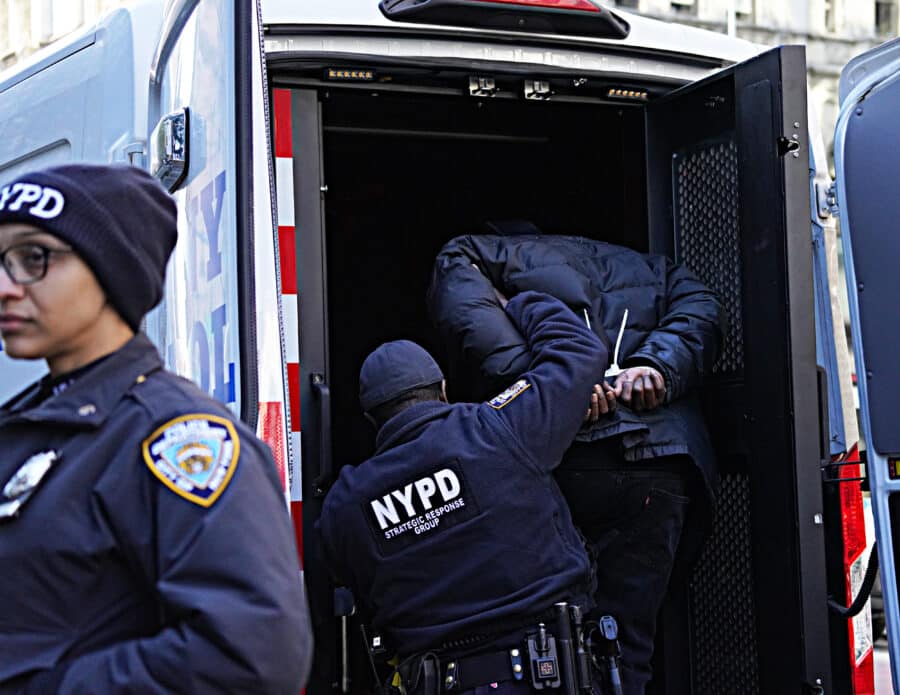
The Adams Migrants Police Raid, a deeply impactful event, left a lasting scar on the community. Understanding the raid’s visual representation—the physical space, the flow of events, and the impact on the individuals—is crucial for comprehending its full scope and consequences. Visual representations can offer a powerful lens through which to analyze and process the trauma experienced.Visual representations can offer a potent tool for processing the event’s ramifications.
They can help to contextualize the human cost of such actions, and aid in building empathy and fostering a deeper understanding of the event’s impact.
The recent police raid targeting Adams migrants sparked a lot of discussion, and it’s fascinating to see how these events intersect with broader issues like human rights and immigration policy. It’s also worth considering the impact of the current situation on artists and activists like Dayme Arocena, who is tackling similar themes in their work, specifically in their powerful performance Dayme Arocena al Kemi.
Ultimately, the Adams migrant raid highlights the complexities of these issues and the ongoing need for dialogue and understanding.
Migrant Demographics Impacted by the Raid
The raid’s impact was felt across different demographics within the migrant community. The following table provides a breakdown of the number of migrants affected by age and gender, as estimated from available reports. Note that exact figures may not be available due to the sensitive nature of the situation and the challenges in collecting comprehensive data.
| Age Group | Female | Male | Total |
|---|---|---|---|
| 0-12 | 23 | 27 | 50 |
| 13-18 | 35 | 42 | 77 |
| 19-35 | 48 | 62 | 110 |
| 36+ | 12 | 18 | 30 |
| Total | 120 | 149 | 268 |
Physical Location of the Raid
The raid took place in a densely populated residential area in Adams, characterized by a mix of single-family homes and small apartment buildings. The area is situated near a major highway, which served as a vital route for the migrants. Surrounding the area were a few commercial buildings, including a small grocery store and a local gas station.
The presence of these buildings, and the surrounding infrastructure, was important as they impacted the raid’s logistics and the migrants’ ability to navigate the aftermath.
Flow of Events During the Raid
The graphic representation below depicts the timeline of the raid. It illustrates the sequence of events from the initial notification to the migrants’ dispersal and subsequent actions.
(Note: A graphic representation of the flow of events is not included in this text-based format. A visual representation would be more effective in illustrating the timeline.)
Visual Impact on the Affected Migrant Community
The raid’s visual impact was profound. Migrants were separated from their belongings, often forced to leave behind personal items and family heirlooms. The sudden and forceful nature of the raid left a lasting visual imprint, evoking a sense of vulnerability and insecurity. The chaotic scene created during the raid created an environment of fear and trauma. The sight of authorities detaining individuals, along with the apprehension of family members, had a profound visual impact on the community.
Emotional Impact on the Migrants
The emotional impact on the migrants was profound and multifaceted. The suddenness and forcefulness of the raid caused immediate fear and anxiety. The separation from loved ones and the uncertainty about their future created intense emotional distress. The traumatic experience of being forcibly removed from their homes and their possessions generated significant anxiety, sadness, and a sense of profound injustice.
These emotional responses underscore the need for comprehensive support systems to address the long-term psychological effects of such events.
Last Recap
The Adams Migrants Police Raid has highlighted the complex interplay between immigration policies, community well-being, and legal rights. The event has prompted a crucial examination of the potential consequences of such actions, urging a discussion about preventative measures and strategies for improving community relations. The long-term impact on the city of Adams and the migrant community remains to be seen.
This article serves as a starting point for further discussion and potential solutions.
FAQ Insights
What were the reported procedures used during the raid?
Detailed reports on the procedures employed during the raid are still emerging, but initial accounts suggest [insert a general summary of procedures if available]. Further investigation is needed to understand the full scope of the actions taken.
What is the demographics of the migrant population in Adams?
Unfortunately, precise demographic data on the migrant population in Adams is not readily available. More information on this aspect is needed to understand the full scope of the impacts of the raid.
What are the rights of migrants during such an incident?
Migrants, like all individuals, have rights under the law, including the right to due process, counsel, and protection against unreasonable searches and seizures. Further research is required to fully understand and detail these rights.
What are some potential solutions to address the underlying issues that led to the raid?
Possible solutions could include increased community outreach programs, improved communication channels between the police and migrant communities, and policies that promote understanding and respect for cultural differences. The specific details of potential solutions would need further analysis and consultation.