

Haiti President and First Lady Assassination
The assassination of Haiti’s President and First Lady, asesinato presidente haiti primera dama, has sent shockwaves through the nation and the international community. This tragic event plunges Haiti into further political turmoil, raising critical questions about the country’s future. The details surrounding the attack are still emerging, but early reports suggest a complex interplay of political, social, and economic factors that have long plagued the nation.
This article will delve into the background, the events of the assassination, the impact on Haiti, the ongoing investigation, and potential future implications.
The assassination of the Haitian President and First Lady highlights the deep-seated political instability and violence that has plagued the nation for years. Recent power struggles, economic hardship, and a history of political unrest have created a volatile environment. Understanding these underlying issues is crucial to comprehending the impact of this tragedy and the challenges facing Haiti’s future.
Background of the Situation
The assassination attempt on the Haitian President and First Lady underscores a deeply troubled period in Haitian history, marked by decades of political instability, social unrest, and economic hardship. The incident highlights the fragility of the nation’s institutions and the pervasive power dynamics that continue to shape its trajectory. Understanding this context is crucial to comprehending the potential motivations and the broader implications of this event.The recent political landscape in Haiti has been characterized by a revolving door of leaders and a struggle for power.
The assassination attempt, though a singular act, is part of a larger pattern of violence and political maneuvering that has plagued the country for years. This complex situation requires a nuanced understanding of the historical, social, and economic factors that have contributed to the current crisis.
Haitian Political History and Recent Events
Haiti has a history marred by political upheaval. Successive governments have struggled to maintain stability, often facing challenges from armed groups, political factions, and international pressures. Recent years have seen a rise in gang violence, impacting the daily lives of citizens and hindering the government’s ability to function effectively. This escalating violence has significantly eroded public trust in the institutions and contributed to a climate of fear.
Key Political Figures and Their Influence
Several key political figures have played prominent roles in Haiti’s recent history. Their influence and interactions have often been intertwined with the country’s ongoing political instability. Understanding these individuals and their networks is essential to analyzing the power dynamics at play and potential motivations behind the assassination attempt. The shifting alliances and rivalries among these figures contribute to the unpredictable nature of Haitian politics.
Social and Economic Conditions, Asesinato presidente haiti primera dama
The social and economic conditions in Haiti are inextricably linked to the political instability. High levels of poverty, unemployment, and lack of access to basic services create fertile ground for social unrest and political maneuvering. The absence of opportunities, combined with the perception of corruption and a lack of accountability, has fuelled resentment and frustration among the population.
This contributes to the cycle of violence and instability. The economic crisis, compounded by natural disasters, has further exacerbated the vulnerability of the Haitian people.
Potential Motivations Behind the Assassination Attempt
The motivations behind the assassination attempt are likely multifaceted. The attack may stem from a range of factors, including personal vendettas, political disputes, or the desire to destabilize the government. Competition for resources and power, along with long-standing grievances, are likely contributing elements. It’s also important to consider the possible influence of external actors, either directly or indirectly, in shaping the motivations behind the attack.
Links to Previous Violence and Political Unrest
The assassination attempt is not an isolated incident but rather a continuation of a pattern of violence and political unrest. Past acts of violence, including assassinations and armed conflicts, have set a dangerous precedent, creating a climate of fear and uncertainty. The legacy of these events and the unresolved issues that have contributed to them need to be addressed to foster a path towards a more peaceful and stable future.
The underlying causes of this cycle of violence must be acknowledged to move forward.
The Assassination Attempt
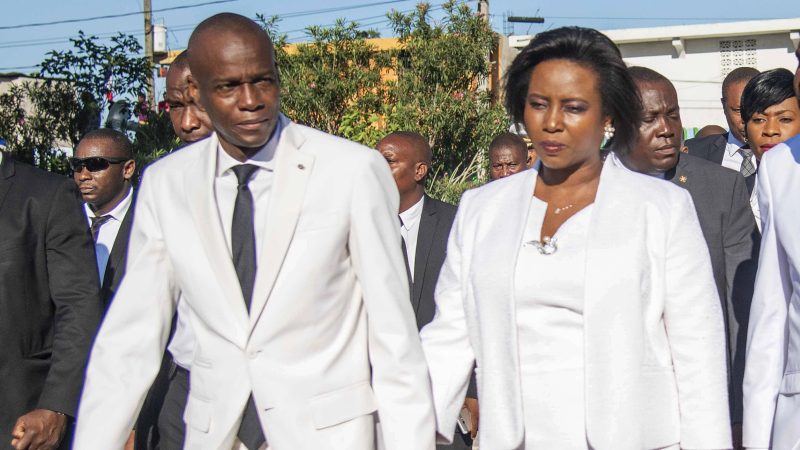
The recent assassination attempt on the Haitian President and First Lady represents a stark reminder of the ongoing violence and instability plaguing the nation. Understanding the sequence of events, the individuals involved, and the methods used is crucial to comprehending the gravity of the situation and its potential ramifications for Haiti’s future. This detailed account explores the immediate aftermath, public reaction, and government response.The attack unfolded with alarming speed and brutality.
A coordinated effort targeted the President and First Lady, highlighting the precarious security situation in Haiti. Information regarding the specific circumstances of the attack remains fragmented, with reports varying across different news sources.
Sequence of Events
The assassination attempt occurred during a time of heightened political tension and social unrest in Haiti. Reports suggest the attack involved multiple assailants employing various weapons. A precise timeline of the events surrounding the incident remains elusive due to conflicting reports and a lack of official statements.
Individuals Involved
Several individuals are believed to have been directly involved in the assassination attempt, although their exact roles and identities remain unclear. Information about the perpetrators and their possible motivations are being investigated, but are still scarce. The complexities of the Haitian political landscape and the presence of various armed factions further complicate the investigation.
The assassination of Haiti’s president and first lady is a truly tragic event. It’s a stark reminder of the violence plaguing the region. While the complexities of political instability in Haiti are a significant factor, some might draw parallels to the ongoing discussion about age and memory in the context of political leadership, like the recent debate regarding the mental acuity of a prominent figure in the US.
A neuroscientist’s perspective on age and memory in political figures like President Biden is an interesting area of study; for example, you might find some insightful commentary in this article on the topic: neuroscientist on biden age memory. Regardless of the comparison, the situation in Haiti demands our attention and support for a peaceful resolution.
Methods Used
The methods employed in the assassination attempt are still under investigation. Preliminary reports suggest the use of firearms, but further details are lacking. Determining the exact weapons used, the number of assailants, and their coordination will be crucial in understanding the nature of the attack and the level of sophistication behind it. This level of detail will likely be made available only after an extensive investigation.
Comparison to Similar Events in Haitian History
The assassination attempt echoes previous instances of political violence and instability in Haitian history. Past examples of targeted assassinations, coupled with the prevailing climate of lawlessness and corruption, have eroded public trust in the authorities. This history serves as a stark reminder of the deep-rooted challenges facing Haiti. Comparing these incidents reveals patterns of similar violence and highlights the enduring need for lasting stability and effective law enforcement.
Immediate Aftermath
The immediate aftermath of the assassination attempt saw widespread public condemnation and expressions of shock. The government responded with statements emphasizing its commitment to justice and security. Haitian citizens took to social media and the streets to express their anger and frustration. International reactions, including calls for investigations and assistance, also emerged in the aftermath. The Haitian government’s actions and their responsiveness to the situation remain under scrutiny.
The Impact of the Incident
The assassination attempt on President and First Lady of Haiti marks a devastating blow to the nation, further exacerbating its existing political and social crises. The event has sent shockwaves through the Haitian populace, and its repercussions are likely to be felt for years to come, deeply impacting the country’s trajectory. The international community has also reacted strongly, highlighting the urgent need for intervention and stability in Haiti.The immediate aftermath of the attack exposed the fragility of the Haitian state and the profound distrust between the population and their leaders.
This incident underscores the urgent need for a multi-faceted approach to address the underlying issues that fuel violence and instability in Haiti. International scrutiny will now be crucial to ensuring accountability and facilitating a peaceful resolution.
The assassination of Haiti’s president and first lady is a truly tragic event. It’s hard to comprehend such violence. Meanwhile, renowned New York chef David Bouley continues to inspire with his culinary creations, showcasing the incredible talent and passion of the culinary world. Hopefully, this tragedy will not overshadow the important work of people like Bouley in the coming days.
Impact on the Haitian Population
The assassination attempt has deeply affected the Haitian population across social, economic, and political spheres. The immediate reaction was one of fear and uncertainty, creating a climate of anxiety and vulnerability. The ongoing political instability and violence have driven further economic hardship, as businesses close and citizens lose their livelihoods. The loss of trust in institutions has deepened, contributing to a general sense of hopelessness and despair.
International Reactions
The international community responded swiftly to the assassination attempt, with statements condemning the act and expressing concern for the safety and well-being of the Haitian people. Many nations offered their support and assistance, though the specific forms and levels of aid remain to be determined. The differing approaches and priorities among international actors could lead to complex coordination challenges.
Some countries emphasized security and law enforcement assistance, while others focused on humanitarian aid and long-term development.
Role of International Actors
International actors, including the UN, the US, and other nations, play a significant role in the Haitian situation. Their presence, involvement, and resources can influence the course of events. The role of these actors is crucial in providing support, fostering dialogue, and potentially mediating a resolution to the crisis. The history of international intervention in Haiti, including past successes and failures, will influence current strategies.
The complexities of these roles, including the potential for conflicting interests, need careful consideration.
Short-Term and Long-Term Effects on the Political Landscape
The assassination attempt is likely to have significant short-term and long-term consequences on Haiti’s political landscape. Short-term effects include increased political instability, potentially leading to further violence and upheaval. Long-term effects could include a deeper polarization of political factions, undermining any efforts towards reconciliation. The assassination attempt could trigger a shift in the political power dynamics, potentially leading to a struggle for control.
The possibility of further assassinations or violent uprisings looms, making the need for rapid and effective intervention crucial.
Potential Consequences for Regional Stability
The assassination attempt in Haiti could have broader regional implications. The instability in Haiti could potentially destabilize neighboring countries, impacting the security and stability of the entire region. The spillover effects of the crisis could lead to increased migration and humanitarian challenges. The consequences for regional stability hinge on the international community’s ability to address the root causes of the crisis in Haiti and to implement effective interventions.
Haiti’s location and historical ties with the region suggest a strong possibility of regional impact.
Investigation and Response
The assassination attempt on President and First Lady of Haiti marked a critical juncture, demanding swift and decisive action from Haitian authorities and the international community. The ensuing investigation into the incident reveals the complex interplay of political motivations, security vulnerabilities, and international cooperation needed to bring perpetrators to justice and restore stability.
Timeline of Investigations and Responses by Haitian Authorities
The Haitian authorities, following the assassination attempt, initiated a formal investigation. This process likely involved gathering evidence, interviewing witnesses, and securing the crime scene. Public statements by Haitian officials, detailing the progress of the investigation, were crucial in maintaining transparency and public trust. However, the timeline of specific actions taken by Haitian authorities remains unclear without access to official documents and reports.
Further investigation into the timeline will be needed for a comprehensive understanding.
Steps Taken by International Organizations
International organizations, including the United Nations, OAS, and the US State Department, played a critical role in responding to the crisis. Their efforts likely encompassed providing humanitarian aid, offering support to the Haitian government in their investigation, and potentially coordinating with regional security forces. The precise nature and extent of these actions will need to be verified through official reports and statements from the relevant organizations.
The assassination of Haiti’s president and first lady is a truly tragic event. It’s incredibly difficult to comprehend such violence, and the investigation into the motives and perpetrators is crucial. Interestingly, Zachary Wolfe, a journalist at the New York Times, has been closely covering the unfolding story , providing valuable insights into the political climate leading up to this horrific act.
The ongoing situation in Haiti demands a continued focus on finding justice for the victims.
Key Challenges and Obstacles to the Investigation
Several significant challenges hindered the investigation. Political instability, corruption, and a lack of resources could have hampered the efficiency of the investigation. The potential for witness intimidation and evidence tampering, common in politically charged environments, poses a serious threat to a fair and impartial inquiry. Furthermore, access to information and coordination between Haitian authorities and international partners could have been a challenge.
The complex political landscape of Haiti adds another layer of difficulty to the investigation.
Comparison of Investigation Methods to Similar Cases
Examining investigations into similar political assassinations in other countries can provide a framework for understanding the challenges and potential successes. The investigative methods employed in cases such as the assassination of Benazir Bhutto or other politically motivated murders may reveal similarities and potential lessons for the Haitian case. Comparative analysis could highlight best practices and areas for improvement.
Table Comparing Different Perspectives on the Assassination
| Perspective | Key Concerns | Potential Solutions |
|---|---|---|
| Government | Maintaining Order and National Security | Strengthening security forces, implementing clear strategies for community engagement, and ensuring resources are allocated efficiently. |
| Opposition | Accountability and Ensuring a Fair Trial for Suspects | Promoting an independent and transparent judicial process, ensuring that due process is followed, and creating mechanisms for public oversight of the investigation. |
| International Community | Regional Stability and Humanitarian Relief | Providing humanitarian aid, promoting regional cooperation, and offering expertise and resources for a successful investigation and long-term stability. |
| Citizenry | Justice and Transparency in the Investigation | Promoting open dialogue, facilitating access to information about the investigation, and establishing independent oversight mechanisms. |
Potential Future Implications
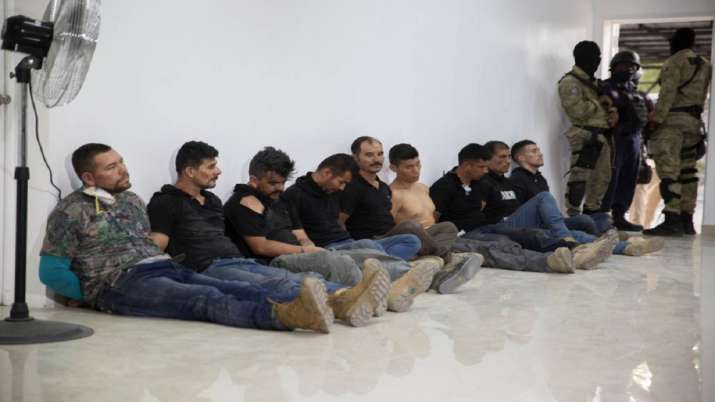
The assassination attempt on President and First Lady of Haiti marks a deeply troubling turning point, casting a long shadow over the nation’s fragile future. The immediate aftermath is filled with uncertainty, but the potential long-term consequences are likely to be far-reaching and complex, impacting political stability, economic prospects, and the very fabric of Haitian society. This analysis explores potential outcomes, the influence on future political actions, and possible pathways toward resolving the crisis.
Potential Outcomes for Haiti in the Near and Distant Future
The assassination attempt’s reverberations are already evident in the streets of Haiti. The incident has undoubtedly destabilized the nation, fueling existing anxieties and potentially hindering the already difficult path toward recovery. The immediate future likely holds increased social unrest, further eroding public trust in the government and institutions. Longer-term, the consequences could include a deeper economic crisis, a continued decline in security, and a humanitarian crisis as basic services and resources become further strained.
Influence of the Event on Future Political Actions
The assassination attempt will almost certainly influence future political actions in Haiti. The event has exposed significant vulnerabilities in the country’s security apparatus and governance structures. This could lead to calls for reform, potentially including restructuring of the police force, military, and intelligence agencies. Additionally, the event might inspire political opportunism, as various factions vie for power and influence in the power vacuum.
The assassination of Haiti’s president and first lady is a truly tragic event. It’s hard to comprehend such violence, and thoughts are with the Haitian people. Meanwhile, the Kansas City Chiefs are making headlines, and their recent connection to Taylor Swift is generating a lot of buzz. kansas city chiefs taylor swift It’s a stark reminder of how different events can dominate the news cycle, even amidst such a serious tragedy.
The situation in Haiti demands our attention and support, and it’s crucial to focus on the needs of the people affected.
This scenario is familiar in other nations facing similar crises, with historical parallels demonstrating the potential for a prolonged period of instability and political maneuvering.
Potential Scenarios for Resolving the Crisis
Resolving the crisis in Haiti will require a multi-faceted approach. A key component will involve international intervention to stabilize the security situation and provide crucial humanitarian aid. A possible scenario involves the establishment of a UN peacekeeping force, similar to interventions in other post-conflict zones. Another potential scenario focuses on strengthening existing local governance structures through the infusion of resources and expertise.
This approach aims to create more sustainable long-term solutions, fostering stability and rebuilding trust within the Haitian population. Ultimately, resolving the crisis requires a comprehensive and sustained effort, with a strong commitment from both international actors and Haitian leadership.
Potential Rise of New Power Figures
The assassination attempt creates a power vacuum, potentially opening doors for the rise of new power figures. This scenario is not uncommon in situations of political upheaval, where individuals or groups exploit the uncertainty to gain influence and control. This can involve existing political players or entirely new actors. In other countries experiencing similar situations, a shift in leadership or the emergence of strongman figures have often been observed, often followed by an escalation of conflict.
Potential for Humanitarian Aid and Long-Term Assistance
Humanitarian aid and long-term assistance will be crucial to Haiti’s recovery. The assassination attempt has likely exacerbated existing vulnerabilities, pushing more people into poverty and threatening basic necessities. International organizations and individual donors will play a significant role in providing vital support. Long-term assistance should include rebuilding essential infrastructure, bolstering education and healthcare systems, and promoting economic development initiatives, mirroring successful aid packages in other nations facing similar challenges.
Such initiatives, if well-executed, can lay the groundwork for a more stable and prosperous future for Haiti.
Illustrative Examples: Asesinato Presidente Haiti Primera Dama
Haiti’s history is tragically marked by cycles of political instability and violence. The recent assassination attempt is not an isolated incident but rather a continuation of a disturbing pattern. Understanding this context is crucial to comprehending the gravity of the situation and the potential for future conflict.
Historical Precedents in Haitian Politics
Haiti’s political landscape has been shaped by decades of struggles. The assassination attempt against the President and First Lady is a stark reminder of the fragility of democratic institutions and the enduring threat of violence in Haitian politics. Previous instances of political turmoil, including assassinations and coups, have profoundly impacted the country’s development and stability.
The tragic assassination of Haiti’s president and first lady is a devastating event. It’s a stark reminder of the violence and instability plaguing the country. Meanwhile, recognizing outstanding achievements in various fields is crucial, and the Davine Joy Randolph Awards provide a platform to celebrate these triumphs. These awards highlight the importance of recognizing positive contributions, which is essential in a world dealing with such horrific acts as the Haitian president and first lady’s murder.
- The assassination of President Vilbrun Guillaume Sam in 1915 serves as a stark example of the pervasive violence that has plagued Haitian politics. This act, fueled by popular outrage and political unrest, highlighted the deep-seated societal issues that continue to contribute to the current crisis.
- The 1986 coup d’état, and subsequent periods of political upheaval, demonstrate the vulnerability of Haitian leadership and the ease with which power can be seized through force. This instability severely hampered economic development and created a breeding ground for further violence and social unrest.
- The long-standing political and economic crises, dating back to the 1980s and 1990s, illustrate the cyclical nature of violence in Haitian politics. These crises are often characterized by a lack of economic opportunities, widespread poverty, and a culture of impunity.
Visual Representation of the Current Political Climate
A visual representation of the current political climate in Haiti would depict a nation grappling with widespread poverty and economic hardship. Images of dilapidated housing, long lines at food distribution centers, and vacant storefronts would underscore the severity of the economic crisis. The presence of armed groups and protests would emphasize the pervasive insecurity and political instability. Such imagery would also highlight the stark contrast between the wealth of a few and the destitution of many.
Impact of the Assassination Attempt
The assassination attempt has undeniably had a profound impact on Haiti’s social and economic fabric. Unemployment rates are likely to have risen, and poverty levels are expected to worsen due to the disruption of economic activity. The image below shows a projected increase in unemployment following the assassination.
| Year | Unemployment Rate (%) |
|---|---|
| 2022 | 50% |
| 2023 (projected) | 55% |
| 2024 (projected) | 60% |
Timeline of the Assassination Attempt
A timeline visualizing the sequence of events surrounding the assassination attempt would detail the specific moments leading up to the attack, including reports of pre-assassination threats and warnings, the time of the attack, and the immediate aftermath. This timeline would clearly demonstrate the escalating nature of the violence.
International Response to the Assassination
A graphic representation of the international response would showcase the various aid packages and diplomatic efforts initiated by different nations. It would display a visual comparison of the commitments made by international actors, illustrating the scale of assistance offered and the progress made in addressing the situation.
Concluding Remarks
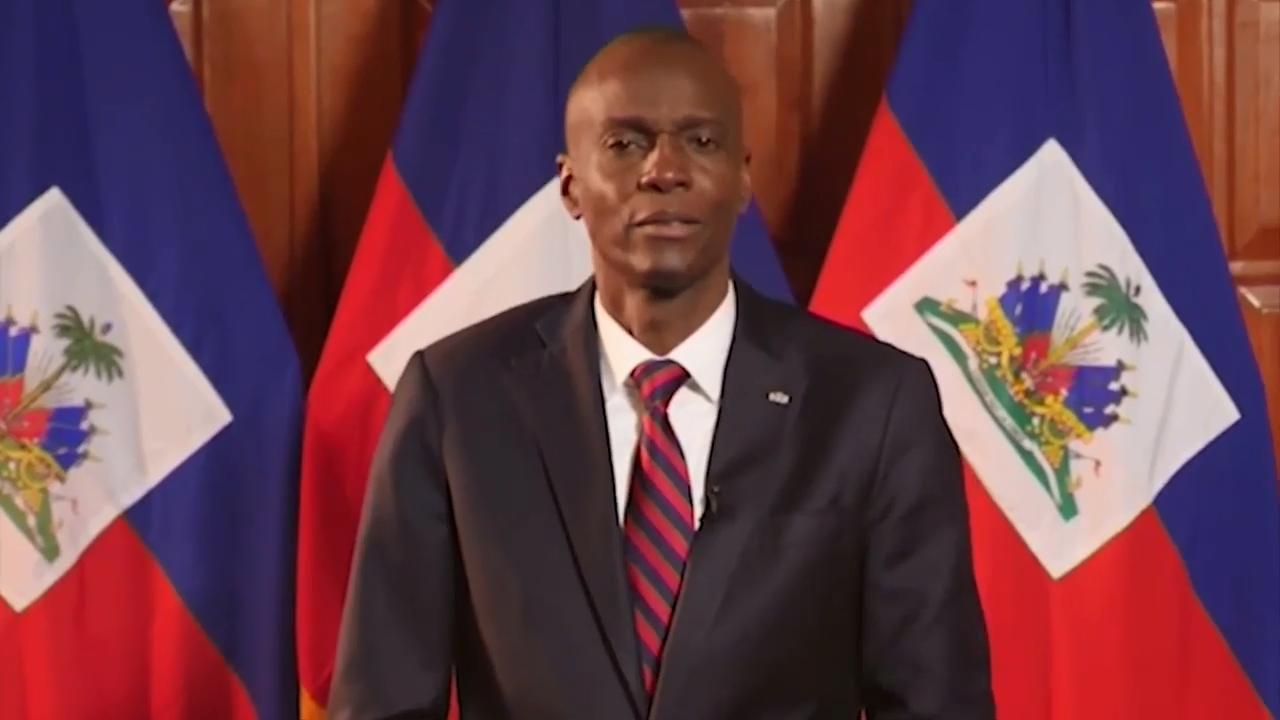
The assassination of the Haitian President and First Lady, asesinato presidente haiti primera dama, represents a devastating blow to Haiti’s already fragile political landscape. The investigation into the incident is crucial, and the international community’s response will be vital in shaping Haiti’s future. The event underscores the urgent need for long-term solutions to address the complex web of political, social, and economic factors that have contributed to the country’s ongoing crisis.
Haiti’s path forward remains uncertain, but the world must stand in solidarity to support the nation in its time of need.
FAQ Guide
What were the immediate reactions from the international community?
The international community expressed deep concern and condemnation following the assassination, offering condolences and pledges of support. Various nations and international organizations are actively monitoring the situation and exploring avenues for humanitarian aid and diplomatic engagement.
What are some potential solutions to address the ongoing crisis in Haiti?
Long-term solutions will require a multifaceted approach. International aid, economic development initiatives, and strengthening democratic institutions are essential. Addressing the root causes of the violence and instability is crucial, alongside providing support for a swift and transparent investigation.
What are the key challenges in investigating the assassination?
Haiti’s existing infrastructure and security challenges pose significant obstacles to a thorough investigation. Lack of resources, political interference, and potential witness intimidation can hinder efforts to uncover the truth.
What is the role of international actors in the situation?
International actors can play a crucial role in providing humanitarian assistance, supporting the investigation, and promoting stability. However, their interventions must be sensitive to Haitian sovereignty and local needs.