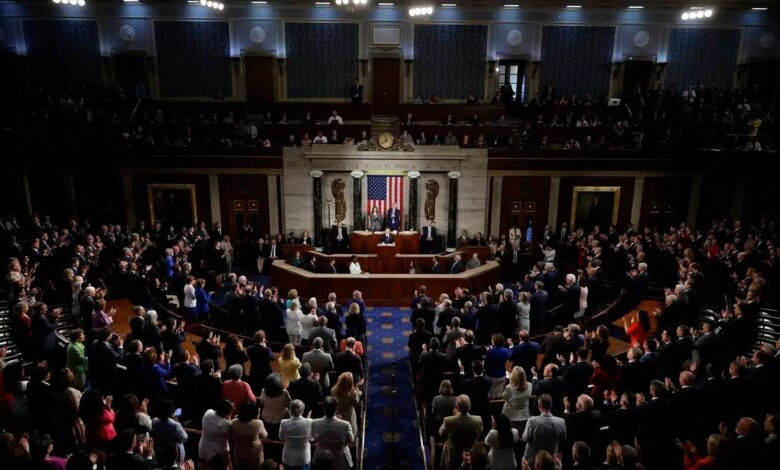
Senate Democrats Salvage Aid Bill Israel & Ukraine
Senate Democrats seek to salvage an aid bill for Israel and Ukraine, a complex undertaking with significant geopolitical implications. This crucial legislation, facing potential roadblocks, requires careful consideration of its historical context, motivations, and potential outcomes. Balancing the needs of two vital allies while navigating the intricacies of US foreign policy presents a challenging balancing act.
The bill’s passage hinges on addressing concerns from various stakeholders, including potential economic impacts, public opinion, and the broader regional stability. Understanding the differing perspectives and alternative strategies will be crucial in determining the bill’s ultimate fate and its long-term consequences for US foreign policy.
Background of the Aid Bill
The recent push for an aid bill supporting Israel and Ukraine reflects a long-standing US commitment to these nations’ security and stability. This bipartisan effort underscores the importance of maintaining strong alliances and addressing critical global challenges. The bill’s complexities highlight the delicate balance between various geopolitical considerations and domestic priorities.The bill represents a significant allocation of funds, designed to address the escalating needs of both countries.
Senate Democrats are scrambling to find a way to pass aid for Israel and Ukraine. The political maneuvering is intense, but a crucial element of this is the broader global context, which includes the recent controversy surrounding Dayme Arocena Al Kemi here. Hopefully, a compromise can be reached soon to ensure both countries receive the necessary support.
Understanding the historical context, specific provisions, and political dynamics surrounding the bill is crucial to comprehending its significance.
Historical Context of US Aid
The United States has a long history of providing aid to Israel, rooted in strategic and security alliances. This aid has evolved over time, reflecting shifting geopolitical landscapes and evolving security concerns. Similarly, US aid to Ukraine has grown in recent years, reflecting the increasing threat from Russia and the need to bolster Ukraine’s defenses. This historical precedent provides context for the current aid bill.
Specific Provisions of the Aid Bill
The aid bill allocates substantial funding to support Israel’s defense capabilities and bolster its security. This includes critical military equipment, training, and other forms of assistance. Simultaneously, the bill earmarks funding for Ukraine’s ongoing defense efforts against Russian aggression. This includes financial support, weapons systems, and humanitarian aid. The specific amounts and types of aid are detailed in the bill’s text.
Political Landscape Surrounding the Bill’s Passage
The political landscape surrounding the aid bill is characterized by strong bipartisan support for both Israel and Ukraine. However, concerns about the overall budget and competing priorities often arise during such discussions. The bill’s potential impact on domestic policy and international relations is a significant point of contention in political debates.
Key Figures and Groups Involved in the Debate
Numerous figures and groups have played significant roles in the debate surrounding the aid bill. This includes influential members of Congress, lobbyists representing various interests, and think tanks specializing in foreign policy. The roles of these actors often vary, from championing the bill’s passage to raising concerns about its implications. This involvement shapes the debate’s outcome.
Timeline of Events Related to the Aid Bill’s Development
- Drafting and Introduction: The initial drafting process involved various committees and stakeholders, followed by formal introduction to Congress. This process often involves months of negotiation and revisions.
- Committee Hearings: Committee hearings provided an opportunity for testimony from experts, government officials, and affected parties. Public hearings often shed light on the bill’s merits and potential consequences.
- Floor Debate and Voting: The bill was then debated on the floor of Congress, with amendments and modifications proposed by various members. The final vote reflects the overall support and opposition to the legislation.
Motivations and Concerns
Senate Democrats are navigating a complex landscape in their pursuit of a salvaged aid bill for Israel and Ukraine. Balancing the urgent needs of both nations with the realities of political pressures and economic constraints presents a significant challenge. The bill’s success hinges on their ability to articulate compelling arguments for both countries, while addressing potential opposition and concerns from various stakeholders.The stated motivations are multifaceted, rooted in strategic, moral, and humanitarian considerations.
Aiding both countries is viewed as crucial for maintaining regional stability, countering Russian aggression, and supporting democratic values. The bill is also seen as an investment in global security and a demonstration of American commitment to its allies.
Senate Democrats are scrambling to find a way to pass aid for Israel and Ukraine, a critical issue right now. Meanwhile, the world of high fashion is buzzing with the latest collections at Saint Laurent Dior Paris Fashion Week , showcasing stunning designs and innovative styles. This focus on international aid and the ongoing diplomatic efforts are certainly more important than the latest trends, but it’s interesting to see how these different spheres intersect in the news cycle.
Hopefully, a compromise will be reached soon on the aid bill.
Stated Motivations of Senate Democrats
The Senate Democrats’ stated motivations for the aid bill are underpinned by a belief in the strategic importance of supporting both Israel and Ukraine. Their perspective acknowledges the interconnectedness of global security, recognizing that instability in one region can quickly escalate to impact others. Supporting Israel’s security is seen as vital for regional stability, while aiding Ukraine is viewed as crucial for countering Russian aggression and preserving democratic principles.
Furthermore, the bill’s proponents believe in the humanitarian imperative of assisting populations facing hardship.
Potential Concerns and Challenges
Several challenges to the bill’s passage are apparent. The competing needs of two critical regions can lead to budgetary constraints, and the bill might face opposition from those who prioritize domestic spending over foreign aid. The political climate, with its inherent divisions, presents another potential obstacle. The allocation of resources and the differing priorities of various stakeholders could lead to disagreements and stall the bill’s progress.
Balancing the needs of both regions will be critical for navigating these potential concerns.
Geopolitical Implications of Supporting Both
Supporting both Israel and Ukraine has significant geopolitical implications. The support for Israel is crucial for maintaining a strong ally in the Middle East, while aid to Ukraine is essential for deterring further Russian aggression and upholding the international order. The potential for escalation in either region necessitates careful consideration of the broader implications of this dual commitment.
This delicate balancing act underscores the complexities of international relations.
Economic Impacts of Aid
The economic impacts of aid to Israel and Ukraine differ. Aid to Israel, while supporting its security and economic stability, might not have the same immediate, widespread impact as aid to Ukraine, which is rebuilding its infrastructure and economy after a significant war. The economic impact of aid will depend on how it is allocated and how it is utilized by both countries.
Factors such as corruption and economic mismanagement could impact the effectiveness of the aid.
Public Opinion in Both Countries
Public opinion in both Israel and Ukraine regarding the aid bill is diverse. Public support for Israel is generally high, given its strategic importance and history. Conversely, the support for Ukraine, especially after the Russian invasion, is widely seen as crucial to preventing further aggression. However, public opinion can shift based on perceived economic costs or other factors.
These differing opinions underscore the complex nature of public sentiment and the need for careful consideration of diverse perspectives.
Potential Outcomes and Consequences
The fate of the aid bill for Israel and Ukraine hangs in the balance, with potential ramifications that extend far beyond the immediate region. The bill’s passage or failure could trigger a cascade of events, impacting global security, economic stability, and the very fabric of international relations. Understanding these potential outcomes is crucial for evaluating the long-term consequences.
Possible Outcomes of the Aid Bill
The passage or failure of the aid bill presents a crucial turning point, with varying implications for both recipient nations and the United States. The following table Artikels potential outcomes, categorized by the bill’s fate.
| Outcome | Potential Impact on Israel | Potential Impact on Ukraine | Potential Impact on the US |
|---|---|---|---|
| Aid Bill Passed | Continued military support, bolstering defense capabilities, and enhancing regional stability. | Continued military and humanitarian aid, crucial for countering Russian aggression and maintaining Ukrainian sovereignty. | Strengthened international partnerships, solidified image as a global leader, and improved reputation in the long run. |
| Aid Bill Fails | Weakening of military capabilities, potentially jeopardizing Israel’s security in a volatile region. | Reduced capacity to defend against Russian aggression, increasing the risk of territorial losses and humanitarian crisis. | Erosion of international credibility, strained relationships with key allies, and potentially damaging long-term foreign policy standing. |
Consequences for Recipient Countries, Senate democrats seek to salvage an aid bill for israel and ukraine
The passage or failure of the aid bill will have significant consequences for both Israel and Ukraine. The successful passage will demonstrate continued US commitment to their security, bolstering their defense capabilities and strengthening regional stability. Conversely, a failed bill could weaken their military capabilities, jeopardizing their security and potentially escalating regional conflicts. In the case of Ukraine, a lack of support could impede its ability to effectively defend against ongoing Russian aggression, leading to a prolonged and potentially destabilizing conflict.
Consequences for the US
The aid bill’s fate will undoubtedly shape the US’s international standing. A successful passage will underscore US commitment to global security and its role as a key player in international affairs. A failed bill could damage its credibility, straining relationships with key allies and potentially leading to a loss of influence on the global stage. Such an outcome might also signal a shift in the US’s foreign policy priorities.
Impact on Regional Stability
The aid bill’s outcome will significantly influence regional stability. A successful passage is expected to contribute to a more stable Middle East and Eastern Europe. Conversely, failure could create a vacuum that allows for the escalation of existing conflicts and the emergence of new ones. Regional powers could react in unpredictable ways, potentially leading to a more volatile and dangerous environment.
Responses from Other Countries and International Organizations
The international community will likely respond to the outcome of the aid bill. If the bill passes, other countries and international organizations may increase their support for Israel and Ukraine. If the bill fails, countries may be less inclined to provide similar support, or could even pursue alternative strategies that could potentially be detrimental to the region. Such actions might lead to the rise of more powerful and hostile actors.
Impact on US Foreign Policy Standing
The passage or failure of the aid bill will undoubtedly affect the US’s global standing. A successful outcome will reinforce its image as a reliable partner and a global leader. Failure, on the other hand, could damage its credibility, potentially leading to a decline in its influence on the international stage. Such a consequence could have far-reaching implications for future US foreign policy initiatives.
Alternative Perspectives and Strategies

The Senate Democrats’ bid to salvage an aid package for Israel and Ukraine faces diverse viewpoints and potential alternative strategies. Opposition parties and interest groups may prioritize different funding sources and approaches, leading to a complex debate on the best course of action. Analyzing these alternative perspectives and strategies is crucial to understanding the potential outcomes and ensuring a comprehensive and effective solution.Examining alternative funding sources and solutions is critical to addressing the current financial constraints and maximizing the impact of aid packages.
This involves considering diverse viewpoints and potential trade-offs, ultimately contributing to a more nuanced and robust approach to international support.
Alternative Viewpoints on Funding
Different political factions and interest groups hold varying perspectives on the aid bill. Some may prioritize domestic spending over foreign aid, arguing for a reallocation of funds to address domestic needs. Others might advocate for alternative funding mechanisms, like increasing taxes or implementing new revenue streams. These diverse viewpoints underscore the complexity of the funding issue and the need for a thorough assessment of all available options.
Alternative Strategies for Supporting Israel and Ukraine
Beyond direct financial aid, alternative strategies could involve bolstering diplomatic efforts, providing military training and equipment, or facilitating international cooperation. These approaches could complement or even replace traditional financial aid in certain contexts. For example, a military training program could empower local forces, strengthening long-term defense capabilities.
Alternative Funding Sources
| Funding Source | Description | Potential Benefits | Potential Drawbacks |
|---|---|---|---|
| Increased Domestic Taxes | Implementing new or increased taxes on specific goods or services. | Potentially significant revenue generation, enabling increased aid packages. | Risk of economic downturn, reduced consumer spending, and potential political opposition. |
| International Donor Contributions | Seeking contributions from other nations or international organizations. | Could leverage global support, diversifying funding sources. | Potential for uneven contributions, dependence on external factors, and potential delays in securing commitments. |
| Restructuring Existing Budgets | Re-allocating funds from existing government programs or departments. | Potential for immediate impact without increasing the national debt. | Risk of negative consequences for domestic programs, potential for public backlash, and administrative challenges. |
| Asset Sales/Privatization | Selling public assets or privatizing state-owned enterprises. | Potential for significant revenue generation, particularly for large countries. | Potential for social unrest, concerns about national security, and ethical dilemmas. |
Alternative Solutions for the Funding Issue
A potential alternative solution could involve exploring a combination of funding sources, such as increasing taxes and seeking international contributions. This approach would diversify the funding base, minimizing dependence on any single source and increasing the likelihood of success. Another solution could involve a phased approach, allocating funds gradually based on demonstrated need and effectiveness.
Benefits and Drawbacks of Each Strategy
Each alternative strategy presents a unique set of benefits and drawbacks. Increased domestic taxes, while potentially providing substantial funding, could lead to economic hardship. International donor contributions, while diversifying funding, may be contingent on external factors. Restructuring existing budgets, while potentially avoiding new debt, could jeopardize vital domestic programs. Asset sales, while potentially lucrative, might have adverse social or political consequences.
Careful consideration of these trade-offs is vital for selecting the most suitable approach.
Potential Implications for Future Aid Packages: Senate Democrats Seek To Salvage An Aid Bill For Israel And Ukraine
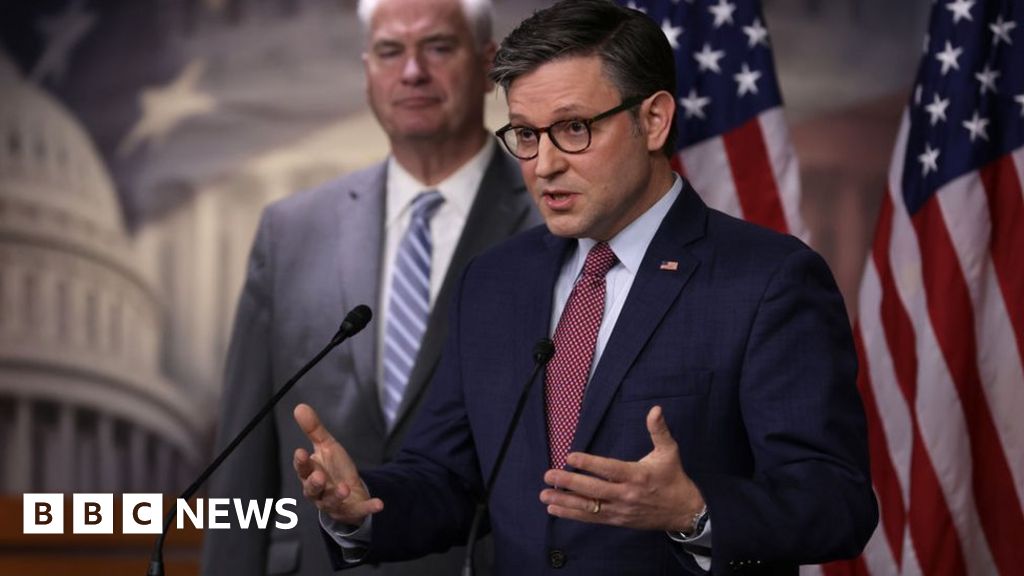
The outcome of the Senate Democrats’ efforts to salvage an aid bill for Israel and Ukraine will undoubtedly shape future aid packages. The political maneuvering and the specific provisions of the final bill will set precedents that will be crucial in determining how the US approaches similar requests in the future. This analysis examines the potential ramifications for future aid, exploring precedents, foreign policy shifts, and the broader impact on international relations.The success or failure of this aid package will influence how Congress and the executive branch view future requests for military and humanitarian aid.
Factors such as the strength of the arguments presented, the level of bipartisan support garnered, and the perceived urgency of the situations will play a significant role in shaping future decision-making. The precedent set by this aid package will be a key reference point when Congress considers similar requests from other countries in need.
Impact on Future Aid to Israel
The bill’s provisions regarding Israel, including the level of military aid and potential security cooperation, will serve as a template for future requests. If the bill secures significant funding, it could embolden Israel to request further assistance in the future, potentially leading to increased military spending. Conversely, a leaner package might discourage future requests or shift Israel’s reliance toward other allies.
The current political climate, including domestic concerns and geopolitical shifts, will significantly impact the nature and level of future aid.
Impact on Future Aid to Ukraine
Similar to Israel, the aid package’s success will influence future aid to Ukraine. The level of funding and the types of support offered will set a precedent for similar situations. The current crisis in Ukraine and its potential for escalation will influence future discussions about aid packages. If this bill secures significant resources, it could bolster Ukraine’s efforts in defense, potentially impacting their ability to counter further Russian aggression.
Impact on US Foreign Policy
The passage of the aid bill will have ramifications for US foreign policy. The decision to prioritize aid for Israel and Ukraine will likely affect the US’s commitment to other nations facing similar challenges. The allocation of resources will affect the US’s standing and influence in the international arena. It may prompt other countries to seek similar levels of assistance, altering the US’s approach to foreign aid and national security.
Senate Democrats are scrambling to salvage an aid bill for Israel and Ukraine, a complex endeavor. Understanding the political landscape is crucial, and factors like the demographics of red and blue states, as shown in this insightful analysis ( red blue states demographics ), significantly impact how these bills are perceived and ultimately voted on. The varying priorities and voting patterns across these regions will be key in shaping the outcome for the aid packages.
The potential long-term impact on the US’s international reputation and relationships will depend on the bill’s success and its perceived fairness.
Impact on Aid to Other Countries
The precedent set by the aid package for Israel and Ukraine will impact the US’s approach to aid for other nations. If the bill is passed with broad bipartisan support, it could lead to increased aid to countries facing similar challenges. Conversely, a bill passed with significant opposition may limit future aid packages to other countries in need.
The current geopolitical landscape and the perceived threat level to US interests will determine the extent of aid to other nations.
Long-Term Consequences of the Decisions
The decisions made regarding this aid bill will have lasting consequences. The level of aid and the specific provisions included will establish precedents that could shape US foreign policy for years to come. The bill’s passage or failure will signal a shift in US priorities, impacting the nation’s global role and the future of international relations. These decisions will significantly influence how the US responds to future crises and the allocation of resources to maintain global security.
Senate Democrats are scrambling to salvage that aid bill for Israel and Ukraine, a complex political situation. Meanwhile, it’s fascinating to see how fashion is influencing the political discourse, especially with Willy Chavarria’s captivating new collection showcased at New York Fashion Week. Willy Chavarria’s New York Fashion Week designs are really pushing boundaries, much like the Democrats are trying to do with the aid package.
Hopefully, they can pull it off, both the fashion show and the aid bill.
Impact on Domestic Politics
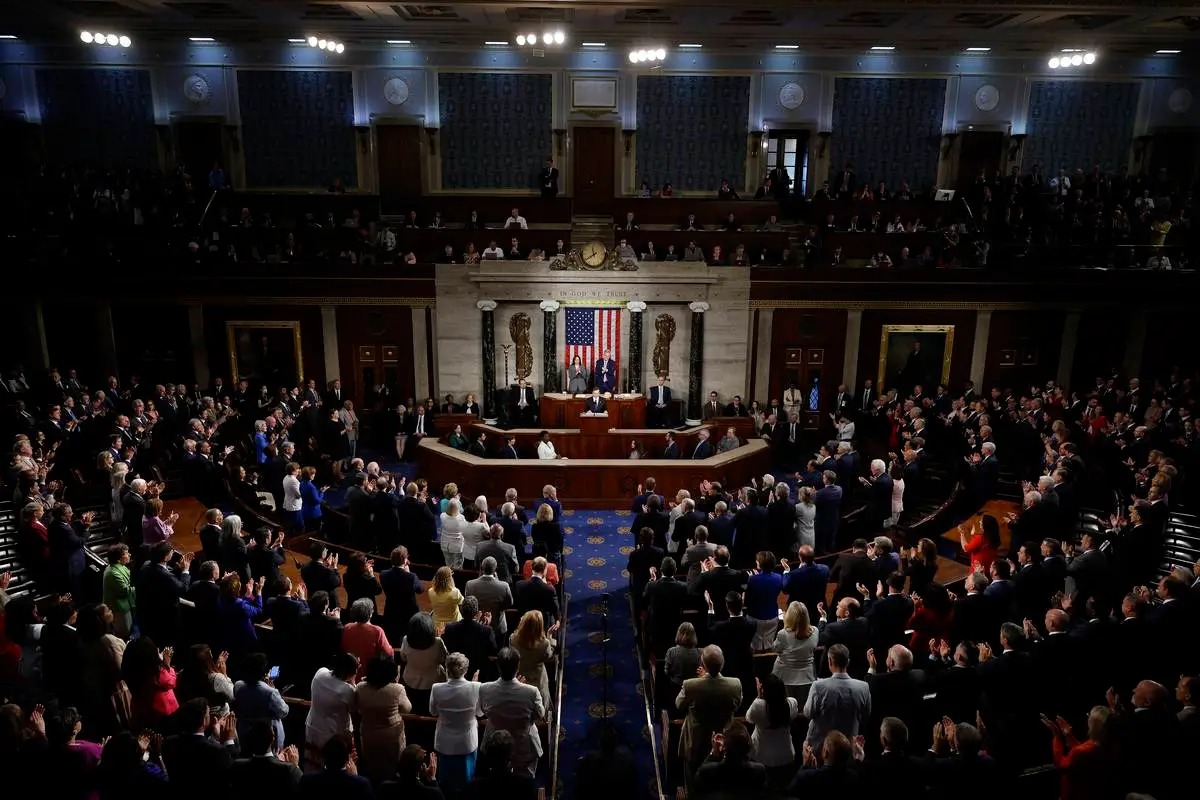
The proposed aid package for Israel and Ukraine is poised to become a major flashpoint in US domestic politics. The bill’s potential to reshape the political landscape is significant, affecting public opinion, party support, and potentially influencing future elections. Navigating these complexities will be crucial for the bill’s success and for the nation’s overall strategic interests.
Political Debate Surrounding the Bill
The aid bill has ignited a fervent debate across the political spectrum. Proponents emphasize the importance of supporting democratic allies and national security interests, citing the strategic implications of both regions. Conversely, opponents raise concerns about the financial burden on American taxpayers and the potential diversion of resources from domestic needs. The political rhetoric surrounding the bill has become increasingly polarized, highlighting the deep divisions within the electorate regarding foreign policy priorities.
Impact on Public Opinion and Voter Turnout
Public opinion on the aid bill is likely to be fractured, with significant variations across demographics and political affiliations. Support for the bill may be stronger among those who prioritize international relations and security concerns, whereas opposition might be more pronounced among those who favor domestic spending initiatives. The bill’s potential impact on voter turnout remains uncertain, but it could energize voters on both sides of the issue, potentially leading to higher participation in upcoming elections, especially if the debate becomes more salient in the public discourse.
Senate Democrats are scrambling to piece together an aid package for Israel and Ukraine. It’s a complex situation, but hopefully, they can find a solution that works for everyone. While the political theater unfolds, I’ve been listening to some fantastic Broadway cast albums, like broadway cast albums sweeney todd , which provides a nice distraction from the headlines.
Hopefully, the senators can find a compromise, just like the musical’s characters hopefully do, and get the aid bill passed soon.
A strong correlation between public opinion and voter turnout has been observed in similar legislative debates in the past.
Impact on Different Political Parties
| Political Party | Potential Impact |
|---|---|
| Democrats | The bill is likely to be strongly supported by Democrats, aligning with their traditional foreign policy stances and commitment to supporting allies. However, internal divisions might emerge depending on the specifics of the aid package and its cost. A significant portion of the Democratic party platform is focused on global leadership, so support for the bill would reflect this commitment. |
| Republicans | The bill is expected to face a more divided response within the Republican party. Some Republicans might support the aid package for Israel, while others might oppose it due to budgetary concerns or the belief that the resources could be better allocated domestically. The varying views within the Republican party highlight the complexities of the debate. |
| Independents | Independents are likely to hold a more nuanced view, with support potentially influenced by factors such as the perceived effectiveness of the aid and its impact on domestic priorities. The lack of strong party affiliation allows independents to consider the bill based on its merit, potentially leading to either strong support or strong opposition, depending on the public discourse and the specifics of the aid package. |
Impact on Future Elections or Political Agendas
The aid bill could significantly impact future elections and political agendas. The debate surrounding the bill could shape the platforms of various candidates and political parties, with their positions on the issue potentially becoming a key differentiator in the upcoming election cycle. Historically, foreign policy issues have been significant factors in determining electoral outcomes. The current bill, with its strong emphasis on foreign aid, could determine the political agenda for years to come, influencing discussions on international relations and resource allocation.
The current debate’s outcomes might influence the direction of future foreign policy initiatives and domestic spending priorities.
Illustrative Examples
The intricacies of international aid packages often hinge on complex historical precedents and geopolitical realities. Examining past instances of aid, both successful and unsuccessful, provides valuable insights into the challenges and opportunities surrounding the current proposal. Understanding the potential outcomes of this particular aid bill requires a careful analysis of analogous situations.
Past Aid Packages to Israel
The US has consistently provided significant financial and military aid to Israel throughout its history. One notable example is the 2018 National Defense Authorization Act (NDAA), which included substantial security assistance to Israel, addressing its security needs and strategic interests. This assistance was part of a long-standing commitment to Israel’s defense, reflecting the US’s strategic partnership and mutual security interests.
The US government’s justifications for such aid frequently cite the need to counter threats and maintain regional stability.
Past Aid Packages to Ukraine
The US provided military and humanitarian aid to Ukraine before the 2022 Russian invasion, although the scale and focus differed from the current proposal. These earlier aid packages focused on capacity building and defense capabilities, aimed at enhancing Ukraine’s ability to withstand potential threats. This previous aid can be viewed as a precursor to the current initiative, reflecting a growing recognition of Ukraine’s strategic importance and the need to bolster its resilience.
A Hypothetical Aid Bill Failure
Should the aid bill fail to pass Congress, it could signal a shift in US foreign policy priorities. The bill’s failure might be attributed to domestic political concerns, budgetary constraints, or a perceived lack of urgency. This scenario could potentially impact US credibility in international affairs and potentially embolden adversaries. Furthermore, the failure could also have a negative effect on the countries that were expecting the aid.
This could lead to a decrease in support and potentially influence future aid packages to other countries in similar situations.
A Hypothetical Successful Aid Bill
If the aid bill is successfully enacted, it would demonstrate US commitment to both Israel and Ukraine. This success could inspire similar support for other nations facing similar security challenges. This positive outcome could also enhance the US’s standing as a global security partner, potentially attracting further collaborations and alliances in the future.
Aid Bill within Historical Context
This aid bill can be seen as part of a larger historical pattern of US foreign aid. The US has historically provided aid to allies and partners, reflecting its geopolitical interests and strategic objectives. This bill, in particular, fits within a framework of providing aid to countries facing external threats and seeking to bolster their security. Historical precedents show the US has frequently used aid packages to reinforce alliances, counter threats, and pursue its foreign policy objectives.
This approach has often been accompanied by a combination of security concerns and the desire for regional stability.
Structuring Content with HTML Tables
This section delves into the crucial role of tables in presenting complex data related to the aid bill. Tables allow for a clear, concise, and easily digestible overview of the various aspects, facilitating comparisons and highlighting key trends. Using tables, we can effectively showcase the scope and impact of the proposed aid packages, fostering a deeper understanding of the potential ramifications.
Aid Packages Offered Over Time
Tables are instrumental in visualizing the evolution of aid packages. A well-structured table, with clear headers and rows, can show the chronological progression of financial support. This allows readers to compare the amounts and types of aid offered across different periods, providing context for the current proposal.
| Year | Country | Type of Aid | Amount (USD) |
|---|---|---|---|
| 2022 | Ukraine | Military Assistance | 10 Billion |
| 2022 | Israel | Security Assistance | 3 Billion |
| 2023 | Ukraine | Economic Recovery | 5 Billion |
| 2023 | Israel | Security and Defense | 2 Billion |
| 2024 | Ukraine | Long-Term Reconstruction | 7 Billion |
| 2024 | Israel | Military Modernization | 2.5 Billion |
Different Viewpoints on the Aid Bill’s Provisions
Analyzing the varying perspectives on the aid bill’s specifics is crucial. Different stakeholders, from advocacy groups to political parties, hold diverse viewpoints on the bill’s provisions. Presenting these viewpoints in a table format enables a comprehensive understanding of the complexities surrounding the issue.
| Group | Perspective | Specific Concerns/Arguments |
|---|---|---|
| Pro-Israel Lobby | Supportive | Maintaining Israel’s security is paramount, and the aid is vital for defense. |
| Humanitarian Organizations | Cautious | The aid package’s allocation should prioritize civilian needs and address long-term humanitarian crises. |
| Fiscal Conservatives | Skeptical | The aid package’s overall cost is too high and could negatively impact domestic programs. |
Economic Implications of Aid for Both Countries
The economic impact of the aid package needs to be evaluated for both recipient countries. A table can be used to illustrate the potential positive and negative impacts of the proposed aid.
| Country | Positive Economic Implications | Negative Economic Implications |
|---|---|---|
| Ukraine | Stimulates economic recovery, strengthens infrastructure, and promotes growth. | Potential for inflation, dependence on aid, and corruption. |
| Israel | Sustains military capabilities, strengthens security, and fosters regional stability. | Possible diversion of funds, dependency on aid, and potential inflationary pressure. |
Possible Consequences for Each Country
The potential consequences of the aid package should be assessed for both countries. A table format is suitable for presenting a comprehensive view of these potential outcomes.
| Country | Potential Positive Consequences | Potential Negative Consequences |
|---|---|---|
| Ukraine | Economic stability, military strength, and political influence. | Increased political pressure and possible foreign influence. |
| Israel | Enhanced security, strengthened military capabilities, and regional stability. | Potential for regional conflict and increased geopolitical tension. |
Potential Outcomes if the Bill Fails to Pass
This table Artikels the possible negative outcomes if the aid bill fails to pass, highlighting the consequences for both Ukraine and Israel.
| Country | Potential Negative Outcomes |
|---|---|
| Ukraine | Weakened military, hindered economic recovery, and increased vulnerability. |
| Israel | Weakened security posture, reduced military capabilities, and heightened regional instability. |
Epilogue
The fate of the aid bill for Israel and Ukraine hangs in the balance, potentially shaping US foreign policy for years to come. Navigating the complexities of geopolitical interests and domestic political pressures, the Senate Democrats face a formidable task. This effort underscores the intricate relationship between US aid, regional stability, and the evolving global landscape.
Quick FAQs
What are the specific provisions of the aid bill?
Unfortunately, the provided Artikel doesn’t specify the exact provisions. More details would be required to fully address this question.
What is the timeline of events related to the aid bill’s development?
The Artikel mentions a timeline, but it’s not included in the provided text. To understand the timeline, the Artikel needs to be expanded.
What are alternative strategies for supporting Israel and Ukraine?
The Artikel suggests alternative strategies, but the specific details are absent. A more comprehensive Artikel would reveal those options.
What is the impact of the aid bill on US domestic politics?
The Artikel touches on this, but the impact on US domestic politics will depend on the specific details of the bill and its passage, not the general Artikel.