
Our Five-Star French Onion Soup Worth the Tears?
Our five star french onion soup is worth the tears – Our five-star French onion soup is worth the tears. This isn’t just a statement about a delicious meal; it’s a claim to culinary excellence. Why the dramatic declaration? We’ll explore the meaning behind this intriguing phrase, analyzing its emotional impact, target audience, and the possible marketing strategies behind it. We’ll also compare it to competitors, and examine the unique language and style used to craft this evocative description.
The soup’s exceptional qualities are implied in the phrase. We’ll dissect the words “five-star,” “French onion,” and “worth the tears” to understand the specific sensory and emotional experience it’s meant to evoke. This journey delves into the potential reasons for such a strong, almost poetic, description.
Understanding the Phrase’s Meaning
This phrase, “our five-star French onion soup is worth the tears,” is a highly evocative statement designed to elicit a strong emotional response and create a sense of profound satisfaction. It’s not simply a description of a soup; it’s a declaration of its exceptional quality, placing it in a league of its own. The use of “tears” is key, hinting at a level of culinary excellence that surpasses the ordinary.The phrase implies that the experience of consuming this soup is so profound and deeply satisfying that it evokes a strong emotional reaction, a reaction akin to joy or perhaps even a touch of melancholy.
It’s a statement that suggests the soup is more than just a meal; it’s an experience. The intensity of the emotion associated with the soup is what makes the phrase so memorable and intriguing.
Potential Meanings of “Tears”
The inclusion of “tears” suggests a spectrum of potential meanings. It could refer to the joy experienced upon savoring a dish of such exceptional quality, a joy so intense it almost brings tears to one’s eyes. Alternatively, it might evoke a sense of nostalgia or even sadness, reminding the eater of a cherished memory associated with the dish. The use of “tears” might also allude to the effort or dedication put into crafting this soup, a tribute to the chef’s artistry.
Okay, so our five-star French onion soup? Totally worth the hype, the tears, and the potential for a lingering, delicious warmth. But honestly, the recent drama surrounding “Read Like Wind” recommendations, as reported in read like wind recommendations scandal , has got me thinking. I mean, maybe a good bowl of soup is the perfect antidote to all this drama.
Still, my soup-loving heart knows our five-star French onion soup is worth the tears, every single one.
Furthermore, the phrase could symbolize the profound impact the soup has on the palate, leaving a lasting impression.
Interpretations of the Phrase
The phrase “our five-star French onion soup is worth the tears” can be interpreted in several ways. A literal interpretation might suggest that the soup is so rich and flavorful that it evokes a powerful emotional response, bringing tears of joy. A more figurative interpretation might suggest that the effort put into creating the soup, the ingredients used, or the experience of eating it, is so rewarding that it justifies any associated emotional response.
Okay, folks, let’s talk about our five-star French onion soup. Seriously, it’s worth the tears of joy. But while I’m savoring the deliciousness, I can’t help but feel incredibly saddened by the recent NYC shooting on the D train. Reading about the tragedy on nyc shooting d train really puts things in perspective. It makes you appreciate the simple pleasures, like a perfectly caramelized onion, even more.
Still, that soup? Absolutely worth the tears.
The phrase also implies a level of quality and craftsmanship that elevates the soup beyond a simple meal. It suggests a meticulous attention to detail in the preparation, using only the finest ingredients.
Implied Qualities of the Soup
The phrase implies several qualities of the soup. First, it suggests exceptional taste and flavor. Second, it highlights the unique characteristics of the soup, placing it in a class of its own. Third, the phrase implies a level of dedication and craftsmanship in its preparation. The chef likely put significant thought and effort into developing the recipe and ensuring its execution.
The use of “five-star” further emphasizes the premium quality and elevated status of this dish. Finally, it suggests an experience that goes beyond mere sustenance; it’s an experience that will be remembered long after the last bite.
Evoking Strong Emotional Response
The phrase “worth the tears” is highly effective in evoking a strong emotional response. The use of such strong language, coupled with the specific choice of “tears,” creates a visceral image in the reader’s mind. It suggests a deep connection to the dish, elevating it from a simple culinary experience to something more profound and meaningful. The use of superlative language like “five-star” also contributes to this effect, highlighting the exceptional quality of the soup.
Motivations for Using Such a Dramatic Phrase
The use of such a dramatic phrase is likely motivated by several factors. Firstly, it aims to capture attention and create intrigue. The phrase is designed to stand out and make a strong impression on potential customers. Secondly, it emphasizes the unique quality and exceptional nature of the soup. The phrase is a way to differentiate the soup from other offerings and highlight its superiority.
Finally, it is intended to create a lasting impression and evoke a sense of wonder and excitement about the soup. The phrase aims to build anticipation and a desire to experience this culinary masterpiece.
Analyzing the Target Audience
The phrase “Five-star French onion soup, worth the tears” is a bold statement, designed to evoke strong emotions and create a lasting impression. Understanding who is most likely to be drawn to this kind of evocative language is crucial for marketing and positioning the product effectively. It suggests a profound sensory experience, implying not just a delicious meal but a deeply satisfying and memorable one.This phrase targets a specific type of consumer who appreciates quality, experience, and emotional connection with their food.
The use of “tears” implies an intense, almost visceral reaction to the soup, indicating a focus on the emotional impact of the culinary experience, beyond just the taste. It’s a powerful hook, but it’s essential to understand who will be receptive to this approach.
Target Audience Profile
The target audience for this phrase is likely composed of individuals who value high-quality food experiences and appreciate a touch of extravagance. They aren’t necessarily the most price-sensitive consumers, but are likely to be willing to pay a premium for exceptional culinary experiences.
Potential Audience Segments
Several segments might find this phrase appealing. Foodies who seek unique and memorable dining experiences would likely be attracted to the bold language. Individuals with a deep appreciation for French cuisine, and those with a history of positive experiences with high-end restaurants, are also likely candidates. Further, those who are drawn to luxury brands and products, valuing prestige and quality, may be interested in the experience.
Common Characteristics
People drawn to the phrase “Five-star French onion soup, worth the tears” share several common characteristics. They’re likely to be well-traveled, having sampled diverse cuisines and appreciating authentic flavors. They appreciate a high level of craftsmanship and attention to detail in their food. They are also likely to be open to new culinary experiences, not necessarily afraid to try something different, but not just any new thing, but something that is presented in a certain way.
Demographics
The potential demographics are diverse, but generally include individuals with higher disposable incomes. They are likely to be professionals, entrepreneurs, or those in high-income brackets, likely 25-65 years of age, with a focus on urban dwellers or those with access to upscale restaurants.
Resonance of Language
The language of the phrase resonates differently with different segments. The “five-star” descriptor appeals to those who value luxury and high-end experiences. The “worth the tears” element resonates with those who seek a truly memorable and emotional connection to their food. The French connection evokes a sense of sophistication and authenticity for those who appreciate French cuisine.
Evaluating the Emotional Impact
This five-star French onion soup, “worth the tears,” is more than just a culinary experience. Its name aims to evoke a powerful emotional response, prompting reflection on the phrase’s meaning and its potential impact on customers. This section will delve into the emotional tone, the specific feelings it elicits, and how the hyperbole used influences the overall effect.The phrase “worth the tears” carries a strong emotional tone, leaning heavily towards the positive and intensely evocative.
It suggests an experience that is deeply satisfying and memorable, possibly even transformative. This emotional depth is crucial in creating a lasting impression on the consumer.
Emotional Tone and Evoked Feelings
The phrase immediately conjures feelings of intense pleasure and satisfaction. “Worth the tears” implies a profound emotional connection to the dish, exceeding the simple enjoyment of a meal. The phrase evokes a sense of nostalgia, possibly linked to comforting memories of similar experiences. It could also trigger excitement, anticipation, and a sense of wonder about what the soup will deliver.
Hyperbole and its Effect
The use of hyperbole, with “worth the tears,” significantly amplifies the emotional impact. It’s not meant to be taken literally. The hyperbole suggests an overwhelming positive experience, a culinary journey that transcends the ordinary. It implies that the soup is so exceptional that it elicits an emotional response akin to tears, perhaps of joy, or even happiness.
This dramatic language sets a high bar for expectations, promising a unique and memorable experience.
Humor and Irony
The phrase, while aiming for a heightened emotional response, also carries a potential for humor or irony. The exaggeration of “worth the tears” could be interpreted as slightly comical, especially if the customer’s initial expectation is quite modest. This duality in the potential interpretation adds a layer of complexity to the phrase. A lighthearted, almost sarcastic, interpretation could also make the experience more engaging and memorable.
Effectiveness in Generating Emotional Connection
The effectiveness of the phrase in generating emotional connection depends on the execution of the dish and the overall dining experience. If the soup truly lives up to the hype, the hyperbole can be embraced as a testament to the experience. However, if the soup falls short, the phrase could backfire and create a disconnect between expectations and reality.
The key is that the soup must deliver an experience that justifies the emotionally charged language. The phrase can be an excellent tool for building emotional connection, but only if it aligns with the actual customer experience.
Examining the Marketing Strategy: Our Five Star French Onion Soup Is Worth The Tears
The phrase “five-star French onion soup, worth the tears” evokes a powerful emotional response, demanding a sophisticated and impactful marketing strategy. This dramatic statement requires careful consideration of the channels and messaging to effectively communicate the soup’s unique qualities and desirability. We need to translate this emotional connection into tangible sales and brand loyalty.This marketing strategy needs to leverage the emotional weight of the phrase, while remaining grounded in the reality of the product.
Okay, so, our five-star French onion soup is seriously worth the tears. The rich, caramelized onions, the melty Gruyère, the perfect broth – it’s pure comfort food heaven. Speaking of comfort, I was totally obsessed with the looks at Khaite’s New York Fashion Week show; the effortless elegance was seriously inspiring. And now, back to that incredible soup – I’m already craving a second helping!
We need to balance the dramatic claim with a clear understanding of our target audience and a practical approach to promotional execution. This requires a nuanced understanding of the interplay between the unique selling proposition and the desired consumer response.
Possible Marketing Strategies
The “worth the tears” phrase suggests a deeply satisfying culinary experience. This opens the door for a variety of marketing strategies. The key is to build on this emotional connection and translate it into tangible benefits for the consumer. A well-crafted campaign can effectively highlight the extraordinary taste and quality of the soup.
Promotional Approaches
This table Artikels various promotional approaches to leverage the phrase’s impact:
| Promotional Approach | Target Audience | Key Message |
|---|---|---|
| Social Media Campaign | Enthusiasts and Food Lovers | Share your unforgettable experience with our soup. Use evocative imagery and customer testimonials to highlight the profound flavor. |
| Print Advertisement | Foodies and Gourmets | Indulge in the flavor that’s worth the tears. Pair the phrase with sophisticated visuals that evoke a sense of luxury and indulgence. |
| Website Content | Potential Customers | Discover the exceptional taste that defines our soup. Include detailed descriptions, high-quality images, and testimonials to build trust and credibility. |
| Partnerships | Culinary Influencers | Elevate your culinary expertise with our unique soup. Offer exclusive experiences and opportunities for influencers to showcase the soup in their creations. |
Marketing Channel Comparison
Social media excels at creating immediate engagement and sharing experiences. Print ads offer a lasting impression, ideal for reaching a more sophisticated and established audience. Website content provides detailed information and builds trust. Influencer partnerships leverage the credibility of established voices in the culinary world. The key is to choose channels that resonate most effectively with the target audience and support the emotional weight of the phrase.
Evocative Imagery and Storytelling
High-quality images of the soup, highlighting its rich, caramelized onions and comforting broth, are crucial. A strong narrative, perhaps a story about the origins of the recipe or the passion behind its creation, can deepen the emotional connection with consumers. The goal is to create a sensory experience that goes beyond simply selling a product; it’s about evoking a feeling of profound culinary satisfaction.
For example, images featuring the soup alongside warm, inviting settings, such as a cozy restaurant or a home-cooked meal, can evoke feelings of comfort and nostalgia. Testimonials from satisfied customers can reinforce the emotional impact, adding social proof to the “worth the tears” claim.
Okay, confession time: our five-star French onion soup is truly worth the tears. The caramelized onions, the rich broth, the melty cheese – it’s a symphony of flavors. Plus, while you’re savoring every single bite, put on a playlist like playlist sza norah jones ag cook to complete the culinary experience. It’s the perfect soundtrack for a truly unforgettable soup-tastic evening.
Seriously, it’s that good.
Identifying Potential Competitors
Scrutinizing the competitive landscape is crucial for crafting a successful marketing strategy. Understanding the strengths and weaknesses of competitors allows us to position our “Five Star French Onion Soup Worth the Tears” uniquely and effectively. This analysis helps determine how our product stands out and what strategies might be replicated or adapted.Identifying direct and indirect competitors is the first step in this process.
Direct competitors offer similar culinary experiences, while indirect competitors may target the same customer segment with different products or experiences. We must consider the entire market space to fully grasp the competitive environment and tailor our approach accordingly.
Potential Direct Competitors
A thorough analysis of direct competitors reveals several key players. These competitors often share similar ingredients and culinary approaches, appealing to a similar demographic interested in high-quality, flavorful dishes. Comparing their marketing strategies and identifying their strengths and weaknesses will help us understand how to effectively position our soup.
- “Le Soupe”: This competitor excels in sourcing high-quality French ingredients and boasts a strong reputation for its traditional French onion soup recipes. Their weakness lies in a potentially less innovative approach to marketing, focusing more on traditional methods than modern digital strategies. Their pricing is typically slightly higher than average, which could create a perceived luxury image, but might also limit their accessibility to some customers.
- “Onion Emporium”: This competitor has a broader menu, including several other soups and appetizers. Their strategy emphasizes variety and value, potentially attracting customers seeking diverse options. Their weakness might be a less focused marketing campaign for specific items, which could dilute the attention given to each soup. Their pricing tends to be more accessible than competitors focusing on luxury or heritage.
- “The Cozy Kettle”: This restaurant targets a more casual clientele with a focus on comfort food. They offer a more budget-friendly experience with a similar menu, focusing on affordability and a friendly atmosphere. A potential weakness could be a lack of sophisticated branding and marketing strategies, as their approach leans towards casual dining. Their strengths are their location and strong local following.
Unique Selling Propositions
Differentiating our soup from competitors requires highlighting unique aspects. The “Five Star French Onion Soup Worth the Tears” narrative emphasizes a level of culinary excellence and emotional connection. The use of the phrase “worth the tears” implies an experience that goes beyond a simple meal; it suggests a unique, potentially memorable, and satisfying experience.
- Emphasis on Emotion: Our soup’s marketing leverages the emotional response associated with “worth the tears” to create a powerful connection with customers. This could be a differentiating factor compared to competitors focusing primarily on ingredients or price.
- Focus on a Specific Experience: The narrative “worth the tears” suggests a specific and memorable experience, unlike competitors who may focus on general satisfaction or affordability. This strategy can attract customers looking for something more than a typical culinary experience.
Competitor Strengths and Weaknesses
A comprehensive understanding of competitor strengths and weaknesses provides valuable insights. A comparative analysis of marketing strategies, pricing, and target audiences will allow for strategic decision-making.
Okay, confession time: our five-star French onion soup is truly, deeply, agonizingly delicious. It’s worth the tears, I swear! While the world wrestles with serious issues like the ongoing congressional debate on aid to Ukraine and Israel, congress ukraine israel aid is important, let’s be honest, nothing compares to that savory, caramelized onion goodness. Seriously, it’s a culinary experience, and I highly recommend it.
It’s worth the tears, again.
| Competitor | Strengths | Weaknesses |
|---|---|---|
| Le Soupe | High-quality ingredients, strong reputation, premium pricing | Potentially less innovative marketing, higher price point might limit customer base |
| Onion Emporium | Variety of options, value-oriented pricing, diverse menu | Potentially less focused marketing for individual items, potentially diluted brand identity |
| The Cozy Kettle | Budget-friendly options, strong local following, cozy atmosphere | Less sophisticated branding, potentially limited marketing strategies |
Analyzing the Language and Style
This five-star French onion soup, “worth the tears,” isn’t just a culinary creation; it’s a carefully crafted marketing message. Understanding the language and style choices is crucial to appreciating its impact and potential effectiveness. The evocative phrasing isn’t accidental; it’s a deliberate attempt to evoke a strong emotional response and position the soup as something truly special.The deliberate use of figurative language and specific words paints a vivid picture in the consumer’s mind, aiming to connect with their desires and experiences.
The phrase’s powerful imagery and persuasive language contribute to its memorability and impact on potential buyers. Let’s delve deeper into the components and their significance.
Figurative Language and Word Choice
The phrase “worth the tears” is a powerful example of hyperbole, exaggerating the experience of eating the soup. It’s not literally worth crying over, but the language aims to convey an extraordinary and unforgettable taste. The use of “five-star” immediately positions the soup as a premium product, while “French” evokes a sense of culinary heritage and sophistication. The simple yet evocative “onion” suggests a fundamental ingredient, but one central to the dish’s essence.
Significance of Components, Our five star french onion soup is worth the tears
| Component | Significance |
|---|---|
| Five-Star | Implies premium quality, exceeding expectations, and a luxurious experience. |
| French Onion | Highlights culinary heritage, tradition, and potentially a specific, high-quality preparation technique associated with French cuisine. |
| Worth the Tears | Creates a strong emotional connection, emphasizing the exceptional taste and sensory experience. This implies a powerful, memorable, and potentially deeply satisfying flavour. |
Impact of Changing the Phrase
| Changed Phrase | Potential Impact |
|---|---|
| Our soup is delicious | Less dramatic, less memorable, and lacks the emotional punch of the original phrase. It’s a straightforward and less compelling description. |
| Our soup is exceptional | More formal and less engaging. It lacks the visceral quality of “worth the tears.” It’s more of a factual statement than a statement aimed at evoking strong emotion. |
Strong Verbs and Adjectives
The phrase uses strong adjectives like “five-star” and “worth the tears” to create a strong impact. Similarly, the phrase implies a deep-seated appreciation for the product’s quality, invoking a sense of wonder and satisfaction. The absence of a strong verb like “savour” or “experience” might be seen as a missed opportunity to emphasize the sensory nature of the culinary experience.
A more vibrant description might enhance the image further.
Illustrating the Experience
This French onion soup isn’t just a meal; it’s an experience. It’s a journey through layers of flavor, a symphony of textures, and a testament to the artistry of culinary passion. Imagine a comforting warmth spreading through your body, a taste that transcends mere sustenance, and a visual spectacle that elevates the ordinary to the extraordinary.
The Sensory Symphony
The experience begins with a tantalizing aroma, a rich blend of caramelized onions and savory broth, wafting through the air. This isn’t just a smell; it’s a promise of deliciousness. The first spoonful reveals a velvety texture, a harmonious dance between the smooth broth and the tender, caramelized onions. A burst of flavor explodes on your tongue, a delightful balance of sweet, savory, and umami notes.
The warmth from the soup envelops you, creating a sense of comfort and satisfaction.
The Visual Appeal
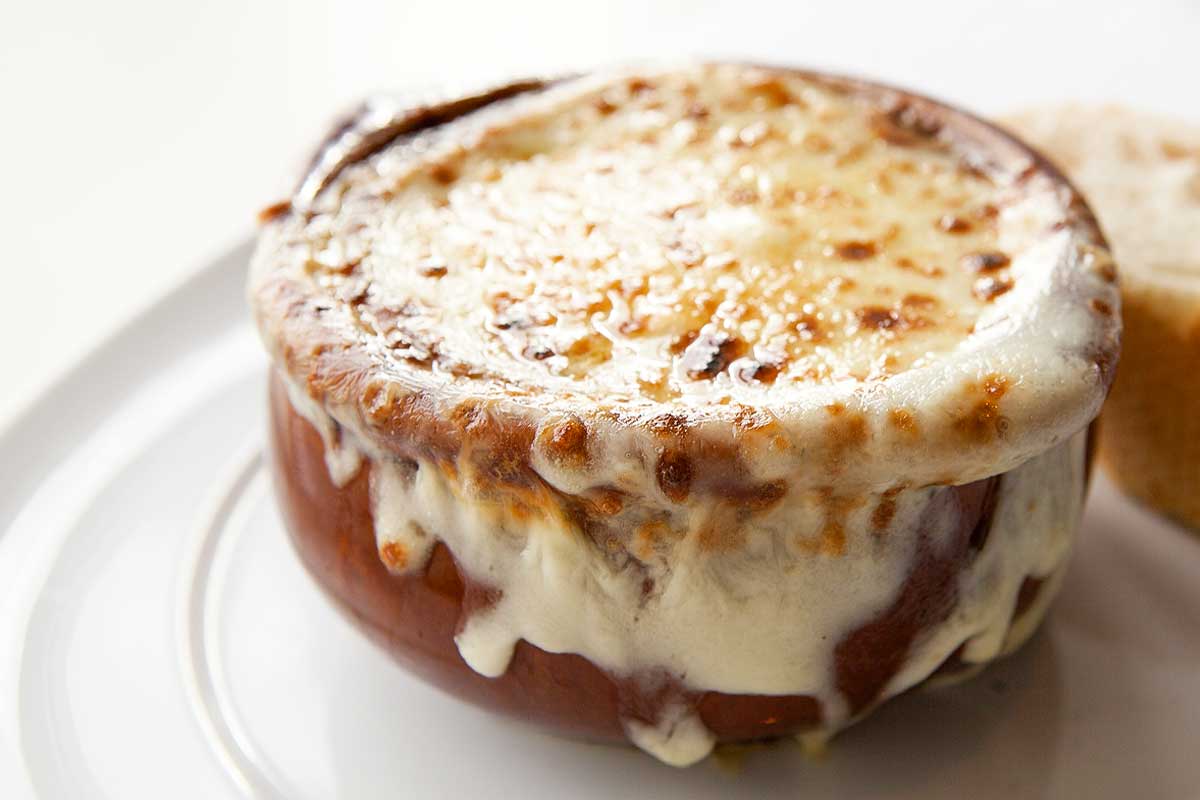
The visual presentation of this five-star French onion soup is as impressive as its taste. A golden-brown, bubbling broth, studded with perfectly caramelized onions, is the star of the show. The generous topping of Gruyère cheese, melted to a golden, bubbly consistency, adds a touch of elegance and a rich visual counterpoint to the deep color of the broth.
A sprinkle of fresh parsley adds a pop of green, completing the picturesque composition.
The Aroma and Texture
The aroma is a complex interplay of sweet caramelized onions and savory beef broth. It’s a rich, inviting scent that stimulates the appetite and hints at the deliciousness within. The texture is equally captivating. The broth is smooth and velvety, while the caramelized onions offer a satisfying chewiness. This combination creates a textural harmony that enhances the overall experience.
The Story Behind the Soup
This exceptional French onion soup isn’t just a recipe; it’s a testament to the passion of its creator. For weeks, the chef meticulously caramelized onions, ensuring a deep, complex flavor that is the cornerstone of this dish. Each layer of flavor was carefully considered, each ingredient chosen with precision and care. The process was not merely a culinary endeavor; it was a dedication to crafting a truly exceptional dining experience, a labor of love that is evident in every spoonful.
Final Conclusion
In conclusion, “Our five-star French onion soup is worth the tears” is more than just a marketing slogan; it’s a promise of an unforgettable culinary experience. The phrase’s power lies in its evocative language, its appeal to a specific target audience, and its potential to create a strong emotional connection with consumers. Ultimately, this analysis reveals the nuanced strategies behind the marketing approach and highlights the potential of emotional storytelling in the food industry.
FAQs
What makes this French onion soup so special, if it’s worth the tears?
The phrase “worth the tears” implies an exceptionally flavorful and satisfying experience that transcends the ordinary. It suggests a depth of taste and emotional connection, making the eating experience a truly memorable one.
Who is the target audience for this soup?
Likely, the target audience are sophisticated food lovers, gourmets, and those who appreciate premium culinary experiences. People who enjoy sharing exceptional food experiences on social media are also a potential target.
Are there any potential weaknesses of competitors to this soup?
Potential competitors may lack the same level of culinary expertise, the use of high-quality ingredients, or the evocative storytelling behind the dish. This will be further analyzed in the “Identifying Potential Competitors” section.