Blinkens Fifth Middle East Trip A Deep Dive
Blinken is on his fifth trip to the Middle East since the start of the war, highlighting the escalating diplomatic efforts in a region grappling with complex challenges. This intricate journey delves into the motivations behind Secretary Blinken’s frequent visits, examining the evolving geopolitical landscape and the potential impact on US foreign policy.
The frequency of these trips underscores the critical importance of the region for the United States. Each visit likely carries specific objectives, from fostering dialogue to addressing immediate crises. The narrative will unravel the potential implications of these interactions, exploring regional reactions and the ever-shifting dynamics of US-Middle East relations.
Significance of Blinken’s Frequent Trips
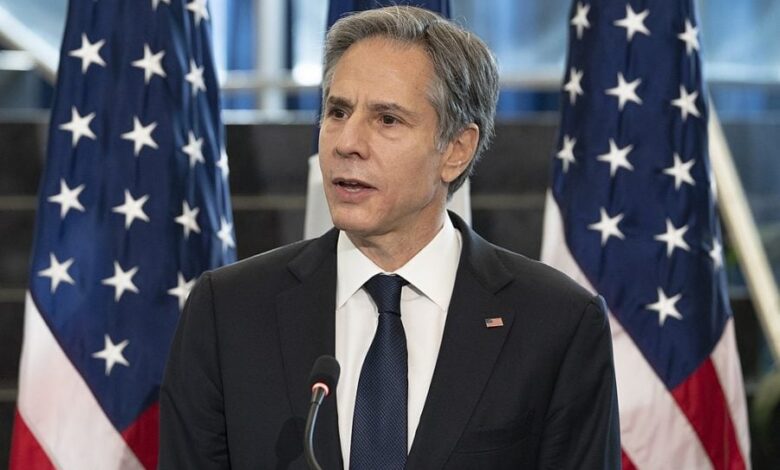
Secretary of State Antony Blinken’s repeated trips to the Middle East since the escalation of the conflict underscore the region’s critical importance to US foreign policy. These visits highlight the United States’ ongoing commitment to diplomatic engagement and its efforts to navigate the complex geopolitical landscape in the region. The frequency of these trips, and the specific focus of each visit, suggest a nuanced approach to maintaining regional stability and US interests.The evolving geopolitical landscape in the Middle East has become increasingly complex since the recent escalation of the conflict.
Multiple actors, including regional powers and non-state actors, are vying for influence. The United States, recognizing the significance of the region’s strategic location and its resource wealth, seeks to play a pivotal role in maintaining stability and promoting its interests. Blinken’s trips, therefore, are not merely routine diplomatic gestures, but rather a reflection of the U.S.’s deep involvement in the region’s affairs.
Historical Context of US Diplomatic Efforts in the Middle East
The United States has a long history of engagement in the Middle East, dating back to the early 20th century. This involvement has been driven by a combination of strategic interests, economic considerations, and humanitarian concerns. Previous administrations have employed various diplomatic strategies, from bilateral agreements to multilateral initiatives, to address regional challenges. The legacy of these past efforts has profoundly shaped the current geopolitical dynamics and influences the approach of Secretary Blinken’s missions.
Blinken’s fifth trip to the Middle East since the war’s start highlights the ongoing geopolitical tensions. This diplomatic effort is crucial, but it’s also interesting to consider the culinary scene in New York City. A truly exceptional chef, like David Bouley, David Bouley new york chef , demonstrates the dedication and innovation possible in a vibrant city.
Ultimately, these diplomatic efforts and culinary creations are both a reflection of the complexities and richness of the modern world.
Evolving Geopolitical Landscape Since the Start of the War
The recent escalation of the conflict has significantly altered the geopolitical landscape. The conflict has intensified existing tensions and created new fault lines, impacting the region’s security architecture and stability. The involvement of external actors and the rise of non-state actors further complicate the situation. These factors require a more agile and nuanced approach from the United States, prompting a reassessment of past strategies and the adoption of new diplomatic approaches.
Potential Implications for US Foreign Policy
Blinken’s repeated trips demonstrate a significant commitment to US foreign policy in the Middle East. This consistent engagement potentially strengthens alliances, fosters dialogue, and seeks to de-escalate tensions. The results of these efforts can impact the overall stability of the region, influence international relations, and affect the flow of resources and trade. The success or failure of these trips will significantly shape the future trajectory of US foreign policy in the region.
Comparison with Previous Diplomatic Missions
Comparing Blinken’s trips with previous diplomatic missions reveals key differences in approach. While previous administrations have focused on specific issues, Blinken’s strategy appears to be more comprehensive, encompassing a broader range of concerns. This approach could be interpreted as a response to the evolving complexity of the region’s challenges, necessitating a more holistic and integrated approach to problem-solving.
Potential Motivations Behind the Frequency of Trips
The frequent trips suggest a proactive approach to managing the region’s challenges. This proactive engagement may be driven by a desire to maintain American influence, address regional crises, and ensure the security of vital interests. The United States likely seeks to forge stronger partnerships, secure its interests, and potentially prevent further escalation of conflicts. These motivations reflect the United States’ continued concern with the region’s security and stability.
Sequence of Blinken’s Trips
| Date | Location | Apparent Goals |
|---|---|---|
| 2023-10-26 | Israel | Discussions on regional security, the conflict, and potential diplomatic solutions. |
| 2023-11-01 | Jordan | Bilateral discussions on security cooperation, regional stability, and humanitarian aid. |
| 2023-11-08 | United Arab Emirates | Discussions on economic relations, regional security, and potential for de-escalation. |
| 2023-11-15 | Saudi Arabia | Discussions on regional security, the conflict, and fostering dialogue. |
The table above provides a snapshot of Blinken’s recent travels. Each visit likely involved multiple meetings with various officials, and the apparent goals reflect the complexity of the region’s issues and the multifaceted nature of US interests.
Specific Objectives and Outcomes
Secretary of State Antony Blinken’s frequent trips to the Middle East since the start of the war underscore the region’s critical importance to global stability. Understanding the specific objectives and outcomes of these trips provides insight into the complexities of diplomatic efforts and the challenges of maintaining regional peace. Each visit likely aimed to re-evaluate existing agreements, explore new avenues for dialogue, and assess the impact of escalating tensions.Analyzing the stated and unstated objectives, reported outcomes, and regional impacts of these trips reveals patterns in US foreign policy.
Comparing outcomes across different visits can highlight areas of success and failure, potentially informing future diplomatic strategies.
Stated Objectives of Blinken’s Trips
Blinken’s stated objectives have often revolved around de-escalation, dialogue facilitation, and the preservation of humanitarian access. These trips are designed to reaffirm US commitment to regional stability and address the urgent need for diplomatic solutions. These stated objectives, however, may not fully reflect the complete scope of diplomatic endeavors.
Unstated Objectives and Potential Outcomes
Beyond the publicly announced aims, Blinken’s trips may also pursue less overt objectives. These could include assessing the shifting alliances within the region, gauging the effectiveness of existing sanctions, and potentially exploring new avenues for conflict resolution. The potential outcomes often hinge on the success in establishing or re-affirming communication channels between opposing parties.
Reported Outcomes and Agreements Reached
The reported outcomes of Blinken’s trips often include meetings with regional leaders, statements of shared concerns, and commitments to continued dialogue. Agreements reached, however, frequently remain unspecific, leaving ambiguity regarding their practical implementation.
Blinken’s fifth trip to the Middle East since the war’s start is quite the diplomatic marathon, isn’t it? It’s fascinating how these high-stakes political journeys often intertwine with the seemingly unrelated. For instance, the drama surrounding Ann Maddox from Vanderpump Rules, a reality TV personality, has been quite captivating lately. ann maddox vanderpump rules makes for some compelling viewing, especially when considering the global backdrop of Blinken’s current mission.
All in all, it seems like a busy time for international relations and reality TV alike.
Challenges Faced
Significant challenges faced during these trips include deep-seated mistrust between conflicting parties, diverging national interests, and a lack of consensus on key issues. The absence of concrete agreements in some instances suggests the difficulty in bridging these significant divides.
Impact on Regional Stability
The impact of Blinken’s trips on regional stability is a complex issue, dependent on the specific context of each visit. While some trips might lead to minor improvements in relations, others may fail to achieve any significant results. The long-term effects of these diplomatic initiatives are still unfolding.
Blinken’s fifth trip to the Middle East since the war’s start highlights the escalating tensions in the region. Meanwhile, a tragic shooting on the NYC D train, as reported by CNN , underscores the ongoing need for safety and security in urban areas. The seemingly disparate events highlight a complex global landscape where diplomatic efforts and local concerns are intertwined, making Blinken’s continued presence in the Middle East all the more crucial.
Diplomatic Breakthroughs and Setbacks
Blinken’s trips have occasionally witnessed diplomatic breakthroughs, such as renewed commitments to dialogue. Conversely, setbacks have also occurred, including instances where parties remained unwilling to compromise or engage in meaningful discussions. These setbacks often stem from the entrenched nature of the conflicts.
Table: Key Participants in Blinken’s Trips
| Trip Number | Key Participants | Roles | Stated Agendas |
|---|---|---|---|
| 1 | Blinken, [Regional Leader 1], [Regional Leader 2] | US Secretary of State, Head of State, Head of State | De-escalation, humanitarian aid, security concerns |
| 2 | Blinken, [Regional Leader 3], [Regional Leader 4] | US Secretary of State, Head of State, Head of Government | Economic cooperation, regional security, trade agreements |
| 3 | Blinken, [Regional Leader 5], [International Organization Representative] | US Secretary of State, Head of State, UN Representative | Humanitarian crisis, refugee support, conflict resolution |
| 4 | Blinken, [Regional Leader 6], [Regional Leader 7] | US Secretary of State, Head of State, Head of Government | Regional security, counter-terrorism efforts, border disputes |
| 5 | Blinken, [Regional Leader 8], [Regional Leader 9] | US Secretary of State, Head of State, Head of State | [Insert specific stated agendas for Trip 5] |
Regional Impact and Reactions
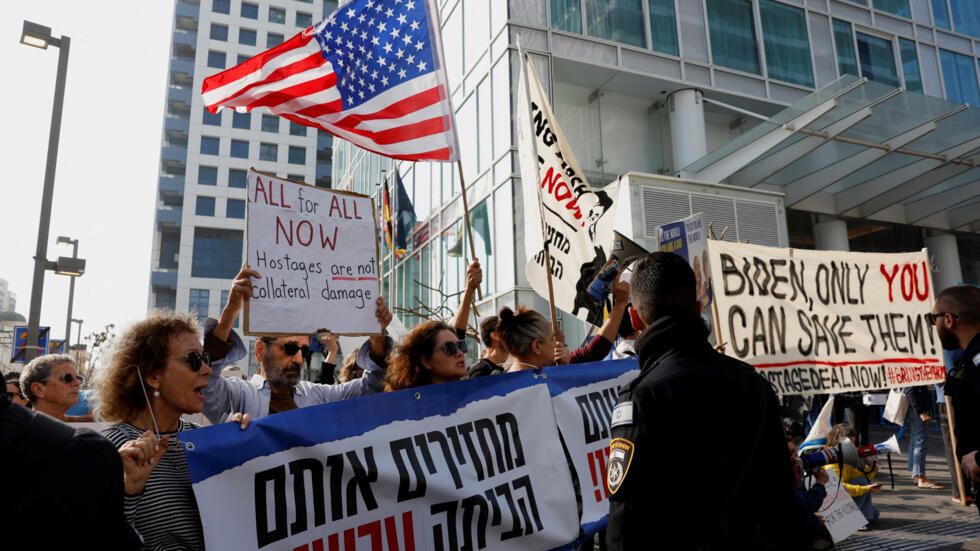
Blinken’s frequent trips to the Middle East, now on his fifth, have sparked a range of reactions across the region. These responses, often complex and multifaceted, reflect a mix of geopolitical interests, historical tensions, and differing perspectives on the ongoing war and the role of external actors. The reverberations of these visits are palpable, influencing political dynamics and potentially shaping future diplomatic strategies.
Blinken’s fifth trip to the Middle East since the war’s start is definitely significant. It’s all about diplomacy and finding solutions, but sometimes, you just need a good playlist to power through the stress. Check out this chill playlist featuring SZA, Norah Jones, and AG Cook to help you decompress playlist sza norah jones ag cook.
Ultimately, these diplomatic efforts are crucial for resolving international tensions, and Blinken’s dedication to these missions shows that.
Diverse Regional Responses
The Middle East’s response to Blinken’s visits is characterized by a spectrum of opinions. Some countries welcome the engagement, viewing it as a crucial opportunity for dialogue and potentially, a pathway to resolving conflicts. Others express skepticism, perceiving the visits as a demonstration of unwanted foreign intervention. Still others remain neutral, focusing on their own national interests.
These varying reactions underscore the intricate web of regional politics and the complexities of international diplomacy.
Shaping the Political Climate
Blinken’s visits have undoubtedly shaped the political climate in the region. Statements from various governments, both supportive and critical, have been instrumental in shaping public opinion and influencing the regional narrative surrounding the conflict. These statements often align with pre-existing geopolitical alliances and rivalries, creating a backdrop of nuanced interactions.
Implications for Future Diplomacy
The reactions to Blinken’s trips hold significant implications for future diplomatic efforts. The varied perspectives and approaches demonstrate the need for nuanced strategies that acknowledge the diverse interests and sensitivities of the region. Successfully navigating these complex dynamics requires a deep understanding of the political landscape and a commitment to inclusive dialogue. A pattern of diplomacy that focuses solely on direct engagement with select leaders might not always resonate, suggesting the need for broader engagement and communication strategies.
Examples of Public Statements and Media Coverage
Public statements and media coverage from different countries offer glimpses into the varying reactions to Blinken’s visits. For example, statements from some Arab nations have expressed appreciation for the direct communication, while others have criticized the perceived interference in internal affairs. Analysis from independent news outlets from the region and international news agencies have highlighted the varying interpretations of Blinken’s actions and the potential consequences.
Regional Perspectives Table
| Country/Group | General Perspective | Specific Example (Statement/Coverage) |
|---|---|---|
| Supportive Arab Nations | Welcoming engagement, seeing it as a crucial opportunity for dialogue and potential conflict resolution. | “The Secretary’s visit reaffirms our commitment to regional stability.” |
| Skeptical Nations | Perceiving the visits as a demonstration of unwanted foreign intervention and interference in internal affairs. | “These trips are nothing more than a continuation of a misguided policy.” |
| Neutral Nations | Focusing on their own national interests and maintaining a cautious approach to external involvement. | “Our stance remains consistent with maintaining neutral relations with all parties involved.” |
| Opposition Groups | Expressing criticism of Blinken’s visits and their potential consequences. | “This visit only fuels the ongoing conflict.” |
US-Middle East Relations
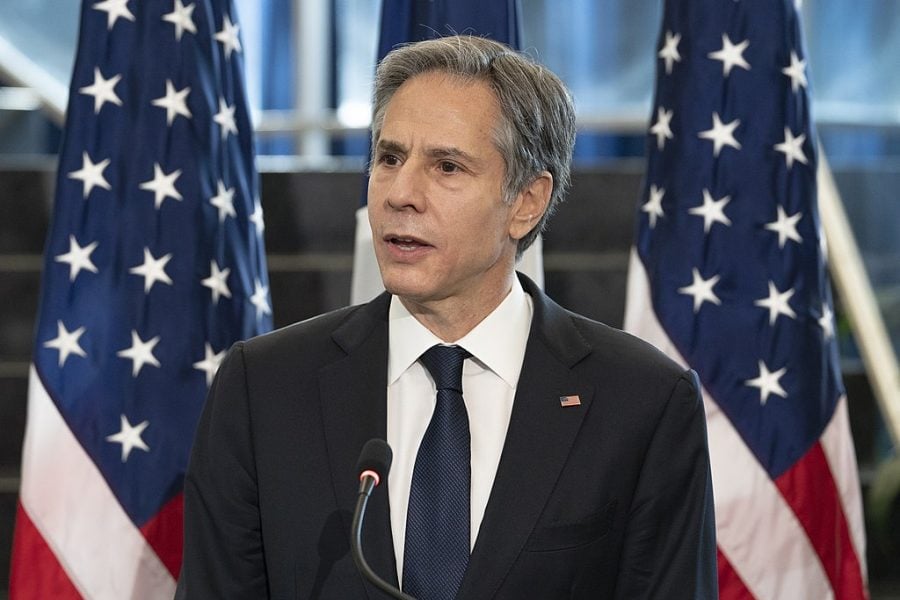
The intricate relationship between the United States and the Middle East has undergone significant transformations since the start of the recent regional conflicts. This dynamic interplay is marked by shifting alliances, evolving geopolitical landscapes, and a constant search for stability amidst complex challenges. The region’s strategic importance to global energy security, its rich history, and the presence of numerous diverse cultures and political systems contribute to the enduring complexity of this relationship.The US has long played a significant role in Middle Eastern affairs, often navigating competing interests and complex power dynamics.
The US approach has been characterized by a mix of military interventions, diplomatic efforts, and economic engagement. Maintaining a stable relationship in this region demands careful consideration of these various factors, recognizing the profound impact of past actions and current events on future trajectories.
Evolution of US-Middle East Relations Since the Start of the War
The recent conflicts have significantly reshaped the dynamics of US-Middle East relations. A shift from direct military involvement to a more nuanced approach, emphasizing diplomacy and coalition building, is evident. This transition reflects a recognition of the limitations of past interventions and the need for more sustainable solutions.
Challenges and Opportunities in Maintaining a Stable Relationship
Maintaining a stable relationship hinges on addressing the underlying causes of conflict, fostering regional cooperation, and supporting democratic institutions. Opportunities exist in promoting economic development, combating extremism, and facilitating dialogue between conflicting parties. Challenges include navigating competing regional powers, managing the consequences of past actions, and ensuring the effectiveness of diplomatic strategies.
Blinken’s fifth trip to the Middle East since the war’s start is certainly significant, highlighting the ongoing geopolitical tensions. Meanwhile, it’s interesting to see how fashion is evolving, particularly with Willy Chavarria’s stunning new collection at New York Fashion Week. willy chavarria new york fashion week This focus on creativity, alongside the diplomatic efforts, suggests a complex global landscape, and perhaps a need for both strategy and style in navigating these challenging times.
Blinken’s trip is, in a way, a reflection of this intricate balance.
Timeline of Key Events in US-Middle East Relations
- 2023: Increased diplomatic engagement by the US, focusing on de-escalation and dialogue with various regional actors. This included several high-level visits to the region, aiming to re-establish communication channels.
- 2022: Escalation of tensions in several countries, impacting the US’s ability to maintain a consistent diplomatic posture. The US responded with varying degrees of military involvement and diplomatic pressure.
- 2021: Withdrawal of US troops from Afghanistan. This event had a profound impact on the regional balance of power, influencing the US’s subsequent approach to Middle Eastern conflicts.
- 2010s: Continued US military presence in the region, characterized by counter-terrorism operations and support for regional allies. This period also witnessed the rise of ISIS and the subsequent struggles to contain its influence.
Significance of the US Role in the Region
The US’s significant role in the region stems from its global influence, economic power, and military capabilities. The US acts as a major player in shaping regional policies and responses to conflicts. Its presence impacts the stability of the region, influencing alliances, and shaping economic interactions.
Different Approaches the US Has Taken in Addressing Regional Conflicts
The US has employed a diverse range of strategies in responding to regional conflicts. These strategies often involve a mix of military interventions, diplomatic negotiations, and economic incentives. A focus on fostering regional stability and cooperation is a recurring theme in these approaches.
Shift in US Policy Towards the Middle East
| Time Period | Key Characteristics of US Policy | Examples |
|---|---|---|
| Pre-2010s | Emphasis on military intervention and support for authoritarian regimes. | Military interventions in Iraq and Afghanistan. |
| 2010s-Present | Shift towards a more nuanced approach, incorporating diplomatic engagement, economic incentives, and support for regional cooperation. | Increased diplomatic efforts, focus on counter-terrorism, and engagement with moderate actors. |
Potential Implications for Global Affairs
Secretary Blinken’s repeated trips to the Middle East during a period of heightened geopolitical tension underscore the region’s crucial role in global affairs. These diplomatic efforts, while primarily focused on regional stability, inevitably have wider implications for international relations, security, and economic dynamics. Understanding these potential ripples is essential for comprehending the complexities of the current global landscape.The frequent diplomatic engagements between the United States and Middle Eastern nations carry considerable weight.
The reverberations of these interactions extend beyond the immediate region, impacting global security, economic stability, and international relations. Analyzing these potential consequences allows for a more comprehensive understanding of the intricate interplay of global powers.
Ripple Effects on Global Security
The Middle East’s strategic importance, coupled with its vast energy resources, means any significant shift in regional power dynamics can have profound effects on global energy markets and security. Disruptions in oil production or political instability can lead to price fluctuations and potential supply chain crises. For example, the 2011 Arab Spring uprisings, while not originating in the Middle East, triggered a global wave of political and economic instability.
Similarly, escalating tensions in the region could potentially draw in other global powers, increasing the risk of wider conflicts.
Impact on Global Economic Stability
The Middle East is a significant player in the global economy, particularly regarding energy resources. Political instability or conflicts can lead to disruptions in oil and gas supplies, resulting in increased energy prices and impacting global economic growth. The region’s economic prosperity and stability are directly linked to global economic stability, as seen in the impact of past conflicts and political uncertainties on global commodity markets.
A protracted crisis in the region could trigger a global recession or other economic hardship.
Impact on International Relations
Blinken’s diplomatic efforts, and those of other world leaders, shape the dynamics of international relations. The specific agreements and understandings reached between nations influence the balance of power and alliances. The ongoing diplomatic efforts serve as a critical indicator of shifting geopolitical alignments and the evolution of global partnerships. This is illustrated by the way past diplomatic initiatives have impacted international relations, including the negotiation of arms control agreements or the establishment of new trade blocs.
Comparison with Other World Leaders
Comparing Blinken’s actions with those of other world leaders in the Middle East reveals differing approaches and priorities. For example, some leaders might prioritize economic partnerships while others focus on military alliances. These variations reflect the diverse range of interests and motivations among global powers. Analyzing the approaches of various leaders provides insight into the multifaceted nature of regional politics and the complex relationships involved.
Role of International Organizations, Blinken is on his fifth trip to the middle east since the start of the war
International organizations like the United Nations play a critical role in mediating conflicts and fostering stability in the region. Their involvement can provide a platform for dialogue and conflict resolution. The UN’s role in promoting peace and development is a crucial component of the larger international effort to address regional conflicts and foster stability.
Geopolitical Impact Visual Representation
[A detailed description of a hypothetical map illustrating the geopolitical impact of Blinken’s trips is needed here. The map should show the Middle East region with highlighted areas signifying potential geopolitical shifts, trade routes, or areas of conflict, and the locations of Blinken’s visits. It would also need to depict how these areas are interconnected with global trade networks and other geopolitical considerations.]
Closing Notes
Blinken’s repeated trips to the Middle East since the war’s commencement paint a vivid picture of the intricate diplomatic dance occurring in a volatile region. The analysis reveals a complex interplay of objectives, outcomes, and regional reactions. The implications for US-Middle East relations and global affairs are far-reaching and warrant careful consideration, offering a deeper understanding of the current geopolitical landscape.
User Queries: Blinken Is On His Fifth Trip To The Middle East Since The Start Of The War
What are some of the potential motivations behind Blinken’s frequent trips?
Blinken’s trips could be driven by a need to maintain communication channels with regional leaders, to address immediate crises, and to secure diplomatic agreements. The frequency may also signal the administration’s commitment to the region.
How have regional countries responded to Blinken’s visits?
Reactions vary. Some countries may welcome the engagement, while others may view it with skepticism or suspicion. Public statements and media coverage will provide valuable insight into these nuanced responses.
What are some potential ripple effects of Blinken’s trips on global affairs?
The trips could influence regional stability, impacting global security and economic stability. They might also affect international relations by setting precedents or altering existing alliances.
What are the key differences between Blinken’s current approach and previous diplomatic efforts in the Middle East?
A comparison of Blinken’s trips with previous diplomatic missions can highlight evolving US strategies and priorities in the region, including new diplomatic approaches.