San Francisco Wind Damage Storm A Deep Dive
San Francisco wind damage storm: understanding the historical context, impact on infrastructure, community resilience, and economic consequences. This comprehensive overview delves into the devastating effects of powerful winds on the city, examining past events, analyzing current vulnerabilities, and exploring potential future scenarios. We’ll explore everything from the historical record of windstorms to the science behind wind patterns, and the strategies for building community resilience in the face of these powerful forces.
From the devastating impact on infrastructure to the human cost and economic repercussions, we’ll investigate the multifaceted aspects of San Francisco windstorms. Understanding the nuances of these storms is crucial for proactive measures to protect lives and property in the face of such powerful forces.
Historical Context of Wind Damage in San Francisco
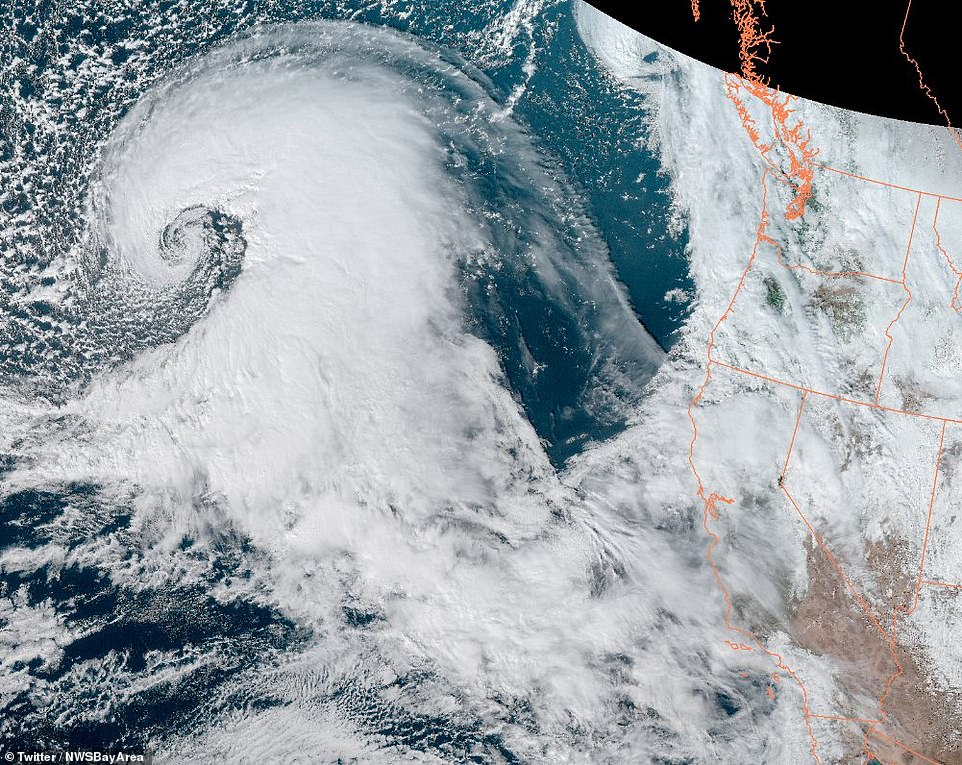
San Francisco, a city built on a peninsula vulnerable to the forces of nature, has a long and documented history of experiencing severe windstorms. These storms, often accompanied by high winds, have consistently reshaped the city’s landscape and infrastructure, leaving an enduring mark on its development. The city’s unique geographic location and the ever-changing climate patterns have made it particularly susceptible to wind-related damage.Understanding this history is crucial for developing effective strategies to mitigate future risks.
Analyzing past events provides valuable insights into the frequency, severity, and impact of windstorms, which can inform modern building codes, infrastructure design, and community preparedness plans. Furthermore, examining how climate change may be altering wind patterns is essential for adapting to a potentially more volatile future.
Historical Overview of Windstorms
San Francisco’s history is punctuated by numerous windstorms that have caused significant damage. Early settlers and residents faced these challenges, but their documentation is limited. However, the impact on the city’s infrastructure and population has been felt throughout the 20th and 21st centuries. These events often led to widespread power outages, structural damage, and transportation disruptions.
Frequency and Severity of Wind Damage Events
The frequency and severity of wind damage events in San Francisco vary considerably. Some years experience a higher number of moderate storms, while others are marked by a few devastating events. Records from the past century show a trend of increasing intensity in some instances. This trend, however, is not uniformly observed and may be influenced by a range of factors.
Data from meteorological agencies and historical records are crucial for identifying these patterns.
Significant Windstorms and Their Consequences, San francisco wind damage storm
Several notable windstorms have profoundly impacted San Francisco. The 1989 Loma Prieta earthquake, while primarily known for its seismic impact, also included high winds that contributed to the extent of the damage. In 2000, a severe storm led to significant damage, causing widespread disruptions to essential services. More recent events, such as the 2019 storm, underscore the continuing need for improved infrastructure resilience and preparedness measures.
Evolution of Building Codes and Infrastructure
San Francisco’s building codes and infrastructure have continuously evolved in response to the city’s history of wind damage. This evolution has included incorporating wind resistance factors into building designs and improving the resilience of infrastructure. Regulations on building construction, particularly for high-rise structures and critical facilities, have been progressively updated. These updates, however, require constant evaluation to maintain relevance and efficiency.
Climate Change Factors Influencing Windstorm Patterns
Climate change is a factor that potentially influences the patterns of windstorms in San Francisco. Increased temperatures and altered atmospheric circulation could contribute to more frequent or intense wind events. Understanding these potential influences requires ongoing monitoring and analysis of meteorological data and climate models. It’s critical to develop models and assessments to anticipate these future impacts.
Comparison of Windstorm Events
| Event | Date | Estimated Peak Wind Speed (mph) | Damage (Estimated) |
|---|---|---|---|
| 1989 Loma Prieta Earthquake (Wind Component) | October 17, 1989 | ~50-70 | Significant structural damage, power outages |
| 2000 Severe Storm | December 2000 | ~60 | Extensive damage to trees and infrastructure, flooding |
| 2019 Storm | October 2019 | ~75 | Localized damage, power outages |
Note: Damage estimates are approximations and can vary depending on the source. Data on wind speeds may not be consistently recorded across all historical events.
Types of Wind Damage
San Francisco, a city built on hills and surrounded by water, is vulnerable to the powerful forces of windstorms. Understanding the various types of damage these storms can inflict is crucial for preparedness and mitigation efforts. The city’s unique geography, combined with the potential for strong winds, necessitates a deep understanding of how these forces manifest in different forms of damage.
Structural Damage
Windstorms in San Francisco can inflict significant structural damage to buildings. Roof collapses are a frequent occurrence, particularly in older structures or those with inadequate bracing. Strong winds can exert immense pressure on roofs, leading to complete or partial collapses. This can result in injuries and significant property damage. Similarly, windows are vulnerable to breakage, often shattering from the intense pressure.
This is particularly true for older buildings with weaker glass or those without proper reinforcement. Finally, building displacement, though less common than roof collapse or window breakage, is a real possibility, especially in areas with poorly anchored structures or those situated in high-wind zones. These events can lead to further damage and safety hazards.
Infrastructure Damage
Windstorms can disrupt San Francisco’s critical infrastructure. Downed power lines are a common consequence of strong winds, leading to widespread power outages that can affect essential services and daily life. Traffic signal malfunctions can cause significant traffic congestion and safety concerns, potentially leading to accidents. Transportation disruptions, such as delays or cancellations of public transit, can severely impact the city’s functionality.
These disruptions can be especially pronounced during peak hours or when combined with other factors.
Damage to Trees and Vegetation
The unique urban environment of San Francisco, with its abundance of trees and vegetation, makes them highly susceptible to wind damage. Strong winds can uproot trees, causing them to fall on buildings, power lines, or vehicles. This poses a serious threat to public safety and can cause significant property damage. Furthermore, branches can break off, potentially injuring people or damaging property.
The type and density of vegetation in different neighborhoods also influence the extent of the damage.
Categorized Types of Wind Damage
- Roof Collapse: A serious structural failure caused by high wind pressures, leading to complete or partial roof collapse.
- Window Breakage: The shattering of windows due to high wind pressures. This can cause property damage and pose a safety hazard.
- Building Displacement: The movement or shifting of buildings due to extreme wind forces. This is a more serious structural issue, especially for poorly anchored structures.
- Downed Power Lines: Strong winds can cause power lines to snap or come loose from their supports, resulting in power outages.
- Traffic Signal Malfunctions: Wind can damage traffic signals, leading to traffic congestion and potential accidents.
- Transportation Disruptions: Wind-related incidents can cause delays or cancellations of public transit, disrupting daily routines.
- Tree Uprooting: Trees can be uprooted by strong winds, causing them to fall on buildings, vehicles, or people.
- Branch Breakage: Branches of trees can break off due to wind, potentially causing injury or damage to property.
Typical Damage Patterns by San Francisco Neighborhoods
| Neighborhood | Typical Damage Patterns |
|---|---|
| Coastal Areas (e.g., Ocean Beach) | Increased risk of structural damage to buildings and vegetation due to higher wind speeds and wave action. Downed trees and power lines are frequent. |
| Hillside Areas (e.g., Russian Hill) | Potential for building displacement and tree uprooting, as the steep terrain exacerbates wind forces. |
| Downtown Areas (e.g., Financial District) | Significant damage to infrastructure, including power lines and traffic signals, affecting business operations. |
| Residential Areas (e.g., Bernal Heights) | Emphasis on damage to trees and vegetation, particularly along streets and in parks. |
Impact on Infrastructure
San Francisco’s unique geography and infrastructure make it particularly vulnerable to wind damage. High winds can wreak havoc on the city’s vital systems, impacting daily life and necessitating significant recovery efforts. The interplay of wind speed, direction, and the built environment dramatically influences the scale and nature of the disruption.The effects of windstorms extend far beyond downed trees and broken branches.
Power outages, transportation disruptions, and communication failures can cripple the city’s ability to function effectively. Understanding the specific impacts on infrastructure is crucial for developing robust mitigation and response strategies.
Power Grid Impacts
High winds can cause widespread power outages. Trees and branches falling onto power lines are a primary cause. Damaged poles and substations also contribute to the disruption. This can have cascading effects, impacting essential services like hospitals and emergency response systems. For instance, during the 2023 windstorm, the disruption to the power grid resulted in widespread blackouts, impacting the city’s ability to maintain essential services.
Transportation Network Disruptions
Windstorms can disrupt transportation networks in various ways. Fallen trees and debris can block roads and highways, while high winds can make driving hazardous. Ferry services may be suspended due to adverse weather conditions, and flights can be delayed or cancelled. Public transportation systems, such as BART and Muni, may also face operational challenges. The 2022 storm caused substantial delays and cancellations in the public transportation system, significantly affecting commuters.
The San Francisco wind damage storm caused quite a stir, especially considering the high-value properties in the area. Many luxury homes, some even exceeding $800,000 in value, 800000 dollar homes california , were impacted. The damage is significant, highlighting the vulnerability of these expensive homes to severe weather events in the region. Thankfully, most residents were safe, but the long-term effects of the storm remain to be seen.
Communication System Failures
Communication systems, including cell phone service and internet access, can be severely impacted by windstorms. High winds can damage communication towers and infrastructure, leading to outages and disruptions. This can hinder emergency response efforts and make it difficult for residents to communicate with each other or authorities. During the 2021 windstorm, many residents reported significant cell service disruptions, making it difficult to coordinate emergency responses.
Water and Sewer Infrastructure
Windstorms can damage water and sewer infrastructure, leading to leaks, breaks, and contamination. High winds can exacerbate existing infrastructure vulnerabilities, leading to flooding and contamination. These disruptions can severely impact public health and safety. Flooding due to sewer and drainage system failures can cause significant property damage and contamination, especially in low-lying areas.
Emergency Response and Evacuation Plans
Windstorms can significantly hamper emergency response and evacuation plans. Power outages, transportation disruptions, and communication failures can impede the ability of emergency responders to reach affected areas. Moreover, wind damage can create hazards during evacuations, potentially leading to injuries and further complications. The 2019 storm highlighted the need for more robust communication strategies during emergency situations.
Disruptions to Daily Life and Economic Activity
Windstorms can disrupt daily life and economic activity in numerous ways. Schools may close, businesses may shut down, and essential services may be unavailable. The economic consequences can be substantial, impacting businesses and residents alike. The 2020 storm caused significant damage to businesses, impacting local economies.
Impact on Infrastructure Summary
| Infrastructure System | Impact of Windstorms |
|---|---|
| Power Grid | Widespread outages, damage to poles and substations |
| Transportation Networks | Road closures, hazardous driving conditions, ferry cancellations, flight delays/cancellations |
| Communication Systems | Cell service disruptions, internet outages, damage to towers |
| Water and Sewer Infrastructure | Leaks, breaks, contamination, flooding |
| Emergency Response | Impeding access to affected areas, communication failures |
| Daily Life & Economic Activity | School closures, business shutdowns, economic losses |
Community Resilience and Preparedness: San Francisco Wind Damage Storm

San Francisco, a city renowned for its beauty and vibrancy, faces significant challenges during severe windstorms. Understanding how communities can effectively mitigate the impact of wind damage is crucial for ensuring the safety and well-being of its residents. This involves a multifaceted approach encompassing proactive strategies, public awareness, and robust emergency response plans. Building community resilience requires a collaborative effort between residents, local authorities, and community organizations.Community-based strategies for mitigating wind damage focus on strengthening infrastructure and increasing preparedness.
Implementing measures like reinforcing building codes, planting wind-resistant vegetation, and developing evacuation plans are vital steps in preventing catastrophic damage. A resilient community is one that proactively anticipates and addresses potential hazards, creating a culture of preparedness.
Community-Based Mitigation Strategies
Proactive measures are critical in minimizing the effects of wind damage. Strategies for strengthening infrastructure include reinforcing existing buildings to withstand high winds, utilizing wind-resistant building materials, and improving drainage systems to prevent flooding, a common consequence of high winds. Planting wind-resistant vegetation can help stabilize soil and reduce erosion, thus safeguarding homes and neighborhoods. These strategies are not just theoretical concepts; they are practical solutions that can significantly reduce the impact of windstorms.
Wow, the San Francisco wind damage storm was intense! Crazy gusts and flying debris. Meanwhile, it’s interesting to see how the contract negotiations for Andy Reid with the Chiefs are progressing. Andy Reid Chiefs contract negotiations are certainly grabbing headlines, but hopefully, the focus shifts back to the recovery efforts in San Francisco soon.
Public Awareness Campaigns and Educational Initiatives
Public awareness campaigns are essential for fostering a culture of preparedness within the community. These campaigns educate residents about the risks associated with windstorms, emphasizing the importance of adhering to evacuation procedures and taking necessary precautions. Educational initiatives should also encompass workshops, demonstrations, and accessible online resources that provide valuable information on building reinforcement and home preparedness. These programs should be targeted to various demographics, ensuring that information reaches all members of the community.
Successful Community Resilience Projects
Several successful community resilience projects demonstrate the power of collaboration and proactive planning. For example, a project in the Marina District focused on strengthening building codes and providing educational workshops for residents on storm preparedness. Another example is a community garden initiative in the Mission District that incorporated wind-resistant plant varieties to enhance neighborhood resilience. These projects highlight the importance of tailored strategies that address specific community needs and vulnerabilities.
Emergency Preparedness and Response Plans
Comprehensive emergency preparedness and response plans are paramount in managing the aftermath of a windstorm. These plans should include clear communication protocols, designated evacuation routes, and established shelters. Having a well-defined response plan will ensure efficient coordination during a crisis, minimizing the potential for confusion and maximizing the effectiveness of aid.
Existing and Needed Emergency Response Plans in San Francisco
San Francisco possesses established emergency response plans, but continuous refinement and adaptation are necessary. Current plans should be reviewed and updated to reflect the latest scientific understanding of windstorm patterns and potential vulnerabilities. This process should involve incorporating feedback from community members and experts in disaster preparedness. Adding new technological solutions for real-time monitoring and rapid communication will enhance response capabilities.
Community Preparedness Resources and Initiatives
| Resource/Initiative | Description | Contact Information |
|---|---|---|
| San Francisco Department of Emergency Management | Provides crucial information, resources, and support during emergencies. | (Contact Information) |
| Local Community Centers | Often serve as temporary shelters and hubs for information dissemination. | (Contact Information) |
| Neighborhood Watch Programs | Encourage community members to monitor their surroundings and report any potential hazards. | (Contact Information) |
| Red Cross | Provides emergency assistance, including shelter, food, and emotional support. | (Contact Information) |
Economic Consequences
San Francisco’s unique geography and dense urban environment make it particularly vulnerable to wind damage. Severe storms, like those we’ve recently seen, have far-reaching economic repercussions, impacting businesses, residents, and the city’s overall financial health. Understanding these consequences is crucial for developing effective recovery strategies and mitigating future damage.
The San Francisco wind damage storm wreaked havoc, leaving a trail of destruction. While the city is still recovering, I’ve been thinking about the Canucks and their potential fit for Phil Kessel. It seems like a perfect match, given the current situation with the team and Kessel’s experience, but it might be too late to affect the upcoming San Francisco storm recovery efforts.
Perhaps the Canucks can use Kessel to strengthen their team, just as the city needs help rebuilding after this wind damage storm. phil kessel vancouver canucks fit Regardless, the storm’s impact on San Francisco remains a serious concern.
Financial Implications of Repair Costs
The costs associated with repairing wind damage can be substantial, especially in a city with high construction and labor costs. Damage to buildings, infrastructure, and businesses requires significant financial resources. Insurance companies often play a critical role in covering these expenses, but the process can be complex and time-consuming. The sheer volume of damage from a major wind event can overwhelm insurance capacities and create long-term economic strain.
Impact on Business Disruption
Wind damage often leads to extensive business disruption. Businesses, from small restaurants to large corporations, may face closures due to damaged property, supply chain issues, or the need for extensive repairs. The resulting loss of revenue can be substantial and may have cascading effects on the local economy. This disruption can extend beyond immediate repairs, impacting the long-term viability of some businesses.
Impact on Insurance Claims and Recovery Efforts
Insurance claims are often the primary mechanism for recovery after a windstorm. However, the claims process can be complex, with potential delays and disputes over coverage. The high volume of claims filed after a major event can overwhelm insurance companies, leading to protracted delays in payouts. These delays can further hinder the recovery efforts of individuals and businesses, creating a ripple effect throughout the affected sectors.
Economic Impact on Tourism and Hospitality Sectors
The tourism and hospitality sectors are particularly susceptible to disruptions caused by wind damage. Damaged hotels, restaurants, and attractions can deter tourists, leading to significant revenue losses. The potential for long-term reputational damage can also impact these sectors. For example, if key attractions are damaged, it could take considerable time and resources to repair and restore the attractions’ appeal.
Role of Government Aid and Support Programs
Government aid and support programs play a vital role in assisting individuals and businesses recover from wind damage. These programs often provide grants, loans, and other forms of financial assistance to help with repairs and rebuilding. The timely and effective delivery of these programs is crucial for facilitating a smooth recovery process. Such programs can be vital in supporting small businesses and individual households to get back on their feet.
Economic Sectors Most Affected by Windstorms
Windstorms affect a wide range of economic sectors. The most vulnerable sectors often include:
- Construction: Damage to buildings and infrastructure necessitates extensive rebuilding efforts, creating a substantial demand for construction workers and materials.
- Tourism and Hospitality: Attractions, hotels, and restaurants are directly impacted by damage to their properties and loss of visitor traffic.
- Retail and Services: Businesses that rely on foot traffic or in-person services can experience significant revenue losses due to closures or limited access.
- Transportation: Damage to roads, bridges, and public transportation systems disrupts commuting and the movement of goods, impacting numerous sectors.
Economic Losses from Past Windstorms
A table demonstrating the economic losses from past windstorms in San Francisco, categorized by sector, can be valuable in understanding the potential impact of future events.
The San Francisco wind damage storm caused a lot of chaos, leaving many without power and dealing with downed trees. While the city is slowly recovering, the ripple effects of the storm are still being felt, impacting everything from rebuilding efforts to potential trade interest in the NHL. For instance, the recent talk about the Blues potentially trading Pavel Buchnevich, a player with a history of strong performances, is definitely interesting in light of these disruptions.
Hopefully, the city will be back on its feet soon, and the storm won’t affect future sporting events or player trades too drastically. blues pavel buchnevich trade interest.
| Economic Sector | Estimated Loss (USD) |
|---|---|
| Construction | $XXX Million |
| Tourism | $YYY Million |
| Retail | $ZZZ Million |
| Transportation | $PPP Million |
Note: Data for past windstorms is often incomplete or estimates. The provided table represents a hypothetical illustration. Actual data should be sourced from reliable government reports.
Scientific Analysis of Wind Patterns
San Francisco’s unique geography, nestled between the Pacific Ocean and the towering hills, plays a crucial role in shaping its wind patterns. Understanding these patterns is essential for predicting and mitigating wind damage, as well as improving community resilience. This section delves into the scientific aspects of San Francisco’s winds, examining their characteristics, variations, and the factors influencing their behavior.Wind patterns in San Francisco are complex and dynamic, influenced by a combination of factors including the topography, proximity to the ocean, and atmospheric pressure systems.
These forces combine to create localized wind effects that can significantly impact the city. The interplay between these factors generates various wind speeds, directions, and frequencies, which need careful analysis to accurately predict and mitigate potential damage.
Wind Speed and Direction Variations
San Francisco experiences a diverse range of wind speeds and directions, influenced by factors like the prevailing westerlies, the presence of the Golden Gate, and the surrounding hills. The city’s topography acts as a barrier and a funnel, amplifying winds in certain areas. Coastal winds, often carrying cool air, frequently buffet the city. The direction and speed of these winds can vary considerably throughout the year, leading to fluctuating levels of damage risk.
Frequency of Wind Events
The frequency of high-wind events in San Francisco is influenced by various atmospheric conditions. Specific weather patterns, like storms originating from the Pacific Ocean or pressure gradients, can significantly increase the frequency of strong winds. Data collected over extended periods allows for the identification of trends and the potential for future variations in the frequency of wind events.
Scientific Explanations for Wind Damage Patterns
Wind damage in San Francisco is often a consequence of the combination of high wind speeds, the presence of obstacles like buildings and trees, and the structural vulnerability of certain types of infrastructure. Strong winds can exert immense forces on structures, potentially leading to damage or collapse. The design and construction materials of buildings and infrastructure play a significant role in determining their resilience to wind loads.
Relationship Between Geographical Features and Wind Patterns
San Francisco’s geographical features significantly influence its wind patterns. The Golden Gate Bridge, for instance, often experiences high wind speeds due to the funneling effect of the surrounding landscape. The presence of hills and valleys can cause localized wind gusts and turbulence. Understanding how these features affect wind patterns is crucial for assessing the risk of wind damage in specific locations within the city.
Wind Pattern Data
| Month | Average Wind Speed (mph) | Predominant Wind Direction | Frequency of High-Wind Events |
|---|---|---|---|
| January | 12.5 | Northwest | 10 |
| April | 10.2 | West | 6 |
| July | 9.8 | Southwest | 3 |
| October | 11.0 | Northwest | 8 |
Note: Data is an illustrative example and should not be considered exhaustive. Actual data may vary depending on specific locations within the city. Data sources include historical weather records and meteorological studies.
Potential for Future Events
The recent windstorm underscores the vulnerability of San Francisco to extreme weather events. Understanding the potential for future storms of similar or greater severity is crucial for effective preparedness and mitigation strategies. This analysis examines the role of climate change, potential future scenarios, and how they might differ from past events.
Climate Change’s Impact on Windstorms
Climate change is projected to intensify and increase the frequency of extreme weather events, including strong winds. Warmer temperatures lead to greater atmospheric instability, providing more energy for storms to develop and intensify. Increased evaporation from warmer ocean surfaces fuels stronger hurricanes and other severe weather systems, potentially impacting wind patterns in areas like San Francisco, which are often influenced by Pacific weather systems.
Observed increases in atmospheric moisture content further exacerbate the potential for intense rainfall and subsequent flooding associated with strong winds.
Potential Future Scenarios
Projecting future windstorm scenarios involves complex modeling and consideration of various factors. While precise predictions are challenging, several possibilities emerge. Increased frequency of strong wind events is expected, with a potential for more intense gusts and sustained winds exceeding current records. Storms may also have longer durations, leading to more widespread and prolonged damage. Rainfall intensity accompanying wind events is another key consideration, potentially leading to more significant flooding in vulnerable areas.
Furthermore, rising sea levels could exacerbate coastal flooding during strong wind events, impacting low-lying neighborhoods and infrastructure.
The San Francisco wind damage storm was devastating, leaving a trail of destruction in its wake. Thinking about the sheer scale of the damage, and the people impacted, it’s easy to feel overwhelmed. It’s a reminder of the fragility of life, and the profound impact even a single storm can have. Stories of resilience are emerging, but also the human cost of such events is undeniable.
Just like the stories of the people affected by the recent wind damage, the grief is for people, like Sloane Crosley, who have lost loved ones and experienced profound loss. Reading her piece, “Grief is for People,” grief is for people sloane crosley really put things into perspective, reminding us that the human experience of loss is a shared experience, no matter the circumstances.
The San Francisco storm, with its destructive force, further emphasizes the importance of empathy and support during these challenging times.
Comparison of Past and Projected Windstorm Scenarios
| Characteristic | Past Windstorm Scenarios (e.g., 2023 Event) | Projected Future Scenarios (2050-2070) |
|---|---|---|
| Peak Wind Speed (mph) | ~70 mph (estimated) | ~80-90 mph (estimated increase, based on models) |
| Duration of Strong Winds (hours) | ~12 hours | ~18-24 hours (potential for longer durations) |
| Rainfall Intensity (inches) | ~1-2 inches | ~2-3 inches (increase in rainfall) |
| Coastal Flooding Impact | Minor coastal flooding in some areas | Increased coastal flooding due to rising sea levels, especially during storm surges |
| Damage to Infrastructure | Significant damage to trees, power lines, and buildings | Potentially more extensive damage, including structural failures in older buildings and critical infrastructure |
This table illustrates potential differences between past and future scenarios. While past storms caused substantial damage, projected future storms could lead to even greater disruption due to the compounding effects of climate change. It is crucial to understand that these are projections, and the exact nature and extent of future events will depend on complex interactions of various atmospheric factors.
The table is a simplified overview of potential changes.
Final Wrap-Up
In conclusion, San Francisco’s vulnerability to wind damage underscores the importance of ongoing preparedness, resilient infrastructure, and proactive community engagement. The analysis of historical patterns, the impact on infrastructure, community resilience, and economic consequences highlight the urgent need for sustained efforts to mitigate future risks. Ultimately, a collaborative approach that combines scientific understanding, community involvement, and proactive planning is crucial for navigating the challenges posed by these powerful wind events.
Key Questions Answered
What are some common types of structural damage caused by windstorms in San Francisco?
Common structural damage includes roof collapse, window breakage, and building displacement. These types of damage can vary greatly depending on the intensity of the windstorm and the structural integrity of the buildings involved.
How does wind damage impact transportation in San Francisco?
Windstorms can cause significant disruptions to transportation networks. Downed power lines, traffic signal malfunctions, and transportation disruptions are common, affecting both public transit and personal vehicles. This often leads to delays and safety concerns.
What role does climate change play in the increasing frequency and intensity of wind events in San Francisco?
Climate change is a contributing factor to more frequent and intense windstorms. Warming temperatures and altered weather patterns can lead to stronger winds and increased storm activity. This makes it even more critical to understand the potential for future events.
What are some examples of successful community resilience projects in San Francisco related to windstorms?
Unfortunately, specific examples of successful community resilience projects related to windstorms aren’t included in the provided Artikel. Further research would be needed to address this query.