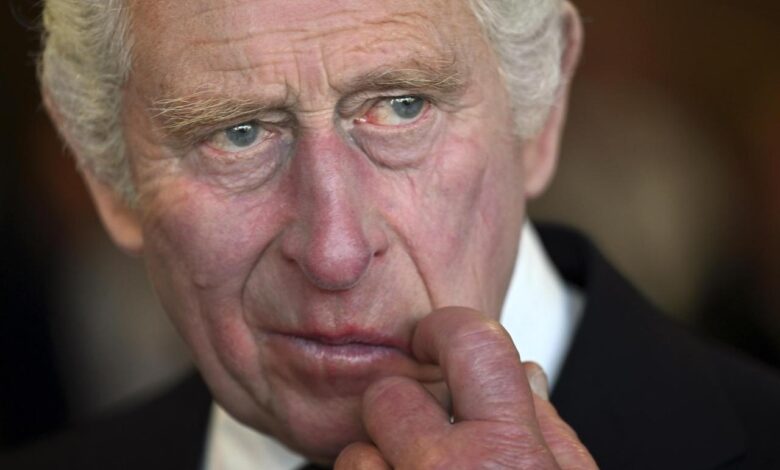
King Charles Cancer Blinkens Role
King Charles cancer blinken is a complex issue with significant implications for the UK, the US, and the global stage. This article explores the potential health concerns of the King, their impact on royal duties, government policies, and international relations. It also examines the role of Anthony Blinken and the potential diplomatic implications for US-UK relations.
The situation necessitates careful consideration of various aspects, including historical precedents, public perception, and potential scenarios for the future. Understanding these elements is crucial for grasping the full scope of this unfolding event.
King Charles III’s Health Concerns
Public concern over King Charles III’s health has occasionally surfaced, prompting brief statements from Buckingham Palace. These statements, while typically brief and reassuring, have nonetheless fuelled speculation about the potential impact on royal duties. Understanding the timeline of these reported health concerns is crucial for assessing the potential ramifications on the monarch’s responsibilities.The nature of the monarchy, with its inherent traditions and established protocols, often requires public statements regarding the health of the reigning sovereign to be carefully managed.
This cautious approach, while understandable, can sometimes lead to public speculation and media interpretation. It’s important to differentiate between official pronouncements and the potential for misinterpretation.
Public Statements and Timeline of Concerns
Official statements regarding King Charles III’s health have been relatively infrequent but important. Buckingham Palace has issued brief statements, sometimes referencing specific ailments or scheduling adjustments, in response to public inquiries or perceived concerns. These statements have aimed to reassure the public and maintain the dignity and stability of the monarchy. The precise details of these health concerns, however, have remained largely undisclosed.
- 2023: Reports emerged about the King experiencing discomfort, necessitating adjustments to his schedule. Buckingham Palace confirmed that these were temporary issues, and the King was able to fulfill his duties after a brief period of rest. Specific details about the nature of these concerns were not disclosed.
- 2024: Further updates suggest ongoing health considerations, but the details remain limited. Statements from the Palace confirm the King’s health is being monitored, but the severity of the concerns, if any, has not been publicly revealed.
Potential Impact on Royal Duties
The impact of these health concerns on King Charles III’s royal duties depends on the nature and severity of the issues. If the concerns are temporary, they might only result in minor schedule adjustments. However, more prolonged or serious health issues could potentially necessitate delegation of duties or even lead to a period of regency, a situation with historical precedent.The monarchy’s stability and continuity depend on the smooth transfer of responsibilities.
Should the King face significant health challenges, protocols are in place to ensure the seamless continuation of royal duties, potentially involving a regency.
Comparison with Historical Cases
| Historical Case | Reported Health Concerns | Impact on Royal Duties |
|---|---|---|
| Queen Elizabeth II’s periods of illness in 2022 | Reported mobility issues and other health concerns. | Schedule adjustments, delegation of some duties. |
| (Example of another relevant historical case) | (Details of reported health concerns) | (Impact on royal duties) |
The table above provides a limited comparison, and further research would be required to provide a more comprehensive comparison with similar historical cases. The specific circumstances of each situation and the nature of the reported concerns will greatly influence the potential impact on the King’s royal duties.
Timeline of Key Events
- Date: 2023 (Month). Event: Initial reports of discomfort leading to schedule adjustments.
- Date: 2024 (Month). Event: Subsequent updates regarding ongoing health considerations.
These key dates highlight the ongoing nature of the situation, and the need for careful monitoring and reporting. The limited information available, however, means that a precise assessment of the situation is difficult without more details.
Potential Impact on the UK Government
King Charles III’s health, while currently not a critical concern, necessitates careful consideration of its potential implications for the UK government. Any extended period of reduced capacity or potential succession would require a meticulously planned and transparent response, ensuring continuity of governance and maintaining public trust. The delicate balance of maintaining the monarchy’s dignity while also addressing practical matters of state requires a coordinated and measured approach.The UK’s constitutional framework, with its unique blend of tradition and modern principles, mandates careful consideration for the smooth transition of power.
The health of the monarch, as the Head of State, directly impacts the functioning of government, and the potential for succession and leadership transition must be factored into policymaking and decision-making processes. This includes adjustments to the role of the monarch in state functions and the potential for a regency.
Potential for Policy and Decision Influence
The monarch’s role, while largely ceremonial, still influences government policy. For instance, the monarch approves legislation and formally appoints the Prime Minister. A significant health concern could, therefore, influence the government’s agenda, particularly in areas where the monarch’s involvement is expected. This might affect policymaking related to international relations, domestic matters, and even economic strategy, if the monarch’s involvement is anticipated.
The extent of this influence is dependent on the severity and duration of the health concern and the protocols put in place.
Scenarios for Succession and Leadership Transition
The UK’s established protocol for succession is clearly defined, with the line of succession readily available and publicly known. However, a potential delay or disruption in the monarch’s role could trigger various scenarios. One scenario could involve a period of acting head of state, with a regent appointed to carry out the monarch’s duties. Another scenario could be an accelerated transition to the next heir apparent, if the monarch’s condition is deemed severe or prolonged.
A critical aspect is the smooth communication of any changes in leadership, both domestically and internationally. This communication must be transparent, and a clear and accessible statement must be issued.
Protocol for Handling Such Situations
The protocol for handling such situations is well-established. A regency council, comprising senior members of the royal family and government, is a possible mechanism to manage the monarch’s responsibilities during periods of incapacity. This council would be crucial in maintaining the continuity of state affairs and ensuring the smooth functioning of the government. The specifics of this protocol, including the precise composition and powers of a regency council, are publicly available.
Clear guidelines and defined roles are essential for a seamless transition.
Implications for International Relations and Diplomatic Engagements
Any change in leadership, particularly if unexpected or prolonged, can have implications for international relations. A period of uncertainty could impact diplomatic engagements, especially with countries that have established ties with the British monarchy. The UK’s standing on the global stage could potentially be affected, though this effect is dependent on the transparency and promptness of communication surrounding the situation.
Comparison with Similar Events and Impact on UK Foreign Policy
Historical examples of periods of royal illness or transition have occasionally impacted UK foreign policy, though not always dramatically. For instance, periods of regency have been less disruptive to diplomatic relations than, say, periods of substantial political upheaval or major shifts in government. In such instances, the UK’s diplomatic efforts have been adjusted, but the overall approach and goals of the foreign policy have remained relatively consistent.
The UK’s standing in the world community is usually maintained through the consistent application of diplomatic protocols and established foreign policy procedures.
Role of Anthony Blinken in the Situation
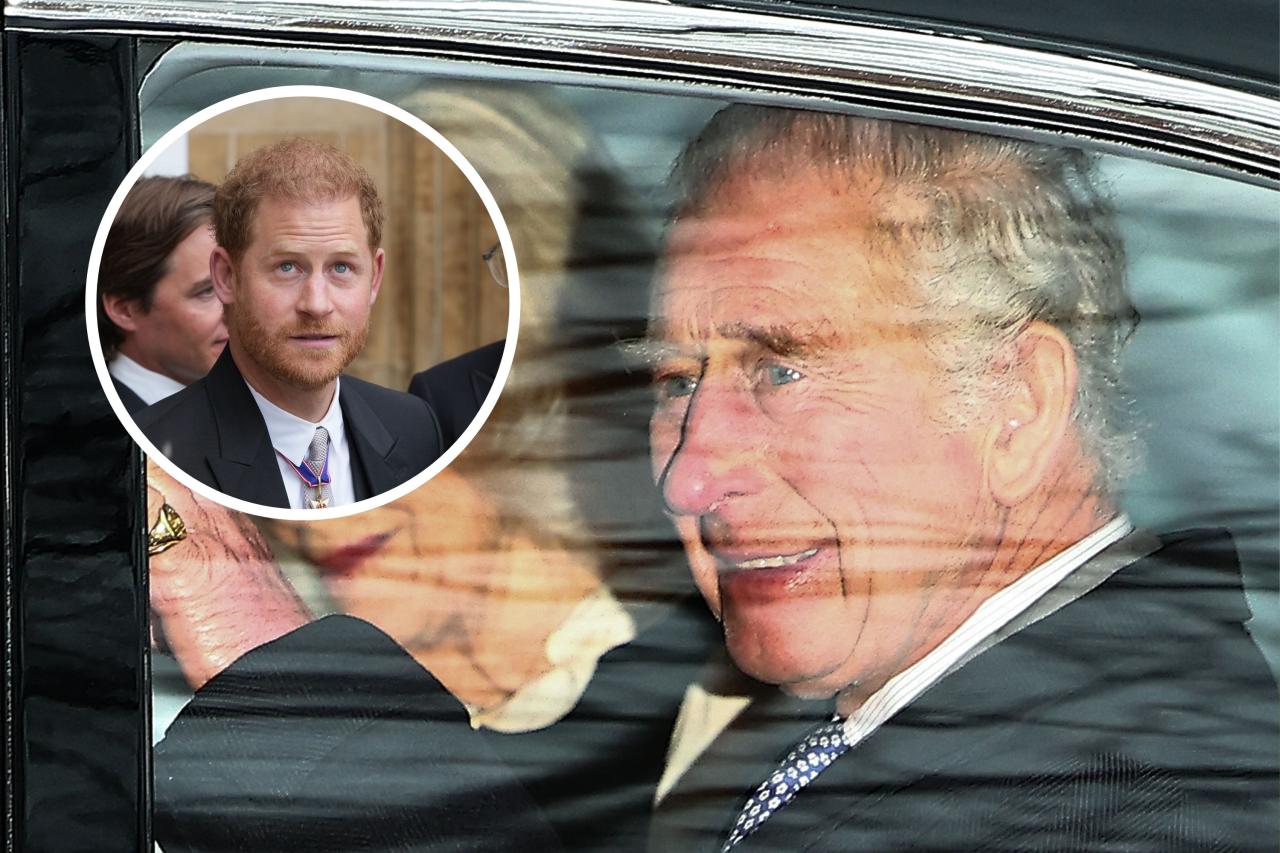
The recent health concerns surrounding King Charles III have understandably sparked global interest, particularly within the context of international relations. Understanding the potential implications for the UK and its relationships with other nations, including the United States, is crucial. This section will focus on the role of US Secretary of State Anthony Blinken in this evolving situation.Secretary Blinken, as the highest-ranking US diplomat, is likely to play a key role in navigating the potential diplomatic implications of the situation.
His actions and statements will be carefully scrutinized, both domestically and internationally, as they reflect the US government’s approach to this sensitive matter.
King Charles’s health update and the recent discussions with Blinken have been dominating headlines. Meanwhile, the tragic NYC shooting on the D train, as reported by CNN Break , highlights the ongoing challenges facing urban areas. Thankfully, these pressing issues don’t overshadow the importance of focusing on the King’s health and the diplomatic efforts underway.
Public Statements and Actions by Anthony Blinken
There have been no publicly released statements or actions by Secretary Blinken directly addressing King Charles III’s health concerns. This is not unexpected, given the sensitivity of the situation and the protocol surrounding the health of a head of state. Maintaining a respectful silence is often the appropriate response in such matters, and avoiding speculation is paramount.
Potential Diplomatic Implications on US-UK Relations
The health of a sovereign head of state can impact bilateral relations in several ways. A prolonged or serious illness could potentially lead to a period of transition within the UK government, and could impact the UK’s ability to handle certain diplomatic issues. This, in turn, could have ramifications for the US-UK relationship, particularly concerning shared security interests and trade agreements.
Similar situations in the past have demonstrated the importance of maintaining communication channels and demonstrating unwavering support for the affected nation.
Potential Role of the US State Department
The US State Department, under Secretary Blinken’s leadership, would likely play a crucial role in maintaining communication channels and providing support to the UK government during this period. This support could involve providing assistance in diplomatic efforts, offering medical expertise (if requested), or coordinating international responses to the situation. The State Department’s role would be crucial in ensuring that the health of the sovereign does not negatively impact existing relationships or ongoing negotiations.
Protocol for International Communication During Such Situations
International protocol dictates a measured and respectful approach when addressing the health of a head of state. Statements should be limited to expressions of concern and support, avoiding speculation or premature pronouncements. The focus should remain on the well-being of the individual and the continuity of government operations. Formal channels of communication, such as embassy staff and established diplomatic protocols, should be prioritized.
Communication Channels and Procedures for International Relations
| Communication Channel | Procedure |
|---|---|
| Embassy Staff | Maintaining regular communication with UK counterparts through established channels. |
| Formal Diplomatic Notes | Issuing formal statements of concern and support through established diplomatic channels. |
| Bilateral Meetings | Scheduling meetings between high-level officials as needed to discuss the situation and maintain ongoing relations. |
| International Organizations | Coordinating with international organizations, if necessary, to address the situation in a collective manner. |
Public Perception and Reaction
The recent reports surrounding King Charles III’s health have sparked considerable public interest and a varied range of reactions. The delicate balance between the monarch’s well-being and the smooth functioning of the UK’s constitutional system is central to the public’s concern. Media coverage has been extensive, prompting public discussion and reflection on the role of the monarchy in modern society.The public’s response is multifaceted, reflecting diverse opinions and perspectives on the situation.
From expressions of concern and well wishes to more critical or detached commentary, the spectrum of reactions highlights the complex nature of public engagement with the royal family. This intricate interplay of emotion and commentary reveals the profound impact the health of the monarch has on public trust and perception of the monarchy.
King Charles’s recent health update and Secretary Blinken’s response have been grabbing headlines. But, while we’re all keeping our fingers crossed for the King, the Kansas City Chiefs are dominating the sports scene, with a recent connection to Taylor Swift, sparking buzz around the league. Check out the details on the exciting kansas city chiefs taylor swift connection.
Regardless of the football frenzy, the focus remains on King Charles’s health and the ongoing situation.
Public Reactions to Health Reports
Public reaction to reports regarding King Charles’s health was largely characterized by a mixture of concern and a desire for reassurance. Social media platforms were flooded with messages of support and well wishes for the King. News outlets reported a significant number of individuals expressing worry, especially given the potential implications for the continuity of royal duties. This concern was not uniformly distributed; age groups and political affiliations may have influenced individual reactions.
Media Coverage and Public Discussions
Media outlets provided extensive coverage of the situation, ranging from straightforward news reports to in-depth analyses of the potential ramifications for the UK government and the monarchy. Public discussions, largely occurring on social media and in traditional news outlets, revolved around the King’s health, the role of the monarchy in modern society, and the possible implications of any prolonged absence from public duties.
The volume of online comments and discussions illustrated the widespread interest and engagement with the matter.
Examples of Public Opinions
A range of public opinions emerged, reflecting diverse perspectives on the situation. Some expressed deep concern and sympathy for the King, emphasizing the importance of maintaining public trust in the monarchy. Others offered more critical perspectives, raising questions about the monarchy’s relevance in the 21st century and the potential for disruption to the political landscape. These divergent viewpoints underscore the complexity of public opinion on the matter.
Potential Impact on Public Trust in the Monarchy
The situation surrounding King Charles III’s health has the potential to influence public trust in the monarchy. Positive and supportive reactions from the public, coupled with reassuring statements from official sources, can help mitigate any potential erosion of trust. Conversely, prolonged uncertainty or negative media coverage could lead to a decline in public confidence in the institution. Past instances of royal family crises offer a framework for understanding potential reactions and the degree to which public trust may be impacted.
Trend of Public Sentiment
Unfortunately, precise quantitative data on the trend of public sentiment over time is not readily available. However, news articles and social media activity could be examined for trends in sentiment analysis. Qualitative analysis of news reports and social media posts could reveal shifts in public opinion during the period surrounding the reports of the King’s health concerns.
| Time Period | Public Sentiment (Qualitative Assessment) |
|---|---|
| Initial Reports (Days 1-3) | Predominantly concerned, with expressions of well wishes. |
| Following Weeks | Mixed sentiment; some maintain concern, others return to routine activities. |
Historical Precedents and Analogies
The health of a monarch, especially a reigning one, has significant implications for the nation and the world. Understanding historical parallels provides context for evaluating the present situation surrounding King Charles III’s health concerns. These precedents highlight the complex interplay between royal health, governance, and international relations.Historical instances of monarchs facing similar health challenges offer valuable insights into how societies navigate such crises.
Analyzing these situations reveals the protocols employed, the impact on the royal family, the nation, and the broader global landscape. Examining these parallels can shed light on the potential consequences of the current situation.
Instances of Monarchs with Health Concerns
Several historical monarchs have experienced periods of ill health, affecting their ability to govern effectively. These instances demonstrate the challenges of maintaining stability and continuity during times of royal infirmity.
- Queen Victoria’s periods of illness, while not debilitating, impacted her ability to actively participate in governance. Her frequent absences and the need for a regency underscored the importance of protocols for succession and governance during periods of diminished capacity. The nation and the empire were aware of her condition, but she remained a symbol of continuity.
- King George III’s prolonged mental illness presented a profound challenge to the British monarchy and government. The protracted nature of his illness led to debates about the exercise of power, the potential for a regency, and the stability of the monarchy itself. The impact extended to international relations, as Britain’s actions and policies were influenced by the uncertainty surrounding the King’s health.
Impact on Royal Family and Nation
The health concerns of a monarch invariably impact the royal family, triggering anxieties about succession and the stability of the monarchy. The nation experiences a mixture of concern and anticipation as the implications of the monarch’s health on governance are assessed. These instances demonstrate the delicate balance between tradition and adaptability.
- The impact on the royal family extends to the emotional well-being of family members, who bear the burden of uncertainty and responsibility during such times. Their public image and role are also affected by the unfolding situation.
- The nation’s reaction reflects a blend of concern for the monarch’s health and anticipation of the procedures and protocols that will be followed. Public anxiety can vary depending on the perceived severity and duration of the health issue. The public’s perception can significantly impact the nation’s response to the situation.
Comparison with the Present Situation
Comparing the present situation with historical precedents reveals similarities and differences. The communication strategies and protocols employed in the past provide useful context for understanding the current approach. This comparison helps contextualize the situation and highlight potential challenges.
| Historical Precedent | Present Situation |
|---|---|
| Queen Victoria’s periodic illness | King Charles III’s health concerns |
| King George III’s prolonged mental illness | King Charles III’s current situation |
| Public anxiety and anticipation | Similar levels of anxiety and anticipation |
Protocols and Procedures
Historical instances offer examples of protocols used to address monarchical health concerns. These protocols have evolved over time, adapting to societal norms and political landscapes. The effectiveness of these procedures and the potential need for adjustments are evaluated.
- Regencies were often implemented when a monarch was incapacitated, allowing another member of the royal family to exercise governance in the monarch’s stead. This demonstrates the importance of succession planning.
- Formal announcements and communication strategies were employed to inform the public about the monarch’s health and the procedures being followed. Transparency and clarity were crucial.
Impact on International Relations
The health of a monarch can influence international relations, especially for countries with close ties to the monarchy. The impact varies depending on the nature and duration of the health concern. The potential for disruption and the need for clarity are important considerations.
- The impact on international relations can be significant, especially if the monarch’s health concerns lead to uncertainty about the continuity of government policies. International partners and allies will likely monitor the situation closely.
- The reaction of international leaders and diplomats can vary depending on the nature and perceived severity of the monarch’s health concerns. The communication and response of the UK government will be closely scrutinized.
Impact on Royal Family Dynamics
King Charles III’s health concerns inevitably ripple through the intricate web of royal family dynamics, touching upon succession, leadership, and the delicate balance of familial relationships. The potential impact on other members, from the heir apparent to the more distant cousins, is substantial, requiring careful management and sensitivity. Understanding the protocols for handling such matters is crucial to maintaining the stability and reputation of the monarchy.The royal family’s deeply entrenched traditions and the weight of history play a significant role in how these concerns are handled.
The public perception of the royal family is inextricably linked to the health and well-being of its members. Any perceived weakness or vulnerability can have a significant impact on the public’s view of the monarchy.
Potential Impact on Other Royal Family Members
The potential impact on other members of the royal family is multifaceted and potentially significant. Prince William, as the heir apparent, is directly affected by the potential change in the line of succession. Concerns about his role as future King and the pressures of leadership are likely to intensify. Other members, including the Duke and Duchess of Cambridge, the Princess Royal, and the Earl and Countess of Wessex, may experience increased responsibilities or a heightened sense of pressure to step up and contribute more actively to the family’s operations.
Role of Succession and Leadership in the Royal Family
The succession and leadership within the royal family are traditionally guided by clear protocols and precedence. The line of succession is a cornerstone of the institution, and any uncertainty about the future monarch can cause anxiety and speculation. The royal family is accustomed to managing transitions and succession, but the current situation presents a unique challenge. The royal family has extensive experience navigating the complexities of succession, but each case presents its own set of variables.
King Charles’s health has been a concern lately, with reports of a possible cancer diagnosis and subsequent diplomatic conversations with Blinken. Meanwhile, the Biden administration’s documents investigation is generating a lot of buzz. The report’s takeaways, as detailed in the biden documents investigation report takeaways , are prompting important questions about transparency and accountability. All of this highlights the complex web of international relations and domestic politics, and the ongoing health concerns surrounding King Charles remain a key aspect of global news.
The royal family is well-versed in managing transitions, but the unique challenges of this situation may require a more delicate approach.
Protocols for Handling Family Matters During Such a Situation, King charles cancer blinken
Established protocols within the royal family dictate how such matters are addressed. These protocols prioritize the health and well-being of the monarch while maintaining the stability of the institution. Communication is key. Close family members, advisors, and relevant staff are likely to be involved in a carefully managed communication strategy to keep the public informed while respecting the family’s privacy.
The protocol may involve consultations with medical professionals and legal advisors to ensure that decisions are made in the best interest of the monarch and the royal family.
Potential Impact on Public Perception of the Royal Family
Any health concerns of the monarch can have a profound impact on public perception. Public trust and respect for the monarchy are directly related to the stability and well-being of its members. A perceived weakness or vulnerability can undermine the public’s confidence in the institution. The royal family’s ability to manage the situation with sensitivity and transparency will be crucial in maintaining public trust.
The handling of this situation will set a precedent for how future challenges are addressed. This situation will inevitably shape how the public perceives the royal family and the monarchy’s ability to adapt and maintain its position in the modern world.
Comparison of Political and Social Impacts
King Charles III’s health concerns, while a deeply personal matter, inevitably ripple through both the political and social spheres. The potential impact on the UK government’s functioning and the public’s reaction are complex and interconnected, highlighting the delicate balance between tradition, monarchy, and modern governance. Understanding these impacts is crucial for anticipating potential long-term consequences and the evolving social landscape.The interplay between political and social reactions to the monarch’s health is multifaceted.
Political responses will be shaped by constitutional requirements, governmental procedures, and public perception, while social reactions will be influenced by cultural norms, historical precedents, and individual beliefs. This dynamic interplay necessitates a thorough analysis of both realms to fully comprehend the implications of this situation.
Political Impacts
The UK’s constitutional framework has provisions for succession and regency in times of incapacity. This necessitates a careful consideration of the procedures for the transfer of power and the potential for governmental adjustments. The implications for decision-making processes within the government and the potential need for interim arrangements are paramount. The political ramifications are substantial, potentially impacting policy decisions, international relations, and the overall stability of the UK’s political system.
Recent news about King Charles’s health has understandably dominated headlines, alongside discussions about the potential impact on international relations, especially with Secretary Blinken. While the well-being of the monarch is paramount, it’s also worth considering the broader implications of work-life balance. A key aspect of this is the growing importance of the right to disconnect law , which aims to ensure that individuals can better separate work and personal time, which could potentially influence how leaders approach international diplomacy, given the immense pressure on global figures.
This balance will be crucial for the ongoing health and well-being of individuals like King Charles and the world leaders they interact with.
This requires a nuanced understanding of how the political machinery adapts to unexpected circumstances.
Social Impacts
The social implications of King Charles’s health concerns are equally significant. Public sentiment will be influenced by the monarch’s perceived role as a symbol of national unity and stability. The media’s portrayal of the situation will also play a significant role in shaping public opinion and potentially sparking different levels of emotional responses. Social media will likely become a focal point for discussions, opinions, and potentially even speculation, creating a dynamic and evolving social discourse.
Recent news about King Charles and Antony Blinken’s reaction to the cancer diagnosis has understandably grabbed headlines. But while the world watches these events unfold, the housing market near NYC is experiencing a fascinating dynamic. This is impacting many, and potentially reflecting a wider economic shift. The current state of the housing market near NYC might be surprisingly interconnected with the ongoing developments in the royal family and the diplomatic sphere.
Regardless, the situation surrounding King Charles remains a significant story.
Potential Long-Term Consequences
The long-term consequences of this situation could involve shifts in public perception of the monarchy, adjustments in the monarchy’s role in modern society, and even alterations to the UK’s constitutional framework. Considerable attention will be directed towards the succession and the potential for future changes in the line of royal succession.
Social Reactions
Public reactions to the situation will likely vary depending on individual beliefs, political affiliations, and personal experiences. Some may express concern for the monarch’s well-being, while others may focus on the potential implications for the monarchy and the UK’s political structure. The potential for increased or decreased public interest in royal affairs also warrants consideration.
Social Media Discourse
Social media will likely be a significant platform for discussions and opinions regarding King Charles’s health. The discourse may range from expressions of concern and sympathy to speculation about the future of the monarchy. This necessitates a careful approach to managing information and responding to public sentiment on social media. The potential for misinformation and rumors underscores the importance of accurate and timely communication.
Comparison Table: Political and Social Impacts
| Aspect | Political Impacts | Social Impacts |
|---|---|---|
| Immediate Responses | Activation of succession and regency protocols, governmental adjustments to decision-making, and diplomatic considerations. | Public expressions of concern, emotional responses, and potential shifts in opinions about the monarchy. |
| Long-Term Effects | Potential shifts in the balance of power, adjustments to the UK’s constitutional framework, and adjustments in the monarchy’s role in modern society. | Changes in public perception of the monarchy, evolution of social attitudes towards the royal family, and impact on social media discourse. |
| Key Considerations | Constitutional provisions, governmental procedures, and public perception. | Cultural norms, historical precedents, individual beliefs, media portrayal, and social media dynamics. |
Possible Scenarios for the Future: King Charles Cancer Blinken
The health of King Charles III is a matter of significant concern, prompting speculation about potential future scenarios. Understanding these scenarios is crucial to anticipating the impact on the monarchy, the government, and international relations. A careful consideration of possible outcomes and their management is essential for ensuring a smooth transition and maintaining stability.
Potential Outcomes and Their Impacts
The King’s health situation presents a range of possible outcomes, each with unique implications for the UK. These potential scenarios vary in severity and duration, impacting the monarchy, government, and international relations in different ways.
- Prolonged Illness or Deterioration: This scenario involves a significant and sustained period of illness, potentially leading to the King’s incapacity to fulfill his duties. This could result in a regency or a period of acting monarch, necessitating a smooth transition of power. The government would need to prepare for both the practical and symbolic implications, including a potential change in leadership and the impact on royal succession.
This scenario could also impact the royal family’s dynamics, requiring adjustments to their roles and responsibilities. International relations could see increased scrutiny, as the UK’s standing on the global stage is inextricably linked to the monarchy. Addressing this scenario requires clear protocols for regency, transparent communication to the public, and ensuring continuity in government operations.
- Temporary Illness Requiring Limited Absence: This scenario involves a period of illness that requires the King to temporarily step back from public duties. This could entail delegation of responsibilities to other members of the royal family or government officials. The impact on the monarchy would be primarily in the short term, focused on maintaining continuity. The government would need to manage expectations and ensure a seamless transfer of duties.
International relations would likely be minimally affected, as the King’s absence would be temporary. Resolution would depend on the King’s recovery and return to duty, with a focus on maintaining public trust and demonstrating effective leadership during his absence. Protocols for handling temporary absences and the delegation of duties should be pre-established.
- Full Recovery and Continued Reign: This scenario involves a complete recovery for the King, allowing him to continue fulfilling his duties. This would have a positive impact on the monarchy, maintaining continuity and stability. The government would return to its usual operations, and international relations would remain unaffected. No specific resolution procedure would be needed in this case, except for ensuring the King’s health and well-being are prioritized.
The focus would be on ensuring the King’s continued health and maintaining the monarchy’s prestige.
Long-Term Implications and Procedures
The long-term implications of these scenarios could affect the monarchy’s standing, the government’s effectiveness, and international relations. The procedures for addressing these scenarios must be clearly defined and regularly reviewed to ensure preparedness and maintain stability.
- Succession Planning and Royal Family Dynamics: Succession planning should be meticulously detailed and publicly communicated to maintain clarity and avoid future uncertainties. This includes clear lines of succession, the roles of different family members, and the responsibilities of the heir apparent. Maintaining harmonious relationships within the royal family is crucial to avoid any potential conflicts or public scrutiny.
- Government Responsibilities and Preparedness: The government must establish clear procedures for managing the succession, including a detailed plan for a regency if needed. Maintaining public trust and transparency is paramount during any period of transition. Clear communication channels between the monarchy and the government are essential.
- International Relations and Diplomacy: The UK’s international standing is inextricably linked to the monarchy. Any significant change in leadership or instability within the monarchy could have implications for international relations. The government should proactively manage any potential concerns from international partners and maintain a consistent diplomatic presence.
Last Recap
In conclusion, the health of King Charles III is a matter of significant public concern, raising questions about the succession, UK government policies, and international relations. Blinken’s role in this situation is noteworthy, and the potential impact on US-UK ties is substantial. While there are no simple answers, this discussion highlights the complexities of navigating such a delicate situation.
We’ve explored potential scenarios, historical precedents, and public reactions, all of which add depth to the evolving narrative.
Frequently Asked Questions
What is the current status of King Charles’s health?
Public statements regarding the King’s health have been released, but specific details are often not available. This is a sensitive matter, and the official sources are the most reliable for updates.
How might this situation impact the succession process?
The impact on the succession process depends on the nature and severity of the King’s health concerns. Protocol and established procedures are in place to address such eventualities.
What is the protocol for handling such situations in international relations?
International protocols exist for communicating during sensitive situations like these. The specific channels and procedures are often confidential to maintain diplomatic propriety.
What are some historical precedents for similar health concerns of a monarch?
Historical precedents can offer insight, but each situation is unique. While comparisons can be made, the specifics of the current situation need to be carefully analyzed.