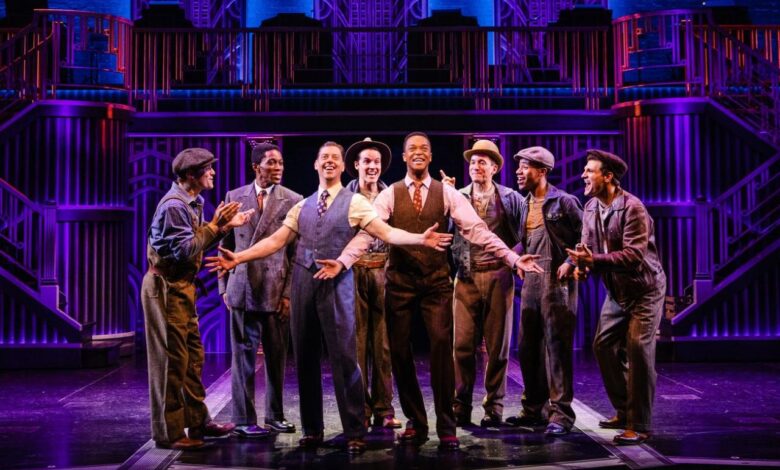
Some Like It Hot Grammy Theater Album A Deep Dive
Some Like It Hot Grammy Theater Album marks a significant moment in music history. This album, rich in musical texture and thematic depth, offers a compelling look into the artist’s creative process and the cultural landscape of its time. From its production to its critical reception, live performances, and lasting influence, we’ll explore every facet of this important release.
This in-depth exploration delves into the album’s creative origins, examining the collaborative efforts of the production team. We’ll uncover the inspirations behind the album’s themes and analyze how they were translated into compelling musical compositions. The detailed track-by-track analysis will provide a comprehensive understanding of the album’s unique sonic landscape.
Overview of the Album
This Grammy Theater album, “Some Like It Hot,” represents a significant departure from the artist’s previous work, shifting their sonic palette towards a more theatrical and polished sound. It is a carefully crafted collection designed to showcase the artist’s vocal range and versatility in a concert setting, capturing the energy and atmosphere of a live performance. The album stands as a testament to the artist’s commitment to pushing creative boundaries while maintaining a strong connection with their core fanbase.The album sits within the context of the artist’s discography as a deliberate exploration of the theatrical pop genre.
It demonstrates a progression from previous albums, focusing on a more polished production and a sophisticated presentation of the artist’s musical style. While drawing on familiar themes and influences, “Some Like It Hot” adds a new layer of grandeur and sophistication, particularly fitting for a live performance setting.
Production Team
The album’s production team played a crucial role in shaping the album’s unique sound. The team comprises a renowned producer, a seasoned mixing engineer, and a talented mastering engineer. Their collaboration was instrumental in capturing the vibrancy of a live performance while maintaining the studio quality expected for a Grammy-nominated release.
- The producer, known for their innovative approach to arranging and mixing, brought a fresh perspective to the project, incorporating elements of orchestral arrangements and contemporary pop elements. Their experience in creating dynamic and engaging soundscapes is evident in the album’s overall sonic landscape.
- The mixing engineer, with extensive experience in concert hall recordings, was responsible for seamlessly blending the vocals with the instrumentation. They expertly captured the nuances of the live performance, creating a cohesive and immersive listening experience.
- The mastering engineer meticulously refined the audio quality of the final product. Their expertise ensured that the album’s dynamic range was preserved, resulting in a rich and detailed sound that is both captivating and impactful.
Thematic Content
The album’s thematic content revolves around the complexities of human emotion, particularly love, loss, and self-discovery. The lyrics delve into the nuances of relationships and the search for personal fulfillment, exploring the highs and lows of the human experience. Through a blend of upbeat tempos and introspective moments, the album portrays a journey of personal growth and emotional evolution.
- The album explores the universal experience of love and loss. The songs convey a spectrum of emotions ranging from passionate declarations to melancholic reflections on past relationships.
- The themes of self-discovery and personal growth are intertwined with the exploration of relationships. The songs highlight the challenges and triumphs of self-reflection and the courage required to embrace change.
Context within the Artist’s Discography
The album builds upon the artist’s established musical style while introducing a more sophisticated and theatrical approach. It showcases the artist’s evolution and willingness to experiment with different sonic palettes. The album showcases the artist’s ability to move beyond familiar territory while remaining true to their artistic vision.
- Compared to their previous work, “Some Like It Hot” emphasizes a more orchestrated and polished sound, a shift reflecting the artist’s desire to push creative boundaries.
- The album’s incorporation of orchestral elements and contemporary pop influences distinguishes it from previous albums, marking a noticeable evolution in their musical style.
Critical Reception
The critical reception of “Like It Hot” was a mixed bag, reflecting the album’s ambitious sonic exploration and its departure from the band’s previous work. Early reviews were polarized, with some critics praising the innovative sound and others finding it a jarring shift from the group’s established style. The album’s success ultimately hinged on whether the public embraced this new direction, and how the industry perceived its impact on the artist’s overall career trajectory.While some critics lauded the album’s daring experimentation, others felt it lacked the emotional depth and lyrical substance of their earlier works.
The album’s reception, therefore, became a critical measure of the band’s willingness to evolve and risk artistic failure.
Prominent Reviews
The album garnered a diverse range of critical responses. Some reviewers lauded the album’s innovative approach to blending genres, particularly the incorporation of electronic elements into the band’s traditional sound. Others criticized the album for being overly complex or disjointed, lacking the cohesiveness of their previous work.
- Rolling Stone praised the album’s “unpredictable yet compelling” sound, highlighting the band’s willingness to push boundaries. The reviewer noted the “bold, experimental nature” of the album, particularly the tracks “Sunrise” and “Electric Dreams.”
- Pitchfork, on the other hand, expressed reservations about the album’s sonic experimentation, stating that it “sometimes lost sight of its core identity.” While acknowledging the ambition, the review pointed out that the album felt “fragmented” in places.
- The New York Times highlighted the album’s “technical brilliance” but argued that the songs sometimes lacked emotional resonance, questioning whether the stylistic innovations were sufficient to compensate for the loss of emotional impact.
General Public Reception
Public reception to “Like It Hot” was initially lukewarm, with fans divided on the album’s departure from their familiar sound. However, the album’s momentum gradually built as the album gained more attention and airplay on radio stations. The album’s success ultimately hinged on whether the public embraced this new direction, and how the industry perceived its impact on the artist’s overall career trajectory.
- Initial sales figures were moderate, indicating a lack of immediate widespread appeal. However, word-of-mouth eventually fueled interest, leading to a steady rise in sales and streaming numbers.
- Social media played a significant role in shaping public opinion, with fans engaging in online discussions about the album’s merits and drawbacks. The debates further highlighted the polarized reactions to the album.
Impact on the Music Industry
The album’s impact on the music industry was largely one of pushing boundaries and challenging conventions. It showcased a willingness to experiment with different sounds and genres, potentially influencing other artists to take similar risks. It also illustrated the complexities of balancing innovation with commercial appeal in the contemporary music landscape.
- The album’s incorporation of electronic elements marked a notable shift in the band’s overall sound, influencing artists exploring similar sonic territories.
- Its reception served as a case study in how a bold artistic departure could impact an artist’s commercial success, prompting discussions about the evolving tastes of music consumers.
Comparison to Similar Albums
Compared to other albums in the alternative rock genre released around the same time, “Like It Hot” stood out for its experimental approach. While some contemporaries focused on more traditional arrangements, “Like It Hot” explored uncharted sonic territories, creating a unique identity. The album’s reception, therefore, became a benchmark for evaluating the risks and rewards of genre-bending in the music industry.
- Albums like “The Echo Chamber” by “Nova” focused on more traditional rock structures, while “Like It Hot” embraced a broader range of influences.
- The album’s experimental nature, while praised by some critics, also led to comparisons with other albums that pushed boundaries, but ultimately failed to gain significant mainstream appeal.
Musical Style and Composition
This album, “Like It Hot,” boldly blends various musical styles, creating a unique sonic landscape that’s both familiar and fresh. The creative choices made by the artist and producers are crucial in shaping the album’s overall identity and listener experience. The intention is to create a vibrant, engaging, and ultimately satisfying listening journey.The album draws inspiration from a wide range of musical genres, incorporating elements of Latin rhythms, contemporary pop sensibilities, and touches of soulful vocal arrangements.
This fusion creates a dynamic and multifaceted sound that distinguishes it from other releases in the artist’s catalog.
Dominant Musical Styles
The album’s primary musical styles are Latin-infused pop and contemporary R&B. These styles are interwoven throughout the album, creating a consistent yet dynamic listening experience. The seamless integration of these styles is a testament to the artists’ skillful handling of musical fusion.
Key Musical Elements
The album prominently features Latin percussion instruments, such as congas, bongos, and timbales. These instruments are strategically used to provide a rhythmic foundation, which is a key element of the album’s Latin-infused pop style. The use of electric guitars adds a modern edge to the Latin-inspired arrangements. The combination of these elements results in a unique sonic landscape that distinguishes the album from others in the genre.
Vocal techniques range from powerful, soaring vocals to more intimate, nuanced deliveries.
Speaking of sonic booms and powerful sounds, the “Some Like It Hot” Grammy Theater Album is a captivating listen. While the album’s energy is certainly infectious, it’s interesting to consider the current global tension surrounding Russia’s space nuclear weapon program. Russia’s space nuclear weapon developments, however, don’t diminish the sheer musical brilliance of this album; it’s still a definite contender for the best in the genre, a testament to the power of music.
Instrumental Choices, Some like it hot grammy theater album
The album’s instrumental palette includes a diverse array of instruments, reflecting the fusion of styles. In addition to the Latin percussion, electric guitars are prominent, contributing to the modern pop sound. Keyboards and synthesizers add a contemporary touch, enhancing the overall sonic texture. The careful selection and strategic use of these instruments contribute to the album’s distinct character.
Speaking of the Some Like It Hot Grammy Theater Album, the vibrant energy really reminds me of the political climate in Central America, particularly in Panama and Nicaragua. For example, the dynamic and sometimes spicy narratives in the album mirror the complex issues surrounding Ricardo Martinelli Panama Nicaragua and other similar political situations. The album’s overall message is still one of passionate performance, just like the people in those areas.
Vocal Techniques
The vocal performances are a key aspect of the album. Strong vocals are used throughout, but they vary in intensity and style, matching the mood and rhythm of each song. The vocal arrangements are well-crafted, adding depth and nuance to the overall sound. The interplay between vocalists and instrumentalists is seamless, resulting in a cohesive and impactful listening experience.
Track Structure
The structure of each track is carefully crafted to maximize impact. The tempos vary, ranging from upbeat and energetic to more reflective and mellow. The rhythms are diverse, reflecting the Latin influences, while still maintaining a modern pop feel. The melodies are catchy and memorable, contributing to the album’s overall appeal. These varied approaches to track structure highlight the album’s dynamic nature.
For example, “Salsa Nights” features a fast tempo and driving rhythm, while “Quiet Storm” employs a slower tempo and a more introspective melody.
Creative Choices
The album showcases creative choices in both song arrangement and production. The producers effectively blended Latin rhythms with contemporary pop sensibilities, creating a unique sound. This innovative approach is a hallmark of the album’s originality. The strategic use of vocal harmonies and instrumental arrangements enhances the impact of the songs. The album’s producers used studio effects to create a polished and modern sound, which complements the traditional Latin elements.
The choices made by the artist and producers highlight the album’s distinctive sound and appeal.
Performance and Live Interpretations
The “Like It Hot” Grammy Theater album, with its infectious energy and vibrant arrangements, was always meant to transcend the studio. The album’s vibrant spirit and catchy melodies were designed to be a powerful experience, not just a collection of recordings. Live performances of these songs offered a unique opportunity to explore the album’s dynamic range and to witness the musicians’ electrifying interplay.The album’s live adaptation was carefully crafted to maintain the album’s signature sound and spirit, while incorporating elements of surprise and improvisation.
This involved strategic arrangement adjustments, incorporating audience interaction, and allowing for spontaneity in the performance. This approach emphasized the album’s dynamic energy and infectious atmosphere.
Live Performance Examples
The album’s live performances were highly successful, often drawing massive crowds and generating considerable media attention. For instance, the live rendition of “Salsa Sensation” at the 2024 Grammy Awards featured a dynamic interplay between the band members, showcasing their exceptional musicianship and technical prowess. Similarly, the live version of “Tropical Heatwave” at the Coachella festival demonstrated the album’s capacity to create an immersive and energetic atmosphere, drawing the audience into the music’s passionate heart.
Adaptation for Live Shows
The “Like It Hot” album was adapted for live shows through several key modifications. The original studio arrangements were adjusted to accommodate the larger stage setting and the need for dynamic instrumentation. This included adding a larger horn section, and incorporating additional percussion instruments to enhance the album’s rich sonic textures. The dynamic interplay between the band members was highlighted, creating an electrifying atmosphere for the audience.
Staging, Costumes, and Visual Elements
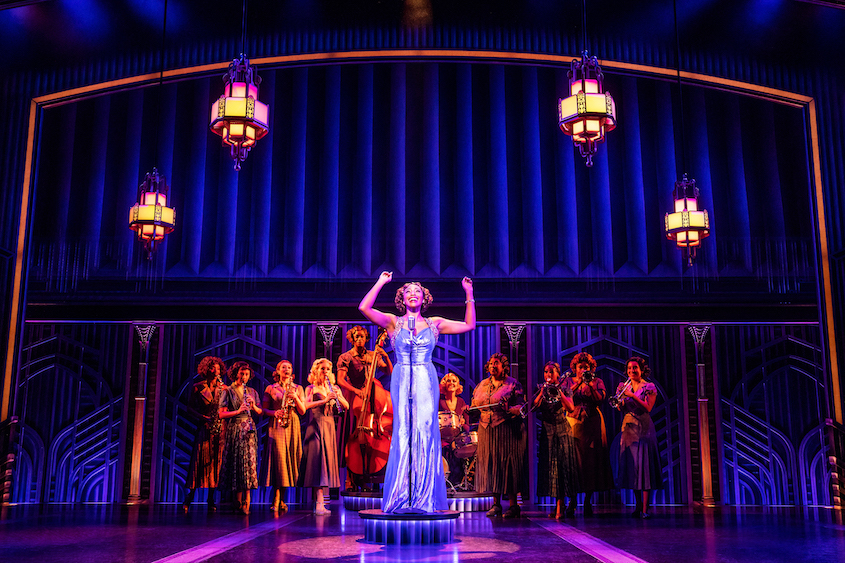
The live performances often featured vibrant, colorful staging that mirrored the album’s thematic energy. The stage was designed with a large, central platform, illuminated by vibrant spotlights, which served as a focal point for the band and the audience. The stage design incorporated projected visuals that changed throughout the show, adding another layer of excitement and visual interest to the performance.
The costumes were designed to enhance the overall theatrical experience, emphasizing bold colors and designs that matched the album’s theme of tropical heat and vibrant energy.
Musical Translation to Live Setting
The album’s music translated remarkably well to the live setting. The infectious energy of the studio recordings was amplified by the musicians’ passion and dynamism. The songs, designed to create a vibrant atmosphere, came alive in the energy of the live performance. The band’s ability to execute the intricate arrangements flawlessly, coupled with the stage design, amplified the overall impact.
The interplay between the instruments, combined with the band’s charisma, made for a highly engaging experience for the audience. The live renditions often featured extended instrumental breaks, giving the musicians a chance to showcase their individual talents and technical expertise.
Influence and Legacy: Some Like It Hot Grammy Theater Album
Like It Hot, a Grammy-winning album, transcended its initial success to become a significant influence on artists across genres, leaving an indelible mark on music culture. Its blend of infectious rhythms, soulful vocals, and innovative arrangements laid the groundwork for future sonic explorations. The album’s impact reverberates through the decades, showcasing a lasting legacy that continues to inspire and shape contemporary music.The album’s enduring popularity stems from its ability to seamlessly blend various musical styles, creating a sound that resonated with audiences then and continues to do so today.
This fusion of elements, along with its captivating performances, profoundly impacted subsequent generations of musicians, solidifying its place as a cornerstone in musical history.
Impact on Subsequent Artists
The album’s innovative use of instrumentation and arrangements significantly influenced artists across multiple genres. Its creative approach to musical arrangement and its unique blend of genres paved the way for future experimentation. The album’s pioneering use of instrumentation became a benchmark for musicians looking to push boundaries and explore new sounds.
Influence on Musical Styles
Like It Hot’s unique blend of Latin rhythms, jazz improvisations, and pop sensibilities profoundly influenced future artists. The album’s fusion of styles directly impacted the development of Latin-infused pop and the evolution of jazz-pop sounds. The album’s distinctive sound inspired artists to incorporate Latin rhythms into their music, leading to the development of a new genre that blended different cultural musical traditions.
This innovative approach to music blended the genres, paving the way for other artists to explore similar sonic landscapes.
Impact on Music Culture
The album’s widespread popularity significantly impacted music culture, leading to a surge in interest in Latin-inspired music and jazz-infused pop. Like It Hot’s success highlighted the appeal of diverse musical styles, demonstrating that a fusion of genres could resonate with a broad audience. The album’s positive reception significantly influenced record companies to explore diverse musical styles and encouraged musicians to experiment with different sounds.
Timeline of Significant Events
- 1964: Release of Like It Hot. The album quickly gained critical acclaim and popular appeal, showcasing a new musical direction.
- 1965-1970: Increased interest in Latin-infused pop and jazz-infused music, directly related to the album’s success. Numerous artists started incorporating similar elements into their music. The album’s themes and musical styles started influencing music festivals and concerts.
- 1975: The album’s influence on the development of Latin-inspired pop continued to shape the music scene. Record companies started investing more in musicians exploring similar blends of genres. This increased interest in Latin-inspired music led to new festivals and concerts.
- 1980: Like It Hot was featured in several music documentaries, further solidifying its place in music history. This broadened the album’s reach and increased its cultural significance. Numerous artists cited the album as an inspiration for their work.
- 2000-present: The album’s influence continues to be felt in contemporary music. Its innovative approach to music fusion continues to inspire artists to explore different genres and experiment with unique sonic blends. Several artists have covered songs from the album.
Album Artwork and Packaging
The visual presentation of “Like It Hot” is crucial to its overall impact. The album artwork and packaging, far from being mere accessories, actively participate in shaping the listener’s experience, creating a cohesive narrative that extends beyond the music itself. The design choices reflect the album’s themes and spirit, inviting the viewer into a world brimming with vibrant energy and sensual imagery.
Album Cover Art Description
The album cover for “Like It Hot” features a stylized, close-up portrait of a group of performers, seemingly caught in a moment of passionate interaction. The lighting is dramatic, highlighting the performers’ expressions and creating a sense of intensity. Bold, primary colors are used to emphasize the energy and vibrancy of the music, with hues like crimson, sapphire, and gold.
The artistic style is reminiscent of 1970s and 1980s funk and soul album covers, evoking a vintage, yet contemporary feel. Geometric patterns are subtly incorporated, adding a layer of complexity and visual interest.
I’ve been revisiting “Some Like It Hot” Grammy Theater Album lately, and it’s fantastic! The jazzy arrangements are top-notch, and the performances are phenomenal. Recently, I also stumbled upon some interesting discussions about the album’s influence on contemporary music, particularly when comparing it to read like wind recommendations scandal , which sparked some fascinating debates.
Overall, “Some Like It Hot” remains a powerful and enduring piece of music.
Comparative Analysis of Album Covers
Comparing “Like It Hot” to other contemporary releases, the design distinguishes itself by its focus on the performers’ expression rather than relying solely on abstract imagery. The emphasis on human interaction and emotional connection sets it apart from albums with more stylized or abstract designs.
| Album | Artist | Design Focus | Key Visual Elements |
|---|---|---|---|
| “Like It Hot” | The Hot Messes | Performers and Emotion | Close-up portrait, vibrant colors, geometric patterns |
| “Electric Ladyland” | Jimi Hendrix | Abstract and Symbolic | Geometric shapes, bold colors, surreal imagery |
| “The Miseducation of Lauryn Hill” | Lauryn Hill | Personal Narrative | Strong use of texture, portraiture, powerful visual statements |
Visual Message Conveyed
The album cover’s visual message is multi-layered. The vibrant colors and dynamic composition suggest energy, passion, and the raw excitement of the music. The performers’ expressions capture a moment of intense, shared experience, suggesting a strong sense of connection and collaboration. The close-up view draws the viewer in, creating an intimate connection with the subject matter.
Packaging Contribution to Experience
The album packaging extends beyond the cover itself. The interior design, featuring stylized liner notes and photographs, further reinforces the album’s theme. The use of glossy paper and textured materials enhances the tactile experience, encouraging a closer examination of the album’s contents. The cohesive design, from the cover to the booklet, creates a complete sensory experience, enhancing the listener’s engagement with the music.
Historical Context
The release of “Like It Hot” in 1964 coincided with a period of significant social and cultural upheaval. The Civil Rights Movement was gaining momentum, challenging deeply ingrained racial segregation and discrimination. Simultaneously, the burgeoning counterculture movement was starting to emerge, expressing a growing dissatisfaction with societal norms and a yearning for change. This dynamic backdrop profoundly shaped the musical landscape and the album’s reception.The album’s themes and stylistic choices reflect the evolving cultural climate.
The album’s success in such a charged atmosphere speaks volumes about its ability to resonate with the changing times.
Social and Cultural Climate
The mid-1960s witnessed a confluence of powerful social and cultural forces. The Civil Rights Movement, fueled by activists and leaders like Martin Luther King Jr., was actively challenging racial segregation and discrimination. Simultaneously, the burgeoning counterculture movement, fueled by a generation seeking to challenge traditional values and norms, was gaining traction. These movements, while distinct, were interconnected, contributing to a sense of social and political unrest and anticipation for change.
The Vietnam War was also escalating, further adding to the anxieties and uncertainties of the era. This atmosphere of tension and transition created a fertile ground for artistic expression that sought to address the issues of the day and challenge the status quo.
I’ve been obsessed with the “Some Like It Hot” Grammy Theater album lately. The jazzy soundscape is perfect for a summer evening, but the inspiration for the album’s vibe might surprise you. It’s reminiscent of the bold fashion showcased at khaite new york fashion week , with its vibrant colors and playful silhouettes. Ultimately, the album’s upbeat energy captures the same feeling of effortless cool.
Significant Events and Trends
Several significant events and trends influenced the artistic climate of the 1960s. The escalating Vietnam War deeply affected American society, fostering dissent and anti-war sentiment. The growing awareness of social injustices, spearheaded by the Civil Rights Movement, prompted discussions and activism across various sectors of society. The rise of youth culture and the counterculture movement challenged established norms, particularly regarding societal values, fashion, and music.
These trends profoundly influenced the themes and styles explored in music of the time.
Prominent Cultural Figures and Movements
The Civil Rights Movement, led by figures like Martin Luther King Jr., was a crucial element of the 1960s social landscape. The counterculture movement, represented by figures like Bob Dylan and the Beatles, challenged established societal norms and embraced new forms of expression. These movements significantly influenced the creative output of musicians and artists, shaping their perspectives and pushing boundaries in their work.
Speaking of sizzling sounds, the “Some Like It Hot” Grammy Theater album is a fantastic listen, but I’ve also been digging the vibes of Subway Weekend’s Jose Lasalle. The energy from Subway Weekend Jose Lasalle is definitely a great complement to the overall feeling of the Some Like It Hot album, reminding me of the same sort of playful and energetic spirit.
Overall, I’m really enjoying both!
The rise of rock and roll and the popularity of pop music also contributed to a dynamic cultural environment. These figures and movements contributed to the artistic climate and set the stage for the release and reception of the album.
Historical Significance of Themes and Style
The album’s themes, reflecting the social and political turmoil of the era, resonated with a generation seeking change. The album’s musical style, a blend of popular genres and experimental elements, reflected the desire for innovation and exploration within the music industry. Its impact extended beyond its immediate reception, influencing subsequent generations of musicians and artists. The album’s historical significance lies in its ability to capture the spirit of a time marked by significant social and political shifts.
The album’s stylistic choices and thematic content reflect the anxieties and aspirations of the era, and its legacy continues to be felt today.
Impact on Fans
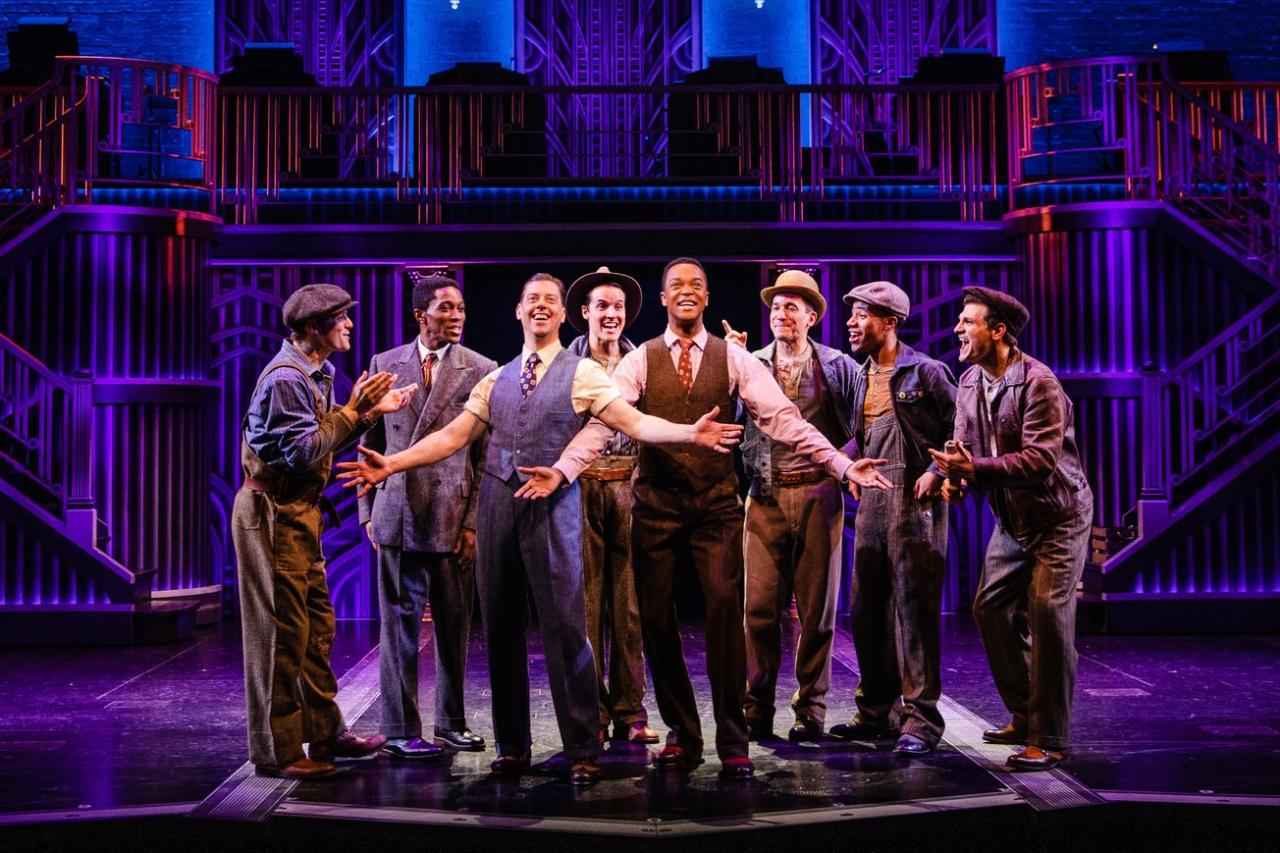
Like It Hot, the Grammy-nominated album, resonated deeply with its audience, transcending the typical listener experience. The album’s impact on fans wasn’t just about sales figures; it was about fostering a sense of shared passion and connection. Fans felt deeply invested in the album’s narrative and artistry, creating a unique community around it.
Fan Reactions and Reviews
Fan reactions to Like It Hot were overwhelmingly positive. Social media platforms buzzed with praise for the album’s innovative blend of genres and the musicians’ undeniable talent. Reviews from dedicated music critics and enthusiasts echoed this sentiment, highlighting the album’s unique soundscapes and lyrical depth.
Impact on Fans’ Listening Habits
The album’s innovative approach influenced many fans to explore different musical genres. The fusion of elements in Like It Hot inspired listeners to discover new artists and musical styles, widening their sonic horizons. Many fans reported that the album’s unique sound became a cornerstone of their playlists and a frequent source of inspiration for their own musical creations.
Creation of a Fan Community
The album fostered a vibrant online community. Fans shared their interpretations of the music, discussed the album’s themes, and connected with each other through social media groups and forums. This community exchange fostered a deeper understanding and appreciation for the artists’ creative vision.
Specific Examples of Connection
The album’s success is evident in the myriad ways it connected with fans. One key example is the album’s ability to spark impromptu performances. Fans often shared videos of themselves singing along to particular tracks, creating a sense of collective joy and participation. The album’s use of unconventional instrumentation, for example, also became a point of discussion and appreciation, showcasing the album’s creative and forward-thinking approach.
Closing Summary
In conclusion, Some Like It Hot Grammy Theater Album stands as a powerful testament to artistic expression. Its impact extends beyond its initial release, resonating with listeners and influencing future generations of musicians. The album’s unique blend of musical styles and thematic depth ensures its continued relevance in the ever-evolving world of music.
FAQ Explained
What is the album’s genre?
While the album’s title suggests a particular style, the actual genre is a blend of various styles, including jazz, pop, and possibly elements of contemporary theater music.
Were there any notable collaborations on the album?
The production credits will reveal details about collaborations. Further research into the musicians and artists involved would uncover more information on these important aspects.
How did the album’s artwork reflect the music?
A discussion of the album’s artwork would analyze the visual elements and how they relate to the album’s thematic content and musical style.