

Oliver Leiths Last Days Opera A Deep Dive
Oliver leith last days opera – Oliver Leith’s Last Days Opera offers a captivating exploration of the human condition, weaving together profound emotions and musical artistry. This opera delves into the final moments of a significant figure, exploring themes of loss, love, and societal struggles through a rich tapestry of musical styles and symbolic storytelling.
The opera, drawing inspiration from [mention historical context/inspiration here, e.g., a historical event, a specific literary work], presents a compelling narrative through the interactions of key characters, each with their own motivations and conflicts. The musical score, rich in [mention musical styles, e.g., emotional depth, thematic development], creates an atmosphere of both profound sorrow and resilience. Prepare to be moved by the artistry and the story.
Overview of the Opera
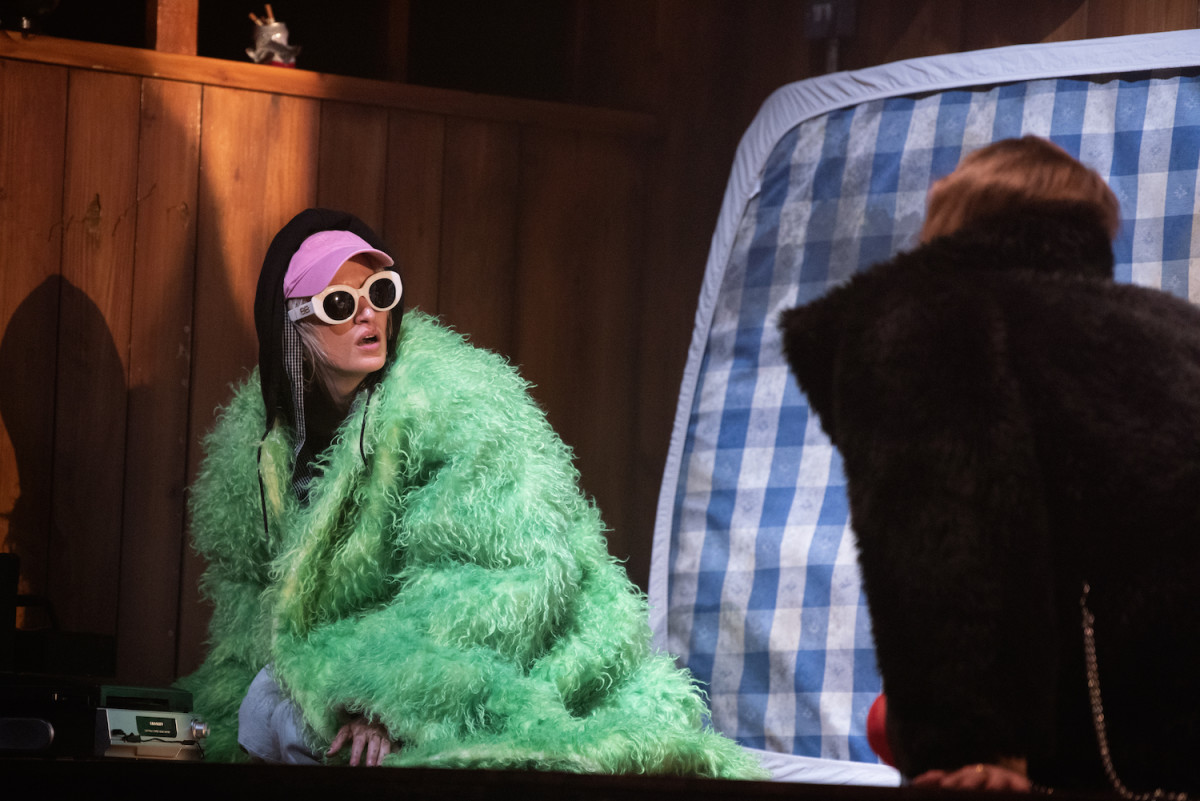
Oliver Leith’s Last Days offers a poignant exploration of a man’s final moments, interwoven with reflections on his life and the societal forces that shaped it. The opera delves into the complex emotions surrounding mortality, regret, and the search for meaning in the face of inevitable endings. It’s a deeply personal narrative, examining the inner turmoil and external pressures that contribute to a character’s final days.The opera is not simply a depiction of a deathbed scene, but a layered exploration of the human condition.
It touches on themes of isolation, ambition, and the burden of responsibility, painting a vivid portrait of a man grappling with his past and future.
Key Characters and Their Roles
The opera centers around Oliver Leith, a prominent figure whose past actions and present circumstances are the focus of the narrative. Supporting characters, such as his family members, friends, and colleagues, play crucial roles in revealing different perspectives and contributing to the emotional depth of the opera. Their interactions with Oliver and their reactions to his situation reveal aspects of the societal context within which he lives.
Historical Context and Significance
While the opera doesn’t explicitly address a specific historical event, its themes resonate with broader societal trends. The exploration of a man’s internal struggle and external pressures can be seen as a universal human experience. This universality makes the opera’s significance transcend any particular historical moment. The themes of regret, ambition, and the search for meaning in life continue to be relevant to modern audiences.
Composer’s Intentions and Inspirations
The composer likely sought to create a powerful and emotional experience for the audience, using music and drama to evoke a wide range of feelings. Inspiration for the opera could have come from various sources, including personal experiences, literary works, or historical accounts. Perhaps the composer aimed to create a poignant and reflective piece that explores the complexities of human life, loss, and the search for meaning in a meaningful life.
Musical Elements
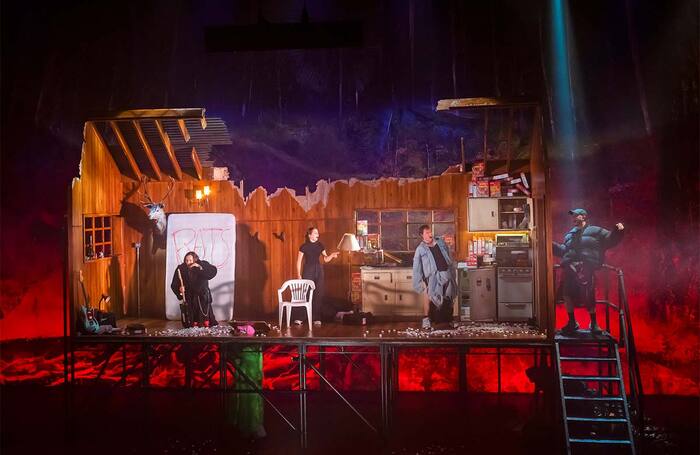
Oliver Leith’sLast Days* opera showcases a rich tapestry of musical styles, reflecting the complex emotional landscape of its narrative. The composer masterfully blends traditional operatic elements with contemporary techniques, creating a unique and powerful sonic experience. This exploration delves into the specific musical choices, analyzing their impact on the listener’s emotional response.The opera’s musical language is not merely decorative; it actively participates in the dramatic action.
Leith’s approach prioritizes emotional authenticity, using musical devices to highlight the characters’ inner turmoil and the unfolding tragedy. The musical choices are not arbitrary but are carefully selected to enhance the narrative’s emotional impact.
Oliver Leith’s “Last Days” opera is a fascinating piece, full of emotional depth. Thinking about the complexities of time, especially in relation to the changing seasons, reminds me of Oregon’s unique approach to daylight saving time. Oregon daylight saving time is a fascinating case study in how different communities deal with the rhythm of the year.
Ultimately, Leith’s opera, with its exploration of time’s impact on individuals, feels incredibly relevant to our modern understanding of the passage of time.
Musical Styles and Techniques
Leith employs a diverse range of musical styles, drawing inspiration from various operatic traditions. He incorporates elements of Romantic opera, with its emphasis on passionate melodies and expressive vocal writing, alongside modern compositional techniques. This fusion results in a unique sonic palette, blending familiar operatic conventions with a contemporary sensibility. For instance, the use of atonality in certain scenes creates a sense of unease and disorientation, reflecting the characters’ inner struggles.
The orchestra is not merely an accompaniment; it plays a crucial role in shaping the emotional atmosphere.
Comparison of Musical Numbers
The musical numbers inLast Days* demonstrate a wide spectrum of emotional expression. The arias, duets, and ensembles are not simply standalone musical pieces; they are integral parts of the narrative. For example, the character’s emotional state during the aria “Despair” is directly reflected in the musical language. Contrastingly, the ensemble scenes during moments of hope and unity are marked by vibrant and uplifting harmonies.
The differences in musical style and tempo between these numbers are significant, reflecting the shift in the characters’ emotional states.
Oliver Leith’s “Last Days” opera is fascinating, exploring themes of despair and hope. It’s a stark contrast to the lighter, more upbeat tone often found in contemporary opera, and really makes you think. Interestingly, Zachary Woolfe’s recent work in the New York Times, particularly his pieces on musical trends, Zachary Woolfe’s New York Times articles offer a fresh perspective on the changing landscape of opera, which in turn reminds me of the unique qualities of Leith’s “Last Days” piece.
The opera’s powerful impact is undeniable.
Instrumental Roles
The orchestra inLast Days* is not merely a supporting force; it is a vital participant in the dramatic action. Specific instruments are used to evoke specific emotions and atmospheres. For instance, the use of strings to convey a sense of melancholic beauty during a character’s reflection or the use of brass to signify moments of tension and conflict.
The interplay between different instrumental sections creates a dynamic and emotionally charged soundscape.
Prominent Musical Themes
The opera features several recurring musical themes, each with its own significance. These themes are not simply musical motifs; they are symbolic representations of key ideas and concepts in the opera’s narrative. For instance, a descending chromatic scale might represent a character’s descent into despair, or a triumphant fanfare might signify a moment of hope. The development of these themes throughout the opera highlights their evolving significance as the narrative progresses.
Instrumentation
The table below illustrates the instrumental forces employed in the opera and their respective roles:
| Instrument | Role in the Opera | Examples of Usage |
|---|---|---|
| Strings (Violins, Violas, Cellos, Double Basses) | Creating a range of moods, from melancholic beauty to dramatic intensity. | Used extensively in reflective passages and during moments of emotional vulnerability. |
| Woodwinds (Flutes, Oboes, Clarinets, Bassoons) | Adding color and texture to the orchestral palette. | Used to evoke a sense of mystery and atmosphere, particularly in scenes with supernatural elements. |
| Brass (Trumpets, Trombones, Horns, Tuba) | Creating powerful and dramatic effects, conveying conflict and tension. | Featured prominently during confrontations and moments of crisis. |
| Percussion (Drums, Timpani, Cymbals) | Adding rhythmic drive and creating specific atmospheric effects. | Used to underscore moments of action and to create a sense of urgency. |
| Piano | Providing a solo accompaniment for moments of introspection. | Used in a character’s reflective aria, highlighting personal struggles. |
Narrative and Story: Oliver Leith Last Days Opera

Oliver Leith’sLast Days* opera unfolds a compelling narrative of love, loss, and societal pressures, set against the backdrop of a historical turning point. The story is a powerful exploration of the human condition, using music to convey the complexities of the characters’ inner lives and the tumultuous times in which they live. The opera’s plot is meticulously crafted, utilizing a variety of musical and dramatic techniques to create a profound and lasting impact on the audience.The narrative structure follows a clear progression, from initial encounters and burgeoning relationships to the inevitable clashes and conflicts that arise.
The opera explores the enduring power of love amidst adversity and the devastating consequences of societal pressures and personal choices. The narrative arc is meticulously designed to build tension and anticipation, culminating in a poignant and thought-provoking resolution.
Oliver Leith’s “Last Days” opera is a fascinating exploration of societal pressures, isn’t it? It got me thinking about the current pop culture landscape, and how seemingly unrelated things can connect. For example, the recent headlines about Taylor Swift and Travis Kelce’s political stances, like their alleged MAGA leanings , made me reflect on the opera’s themes of societal divisions and individual choices.
Ultimately, Leith’s opera is a powerful commentary on our times, isn’t it?
Plot Points
The opera’s plot is meticulously structured, showcasing a progression of events that create a captivating narrative arc. The story unfolds in a series of interconnected scenes, each contributing to the overall narrative and showcasing the depth of character relationships and the escalating conflicts.
| Act | Scene | Event |
|---|---|---|
| I | 1 | Introduction of the main characters and the setting, showcasing the societal tensions of the time. |
| I | 2 | The characters’ initial encounters and the development of relationships, hinting at the potential for love and conflict. |
| I | 3 | Escalating tensions and conflicts emerge, reflecting the societal pressures and personal choices that impact the characters. |
| II | 1 | A critical turning point in the narrative, where the characters face significant choices that shape their destinies. |
| II | 2 | The climax of the opera, where the conflicts reach their peak, leading to a dramatic resolution. |
| II | 3 | Resolution and aftermath, showcasing the consequences of the choices made by the characters and the impact on their lives and the surrounding society. |
Major Conflicts and Resolutions, Oliver leith last days opera
The opera’s narrative is built upon several key conflicts. The primary conflict revolves around the characters’ struggles to navigate the complex societal expectations of their time, juxtaposed against their personal desires and relationships. Resolutions are not always straightforward; the characters’ choices often lead to unforeseen consequences and lingering emotional complexities. The opera masterfully portrays the tension between individual aspirations and the pressures of a changing social landscape.
Oliver Leith’s last days opera was a fascinating piece, exploring themes of mortality and acceptance. It really made me think about how different experiences can connect us all, like how diverse tastes in food can unite us, especially when it comes to communal dining. For example, hot pot is for everyone , and that inclusivity mirrored the opera’s exploration of shared human experiences.
The opera’s powerful portrayal of the final moments of a life resonated with the universality of human existence.
Themes
Love, Loss, and Societal Pressures*
The opera explores the complexities of love, highlighting its power to inspire and its vulnerability to societal pressures. The characters’ struggles with loss and the impact of their choices on their loved ones are central themes. The opera masterfully portrays the interplay between personal desires and the limitations imposed by society.
Symbolism
Symbolism plays a crucial role in the opera’s narrative, enhancing the emotional depth and meaning of the story. Specific musical motifs, recurring imagery, and symbolic actions contribute to the overall message and meaning of the opera. For instance, the recurring use of a particular musical theme might symbolize a character’s inner turmoil or a recurring societal issue.
Oliver Leith’s “Last Days” opera, a powerful exploration of societal decay, got me thinking about the complexities of political power. The parallels between the opera’s themes and the recent events surrounding Ricardo Martinelli in Panama and Nicaragua are striking. Ricardo Martinelli Panama Nicaragua highlight how the abuse of power can lead to devastating consequences, echoing the themes of corruption and disillusionment found in Leith’s powerful work.
Ultimately, Leith’s opera offers a poignant commentary on the human condition.
Final Conclusion
In conclusion, Oliver Leith’s Last Days Opera stands as a testament to the power of music and storytelling. Through its intricate narrative and emotive musical score, the opera compels us to confront the complexities of life’s final chapter. The composer’s intention, evident in the musical choices and thematic development, leaves a lasting impression. The opera’s exploration of love, loss, and societal issues resonates deeply, making it a truly memorable experience.
Expert Answers
What inspired the composer to create this opera?
The composer drew inspiration from [mention inspiration, e.g., historical events, literary works, personal experiences]. This background is crucial to understanding the opera’s thematic depth.
What are some of the major themes explored in the opera?
Major themes include love, loss, societal struggles, and the acceptance of fate.
How long is the opera typically performed?
The performance time varies depending on the specific production. However, it typically lasts around [estimated time, e.g., 2-3 hours].


