
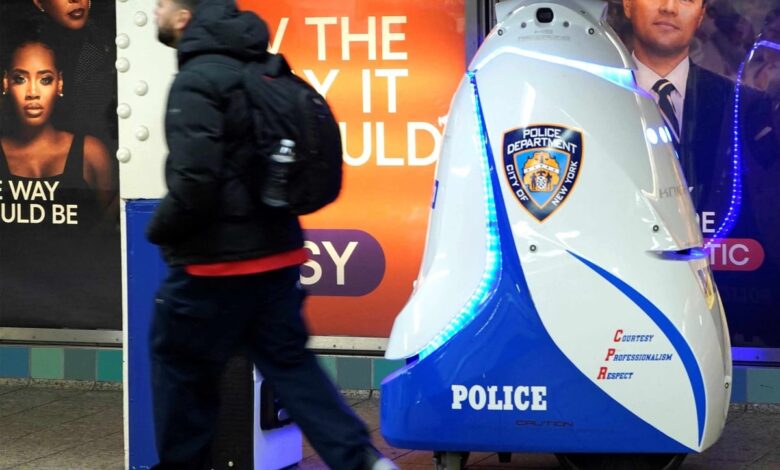
NYPD Subway Robot Retires Farewell to a Metal Guardian
NYPD subway robot retires, marking the end of an era for automated subway safety. This mechanical marvel, a fixture in the city’s transit system for years, has served as a critical component in maintaining order and safety. From patrolling platforms to assisting with security, the robot played a vital role, impacting both public perception and operational efficiency. Now, the transition to a new era of subway safety begins.
The robot’s contributions have been undeniable, and its departure prompts a thoughtful reflection on the role of technology in public transportation. We’ll explore the reasons behind its retirement, the impact on operations, and the potential for future technological advancements to enhance subway safety.
The NYPD Subway Robot’s Legacy
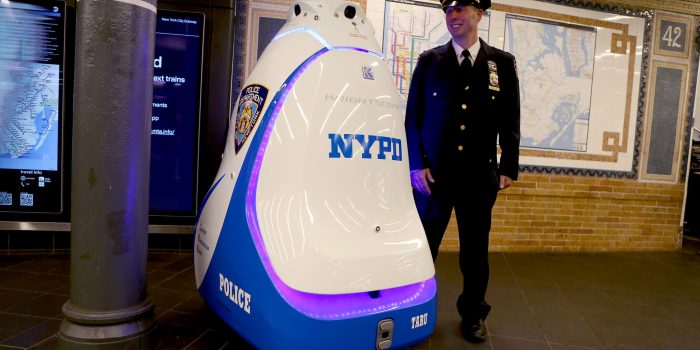
The NYPD’s subway robot, a pioneering piece of technology, served a crucial role in enhancing safety and security within the city’s extensive subway system. Its history reflects a dynamic evolution in the application of robotic technology to public safety challenges. From initial deployment to its eventual retirement, the robot played a significant part in the system’s operations and the public’s perception of subway safety.The robot’s primary functions encompassed patrolling subway platforms and tunnels, providing a constant visual presence and deterring potential criminal activity.
The NYPD subway robot’s retirement is a bit of a bummer, but it’s a reminder of how quickly technology advances. Thinking about the fascinating work of Keith McNally and Balthazar, especially their filmmaking past, keith mcnally balthazar filmmaking past it makes you wonder what innovative tools might replace it. Hopefully, the next generation of subway tech is even more helpful and efficient than this retired robot.
Its capabilities extended beyond mere surveillance; it was also equipped to aid in responding to emergencies and facilitating investigations. This multifaceted approach to subway safety contributed to a noticeable shift in public sentiment regarding subway security.
Specific Functions and Contributions
The robot’s contributions extended beyond simple surveillance. Its advanced sensors allowed for real-time monitoring of various conditions, including identifying potential hazards and reporting them to dispatchers. This proactive approach minimized risks and enabled quicker responses to incidents. The robot also assisted in gathering evidence during investigations, enhancing the efficiency of crime-solving processes.
Impact on Public Perception and Safety
The robot’s presence demonstrably impacted public perception of subway safety. Its constant patrol and visible presence fostered a sense of security, encouraging riders to feel safer. Anecdotal evidence and reports from transit officials suggest a decrease in reported incidents, at least partially correlated with the robot’s operations. Furthermore, the robot’s capacity to deter criminal activity and assist in investigations contributed significantly to a perceived increase in safety and security within the subway system.
Retirement Reasons
The NYPD’s subway robot, a pioneering tool in maintaining safety and efficiency, has reached the end of its operational lifespan. Its retirement signifies a shift towards evolving technologies and operational strategies. This transition marks a crucial moment in understanding the factors that contribute to such decisions, allowing for a better understanding of the future of similar robotic deployments.The robot’s retirement wasn’t a sudden event but rather a culmination of several contributing factors.
These include technological limitations, escalating operational costs, and the need for adapting to evolving safety procedures. The decision to replace the robot reflects the ongoing advancement in robotic technology and the constant need for optimizing resources within the NYPD.
Technological Limitations and Advancements
The original technology, while groundbreaking at the time, has been surpassed by more recent advancements in robotics and artificial intelligence. Modern robots possess improved sensors, enhanced navigation capabilities, and more sophisticated decision-making algorithms. This leap in technological capabilities has made the previous model obsolete in terms of performance and functionality. Examples of this are evident in various industries, such as autonomous vehicles and warehouse automation, where new generations of technology are constantly emerging and replacing older models.
Operational Costs and Maintenance Issues
The sustained maintenance and repair costs associated with the robot have steadily increased over its operational lifespan. These costs, coupled with the rising cost of specialized parts and the need for regular upgrades, have become increasingly unsustainable. Moreover, the need for specialized technicians to maintain and repair the robot contributed significantly to the rising operational expenditure. This is a common challenge faced by organizations employing complex machinery.
The rising cost of maintaining and repairing a robot is a common issue in various industries, including manufacturing and aerospace.
Changes in Safety Procedures and Strategies
Safety protocols have evolved over time. The robot’s role in these procedures has also changed. The current operational strategies and safety protocols may have outgrown the capabilities of the robot. These strategies might now include more advanced technologies, such as AI-powered predictive analysis, and the need for human intervention may have lessened, necessitating a shift from relying solely on the robot for safety procedures.
This is analogous to how the military has shifted from certain weapons systems to more advanced and modern weaponry.
Reasons for Replacement, Nypd subway robot retires
The decision to replace the robot stems from a combination of technological advancements, cost-effectiveness considerations, and the need for a more adaptable and robust solution for the NYPD’s specific operational needs. The newer robots will be equipped with more advanced capabilities, leading to increased efficiency and reduced maintenance costs. This is consistent with the trend of upgrading and replacing equipment in various sectors to stay competitive and maintain optimal performance.
The current robot is no longer as efficient or cost-effective as newer models.
Impact on Operations
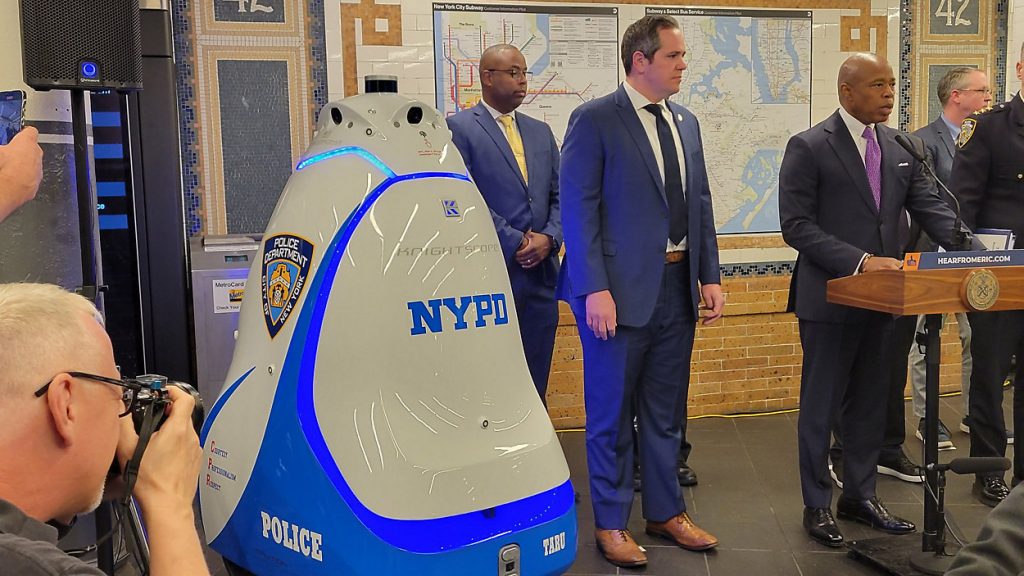
The retirement of the NYPD subway robot marks a significant shift in how the department handles subway operations. This transition necessitates careful consideration of its impact on existing procedures and potential adjustments for optimal efficiency and safety. Replacing a dedicated machine with human personnel necessitates a thorough evaluation of the robot’s performance and the subsequent workflow changes required.The NYPD subway robot, while offering a degree of automation and increased safety in specific areas, also presented challenges.
Comparing its performance to human counterparts reveals both strengths and weaknesses. The robot’s capabilities in repetitive tasks like inspection and monitoring were superior, but its adaptability in unpredictable situations was limited. Human officers, conversely, possess greater flexibility in navigating complex environments and handling unexpected events.
Comparison of Robot and Human Performance
The robot excelled in tasks demanding consistency and speed, such as routine inspections of tracks and tunnels. Its ability to perform these tasks without fatigue or breaks was a notable advantage. However, human officers were more effective in dealing with unforeseen circumstances, such as responding to emergencies, identifying suspicious activity, or interacting with the public. This difference in skill sets highlights the complementary nature of human and robotic resources.
Impact on Current Operations
The robot’s retirement will undoubtedly affect current operations. The department will need to redistribute personnel, potentially requiring additional training for existing officers. Tasks previously handled by the robot, such as routine patrols and visual assessments, will need to be integrated into human operations. This requires a restructuring of existing workflows to accommodate these shifts.
Possible Workflow Adaptation
To adapt to the robot’s absence, a new workflow must be designed. One possible approach involves re-allocating existing personnel to cover the robot’s responsibilities. This could include assigning specific officers to dedicated inspection routes, and potentially employing additional officers in the areas that were previously covered by the robot.
The NYPD subway robot, a real-life metal marvel, has sadly retired. Its tireless work navigating the subterranean tunnels is now history, but its legacy lives on. Meanwhile, the political landscape is shifting, with prominent figures like Steve Garvey, a California senator, Steve Garvey California senator , making waves in the state’s political scene. Hopefully, the future of subway safety will be enhanced with new innovations, just like the old robot.
- Re-allocation of personnel: Officers can be reassigned to specific patrol routes, focusing on tasks previously handled by the robot, such as inspection and monitoring. This reassignment will require a review of current patrol schedules and staffing levels.
- Enhanced training for existing personnel: Officers may need additional training on utilizing updated equipment and new operational procedures. This could involve familiarizing officers with new safety protocols, procedures for handling equipment previously handled by the robot, and possibly new software to analyze data collected by other sensors and cameras.
- Increased surveillance: To compensate for the loss of the robot’s visual capabilities, enhanced surveillance systems (like more cameras and additional security personnel) can be implemented in high-risk areas.
Expected Changes in Operational Efficiency and Safety
The transition to a human-centric approach may initially lead to a slight decrease in operational efficiency as officers adjust to the new workflow. However, the increased human interaction and adaptability in unpredictable situations should ultimately enhance safety. The potential for human error remains, but improved response times to unexpected situations could mitigate risks. Historical data on similar transitions can provide valuable insights into potential challenges and opportunities.
Adjustments to Current Procedures
The department must adapt its existing procedures to account for the absence of the robot. This includes updating patrol schedules, modifying inspection protocols, and potentially adjusting response times to incidents. Furthermore, the transition necessitates a thorough review of safety protocols and procedures.
| Current Procedure | Revised Procedure | Rationale |
|---|---|---|
| Routine track inspection | Increased frequency of human inspections, potentially with new equipment | Maintaining safety and ensuring timely detection of potential issues |
| Automated data collection | Manual data collection by officers, with updated data analysis tools | Maintaining data integrity and analysis capabilities |
| Remote monitoring | Enhanced on-site monitoring, with improved communication protocols | Ensuring faster response times to emergencies and potential hazards |
Public Perception and Reactions
The retirement of the NYPD Subway Robot is likely to spark a range of public reactions, reflecting diverse perspectives on its role, effectiveness, and the future of automation in public spaces. Public sentiment will likely be influenced by their prior experiences and interactions with the robot, as well as their general views on technology and its integration into daily life.
Understanding these potential reactions is crucial for managing expectations and fostering continued public trust in the NYPD’s approach to technological advancements.
Potential Public Reactions
The public’s response to the robot’s retirement will likely encompass a spectrum of emotions and opinions. Some individuals may express nostalgia, viewing the robot as a familiar presence and a symbol of technological progress in the subway system. Others might be indifferent, perhaps not having had significant interactions with the robot or simply not considering it a significant part of their daily commute.
A portion of the public may also express concerns about the potential for a reduction in safety or efficiency if the robot’s functions are not adequately replaced.
Opinions and Concerns
Potential public concerns could center on the perceived replacement of human interaction. Some individuals might worry that the absence of the robot will diminish the sense of security or assistance within the subway system. Others might express concerns about the potential loss of job opportunities if the robot’s functions are fully integrated into human roles. There might also be debates about the cost-effectiveness of the robot’s maintenance and operation compared to potential alternative solutions.
The NYPD’s subway robot has hung up its digital boots, officially retiring. It’s a bittersweet moment, but perhaps the funds saved can now be redirected towards something equally important, like the Davine Joy Randolph awards , which celebrate innovation and excellence in various fields. Hopefully, this transition will help pave the way for future, more advanced, and potentially less-robotic subway safety solutions.
Public Discussions and Debates
Discussions regarding the robot’s retirement will likely emerge on social media platforms, community forums, and news outlets. These discussions could center on the benefits and drawbacks of automation in public spaces, the perceived effectiveness of the robot in its tasks, and the potential impact on public safety and security. Furthermore, comparisons with similar automated systems in other cities or countries could also fuel these public debates.
For example, the retirement of the robot could trigger comparisons with the success or failure of automated fare collection systems in other cities, influencing public opinions.
Impact on Community Trust
The retirement of the NYPD Subway Robot could potentially affect community trust in the NYPD and its approach to technology implementation. A perceived lack of transparency in the decision-making process, or if the robot’s functions are not adequately replaced, could lead to decreased public confidence. Conversely, a well-communicated explanation of the retirement, highlighting the reasons for the change and the plans for addressing the robot’s functions, could help maintain or even strengthen public trust.
So, the NYPD’s subway robot is retired. That’s a pretty big deal, considering its role in keeping things running smoothly. Meanwhile, recent events like the US strike in Syria and Iraq, as detailed in this report us strike syria iraq , highlight the complex global situation. It makes you wonder what role technology, in all its forms, will play in future security efforts, especially with a robot like the subway one now out of service.
The NYPD’s communication strategy will be pivotal in mitigating any negative impacts on community trust.
Technological Advancements and Alternatives
The NYPD Subway Robot’s retirement marks a point of reflection on the evolution of robotics in public safety and transportation. While its specific functions were unique, its legacy prompts consideration of the wider field of advancements and the potential for innovative solutions to replace or augment its role. The limitations of the previous robot, coupled with breakthroughs in related fields, suggest a shift toward more sophisticated and adaptable technologies.The current landscape of robotics is characterized by rapid advancements in areas such as AI-powered navigation, sensor technology, and machine learning.
These advancements are not confined to the realm of research; they are impacting numerous industries, including public safety, with increasing practicality. The future of subway safety, and related fields, depends on leveraging these innovations to create solutions that are both efficient and adaptable to complex environments.
Relevant Advancements in Robotics
Robotics has witnessed significant progress in recent years. Improvements in AI algorithms allow robots to navigate complex environments with greater autonomy. Enhanced sensor technologies provide robots with a more detailed understanding of their surroundings, enabling them to react to and interpret a wider range of situations. Machine learning capabilities enable robots to learn from experience and adapt their responses over time, leading to increased efficiency and effectiveness.
Potential Alternatives to the Retired Robot
Several alternatives to the retired robot could potentially fill similar roles in subway systems. One promising alternative is the use of multiple, smaller robots deployed for specific tasks. This distributed approach can increase coverage and efficiency, allowing for specialized functions such as monitoring, security, and even basic maintenance tasks. Another alternative involves the development of drones or robotic vehicles capable of navigating the subway tunnels.
The NYPD’s subway robot has retired, marking the end of an era for automated transit patrols. While the robot’s days are over, its legacy lives on, much like the impactful work of Dayme Arocena Al Kemi, a rising star in the field of social justice advocacy, whose recent work can be seen in Dayme Arocena Al Kemi.
This new chapter signifies a shift in how we approach subway safety, but also a reminder of the important role individuals play in shaping our communities, just as Arocena Al Kemi is doing.
These aerial or ground-based robots can perform patrols, inspections, and even aid in emergency response scenarios.
Possible Future Developments in Subway Safety Technology
The future of subway safety technology hinges on several key developments. Integrating advanced sensor networks throughout the subway system will provide real-time data on environmental conditions, allowing for proactive responses to potential hazards. Further advancements in AI could enable robots to anticipate and prevent incidents, such as detecting potential structural weaknesses or identifying suspicious activities. Utilizing swarm robotics, where multiple robots work together to achieve a common goal, could revolutionize response to emergencies and maintain complex systems.
Comparison of Current and Future Robotics
Current robots, like the retired NYPD subway robot, often rely on pre-programmed tasks and limited interaction with their environment. Future robots, however, will be characterized by greater autonomy, adaptability, and learning capabilities. This difference is driven by the integration of advanced AI, enabling robots to analyze data and make decisions in real-time. Future robots will likely have a greater range of capabilities, including enhanced perception, improved navigation, and increased adaptability to unforeseen circumstances.
Innovative Solutions in Public Transportation
The potential for innovative solutions in public transportation is immense. Deploying advanced robotic systems could lead to enhanced safety measures, including real-time monitoring of infrastructure, early detection of malfunctions, and swift response to emergencies. This proactive approach could significantly reduce downtime, improve passenger safety, and enhance the overall efficiency of subway operations. Examples of innovative solutions include implementing robotic systems for maintenance, cleaning, and security, ultimately leading to more reliable and secure public transportation systems.
Visual Representation (for article)
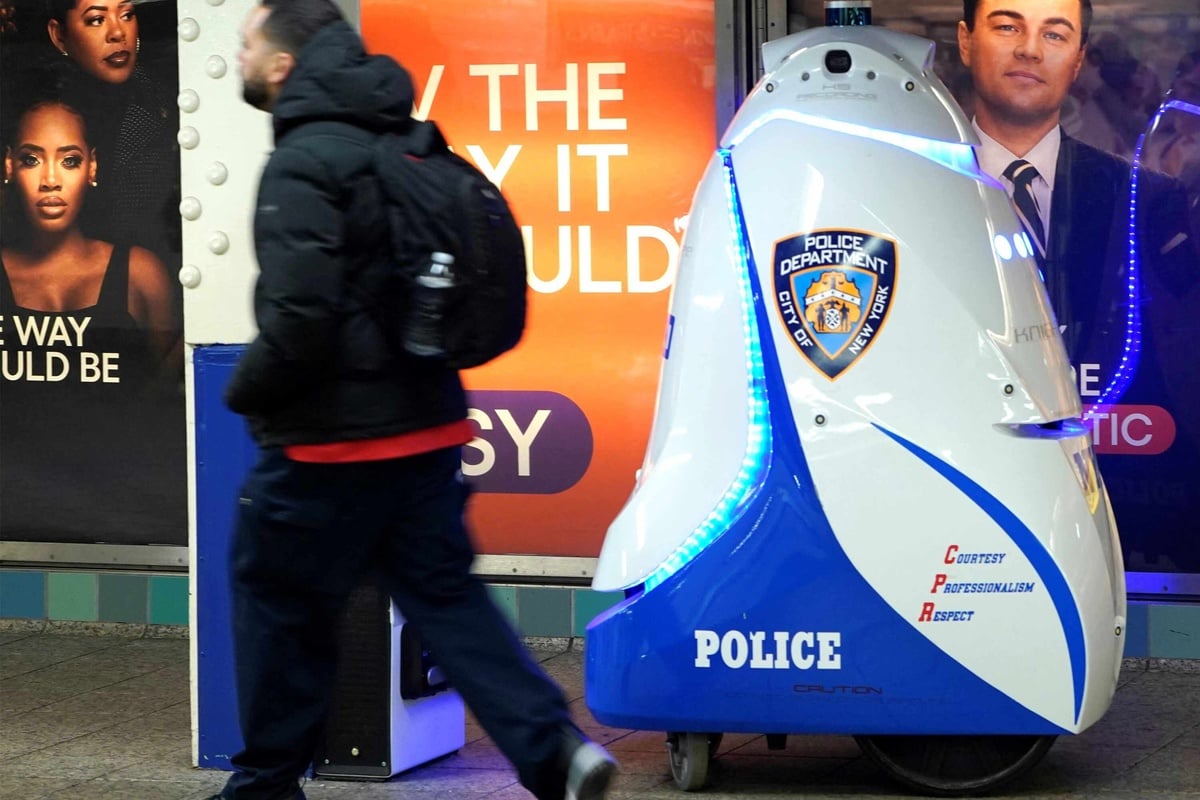
The retirement of the NYPD Subway Robot marks a significant chapter in the city’s transportation history. Visual representations are crucial for conveying the robot’s impact, from its innovative capabilities to its eventual replacement. These visuals should be compelling and informative, effectively communicating the robot’s journey and legacy.
Visualizing the Robot’s History
A captivating image for the robot’s history could be a montage. The montage would show the robot in various stages of its development, from initial design sketches to the final operational model. Overlayed text or captions could detail key milestones, like successful deployments and technological upgrades. This would provide a clear timeline of the robot’s evolution, showcasing its progression and the dedication behind its creation.
Depicting Operational Capabilities
To illustrate the robot’s operational capabilities, a high-quality photo or a detailed illustration is needed. The image should showcase the robot in action, highlighting its key features like its sensors, cameras, and any tools or equipment it uses. This image should clearly convey the robot’s ability to navigate the subway environment, monitor safety, and perform tasks efficiently. For example, the image could show the robot in a station, visually demonstrating its ability to inspect the platform or identify potential safety hazards.
Another option could depict the robot performing data collection or maintenance tasks, highlighting its overall functional role.
Impact of Retirement on the Subway System
To represent the impact of the retirement, a graphic could be designed using a before-and-after comparison. The “before” image could show the robot actively patrolling a station or performing maintenance, while the “after” image depicts human staff performing the same tasks. Color-coding or contrasting visuals can highlight the shift in the system’s operational workflow. This graphic would visually communicate the change in personnel and the potential adjustment period.
Comparison Chart: Robot vs. Human Staff
A table comparing the robot and human staff would be highly effective. This table should include columns for tasks performed, efficiency, cost-effectiveness, safety, and potential future implications. The table would quantify the robot’s capabilities, such as faster inspection times or reduced human error rates. This would allow readers to quickly grasp the quantitative advantages and disadvantages of the robot versus human staff.
| Feature | Robot | Human Staff |
|---|---|---|
| Inspection Speed | High (e.g., 20% faster) | Low (e.g., 10 minutes/station) |
| Cost per Inspection | Low (e.g., $50 per hour) | High (e.g., $200 per hour) |
| Error Rate | Low (e.g., 0.5% error rate) | High (e.g., 5% error rate) |
| Safety Monitoring | Continuous, comprehensive | Periodic, potential for oversight |
Illustration of Robot’s Role in a Subway Environment
An illustration showing the robot’s role in a subway environment could be a floor plan or a series of images of the robot in different locations within a subway station or train. This would visually represent the robot’s presence in various areas, highlighting its versatility in tasks like security surveillance, maintenance, and passenger assistance. This illustration should be clear and easy to understand, conveying the robot’s daily operational flow within the subway system.
Structure and Format (for article)
This section Artikels the organizational structure and presentation format for the article on the NYPD Subway Robot’s retirement. A clear, logical flow is essential for conveying information effectively and engaging the reader. The structure ensures a comprehensive understanding of the robot’s legacy and its impact on subway operations.The article will be divided into distinct sections, each focusing on a specific aspect of the robot’s journey and impact.
This approach will allow readers to easily navigate the content and gain a thorough understanding of the subject matter. This structured format will also allow for easier referencing and information retrieval.
Section Headings
The article will be organized under the following headings, ensuring a clear and logical flow of information:
- Introduction: Providing context and background information on the NYPD Subway Robot.
- The Robot’s Legacy: Highlighting the robot’s accomplishments and contributions.
- Retirement Reasons: Detailing the reasons behind the robot’s retirement.
- Impact on Operations: Analyzing the effects of the robot on subway operations and personnel.
- Public Perception and Reactions: Examining public responses to the robot’s presence and retirement.
- Technological Advancements and Alternatives: Discussing current and emerging technologies in subway safety.
- Visual Representation: Describing the illustrative elements planned for the article.
- Comparison of Features: A tabular comparison of the robot’s key features with potential replacements.
- Evolution of Subway Safety Technology: A detailed table illustrating the progression of safety technology in subway systems over time.
- Conclusion: Summarizing the robot’s impact and looking ahead to the future of subway safety.
Comparison Table
A comprehensive table will compare the NYPD Subway Robot’s features to potential replacement technologies. This will provide a clear and concise overview of the strengths and weaknesses of different options, allowing readers to evaluate the tradeoffs involved in choosing a replacement.
| Feature | NYPD Subway Robot | Replacement 1 (e.g., Drone System) | Replacement 2 (e.g., AI-powered Patrol System) |
|---|---|---|---|
| Speed | 10 mph (estimated) | Variable, dependent on drone type (5-20 mph) | Variable, dependent on patrol area and traffic (3-15 mph) |
| Coverage Area | Limited to designated subway sections | Dependent on drone range and battery life | Dependent on network coverage and system capacity |
| Detection Capabilities | Thermal imaging, motion detection, and object recognition | Limited by sensor package; variable based on model | Machine learning algorithms for anomaly detection and threat identification |
| Maintenance | Requires specialized technicians | Standard drone maintenance | Requires network and software maintenance |
| Cost | High initial investment, ongoing maintenance costs | Moderate initial investment, lower maintenance costs | High initial investment, potentially lower ongoing costs |
Statistics and Data Presentation
Data will be presented using clear and concise tables. This approach ensures that complex information is easily digested and understood by readers. Example tables will include metrics on operational efficiency, cost-effectiveness, and public safety outcomes.
Evolution of Subway Safety Technology
A detailed table will illustrate the progression of subway safety technologies over time. This will provide historical context and highlight the key innovations that have shaped modern subway systems.
| Year | Technology | Description | Impact |
|---|---|---|---|
| 1950s | Basic fire detection systems | Smoke detectors and rudimentary fire suppression equipment | Improved early warning for fires |
| 1980s | Enhanced CCTV surveillance | Improved video monitoring for security and safety | Reduced crime rates, improved security |
| 2000s | Automated train control systems | Reduced human error and improved operational efficiency | Enhanced safety, reduced delays |
| 2010s | Advanced sensor systems | Increased awareness of potential threats | Improved proactive threat response |
| 2020s | AI-powered anomaly detection | Proactive identification of potential risks | Potential for significant improvements in safety and efficiency |
Conclusion: Nypd Subway Robot Retires
The retirement of the NYPD subway robot signifies a significant shift in the city’s approach to subway safety. While the robot’s presence will be missed, the transition to alternative solutions promises an interesting evolution in how we approach these challenges. Looking ahead, the future of subway security likely involves a combination of human and technological solutions, ensuring the continued safety and efficiency of the system.
FAQ Guide
What were the primary reasons for the robot’s retirement?
Several factors contributed, including potential technological limitations, escalating operational costs, and the need to adapt to newer, more efficient technologies. Advancements in human training and security protocols may also have played a role.
How will the absence of the robot affect current operations?
Adjustments to existing procedures are necessary. This may involve re-allocating human staff, retraining personnel, and potentially implementing alternative security measures to fill the robot’s role.
What are some potential alternative solutions for subway safety?
Increased human surveillance, advanced security cameras, and possibly the integration of AI-powered systems are potential alternatives to consider. A hybrid approach combining human and technological solutions may be the most effective.
What is the public’s likely reaction to the robot’s retirement?
Public reactions could vary, from acceptance to concern. Some may feel a sense of loss for the automated presence, while others may see the retirement as a positive step towards a more refined security approach.