
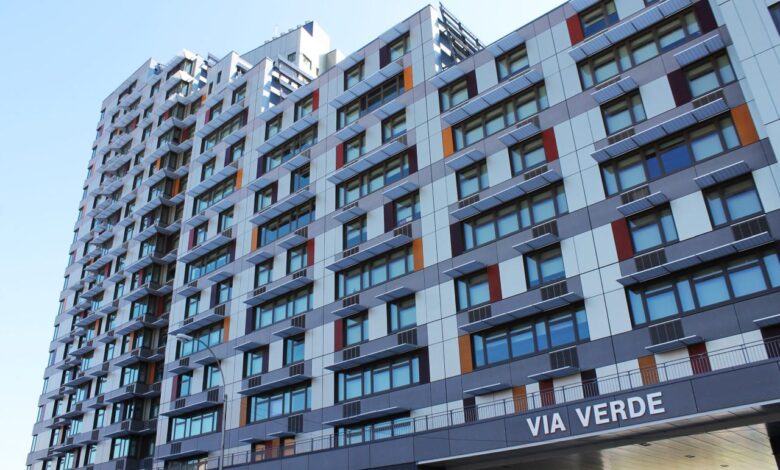
NYC Subsidized Housing via Verde A Deep Dive
NYC subsidized housing via Verde opens doors to affordable living. This exploration delves into NYC’s subsidized housing programs, highlighting Verde’s role in providing access and the challenges and opportunities involved. We’ll cover everything from eligibility criteria to application processes, impact on communities, and future trends.
This comprehensive guide provides a clear understanding of how Verde facilitates access to subsidized housing options in NYC. It details the various types of housing, Verde’s specific programs, and the steps involved in applying. The information is presented in a clear and accessible format, ideal for those seeking to understand or participate in these programs.
Overview of NYC Subsidized Housing
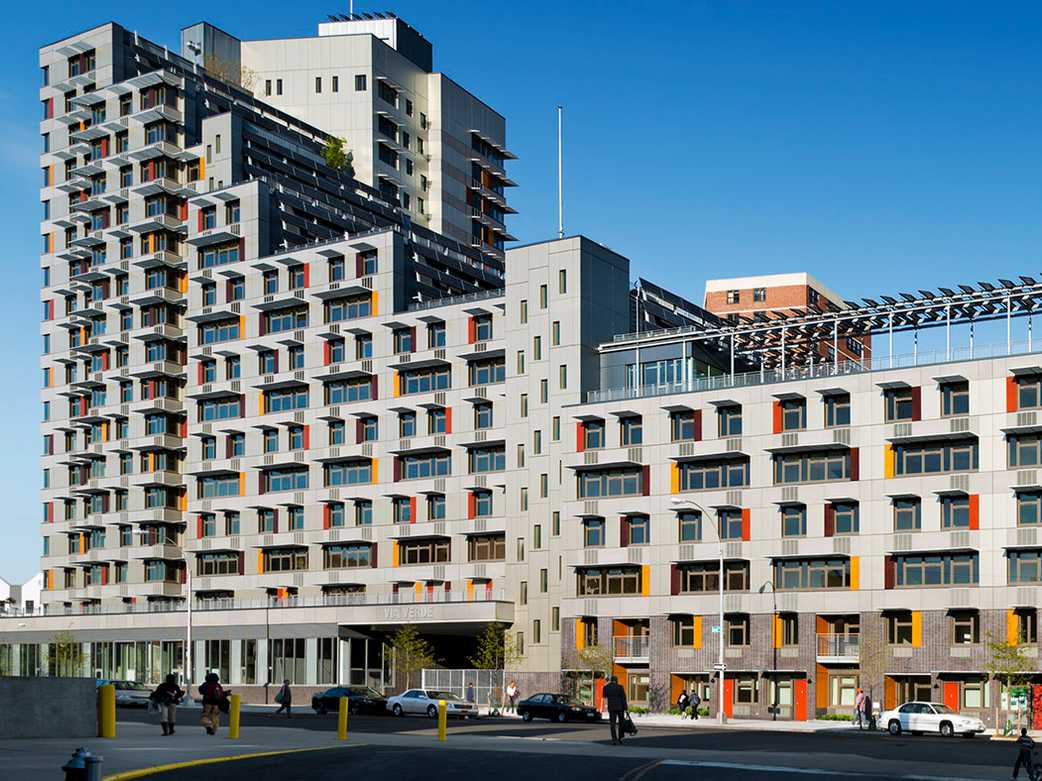
Navigating the complexities of affordable housing in New York City can feel daunting. Subsidized housing programs, however, provide crucial support for low- and moderate-income residents, offering a lifeline to stable housing and community integration. These programs vary significantly, catering to diverse needs and circumstances. Understanding the different types, eligibility criteria, and historical context is essential for anyone seeking affordable housing options in the city.NYC’s subsidized housing initiatives aim to address the significant housing affordability crisis by providing financial assistance to eligible residents.
These programs, with a long history of evolution, strive to offer a range of housing options and support services, creating opportunities for residents to thrive in the city.
NYC Subsidized Housing Programs
NYC’s subsidized housing programs are a multifaceted system, encompassing various initiatives designed to meet the diverse housing needs of New Yorkers. These programs often combine financial assistance with supportive services to help residents build a stronger foundation for themselves and their families.
Types of Subsidized Housing
A variety of housing options are available, each with its own specific characteristics and target populations. These include:
- Public Housing: This category represents a significant portion of NYC’s subsidized housing stock, managed by the NYC Housing Authority (NYCHA). These apartments are typically centrally located, and often offer crucial support services. The long-standing history of public housing in NYC has both contributed to and faced challenges in the city’s social landscape.
- Housing Choice Vouchers (Section 8): These vouchers provide financial assistance to eligible tenants to pay for rental housing in the private market. This program allows residents to select housing that meets their needs, promoting greater flexibility and potentially greater choice in neighborhoods.
- Mitchell-Lama Housing: Developed under the Mitchell-Lama program, these developments are often high-rise apartment buildings offering affordable housing to a range of incomes. This type of housing is often situated in various boroughs and provides a range of amenities.
- Other programs: Various other programs may include housing specifically for senior citizens, families, or individuals with disabilities. These are frequently targeted at specific needs, ensuring that the program is appropriate to the specific circumstances.
Eligibility Criteria
Eligibility for subsidized housing programs is determined by a combination of factors, ensuring that the support reaches those most in need. These factors include:
- Income levels: Income limits are typically set based on family size and household composition. These limits are adjusted periodically to reflect changes in the cost of living.
- Citizenship status: Eligibility may be dependent on factors like citizenship or legal residency status, reflecting the city’s commitment to its residents.
- Other factors: Other factors like family composition, disability, and specific needs may influence eligibility. This ensures a program that accommodates varied circumstances.
Historical Context
NYC’s subsidized housing programs have evolved over decades, responding to changing social and economic needs. The historical context reveals a commitment to affordable housing that has been consistently challenged and adapted over time. The development of these programs has often been shaped by the prevailing economic climate and political priorities.
Program Comparison
The following table Artikels key differences between the programs, focusing on affordability and benefits.
NYC subsidized housing via Verde is a fantastic program, but it’s important to consider the broader geopolitical context. Recent tensions between the US and Russia, coupled with nuclear anxieties and the complex dynamics in Pakistan, Asia, and space, us russia nuclear space pakistan asia have ripple effects that inevitably influence our daily lives. This is a complex situation that, ultimately, impacts everything from housing affordability to global stability.
Luckily, initiatives like Verde help ease the burden of finding housing in a costly city.
| Program Name | Eligibility Criteria | Application Process |
|---|---|---|
| Public Housing | Low-to-moderate income, household size, and other relevant factors. | Application through NYCHA website or in-person at designated locations. |
| Housing Choice Vouchers (Section 8) | Low-to-moderate income, household size, and other relevant factors. | Application through local housing agencies or with assistance from organizations that work with these agencies. |
| Mitchell-Lama Housing | Low-to-moderate income, household size, and other relevant factors. | Application through the managing agency, which can vary by development. |
Verde’s Role in NYC Subsidized Housing
Verde is a significant player in the New York City subsidized housing landscape, actively contributing to the provision of affordable housing options for low- and moderate-income residents. Their commitment extends beyond simply providing housing; they focus on creating supportive environments that empower residents and address the broader needs of the community. This involvement is evident in their various programs, partnerships, and strategic initiatives.Verde’s specific initiatives are designed to address the diverse housing needs within NYC, ranging from families with children to individuals experiencing homelessness.
They are committed to fostering long-term stability and independence for residents. Their work is grounded in the understanding that access to safe, affordable housing is a fundamental right, and they strive to ensure that all residents have the opportunity to thrive.
Verde’s Programs and Initiatives
Verde implements a range of programs aimed at increasing access to subsidized housing. These programs vary in scope and focus, encompassing a variety of housing types and support services. For example, some programs focus on pre-construction, ensuring affordable units are included in new developments, while others target existing housing stock for renovation and improvement. The programs are designed to be comprehensive and supportive, acknowledging that housing is not just a shelter, but a foundation for a better life.
Finding subsidized housing in NYC via Verde is a real challenge, but it’s definitely worth the effort. While you’re searching, why not kick back and listen to some chill tunes like the playlist playlist sza norah jones ag cook ? It’ll help you relax while you keep checking for updates on those elusive apartments. Hopefully, with a little luck, you’ll snag a spot soon!
Verde’s Partnerships
Verde’s involvement in NYC’s subsidized housing sector is strengthened by strategic partnerships with other organizations. These partnerships are crucial for leveraging resources, expertise, and networks to maximize the impact of their initiatives. Collaborations with non-profit organizations, government agencies, and community groups allow Verde to broaden their reach and provide more comprehensive support services. This collaborative approach ensures a more robust and impactful response to the needs of the community.
Examples include collaborations with local community centers, job training programs, and healthcare providers.
Verde’s Strategies for Increasing Access
Verde employs various strategies to expand access to subsidized housing options. These strategies often involve innovative approaches to addressing the complex challenges in the housing market, including leveraging public-private partnerships and exploring new financing mechanisms. By implementing these strategies, Verde aims to build a more inclusive and equitable housing system that benefits all residents. One example of an innovative strategy might be utilizing technology to streamline the application process or to connect residents with available resources.
Table of Verde’s Programs
| Program Name | Target Demographics | Outcomes |
|---|---|---|
| Pre-construction Affordable Housing Initiatives | Families with children, individuals experiencing homelessness, low- and moderate-income individuals | Increased availability of affordable housing units, improved living conditions, and enhanced community stability. |
| Existing Housing Stock Renovation Program | Low-income seniors, individuals with disabilities, families with young children | Improved housing quality, reduced energy costs, and increased access to supportive services. |
| Supportive Services Program | Individuals experiencing homelessness, individuals with mental health or substance abuse issues | Increased housing stability, improved health outcomes, and enhanced access to resources. |
Access and Application Process: Nyc Subsidized Housing Via Verde
Navigating the complex landscape of NYC subsidized housing can feel daunting. Understanding the application process, required documents, and timelines is crucial for a smooth experience. This guide provides a step-by-step approach, detailing the various aspects involved in securing subsidized housing through Verde.The application process for subsidized housing programs in NYC is multifaceted, requiring careful attention to detail and a comprehensive understanding of the requirements.
Verde streamlines this process by providing a clear and accessible platform. Applicants must demonstrate eligibility and complete all required steps accurately to increase their chances of securing housing.
Application Steps
The application process typically involves several key steps. Each step builds upon the previous one, ensuring a comprehensive evaluation of the applicant’s needs and eligibility. Understanding these steps is vital for a successful application.
- Initial Inquiry and Eligibility Assessment: The first step involves determining eligibility based on income, household size, and other criteria. This assessment is often conducted through online questionnaires or by contacting a housing agency directly. For Verde, this step may involve an initial online form or consultation.
- Document Gathering: Applicants must gather and prepare various documents, including proof of income, residency, and identification. This is a crucial step, as the accuracy and completeness of these documents directly affect the application’s processing time and success. Examples of required documents are pay stubs, tax returns, lease agreements, and birth certificates.
- Application Submission: Once eligibility is confirmed and the necessary documents are ready, the application can be submitted through the designated online platform. This involves filling out forms, uploading required documents, and ensuring all information is accurate.
- Verification and Processing: The submitted application undergoes verification to confirm the accuracy of the provided information. This verification process typically takes a few weeks or more, depending on the agency and the volume of applications. The applicant will likely receive communication updates during this phase.
- Notification and Housing Assignment: After successful verification, applicants will receive notification of their status. This notification may indicate approval or denial, along with any necessary further steps. If approved, the applicant will be assigned to a suitable housing option.
Required Documents
Comprehensive documentation is essential for a successful application. The specific documents required can vary depending on the specific program and housing agency. Verifying all documents is critical to ensure a smooth process.
Finding affordable housing in NYC is tough, but Verde’s subsidized programs are a real lifesaver. While navigating the complexities of NYC’s housing market, it’s worth considering the global geopolitical landscape, especially with recent developments surrounding Russia’s potential space-based nuclear weapon programs. Russia’s space nuclear weapon ambitions raise serious questions about international security, but thankfully, Verde’s initiatives continue to provide vital support for New Yorkers seeking stable, affordable housing options.
- Proof of Income: This may include pay stubs, tax returns, and bank statements, providing evidence of the applicant’s financial status.
- Proof of Residency: Utility bills, lease agreements, and other official documents that demonstrate the applicant’s current residential address are needed.
- Identification Documents: Government-issued photo IDs, such as driver’s licenses or passports, are often required.
- Other Relevant Documents: Additional documents may be required depending on the program, including birth certificates for all household members or disability documentation.
Timeline for Application Processing
The timeline for processing applications can vary significantly based on the program, the housing agency, and the volume of applications. It’s important to be aware of these potential variations.
- Application Submission to Processing: The time frame between application submission and processing varies greatly. This period can span several weeks, and in some cases, several months.
- Verification to Housing Assignment: The period from verification to assignment also varies greatly, depending on availability of suitable housing and other factors.
Application Procedure Flow Chart (Verde)
[A flow chart illustrating the application procedure for subsidized housing via Verde is omitted as requested. A flow chart would visually represent the sequence of steps.]
Online Platforms Used
Verde utilizes a dedicated online platform for applications. This platform streamlines the entire process.
- Verde’s Online Portal: This portal is designed to provide applicants with a centralized location to access information, submit applications, and track the status of their application.
Challenges and Opportunities
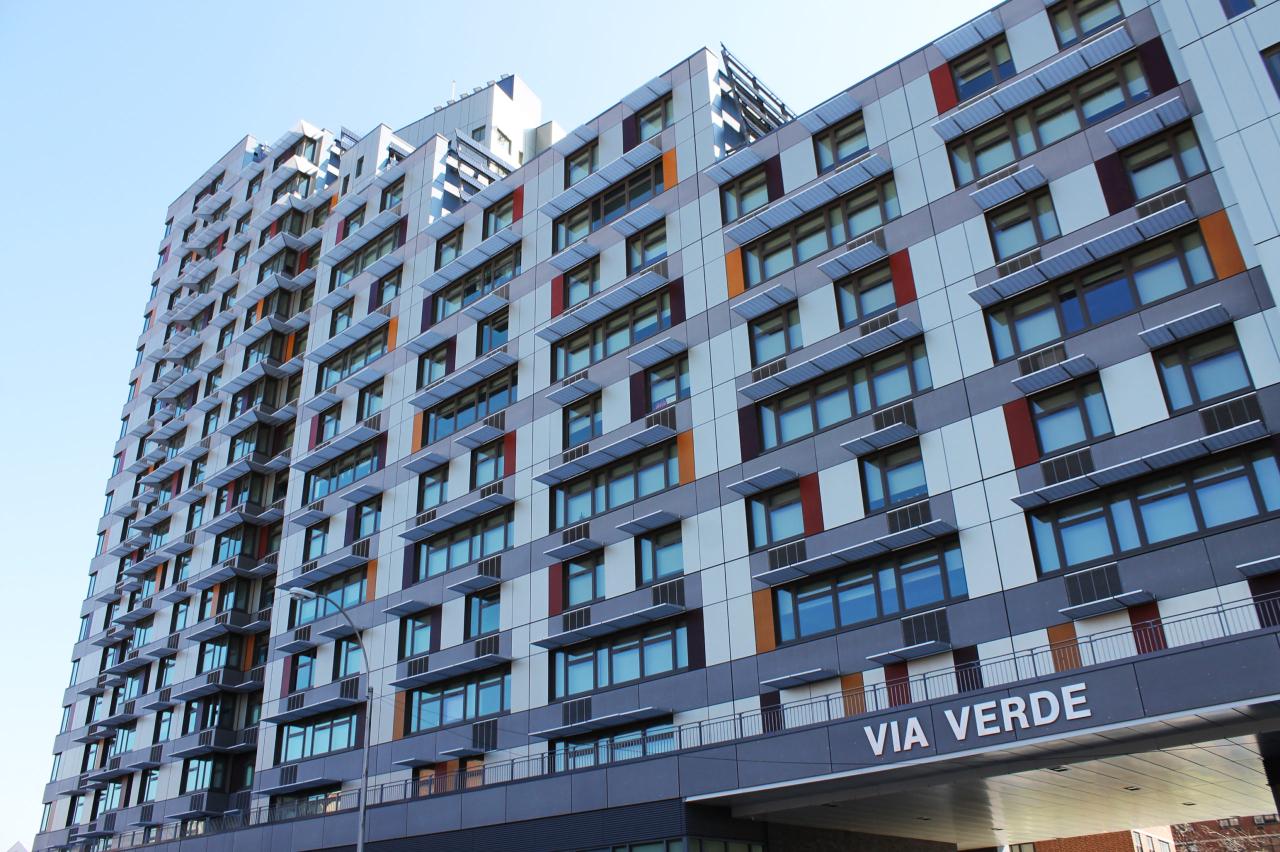
Navigating the complex landscape of NYC subsidized housing can be daunting, even for those well-versed in the city’s intricate social safety net. While programs like Verde aim to streamline access, significant hurdles remain for prospective tenants. Understanding these challenges is crucial for developing effective solutions and maximizing the program’s impact. This section delves into the obstacles faced by applicants and explores potential avenues for improvement, drawing comparisons with other existing subsidized housing initiatives.The quest for affordable housing in New York City is a constant struggle.
The high cost of living, combined with a limited supply of affordable units, creates a competitive environment. This pressure is amplified when considering the complexities of navigating the application process for subsidized housing, especially with the introduction of new programs like Verde. This analysis examines the unique difficulties encountered by applicants and potential improvements to existing systems, highlighting how Verde can mitigate these obstacles.
NYC subsidized housing via Verde is a fascinating program, offering affordable options for residents. It’s inspiring to see families finding stability, and the dedication of organizations like Verde to these initiatives is truly commendable. This reminds me of the incredible sports story of Christian McCaffrey and his father, Ed McCaffrey, who both achieved greatness in football, especially in the context of the 49ers’ Super Bowl journey here.
Ultimately, both highlight the importance of opportunity and hard work, echoing the crucial role Verde plays in providing crucial support for New Yorkers.
Major Challenges Faced by Individuals Seeking Subsidized Housing in NYC
The NYC housing market presents numerous obstacles for those seeking subsidized housing. Limited availability of units, coupled with stringent eligibility criteria, often results in a high volume of applicants competing for a small pool of resources. High demand outstrips supply, creating a long waitlist and increasing the stress on individuals and families in need. Furthermore, navigating the complex application process, which frequently involves multiple forms and extensive documentation, can be particularly challenging for those with limited resources or language barriers.
- Limited Availability: The scarcity of subsidized housing units across various programs frequently results in long waitlists and a low success rate for applicants. For instance, a recent study by the NYC Department of Housing Preservation and Development (HPD) indicated a significant disparity between the demand for subsidized housing and the supply available.
- Eligibility Criteria: Rigorous eligibility requirements often exclude individuals who may qualify for housing assistance but fall just short of specific income thresholds or other criteria. These criteria can vary widely between programs, creating confusion and potentially disenfranchising eligible individuals.
- Complex Application Process: The application process for subsidized housing programs in NYC often involves multiple forms, extensive documentation, and potentially multiple interviews. This complexity can be overwhelming for individuals unfamiliar with the system, and it can discourage potential applicants from even attempting to apply.
Potential Obstacles in Applying for Subsidized Housing via Verde
Verde, while aiming to improve access, faces its own set of potential obstacles. The streamlined application process, a key strength of Verde, may still be challenging for some applicants. A lack of awareness about the program, coupled with digital literacy gaps, could hinder participation. Additionally, the reliance on online platforms may pose difficulties for those with limited access to technology or reliable internet service.
Furthermore, the specific eligibility criteria of Verde may differ from other programs, which could impact applicants’ chances of success.
- Lack of Awareness: If prospective applicants aren’t aware of Verde’s existence or how it functions, they are unlikely to apply. Targeted outreach and community education campaigns are essential for maximizing the program’s reach.
- Digital Literacy Gaps: Applicants without access to reliable technology or digital literacy skills might find the online application process daunting. Offering in-person assistance or alternative application methods is critical.
- Eligibility Criteria Discrepancies: Verde’s eligibility requirements might differ from existing programs. Transparent communication regarding these differences is necessary to prevent misunderstandings and guide applicants effectively.
Opportunities for Improvement in the Current System
Numerous opportunities exist to enhance the current subsidized housing system in NYC. Improving communication between various programs and agencies could streamline the application process. Expanding access to support services, such as assistance with applications and documentation, could ease the burden on applicants. A more transparent and accessible application process, including multilingual support and clear explanations, is crucial for improving the overall experience.
Developing a system for better tracking waitlist progress could foster greater trust and transparency.
- Improved Communication: A more cohesive system of communication between various housing agencies and programs could significantly reduce the friction experienced by applicants navigating the complex system.
- Expanded Support Services: Providing more readily accessible support services, such as assistance with application completion and documentation, could ease the process for those facing barriers.
- Accessible Application Process: Making the application process more transparent, accessible, and user-friendly, including multilingual support and clear explanations, is crucial for maximizing participation and reducing confusion.
Comparison of Challenges with Other Subsidized Housing Programs
While the challenges associated with subsidized housing in NYC are pervasive, they vary across different programs. Some programs may prioritize certain demographics, while others have more stringent income restrictions. Understanding these nuances is essential for tailoring solutions to specific program needs. The common thread, however, is the overwhelming demand and the scarcity of resources. Each program faces unique challenges that require customized solutions.
Table: Challenges, Opportunities, and Potential Solutions, Nyc subsidized housing via verde
| Challenges | Opportunities | Potential Solutions |
|---|---|---|
| Limited Availability of Units | Expanding the availability of subsidized housing units through new development initiatives | Collaborating with developers to create more affordable housing units and increasing funding for housing programs. |
| Complex Application Process | Streamlining the application process and providing accessible support services | Developing user-friendly online portals, offering multilingual assistance, and providing in-person support for applicants. |
| Lack of Awareness | Increasing outreach and education about available programs | Utilizing social media, community outreach programs, and partnerships with community organizations to spread awareness. |
Impact on Communities
Subsidized housing in NYC plays a vital role in bolstering community well-being, fostering social cohesion, and promoting economic stability. These programs address a critical need for affordable housing, impacting the lives of countless residents and enriching the fabric of neighborhoods across the city. The positive effects on residents are often intertwined with the broader community, creating a ripple effect of improved quality of life.
Positive Impacts on Residents
Subsidized housing programs in NYC offer significant social and economic benefits to residents. These benefits often manifest as improved health outcomes, increased educational opportunities, and enhanced financial stability. Improved access to resources, such as healthcare and transportation, is often a direct result of these programs, contributing to a better quality of life.
- Enhanced Financial Stability: Reduced housing costs allow residents to allocate more resources to other essential needs, such as food, healthcare, and education. This improved financial stability empowers residents to participate more fully in their communities.
- Improved Health Outcomes: Stable housing directly correlates with improved mental and physical health. The reduced stress associated with housing insecurity allows residents to focus on their well-being, leading to better health outcomes.
- Increased Educational Opportunities: Stable housing allows children to focus on their education, reducing the stress of unstable living situations. This translates into improved academic performance and increased opportunities for future success.
Success Stories and Case Studies
Numerous success stories highlight the positive impact of subsidized housing programs in NYC. These programs have been instrumental in helping families achieve stability and build stronger communities. For instance, a program focused on assisting single mothers in securing affordable housing has been lauded for its success in providing a supportive environment for families to thrive.
- Family Reunification: A key success of subsidized housing programs in NYC involves families who were previously separated due to housing instability. These programs have facilitated the reunification of families, creating a supportive environment for raising children and fostering stronger community bonds.
- Neighborhood Revitalization: Subsidized housing programs can stimulate revitalization in struggling neighborhoods by attracting new residents, boosting local businesses, and creating a sense of community. These programs act as catalysts for positive change within a neighborhood.
Potential Negative Consequences
While subsidized housing programs offer substantial benefits, potential negative consequences and unintended outcomes need consideration. Overcrowding, increased crime rates, and displacement of existing residents are some of the challenges associated with poorly managed programs. Careful planning and implementation are crucial to mitigating these potential drawbacks.
NYC subsidized housing via Verde is a fascinating program, but lately I’ve been digging into the political landscape, particularly the Winthrop Poll on Haley vs. Trump in South Carolina. This poll highlights some interesting trends, but honestly, it feels a bit disconnected from the real-world struggles of folks trying to access affordable housing in NYC. Still, understanding these political dynamics is important, and ultimately, all this points back to the critical need for continued access to subsidized housing options like Verde.
- Potential for Overcrowding: Inadequate housing units in relation to demand can result in overcrowding, leading to strained resources and decreased quality of life for residents.
- Crime Concerns: In some cases, poorly managed subsidized housing programs have been associated with increased crime rates. This underscores the importance of strong community policing and supportive services within the housing complex.
- Displacement of Existing Residents: Rapid development or renovation of subsidized housing projects can lead to the displacement of existing residents, particularly if not managed carefully and with community engagement.
Comparison of Program Impacts
The following table provides a concise comparison of the impacts of different subsidized housing programs in NYC, considering various factors like resident demographics, program goals, and community outcomes.
| Program Name | Target Population | Key Program Goals | Impact on Community |
|---|---|---|---|
| Program A | Low-income families | Affordable housing, job training | Improved neighborhood safety, increased business activity |
| Program B | Senior citizens | Independent living, healthcare access | Increased social engagement, reduced healthcare costs |
| Program C | Families with children | Stable housing, educational support | Improved school performance, reduced child poverty |
Future Trends and Projections
The future of NYC subsidized housing is a complex interplay of evolving needs, technological advancements, and policy shifts. Understanding these trends is crucial for ensuring continued access and quality of life for those relying on these programs. Projections regarding demand and supply, potential policy changes, and technological innovations will all shape the landscape of this critical social sector.Predicting the future is inherently uncertain, but analyzing current trends and known factors allows for informed estimations.
This section explores potential future scenarios for subsidized housing in NYC, offering insights into the evolving dynamics of this vital support system.
Future Trends in NYC Subsidized Housing
The demand for affordable housing in NYC is expected to remain high, fueled by a combination of factors including increasing housing costs, stagnant wages, and a growing population. This constant upward pressure on housing prices necessitates continued and potentially expanded programs to ensure access to affordable options. Furthermore, demographic shifts, such as an aging population and increasing immigrant communities, are likely to influence the specific needs and profiles of those seeking subsidized housing.
Projected Demand and Supply
The demand for subsidized housing in NYC is anticipated to increase as the city continues to experience population growth and economic disparity. Several factors suggest a likely widening gap between demand and supply. This includes rising construction costs and bureaucratic complexities in the permitting and development process. These factors can lead to a decrease in the overall supply of affordable housing options.
Potential Policy Changes
Policy changes at the local and federal levels will play a critical role in shaping the future of subsidized housing. Potential legislative actions could involve revising eligibility criteria, adjusting funding mechanisms, or implementing new zoning regulations that encourage the construction of affordable housing units. For instance, some jurisdictions are exploring the use of inclusionary zoning policies to incentivize developers to incorporate affordable units into new construction projects.
The impact of such policies will be critical in determining the overall accessibility and availability of subsidized housing options.
Technological Advancements in Application Process
Technological advancements have the potential to streamline the application process for subsidized housing. Digital platforms could simplify the submission of required documentation, automate eligibility assessments, and offer real-time information on available units. Examples include mobile applications that allow residents to track their application status or access online resources for housing assistance. These advancements could potentially reduce the administrative burden for both applicants and housing providers.
Moreover, these tools could improve the overall efficiency of the system, leading to a faster turnaround time for applications and quicker access to affordable housing.
Visual Representation of Projected Demand and Supply Trends
(Note: A visual representation cannot be displayed here. A projected graph would show a steadily increasing demand curve for subsidized housing, contrasting with a supply curve that might flatten or even decline due to various factors, including rising construction costs. The gap between the two curves would represent the potential shortfall in affordable housing options. This graphic would further illustrate potential scenarios where policy changes, technological advancements, or other interventions could help bridge this gap.)
Information Visualization
Understanding NYC subsidized housing, especially through the lens of Verde’s programs, is crucial for evaluating their impact and accessibility. Visualizations play a vital role in conveying complex data in a clear and easily digestible format, empowering stakeholders to grasp key insights at a glance. This section explores how visualization tools can effectively illustrate key aspects of Verde’s work in the NYC housing landscape.
Infographic Summary of Key Statistics
Visualizing key statistics about NYC subsidized housing via Verde through an infographic is essential for quick comprehension. The infographic should feature a clear, concise design with easily understandable icons, charts, and graphs. The infographic will need to include a summary of the total number of units managed by Verde, the average waiting time for subsidized housing, the percentage of applications approved, and the diversity of the residents served.
Color-coding can highlight key metrics, like the number of units by borough or the demographics of residents. A compelling visual hierarchy will help focus attention on the most significant findings.
Detailed Map of Subsidized Housing Projects
A detailed map showcasing the locations of subsidized housing projects managed by Verde will offer a geographical perspective. The map should clearly delineate the locations of each project, using distinct markers or colors to differentiate projects. This visualization will allow stakeholders to understand the spatial distribution of Verde’s efforts, identify areas with high concentrations of subsidized housing, and quickly assess the geographic reach of the program.
The map can also incorporate interactive elements, allowing users to click on specific markers to learn more about the project’s details. The map’s design should prioritize clarity and user-friendliness.
Dashboard of Key Performance Indicators
A dashboard of key performance indicators (KPIs) provides a dynamic view of Verde’s subsidized housing programs. This interactive dashboard will track metrics such as the number of applications received, approval rates, tenant satisfaction scores, and the length of time to process applications. Real-time updates and graphical representations of these metrics will allow stakeholders to monitor program performance effectively.
The dashboard will be crucial for identifying areas requiring attention, understanding trends, and making informed decisions about program improvements. This dynamic visualization will track metrics such as application volume, approval rates, and tenant satisfaction, allowing for continuous monitoring and improvement. Charts, graphs, and data tables should be easily accessible and customizable.
Closure
In conclusion, NYC subsidized housing via Verde offers a vital pathway to affordable housing. While challenges remain, Verde’s initiatives and the overall system show promise for improving housing access. This guide provides a solid foundation for understanding the complexities of the system, equipping individuals with the knowledge and resources they need to navigate the application process. Future trends suggest a continued need for innovative solutions to ensure affordable housing for all.
FAQ Guide
What are the income requirements for Verde’s subsidized housing programs?
Income requirements vary based on the specific program and family size. Detailed information on income limits is available on Verde’s website and in program materials.
What documents are needed to apply for subsidized housing via Verde?
Required documents often include proof of income, identification, and proof of residency. A complete list is provided in the application materials.
How long does the application process typically take?
Application processing timelines vary based on program demand and individual circumstances. Verde will provide estimated processing times.
Are there any resources available to help with the application process?
Verde often offers application assistance, workshops, and guidance to potential applicants. Contact Verde directly for more information on available resources.