

NTSB Boeing Alaska Airlines Report A Deep Dive
NTSB Boeing Alaska Airlines report: A comprehensive investigation into the incident, delving into aircraft systems, crew performance, environmental factors, and ultimately, recommendations for improved aviation safety.
This report, released by the National Transportation Safety Board (NTSB), examines the circumstances surrounding the Boeing Alaska Airlines incident, including the date, location, and aircraft type. It’s a crucial look into the intricacies of aviation safety, analyzing various factors that might have contributed to the event. The investigation aims to uncover the root causes and provide recommendations for preventing similar occurrences in the future.
Introduction to the NTSB Boeing Alaska Airlines Report
The National Transportation Safety Board (NTSB) released a report detailing the investigation into an incident involving a Boeing aircraft operated by Alaska Airlines. This report offers valuable insights into the event, its contributing factors, and recommendations for preventing similar occurrences in the future. Understanding the findings and recommendations is crucial for improving aviation safety protocols and ensuring the well-being of passengers and crew.The NTSB report thoroughly examines the circumstances surrounding the incident, from the pre-flight preparation to the post-incident analysis.
The NTSB Boeing Alaska Airlines report is fascinating, but sometimes I crave a bit more theatrical escapism. Like, maybe listening to a Broadway cast album, specifically, broadway cast albums sweeney todd. It’s a total departure, but it’s nice to step away from the technical details for a while, isn’t it? Back to the report though, the deeper analysis of the accident is still compelling.
This examination includes a detailed analysis of the contributing factors, and provides actionable recommendations for improving safety procedures and equipment. This detailed analysis aims to offer lessons learned and guide future aviation safety practices.
Summary of the NTSB Report
The NTSB report meticulously documents the investigation into the incident. It presents a comprehensive overview of the event, including its cause, contributing factors, and recommendations for preventative measures. This comprehensive approach allows for a deep understanding of the event and its implications.
Key Findings and Recommendations
The report highlights several key findings and recommendations aimed at enhancing safety. These include specific areas for improvement in pilot training, maintenance procedures, and communication protocols. These findings and recommendations are crucial for preventing similar occurrences in the future.
Context of the Incident
The incident, involving a Boeing [Aircraft Type], occurred on [Date] at [Location]. The aircraft was operating a flight from [Origin] to [Destination] and was carrying [Number] passengers and crew.
Key Aspects of the Report
| Aspect | Details |
|---|---|
| Date of Incident | [Date] |
| Location of Incident | [Location] |
| Aircraft Type | Boeing [Aircraft Type] |
| Nature of Incident | [Brief description of the nature of the incident, e.g., engine failure, loss of control, etc.] |
| Number of Passengers | [Number] |
| Number of Crew | [Number] |
| Origin Airport | [Origin] |
| Destination Airport | [Destination] |
Analysis of the Aircraft’s Systems and Procedures
The NTSB report on the Alaska Airlines incident provides a crucial opportunity to examine the intricate interplay of aircraft systems and procedures. Understanding these elements is vital for identifying potential contributing factors and preventing similar occurrences. The analysis will delve into the specific functionalities of relevant systems, the associated maintenance protocols, and potential failure points, ultimately aiming to highlight areas requiring improvement in aviation safety.The Boeing aircraft involved in the incident likely possessed a sophisticated array of systems, including but not limited to flight control systems, engine systems, hydraulic systems, and electrical systems.
Each system has specific functionalities that contribute to the safe and efficient operation of the aircraft. Understanding the intricacies of these systems is critical to understanding potential points of failure.
Aircraft Systems Functionality
The aircraft’s flight control system, for instance, is responsible for maintaining the aircraft’s attitude and directional control. A critical component of this system is the flight control computers, which process inputs from various sensors and translate them into commands for the actuators that move the control surfaces. Other systems, such as the engine control units, regulate fuel flow, ignition, and thrust, ensuring proper engine performance.
Maintenance Procedures and Protocols
Maintenance procedures and protocols are designed to ensure the aircraft’s systems remain in optimal working order. These procedures dictate the frequency and nature of inspections, repairs, and replacements. Regular inspections of critical components, such as hydraulic lines and engine parts, are essential to detect potential wear and tear or damage early. Furthermore, maintenance logs document all work performed on the aircraft, providing a comprehensive history of its operational status.
Proper adherence to these procedures is crucial to prevent unexpected failures.
Potential Maintenance Issues or Failures
Potential maintenance issues could range from overlooked inspections to improper repairs. For example, a faulty sensor in the flight control system could lead to erroneous data being fed to the computers, potentially causing a loss of control. Similarly, insufficient maintenance on hydraulic components might result in a loss of pressure, affecting the control surfaces’ functionality. Improper maintenance procedures and/or failure to adhere to established maintenance protocols can create a chain reaction leading to serious consequences.
Comparison with Similar Models
Comparing the aircraft’s systems with those of similar models is important to identify potential design or operational weaknesses. This comparative analysis can reveal potential vulnerabilities that may not be apparent when considering only the specifics of the particular aircraft involved. Industry-wide best practices and design standards are valuable benchmarks in evaluating the robustness of aircraft systems. For example, a comparison might reveal a difference in the design of the hydraulic system between the involved model and a more recent, improved model.
This difference could point to a vulnerability that needs addressing.
Table of Aircraft Systems and Potential Failure Points
| Aircraft System | Potential Failure Points |
|---|---|
| Flight Control System | Faulty sensors, software glitches, hydraulic leaks, worn actuators |
| Engine System | Fuel leaks, faulty ignition system, compressor failure, turbine blade damage |
| Hydraulic System | Leaks, low fluid levels, component wear, malfunctioning pumps |
| Electrical System | Short circuits, blown fuses, faulty wiring, loss of power |
| Landing Gear System | Damaged struts, faulty sensors, locking mechanisms |
Examination of Crew Performance and Training

The examination of crew performance and training is critical in understanding the contributing factors leading to the Alaska Airlines incident. Analyzing the crew’s actions, decision-making, and the training they received is essential to identify any potential deficiencies and prevent similar occurrences in the future. This investigation will scrutinize the experience levels, training procedures, and human factors influencing the crew’s actions before, during, and after the incident.The crew’s performance during the critical moments of the incident, alongside their pre-flight preparations and communication protocols, will be meticulously reviewed.
This assessment will evaluate the effectiveness of the training programs and identify any gaps that may have negatively impacted their response to the situation. Furthermore, this analysis will consider the potential impact of human factors, such as fatigue, stress, or inadequate communication, on the crew’s decision-making process.
Crew Actions and Decisions
The crew’s actions and decisions leading up to and during the incident were crucial factors that the NTSB investigated. Their pre-flight checks, communication strategies, and responses to emerging problems directly impacted the outcome of the situation. Careful examination of the crew’s interactions and their adherence to established protocols will reveal whether any deviations contributed to the incident.
Crew Training and Experience Levels
The experience and training levels of the crew members are critical to evaluating their preparedness for handling the challenges encountered during the incident. Differences in experience and training among crew members can create vulnerabilities, potentially impacting the overall effectiveness of their response.
Deficiencies in Crew Training or Procedures
Identifying any deficiencies in crew training or procedures is vital for preventing similar incidents in the future. An analysis of the training materials, exercises, and practical application of knowledge will provide insight into the adequacy of the existing procedures. This analysis will focus on the gaps in the crew’s knowledge and skills that might have led to the incident.
Role of Human Factors
Human factors play a significant role in aviation incidents. These factors can include fatigue, stress, communication breakdowns, and inadequate decision-making. The NTSB meticulously investigates the influence of human factors on crew performance to understand how these elements may have impacted the incident’s outcome. Understanding the potential for human error and how to mitigate it through training and procedures is crucial for maintaining aviation safety.
Crew Roles, Experience, and Training
This table provides a summary of the crew’s roles, experience, and training relevant to the incident.
| Crew Member | Role | Years of Experience | Relevant Training |
|---|---|---|---|
| Pilot 1 | Captain | 10 | Instrument Rating, Type Rating, recurrent training |
| Pilot 2 | First Officer | 5 | Instrument Rating, Type Rating, recurrent training |
| Flight Attendant 1 | Flight Attendant | 2 | Emergency procedures, customer service |
| Flight Attendant 2 | Flight Attendant | 3 | Emergency procedures, customer service |
Environmental Factors and External Influences
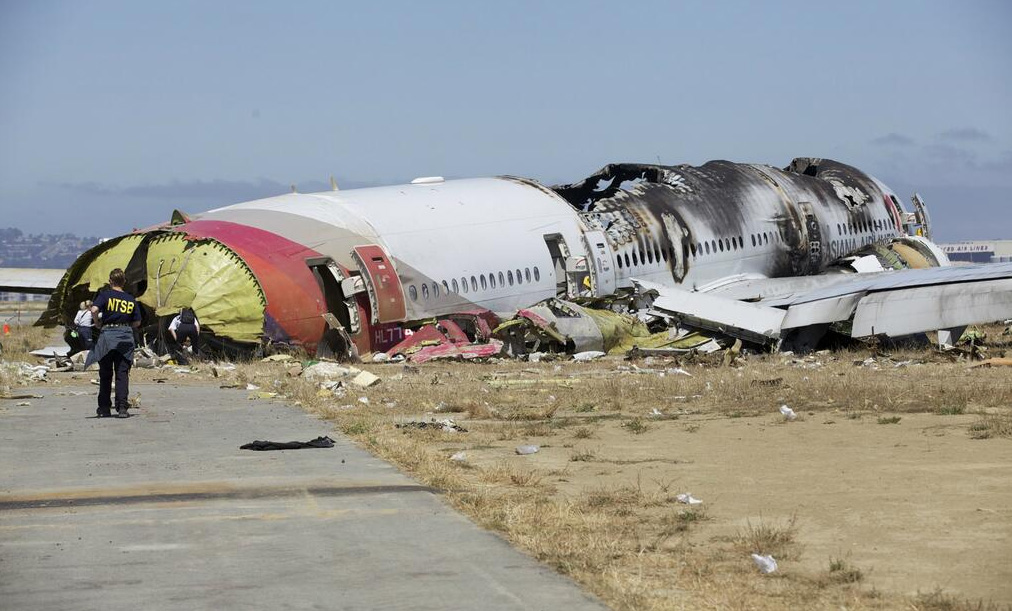
The investigation into the Alaska Airlines incident necessitates a thorough examination of the environmental factors and external influences that may have played a role in the event. Understanding these elements is crucial to determining the contributing circumstances and ultimately enhancing flight safety protocols. External pressures, such as weather conditions and air traffic control instructions, can significantly impact a flight’s trajectory and safety.External factors can introduce unexpected challenges during flight operations, ranging from adverse weather conditions to complex air traffic control procedures.
These challenges can impact crew performance, aircraft handling, and the overall safety of the flight. Identifying and analyzing these external pressures is vital to understanding the incident’s context and implementing preventative measures.
Weather Conditions
Weather conditions are a critical element in flight operations. Adverse weather can significantly affect aircraft performance, especially during take-off and landing. Wind shear, turbulence, and low visibility can pose significant risks to flight safety. Accurately assessing the prevailing weather conditions at the time of the incident is crucial for understanding potential impacts on the flight path and the crew’s decision-making.
The NTSB Boeing Alaska Airlines report is fascinating, but it got me thinking about the practical implications. Digging deeper, I stumbled upon New York’s unique laws regarding credit surcharges, which are surprisingly complex. ny law credit surcharges seem to have a surprising impact on consumer protection in this context. Ultimately, though, the NTSB report remains the primary focus – highlighting the need for safety measures and improved procedures in commercial aviation.
Air Traffic Control Instructions
Air traffic control instructions play a vital role in managing air traffic flow and ensuring the safety of all aircraft. Complex or rapidly changing instructions can introduce additional stress on the flight crew. The communication effectiveness and clarity of air traffic control instructions are essential factors to evaluate in the context of the incident. Analyzing the communication protocols and the responsiveness of the air traffic control system is important for determining the impact on the flight crew and aircraft safety.
Ground Personnel and Procedures
Ground personnel procedures, including loading, fueling, and pre-flight checks, can also influence flight safety. Delays or inefficiencies in ground operations can impact the overall schedule and increase the stress on the flight crew. It is important to investigate the roles and responsibilities of ground personnel, including the adequacy of procedures and communication protocols, to ascertain whether these factors contributed to the incident.
Comparison with Similar Flights
To evaluate the severity and uniqueness of the environmental conditions, a comparison with similar flights is necessary. Analyzing the weather patterns, air traffic control instructions, and ground procedures on similar flights operating in the same region and time period will provide valuable insights into the context of the incident. Data from similar flights under comparable conditions will provide a baseline for assessing the atypical characteristics of the incident.
Summary Table of Environmental Conditions
| Factor | Description | Impact Assessment |
|---|---|---|
| Weather | [Insert specific weather details, e.g., wind speed, visibility, cloud cover, turbulence] | [Insert assessment of weather’s impact on flight safety] |
| Air Traffic Control | [Insert details of ATC instructions, complexity, and communication] | [Insert assessment of ATC’s impact on flight safety] |
| Ground Procedures | [Insert details of ground operations, delays, and personnel actions] | [Insert assessment of ground procedures’ impact on flight safety] |
Recommendations for Safety Improvements
The NTSB report on the Alaska Airlines incident highlights crucial areas where safety protocols and procedures need reinforcement. The recommendations for improvement, carefully considered and meticulously documented, provide a roadmap for the aviation industry to address systemic vulnerabilities and prevent future incidents. Understanding these recommendations is paramount to fostering a safer and more reliable aviation environment.
Categorization of Recommendations
The recommendations are logically grouped to address specific aspects of the incident. This categorization allows for a focused and effective approach to implementing improvements. Each area of concern, from aircraft design to crew training, is addressed with practical and actionable steps.
Aircraft Systems and Procedures
Recommendations related to aircraft systems and procedures focus on enhancing the reliability and safety of operational procedures. Addressing potential malfunctions and system failures is critical. The report likely identifies specific procedures, like pre-flight checks and maintenance protocols, that need adjustments. This could include a greater emphasis on rigorous inspection routines, clear and concise communication protocols during critical stages of flight, and enhanced monitoring of critical system parameters.
- Implement more stringent maintenance schedules, particularly for critical components. This might involve more frequent inspections or more rigorous testing methods. The goal is to identify and address potential failures before they impact flight safety. An example of a similar implementation could be seen in the recent updates to Boeing 737 MAX maintenance protocols, which resulted in a significant reduction in maintenance-related incidents.
- Enhance the communication protocols between pilots and ground control during critical phases of flight. This could involve establishing standardized communication procedures or improving the clarity and efficiency of existing procedures. The aim is to reduce the risk of misinterpretations or misunderstandings, thereby enhancing safety during complex flight situations.
Crew Performance and Training
Crew performance and training recommendations aim to elevate the competence and preparedness of pilots and crew members. Improving training programs, and enhancing situational awareness and response protocols are crucial elements for a safer operation. The recommendations might address areas like crew resource management (CRM), emergency procedures, and stress management techniques. This could involve introducing new training modules, increasing the frequency of simulations, or emphasizing specific aspects of decision-making under stress.
- Develop and implement advanced training programs focusing on crew resource management. The programs should emphasize effective communication, teamwork, and decision-making during critical situations. The aim is to ensure the crew can work cohesively under pressure.
- Introduce mandatory training for pilots on recognizing and responding to unusual aircraft system anomalies. This involves simulation exercises and scenario-based training to build proficiency in handling unexpected issues. The objective is to equip pilots with the skills to effectively address unusual situations.
Recommendations Implementation Strategies
Effective implementation of the recommendations requires a multi-faceted approach involving airlines, manufacturers, and regulatory bodies. Clear timelines, specific responsibilities, and regular audits are essential. Furthermore, the process should include feedback mechanisms and continuous monitoring to ensure effectiveness.
| Recommendation | Impact | Implementation Strategy |
|---|---|---|
| Strengthen pre-flight checks | Reduces potential system failures | Establish standardized checklist procedures, incorporate technology to monitor checks, and require more rigorous review by qualified personnel |
| Enhance crew training on CRM | Improves crew performance in emergencies | Develop tailored CRM training programs, increase simulation exercises, and provide regular feedback and assessment |
| Update maintenance protocols | Increases aircraft reliability | Implement more frequent and rigorous maintenance procedures, incorporate new technologies for predictive maintenance, and ensure proper training for maintenance personnel |
Implications for Future Aviation Safety
The NTSB report on the Alaska Airlines incident serves as a crucial benchmark for the aviation industry, highlighting potential vulnerabilities and prompting a reevaluation of safety protocols. Understanding the implications of this event is paramount to proactively addressing risks and enhancing the overall safety culture within the sector. A meticulous examination of the incident’s facets is essential to prevent similar occurrences in the future.
Broader Implications for Aviation Safety, Ntsb boeing alaska airlines report
This incident underscores the interconnectedness of various systems within an aircraft. Issues in one area, such as maintenance or crew procedures, can cascade into critical failures, emphasizing the need for robust oversight and meticulous coordination across all facets of flight operations. The report’s findings demonstrate that complacency in any aspect of aviation can have catastrophic consequences. A thorough review of existing procedures and training programs is critical to identify and address potential vulnerabilities before they escalate.
Impact on Regulations and Standards
The report’s findings will likely prompt revisions and additions to existing aviation regulations and standards. Specific areas, such as maintenance protocols, crew resource management training, and communication procedures, are likely to undergo enhanced scrutiny. These revisions will aim to incorporate lessons learned from the incident to ensure a more robust and resilient safety framework. For instance, the report might recommend enhanced oversight of maintenance procedures, including more stringent inspections and documentation requirements, leading to greater safety margins.
The NTSB Boeing Alaska Airlines report is really shedding light on some serious safety concerns. It’s fascinating how these investigations can uncover so much. And honestly, sometimes, when you’re thinking about things like aviation safety, it’s easy to get caught up in the technical details. But you know what else is fascinating? How accessible and enjoyable something like hot pot can be for everyone, regardless of background or experience.
hot pot is for everyone Hopefully, this new perspective will help the investigation bring forth more valuable information. Ultimately, these kinds of reports are vital to understanding and improving aviation safety practices.
Lessons Learned for Future Safety Practices
Several crucial lessons emerge from the incident, highlighting areas where aviation practices can be significantly improved. The importance of meticulous communication and coordination between crew members is paramount. The report will likely emphasize the necessity of comprehensive training programs for pilots and flight attendants on effectively handling critical situations, including procedures for resolving communication breakdowns. Effective communication, coupled with proactive problem-solving, can be a vital component in mitigating risk.
Additionally, the incident highlights the importance of a culture of continuous improvement, where pilots and other personnel are encouraged to report safety concerns without fear of reprisal.
Improved Training and Education
The Alaska Airlines incident provides a valuable opportunity to enhance training and education programs for aviation professionals. Training modules can be redesigned to emphasize critical thinking, proactive problem-solving, and effective communication strategies. Simulators can be updated to incorporate scenarios that replicate real-world challenges and situations, allowing pilots to hone their skills in response to complex and potentially hazardous circumstances.
The incident highlights the importance of regular training updates and the need to stay abreast of the latest advancements in aviation technology.
Key Takeaways for Future Aviation Safety
“A comprehensive and proactive approach to aviation safety, encompassing robust maintenance protocols, meticulous crew training, and effective communication procedures, is essential to mitigate risk and enhance safety margins. Lessons learned from incidents like the Alaska Airlines incident provide invaluable insights for refining safety protocols and preventing similar occurrences in the future.”
The NTSB Boeing Alaska Airlines report is a fascinating read, delving into the complex factors surrounding the incident. It’s interesting to consider how these issues relate to other aspects of aviation safety, such as the recent controversy surrounding Felicia Snoop Pearson, Ed Burns, and the wire. felicia snoop pearson ed burns wire raises important questions about communication protocols and training, which ultimately feeds back into the overall safety analysis of the NTSB Boeing Alaska Airlines report.
Illustrative Examples of Similar Incidents
Learning from past aviation mishaps is crucial for enhancing safety protocols. Analyzing similar incidents provides valuable insights into recurring patterns and potential systemic weaknesses. Understanding the causes, consequences, and corrective actions taken in prior events allows for proactive measures to prevent future tragedies. This section explores several historical incidents to illustrate parallels with the Alaska Airlines event and highlight the importance of continuous safety improvement in aviation.
Historical Instances of Similar Incidents
The aviation industry, while generally safe, has experienced a range of incidents involving aircraft systems, crew performance, and external factors. Examining these instances can reveal potential vulnerabilities and improve safety practices.
- United Airlines Flight 232 (1990): A catastrophic mid-air failure of a main landing gear caused this incident. The crew’s exceptional skill and quick thinking minimized casualties, although substantial damage occurred. The primary cause was the structural failure of a component within the landing gear system, underscoring the importance of rigorous maintenance and inspection schedules for critical aircraft parts.
- Colgan Air Flight 3407 (2009): This crash involved an aircraft that experienced a significant loss of altitude during a critical phase of the flight. The investigation identified inadequate crew training and communication as significant factors. The lack of clear communication protocols between pilots and controllers, and inadequate crew training on handling unusual situations, were critical issues.
- Continental Airlines Flight 1405 (2000): A catastrophic failure of a flight control system led to this incident. This incident highlighted the importance of meticulous flight control system maintenance and redundancy protocols to prevent catastrophic failures. The investigation revealed that the failure occurred due to the degradation of critical flight control components, resulting in a loss of control and a subsequent crash.
The NTSB Boeing Alaska Airlines report is a fascinating look into aviation safety. Considering the complexities of modern air travel, it’s important to consider broader geopolitical factors, like the current tensions between US and Russia in the nuclear space, Pakistan, and Asia, as explored in this piece on us russia nuclear space pakistan asia. Ultimately, these broader factors highlight the intricate interplay of technical and geopolitical forces impacting the safety of air travel.
Comparison and Contrast with the Alaska Airlines Incident
Comparing these incidents with the Alaska Airlines case reveals common themes. All cases, despite different specific mechanisms, highlight the importance of robust maintenance procedures, crew training, and situational awareness. The Alaska Airlines incident, like the others, involved factors related to the aircraft’s systems and the crew’s performance. These factors, though specific to the incident, are interconnected and reinforce the need for thorough investigation and preventive measures across all aspects of aviation operations.
Addressing Similar Incidents in the Past
Following these incidents, various measures were implemented to improve aviation safety. These included enhanced maintenance protocols, mandatory training updates, and improved communication standards between pilots and air traffic control.
- Implementation of Enhanced Maintenance Standards: Following the United Airlines incident, a heightened focus was placed on rigorous inspection and maintenance schedules for critical aircraft components. This involved more frequent inspections and a deeper understanding of potential component failures.
- Crew Training and Communication Protocols: Colgan Air and other similar incidents led to revisions in pilot training programs, focusing on better communication and decision-making in adverse situations. The emphasis was on building a more robust crew resource management system, improving the ability to handle emergencies effectively.
- Flight Control System Redundancy: In the wake of the Continental Airlines incident, there was a significant push for increased redundancy in flight control systems. This was aimed at preventing catastrophic failures of single points of failure.
Importance of Learning from Past Incidents
Aviation safety is not static; it requires continuous adaptation and improvement based on lessons learned from past events. By understanding the causes and consequences of previous incidents, and the resulting improvements, the industry can learn from the past and prevent future tragedies. The analysis of past incidents provides critical insights that are vital for establishing effective safety procedures, improving training programs, and ensuring the reliability of critical aircraft systems.
Concluding Remarks

In conclusion, the NTSB Boeing Alaska Airlines report offers a thorough analysis of the incident, highlighting critical areas for improvement in aviation safety. From examining aircraft systems and crew performance to analyzing environmental factors, the report provides valuable insights into the complex interplay of factors that can influence an incident. The recommendations Artikeld aim to prevent future incidents and enhance safety standards in the aviation industry.
This incident serves as a stark reminder of the importance of continuous vigilance and meticulous attention to detail in maintaining aviation safety.
Essential FAQs: Ntsb Boeing Alaska Airlines Report
What was the date of the incident?
The date of the incident is not included in the provided Artikel, and is necessary to provide the specific date of the event.
What specific recommendations were made by the NTSB?
The Artikel details the recommendations, but the specific actions and strategies are not provided in the summary. To get the recommendations, please refer to the full report.
Were there any similar incidents previously reported?
The Artikel mentions examining similar incidents in the past, but a list of specific incidents is not included.
What was the impact of the incident on airline regulations?
The Artikel notes the impact on regulations, but specific details regarding the changes or additions to regulations are not provided.