
NYC Birds Safety First
New York City birds safety is paramount for the well-being of these feathered friends. From the bustling streets to the tranquil parks, understanding the challenges and opportunities for avian safety is crucial. This blog delves into the complex relationship between urban life and birds, exploring the diverse species, their interactions with humans, and the threats they face.
We’ll examine everything from the impact of urban infrastructure on bird safety to the importance of responsible bird-feeding practices. Learn how climate change and human activities affect NYC birds and discover strategies to ensure their continued presence in our city.
Bird Species in NYC
New York City, a bustling metropolis, surprisingly boasts a diverse avian population. From the iconic pigeons to more elusive songbirds, these feathered residents adapt to the urban environment in fascinating ways. Understanding their behaviors and potential interactions with humans is crucial for fostering a harmonious coexistence. This section will explore common bird species, their typical behaviors, and seasonal variations in their habits.
Common Bird Species in NYC
A wide array of bird species call New York City home. Their presence reflects the city’s varied habitats, from parks and green spaces to rooftops and even high-rise buildings. Common sightings include pigeons, sparrows, starlings, blue jays, and various songbirds.
- Pigeons: Known for their adaptability and resilience, pigeons are ubiquitous in urban settings. Their large flocks can sometimes cause issues with droppings and noise. Aggressive behaviors, especially during breeding season, can also be a safety concern. Disturbance during nesting can lead to aggression, potentially involving pecking or pushing.
- Sparrows: Sparrows are another common sight, often found in parks, gardens, and even on rooftops. Their foraging behavior is generally non-confrontational, although they may exhibit territorial behavior during breeding. Their presence often doesn’t pose direct safety concerns but can be a nuisance.
- Starlings: Starlings are known for their large flocks and noisy calls. Their presence is generally not a safety concern, but their sheer numbers can sometimes create a disturbance.
- Blue Jays: A striking blue bird with a distinctive call, blue jays are often found in parks and wooded areas. While not typically aggressive, they can be protective of their nesting sites during breeding season, displaying a potential for territoriality and aggression.
- Songbirds: A wide range of songbirds, including robins, cardinals, and warblers, inhabit NYC parks and green spaces. Their presence adds to the city’s charm, but their behaviors are generally not a safety concern. However, during nesting, they can be protective of their young and nesting areas.
Behavioral Differences Across Seasons
Bird behavior often changes dramatically depending on the season. This is primarily driven by the need to find food and nest for breeding.
- Breeding Season: Birds exhibit heightened territoriality during breeding season. Aggressive behaviors are more common as they defend nesting sites and young. Disturbance can lead to more confrontational interactions.
- Non-Breeding Season: Once breeding is complete, birds generally become less territorial. Their interactions are less confrontational, and they are more focused on foraging and roosting.
Comparison of Bird Species
The table below provides a comparison of various bird species commonly found in NYC, highlighting their size, wingspan, and typical habitats.
| Species | Size (cm) | Wingspan (cm) | Typical Habitat |
|---|---|---|---|
| Pigeon | 30-40 | 70-90 | Urban areas, parks, rooftops |
| Sparrow | 10-15 | 20-30 | Urban parks, gardens, rooftops |
| Starling | 18-22 | 40-50 | Urban areas, parks, open spaces |
| Blue Jay | 25-30 | 45-60 | Parks, wooded areas, backyards |
| Robin | 20-25 | 35-45 | Parks, gardens, residential areas |
Human-Bird Interactions
NYC’s vibrant avian population intertwines with the human experience in myriad ways. From the playful antics of pigeons to the graceful flight of hawks, birds are a constant presence in the city’s landscape. Understanding the nuances of these interactions, both positive and negative, is crucial for ensuring the well-being of both humans and birds.
Common Human-Bird Interactions in NYC
Human-bird interactions in NYC are multifaceted. From casual observation to intentional feeding, these interactions span a broad spectrum. People often appreciate the beauty and diversity of NYC’s avian inhabitants, drawing comfort and inspiration from their presence.
Positive Interactions
Observing birds in their natural environment, appreciating their behaviors, and supporting organizations dedicated to bird conservation are examples of positive interactions. Birdwatching is a popular pastime, offering opportunities for personal enrichment and fostering a connection with nature amidst the urban jungle. Similarly, many residents contribute to bird populations by providing supplemental food during harsh winters, demonstrating a caring and responsible approach.
Negative Interactions
Conversely, certain human activities can negatively impact bird safety and well-being. Disruptions to nesting sites, collisions with buildings, and the spread of diseases through improper handling are significant concerns. These interactions are often unintentional, arising from everyday human actions, but they can have profound consequences for the bird population.
Protecting NYC birds is crucial, but it’s easy to overlook the bigger picture. The interconnectedness of ecosystems is striking; a major environmental concern like the Amazon rainforest reaching a tipping point, as discussed in this article about amazon rain forest tipping point , can indirectly impact local bird populations in surprising ways. Ultimately, we need to prioritize holistic approaches to ensure the safety of birds in our city.
Impact of Human Activities on Bird Safety
Human activities significantly influence bird safety. Construction, urban development, and the use of pesticides all contribute to altered habitats and increased risks. Moreover, the presence of domestic pets and even the feeding of birds can disrupt their natural behaviors and introduce health concerns.
Table: Scenarios of Human-Bird Interaction and Impact on Safety
| Scenario | Human Activity | Potential Impact on Bird Safety | Examples |
|---|---|---|---|
| Urban Development | Construction of high-rise buildings, demolition of parks, and expansion of roads | Loss of nesting sites, habitat fragmentation, increased risk of collisions with buildings | A new skyscraper built on a previously wooded area disrupts the nesting habits of various bird species. |
| Feeding Birds | Providing bird feeders with improper food or during inappropriate times | Disruption of natural foraging patterns, spread of diseases, and dependence on humans for food | Feeding pigeons bread leads to an overreliance on human food, which may carry diseases. |
| Domestic Pets | Cats and dogs roaming freely | Predation on birds, stress on nesting sites, and spread of diseases | Cats hunting birds in parks and gardens. |
| Urban Noise | High levels of noise pollution from traffic, construction, and other sources | Disturbance of nesting and foraging activities, stress on birds, and disruption of communication | Construction noise during the breeding season may cause birds to abandon their nests. |
Safety Hazards for Birds

Birds in New York City face a complex web of challenges, navigating a human-dominated landscape. Understanding these hazards is crucial for conservation efforts and ensuring the well-being of avian populations. This section delves into the specific threats birds encounter in the concrete jungle, from the built environment to the changing climate.Urban infrastructure, while providing resources for birds, also presents numerous obstacles.
From collisions with buildings to the challenges of finding suitable nesting sites, birds must contend with a drastically altered environment compared to their natural habitats. The effects of climate change further exacerbate these issues, adding layers of stress and uncertainty to their already demanding lives.
Potential Hazards to Bird Safety in NYC
The sheer density of human activity in NYC creates numerous risks for birds. Predation by domestic cats, collisions with buildings and windows, and the disruption of natural habitats are significant concerns. The limited availability of suitable nesting sites and feeding areas also contributes to stress and reduced reproductive success.
Role of Urban Infrastructure in Affecting Bird Safety
Urban infrastructure significantly impacts bird safety. High-rise buildings, often with large, reflective windows, pose a significant threat through collisions. The altered vegetation patterns, the scarcity of natural nesting sites, and the presence of man-made structures like power lines all disrupt natural avian behaviors. Additionally, the presence of pollutants, both chemical and noise-related, further exacerbates the challenges birds face.
Impact of Climate Change on Bird Safety in NYC
Climate change adds a new layer of complexity to the challenges birds face in NYC. Changes in temperature and precipitation patterns directly affect food availability and breeding cycles. Increased frequency and intensity of extreme weather events, such as storms and heat waves, can cause substantial mortality and disruption. The spread of diseases, driven by changing environmental conditions, also poses a threat to bird populations.
Summary Table of Safety Hazards
| Source of Hazard | Examples | Impact |
|---|---|---|
| Urban Infrastructure | High-rise buildings, windows, power lines, altered vegetation, limited nesting sites | Collisions, habitat loss, altered foraging patterns, reduced breeding success |
| Predation | Domestic cats, raptors (in some cases) | Direct mortality, increased stress, reduced nesting success |
| Pollution | Air pollution, noise pollution, light pollution | Respiratory issues, stress, disruption of navigation |
| Climate Change | Extreme weather events (storms, heat waves), changing precipitation patterns, temperature fluctuations | Mortality, habitat loss, disruption of breeding cycles, food shortages, disease spread |
Mitigation Strategies
Protecting New York City’s avian residents requires a multifaceted approach. This involves addressing the threats they face, implementing effective conservation strategies, and integrating bird-friendly principles into urban planning. The city’s unique environment, with its mix of skyscrapers, parks, and busy streets, presents both challenges and opportunities for bird safety. Understanding the nuances of these interactions is crucial to developing effective mitigation strategies.The goal is not just to preserve bird populations, but to foster a harmonious coexistence between humans and the avian community in the urban landscape.
This means proactive measures to reduce hazards, promote habitat restoration, and educate the public about the importance of bird conservation.
Strategies to Improve Bird Safety in NYC
A range of strategies can be employed to enhance bird safety in NYC. These include reducing collision risks, minimizing human-induced disturbances, and creating more bird-friendly urban environments. The city’s existing infrastructure and the behaviors of its inhabitants play significant roles in the success of these strategies.
- Reducing collision risks with buildings and infrastructure involves implementing strategies such as installing bird-safe window coatings, designing buildings with bird-friendly features, and using reflective materials to deter birds from colliding with glass. These preventative measures are crucial to reducing fatalities from window strikes.
- Minimizing human-induced disturbances includes controlling noise pollution, reducing light pollution, and establishing quiet zones to reduce stress on birds and enable them to rest and nest undisturbed. Decreased disturbance translates to healthier and more productive bird populations.
- Creating bird-friendly urban environments involves establishing and restoring green spaces, providing access to food sources, and ensuring water availability. This creates more suitable nesting and foraging opportunities, thus supporting diverse bird populations.
Existing Initiatives for Bird Conservation in the City
Several organizations and initiatives actively work towards bird conservation in NYC. These efforts encompass public awareness campaigns, habitat restoration projects, and research studies focused on bird populations. Collaborations between these groups are vital for a coordinated approach.
- The NYC Department of Parks and Recreation manages many urban parks, implementing strategies that promote bird-friendly environments. These include planting native trees and shrubs, providing nesting boxes, and reducing pesticide use in parks. These actions directly contribute to the overall health of the city’s bird populations.
- Numerous non-profit organizations actively work with the city to support bird conservation, including educational programs, research initiatives, and fundraising activities. These efforts are often crucial in extending conservation efforts and raising awareness among the public.
Role of Urban Planning in Bird Safety
Urban planning plays a critical role in fostering bird safety by incorporating bird-friendly principles into the design and development of new buildings and infrastructure. This involves considering bird flight paths, minimizing collision risks, and ensuring access to suitable habitats. By adopting a proactive and integrated approach, urban planning can significantly contribute to bird conservation.
- Consideration of bird flight paths when designing new buildings and infrastructure. A thorough understanding of avian migratory patterns, roosting locations, and feeding areas can help reduce collisions and create more bird-friendly spaces.
- Minimizing collision risks by incorporating bird-friendly design elements, such as angled or textured glass, and by considering the verticality of buildings and the impact on avian flight paths. Buildings can be designed to accommodate bird flight patterns and reduce fatal collisions.
- Ensuring access to suitable habitats through the creation of green spaces, including parks, green roofs, and urban gardens. This provides birds with necessary nesting, foraging, and resting areas, fostering biodiversity and sustaining populations.
Actionable Steps to Improve Bird Safety in NYC
A series of actionable steps can be taken to enhance bird safety in NYC. These actions require collaboration between individuals, community groups, government agencies, and non-profit organizations.
- Encouraging the installation of bird-safe window coatings on buildings, especially high-rise structures, to reduce window collisions. The adoption of bird-safe windows is a simple yet effective step towards reducing bird mortality.
- Promoting the planting of native trees and shrubs in parks and urban areas to provide suitable nesting and foraging habitats for birds. Planting native vegetation supports the specific needs of local bird species.
- Educating the public about bird safety and conservation issues to raise awareness and encourage responsible behavior towards birds. Public awareness campaigns can foster a sense of shared responsibility for bird conservation.
- Supporting and advocating for policies that prioritize bird conservation and habitat protection within urban planning. This involves lobbying for policies that integrate bird-friendly considerations into urban development.
Bird Feeding Practices
Feeding birds in urban environments can be a rewarding experience, fostering a connection with nature and providing a vital food source during harsh seasons. However, this seemingly simple act can have significant consequences if not approached responsibly. Understanding the potential benefits and risks is crucial for ensuring the well-being of both birds and the urban ecosystem.Improper bird feeding practices can lead to detrimental effects on bird populations and the environment.
These practices can disrupt natural feeding patterns, contribute to the spread of diseases, and negatively impact the delicate balance of the urban ecosystem. Responsible bird feeding practices are essential for maintaining a healthy and harmonious relationship between humans and birds in our cities.
Effects of Bird Feeding in Urban Environments, New york city birds safety
Bird feeding, while seemingly beneficial, can have unforeseen consequences in urban settings. Increased bird density around feeders can lead to competition for resources, potentially stressing birds and impacting their natural foraging behaviors. This concentrated feeding can also attract a wider range of species, some of which may compete with native birds for food or even pose a threat to them.
In addition, the presence of large numbers of birds can lead to increased waste and potential contamination of the surrounding environment.
Potential Risks of Improper Bird Feeding Practices
Improper bird feeding practices can have significant negative impacts on bird health and safety. Providing the wrong types of food, such as processed foods or foods high in salt or sugar, can lead to nutritional deficiencies and health problems for birds. Contaminated or spoiled food can cause illness and even death. The spread of diseases among birds congregating around feeders is another significant concern.
Furthermore, the presence of predators attracted by the abundance of food can pose a risk to the birds themselves.
New York City bird safety is a fascinating topic, especially considering the urban environment. While city birds face challenges like limited food sources and human interaction, the recent legal battles surrounding alabama frozen embryos children offer a different perspective on the complex relationships between humans and nature. Ultimately, protecting NYC birds involves careful consideration of both human activity and the needs of these feathered residents.
Guidelines for Responsible Bird Feeding
To ensure the well-being of birds and maintain a healthy urban ecosystem, responsible bird feeding practices are crucial. These guidelines aim to minimize potential risks and maximize benefits.
- Choose appropriate bird food:
- Select high-quality, non-toxic seed blends specifically formulated for birds.
- Avoid using processed foods, bread, or foods high in salt or sugar.
- Offer a variety of foods to provide a balanced diet.
- Clean feeders regularly:
- Clean feeders regularly to prevent the accumulation of waste and the spread of diseases.
- Maintain a safe feeding environment:
- Position feeders in locations that minimize risk of predation and other hazards.
- Provide appropriate shelter to protect birds from the elements and predators.
- Monitor for any signs of illness or distress:
- Regularly observe birds for any signs of illness or distress.
- Report any unusual behavior or disease to wildlife authorities.
Comparison of Bird Feeders
Different bird feeders can impact bird health and safety in varying ways. This table compares common types of bird feeders based on their potential effects on bird health and safety.
| Type of Feeder | Impact on Bird Health and Safety | Advantages | Disadvantages |
|---|---|---|---|
| Tube feeders | Can promote competition and stress, potentially leading to disease spread. | Attracts a variety of birds. | Difficult to clean, can attract predators. |
| Platform feeders | Can lead to waste accumulation, attracting rodents and other pests. | Easy to fill and clean. | Can attract a wide range of animals, potentially leading to competition and stress. |
| Suet feeders | Can be a good source of fat and energy. | Provides a nutritious source of food. | May attract larger birds, potentially displacing smaller ones. |
| Nyjer seed feeders | Specific to finches, important for their nutrition. | Attracts finches and other seed-eating birds. | More prone to attracting predators. |
Bird Collision Risks
Birds in New York City face a significant threat from collisions with buildings and structures. This hazard, often overlooked, contributes significantly to bird mortality. Understanding the factors involved and the mitigation strategies in place is crucial for avian conservation efforts in the urban environment. These collisions, while often seemingly minor incidents, have a substantial impact on the overall bird populations of the city.
Areas Prone to Bird Collisions
Certain areas in NYC are particularly vulnerable to bird collisions. These high-risk zones often coincide with areas featuring tall buildings, prominent structures, and complex architectural designs. Examples include the skyscrapers of Midtown Manhattan, the high-rise buildings in Downtown Brooklyn, and the bridges spanning the East River. These areas present specific challenges due to their height, shape, and reflective surfaces, which can disorient birds.
Moreover, the density of buildings and human activity in these regions can lead to increased collisions.
Factors Contributing to Collisions
Several factors contribute to bird collisions with structures in NYC. These include the birds’ natural navigation and orientation systems, the presence of structures that obstruct their visual cues, and the characteristics of the structures themselves. The birds’ instinctive navigation, which relies on visual cues like the sun and landmarks, can be disrupted by the dense urban environment. Buildings, particularly tall ones with flat surfaces, can act as visual obstacles, creating confusion and leading to collisions.
Mitigation Strategies for Bird-Building Collisions
Various strategies aim to mitigate the risk of bird-building collisions. These include altering the building design to reduce the risk of collisions, and implementing strategies to improve bird awareness of potential hazards. Design modifications, such as adding bird-safe features to the exterior of buildings, can greatly reduce the likelihood of bird strikes. These features include installing bird-safe materials, such as textured surfaces that are less reflective or transparent, to reduce the risk of birds misinterpreting the surfaces as open spaces.
Bird Collision Risk Table
| Building Structure Type | Collision Risk Description | Mitigation Strategy Examples |
|---|---|---|
| High-rise buildings with large, flat surfaces | Birds may mistake the surfaces for open areas, leading to collisions. Reflections of the sky and surrounding buildings can further disorient birds. | Installing bird-deterrent materials on building facades, incorporating patterned or textured designs, and using reflective coatings on exterior surfaces to reduce visual confusion. |
| Glass facades and windows | Birds may mistake glass surfaces for open space, leading to fatal collisions. | Installing bird-safe window films, using reflective coatings, and adding visual markings to windows to enhance bird visibility. |
| Bridges and overpasses | Birds flying over bridges or overpasses may collide with the structures due to lack of visibility and confusion with surrounding structures. | Using bird-deterrent netting or barriers on bridges and overpasses to limit bird access to dangerous areas, installing bird-safe lighting to increase visibility, and educating the public on the importance of bird safety around these structures. |
Bird Health and Diseases: New York City Birds Safety
Urban environments present unique challenges for avian health. Birds in NYC face a complex interplay of factors, from air and noise pollution to habitat loss and human interactions, all contributing to increased susceptibility to diseases. Understanding these factors is crucial for developing effective conservation strategies.
Protecting NYC’s feathered friends is crucial, especially during the bustling city life. Recent discussions about bird safety initiatives have sparked interesting comparisons to the plight of artists, particularly in the context of Dayme Arocena’s journey, notably in the recent spotlight on Dayme Arocena al Kemi. Ultimately, we need to find ways to support both the city’s avian population and its creative community to ensure both thrive in the concrete jungle.
Impact of Urban Pollution on Bird Health
Urban environments are often characterized by high levels of air pollution, including particulate matter, heavy metals, and volatile organic compounds. These pollutants can directly affect bird respiratory systems, impairing their ability to breathe and increasing their susceptibility to infections. Noise pollution from traffic and construction also disrupts birds’ natural communication patterns, affecting breeding and foraging behaviors, and potentially impacting their stress levels, leading to weakened immune systems.
Furthermore, the presence of pesticides and herbicides used in urban landscapes can contaminate food sources and water, posing a significant threat to bird health.
Common Diseases Affecting Birds in NYC
A variety of diseases can affect birds in NYC, impacting their overall health and survival. Common issues include avian influenza, various types of bacterial infections (e.g., Salmonella, E. coli), fungal infections, and parasitic infestations. Particularly prevalent in densely populated areas like NYC, are infectious diseases that can quickly spread among birds. Nutritional deficiencies, often resulting from limited access to high-quality food sources in urban areas, also weaken bird immune systems, making them more vulnerable to illnesses.
Importance of Regular Bird Health Monitoring
Regular monitoring of bird health is vital for understanding disease trends and implementing preventative measures. This monitoring allows researchers and conservationists to identify emerging disease outbreaks, track the prevalence of specific diseases, and assess the effectiveness of mitigation strategies. By tracking changes in bird populations, researchers can detect patterns that indicate disease spread and develop targeted interventions. This data is crucial for informed decision-making and proactive measures to protect bird populations in the city.
Comparison of Common Bird Diseases and Their Symptoms
| Disease | Symptoms | Notes |
|---|---|---|
| Avian Influenza | Lethargy, loss of appetite, respiratory distress, neurological abnormalities, sudden death. | Highly contagious viral infection, often transmitted through contaminated food or water. |
| Bacterial Infections (e.g., Salmonella) | Diarrhea, lethargy, ruffled feathers, dehydration, decreased appetite, sudden death. | Spread through contaminated food or water, or through contact with infected birds. |
| Fungal Infections | Feather loss, skin lesions, lethargy, swelling, or discharge from the eyes or nostrils. | Can result from compromised immune systems or contaminated environments. |
| Parasitic Infestations | Irritation, feather damage, lethargy, weight loss, poor appetite, or abnormal droppings. | Internal or external parasites can cause significant health problems. |
Urban Ecology and Birds
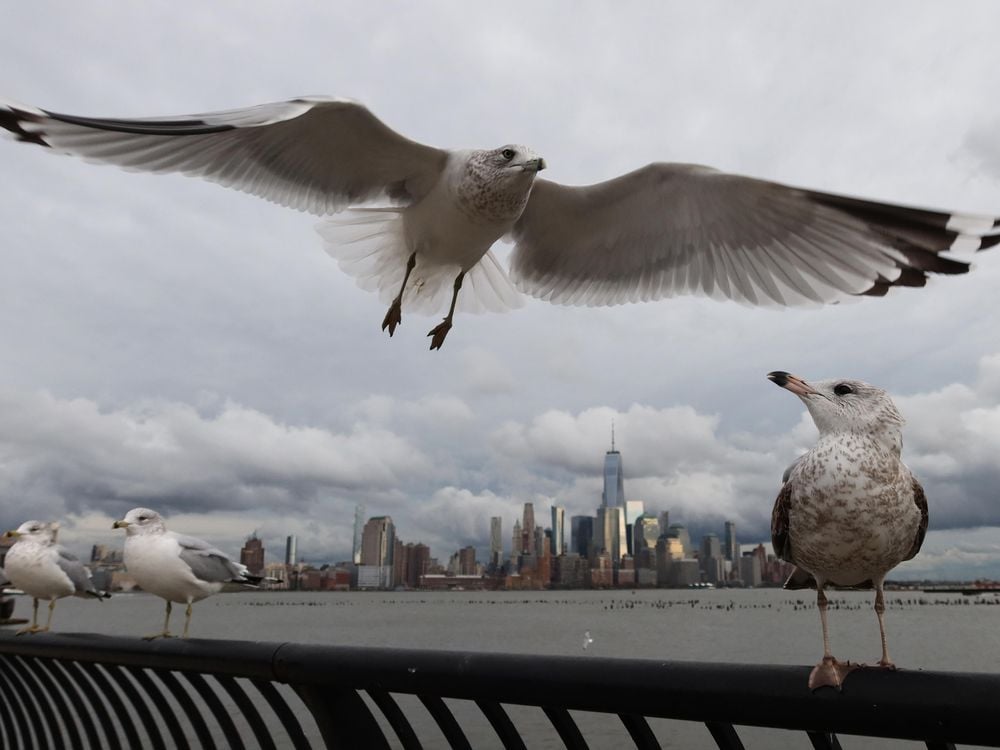
Urban environments, though often perceived as hostile to wildlife, can surprisingly support diverse bird populations. These feathered residents adapt to the challenges of concrete jungles, finding food, shelter, and breeding grounds amidst the human-built landscape. Understanding the intricacies of urban ecology for birds is crucial for their continued presence and well-being in our cities.
The Importance of Urban Green Spaces
Green spaces in cities act as vital havens for birds, offering essential resources for survival and reproduction. Parks, gardens, and even rooftop plantings provide nesting sites, foraging grounds, and respite from the stresses of the urban environment. These spaces are particularly important for species that need specific habitat types for breeding, feeding, and roosting. Without these green oases, bird populations would be significantly diminished.
Ecological Roles of Birds in Urban Environments
Birds play diverse roles in urban ecosystems, similar to their roles in natural habitats. They act as pollinators, seed dispersers, and natural pest controllers. Their presence contributes to the overall health and balance of the urban environment. The presence of birds helps regulate insect populations, reducing the need for chemical pesticides. This natural pest control contributes to a healthier urban ecosystem.
New York City’s bird populations are fascinating, but their safety is a concern. Urban development often disrupts natural habitats, and understanding the demographics of the surrounding areas, like the differences between red and blue states, could offer insights into how these changes might affect bird populations. For instance, exploring red blue states demographics might reveal trends in land use and conservation efforts that could impact the overall safety of birds in the city.
Ultimately, more research into urban environments and their impact on bird populations is crucial for ensuring their safety in NYC.
Relationship Between Urban Development and Bird Diversity
Urban development often leads to habitat fragmentation and loss, negatively impacting bird diversity. The conversion of natural areas into buildings and roads reduces the availability of nesting sites and food sources. Conversely, well-planned urban development can mitigate these negative impacts and even create new opportunities for birds. Careful consideration of bird needs during urban planning, including the incorporation of green spaces and suitable habitats, is vital to maintain biodiversity.
Innovative Urban Designs Supporting Bird Populations
Many innovative designs incorporate bird-friendly elements into urban landscapes. For example, buildings with nesting boxes or rooftop gardens provide safe nesting locations and foraging areas. These designs promote biodiversity and create aesthetically pleasing environments that benefit both birds and people. Using native plants in urban gardens provides essential food sources and shelter for native birds. Additionally, the inclusion of perches and water features encourages bird use of the space.
These elements can significantly increase the success of bird populations in the urban environment.
Examples of Bird-Friendly Urban Designs
| Design Feature | Description | Benefit to Birds |
|---|---|---|
| Rooftop gardens | Extensive planting on rooftops, providing nesting and foraging areas. | Increased food sources, nesting sites, and overall habitat. |
| Vertical gardens | Walls covered in plants, offering shelter and nesting locations. | Increased shelter, foraging, and nesting sites, especially for cavity-nesting species. |
| Bird feeders and baths | Designated areas with feeders and water sources. | Provides supplementary food and water sources, especially during lean times. |
| Nesting boxes | Strategically placed nesting boxes for birds needing cavities for nesting. | Provides safe nesting sites, particularly for cavity-nesting species that are often limited by availability. |
Visualizing Bird Habitats
New York City, a vibrant tapestry of human activity, also provides a surprising array of habitats for a remarkable diversity of bird species. Understanding these habitats is crucial for appreciating the ecological roles birds play and for implementing effective conservation strategies. This exploration delves into the diverse niches birds occupy within the urban landscape, offering insights into their preferred nesting sites and the features that attract them.The urban environment, though seemingly inhospitable, presents unique opportunities for birds.
From the towering skyscrapers to the leafy parks and the bustling waterways, birds have adapted to utilize various micro-habitats. This adaptation requires a keen understanding of the diverse resources offered by the city.
New York City bird safety is a fascinating topic, especially considering the urban environment. It’s interesting to see how the city’s unique ecosystem supports various species, like pigeons and starlings, and how they adapt. This brings up the issue of renters in Williamsburg, Brooklyn, with connections to Kyiv, Ukraine, and the complex challenges they face navigating these situations.
renters williamsburg brooklyn kiev ukraine Ultimately, understanding bird behavior and safety in NYC helps us appreciate the city’s biodiversity and how these challenges can be addressed in the urban context.
Types of NYC Bird Habitats
Different bird species thrive in diverse environments. This diversity stems from the varied resources each habitat provides, such as food sources, nesting materials, and protection from predators. Some key habitat types in NYC include:
- Parks and Gardens: These spaces often provide ample foliage, shrubs, and trees, offering nesting sites, foraging grounds, and cover from weather and predators. Central Park, for example, supports a wide variety of bird species due to its rich biodiversity and variety of habitats.
- Water Bodies: Lakes, rivers, and ponds offer water for drinking, bathing, and foraging. Many bird species, like ducks and shorebirds, rely on these aquatic ecosystems for sustenance and breeding.
- Buildings and Structures: High-rise buildings and bridges can offer nesting opportunities in crevices, ledges, and rooftop gardens. Nesting in these structures is a common adaptation for birds in the urban environment.
- Urban Woodlands: Patches of trees and woodlands, even in densely populated areas, offer important habitat for species requiring more forested environments. These spaces offer cover and foraging opportunities.
Typical Bird Nesting Locations
Understanding where birds choose to nest is crucial for protecting their breeding success. Birds select nesting sites based on factors like security, accessibility to food, and protection from predators.
- Trees and Shrubs: Many birds, like robins and bluebirds, nest in the branches of trees and shrubs. The height and density of foliage provide shelter from predators and a safe place for raising young.
- Buildings and Structures: Nesting in building crevices, on ledges, or in rooftop gardens is a common adaptation in urban environments. This often involves cavities or sheltered spaces.
- Ground Nesting: Some species, such as quail and some shorebirds, prefer to nest on the ground. They select areas with adequate cover, such as dense grass or undergrowth.
- Excavated Spaces: Birds like owls and woodpeckers may nest in tree cavities or holes in the ground, which provide insulation and protection.
Features Attracting Birds to Specific Habitats
Certain features within each habitat type are particularly attractive to specific bird species. These features dictate a bird’s choice of habitat.
- Abundant Food Sources: Availability of insects, seeds, berries, and other food items is a critical factor in attracting birds. Parks with diverse plant life often support a greater bird population due to the abundance of food.
- Nesting Materials: Access to suitable nesting materials, such as twigs, leaves, and mud, influences where birds choose to build their nests.
- Protection from Predators: Birds select habitats with ample cover and concealment to protect their nests and young from predators like raccoons, cats, and hawks.
- Water Availability: Proximity to water is important for drinking, bathing, and foraging for aquatic insects and other food sources.
Final Thoughts
In conclusion, New York City birds safety hinges on a multifaceted approach that considers the interplay of urban development, human activities, and the birds themselves. By understanding the nuances of bird behavior, recognizing potential hazards, and implementing effective mitigation strategies, we can foster a harmonious coexistence between humans and the avian inhabitants of our city. Protecting NYC birds is a vital responsibility, and this exploration offers actionable insights for a safer future for them.
Quick FAQs
What are some common diseases affecting birds in NYC?
Common diseases include avian influenza, aspergillosis, and various bacterial infections. These can be influenced by urban pollution and stress.
How can I help support bird safety in my neighborhood?
Avoid using pesticides, provide safe nesting areas, and report any incidents of injured birds to the appropriate authorities. Support local conservation efforts.
What’s the impact of improper bird feeding?
Improper bird feeding can spread diseases, attract unwanted pests, and alter the natural feeding patterns of birds. Use high-quality bird seed and avoid overfeeding.
How do NYC’s urban green spaces impact bird populations?
Green spaces provide vital habitats and resources for birds. They are essential for breeding, foraging, and refuge from urban pressures.