
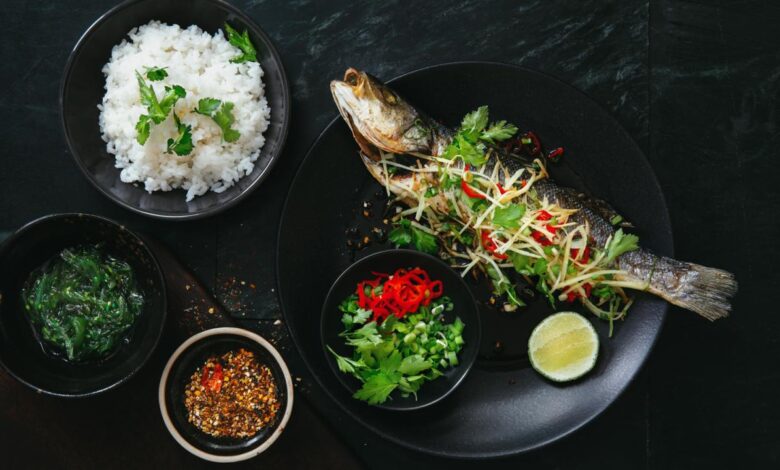
Lunar New Year Recipes A Celebration of Flavors
Lunar New Year recipes offer a vibrant tapestry of flavors and traditions. From the symbolic meanings behind dumplings to the regional variations in spring rolls, this exploration dives deep into the culinary heart of the celebration. We’ll uncover the stories behind iconic dishes, discover vegetarian and vegan options, and even explore modern interpretations of these beloved foods. Prepare to be inspired and educated on the diverse world of Lunar New Year cuisine.
This guide will take you on a journey through the delicious world of Lunar New Year cuisine. We’ll cover everything from the historical significance of specific ingredients to practical tips for planning a memorable feast. Get ready to impress your family and friends with your newfound knowledge of these culinary traditions.
Introduction to Lunar New Year Cuisine
Lunar New Year, a significant celebration for billions across Asia, is deeply intertwined with rich culinary traditions. The holiday’s customs often revolve around symbolic foods that represent prosperity, good fortune, and family unity. These dishes, passed down through generations, are not just meals; they’re expressions of cultural heritage and shared history. The flavors and ingredients vary across different regions, each telling a unique story of culinary evolution and adaptation.The symbolic meanings embedded in Lunar New Year dishes often mirror the aspirations for the coming year.
For example, dishes shaped like gold ingots signify wealth, while those with abundant ingredients represent abundance. These symbolic representations add a layer of depth to the celebratory meals, making them more than just sustenance.
Historical Overview of Lunar New Year Food Traditions
Lunar New Year traditions related to food have a long history, evolving from practical needs to symbolic representations. Early celebrations involved preparing plentiful meals to ensure a successful harvest and a prosperous new year. Over time, these practices became intertwined with cultural beliefs and values, leading to the symbolic significance associated with various dishes. The meticulous preparation of meals reflects the importance placed on family and community during this time.
Symbolic Meanings Behind Common Dishes
Many Lunar New Year dishes hold symbolic meanings. For example, dumplings (jiaozi) are often associated with prosperity and wealth due to their resemblance to ancient gold ingots. Spring rolls, with their vibrant colors and fresh ingredients, symbolize new beginnings and a fresh start for the year ahead. The meticulous preparation of these dishes reflects the cultural importance placed on food during this time.
Cultural Significance of Specific Ingredients
Certain ingredients hold special significance in Lunar New Year cuisine. For instance, oranges, a common ingredient in many dishes, symbolize good luck and prosperity. Red envelopes (hongbao) often contain money, a symbolic gesture of wishing prosperity for the new year. The specific ingredients used in recipes reflect the unique cultural values and beliefs of each region.
Regional Variations in Lunar New Year Cuisine
Lunar New Year cuisine varies considerably across different Asian countries. The diverse culinary traditions reflect the unique cultural influences and geographical factors of each region. For example, the use of specific spices, ingredients, and cooking methods differs significantly between China, Vietnam, Korea, and other countries. The dishes themselves, while often sharing symbolic meanings, exhibit distinct regional flavors and preparations.
Popular Dishes in Various Regions
| Dish Name | Ingredients | Preparation Method | Cultural Significance |
|---|---|---|---|
| Chinese Nian Gao (New Year Cake) | Glutinous rice, sugar, and water | Steamed or boiled | Symbolizes progress and growth in the new year. |
| Vietnamese Banh Tet (New Year Cake) | Rice flour, coconut milk, and sugar | Steamed | Symbolizes the unity of family and the sweetness of the new year. |
| Korean Tteokguk (Rice Cake Soup) | Rice cakes, broth, vegetables, and meat | Boiled | Represents good luck, health, and a good start to the new year. |
| Japanese Mochi | Glutinous rice | Steamed or pounded | Symbolizes unity and togetherness. |
Popular Lunar New Year Dishes
Lunar New Year is a time for family, celebration, and delicious food. A significant part of this celebration revolves around the symbolic meanings embedded within traditional dishes. These culinary creations are more than just meals; they represent prosperity, good fortune, and the hope for a successful new year. Each dish carries a unique story and cultural significance.
Dumplings: A Symbol of Abundance
Dumplings, a staple in many Asian cultures, are particularly significant during Lunar New Year. Their shape, often resembling little pouches, symbolizes the filling of one’s life with good fortune and prosperity. Various types of dumplings exist, each with its own preparation method and regional variations. Pork and vegetable dumplings are common, symbolizing a full and bountiful life.
While some are boiled, others are pan-fried or steamed, reflecting diverse culinary traditions. The wrapping process, often involving meticulous folding and sealing, is a symbolic act, mirroring the sealing of good fortune. The fillings themselves vary, reflecting the diverse culinary heritage of the region.
Lunar New Year is all about delicious food, and I’m busy prepping some fantastic recipes. While I’m crafting these dishes, sad news about a couple missing from a boat in Grenada has been circulating. The recent disappearance of a couple from a boat in Grenada is truly concerning, and it’s a stark reminder of the dangers of the sea.
Hopefully, they’re found quickly. Back to the delicious Lunar New Year dishes, I’m really excited about this year’s menu! couple missing boat grenada
Spring Rolls: A Symphony of Flavors and Cultures
Spring rolls, a popular appetizer, come in various forms. Vietnamese spring rolls, often featuring fresh herbs and vegetables, are a lighter option. Chinese spring rolls, on the other hand, might include more substantial fillings like shrimp and pork, reflecting a more hearty culinary tradition. The distinct flavors and ingredients in each type contribute to their cultural significance.
The delicate wrapping of fresh vegetables and herbs in rice paper reflects a reverence for nature and the bounty of the harvest. Their presentation, often served in vibrant colors, adds to the festive atmosphere.
Common Ingredients and Symbolism
Certain ingredients frequently appear in celebratory dishes, each imbued with symbolic meaning. For example, oranges, often served as a gift, symbolize good fortune and prosperity. The round shape of oranges also represents the cycle of life. Red envelopes (hongbao) are another important element, signifying luck and good fortune. The color red itself carries symbolic weight, representing joy, happiness, and good luck.
Noodles, often long and unbroken, symbolize a long and prosperous life.
Noodles: A Symbol of Longevity
Noodles play a vital role in Lunar New Year celebrations, symbolizing a long and healthy life. The act of eating noodles represents the wish for longevity and good health in the coming year. Different noodle types, such as wheat noodles or rice noodles, reflect regional variations in cuisine. The preparation methods, which can range from stir-frying to boiling, contribute to the overall culinary experience.
Lunar New Year is all about delicious food, and I’m currently brainstorming some exciting new recipes. While I’m busy planning out my menu, the recent controversy surrounding the “Read Like Wind” recommendations, detailed in this article about read like wind recommendations scandal , has me thinking about the importance of careful consideration when choosing resources for any celebration.
Hopefully, these new lunar new year recipes will be scrumptious and memorable, just like the rest of the festivities.
The unbroken nature of the noodles is crucial, symbolizing continuity and unbroken family ties.
Lunar New Year is a fantastic time for delicious food! I’m focusing on some new recipes this year, inspired by the vibrant flavors of the holiday. Meanwhile, the ongoing situation in Gaza, with the recent cease-fire involving Russia and NATO, gaza cease fire russia nato , has been a big concern, but I’m hoping to focus on positive vibes and delicious dumplings for the holiday.
I’m excited to share the new recipes on my blog soon!
Popular Lunar New Year Dishes
| Dish Name | Ingredients | Cultural Significance | Serving Suggestions |
|---|---|---|---|
| Jiaozi (Dumplings) | Pork, cabbage, chives, water, flour | Symbol of prosperity and abundance; often served with dipping sauces | Serve as an appetizer or main course, steaming or pan-frying |
| Spring Rolls (Chinese) | Rice paper, shrimp, pork, vermicelli noodles, vegetables | Represents a harmonious balance between nature and flavors; often eaten with dipping sauces | Serve as a refreshing appetizer, often with a variety of dipping sauces |
| Lo Mai Gai (Chicken Rolls) | Chicken, rice paper, vegetables, herbs | Reflects a healthy and balanced diet | Serve as an appetizer, offering a flavorful and light option |
| Nian Gao (New Year Cake) | Glutinous rice, sugar | Represents progress and growth; a symbol of prosperity and good luck | Serve as a dessert or snack; often eaten with tea |
Vegetarian and Vegan Lunar New Year Recipes
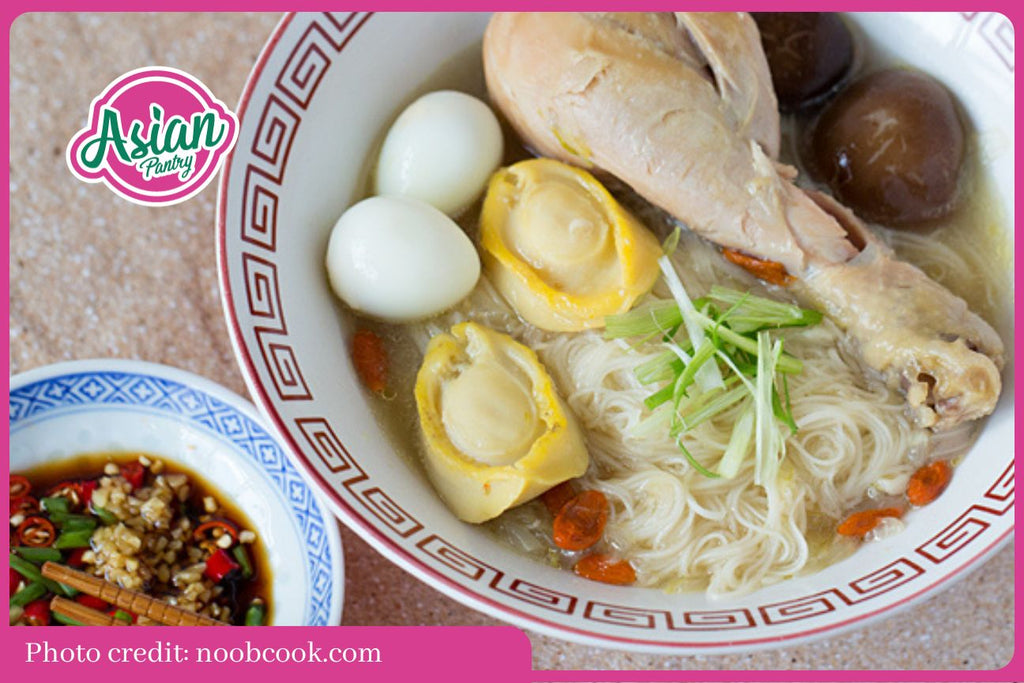
Lunar New Year is a time for family, feasting, and celebrating the year ahead. Traditional cuisine often features meat dishes, but there’s a growing appreciation for vegetarian and vegan options that still reflect the spirit of the occasion. These plant-based alternatives allow everyone to partake in the festivities while honouring dietary preferences and environmental consciousness.Vegetarian and vegan options are becoming increasingly popular, allowing more people to enjoy the celebrations.
Adapting traditional recipes to be vegetarian or vegan requires careful consideration of flavour profiles and textures, but the results can be delicious and culturally appropriate. Many traditional ingredients are naturally plant-based, and creative substitutions can easily make dishes both healthy and enjoyable.
Traditional Vegetarian Dishes
Many Lunar New Year dishes are naturally vegetarian or can easily be adapted. Spring rolls, vegetable dumplings, and various stir-fries are examples of dishes that can be enjoyed without meat. These dishes often incorporate vegetables, noodles, and tofu, creating satisfying and flavorful meals. The vibrant colours of these dishes are representative of good luck and prosperity.
Adapting Recipes for Vegan Diets
Adapting traditional recipes for vegan diets involves replacing ingredients like fish sauce, soy sauce, or other animal-derived products. Tamari, coconut aminos, and nutritional yeast are excellent substitutes that maintain the umami flavour. Replacing eggs with flaxseed or chia seeds, and dairy with plant-based milk, are other common adaptations. Carefully choosing these substitutes ensures the flavour and texture of the dish remain intact.
Incorporating Seasonal Vegetables
Lunar New Year often coincides with the spring season, offering a bounty of fresh vegetables. Incorporating seasonal produce like bok choy, snow peas, and asparagus in your vegetarian or vegan dishes enhances their nutritional value and adds vibrant colours. These fresh vegetables add a burst of flavour and a touch of freshness to the festive meals.
Vegetarian vs. Vegan Options
| Dish Name | Ingredients | Preparation Methods | Nutritional Information (Approximate) |
|---|---|---|---|
| Spring Rolls (Vegetarian) | Rice paper wrappers, vermicelli noodles, shredded carrots, bean sprouts, lettuce, herbs, peanut sauce (or alternative) | Fill rice paper wrappers with ingredients, roll tightly. Serve with dipping sauce. | High in fiber, vitamins, and minerals. Low in fat (depending on sauce). |
| Vegetable Dumplings (Vegetarian) | Wheat flour, cabbage, carrots, mushrooms, garlic, ginger, vegetable broth | Mix filling ingredients, wrap in dough, steam or pan-fry. | Good source of carbohydrates, fiber, vitamins, and minerals. |
| Stir-fry with Tofu (Vegetarian) | Tofu, broccoli, bell peppers, onions, garlic, soy sauce (or tamari), ginger, vegetable oil | Stir-fry tofu and vegetables in a wok or pan until tender-crisp. | Good source of protein, vitamins, and minerals. |
| Vegan Spring Rolls | Same as vegetarian, but use tamari or coconut aminos instead of soy sauce, and a vegan peanut sauce. | Same as vegetarian. | Similar nutritional value to vegetarian, but may vary depending on the specific vegan sauce used. |
Modern Interpretations of Lunar New Year Food: Lunar New Year Recipes
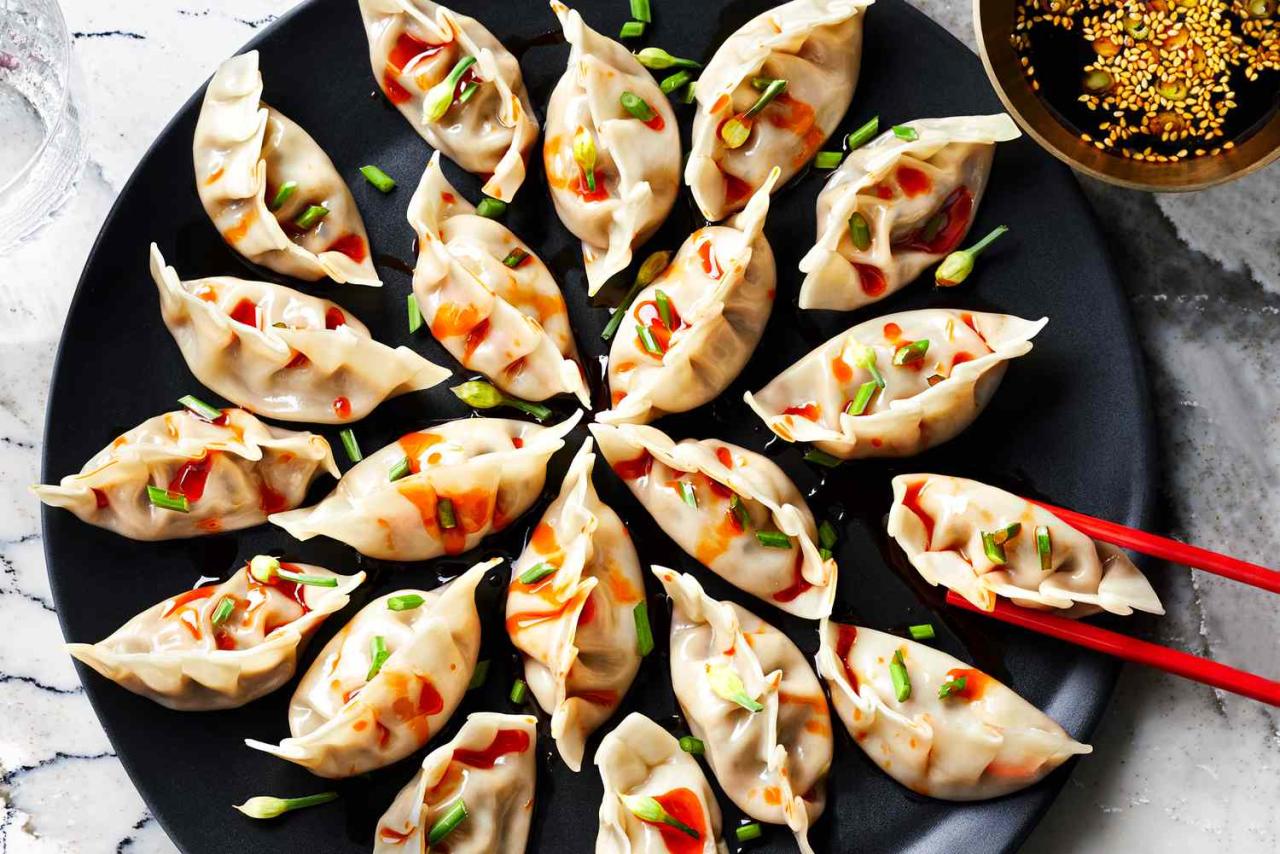
Lunar New Year, a time for family, celebration, and delicious food, is evolving. Traditional recipes, passed down through generations, are being reimagined to appeal to modern palates and lifestyles. This evolution allows us to embrace the spirit of the holiday while enjoying a more contemporary culinary experience.Modern interpretations of Lunar New Year food aren’t about abandoning tradition; rather, they’re about enhancing it.
By incorporating contemporary techniques and global flavors, we can create dishes that are both familiar and exciting, ensuring that the spirit of Lunar New Year continues to thrive in the present day.
Lunar New Year is a fantastic time for delicious food! I’m currently obsessed with trying out new recipes, and I’m especially excited to find some authentic dishes. While researching, I stumbled across some fascinating stories about how renters in Williamsburg, Brooklyn, are connecting with their Ukrainian roots, especially those who were displaced by the conflict in Kiev, Ukraine renters williamsburg brooklyn kiev ukraine.
It’s amazing how diverse culinary traditions can be, and I’m hoping to incorporate some of those influences into my own Lunar New Year celebrations. Lots more delicious dishes to try!
Modernizing Traditional Dishes
Traditional Lunar New Year dishes often involve lengthy preparation and specific ingredients. Modernizing these recipes can make them more accessible and enjoyable for a wider audience. This involves streamlining processes, using readily available substitutes, and adjusting portion sizes to suit contemporary dietary needs and preferences. For example, a complex, multi-step fish dish can be simplified by using pre-portioned, cleaned fish, while maintaining the cultural significance of the dish.
Incorporating Modern Techniques
Modern culinary techniques can elevate traditional dishes. Using techniques like sous vide for perfectly cooked meats or incorporating molecular gastronomy elements can enhance the texture and flavor of dishes. For example, instead of the traditional deep-fried dumplings, you could use air frying for a healthier, crispy alternative. This allows us to maintain the essence of the dish while modernizing the presentation and taste.
Global Influences in Lunar New Year Cuisine
The world is a melting pot of flavors, and Lunar New Year cuisine can reflect this. Integrating international ingredients and cooking methods into traditional dishes can create exciting new combinations. For example, incorporating Asian-inspired flavors into Western dishes like pasta can introduce a new depth of taste to the meal.
Vegetarian and Vegan Options
Many traditional Lunar New Year dishes can be adapted for vegetarian and vegan diets. By substituting meat or fish with plant-based alternatives and adjusting seasoning and sauces, you can create equally delicious and festive vegetarian or vegan options. This is a wonderful way to include everyone at the dinner table, regardless of dietary restrictions.
Recipe Examples (Modern Interpretations)
- Savory Vegetable Spring Rolls with Peanut Sauce: A vibrant take on traditional spring rolls, using fresh vegetables, herbs, and a tangy peanut sauce. This version can be prepared ahead of time and is perfect for a party, offering a healthier, lighter option.
- Vegan Sweet and Sour Tofu: A fun twist on a classic dish. Tofu is marinated and then pan-fried, creating a savory, satisfying dish with a familiar sweet and sour glaze. This dish highlights the versatility of tofu and demonstrates the deliciousness of plant-based options.
- Modernized Nian Gao with Matcha Glaze: A modern twist on a classic Lunar New Year dessert. Traditional Nian Gao, a sweet sticky rice cake, can be transformed with a refreshing matcha glaze and a sprinkle of toasted sesame seeds, appealing to contemporary tastes.
Tips for Planning a Lunar New Year Feast
Lunar New Year is a time for family and friends, and a delicious feast is a cornerstone of the celebration. Planning a grand meal can feel daunting, but with careful organization, you can create a memorable and stress-free experience. This guide will walk you through the essential steps, from ingredient lists to time management, ensuring your Lunar New Year table is a culinary success.Planning ahead is key to a smooth and enjoyable Lunar New Year feast.
A well-organized approach will minimize stress and maximize your enjoyment of the festivities.
Organizing Your Lunar New Year Feast
A well-structured plan is crucial for a successful Lunar New Year celebration. Start by creating a detailed menu, considering your guests’ preferences and any dietary restrictions. This step will guide your ingredient shopping and preparation schedule. Next, create a timeline for each dish, including prep time, cooking time, and serving time. This allows for proper sequencing and prevents dishes from being overcooked or undercooked.
Finally, assign tasks to family members or friends to distribute the workload evenly.
Essential Ingredients and Supplies
Having a comprehensive list of ingredients and supplies ensures you have everything needed for your Lunar New Year feast. A well-stocked pantry and refrigerator will prevent last-minute trips to the grocery store. Essential supplies include serving platters, bowls, chopsticks, and napkins, along with any specialized tools for specific dishes. Consider purchasing reusable containers for leftovers, as they can be invaluable for those who enjoy the feasts.
Lunar New Year is a fantastic time for delicious food! From dumplings to spring rolls, there are so many amazing recipes to try. Thinking about all the delicious food inspired me to consider the current housing market near NYC. With prices fluctuating so dramatically, it’s interesting to see how the market impacts the local culture and economy, especially considering the Lunar New Year traditions that have a profound effect on the community.
Luckily, these fantastic recipes are still affordable and perfect for celebrating this special time of year! housing market near nyc
Managing Multiple Dishes and Time Constraints
Planning a multi-course meal for a large group requires meticulous time management. Batch cooking similar components of different dishes is a valuable strategy. For example, if several dishes use the same vegetables, prepare them in bulk to save time. Use a timer for each cooking step to maintain a precise schedule. Prepare dishes in advance to minimize stress on the day of the feast.
Make use of pre-cut vegetables or pre-made sauces to expedite the process.
Accommodating Dietary Restrictions and Preferences, Lunar new year recipes
Lunar New Year feasts are often enjoyed by people with diverse dietary preferences and restrictions. Offer a variety of dishes to accommodate different tastes and dietary needs. Inquire about allergies or dietary restrictions from your guests in advance to ensure everyone feels included. Consider offering vegetarian, vegan, or gluten-free options alongside traditional dishes. Having a selection of both familiar and new dishes can also add variety.
Comprehensive Ingredient List and Timeline
This table provides a framework for planning a multi-course Lunar New Year meal, outlining estimated quantities and preparation timelines. It is crucial to adjust these figures based on your specific guest count and preferences.
| Ingredient | Estimated Quantity | Preparation Time | Notes |
|---|---|---|---|
| Pork Dumplings (Baozi) | 100-150 | 4-6 hours (including filling prep) | Can be made partially in advance. |
| Spring Rolls | 50-75 | 2-3 hours (including filling prep) | Fresh vegetables and herbs add flavour. |
| Sweet and Sour Fish | 1 portion per 2-3 guests | 1.5 hours (including marinating) | Use pre-marinated fish to shorten time. |
| Sticky Rice Cake | 10 per 2-3 guests | 2 hours (including cooking) | Prepare in advance for optimal texture. |
| Vegetable Stir-Fry | 1 portion per guest | 30 minutes | Use pre-chopped vegetables to save time. |
Recipes for Specific Dishes
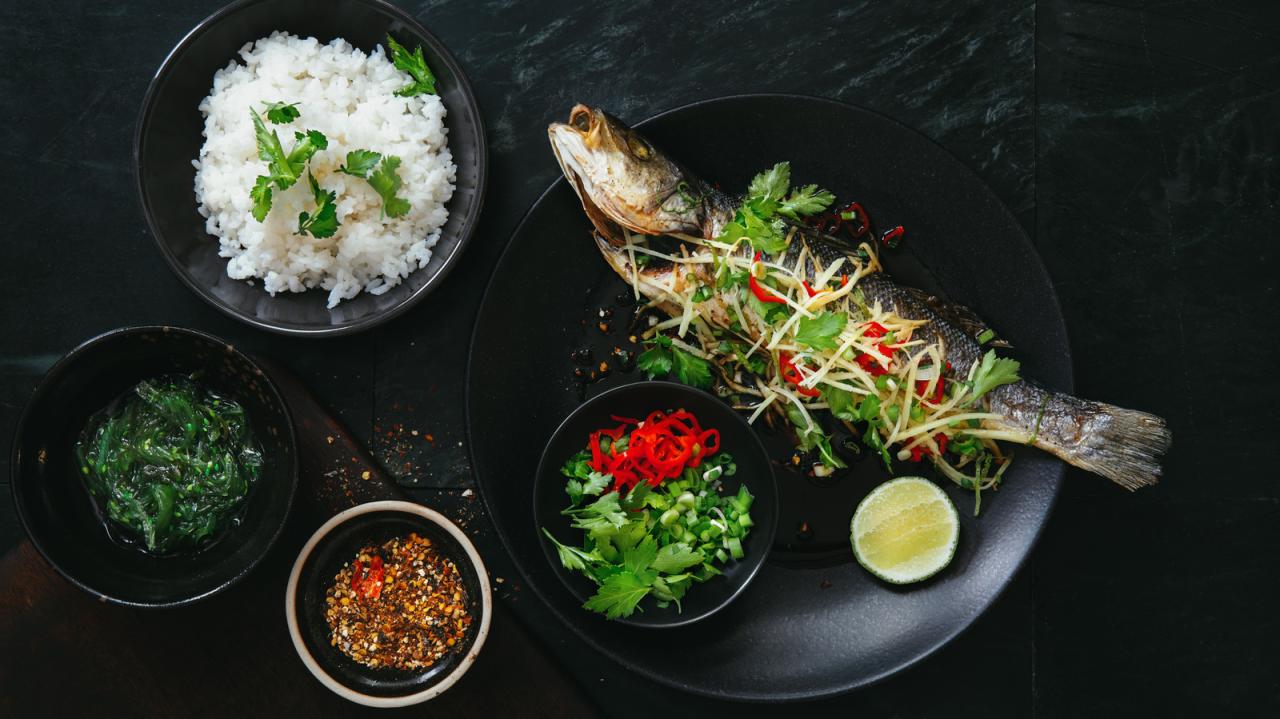
Lunar New Year celebrations are incomplete without the delicious and symbolic food. Each dish carries a tradition, a story, and a taste of the past. This section dives into the specifics of preparing some popular and regional dishes, offering detailed recipes and techniques to help you create a memorable feast.
Nian Gao (New Year’s Rice Cake)
Nian gao, or New Year’s rice cake, is a staple of Lunar New Year celebrations. Its sticky texture symbolizes prosperity and good fortune, rising higher each year. This recipe offers a classic approach.
Ingredients:
- 1 cup glutinous rice, rinsed
- 2 cups water
- 1/4 cup sugar (optional)
- 1 teaspoon sesame oil (optional)
Instructions:
- Combine rinsed glutinous rice and water in a saucepan. Bring to a boil, then reduce heat and simmer until the rice is tender and the water is absorbed. This process typically takes around 30-45 minutes. The rice should be cooked until almost entirely mushy and no liquid remains.
- If using, stir in sugar and sesame oil during the last few minutes of cooking.
- Once cooked, allow the rice to cool slightly before transferring it to a bamboo steamer or a well-greased bowl. This step helps prevent sticking.
- Shape the Nian Gao into desired shapes and let it cool completely.
Tips: For a smoother texture, use a food mill or blender to process the cooked rice after it has cooled slightly. This will create a paste-like consistency, which is often desired for some types of Nian Gao.
Regional Specialty: Har Gow (Shrimp Dumplings)
Har Gow, a popular Cantonese dish, are delicate shrimp dumplings. The translucent dumpling wrappers highlight the fresh shrimp filling.
Ingredients:
- 1 pound shrimp, peeled and deveined
- 1/4 cup finely chopped scallions
- 1 tablespoon soy sauce
- 1 teaspoon cornstarch
- 1/2 teaspoon sesame oil
- Har Gow wrappers
- Cooking oil for frying
Instructions:
- In a bowl, combine shrimp, scallions, soy sauce, cornstarch, and sesame oil. Mix well.
- Place a spoonful of the shrimp mixture onto the center of each dumpling wrapper. Moisten the edges of the wrapper with water and fold the wrapper over the filling, creating a semi-circle or a half-moon shape. Seal the edges tightly, ensuring the filling is contained. This step is crucial for a good har gow, as it prevents leakage during cooking.
- Heat cooking oil in a wok or large skillet over medium-high heat. Carefully place the dumplings in the hot oil, ensuring not to overcrowd the pan.
- Fry the dumplings until they are golden brown and the wrappers are crisp. The cooking time will vary depending on the size of the dumplings.
- Serve immediately with a dipping sauce of soy sauce, vinegar, and chili oil.
Image Description: A close-up image of perfectly formed har gow dumplings, golden brown and glistening with oil. The delicate wrappers are visible, showcasing the soft, glistening shrimp filling inside each dumpling. The image should highlight the crispness of the wrappers and the subtle color variation of the golden brown, hinting at the delicious aroma.
Lunar New Year Dessert: Tangyuan (Sweet Rice Balls)
Tangyuan, sweet glutinous rice balls, are a popular dessert during Lunar New Year. The soft texture and sweet fillings are symbolic of family unity.
Ingredients:
- 1 cup glutinous rice flour
- 1 cup water
- 1/2 cup sugar
- Red bean paste (or other fillings)
Instructions:
- Combine glutinous rice flour and water in a saucepan. Cook over medium heat, stirring constantly until a dough forms. The dough should be smooth and pliable.
- Divide the dough into small portions and roll them into small balls.
- Fill each ball with red bean paste or other desired filling. Carefully seal the filling inside the dough.
- Cook the Tangyuan in boiling water until they float to the surface. This signifies they are cooked through.
- Serve warm with a sweet dipping sauce (like syrup or honey).
Image Description: A bowl of freshly cooked tangyuan, showcasing a variety of colorful fillings. The balls should be a light, slightly translucent color. A drizzle of sweet syrup or honey should be present on top of the tangyuan, enhancing the visual appeal and highlighting the sweetness of the dessert.
Conclusion
In conclusion, Lunar New Year recipes are more than just meals; they’re a celebration of culture, family, and tradition. This guide has provided a comprehensive overview of the rich culinary heritage behind these dishes, highlighting their symbolic importance and regional variations. We hope you’ve been inspired to create your own delicious and meaningful Lunar New Year feast. Happy New Year!
Helpful Answers
What are some common ingredients used in Lunar New Year dishes and what do they symbolize?
Many ingredients carry symbolic meaning. For example, oranges often represent good fortune, while dumplings represent wealth and prosperity. Other common ingredients like noodles represent longevity, and spring rolls represent abundance. Each dish holds a special significance.
How can I adapt popular Lunar New Year recipes for a vegan diet?
Many recipes can be easily adapted. Soy-based sauces, vegetable proteins, and various substitutes for meat are readily available. This section will cover the process of adapting dishes.
What are some tips for planning a large Lunar New Year feast?
Planning a large feast requires careful organization. Consider creating a detailed menu, preparing ingredients in advance, and having a well-defined timeline for cooking. It’s also crucial to consider any dietary restrictions your guests may have.
What are some modern interpretations of traditional Lunar New Year food?
Modern interpretations are often a fusion of tradition and contemporary tastes. These recipes will feature the use of global flavors and techniques to create unique dishes while honoring the core spirit of Lunar New Year cuisine.