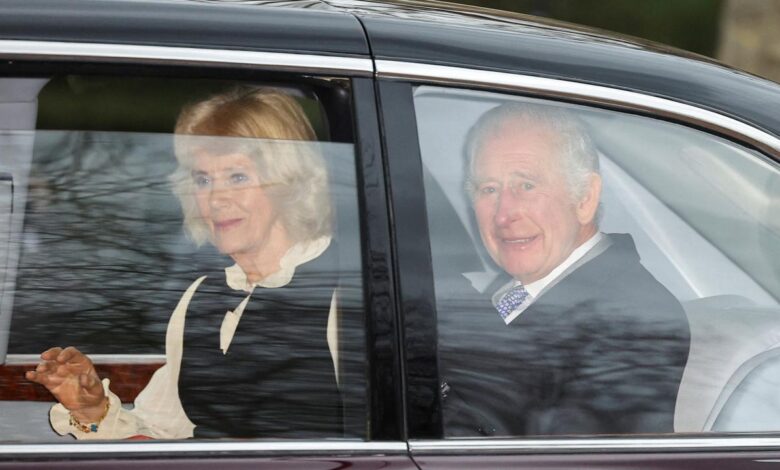
King Charles Cancer Privacy A Royal Dilemma
King Charles cancer privacy is a complex issue, forcing a delicate balancing act between the public’s right to know and the King’s right to privacy. How the media reports on the health of a public figure like the King, and how the Royal Family manages such sensitive information, is a significant test of ethical considerations and established protocols.
This discussion explores the nuances of this situation, examining public perception, media coverage, legal and ethical considerations, historical precedents, royal family procedures, the public interest versus privacy debate, and the potential impact on the Royal Family’s image.
Public Perception and Reactions
The news surrounding King Charles’ health sparked immediate and widespread public concern. Initial reactions were marked by a mix of worry and a desire for respect for the royal family’s privacy. The public, understanding the sensitivity of the situation, largely showed a degree of restraint, avoiding speculation and focusing on well wishes.Initial reports of the King’s health prompted a wave of public sympathy and expressions of concern.
The media, while obligated to report, were generally careful to avoid sensationalism, and the tone was one of quiet anticipation for further updates. This cautious approach reflected a shared understanding of the delicate balance between public interest and royal privacy.
Initial Public Reaction
Public reaction to the news, initially, was characterized by a desire for well wishes and respect for the royal family’s privacy. Concerns about the King’s health were expressed, but the tone remained largely respectful. Social media and news outlets were filled with expressions of hope and support, with many emphasizing the need for understanding and avoiding speculation.
Shifting Sentiment
As more information emerged, the public sentiment began to shift, albeit gradually. Early reports, while conveying concern, were largely devoid of specific details, leading to a degree of anxiety that needed to be tempered with information. The public’s desire for factual updates, rather than rumours, became a common thread.
Public’s Right to Know vs. Privacy
The delicate balance between the public’s right to know and the need for privacy in situations involving public figures is always a complex issue. In cases like these, the public naturally desires information to assure themselves about the wellbeing of their leader, but respecting the personal and private aspects of the individual’s life is also crucial. This often leads to a nuanced understanding of the balance between these competing interests.
The media plays a critical role in navigating this delicate terrain, striving to provide accurate information while maintaining respect for privacy.
Media Coverage Comparisons
| Public Figure | Nature of Event | Initial Media Tone | Shift in Media Tone | Public Response |
|---|---|---|---|---|
| King Charles | Health concerns | Respectful, cautious, avoiding speculation | Shift towards factual updates, maintaining a respectful tone | Widespread concern, but largely respectful and supportive |
| Princess Diana | Marital issues, personal problems | Sensationalized, focusing on details | More restrained, but still with intense public scrutiny | High public interest, with varying reactions from supportive to critical |
| Nelson Mandela | Imprisonment, health concerns | Intense global interest, focusing on the struggle for freedom | Focus on the ongoing struggle for justice, mixed with updates on his health | Widespread global sympathy and support |
The table above highlights the contrast in media coverage and public response across different situations involving public figures. The context of each event, including the nature of the issue and the public’s existing relationship with the figure, heavily influences the way the media reports and the public reacts.
King Charles’s recent health update, focusing on his cancer treatment, has understandably raised privacy concerns. Meanwhile, the ongoing situation in Israel and Gaza, with the recent Israel Gaza cease fire , highlights the complexities of global events and the need for careful consideration of sensitive information. Ultimately, maintaining appropriate privacy around the King’s health remains paramount, especially during a time of significant global unrest.
Media Coverage and Reporting
The King’s health situation prompted a significant amount of media coverage, with various outlets adopting different approaches to balancing the public’s need to be informed with the need to respect the royal family’s privacy. Understanding these approaches reveals the complexities inherent in reporting on sensitive subjects, especially those involving prominent figures. Different media outlets demonstrated varied strategies in their reporting, impacting public perception and potentially influencing the overall narrative.
Media Outlets and Their Approaches
Different media outlets, from established newspapers to online news platforms and television channels, responded to the situation. Their reporting styles reflected their individual approaches to balancing the need for information with the importance of respecting privacy. For instance, some outlets prioritized a more measured and cautious tone, focusing on official statements and avoiding speculation. Others, conversely, prioritized speed and breadth of coverage, potentially impacting the public’s understanding of the situation.
- National Newspapers: Newspapers like the Daily Mail, The Times, and the Guardian, often took a measured approach, primarily relying on official statements and press releases. Their focus was on maintaining a degree of objectivity and avoiding speculation, which was deemed crucial for preserving the King’s privacy. The language used in these reports tended to be more formal and cautious, reflecting the gravity of the situation.
King Charles’s cancer privacy has been a hot topic lately, and it’s interesting to see how the public’s fascination with these things can sometimes lead to discussions that feel a bit disconnected from the bigger picture. For example, the recent runway show by Willy Chavarria at New York Fashion Week willy chavarria new york fashion week showcased incredible designs and creativity, but it’s hard to ignore the parallel anxieties around public figures and the line between private life and public scrutiny, especially when health concerns are involved.
Ultimately, the question of privacy in these cases is a complex one, and there’s no easy answer.
- Television News Channels: Television news channels, such as BBC News and Sky News, often employed a combination of live updates, expert commentary, and analysis. Their approach usually included interviews with medical professionals or royal commentators, but often highlighted the need for caution in reporting on the health of a prominent figure. Visual elements and live reports added immediacy to the coverage, while maintaining respect for privacy through careful selection of visuals and tone.
- Online News Platforms: Online news platforms and social media were key in disseminating information rapidly. However, the nature of online reporting sometimes led to a proliferation of speculation and rumors. Some platforms, acknowledging the sensitivity of the situation, implemented measures to verify information and fact-check reports. The speed and immediacy of online reporting contrasted with the more measured approach often taken by traditional media outlets.
Methods for Managing Sensitive Reporting
News organizations employed several methods to balance reporting on sensitive matters like the King’s health. These methods included prioritizing official statements, relying on expert commentary, and carefully selecting visual elements. The aim was to strike a balance between informing the public and respecting privacy.
- Official Statements and Press Releases: Reputable news organizations prioritized reporting on official statements and press releases issued by the Palace. This approach served as a crucial method of verification, reducing the risk of inaccurate reporting. This also provided a more controlled narrative, preventing the spread of potentially harmful speculation.
- Expert Commentary and Analysis: Involving medical professionals or royal commentators provided context and analysis, but this approach also aimed to prevent speculation. This was particularly important in ensuring a factual and balanced portrayal of the situation.
- Careful Selection of Visuals: The selection of visuals, such as photographs or videos, was critical in ensuring respect for the King’s privacy. News outlets were mindful of not broadcasting potentially sensitive or distressing images, which was important for preserving the King’s dignity and privacy.
Comparison of Reporting Styles Across Platforms
The reporting styles varied across media platforms, reflecting the inherent differences in each platform’s approach to information dissemination. Newspapers, for example, often adopted a more measured tone and provided detailed context, while television prioritized visual elements and live updates. Online news, conversely, emphasized speed and breadth of coverage, which sometimes led to the proliferation of unverified information.
Ethical Dilemmas in Reporting, King charles cancer privacy
Journalists faced ethical dilemmas in reporting on the King’s health, balancing the public’s right to know with the need to respect privacy. The delicate balance between these two competing interests presented a complex challenge for reporters.
- Maintaining Accuracy and Avoiding Speculation: A key ethical concern was the need to ensure accuracy and avoid contributing to speculation, which could be particularly damaging in situations involving sensitive health issues.
- Respecting Privacy: The need to respect the King’s privacy and the privacy of his family was paramount. This meant avoiding potentially distressing or sensitive information that could potentially exacerbate the situation.
- Balancing Public Interest with Privacy Concerns: Maintaining a balance between the public’s right to be informed and the King’s need for privacy was a critical challenge for journalists. This involved careful consideration of the potential impact of any report on the King and his family.
Legal and Ethical Considerations
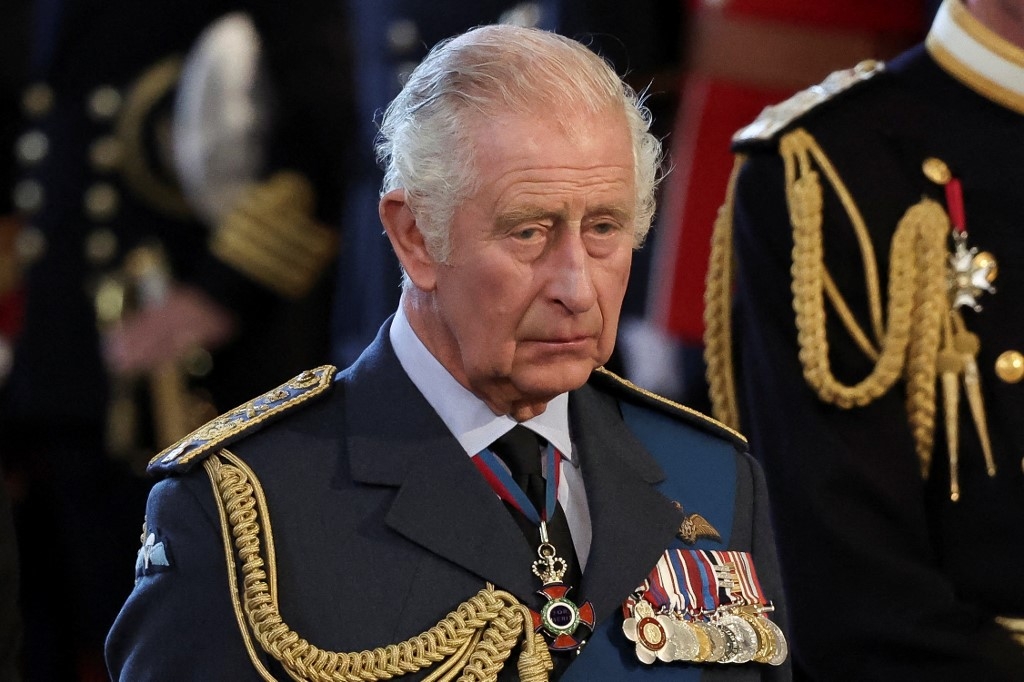
Navigating the complexities of public health, particularly when a prominent figure like King Charles is involved, requires a delicate balance between upholding individual rights and ensuring the public’s right to information. This necessitates a thorough understanding of the UK’s legal frameworks surrounding medical privacy and the ethical principles governing media reporting. This discussion will explore the relevant legal and ethical considerations, potential breaches, and previous handling of similar situations.
Relevant Legal Frameworks
The UK has robust legal frameworks protecting medical privacy, primarily embodied in the Data Protection Act 2018 and the common law right to privacy. These laws dictate how personal information, including medical records, can be collected, used, and disclosed. In the context of public figures, these regulations are often interpreted and applied with specific considerations for the public interest.
The balance between these competing interests is crucial. For instance, the right to privacy must be weighed against the public’s need for information regarding matters of significant public concern, such as the health of a monarch.
Ethical Principles Governing Media Reporting
Ethical media reporting, particularly regarding sensitive personal information, prioritizes accuracy, fairness, and respect for individuals’ dignity. The principle of proportionality is paramount; the need to inform the public must be balanced against the potential harm to the individual’s well-being and reputation. Media outlets must adhere to professional codes of conduct and self-regulatory mechanisms to ensure responsible reporting. Transparency in the sourcing of information and adherence to journalistic standards are essential.
Potential Legal Breaches or Ethical Violations
Potential legal breaches or ethical violations could arise if media outlets disclose confidential medical information without proper authorization or consent. This could involve unauthorized access to records, dissemination of information beyond what is in the public interest, or reporting that is intentionally misleading or sensationalized. Care must be taken to avoid actions that compromise the privacy of King Charles and other individuals involved.
Procedures Followed in Similar Situations
Instances of handling similar sensitive situations in the past often involve a careful assessment of the public interest against the individual’s privacy rights. Court rulings and media self-regulation bodies often play a crucial role in determining the appropriate level of disclosure. Specific precedents set in previous cases, including those involving high-profile individuals, shape the parameters of acceptable reporting practices.
Transparency in the process, including the justification for any disclosures, is vital. An example is the handling of health information related to past monarchs, where the approach has likely involved careful consideration of the legal framework and the principles of proportionality.
Historical Precedents
Royal health announcements, particularly those concerning sensitive conditions like cancer, have always been a delicate balancing act between the public’s right to know and the need to protect the privacy of the individuals involved. The handling of these situations has evolved significantly over time, mirroring broader societal shifts in media coverage, public expectations, and ethical considerations. Understanding these historical precedents is crucial to comprehending the current challenges surrounding King Charles’s situation.The concept of royal health as a public concern has existed for centuries.
However, the methods of managing such information and the degree of public access have changed dramatically. Early approaches often prioritized the image and stability of the monarchy, sometimes suppressing information or releasing it in a controlled manner. This contrasts sharply with modern expectations of transparency and accountability.
Royal Health Announcements in the Past
The historical record reveals a range of approaches to communicating royal illness. Initially, news of illnesses was often disseminated through carefully curated channels, with limited detail provided to the public. This approach aimed to maintain a sense of stability and authority within the monarchy. Over time, the desire for more complete information grew, particularly as media outlets became more powerful.
Royal family members’ health issues were frequently covered, albeit often with a focus on their perceived effect on the royal succession or the monarchy’s stability.
Examples of Similar Situations
Numerous instances involving other members of the royal family offer valuable insights. The illness of a prominent royal figure often sparked intense media speculation and public concern. The manner in which these situations were handled varied significantly, depending on the nature of the illness, the role of the individual, and the prevailing social and political climate. For example, Queen Elizabeth II’s health updates were carefully managed by the royal household, with information released strategically to maintain public confidence.
This approach differed from the coverage given to other family members, whose health conditions were often scrutinized more intensely by the media and public.
Evolution of Media Coverage and Public Perception
Media coverage of royal health issues has transformed significantly over the centuries. Early reporting was often limited by technological constraints and a more controlled media landscape. The rise of modern journalism and 24/7 news cycles has led to increased scrutiny and a more immediate, if not always accurate, public response. The internet and social media have further amplified this effect, enabling rapid dissemination of information, both accurate and inaccurate.
King Charles’s cancer privacy is a sensitive topic, and the recent news surrounding it has understandably sparked public interest. However, it’s important to remember that maintaining privacy during such a time is crucial. While the details remain limited, the situation highlights the delicate balance between public figures and personal well-being, much like the recent controversies surrounding Dayme Arocena’s al Kemi situation, where personal struggles and public perception collide.
Ultimately, respecting boundaries and offering support during challenging times, whether for the King or anyone else, is paramount.
Public perception has evolved as well, moving from a more deferential attitude towards the monarchy to one that demands greater transparency and accountability.
Changes in Handling Such Situations
The handling of royal health announcements has undergone a notable shift. In the past, a more controlled and often less transparent approach was employed. This involved managing information flow and limiting public access to details. The modern approach is often characterized by a greater emphasis on transparency and public engagement, although the challenge remains to balance the public’s right to information with the need to protect the privacy of the individuals involved.
This delicate balancing act has become increasingly complex in an era of intense media scrutiny and social media’s instant dissemination of information.
Royal Family Protocols and Procedures
The Royal Family, with its unique historical context and global recognition, maintains specific protocols for managing sensitive situations, including health matters. These procedures are designed to balance the need for transparency with the importance of protecting the privacy and dignity of the individual. The protocols ensure a measured and respectful response to public concerns while safeguarding the integrity of the monarchy.The official communication channels for the Royal Family are carefully established and meticulously followed, particularly when dealing with matters of health.
This structured approach provides a framework for responsible communication and demonstrates respect for the individual’s well-being and the public’s interest.
Official Communication Channels
The Royal Family utilizes a combination of channels for disseminating information, each with a distinct role and level of formality. Press releases issued by Buckingham Palace, through its official channels, are typically the primary source of information for the public. These statements are often carefully worded and intended to convey official perspectives. The use of trusted journalists and established media outlets is critical in maintaining accuracy and ensuring a balanced narrative.
Protocol Steps for Managing Health Communication
This table Artikels the steps involved in managing communication surrounding the King’s health, from initial concerns to public updates.
| Step | Description | Responsible Party |
|---|---|---|
| 1. Initial Assessment | Medical professionals assess the King’s condition. | Royal physicians |
| 2. Internal Consultation | Key members of the Royal Family and advisors discuss the appropriate response. | Senior advisors, family members |
| 3. Determination of Communication Strategy | A strategy is developed for conveying information to the public. | Royal Communications Office |
| 4. Draft and Review of Statements | Official statements are prepared and reviewed for accuracy and sensitivity. | Royal Communications Office, legal counsel |
| 5. Release of Information | The statement is released through official channels (e.g., Buckingham Palace press office). | Buckingham Palace press office |
| 6. Media Engagement | The Palace responds to media inquiries in a structured manner. | Royal Communications Office, appointed spokespeople |
| 7. Ongoing Monitoring | The situation is monitored and updates are issued as necessary. | Royal physicians, Royal Communications Office |
Roles and Responsibilities
Different individuals and organizations play distinct roles in the communication process. Royal physicians are responsible for the King’s health assessment. Senior advisors and family members offer crucial counsel regarding the most appropriate response. The Royal Communications Office is charged with crafting and releasing official statements. Dedicated press officers manage media interactions, ensuring consistent messaging.
Legal counsel plays a critical role in ensuring the accuracy and sensitivity of all statements.
Existing Guidelines for Sensitive Situations
The Royal Family has established guidelines for handling sensitive situations, emphasizing privacy and respect for the individual. These guidelines are confidential and internal, but they serve as a framework for upholding the highest standards of conduct and discretion in all matters. The principles of dignity, respect, and consideration for the individual are paramount. Examples of specific guidelines include the protocol for handling sensitive information, the use of appropriate language, and the need to balance the need for transparency with the protection of the individual’s privacy.
These internal guidelines, though not publicly available, are designed to ensure a measured and appropriate response to any sensitive situation.
Public Interest vs. Privacy
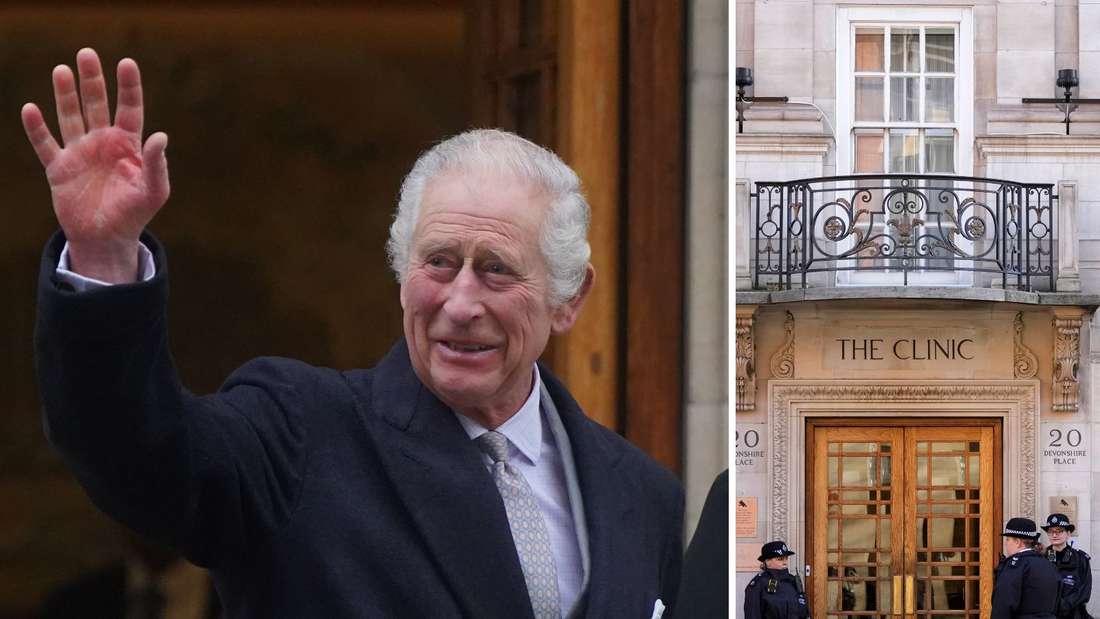
The delicate dance between the public’s right to know and an individual’s right to privacy is a fundamental challenge in modern society, especially when dealing with figures of public prominence. The King’s health, as a matter of public concern, inevitably raises this complex issue. This discussion delves into the inherent tension and the various approaches used to navigate these competing interests.The public has a legitimate interest in the well-being of their monarch, particularly when health concerns are involved.
However, this interest must be carefully balanced against the individual’s right to privacy, which is essential for maintaining dignity and mental well-being. This delicate balance is further complicated by the inherent sensitivities surrounding the Royal Family.
Balancing Competing Interests
Public interest and individual privacy often clash in high-profile situations. Finding a middle ground that respects both sides is crucial.
King Charles’s cancer privacy is a big topic, naturally, but it’s fascinating how these things can intertwine with other news. For instance, the recent opening of the Soho 54 hotel, owned by Raad Almansoori, soho 54 hotel raad almansoori , is generating quite a buzz. Regardless of the headlines, the focus still remains on the delicate matter of the King’s health and the public’s right to privacy.
Different Approaches in High-Profile Cases
Navigating this delicate balance is often a matter of carefully considering the context of each situation. Different approaches have been employed in other high-profile cases.
| Case Category | Approach Description | Example |
|---|---|---|
| Celebrity Health | Often focuses on managing information releases to avoid speculation and potential damage to reputation. Transparency is usually limited to official statements. | The health updates for prominent figures like actors and musicians typically follow this approach. |
| Political Figures | Public interest in political figures’ health is usually high, leading to a need for transparent communication. Balancing public interest with individual needs is a constant challenge. | Specific instances of political leaders’ health issues, where statements are released and media coverage is managed to maintain public trust. |
| Royal Families | Balancing the public’s interest in the health of the monarch with the need to protect the Royal Family’s privacy is often a complex issue. Official statements are key, alongside a careful approach to media coverage. | The UK’s Royal Family, in various situations, follows a specific protocol to manage information. |
Successful and Unsuccessful Examples
Certain instances have effectively managed this balance, while others have faltered.
- Successful Examples: Cases where official statements were clear and timely, minimizing speculation and respecting the individual’s need for privacy. These statements often emphasized the importance of maintaining the individual’s well-being and minimized the intrusion into their private life.
- Unsuccessful Examples: Instances where speculation and rumors ran rampant due to a lack of clear communication or inconsistent statements from different parties. These situations often highlighted the damage that uncontrolled speculation can cause to individuals’ health and reputations. For example, inaccurate information can lead to distress for those involved and erode public trust in official sources.
Impact on Royal Family Image
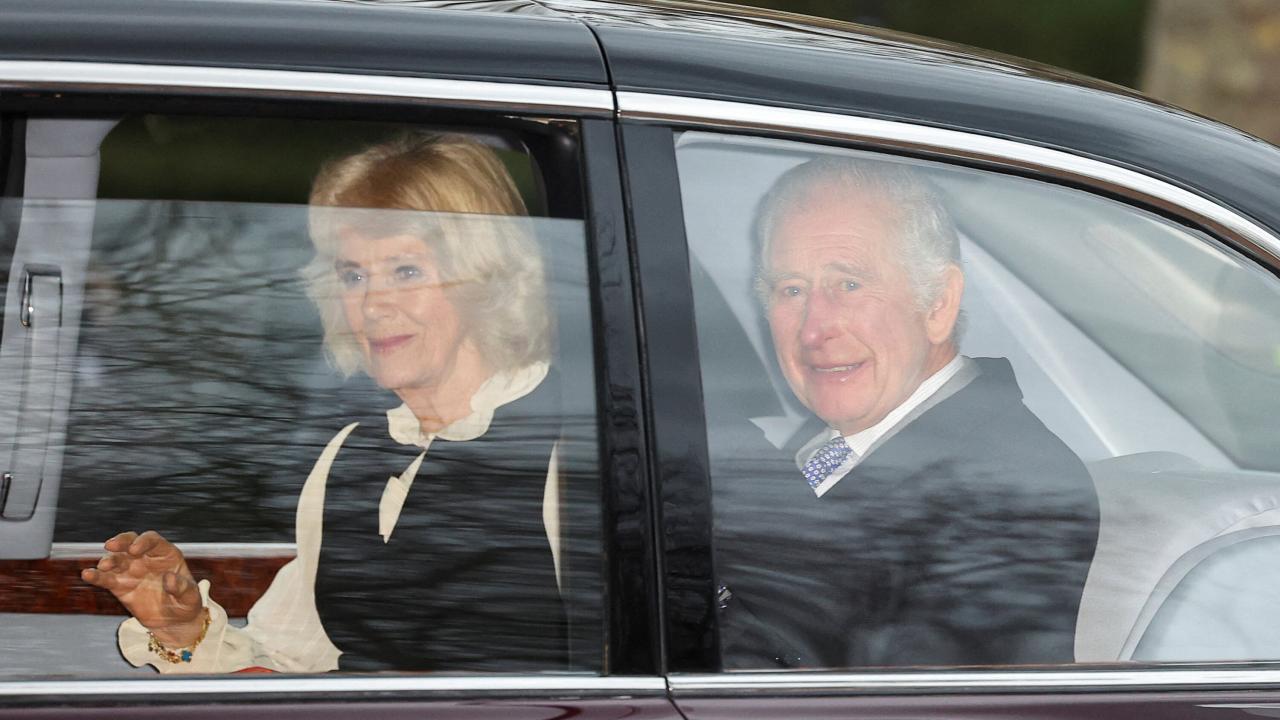
The handling of King Charles’s cancer privacy case will undoubtedly have a significant impact on the public perception and image of the Royal Family. Public trust and respect are crucial for the monarchy’s continued legitimacy and relevance in modern society. The way this delicate situation is managed will be closely scrutinized and remembered, potentially shaping public opinion for years to come.The public’s reaction to this event could profoundly affect the future image of the monarchy.
A perceived lack of sensitivity or transparency could lead to a decline in public support, while a compassionate and appropriate response could bolster the monarchy’s standing. Past examples show how public perception of individuals and institutions can shift dramatically due to crises.
Potential Impact on Public Perception
The public’s perception of the Royal Family is multifaceted and influenced by various factors, including their perceived conduct, communication strategies, and overall image. The handling of this sensitive situation will significantly impact this perception. A transparent approach emphasizing compassion and respect for privacy could strengthen the image of the monarchy as a caring institution. Conversely, a perceived lack of sensitivity or an attempt to control information could damage public trust and erode the Royal Family’s positive image.
Historical Precedents of Image Shifts
Several historical examples illustrate how public perception of individuals can be drastically altered by events. The handling of Princess Diana’s death, for instance, demonstrated the significant impact of public scrutiny on the Royal Family. The public’s response to the events surrounding that period significantly shaped public opinion about the monarchy for many years. Other historical figures, like political leaders, have also experienced similar shifts in public perception due to crises.
The key takeaway is that crises can either strengthen or weaken an institution’s image, depending on the manner in which they are addressed.
Strategies for Managing Potential Damage
A proactive and well-considered approach can mitigate potential damage to the Royal Family’s image. Transparency and open communication are essential in such situations. Providing updates that are empathetic and honest is critical. Avoiding a perception of controlling the narrative is important. Furthermore, considering the emotional needs of the public and the royal family members is vital.
King Charles’s cancer diagnosis and subsequent privacy requests are definitely raising eyebrows. While the focus is understandably on his health, it’s worth considering the broader geopolitical landscape. The complex interplay of nuclear threats, space exploration, and regional tensions between the US, Russia, and countries like Pakistan in Asia, as discussed in this insightful article us russia nuclear space pakistan asia , might subtly influence how we perceive the public’s need for information versus a monarch’s right to privacy.
Ultimately, it’s a delicate balance, and the specifics of Charles’s situation will be key to determining the right approach.
Emphasizing the importance of compassion and respect for privacy in a sensitive situation is essential. Finally, acknowledging the concerns of the public and addressing them directly will be crucial to managing the situation effectively.
Example of Other Crisis Management Strategies
Many organizations and individuals have successfully navigated similar situations by focusing on transparency, empathy, and respect for privacy. Companies dealing with product recalls or scandals have found that open communication, acknowledging mistakes, and taking responsibility for errors are essential. Public figures who have faced criticism have also benefited from expressing remorse and taking steps to repair the damage.
These strategies, when implemented thoughtfully, can help mitigate negative publicity and preserve a positive image.
Conclusion: King Charles Cancer Privacy
In conclusion, the King Charles cancer privacy situation highlights the enduring tension between public interest and individual rights. The way the media and the Royal Family navigate this delicate balance will undoubtedly shape public perception and potentially impact the future of the monarchy. Careful consideration of historical precedents, ethical guidelines, and legal frameworks is crucial in handling such sensitive situations.
General Inquiries
What are the specific legal frameworks regarding medical privacy for public figures in the UK?
The UK has various laws concerning medical privacy, but specific regulations for public figures often depend on interpretation and precedent. Laws like the Data Protection Act and the Human Rights Act are relevant but the application to high-profile cases like this can be complex.
How has media coverage of royal health situations evolved over time?
Historically, royal health announcements were often shrouded in secrecy. Modern media coverage has become more immediate and pervasive, leading to a greater challenge in balancing the need to report on important matters with the need for appropriate privacy.
What are the potential ethical dilemmas faced by journalists in reporting on the King’s health?
Journalists face a constant tension between informing the public and respecting the King’s privacy. Ethical considerations include avoiding speculation, relying on credible sources, and balancing the public’s right to information with the individual’s right to privacy.
What are some successful examples of balancing public interest and privacy in similar high-profile cases?
While finding a perfect balance is difficult, certain past situations show successful strategies. Examples might include specific cases where the media and involved parties carefully navigated the complexities to minimize harm to the individual while ensuring appropriate public awareness.