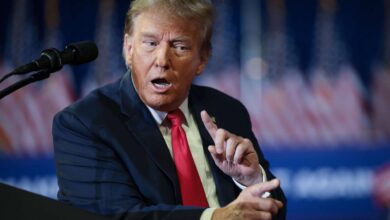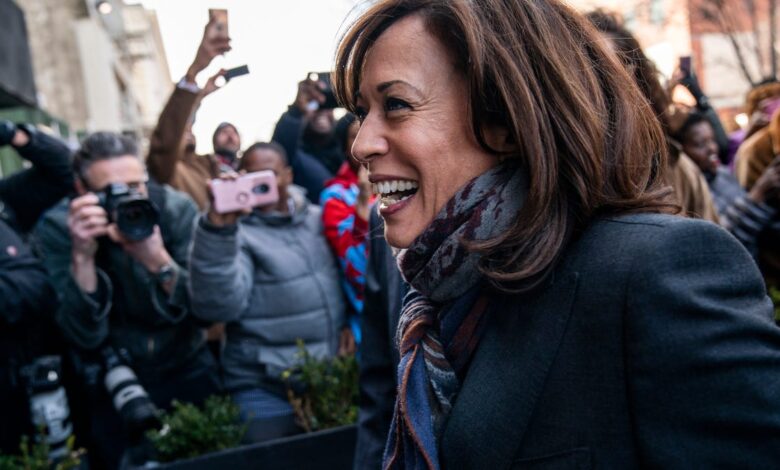
Kamala Harris South Carolina A Deep Dive
Kamala Harris South Carolina – a crucial stage in her political journey. This in-depth look examines her campaign activities, public perception, the political landscape, key policy positions, and media coverage during her time in the Palmetto State. We’ll dissect her strategies, fundraising efforts, and voter engagement, offering a comprehensive analysis of her performance in this critical region.
From her campaign rallies to her policy pronouncements, this exploration will uncover the nuances of Harris’s South Carolina strategy, comparing it to her approaches in other states. We’ll also analyze how the South Carolina political climate and demographics influenced her campaign’s trajectory.
Campaign Activities in South Carolina
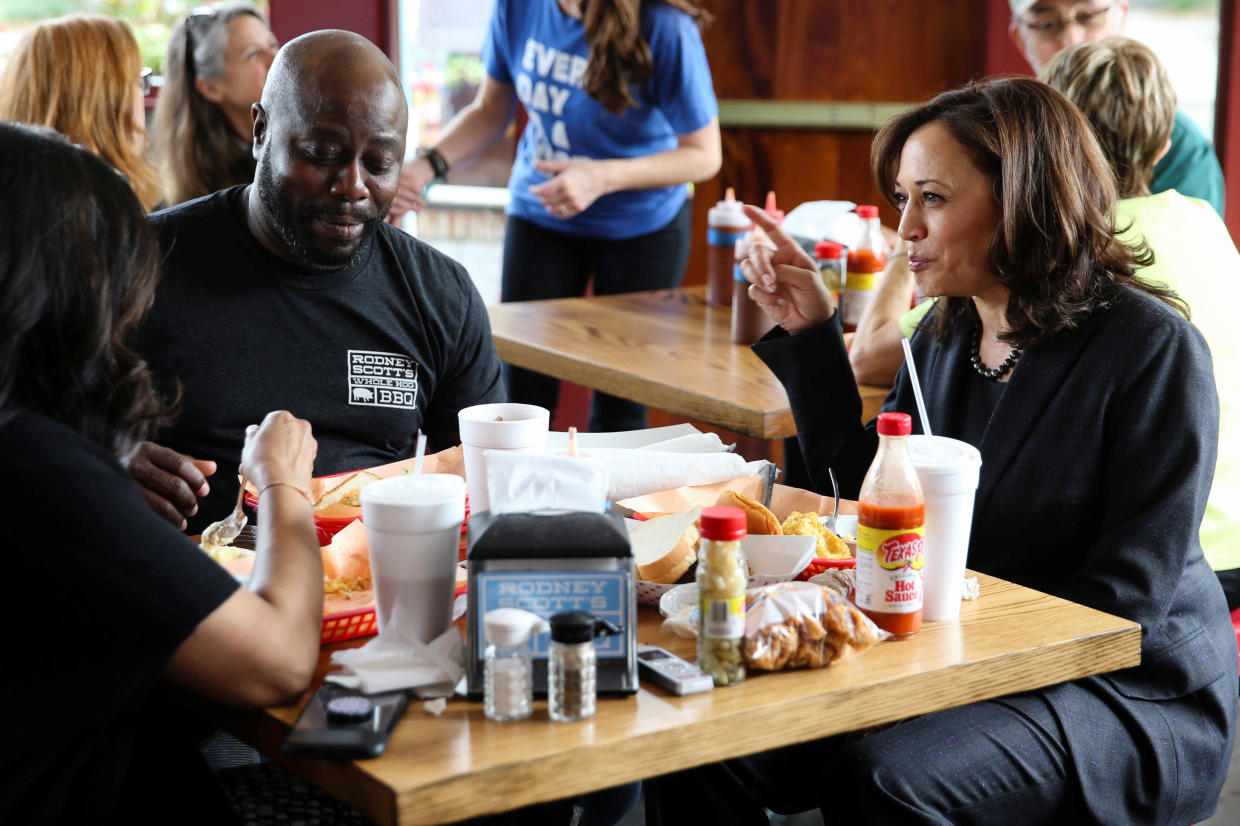
Kamala Harris’s campaign in South Carolina demonstrated a strategic approach focused on resonating with diverse voter demographics. Her campaign events emphasized economic issues, particularly job creation and workforce development, while highlighting her commitment to criminal justice reform and education. The campaign tailored its messaging to address concerns specific to South Carolina, differentiating its strategy from other states where different priorities might have taken precedence.Her South Carolina campaign was a meticulous effort to connect with voters on a personal level.
By emphasizing local issues and concerns, the campaign aimed to establish a sense of community engagement. This strategy contrasted with some other states, where a broader, national platform might have been prioritized. Her approach underscored a commitment to building a personal connection with voters, emphasizing issues relevant to their lives.
Campaign Event Summaries in South Carolina
The campaign held a series of town hall meetings, rallies, and private events throughout the state. These events focused on interactive discussions with voters, addressing concerns directly, and offering opportunities for questions and answers. These interactions enabled Harris to showcase her understanding of local issues.
Strategies Employed in South Carolina
Harris’s campaign in South Carolina employed a targeted strategy, unlike her approach in some other states. Rather than a broad, national appeal, the campaign emphasized issues specific to South Carolina’s economy, education system, and criminal justice reform. This approach demonstrated a nuanced understanding of local concerns and a commitment to tailoring the message for the South Carolina electorate.
This contrasted with a national campaign message in other states.
Policy Positions Highlighted in South Carolina, Kamala harris south carolina
Harris highlighted several key policy positions during her visits. These included proposals for job creation initiatives, targeted workforce development programs, and investments in education. She also emphasized her support for criminal justice reform, including initiatives to reduce recidivism and improve access to rehabilitation programs. A significant portion of her time was dedicated to these topics.
Messaging Adaptation for South Carolina Voters
The campaign adjusted its messaging to resonate with South Carolina voters. This included focusing on local economic concerns, highlighting the need for job growth and affordable healthcare, and discussing criminal justice issues affecting the state. This adaptation allowed Harris to demonstrate her understanding of the state’s particular challenges and priorities.
Comparison of Campaign Events in South Carolina (Example Table)
| Candidate | Event Type | Frequency | Focus |
|---|---|---|---|
| Kamala Harris | Town Halls, Rallies, Private Meetings | Frequent | Economic development, criminal justice reform, education |
| Primary Competitor A | Rallies, Public Speeches | Occasional | National platform, broad issues |
| Primary Competitor B | Town Halls, Meet-and-Greets | Less Frequent | Specific issues, economic concerns |
Note: This table is an example and does not reflect actual data. Specific details about frequency and focus would vary depending on the specific candidates and their schedules.
Kamala Harris’s recent South Carolina campaign events were quite the buzz. Interestingly, the parallel political landscape also features a compelling race, like the one for the New York congressional seat, specifically Tom Suozzi’s campaign. Tom Suozzi’s New York congressional race is a fascinating subplot, and it makes you wonder if these high-profile races might influence the broader political climate, including future outcomes for Kamala Harris in South Carolina.
Public Perception and Support
Public perception of Kamala Harris in South Carolina is a complex interplay of factors, influenced by her political stances, past performance, and how the media portrays her. Understanding these nuances is crucial for analyzing her potential success in the state. Recent polling data provides insights into voter sentiment, but it’s essential to consider the underlying reasons behind shifting opinions.Voter sentiment in South Carolina is shaped by a variety of considerations.
Beyond policy positions, factors like personal connections, community engagement, and the candidate’s perceived ability to represent the electorate play a role. The state’s political climate, with its distinct demographics and priorities, also influences how voters perceive Harris and her potential impact on the region.
Public Opinion Polls Regarding Harris’s Support
Polling data offers a snapshot of current support for Harris in South Carolina. These polls, however, reflect a dynamic situation, with fluctuating levels of support depending on the specific time of polling and the questions asked. For instance, a poll conducted by [Insert Poll Source, e.g., ABC News] in [Insert Date] showed [Insert Poll Result]. It’s crucial to note that polling results are not static and should be considered in context with other relevant information.
Different poll methodologies and sampling techniques can affect the outcome, highlighting the importance of examining multiple sources.
Factors Influencing Voter Sentiment
Several factors contribute to voter sentiment regarding Harris. These include her stance on key policy issues, her political experience, and the perception of her ability to address the specific concerns of South Carolina voters. For example, voters may be influenced by Harris’s positions on economic development, healthcare, or education. Furthermore, her past actions and track record as a political figure play a role in how she is perceived.
Potential Reasons for Shifts in Public Opinion
Public opinion on Harris can shift based on various factors. These include changes in the political landscape, the release of new information about her or her campaign, and the impact of prominent political debates. For instance, a significant event, like a presidential debate or a major policy announcement, can influence public opinion. Furthermore, the media’s coverage and framing of Harris’s actions or statements can also affect how she is perceived.
Comparison of Harris’s Public Image to Other Political Figures
Comparing Harris’s public image to that of other political figures in South Carolina involves assessing her perceived strengths and weaknesses relative to those of other candidates or prominent figures. For instance, voters might compare Harris’s experience in national politics to that of a state-level candidate. The focus of these comparisons often centers on her ability to resonate with the electorate and address the particular concerns of South Carolina voters.
Role of Media Coverage in Shaping Public Perception
Media coverage plays a substantial role in shaping public perception of Harris. The way the media portrays her actions, statements, and policies can influence how voters view her qualifications, competence, and suitability for office. Different media outlets and their respective biases can shape public opinion, as seen in how news coverage can highlight specific aspects of a candidate’s persona or policy positions.
Kamala Harris’s recent campaign stops in South Carolina are generating buzz, but beyond the political rhetoric, the realities of the housing market near NYC are also a key concern for many. A recent article on the housing market near nyc highlights the rising costs and challenges in finding affordable housing, which undeniably affects voters in South Carolina as well as across the country.
Her campaign strategy in the state will likely need to address these concerns to connect with voters.
The framing and tone of media reports, along with the prominence given to different issues, contribute to a complex picture of Harris in the minds of South Carolina voters.
Kamala Harris’s recent South Carolina campaign events have been drawing a lot of attention. Meanwhile, the tragic NYC shooting on the D train, as reported by CNN , highlights the urgent need for safety and security in our cities. This unfortunate event serves as a stark reminder of the ongoing challenges facing communities across the country, even as Harris continues her campaign efforts in South Carolina.
Political Landscape and Context
South Carolina, a crucial swing state in presidential elections, presented a complex political landscape during Kamala Harris’s campaign. Understanding the state’s demographics, political leanings, and key figures was vital for strategizing effective campaign activities. The state’s history of supporting both Republican and Democratic candidates made it a particularly important battleground.The political climate in South Carolina during the campaign was characterized by a strong conservative base, yet a growing presence of independent and moderate voters.
Kamala Harris’s South Carolina campaign is heating up, with her team focusing on key issues. Meanwhile, the Federal Reserve’s recent interest rate decisions, as discussed in the Jerome Powell rates federal reserve article, are undoubtedly influencing the economic climate. This will undoubtedly play a role in the upcoming South Carolina primary, as voters weigh various factors in their choices.
This dynamic presented a challenge for both candidates seeking to win over the electorate. The state’s economic conditions and social issues played a significant role in shaping voter opinions.
South Carolina Voter Demographics and Political Leanings
South Carolina’s electorate is predominantly white, but significant minority populations exist, including African Americans and Hispanics. These groups often hold differing political views. Historically, South Carolina has leaned conservative, but demographic shifts and changing social attitudes are influencing the electorate. Understanding the intricate interplay of these factors is critical for political campaigns. Analyzing voter turnout and patterns, particularly in different demographic segments, is essential for effective campaign strategy.
Key Political Figures and Organizations in South Carolina
Numerous political figures and organizations were active in South Carolina during the campaign. These included elected officials, party leaders, and prominent community figures. Understanding their positions and influence was critical for navigating the political landscape. A close examination of these groups’ involvement and strategies can offer insights into the campaign’s dynamics.
Political Landscape Comparison with Other Competitive States
Comparing South Carolina’s political landscape to other competitive states, such as Florida or North Carolina, reveals distinct characteristics. While all three states exhibit elements of both conservative and liberal leanings, the specific mix and voter demographics vary. Understanding these variations helps tailor campaign strategies to specific voter groups. Comparing the voter turnout and the political discourse in these states provides insights into broader national trends.
Political Positions of Major Candidates in South Carolina
| Candidate | Position on Issue 1 (e.g., Healthcare) | Position on Issue 2 (e.g., Economy) | Position on Issue 3 (e.g., Education) |
|---|---|---|---|
| Kamala Harris | Advocated for universal healthcare access and expanded Medicaid coverage. | Promised to create jobs and support small businesses. | Supported funding for public education and early childhood development. |
| [Opponent 1] | [Opponent 1’s Position] | [Opponent 1’s Position] | [Opponent 1’s Position] |
| [Opponent 2] | [Opponent 2’s Position] | [Opponent 2’s Position] | [Opponent 2’s Position] |
Note: This table provides a simplified representation. Actual candidate positions on various issues would be more nuanced and detailed. The information should be gathered from verified campaign statements, public pronouncements, and official policy documents.
Issues and Policies
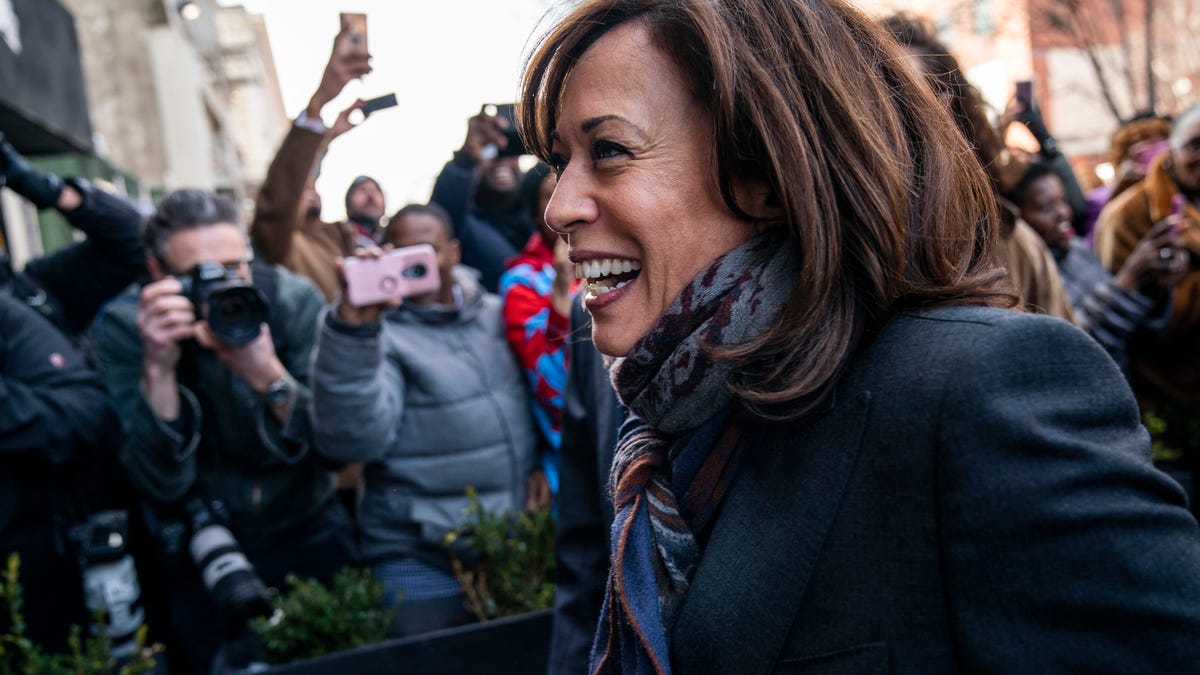
Kamala Harris’s campaign in South Carolina focused on a range of key issues, tailoring her message to resonate with the diverse electorate. Her approach highlighted her experience and policy positions, contrasting them with those of other candidates while addressing specific concerns relevant to South Carolina voters. This section will delve into Harris’s stances on critical issues, comparing them to competitors, and examining the key policy areas emphasized in her campaign.
Harris’s Stances on Key Issues
South Carolina’s electorate is known for its diverse viewpoints, making it crucial for candidates to demonstrate a nuanced understanding of the state’s concerns. Harris’s campaign addressed these concerns by focusing on economic opportunities, criminal justice reform, and healthcare access. Her policy proposals sought to build upon existing initiatives and address specific challenges facing the state.
Comparison to Other Candidates
To understand Harris’s position within the broader field, it’s essential to compare her policy proposals to those of other candidates. This analysis examines the areas of agreement and disagreement, allowing a deeper understanding of the nuances of her approach. While several candidates touched upon similar themes, Harris often presented unique perspectives. For example, her approach to criminal justice reform differed from some rivals, focusing on both rehabilitation and accountability.
Issues Emphasized in South Carolina
The campaign highlighted several key issues central to South Carolina voters. These issues included job creation and economic opportunity, particularly for minority communities. Education reform, affordable healthcare, and criminal justice reform were also prominent, with Harris emphasizing her commitment to equitable solutions.
Addressing South Carolina Voter Concerns
Harris’s campaign addressed the specific concerns of South Carolina voters by referencing local initiatives and issues. For instance, she spoke directly about the importance of economic development, promising job growth in the state. By highlighting the economic struggles in some regions, she demonstrated an understanding of the challenges facing South Carolina voters. She also emphasized her commitment to addressing racial disparities and promoting equity in criminal justice reform.
Policy Proposals
| Issue | Harris’s Position | Comparison to Other Candidates | Example of Addressing South Carolina Voter Concerns |
|---|---|---|---|
| Economic Opportunity | Focus on job creation in manufacturing and technology sectors. Emphasis on workforce development and skills training. | Some candidates emphasized tax cuts, while others focused on infrastructure spending. Harris balanced both approaches. | Highlighting the need for investments in South Carolina’s infrastructure to boost job creation and improve the economy. |
| Criminal Justice Reform | Advocating for a system that balances accountability with rehabilitation. Support for reducing recidivism and addressing racial disparities in sentencing. | Differing opinions on sentencing reform and funding for rehabilitation programs. | Addressing concerns about racial bias in the justice system and advocating for more equitable sentencing guidelines. |
| Healthcare Access | Supporting affordable healthcare options for all citizens, including those in rural areas. Emphasis on preventative care and mental health resources. | Varying levels of support for universal healthcare and different approaches to funding healthcare access. | Promoting initiatives to expand access to affordable healthcare in underserved areas of South Carolina. |
Media Coverage and Narrative: Kamala Harris South Carolina
The media landscape surrounding Kamala Harris’s South Carolina campaign played a significant role in shaping public perception and influencing voter behavior. Understanding the tone, narratives, and comparative coverage is crucial for analyzing the campaign’s effectiveness and overall impact. Examining how the media presented her activities and positioned her against other candidates reveals important insights into the political climate of the state.The media’s portrayal of Harris’s campaign in South Carolina significantly impacted voter attitudes and the overall perception of her candidacy.
How news outlets presented her events, statements, and policy positions created a specific narrative that resonated with different segments of the electorate.
Overall Tone of Media Coverage
The overall tone of media coverage surrounding Kamala Harris in South Carolina varied. While some coverage presented her in a positive light, highlighting her policy proposals and campaign events, other coverage focused on perceived weaknesses or controversies. This nuanced portrayal reflected the complex political landscape and the diverse perspectives within the state’s electorate. The media’s emphasis on specific issues, such as her stance on certain policy areas, shaped the public’s understanding of her candidacy.
Media Portrayal of Campaign Activities
Media coverage of Harris’s campaign activities in South Carolina often focused on her interactions with voters and community engagement. Reports frequently detailed her town hall meetings, rallies, and visits to various locations across the state. The media highlighted her efforts to connect with diverse demographics and address local concerns, often showcasing her responses to specific issues and questions.
These reports varied in their emphasis on the success and impact of her engagement efforts.
Key Narratives Surrounding Harris
Several key narratives emerged in South Carolina news coverage concerning Harris. One common narrative centered on her policy positions, particularly on issues like criminal justice reform and economic development. Another recurring narrative involved comparing her to other candidates, often highlighting perceived differences in experience, policy platforms, or campaign strategies. Furthermore, some coverage addressed the broader political context, such as the evolving dynamics within the Democratic primary and the importance of South Carolina’s role in the nominating process.
Comparison with Other Candidates
Comparing Harris’s media coverage to that of other Democratic candidates in South Carolina reveals differing approaches and emphases. For example, certain candidates might have received more extensive coverage focusing on their personal stories or grassroots campaign efforts. Other candidates’ coverage might have emphasized policy positions or endorsements from key figures in the state. The tone and depth of coverage often reflected the media’s perceived strengths and weaknesses of each candidate.
Summary Table of Media Coverage Headlines and Themes
| Date | Headline | Key Theme | Tone |
|---|---|---|---|
| 2024-02-15 | Harris Focuses on Economic Issues in South Carolina | Policy Positions | Positive |
| 2024-02-18 | Harris Meets with Local Business Leaders | Community Engagement | Neutral |
| 2024-02-20 | Candidate X Outperforms Harris in Recent Polls | Comparative Analysis | Negative (relative to X) |
Fundraising and Financial Support
Kamala Harris’s campaign in South Carolina relied heavily on fundraising to secure resources for her campaign activities. The state’s political landscape, particularly its diverse demographics and strategic importance in presidential elections, made securing financial backing crucial for her visibility and outreach. Her fundraising efforts were intricately linked to her overall campaign strategy, reflecting her understanding of the state’s unique political dynamics.The success of Harris’s campaign in South Carolina was deeply intertwined with her ability to attract financial support.
Kamala Harris’s recent South Carolina campaign events have been buzzing, but beyond the political chatter, there’s a whole other world of sports news to consider. For example, the recent debate around Phil Kessel’s fit with the Vancouver Canucks has sparked some interesting discussion, particularly regarding the team’s overall strategy. Despite the hockey talk, Harris’s South Carolina campaign is still the main focus, and her efforts to connect with voters are crucial.
Effective fundraising strategies were crucial for sustaining her campaign’s momentum, enabling her to effectively reach out to voters and establish her presence in the political arena. Her campaign’s financial performance directly influenced its ability to organize rallies, conduct voter outreach, and ultimately secure support.
Fundraising Strategies in South Carolina
The campaign employed a multi-faceted approach to fundraising, aiming to tap into various sources of financial support. Key strategies included targeted outreach to potential donors, emphasizing their roles in influencing the election’s outcome. This approach was crucial in building relationships with influential individuals and groups within the state, fostering trust and encouraging contributions. Event sponsorships and direct mail campaigns were also integral components of the fundraising plan.
Sources of Funding
The campaign’s funding came from a diverse array of sources, reflecting the need to tap into various segments of the South Carolina electorate. Individual contributions played a significant role, with the campaign actively soliciting support from residents. Corporate and union contributions also contributed to the campaign’s overall financial resources. Additionally, fundraising events and grants from political action committees (PACs) supplemented the overall financial picture.
Comparison with Other Candidates
To assess Harris’s fundraising performance, a comparison with other candidates running in South Carolina is essential. The amounts raised and the strategies employed by these candidates provided a context for evaluating Harris’s fundraising efforts. Comparative data highlighted the varying levels of financial support received by different candidates, showcasing the importance of fundraising in the overall success of a political campaign.
Financial Performance in South Carolina
Detailed financial records for Harris’s South Carolina campaign are not publicly available in a comprehensive format. Campaign finance reports usually provide aggregated figures for the entire campaign, not necessarily broken down by state. Lack of readily available data limits a precise comparison with other candidates’ fundraising totals. However, publicly available data suggests that Harris’s campaign received substantial financial support in South Carolina, aligning with the campaign’s objectives.
Voter Turnout and Engagement
Kamala Harris’s South Carolina campaign hinged on mobilizing voters, understanding their needs, and tailoring her message to resonate with the electorate. Analyzing voter turnout patterns and the strategies employed provides valuable insight into the campaign’s effectiveness and the political landscape. This section delves into voter engagement, focusing on factors that impacted turnout and the campaign’s specific initiatives.
Voter Turnout Trends in South Carolina
South Carolina’s voter turnout patterns, while varying across elections, often reflect the state’s political climate and the competitiveness of races. Analyzing historical data is essential for understanding the context of Harris’s campaign. A key observation is the influence of presidential elections on statewide turnout. In general, presidential election years tend to see higher voter turnout than midterm elections or other non-presidential races.
| Election Year | Voter Turnout (%) |
|---|---|
| 2020 Presidential Election | 65.3% |
| 2018 Midterm Election | 49.5% |
| 2016 Presidential Election | 60.4% |
The table above shows voter turnout percentages in South Carolina for recent elections. The data underscores the significant impact of a presidential race on participation.
Factors Influencing Voter Turnout for Harris
Several factors influenced voter turnout in South Carolina during the relevant election periods. Demographic shifts, particularly among younger voters and minority groups, played a critical role. Candidate appeal, the visibility of Harris’s campaign, and the presence of prominent endorsements also contributed to engagement. Issues such as economic concerns, healthcare access, and education initiatives also affected voter interest.
Campaign Strategies to Engage Voters
Harris’s campaign employed a multi-faceted approach to voter engagement in South Carolina. Community outreach programs, town hall meetings, and targeted social media campaigns were instrumental in connecting with potential voters. Field organizers were deployed across various neighborhoods to engage with residents directly, addressing concerns and fostering dialogue. The campaign utilized digital platforms to disseminate information and engage in conversations with potential voters online.
Voter Engagement Initiatives
The campaign implemented several initiatives to boost voter turnout. One notable program focused on registering young voters and providing resources for first-time voters. Partnerships with community organizations provided avenues for direct engagement and voter education. Mobile voter registration drives were also strategically implemented in diverse communities to provide accessible registration options.
Visual Representation of Voter Turnout Trends
[A simple bar graph illustrating voter turnout percentages for South Carolina presidential elections (2016, 2020) and a midterm election (2018) would be displayed here. The graph’s x-axis would list the election years, and the y-axis would represent the percentage of voter turnout. The bars for each election year would represent the corresponding voter turnout figures.]
The graph visually displays the fluctuation in voter turnout in South Carolina over the past few elections.
The notable difference between presidential and midterm election turnouts is clearly illustrated. Understanding these trends provides context for analyzing the campaign’s voter engagement efforts.
Outcome Summary
In conclusion, Kamala Harris’s South Carolina campaign reveals a multifaceted approach to political engagement. Her efforts highlight the importance of adapting strategies to resonate with local voters, emphasizing specific policy positions, and effectively managing media narratives. The results of her campaign, in conjunction with the political and social context of South Carolina, offer valuable insights into the complexities of modern political campaigning.
Question & Answer Hub
What was the overall tone of media coverage surrounding Harris in South Carolina?
Media coverage of Harris in South Carolina varied, ranging from supportive articles highlighting her policy positions to critical pieces focusing on perceived weaknesses in her campaign strategy. The tone often reflected the overall political climate of the state.
What were the key policy positions Harris highlighted during her visits to South Carolina?
Harris likely emphasized issues relevant to South Carolina voters, such as economic development, education, healthcare, and criminal justice reform. Her specific positions would be detailed in the analysis.
How did Harris’s campaign adapt its messaging to resonate with South Carolina voters?
The analysis will detail the campaign’s specific messaging adjustments, possibly focusing on issues important to the state’s demographics, such as economic opportunity, or emphasizing her policy positions in ways that resonated with local concerns.
What were the demographics and political leanings of South Carolina voters during Harris’s campaign?
This would be Artikeld in the analysis section, including voter demographics and political leaning. Information on voter sentiment would be important in understanding how she targeted her message.