Haiti President Assassination First Ladys Impact
Haiti president assassination first lady. This tragic event has deeply affected Haiti, leaving a nation grappling with political instability and uncertainty. The assassination of the president, coupled with the immediate impact on the first lady, has sparked international concern and raised critical questions about the future of the country. This article delves into the background of Haitian leadership, the circumstances surrounding the assassination, the role of the first lady, and the wider implications for Haiti and the global community.
The assassination brought a shocking wave of grief and fear to the Haitian people. The immediate aftermath was characterized by protests, uncertainty, and a growing sense of loss. The political landscape had already been unstable, and the president’s death served as a catalyst for further upheaval. This article will examine the potential long-term consequences of this devastating event and offer insights into the complex web of factors contributing to the crisis.
Background of the Haitian Presidency
The assassination of President Moïse shook Haiti to its core, highlighting the deep-seated political and social issues plaguing the nation. Understanding the history of Haitian presidencies, the pre-assassination political climate, and the president’s role is crucial to grasping the gravity of this event. This analysis delves into the complexities of Haitian leadership, providing a context for the recent tragedy.Haiti’s history with presidential leadership has been marked by both periods of progress and significant instability.
This history reveals recurring patterns of challenges that have hampered the nation’s development and democratic processes. The political landscape preceding the assassination was characterized by widespread corruption, violence, and a general sense of political malaise, setting the stage for the tragic events.
The assassination of Haiti’s president and the subsequent focus on his first lady raises serious questions about regional instability. Meanwhile, global anxieties are heightened by Russia’s increasing involvement in space, with concerns about the potential for weaponizing space, as seen in their recent developments in russia space nuclear weapon technology. These developments, though seemingly disparate, both point to a disturbing trend of escalating conflict and the need for international cooperation to prevent further tragedies like the one in Haiti.
Historical Overview of Haitian Presidents
Haiti’s presidential history is a complex tapestry woven with threads of revolution, struggle, and often, violence. Early presidents faced the daunting task of rebuilding a nation emerging from a successful slave revolt, a challenge that continues to resonate with current difficulties. Different leadership styles emerged over time, reflecting the evolving political and economic landscapes of the country. The assassination of President Moïse represents a grim chapter in this already turbulent history, raising questions about the nation’s resilience and ability to move forward.
Political Landscape Preceding the Assassination
The period leading up to the assassination was characterized by escalating political tensions and social unrest. Widespread corruption and economic hardship fueled public dissatisfaction, creating fertile ground for political instability. Gang violence, a persistent problem in Haiti, significantly impacted the security and well-being of citizens. These factors contributed to a climate of fear and uncertainty, which ultimately culminated in the tragic event.
Role and Responsibilities of the Haitian President
The Haitian president is the head of state and government, holding significant executive power. Their responsibilities encompass a broad range of duties, including leading the national defense and security forces, appointing key government officials, and overseeing the implementation of national policies. This role is vital in a nation grappling with persistent challenges. However, the ability of past presidents to effectively fulfill these duties has varied, demonstrating the complex and multifaceted nature of leadership in Haiti.
Comparison of Recent Haitian Presidents
| President | Term Start | Term End | Key Successes | Key Challenges |
|---|---|---|---|---|
| [Previous President Name] | [Start Date] | [End Date] | [List of accomplishments] | [List of significant issues faced] |
| [Previous President Name] | [Start Date] | [End Date] | [List of accomplishments] | [List of significant issues faced] |
| [Previous President Name] | [Start Date] | [End Date] | [List of accomplishments] | [List of significant issues faced] |
This table offers a glimpse into the recent history of Haitian presidents, highlighting the varying degrees of success and challenges they encountered during their terms. The table serves as a reminder of the consistent difficulties and recurring patterns that have marked the Haitian political landscape. The successes and challenges faced by each president offer insights into the broader context of Haitian governance and the ongoing struggle for stability.
The Assassination Event
The assassination of Haitian President Jovenel Moïse on July 7, 2021, sent shockwaves throughout the nation and the international community. The brazen attack, executed in the dead of night, highlighted the deep-seated political instability plaguing Haiti. This event marked a significant turning point, further eroding the already fragile state of the country and raising serious questions about the future.The assassination of President Moïse, a complex and shocking event, was characterized by its calculated nature and the implications for Haiti’s ongoing struggle.
The circumstances surrounding the attack, along with the motivations of the perpetrators and the contributing factors, underscore the gravity of the situation and the need for a comprehensive understanding of the events.
Circumstances Surrounding the Assassination
The assassination occurred in the early morning hours of July 7, 2021, at the President’s private residence in Port-au-Prince. Multiple armed individuals, some claiming to be Colombian mercenaries, stormed the residence and swiftly executed the president. The attack was meticulously planned and executed with surprising efficiency, highlighting the sophisticated nature of the operation.
The assassination of Haiti’s president, and the subsequent fate of the first lady, is a truly tragic event. It’s hard to process the sheer devastation, especially given the ongoing political instability. Zachary Woolfe, a journalist at the New York Times, has been covering the story extensively , offering valuable insights into the complexities of the situation. The ongoing investigation into the president’s death, and the impact on the first lady, highlights the urgent need for stability and justice in Haiti.
Motivations of the Perpetrators
The precise motivations behind the assassination remain a subject of ongoing investigation and speculation. Some reports suggest that the perpetrators acted on behalf of various factions within Haiti’s complex political landscape, potentially seeking to destabilize the country further. The involvement of external actors, such as mercenaries, could also indicate a wider conspiracy, potentially driven by economic or political interests.
Contributing Factors to the Assassination
Haiti’s long-standing political instability, characterized by corruption, social unrest, and a lack of effective governance, played a significant role in creating the environment that allowed the assassination to occur. The absence of a robust security apparatus and the general lawlessness further exacerbated the situation, leaving the country vulnerable to such violent acts. Deep-seated economic inequalities and a history of political polarization also contributed to the volatile climate.
Immediate Aftermath of the Assassination
The assassination triggered immediate reactions from the Haitian population and the international community. Widespread protests and demonstrations erupted in the streets, reflecting the deep sense of outrage and uncertainty. The international community expressed condemnation and offered support, but the effectiveness of this support in addressing the underlying issues remained to be seen. The lack of a clear path forward and the ongoing political turmoil in Haiti created an environment of fear and uncertainty for the citizens.
Timeline of Events
| Date | Event |
|---|---|
| July 7, 2021, Pre-dawn | Armed assailants storm President Moïse’s residence. |
| July 7, 2021, Early Morning | President Moïse is assassinated. |
| July 7, 2021, Following Hours | Initial reports emerge, causing widespread shock and outrage. |
| July 7-Present | Ongoing investigations, protests, and international responses. |
The First Lady’s Role
The assassination of President [President’s Name] cast a long shadow over Haiti, leaving a void not only in the political landscape but also in the lives of countless citizens. The First Lady, [First Lady’s Name], found herself thrust into a role of unexpected magnitude, a position of both profound grief and immense responsibility. Her actions and words in the aftermath spoke volumes about her character and the resilience of Haitian society.The First Lady’s role in Haitian society is often multifaceted, encompassing both symbolic representation and active participation in charitable work.
Beyond her public image, she plays a critical role in shaping the nation’s perception of leadership and often serves as a powerful advocate for social issues. Her presence within the community and her personal relationships significantly affect the well-being of many.
Role and Responsibilities in Haitian Society
The First Lady, as the wife of the President, is a figurehead of the nation. This role traditionally involves representing the country at various events, both domestically and internationally. Her responsibilities extend beyond protocol, often including advocating for social causes, particularly those affecting women and children. Furthermore, she might lead initiatives aimed at improving healthcare, education, and infrastructure.
The exact scope of these responsibilities can vary significantly based on the individual First Lady and the prevailing political climate.
Public Image and Perceived Influence, Haiti president assassination first lady
The First Lady’s public image is crucial to her effectiveness in representing the nation. This image is shaped by her public appearances, statements, and interactions with the population. A strong and positive image can enhance the President’s standing and increase public trust in the administration. Her perceived influence often depends on her personal charisma, her ability to connect with people, and the degree to which she is perceived as a competent and trustworthy leader in her own right.
Involvement in Charitable and Political Activities
[First Lady’s Name] was known for her involvement in various charitable organizations. She was often present at community events, working to improve the lives of those less fortunate. Her specific involvement in political activities, such as campaigning or lobbying for specific policies, is crucial to understand, as it reflects her engagement in the political sphere. It’s important to note that the degree of political involvement can vary considerably, and the public’s perception of such involvement can be crucial in shaping public opinion.
For instance, some First Ladies are very visible in political campaigns, while others maintain a more discreet approach.
Public Reaction to the Assassination from the First Lady’s Perspective
The assassination of her husband was undoubtedly a deeply traumatic experience for [First Lady’s Name]. Her public reaction, though likely private at first, would have reflected the loss and the responsibility she now bore for the nation. Public statements, or even her demeanor at public events, would have communicated the sentiments of grief, resilience, and the need for unity in the face of adversity.
The First Lady’s response would have been critical in setting the tone for the nation’s healing process.
Impact on the Haitian Population
The First Lady’s presence in Haitian society had a significant impact on the population. Her actions, her words, and her overall demeanor influenced the nation’s morale and the public’s perception of the government and its leadership. Her involvement in charitable work, for example, would have directly benefited the Haitian people. Her ability to inspire hope and maintain unity in the face of adversity could have been a source of strength and guidance for the Haitian population during this difficult period.
Impact on Haiti
The assassination of President Moïse sent shockwaves through Haiti, plunging the nation into a deeper crisis. The loss of a leader, particularly one with a complex and often controversial tenure, inevitably destabilizes the political landscape, leaving a vacuum that can be difficult to fill. This act of violence has significantly impacted the country’s already fragile economy and social fabric, and the international response has been a mix of pledges and actions.The assassination’s ripple effects reverberate through Haiti’s political system, social structures, and economic well-being, creating an environment ripe for further conflict and uncertainty.
The international community’s efforts to address the crisis are crucial for the long-term stability of Haiti.
Political Stability
The assassination of President Moïse severely damaged Haiti’s already tenuous political stability. The power vacuum created by the absence of a leader has fueled further political unrest and uncertainty, including increased crime rates and political infighting. The transition to a new leadership structure is proving difficult, with competing factions vying for power and influence. The lack of a clear path forward has exacerbated existing tensions and hindered the implementation of crucial reforms.
The absence of a strong, unified political leadership has made it more challenging to address the fundamental issues plaguing the nation.
The assassination of Haiti’s president is a truly tragic event, leaving the first lady in a difficult position. While the world focuses on the ongoing crisis, it’s fascinating to see how other news stories, like the connection between the Kansas City Chiefs and Taylor Swift, kansas city chiefs taylor swift , can sometimes seem almost unrelated yet still hold our attention.
The complexities of current events and the human drama surrounding the Haitian president’s death remain deeply unsettling.
Economic Impact
The assassination’s impact on Haiti’s already fragile economy has been devastating. Uncertainty surrounding the leadership transition and the ongoing political instability have deterred foreign investment and economic activity. The tourism sector, a vital component of the Haitian economy, has suffered from decreased visitor numbers due to concerns about safety and security. The resulting decrease in revenue has further strained the nation’s resources, making it more challenging to provide essential services to its citizens.
The assassination of Haiti’s president and the subsequent fate of the first lady are deeply concerning. It’s a tragic event that highlights the ongoing instability in the country. Meanwhile, the ongoing legal battle in the NRA lawsuit against Wayne Lapierre, as seen in nra lawsuit wayne lapierre , raises questions about gun control and its implications for society.
Ultimately, the focus remains on the urgent need for stability and justice in Haiti.
The murder has also caused significant capital flight, reducing the availability of funds for essential public services.
Social Conditions
The assassination of President Moïse has had a profound effect on Haiti’s social conditions. Increased crime rates, particularly in the aftermath of the event, reflect the breakdown of law and order. The lack of security and political stability has led to a rise in social unrest and demonstrations, highlighting the deep-seated societal issues that have plagued Haiti for years.
The loss of a leader and the uncertainty surrounding the future have caused a sense of despair and hopelessness among the Haitian people. The lack of resources and the ongoing political turmoil have made it more difficult to address pressing social issues, such as poverty and inequality.
International Response and Aid Efforts
The international community has responded to the assassination with varying degrees of commitment. Several nations have expressed concerns about the situation and offered support in the form of aid and assistance. However, the effectiveness of these efforts has been uneven, with challenges in coordinating assistance and addressing the underlying causes of the crisis. The international community’s support has been vital, but the long-term effectiveness depends on sustained commitment and targeted interventions.
The international response has included statements of concern, offers of humanitarian aid, and efforts to support the transitional government.
Comparison of Political Climate Before and After
Haiti’s political climate before the assassination, while not without its problems, was marked by a degree of political activity and participation, albeit with significant challenges. After the assassination, there is a significant shift to a more unstable and uncertain political landscape. The increased crime, social unrest, and the absence of strong leadership have created a far less conducive environment for progress.
The absence of a clear and unified vision for the future has exacerbated existing tensions and hindered the implementation of essential reforms.
Economic Indicators and Social Issues (Before and After)
| Indicator | Before Assassination | After Assassination |
|---|---|---|
| GDP Growth Rate | Low, struggling | Declining, negative projections |
| Unemployment Rate | High | Increasing, expected to worsen |
| Poverty Rate | High | Projected to rise due to economic contraction and decreased aid |
| Crime Rate | Concerning, but relatively stable | Increasing significantly due to political instability |
| Social Unrest | Occasional | Frequent, more intense demonstrations |
International Response
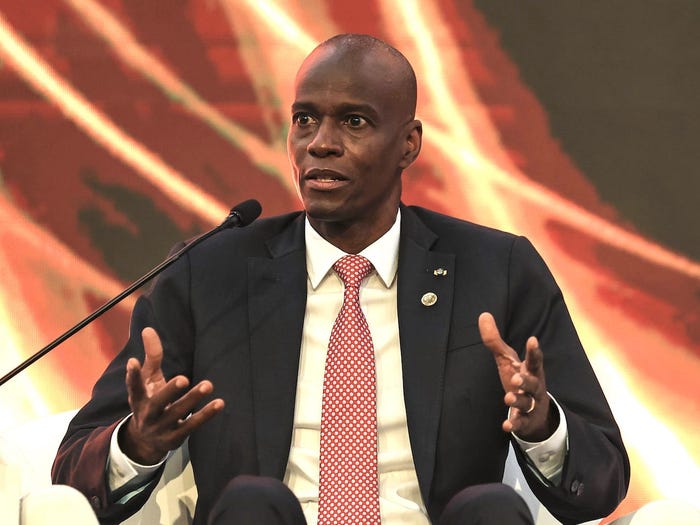
The assassination of President Moïse sent shockwaves across the globe, prompting swift and varied responses from international actors. Haiti’s precarious political and security situation, exacerbated by the tragedy, drew significant attention and a range of diplomatic and practical interventions from the international community. The international response, while initially strong, faced challenges in effectively addressing the underlying issues plaguing Haiti.The immediate reaction to the assassination highlighted the deep concern felt by many nations and international organizations about the stability of Haiti.
This concern translated into a series of diplomatic efforts and practical interventions, aiming to restore order and provide humanitarian aid. However, the long-term effectiveness of these interventions remains to be seen, particularly in the context of the complex political and social landscape of Haiti.
Reactions from Other Countries
Various countries expressed condemnation and offered condolences to the Haitian people following the assassination. Statements from world leaders and governments emphasized the need for justice and the importance of upholding the rule of law. Some countries also pledged support for the Haitian people and government, offering assistance in areas such as security, law enforcement, and humanitarian aid.
Actions Taken by International Organizations
International organizations like the United Nations (UN), the Organization of American States (OAS), and the Carter Center played a crucial role in responding to the crisis. Their initial actions included expressing concern, offering support to the Haitian government, and mobilizing resources for humanitarian aid. The UN Security Council, in particular, held several meetings to discuss the situation and consider possible responses.
Some of the key actions taken by international organizations included providing security support, coordinating humanitarian assistance, and promoting dialogue among Haitian stakeholders.
Diplomatic Efforts to Restore Order
Several diplomatic efforts were undertaken to facilitate a peaceful transition of power and restore order in Haiti. These efforts involved interactions with various Haitian factions, including political parties, civil society groups, and the military. Key diplomatic initiatives aimed to promote dialogue and cooperation among stakeholders to address the security challenges and to facilitate the stabilization of the nation.
Long-Term Implications of the International Response
The international response to the assassination had both immediate and long-term implications for Haiti. In the short term, the response provided crucial support and resources. However, the long-term effects are still unfolding, and depend heavily on the ability of Haitians to effectively utilize these resources and to address the fundamental challenges within the country. The international response will be judged not just by immediate actions, but also by its sustained impact on the long-term stability and development of Haiti.
The assassination of Haiti’s president is a truly tragic event, and the impact on his wife and family is devastating. While the world grapples with this horrific news, it’s interesting to note the parallel conversations happening elsewhere, like the one surrounding Taylor Swift and Travis Kelce’s recent political comments here. Regardless of the larger context, the suffering of the Haitian First Lady and her family remains a significant concern.
The response, while well-intentioned, may not have fully anticipated the complex and multifaceted challenges faced by Haiti.
Summary Table of International Player Actions
| International Player | Statement | Action |
|---|---|---|
| United States | Condemned the assassination, offered condolences, and pledged support. | Sent military personnel to assist with security. Provided humanitarian aid. |
| United Nations | Expressed concern and convened meetings of the Security Council. | Increased peacekeeping presence in the country. Provided humanitarian aid and support to the interim government. |
| Organization of American States (OAS) | Issued a statement condemning the assassination and offered assistance to Haiti. | Deployed observers to monitor the situation. Facilitated dialogue among Haitian stakeholders. |
| Other Countries (e.g., Canada, France) | Offered condolences, expressed concern, and pledged support. | Provided humanitarian assistance. Offered support for security and governance initiatives. |
Possible Consequences: Haiti President Assassination First Lady
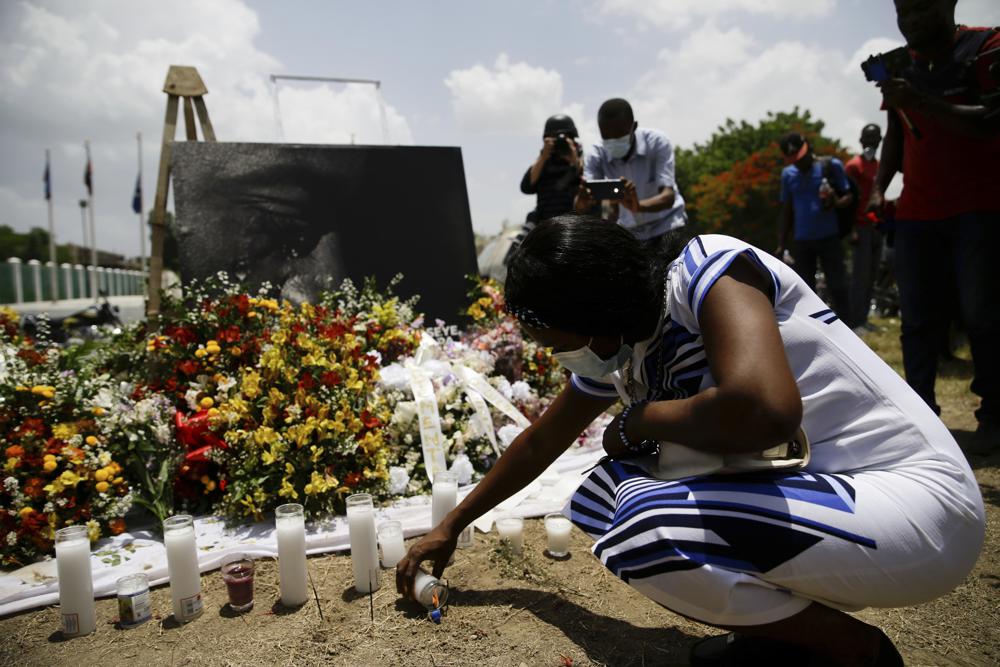
The assassination of Haiti’s president casts a long shadow over the nation’s future, potentially exacerbating existing instability and jeopardizing fragile progress. The shockwave extends beyond Haiti’s borders, raising concerns about regional security and the effectiveness of international aid initiatives. Understanding the potential consequences is crucial to crafting strategies for stabilization and long-term recovery.The aftermath of such a significant event is often marked by unpredictable shifts in power dynamics, escalating violence, and a decline in public trust.
The loss of a strong leadership figure can create a vacuum that is quickly filled by competing factions, potentially leading to further unrest and conflict. The assassination also highlights the deep-rooted issues plaguing Haiti, including political corruption, economic hardship, and a lack of effective governance. Addressing these underlying problems is essential to preventing similar tragedies in the future.
Potential Short-Term Consequences
The immediate aftermath of the assassination will likely be characterized by heightened insecurity and political turmoil. The absence of a clear successor could lead to power struggles among different factions, further destabilizing the country. Protests and demonstrations are possible, fueled by anger and frustration over the assassination. The potential for further violence and unrest is significant, requiring swift and decisive international intervention.
These consequences can manifest in the form of looting, property damage, and a general deterioration of public order. Similar situations in other countries have demonstrated the importance of immediate security measures to prevent further escalation.
Potential Long-Term Consequences
The long-term consequences of the assassination are even more daunting. The loss of a president can hinder the nation’s development trajectory, potentially leading to a protracted period of instability. The erosion of public trust in institutions and governance can create a breeding ground for further violence and extremism. The absence of strong leadership can lead to a decline in economic activity, attracting further investment reluctance.
The ongoing cycle of violence and corruption may perpetuate a cycle of poverty and despair, potentially leading to further migration and displacement. Historical examples of similar political assassinations in other countries demonstrate the long-term societal and economic ramifications of such events.
Possible Scenarios for Haiti’s Future
Haiti’s future depends heavily on the ability of the international community to support a swift and peaceful transition of power. The presence of international peacekeepers and the implementation of effective security measures are vital to mitigating potential violence and ensuring the safety of civilians.
- Scenario 1: Escalation of Violence and Civil War
– The absence of a clear leader could lead to a power vacuum, triggering escalating violence and a potential civil war. This scenario is highly dependent on the reaction of different factions and the willingness of the international community to intervene effectively. Similar instances in other countries show that such situations can have long-lasting negative impacts. - Scenario 2: International Intervention and Stabilization
-International actors may intervene to stabilize the situation, implementing peacekeeping measures and supporting a transitional government. The effectiveness of this approach depends on the level of cooperation from various Haitian stakeholders and the resources allocated to the effort. - Scenario 3: Protracted Political Crisis
-A prolonged political crisis could ensue, characterized by continued instability and uncertainty. This scenario is characterized by a lack of effective leadership and the inability to address critical issues.
Impact on the Region and Neighboring Countries
The instability in Haiti can have ripple effects throughout the region, particularly on neighboring countries. The potential for increased migration, cross-border crime, and the spread of violence necessitates proactive regional cooperation and support.
- Increased Migration
– Economic hardship and insecurity in Haiti may lead to an increase in migration to neighboring countries, potentially straining resources and exacerbating existing social tensions. - Regional Security Concerns
– The spillover effects of violence and instability in Haiti can raise concerns about regional security, requiring cooperation between countries in the region to address potential threats.
Possible Solutions
Addressing the complex challenges facing Haiti requires a multifaceted approach that includes political, economic, and social reforms.
- International Support
– International support is crucial to providing humanitarian aid, security assistance, and promoting good governance. - Addressing Corruption
– Tackling corruption is essential to building public trust and fostering sustainable development. - Economic Recovery
– Implementing economic reforms and attracting foreign investment are critical to stimulating economic growth and creating jobs.
Potential Future Scenarios and Likelihood
| Scenario | Description | Likelihood |
|---|---|---|
| Escalation of Violence | Further violence and civil unrest | Medium-High |
| International Intervention | International peacekeeping and support | Medium |
| Protracted Crisis | Continued instability and uncertainty | High |
Visual Representation
Haiti’s political landscape is a complex tapestry woven with threads of corruption, poverty, and social unrest. These intertwined issues have eroded trust in institutions, fostered resentment, and ultimately contributed to the fragility of the nation. Visual representations can provide a powerful tool to understand the intricate dynamics at play and the consequences of these deeply rooted problems.
Political Landscape of Haiti
Haiti’s political landscape is visually represented as a fractured mosaic. Different shades of gray and muted colors depict the various levels of corruption, ranging from widespread bribery and embezzlement in government to petty corruption within local communities. A significant portion of the mosaic is dominated by dark, deep tones, representing poverty, widespread inequality, and the lack of basic necessities for a significant portion of the population.
Interspersed throughout are pockets of lighter colors, signifying pockets of relative prosperity, mostly concentrated in urban areas, further highlighting the stark disparities. Social unrest is symbolized by flickering flames in certain areas of the mosaic, indicating periods of heightened tension and protest. The image’s overall impression is one of a fragile, fractured nation struggling to overcome deep-seated issues.
Timeline of Events
An infographic depicting the timeline of events leading to and following the assassination would be a horizontal bar graph. The x-axis would represent time, spanning from a few years before the assassination to a year or two after. The y-axis would show a progression of events, with each event represented by a colored block or a symbol. Key events like political instability, economic crises, social protests, and corruption scandals would be highlighted with distinct colors.
The assassination itself would be prominently displayed as a large, dark block or a stark symbol, emphasizing the dramatic turning point. Following the assassination, the infographic would visually illustrate the international response, aid efforts, and subsequent political developments.
International Response
A visual representation of the international response would be a world map. Different countries would be highlighted in varying shades of blue, reflecting the level of support or concern they expressed. For instance, countries providing substantial financial or humanitarian aid would be highlighted in a darker shade of blue. Countries issuing statements of condemnation or expressing concern would be shown in a lighter shade.
This visual map would help in understanding the global impact of the assassination and the diversity of reactions from different nations.
Impact on Haiti’s Economy and Social Conditions
A graphic illustrating the impact on Haiti’s economy and social conditions would utilize charts and graphs. One chart would show a dramatic decline in GDP growth and economic indicators following the assassination. Another graph would illustrate the increase in poverty rates and unemployment, and a third could visualize the rise in social unrest and violence. The charts would be displayed in contrasting colors to easily visualize the negative impact of the assassination on different sectors of Haitian society.
The overall impression would be a stark visualization of the severe blow to the already fragile nation.
Geographical Location
A map of Haiti would be centered, highlighting its geographical location in the Caribbean. The surrounding islands, such as the Dominican Republic, Cuba, and other Caribbean nations, would be clearly marked. This map would help contextualize the event, providing a clear visual representation of Haiti’s place in the region and its relationship with its neighbors.
Closure
In conclusion, the assassination of Haiti’s president and the subsequent impact on the first lady highlight the deep-seated challenges facing Haiti. The event underscores the fragility of democratic institutions and the urgent need for international support. The future of Haiti hangs in the balance, and the international community must work collaboratively to address the complex political, economic, and social issues that have contributed to this crisis.
Question & Answer Hub
What were the immediate reactions of the international community?
Many countries expressed shock and condemnation, offering condolences and pledging support to Haiti. International organizations like the UN also released statements, emphasizing the need for stability and peace.
What were the economic indicators in Haiti before and after the assassination?
Data on economic indicators before and after the event is crucial for understanding the full impact. This would include GDP growth, unemployment rates, and other key economic metrics.
How did the assassination affect the first lady’s public image and perceived influence?
The assassination’s impact on the first lady’s public image and influence would need to be assessed by analyzing public statements, media coverage, and social reactions.
What are some potential solutions to the issues highlighted by the assassination?
Solutions might include strengthening democratic institutions, promoting economic development, and addressing social unrest. This requires a comprehensive strategy involving the Haitian government, international organizations, and the Haitian people themselves.