
Winter Electric Grid Summers Opposite
Winter electric grid summer: A stark contrast in energy demands and grid operations. From the increased strain on infrastructure during frigid temperatures to the shifting power generation needs, this comparison reveals the complex interplay between weather patterns and our energy systems. This deep dive into the intricacies of winter electric grid operations will explore the challenges, solutions, and critical strategies for maintaining a reliable power supply during the coldest months.
Understanding the nuances of winter energy consumption, grid capacity, and power generation is vital for designing effective strategies to combat potential blackouts. This blog post will examine how winter’s specific demands differ from those of summer and Artikel the unique considerations for maintaining a resilient electric grid.
Winter Grid Capacity
Winter electric grids face unique challenges compared to their summer counterparts. The increased demand for heating during frigid temperatures often surpasses the capacity of the system, requiring careful planning and proactive measures to maintain reliable power delivery. This difference necessitates a comprehensive understanding of the influencing factors and mitigation strategies.
Comparative Overview of Winter and Summer Capacity
Winter electric grid capacity is typically lower than summer capacity. This difference arises from the significantly higher demand for heating in winter, often exceeding the demand for cooling in summer. Peak demand during winter months necessitates increased generation and transmission capacity to meet the higher energy consumption. Summer peak demand, while substantial, often relates to air conditioning needs, and its duration is generally shorter than the extended period of higher winter heating demand.
Factors Influencing Winter Peak Demand
Several factors contribute to the heightened winter peak demand on the electric grid. These include the severity of the weather conditions, the number of households and businesses utilizing electric heating, and the efficiency of the building insulation. Extreme cold spells, especially prolonged ones, drive a sharp increase in energy consumption for heating, leading to a higher peak demand.
Strategies to Enhance Winter Grid Resilience, Winter electric grid summer
Various strategies are employed to improve winter grid resilience. These include investing in upgraded infrastructure, implementing demand-response programs, and developing robust energy storage solutions. Upgrading transmission and distribution lines enhances the grid’s capacity to handle the increased winter demand. Demand-response programs encourage consumers to reduce their energy consumption during peak hours, thereby mitigating the strain on the grid.
Energy storage solutions, like batteries and pumped hydro, can provide supplemental power during periods of high demand, further strengthening the grid’s resilience.
Technical Differences in Winter vs. Summer Infrastructure
The technical requirements for winter grid operation differ significantly from summer operation. Winter grids require careful consideration of factors such as the potential for freezing temperatures impacting equipment, the need for increased insulation in transmission lines, and the susceptibility of equipment to ice buildup. Proper insulation of transmission lines prevents ice formation, ensuring reliable power transmission during freezing conditions.
Equipment designed for winter operation often incorporates measures to mitigate the effects of extreme cold. Maintaining sufficient operational reserves is critical for meeting peak demand, which often exceeds summer levels.
Differences in Power Generation Sources
The use of power generation sources varies between winter and summer. In winter, the reliance on fossil fuel power plants may increase due to the higher demand. However, the integration of renewable energy sources, such as solar and wind, also plays a crucial role in meeting the winter energy needs. The capacity of renewable energy sources can fluctuate based on weather conditions, and fossil fuel plants often serve as backup during periods of low renewable energy output.
Thinking about the winter electric grid and how it handles the summer surge? It’s a fascinating challenge, and the way people embrace communal dining, like hot pot, hot pot is for everyone , might offer some surprisingly relevant insights. The shared experience and efficiency of resources in a hot pot setting could perhaps inspire similar solutions for managing energy demands during the peak summer months.
This interconnectedness between community and resource management might be key to strengthening our winter electric grid for the future.
In winter, power plants may need to adjust their operation and maintenance procedures to ensure reliable and stable power generation. This may include measures to prevent freezing and ensure equipment functions effectively in low temperatures.
Seasonal Demand Fluctuations
Winter brings a surge in energy consumption as people seek warmth and comfort. This increased demand places a significant strain on the electric grid, necessitating careful planning and management to ensure reliable service. Understanding the factors driving these fluctuations is crucial for effective grid operation and resource allocation.Increased energy consumption during winter months is largely due to the need for heating.
Higher temperatures below freezing demand more energy to maintain comfortable indoor environments. This is particularly true in colder climates, where homes and businesses rely heavily on heating systems to combat extreme temperatures. Furthermore, increased use of appliances for indoor tasks like cooking and water heating adds to the total energy demand.
Causes of Increased Energy Consumption in Winter
The need for indoor heating is the primary driver of increased energy consumption during winter. This need is amplified by the severity of the weather, with extreme cold necessitating higher heating output. Other contributing factors include increased use of lighting, and the operation of appliances for indoor tasks such as cooking and water heating, all contributing to the overall demand.
Comparison of Winter Energy Use Patterns Across Geographic Regions
Energy consumption patterns vary significantly across different geographic regions due to differences in climate and building codes. The Northeast US, for example, experiences significantly colder winters compared to the Southwest US. This difference leads to a higher demand for heating in the Northeast, resulting in greater energy consumption. Building codes and insulation levels also play a role, with better insulated homes needing less energy to maintain a given temperature.
Impact of Weather Conditions on Electricity Demand During Winter
The severity of winter weather significantly impacts electricity demand. Sub-zero temperatures, heavy snowfall, and prolonged periods of freezing conditions lead to higher energy consumption as heating systems operate at maximum capacity. Furthermore, power outages can result from severe weather, impacting the availability of power. Predicting these demands based on historical weather data and current forecasts is essential for efficient grid management.
Energy Conservation Measures to Mitigate Winter Peak Demand
Implementing energy conservation measures can significantly reduce peak demand during winter. These measures include improving building insulation, optimizing heating system efficiency, and promoting energy-efficient appliances. Government incentives and public awareness campaigns can encourage the adoption of these measures, reducing the overall strain on the grid. Smart thermostats and other automated control systems can further enhance energy efficiency by adjusting heating and cooling based on occupancy and weather conditions.
Table Comparing Average Energy Consumption Per Household in Winter and Summer
| Region | Average Winter Consumption (kWh) | Average Summer Consumption (kWh) |
|---|---|---|
| Northeast US | 1500 | 1000 |
| Southwest US | 1000 | 800 |
Grid Infrastructure Considerations
Winter’s harsh conditions can significantly impact the electric grid, requiring proactive measures to ensure reliability and safety. Maintaining grid infrastructure during this season necessitates careful planning and execution. This includes addressing potential vulnerabilities like extreme cold, ice accumulation, and fluctuating energy demand. Addressing these challenges demands a multifaceted approach incorporating robust maintenance protocols, strategic energy storage, and adaptable smart grid technologies.
Winter Grid Maintenance Procedures
Effective winter maintenance is crucial for minimizing disruptions and ensuring the grid’s resilience. A well-defined maintenance schedule is vital to address potential problems proactively.
| Maintenance Task | Description | Frequency |
|---|---|---|
| Insulation Checks | Inspecting insulation on power lines, transformers, and substations for damage or degradation due to ice and cold. | Weekly during freezing temperatures |
| Line Clearance | Removing snow and ice build-up from power lines to prevent sagging and contact with obstacles. | Daily during heavy snowfall or ice accumulation |
| Transformer Monitoring | Regularly monitoring transformer temperatures and oil levels to detect potential overheating or other issues. | Daily |
| Grounding Inspections | Checking grounding systems for corrosion or damage to ensure proper electrical safety. | Bi-annually |
| Equipment Repairs | Addressing any identified issues promptly to prevent escalation. | As needed |
Energy Storage in Managing Winter Demand
Energy storage plays a critical role in mitigating the impact of fluctuating winter demand. Battery storage systems, pumped hydro storage, and other technologies can help balance supply and demand, preventing grid instability.
Winter electric grids are a real headache, aren’t they? Suddenly, the summer’s seemingly carefree energy use feels like a distant memory. People are now obsessed with finding ways to conserve energy, and that includes a new obsession with stylish accessories, like the Acne Studios scarf that’s blowing up on TikTok. acne studios scarf tiktok is a great way to stay stylish while potentially reducing your energy consumption for the winter grid.
Ultimately, we’re all just trying to navigate the tricky dance between fashion and energy efficiency this winter.
“Increased energy storage capacity can significantly improve the grid’s ability to respond to unpredictable winter demand fluctuations.”
Integrating energy storage into the grid allows for better management of peak demand periods, ensuring reliable power supply even during extreme weather events. For example, excess renewable energy generated during sunny or windy days can be stored for use during colder periods with lower solar and wind output.
Challenges to Grid Infrastructure During Extreme Winter Weather
Extreme winter weather events, such as blizzards, ice storms, and extreme cold snaps, pose significant challenges to grid infrastructure. These events can lead to power outages, damage equipment, and disrupt service for extended periods.
“Ice accumulation can weigh down power lines, causing them to sag and potentially break, leading to outages.”
Factors like the intensity and duration of these events, as well as the geographic location and susceptibility of the infrastructure, significantly impact the severity of the challenges. A strong correlation exists between extreme weather and the risk of grid failures. This emphasizes the need for robust preventive measures and contingency plans.
Smart Grid Technologies for Winter Grid Reliability
Smart grid technologies enhance the grid’s ability to respond to winter conditions and maintain reliability. Advanced metering infrastructure, distribution automation, and advanced sensors allow for real-time monitoring and control of the grid.
“Smart grid technologies allow for real-time monitoring and control of the grid, enabling faster response to disturbances and minimizing outages.”
These technologies facilitate quicker identification and resolution of problems, minimizing disruptions. For example, smart meters can detect anomalies in energy consumption patterns, which might indicate equipment malfunction or ice buildup on lines. This allows for prompt intervention and prevention of broader outages.
Comparison of Insulation Materials for Winter Conditions
Different insulation materials offer varying degrees of effectiveness in protecting grid infrastructure from winter’s harsh conditions.
Winter electric grids are a real concern, especially when comparing them to summer demand. The recent news about Felicia Snoop, Pearson, and Ed Burns’s wire work, detailed in this article felicia snoop pearson ed burns wire , highlights potential vulnerabilities in infrastructure. Ultimately, these issues underscore the need for robust and adaptable winter electric grid systems.
- Polyurethane foam is a common insulation material used in transformers and substations, offering excellent thermal performance and resistance to moisture. It effectively reduces heat loss in cold weather.
- Mineral wool is another effective insulator, providing good thermal insulation and fire resistance. Its ability to maintain its insulation properties in cold temperatures is a key advantage.
- High-density polyethylene (HDPE) insulation on power lines effectively resists ice accumulation, minimizing sagging and potential breaks due to the weight of ice.
The optimal choice of insulation material depends on specific factors like cost, availability, and the specific environmental conditions.
Power Generation and Transmission
Winter weather significantly impacts power generation and transmission, necessitating careful planning and robust infrastructure to ensure reliable electricity supply. Extreme cold can affect the efficiency of power plants, and transmission lines can be vulnerable to ice buildup and freezing rain. The interplay between these factors necessitates strategies to optimize generation and ensure the stability of the grid during peak winter demand.
Impact of Extreme Winter Weather on Power Generation Plants
Extreme cold can reduce the efficiency of power plants, especially those relying on fossil fuels or even renewable energy sources. Lower temperatures affect the operation of cooling systems, impacting the output of power plants. This reduction in efficiency translates to higher fuel consumption and increased strain on the grid. For example, in a severe winter, coal-fired power plants might need to increase their fuel input to maintain output, potentially causing increased emissions and operational challenges.
Similarly, hydroelectric plants may experience reduced water flow, leading to decreased output. Freezing temperatures also affect the reliability of renewable energy sources like solar and wind, as extreme conditions can damage equipment and reduce operational efficiency.
Strategies for Optimizing Power Generation to Meet Peak Winter Demand
Optimizing power generation involves a multi-faceted approach. Load forecasting, crucial for anticipating peak demand, is essential. Predictive models analyze historical data and current conditions to project future energy needs. This information informs the dispatch of power plants, ensuring sufficient capacity to meet anticipated demand. Furthermore, strategic maintenance schedules are implemented to minimize disruptions during peak periods.
Flexibility in power generation is key. Plants with fast start-up times, like combined-cycle gas turbines, are deployed to respond quickly to fluctuating demand. These plants offer rapid adjustments to power generation as the weather or demand shifts.
Methods for Ensuring Reliable Transmission of Electricity During Winter Storms
Ensuring reliable transmission during winter storms is crucial for maintaining electricity supply. Maintaining a robust grid infrastructure is essential. Regular maintenance of transmission lines and substations, including snow and ice removal, is vital. Advanced monitoring systems track the condition of lines, allowing for proactive interventions to address potential problems before they escalate. For instance, weather radar data is utilized to predict ice storms and deploy resources proactively to remove ice accumulation.
This ensures the integrity of transmission lines during severe weather events. Geographic diversity in transmission lines and power sources further strengthens the grid’s resilience.
Challenges in Maintaining Transmission Lines During Extreme Winter Conditions
Maintaining transmission lines during extreme winter conditions presents significant challenges. Ice accumulation on lines can lead to significant weight, potentially causing them to sag or break. High winds can exacerbate the stress on the lines. The freezing of water in the lines also poses a challenge, potentially causing damage to the equipment and disruption to the flow of electricity.
Specialized equipment, such as ice-removal vehicles and crews, are required for addressing these challenges. Ensuring the lines are sufficiently insulated and designed to withstand the expected stresses is critical.
Role of Renewable Energy Sources in Meeting Winter Energy Demands
Renewable energy sources can play a crucial role in meeting winter energy demands. Solar and wind energy generation can be less predictable during winter months, and storage solutions are required to balance these fluctuations. Battery storage systems can effectively manage this unpredictability. They can store excess energy produced during peak solar and wind generation and release it during periods of low generation.
Furthermore, pumped hydro storage is another valuable technique. Excess energy during off-peak hours is used to pump water uphill, storing the energy for later release. Integrating these storage technologies can significantly improve the reliability and efficiency of renewable energy sources in the winter.
Public Awareness and Conservation
Winter brings unique challenges to our electric grid, and public awareness and conservation play a crucial role in mitigating these challenges. Understanding how individual actions impact the system’s resilience is key to ensuring a reliable power supply for everyone. Effective communication strategies and community engagement are vital to achieving widespread energy conservation during the colder months.Public awareness campaigns are essential for promoting energy conservation practices during winter.
Thinking about how the winter electric grid performs in the summer is fascinating. It’s a stark contrast to the theatrical world of Broadway cast albums, like those for Sweeney Todd. Exploring the nuances of these albums, like broadway cast albums sweeney todd , provides a different kind of energy compared to the steady hum of a well-maintained electric grid.
Ultimately, both showcase intricate systems and the power of human creativity, though in very different ways. This all makes me think again about the amazing engineering behind our winter electric grids.
These campaigns should clearly explain the connection between individual energy consumption and the overall grid stability. By educating the public, we can empower them to make informed decisions that contribute to a more sustainable and reliable energy future.
Tips for Consumers to Conserve Energy
Effective energy conservation during winter relies on practical steps taken by consumers. The following tips offer actionable advice for reducing energy consumption in various aspects of daily life:
- Optimize Heating Systems: Regularly check and maintain your heating systems. Ensure proper insulation and seal any air leaks around windows and doors to prevent heat loss. Adjust thermostat settings to a comfortable level and avoid extreme fluctuations. Utilize smart thermostats for automated temperature control and energy-efficient settings.
- Efficient Lighting Practices: Switch to energy-efficient LED lighting. Turn off lights when not in use and utilize natural light whenever possible. Consider using task lighting to reduce the overall lighting load.
- Smart Appliance Use: Unplug electronic devices when not in use to avoid phantom loads. Wash clothes in cold water whenever possible. Dry clothes outdoors if weather permits.
- Water Heating Conservation: Take shorter showers and limit the use of hot water for other purposes. Insulate water pipes to reduce heat loss.
- Reduce Unnecessary Use: Minimize the use of electric appliances during peak hours. Consider using energy-efficient appliances whenever possible. Delay or combine energy-consuming tasks.
Importance of Public Awareness Campaigns
Public awareness campaigns are critical for effectively communicating the importance of energy conservation. These campaigns should highlight the benefits of energy conservation, including reduced energy bills, a more sustainable environment, and a more resilient electric grid. These campaigns can leverage various channels such as social media, community events, and local media partnerships to reach a wider audience.
Designing Effective Communication Strategies
Effective communication strategies must consider the target audience’s needs and preferences. Clear, concise, and engaging messages should be developed. Visual aids, such as infographics and videos, can effectively convey complex information in an accessible manner. Local community leaders and influencers can be crucial in disseminating the message.
Encouraging Community Participation
Encouraging community participation is vital for the success of any energy conservation initiative. Community events, workshops, and contests can motivate individuals to adopt energy-saving practices. Incentives, such as rebates for energy-efficient upgrades, can further encourage participation.
Conserve energy this winter to help ensure a reliable and resilient grid for everyone.
Energy Price Fluctuations: Winter Electric Grid Summer
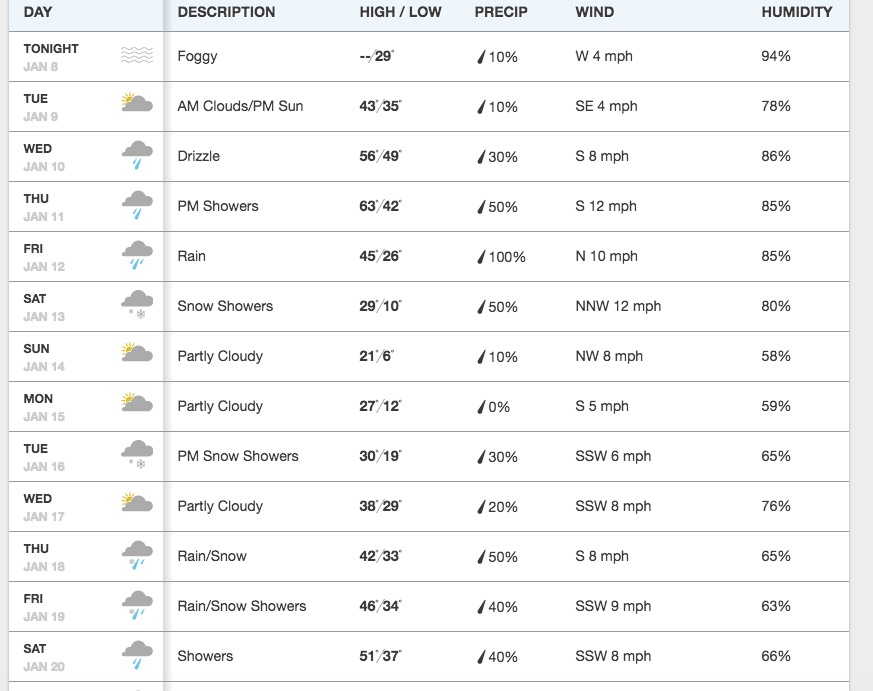
Winter’s icy grip often translates to higher energy prices. The interplay between weather patterns, energy demand, and supply chain factors creates a dynamic market that can significantly impact consumers and businesses. Understanding these complexities is crucial for navigating the energy landscape during the colder months.Energy prices are not static; they fluctuate based on a variety of interacting factors.
Weather conditions play a pivotal role, as extreme cold significantly increases the demand for heating. This surge in demand, combined with potential supply constraints, can lead to price increases. Additionally, geopolitical events, economic conditions, and even seasonal maintenance schedules can influence energy costs.
Correlation Between Winter Weather Patterns and Energy Prices
Winter weather patterns are directly correlated with energy prices. Periods of prolonged and severe cold spur increased energy consumption for heating, pushing demand beyond typical levels. This heightened demand, coupled with potentially reduced generation capacity due to weather-related issues, creates a perfect storm for price increases. Historical data consistently demonstrates this correlation; for example, the particularly harsh winter of 2022 saw substantial energy price spikes in several regions.
Factors Affecting Peak Winter Electricity Prices
Several factors influence electricity prices during peak winter demand. Firstly, the level of available supply plays a critical role. If generation capacity is constrained by weather conditions or maintenance, prices tend to rise. Secondly, the elasticity of demand is also important; if consumers are willing to pay higher prices to maintain comfort, the price will likely rise.
Thirdly, the availability of alternative energy sources can also affect prices. If renewable energy sources are limited, consumers may rely more heavily on fossil fuels, potentially increasing costs. Lastly, market speculation and trading activities can further influence the price trajectory.
Impact of Energy Price Fluctuations on Consumers and Businesses
Energy price fluctuations have a tangible impact on both consumers and businesses. For consumers, rising prices translate to higher energy bills, potentially impacting household budgets and potentially influencing lifestyle choices. Businesses, particularly those with high energy consumption, are also susceptible to these price swings. These fluctuations can significantly impact their operational costs, affecting profitability and potentially leading to adjustments in pricing strategies.
Comparison of Energy Pricing Strategies Across Countries/Regions
Energy pricing strategies vary considerably across countries and regions. Some regions utilize a fixed pricing structure, while others employ dynamic pricing models that adjust prices based on real-time demand. Some nations implement government subsidies to mitigate the impact of high energy prices on vulnerable consumers. Understanding these differences allows for a more nuanced comparison of the effects of pricing strategies on various stakeholders.
Government Policies Influencing Energy Pricing During Winter
Government policies play a significant role in shaping energy pricing during the winter months. These policies can include subsidies, regulations on energy production, and incentives for energy conservation. Government interventions aim to mitigate the impact of price fluctuations on consumers and businesses. For example, some governments implement price caps to prevent excessive increases, or they might incentivize the use of energy-efficient technologies.
Winter electric grid reliability is always a concern, especially as summer approaches. The rising costs of energy and the strain on the system are major factors, but the housing market near NYC housing market near nyc is also influencing demand for energy-efficient homes. Ultimately, though, robust winter grid infrastructure is still a critical need for the entire region.
These measures can have a profound impact on the affordability and accessibility of energy for consumers and businesses.
Winter vs. Summer Power Generation Methods
Power generation methods are crucial for maintaining a reliable and stable energy supply. The varying needs of winter and summer seasons necessitate adjustments in power generation strategies. This section delves into the operational differences, efficiency comparisons, and cost factors influencing power generation during these distinct periods.The operational strategies of power plants often differ between winter and summer due to fluctuating energy demands.
Winter typically experiences higher energy consumption as people need more heating. Summer, conversely, can see peak demand during air conditioning usage. This shift demands flexibility and adaptability in power generation systems to ensure a reliable energy supply.
Operational Differences in Power Generation
Power plants adjust their operations to accommodate seasonal shifts in demand. Thermal power plants, for example, might increase or decrease the amount of fuel burned depending on the need. Hydroelectric plants, reliant on water flow, experience variations in output, often lower in summer due to reduced rainfall. Renewable sources like solar and wind power also fluctuate with weather patterns, requiring careful integration into the grid.
Efficiency of Different Power Generation Sources
The efficiency of power generation sources varies between winter and summer, primarily due to weather conditions and operational strategies. Coal-fired plants, for example, might exhibit lower efficiency during winter when maintaining high output is required to meet increased demand. Conversely, solar power, while efficient in summer, can be less productive in winter due to reduced sunlight hours. Nuclear power plants generally maintain a consistent output regardless of the season.
Factors Affecting Power Generation Costs
The cost of power generation is affected by numerous factors, varying considerably between winter and summer. Fuel costs, particularly for fossil fuel plants, fluctuate based on market prices. In winter, higher demand might lead to higher fuel costs as suppliers increase prices. Maintenance costs for power plants can also vary depending on the need for adjustments in the equipment to accommodate higher demands or colder temperatures.
Impact of Weather Conditions on Power Generation Efficiency
Weather conditions play a significant role in power generation efficiency. For example, wind power generation can be highly efficient in windy winter conditions, while solar power is reduced by clouds. Hydroelectric plants are heavily affected by rainfall patterns. Cold temperatures can affect the efficiency of some power plants and increase the need for heating and maintenance.
Pros and Cons of Different Power Generation Methods
| Power Generation Method | Pros (Winter) | Cons (Winter) | Pros (Summer) | Cons (Summer) |
|---|---|---|---|---|
| Coal | High capacity, readily available fuel | High carbon emissions, air pollution | High capacity, readily available fuel | High carbon emissions, air pollution |
| Nuclear | High output, consistent generation | High initial cost, safety concerns | High output, consistent generation | High initial cost, safety concerns |
| Hydro | Consistent generation, high efficiency | Water availability fluctuates, environmental impact | Reduced water availability, environmental impact | Consistent generation, high efficiency |
| Solar | Lower output due to reduced sunlight | Intermittency, weather dependence | High output, weather dependence | Intermittency, weather dependence |
| Wind | High output during windy periods | Intermittency, weather dependence | High output during windy periods | Intermittency, weather dependence |
This table highlights the pros and cons of different power generation methods in both winter and summer. The varying demands and weather conditions necessitate a balanced approach to power generation, utilizing a combination of resources to ensure reliability and efficiency throughout the year.
Last Word

In conclusion, winter electric grid summer highlights the critical importance of adaptability and proactive planning in our energy infrastructure. From optimizing power generation to bolstering grid resilience, understanding the specific demands of each season is key to a reliable and sustainable energy future. This knowledge enables us to not only meet current needs but also to anticipate and mitigate potential challenges, ensuring uninterrupted power throughout the year.
The interplay of factors—from fluctuating demand to extreme weather—requires a holistic approach to power management, which we explored in detail. By focusing on energy conservation, smart grid technologies, and robust infrastructure, we can better equip ourselves for the challenges of winter’s power demands.
FAQ Insights
What are the main factors influencing winter peak demand on the electric grid?
Factors like extreme cold temperatures, increased heating needs, and the use of electric appliances contribute to higher winter energy consumption and grid strain. The specific impact varies depending on geographic location and local weather conditions.
How can energy conservation measures mitigate winter peak demand?
Implementing energy-efficient practices, such as adjusting thermostats, using LED lighting, and limiting the use of large appliances, can reduce energy consumption and ease the burden on the electric grid during peak winter demand periods.
What are some common challenges to grid infrastructure during extreme winter weather events?
Extreme winter weather, including ice storms, blizzards, and heavy snowfall, can lead to power outages and damage to transmission lines, substations, and other critical grid components.
What role do renewable energy sources play in meeting winter energy demands?
Renewable energy sources, such as solar and wind, can play a crucial role in supplementing traditional power generation during winter, although their effectiveness depends on the specific weather conditions and the reliability of the energy storage systems.