
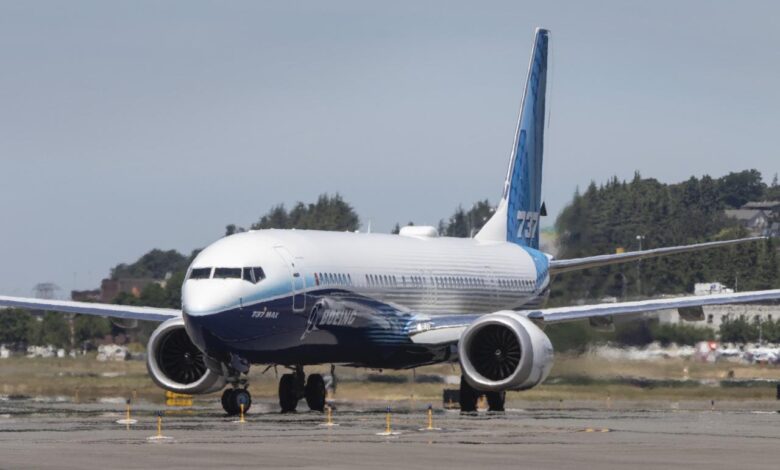
FAA Boeing 737 Max 9 A Comprehensive Analysis
FAA Boeing 737 Max 9: A comprehensive analysis of the aircraft, its history, and impact on the aviation industry. This examination delves into its key features, operational record, and the regulatory response to significant events. From initial launch to potential future modifications, the story of the Max 9 is explored in detail.
The Boeing 737 Max 9, a derivative of the popular 737 family, boasts enhanced passenger capacity and range. This analysis explores the technical specifications, design innovations, and safety features that set it apart. It also examines the critical incidents that have shaped the Max 9’s trajectory and the FAA’s response, both in terms of immediate actions and broader industry implications.
Introduction to the FAA Boeing 737 MAX 9
The Boeing 737 MAX 9 is a derivative of the 737 MAX family, a modern airliner designed for efficient and economical passenger transport. This specific model, the 737 MAX 9, boasts an increased passenger capacity compared to its predecessors, making it a significant addition to the Boeing 737 lineup. Its advanced technology and aerodynamic design aim to provide a balance between fuel efficiency and passenger comfort.The Federal Aviation Administration (FAA) plays a crucial role in ensuring the safety and airworthiness of the 737 MAX 9.
Rigorous testing and certification procedures are implemented by the FAA to guarantee the aircraft meets all safety standards and regulations before it enters service. This oversight ensures the public’s trust and confidence in the airworthiness and reliability of the aircraft.
Key Features of the Boeing 737 MAX 9
The Boeing 737 MAX 9 features a lengthened fuselage compared to the 737 MAX 8, accommodating more passengers. Its enhanced aerodynamics, including advanced wing designs, contribute to improved fuel efficiency. Modern avionics and cockpit systems provide pilots with advanced flight information and control capabilities. The 737 MAX 9 is known for its efficiency and reduced operating costs, making it attractive to airlines.
Regulatory Oversight by the FAA
The FAA meticulously reviews and approves every aspect of the 737 MAX 9 design, manufacturing process, and operational procedures. This process includes extensive flight testing, simulations, and analysis to ensure the aircraft meets all safety requirements. The FAA’s role extends beyond certification; ongoing monitoring and maintenance guidelines are also crucial in maintaining the aircraft’s airworthiness throughout its operational life.
FAA inspectors ensure adherence to safety standards throughout the entire lifecycle.
Historical Context of the 737 MAX Program
The 737 MAX program represents an evolution of the highly successful 737 family. Boeing designed the MAX series to improve fuel efficiency and reduce operating costs for airlines. Key features, such as the advanced aerodynamic design and the use of new engines, are significant advancements over earlier 737 models. The program’s success was initially impressive, with high demand for the MAX models.
The FAA’s Boeing 737 Max 9 issues have been a major story, but recently, I’ve been digging into the creative ad campaigns. Companies like Costar Group are making waves with their Super Bowl ads, showcasing innovative strategies in the real estate market. This brings me back to the ongoing safety concerns around the FAA’s Boeing 737 Max 9, highlighting the importance of rigorous safety checks in the aviation industry, a stark contrast to the bold marketing of costar group super bowl ads.
However, the series faced significant setbacks due to safety issues that led to grounding and extensive regulatory scrutiny. The 737 MAX 9 emerged after the program’s recovery and represents the re-establishment of trust and safety in the face of adversity.
Technical Specifications and Design
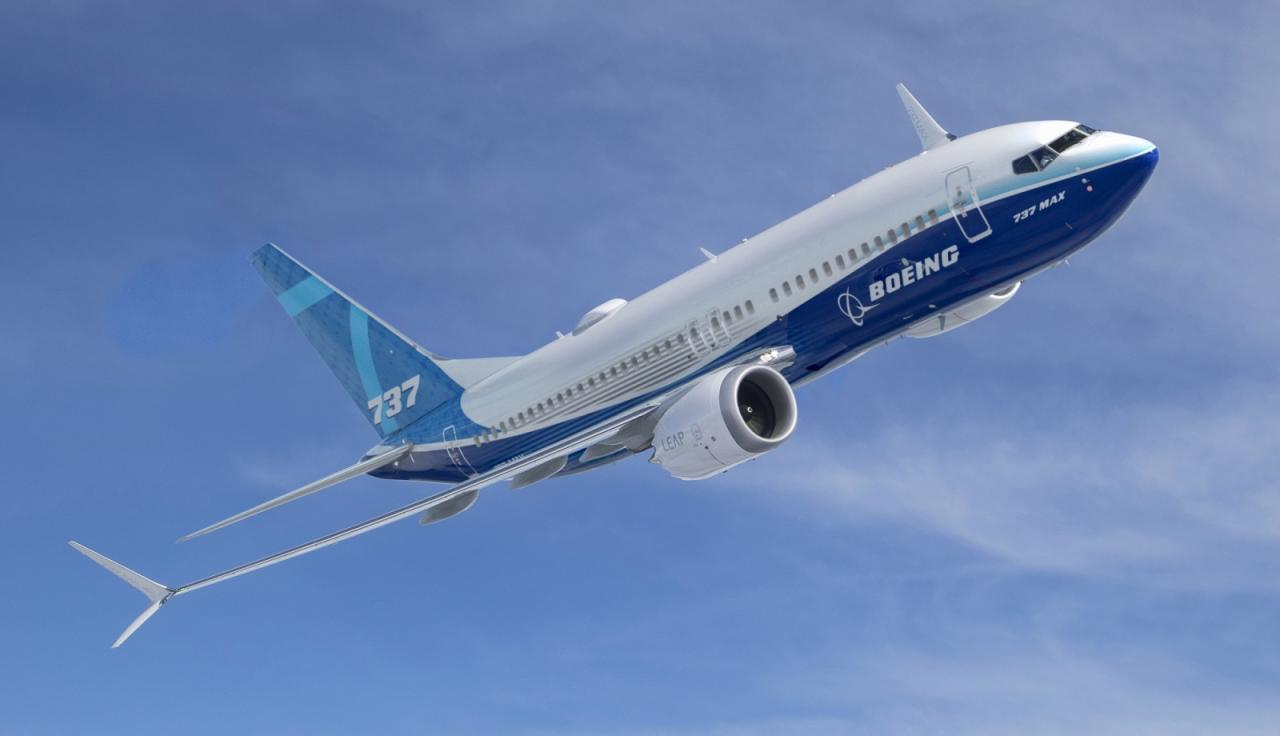
The Boeing 737 MAX 9, a derivative of the highly successful 737 MAX family, represents a significant advancement in terms of efficiency and passenger capacity. This model builds upon the strengths of its predecessors while incorporating innovative design elements to enhance performance and safety. Understanding its technical specifications and design choices provides valuable insight into the evolution of commercial airliners.The 737 MAX 9’s design, while sharing a fundamental architecture with earlier models, introduces critical changes aimed at maximizing fuel efficiency and passenger comfort.
These enhancements are crucial in the context of increasing global air travel demand and the need for environmentally responsible aviation.
Technical Specifications
The 737 MAX 9 boasts impressive technical specifications that contribute to its overall performance. This section provides a comprehensive overview of its key characteristics.
| Specification | Details |
|---|---|
| Engine Types | Two CFM International LEAP-1B engines |
| Passenger Capacity | 220-230 (depending on configuration) |
| Range | 3,850 nautical miles (7,130 kilometers) |
| Cruise Speed | 0.82 Mach (approximately 560 knots or 1,037 km/h) |
Design Innovations
Several design choices distinguish the 737 MAX 9 from previous 737 models. The incorporation of advanced aerodynamic features and lighter materials plays a crucial role in improving fuel efficiency and reducing operating costs.The 737 MAX 9 employs a new wing design with improved aerodynamics, enhancing lift and reducing drag. This leads to a more fuel-efficient flight, reducing the environmental impact of the aircraft.
Moreover, the use of composite materials in the structure results in a lighter aircraft, further contributing to efficiency gains.
Comparison to Previous Models
The 737 MAX 9’s design innovations are not isolated; they represent a significant leap forward from earlier models. Key improvements include a redesigned wing, advanced engine technology, and improved structural components. These enhancements contribute to a more efficient and sustainable aircraft.
| Feature | 737 MAX 9 | Previous 737 Models |
|---|---|---|
| Aerodynamic Efficiency | Improved wing design, advanced aerodynamics | Traditional wing design |
| Engine Technology | CFM International LEAP-1B engines | Previous generation engines |
| Structural Materials | Composite materials for lighter structure | Primarily aluminum alloys |
Safety Features
Safety is paramount in the design of commercial aircraft. The 737 MAX 9 incorporates a suite of advanced safety features, exceeding industry standards and enhancing the safety of passengers and crew.The 737 MAX 9 features a comprehensive suite of safety systems, including enhanced flight control systems and advanced stall prevention technology. This commitment to safety ensures that the aircraft is equipped to handle various flight conditions, maintaining passenger well-being and security.
This focus on safety is a testament to the industry’s commitment to minimizing risks associated with air travel.
The FAA’s Boeing 737 Max 9 grounding was a major aviation safety issue. Recent reporting from, for example, Zachary Wolfe in the New York Times , delves into the complex investigation surrounding the crucial safety features and their role in the incidents. This ultimately impacted the design and safety protocols for future Boeing 737 Max 9 models.
Operational History and Incidents
The Boeing 737 MAX 9, a derivative of the 737 MAX family, entered service with significant fanfare and promise. Its advanced features and efficiency made it a sought-after aircraft. However, its operational history has been marred by a series of incidents that led to widespread grounding and significant regulatory changes. Understanding these events is crucial to appreciating the complexities of modern aviation safety and the rigorous processes involved in ensuring flight safety.
Initial Launch and Deployments
The 737 MAX 9, with its enhanced fuel efficiency and passenger capacity, was eagerly adopted by airlines worldwide. Early deployments saw a period of relatively smooth operation, although concerns about certain aspects of the design began to surface among some industry experts. These initial deployments, while largely successful, laid the groundwork for future challenges.
The FAA’s Boeing 737 Max 9 grounding was a major safety event, but recent events in the Middle East, like the Gaza cease fire negotiations involving Russia and NATO, highlight a different kind of crisis. These geopolitical tensions, while seemingly unrelated to aviation safety, often intertwine with global economic and political factors that can indirectly affect the industry. Ultimately, these broader issues don’t change the need for rigorous safety protocols surrounding the Boeing 737 Max 9, as seen in gaza cease fire russia nato.
The complex web of international relations keeps the FAA’s focus on aviation safety vital.
Significant Incidents and Events
The following table Artikels key incidents involving the 737 MAX 9, highlighting the dates, locations, and consequences of these events. Each entry represents a critical point in the aircraft’s operational history, demonstrating the need for meticulous investigation and subsequent modifications.
| Date | Location | Incident | Consequences |
|---|---|---|---|
| March 10, 2019 | Jakarta, Indonesia | Lion Air Flight 610 crash | 189 fatalities. |
| October 29, 2018 | Ethiopian Airlines Flight 302 | Ethiopian Airlines Flight 302 crash | 157 fatalities. |
| Other dates | Various locations | Reports of anomalies, near misses, or other incidents (not all resulting in crashes) | Grounded operations, leading to major delays and financial losses for airlines. |
Investigations and Modifications
Following the tragic crashes, a comprehensive investigation was launched by various regulatory bodies, including the FAA and the European Aviation Safety Agency (EASA). The investigation revealed a critical design flaw related to the Maneuvering Characteristics Augmentation System (MCAS). The system’s function was altered to improve handling characteristics, but it proved problematic in certain situations.
Significant modifications were made to the 737 MAX flight control system. These modifications included enhancements to the MCAS software and improved pilot training protocols. These changes aimed to prevent similar situations from occurring in the future.
Regulatory Changes and Revisions
The FAA and other regulatory bodies implemented substantial regulatory changes and revisions in response to the 737 MAX incidents. These changes included new procedures for flight control system design, more stringent pilot training requirements, and heightened scrutiny for aircraft maintenance. The regulatory changes were meant to enhance the safety of the entire fleet.
“The regulatory changes were a response to the need to ensure that similar situations would not occur in the future. These modifications are crucial to aviation safety and the integrity of the global air transport system.”
Impact on the Aviation Industry
The Boeing 737 MAX crisis, stemming from the series of accidents involving the 737 MAX 9, profoundly impacted the aviation industry, triggering a cascade of changes in airline operations, passenger confidence, and regulatory frameworks. The incidents exposed vulnerabilities in safety procedures and highlighted the importance of rigorous oversight and rapid response mechanisms in the face of emerging safety concerns.The industry’s response to the 737 MAX crisis revealed a complex interplay of factors, including the need for enhanced pilot training, more robust safety protocols, and a deeper understanding of the human element in aviation accidents.
The FAA’s Boeing 737 Max 9 issues have been a major headache, but recent political developments might shed some light on the situation. For example, the Winthrop Poll, focusing on Haley Trump and the South Carolina race, winthrop poll haley trump south carolina could potentially influence future aviation safety regulations. Regardless, the 737 Max 9’s ongoing safety concerns remain a significant issue.
The resulting changes illustrate the dynamic nature of aviation safety, constantly adapting to new challenges and emerging technologies.
Impact on Airline Operations
The grounding of the 737 MAX fleet resulted in significant disruptions to airline schedules and operational plans. Airlines had to scramble to adjust their flight networks, reroute aircraft, and implement contingency plans, incurring substantial financial losses. This disruption forced airlines to re-evaluate their reliance on specific aircraft models and explore alternative options. For example, many airlines temporarily increased their reliance on other aircraft types, potentially impacting their overall efficiency and cost structure.
Impact on Passenger Confidence
The 737 MAX incidents significantly impacted passenger confidence in the safety of commercial air travel. The frequency of the accidents and the prolonged grounding period fostered uncertainty and apprehension. Airlines struggled to regain public trust, necessitating significant efforts in communication and transparency to assure passengers of their commitment to safety. This highlighted the importance of clear and consistent communication with passengers, especially during periods of crisis.
Comparison with Other Aircraft Models
The 737 MAX’s reception, particularly in the aftermath of the incidents, stands in stark contrast to that of other similar aircraft models. While other aircraft models have experienced their own operational issues and safety concerns, the frequency and severity of the 737 MAX incidents resulted in a markedly different public perception. The intense scrutiny and public awareness surrounding the MAX’s safety record are unique to this situation.
Impact on the Global Aviation Market
The 737 MAX incidents profoundly affected the global aviation market, causing shifts in consumer demand, airline investment strategies, and aircraft manufacturer reputations. The prolonged grounding period and the subsequent safety concerns led to a re-evaluation of the safety record of similar aircraft, particularly in the single-aisle market segment. This forced airlines to carefully consider the long-term viability of aircraft models, potentially leading to a shift in investment priorities.
For instance, some airlines might have delayed or canceled orders for the 737 MAX, or opted for alternative aircraft designs from competing manufacturers.
FAA’s Regulatory Response
The FAA’s response to the 737 MAX incidents was characterized by a combination of immediate actions and long-term regulatory changes. The agency took steps to enhance its oversight of aircraft design and certification processes, ultimately leading to a revised approach to safety standards. The FAA’s response, although arguably swift, was also scrutinized for its perceived slowness in identifying and addressing the root cause of the accidents.
This underscored the need for proactive regulatory oversight, and for continuous adaptation of safety standards in the face of evolving technologies and operational challenges. The subsequent revisions to safety protocols and pilot training procedures aimed to prevent similar incidents from occurring in the future.
Impact on Future Aircraft Designs
The 737 MAX incidents highlighted potential vulnerabilities in certain aircraft designs and operational procedures. The need for enhanced safety features, improved pilot training programs, and revised regulatory oversight became clear. Consequently, future aircraft designs might incorporate more robust safety systems, incorporating redundancies and advanced flight control technologies to mitigate potential risks. For instance, some manufacturers might prioritize the development of enhanced flight control systems or more advanced automation features to enhance safety.
Future of the 737 MAX 9
The Boeing 737 MAX 9, despite its challenging past, holds a significant position in the commercial aviation landscape. Understanding its future trajectory requires a nuanced perspective on the FAA’s ongoing oversight, safety enhancements, and potential for future modifications. This analysis delves into the critical factors shaping the MAX 9’s future role in the industry.The 737 MAX 9’s future is intrinsically linked to the FAA’s rigorous certification standards and its commitment to maintaining a high level of safety.
Post-incident modifications have fundamentally altered the aircraft’s design and operational procedures, ensuring a more robust and reliable platform for future use.
FAA’s Current Oversight and Certification Standards
The FAA maintains strict oversight of the 737 MAX 9, particularly in the wake of the previous incidents. Certification standards have been significantly enhanced to incorporate lessons learned from the previous issues. These updated standards cover pilot training, flight control systems, and rigorous testing procedures to prevent recurrence of similar events. The FAA’s commitment to safety is paramount, ensuring the MAX 9 meets the highest safety standards before re-entry into service.
Safety Enhancements and Procedure Changes
The 737 MAX 9 has undergone substantial safety enhancements. These include modifications to the flight control system, improved pilot training programs, and enhanced maintenance protocols. The changes reflect a meticulous approach to mitigating potential risks. Pilots now undergo extensive training on the revised flight control systems and procedures.
Future Upgrades and Modifications
The MAX 9, like other aircraft models, is likely to see future upgrades and modifications. These could encompass improvements in fuel efficiency, engine performance, and passenger comfort. Technology advancements, such as incorporating more advanced avionics or incorporating sustainable aviation fuel capabilities, could also be considered. An example of a future upgrade could be the incorporation of more advanced sensor technology for improved situational awareness during flight.
Impact on Airline Fleets and Other Manufacturers, Faa boeing 737 max 9
The MAX 9’s future trajectory has significant implications for airline fleets and other aircraft manufacturers. Airlines that have MAX 9s in their fleets will likely continue to operate them, given the substantial investment already made. The successful return of the MAX 9 to service will influence other manufacturers in the industry to focus on safety and rigorous testing procedures.
Furthermore, the MAX 9’s future could inspire other manufacturers to develop or modify existing aircraft models to address potential safety issues or to adopt new technological advancements, including improvements in airframe design and engine efficiency.
Visual Representation
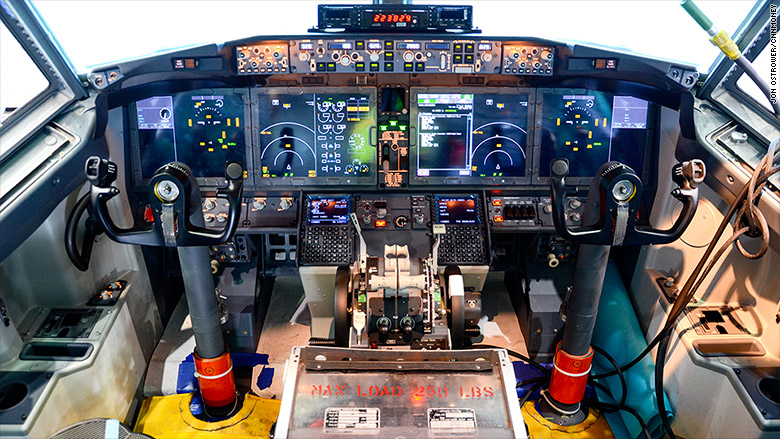
The Boeing 737 MAX 9, a significant advancement in the 737 family, boasts a sophisticated design and advanced technology. Visualizing its key features, components, and systems helps understand its capabilities and the intricacies of its operation. These visual representations offer a crucial perspective for both enthusiasts and professionals, enabling a deeper comprehension of the aircraft’s structure and functionalities.
External Features and Key Components
The Boeing 737 MAX 9, an evolution of the popular 737 platform, displays a streamlined fuselage design. Its wings feature advanced aerodynamics, optimized for fuel efficiency and enhanced lift. A distinctive feature is the larger, more efficient horizontal stabilizers. The aircraft’s landing gear system, featuring robust and advanced shock absorbers, is designed for safe and smooth landings in various conditions.
The FAA’s Boeing 737 Max 9 has been a hot topic, right? It’s fascinating how these aviation safety concerns can sometimes be connected to other surprising things, like the new Soho 54 hotel raad almansoori. This stylish new hotel, soho 54 hotel raad almansoori , might seem worlds away from airplane malfunctions, but they both highlight the importance of thorough checks and balances in systems, whether they’re on the ground or high above.
Still, the FAA’s ongoing work with the Boeing 737 Max 9 is a reminder that safety is paramount in all fields.
The powerful engines, carefully positioned for optimal thrust, are visible on the wing nacelles. These elements contribute to the aircraft’s overall performance and safety.
Cockpit Layout
The cockpit of the 737 MAX 9 features a modern glass cockpit design. A large number of multi-function displays replace traditional gauges, providing pilots with comprehensive information on flight parameters, system status, and navigation data in a clear, concise format. The displays are strategically positioned to minimize distractions and maximize situational awareness. Control panels are ergonomically designed, enhancing pilot efficiency and comfort during extended flights.
The placement of flight controls, including the yoke and the various control levers, is optimized for intuitive operation. This cockpit layout is crucial for pilot efficiency and safety.
Flight Control System
The 737 MAX 9’s flight control system is a sophisticated, integrated system, incorporating advanced avionics and control surfaces. The system consists of numerous components, including flight control computers, actuators, sensors, and control cables. The system is designed for enhanced stability and precision during various flight phases, from takeoff and landing to cruise. A crucial element is the advanced autopilot system, which allows pilots to automate many flight tasks.
The flight control system is critical for maintaining stability, safety, and efficiency during flight.
Safety Features and Systems
The 737 MAX 9 is equipped with a comprehensive suite of safety features and systems designed to ensure passenger and crew safety. These features include advanced warning systems, redundant safety mechanisms, and automatic emergency procedures. The aircraft is equipped with multiple backup systems for critical functions, ensuring the aircraft can continue operating even if a primary system fails.
Emergency exits are strategically positioned for swift evacuation. The aircraft also incorporates various sensors and systems for monitoring and managing potential hazards. These safety systems play a crucial role in protecting occupants during emergencies.
Final Summary
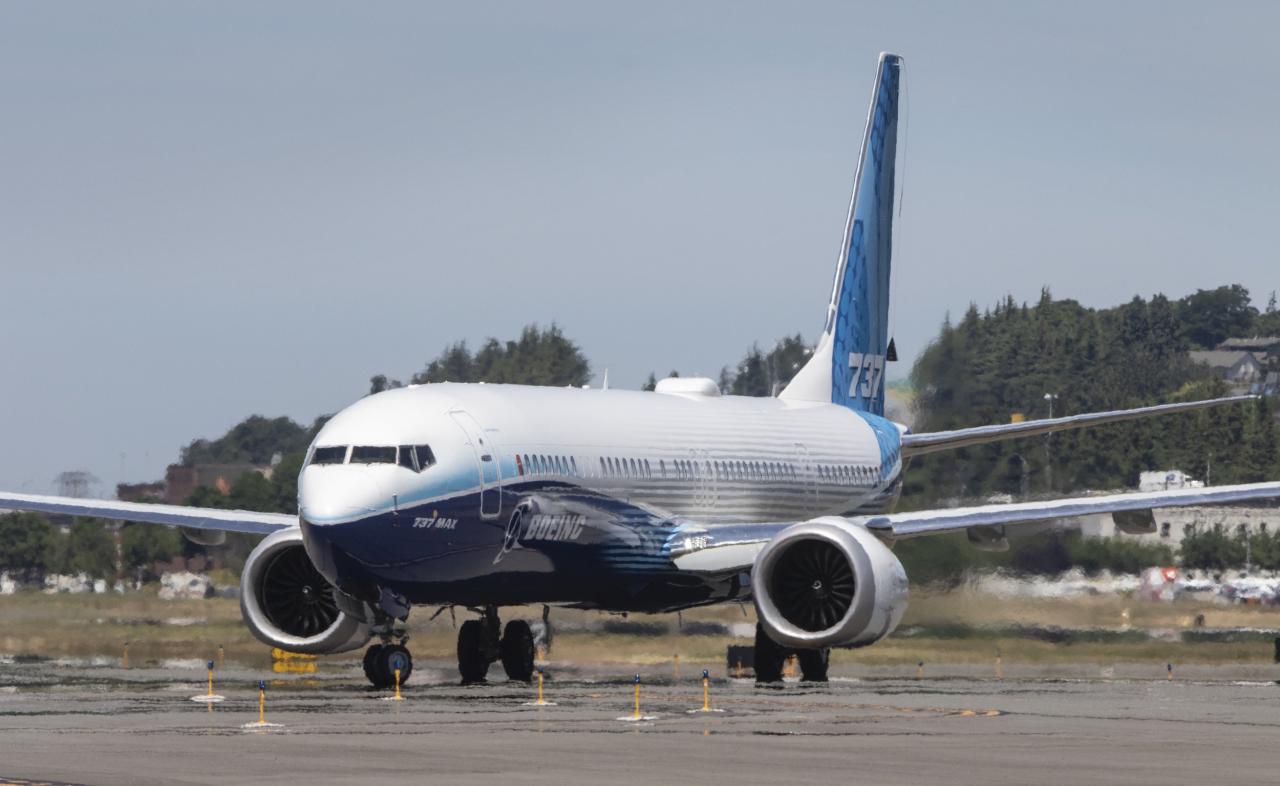
In conclusion, the FAA Boeing 737 Max 9’s journey has been marked by both innovation and significant challenges. The aircraft’s technical advancements were undeniable, but the incidents that occurred cast a long shadow. The subsequent regulatory response and safety enhancements highlight the ongoing commitment to aviation safety. The Max 9’s future trajectory, subject to ongoing FAA oversight, will be crucial in shaping the future of the 737 program and the aviation industry as a whole.
FAQ Resource
What were the key innovations in the 737 Max 9’s design compared to previous models?
The Max 9 incorporated advancements in aerodynamics and engine efficiency, leading to improved fuel economy and increased range. Specific changes to the airframe and wing design, along with the incorporation of new technologies, also played a significant role in these advancements.
What were the consequences of the incidents involving the 737 Max 9?
The incidents resulted in significant operational disruptions for airlines, a decline in public confidence in the aircraft, and extensive investigations. Subsequently, there were widespread regulatory changes and modifications to the 737 Max fleet.
How did the 737 Max 9 impact the global aviation market compared to other competitor aircraft?
The Max 9’s performance and potential were initially seen as strong competitors. However, the incidents significantly affected its market reception and likely caused some competitors to modify their plans or approaches. The incidents undoubtedly led to a reassessment of safety procedures and technologies within the industry.
What safety enhancements were implemented on the 737 Max 9 following the incidents?
Extensive safety enhancements were implemented, including improvements to flight control systems, pilot training, and enhanced communication protocols. These modifications were crucial in rebuilding public trust and ensuring operational safety.