
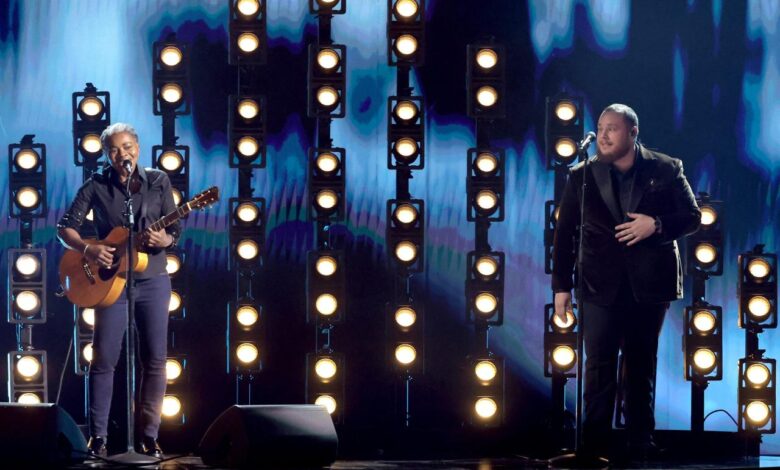
Tracy Chapman Grammys Fast Car Combs A Deep Dive
Tracy Chapman Grammys fast car combs explores the multifaceted artistry of Tracy Chapman, examining her Grammy performances, the iconic imagery of “Fast Car,” the role of combs in music, and her profound influence on the music industry. This journey delves into the connections between these seemingly disparate elements, revealing the creative tapestry that shapes Chapman’s unique musical style.
Chapman’s Grammy wins highlight a significant career milestone, showcasing her talent and artistry. Her music videos and album covers offer visual representations of “Fast Car,” which evoke different interpretations of its meaning. The historical context surrounding the song’s release adds another layer of understanding.
Tracy Chapman’s Fast Car Image
Tracy Chapman’s “Fast Car” transcends the realm of a simple protest song. It’s a powerful narrative about poverty, desperation, and the relentless pursuit of a better life. The song’s imagery, both literal and metaphorical, has resonated deeply with listeners for decades, finding expression in various artistic interpretations. This exploration delves into the multifaceted visual representation of “Fast Car” and the historical context of its release.The song’s imagery paints a vivid picture of a life lived on the margins.
The “fast car” itself represents the elusive dream of escape and upward mobility, a symbol of freedom and potential. But the context surrounding this desire for a better life is deeply rooted in the struggles of poverty and inequality, creating a complex and often contradictory image.
Visual Representations of “Fast Car”, Tracy chapman grammys fast car combs
The visual interpretations of “Fast Car” vary significantly across different mediums, reflecting diverse interpretations of the song’s meaning. Music videos, album covers, and other artistic expressions have offered unique perspectives on the narrative. The song’s impact has extended beyond the music itself, influencing visual art, fashion, and even social movements.
Symbolism and Imagery in “Fast Car”
The song is rich in symbolic imagery. The “fast car” is a tangible representation of the desire for a better life, a symbol of escape from a difficult past. The imagery of the “fast car” can also be seen as a metaphor for the American Dream, the idea that hard work and determination can lead to success. However, the song also emphasizes the harsh realities of poverty and inequality, suggesting that the “fast car” might be just an illusion or an unattainable goal for some.
This creates a complex, multi-layered symbolism that resonates with listeners on different levels.
Tracy Chapman’s Grammy-winning performance always gets me thinking about fast cars and glamorous combs. It’s a fascinating contrast to recent news about Rick Pitino apologizing for his comments on St. John’s recruiting; this whole situation reminds me that even the most celebrated figures can face controversy. Still, Tracy’s impressive career and iconic style remain a major inspiration to me.
Interpretations of “Fast Car”
Different audiences and critics have offered diverse interpretations of “Fast Car.” Some focus on the economic struggles faced by the marginalized, while others emphasize the emotional and psychological aspects of seeking escape. The song can be viewed as a commentary on the systemic issues that perpetuate poverty or as a personal account of someone’s individual journey.
| Interpretation | Symbols | Imagery |
|---|---|---|
| Economic hardship and social inequality | Fast car as a symbol of escape, but also unattainable dream | Poverty-stricken background, desperation |
| Emotional and psychological struggle | Desire for change, fear of the unknown | Inner turmoil, longing for a better future |
| Personal journey of self-discovery | Facing challenges, finding resilience | Personal struggles, emotional growth |
Historical Context of “Fast Car”
“Fast Car” was released during a period of significant social and economic change. The song’s release reflects the anxieties and aspirations of a generation grappling with economic hardship, racial inequality, and the challenges of navigating a complex world. The song’s powerful message of hope amidst hardship resonated with listeners, contributing to its lasting cultural impact.
Tracy Chapman’s Grammys performance was unforgettable, and her sleek fast car certainly caught my eye. Thinking about all the amazing things happening in the music world got me thinking about the housing market near NYC. The recent shifts in the housing market near nyc are definitely interesting, and perhaps the price of her next car will reflect the current market.
I’m still completely captivated by Tracy Chapman’s Grammys style, though!
Combs and Their Role in Music
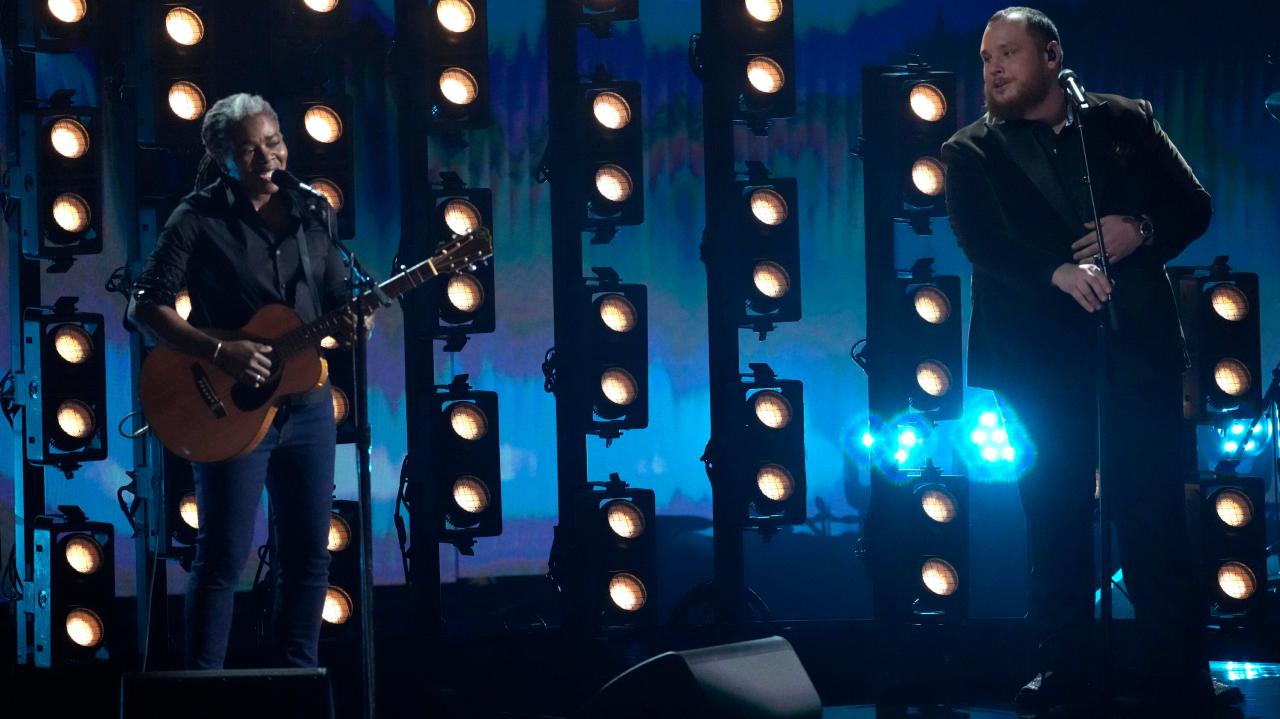
Combs, seemingly simple tools, play a surprisingly significant role in various musical instruments and genres. From the delicate plucking of strings to the controlled rasp of a particular instrument, combs contribute to the sonic palette of music. This exploration delves into the diverse ways combs are used in music production, highlighting their historical context, and their influence on different musical styles.Combs aren’t just about aesthetics; their physical properties – the shape, size, and material – directly impact the sound produced by an instrument.
Different types of combs affect the resonance, tone, and overall sonic character of the music. This is especially true for instruments that rely on combs for their fundamental mechanics, where combs contribute significantly to the instrument’s unique sound.
Types of Combs Used in Music Production
Combs come in various forms, each suited for different musical applications. From the intricate, finely-toothed combs used in the past for string instruments, to the modern variations used in synthesizers and other electronic instruments, the variety is remarkable.
Historical Examples of Combs in Music
The use of combs in music extends far back in history. Early string instruments often utilized combs to help with the plucking or bowing techniques. The specific materials used, and the design of the combs themselves, influenced the overall sound produced by the instruments.
Modern Applications of Combs in Music
Modern music production, while embracing digital technology, still utilizes combs in various ways. In certain stringed instruments, or even some forms of percussion, the comb remains a crucial component for manipulating sound. The use of combs in electronic instruments, particularly in synthesizers and sound design, showcases the adaptability of the comb in creating and modifying sounds.
Role of Combs in Specific Genres
The use of combs in music isn’t uniform across genres. While combs are not a defining characteristic of many contemporary genres, their impact can still be felt in specific styles, especially in traditional music. The influence of combs in specific instruments within these genres shapes the overall sonic characteristics.
Impact of Combs on Sound
The effect of combs on sound is multifaceted. The material of the comb, its density, the number of teeth, and their spacing all affect the timbre, the resonance, and the sustain of the sound produced by the instrument.
Comparison of Combs in Different Musical Instruments
The application of combs differs across various instruments. For example, combs used in string instruments often have finer teeth for precision in plucking, whereas combs in certain percussion instruments might have a rougher texture to produce a distinct percussive sound. The specific design of the comb plays a significant role in the overall sonic characteristics of the instrument.
Table of Combs in Music
| Type of Comb | Usage in Music | Associated Instruments |
|---|---|---|
| Fine-toothed combs | Precision plucking and bowing | Early string instruments, lutes, harps |
| Coarse-toothed combs | Creating a rasping or percussive sound | Certain percussion instruments, some stringed instruments with specific techniques |
| Modern synthetic combs | Sound manipulation in synthesizers and electronic instruments | Synthesizers, electronic percussion instruments |
Tracy Chapman’s Influence on Music
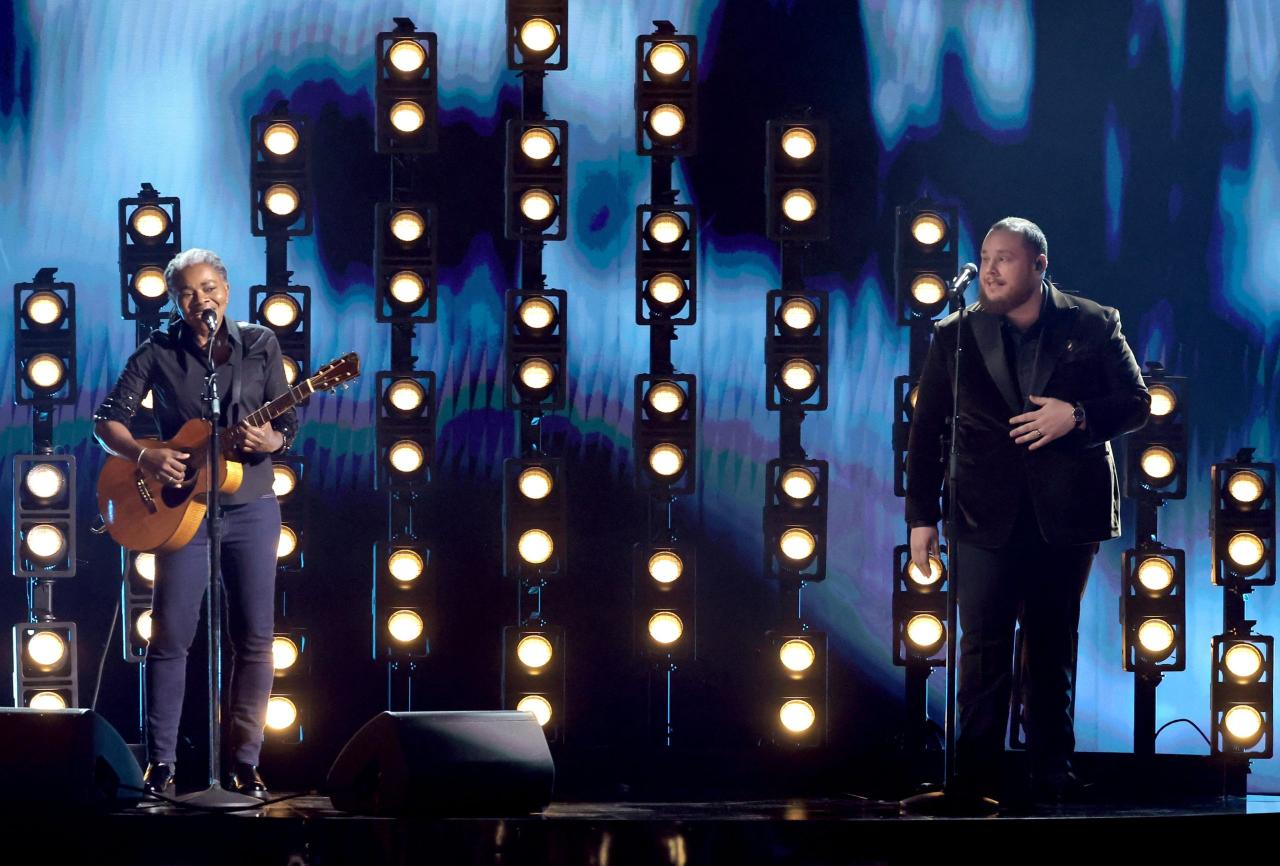
Tracy Chapman’s impact on music extends far beyond her own critically acclaimed albums. Her powerful vocals, socially conscious lyrics, and distinctive blend of folk, pop, and world music have resonated with artists across genres, influencing both their musical styles and their approach to storytelling. Her ability to connect with audiences on a personal and political level cemented her place as a significant force in the music industry.Tracy Chapman’s music is characterized by its emotional depth and thoughtful lyrics, often addressing social and political issues.
This approach has inspired numerous artists to incorporate similar themes into their own work, leading to a more diverse and nuanced musical landscape. Her distinct vocal style, combining strength and vulnerability, has also been emulated, pushing the boundaries of what was considered possible within certain genres. This has fostered a wider appreciation for vocal talent that transcends stylistic limitations.
Impact on Musical Genres
Tracy Chapman’s music doesn’t neatly fit into a single genre. Her blend of folk, pop, and world music elements has created a unique sound that has influenced artists across various genres. The integration of diverse musical elements has broadened the scope of what is considered mainstream music. Her music often incorporates elements of acoustic instrumentation and storytelling, which has influenced artists in folk and singer-songwriter genres.
Her incorporation of world music influences, particularly African rhythms and instrumentation, has expanded the musical horizons of artists in genres like pop and alternative rock.
Influence on Other Artists
Tracy Chapman’s influence on other artists is evident in their musical choices, lyrical content, and overall approach to storytelling. Her raw emotionality and ability to weave personal narratives with social commentary have been particularly impactful. This has led to a greater willingness among artists to use music as a platform for social change and personal expression.
Social and Political Messages
Tracy Chapman’s music frequently tackles issues of poverty, social injustice, and human rights. Her lyrics often challenge the status quo and inspire listeners to question the world around them. This approach has been influential in inspiring artists to take a more active role in advocating for social change through their music. Her willingness to use her platform to raise awareness about pressing issues has had a profound impact on the music industry.
The direct and honest approach to discussing social and political issues has been emulated and expanded upon in numerous subsequent albums.
Table of Influenced Artists
| Artist | Music Genre | Reason for Influence |
|---|---|---|
| Erykah Badu | Neo-Soul, R&B | Badu’s use of soulful vocals and introspective lyrics, often addressing social and political issues, echoes Chapman’s style. |
| John Mayer | Pop, Folk | Mayer’s incorporation of acoustic instrumentation and storytelling in his music shares similarities with Chapman’s approach. |
| The Lumineers | Folk, Pop | The Lumineers’ focus on emotionally resonant lyrics and acoustic instrumentation shows clear influence from Chapman’s storytelling style. |
| Ingrid Michaelson | Pop, Folk | Michaelson’s emotionally charged lyrics and focus on personal narratives draw inspiration from Chapman’s powerful storytelling. |
Connections Between Tracy Chapman, “Fast Car,” and Combs
Tracy Chapman’s “Fast Car,” a powerful ballad about societal inequalities and the struggle for a better life, resonates deeply with listeners. Beyond its poignant lyrics, the song’s musicality and imagery are intricately interwoven, creating a unique and lasting impact. This exploration delves into the subtle but significant connections between the song’s themes, the use of combs in music, and the overall creative process behind “Fast Car.”The song’s themes of poverty, desperation, and the relentless pursuit of a better future are often mirrored in the lived experiences of many.
The raw emotion and vulnerability in “Fast Car” are amplified by Chapman’s distinct vocal delivery and the carefully crafted instrumentation, elements that are as important to the song’s overall meaning as the lyrics themselves. The use of combs, though not directly present in the music itself, could be considered an element in a broader symbolic tapestry woven throughout her work, reflecting the themes of societal pressures and the challenges of navigating a difficult world.
Thematic Connections
The themes of hardship and resilience, central to “Fast Car,” find echoes in the broader context of Chapman’s music. Her work often tackles social and economic injustices, highlighting the struggles of marginalized communities. The imagery of a “fast car” itself, while literal, also functions as a metaphor for the relentless pursuit of opportunity, a common thread running through her music.
Tracy Chapman’s Grammy-winning fast car combs through the music scene, but even she needs a break! Balancing a high-profile career with personal time is crucial, and that’s where the concept of a “right to disconnect law” comes in handy. These laws are designed to protect artists and other professionals from being constantly bombarded with work, ensuring a healthy work-life balance, which, in turn, benefits creative output, like the next Tracy Chapman Grammy-winning album.
It’s all about finding that sweet spot between career and personal life, and a right to disconnect law can help artists and other professionals stay focused and inspired. This ultimately leads to more engaging music and other forms of creative expression.
This pursuit, however, is often fraught with obstacles and the harsh realities of societal inequalities.
Symbolic Imagery
The lyrics of “Fast Car” paint vivid pictures of poverty and the relentless cycle of hardship. The imagery of the “fast car” is juxtaposed with the stark realities of poverty, creating a powerful tension. The contrast highlights the desire for a better life while acknowledging the challenges in achieving it. This powerful imagery could be seen as mirroring the complexities and challenges of societal structures, and how they shape individual destinies.
Tracy Chapman’s Grammy-winning performance always gets me thinking about her iconic style, particularly those fast car combs. It got me curious about how her personal life might influence her artistic choices, and I stumbled upon an insightful interview, transcript ezra klein interviews rhaina cohen , that delved into similar themes. Maybe her unique style is a reflection of a more profound creative process?
Regardless, her Grammys-worthy performance and her distinctive fast car combs are always memorable.
The use of metaphor and symbolism in the song is essential in conveying its message effectively.
Creative Process and Inspiration
While there’s no explicit mention of combs in the creative process of “Fast Car,” the emotional depth and vulnerability in the song are directly connected to Chapman’s artistic vision. Her personal experiences and observations of the world around her likely influenced the song’s creation. Her goal was to create a relatable and emotional experience for the listener, a journey into the heart of the struggles of those facing adversity.
Tracy Chapman’s Grammy-winning music and her iconic fast car combs have always been a source of fascination for me. Thinking about her, though, got me curious about the housing market near NYC, which is apparently experiencing some interesting shifts right now. housing market near nyc is a bit of a rollercoaster, and it makes me wonder how much that affects the inspiration behind her music, considering how much she’s likely to have traveled around.
Regardless, her fashion choices, and fast car combs are still as inspiring as ever.
The emotional impact is not necessarily dependent on specific physical objects, but rather the artist’s ability to convey a universal experience.
Table Demonstrating Relationships
| Element | Connection to “Fast Car” | Connection to Combs (Symbolic) | Contribution to Overall Meaning |
|---|---|---|---|
| Themes of Poverty and Resilience | Central theme, portrayed through lyrics and imagery. | Comb use could symbolize societal pressures and challenges faced by individuals navigating poverty. | Highlights the struggles of marginalized communities and the human spirit’s ability to overcome adversity. |
| Imagery of “Fast Car” | Metaphor for the pursuit of a better life. | Comb use could symbolize the obstacles and challenges encountered on the path to success. | Creates a powerful juxtaposition between aspiration and the harsh realities of life. |
| Chapman’s Vocal Delivery | Adds emotional depth and vulnerability to the song. | Vocal delivery is an important artistic expression; it may not be directly linked to combs, but it’s an element that conveys the message. | Enhances the emotional impact and creates a relatable connection with the listener. |
Analysis of Tracy Chapman’s Musical Style: Tracy Chapman Grammys Fast Car Combs
Tracy Chapman’s music transcends simple categorization. Her distinctive vocal delivery and thoughtful musical choices create a unique sonic landscape, one that has resonated with audiences for decades. Her ability to blend intricate instrumentation with poignant lyrics creates a powerful and deeply personal listening experience. This analysis delves into the core elements of her musical style, exploring its evolution and impact.Chapman’s music isn’t just about the songs; it’s about the experience.
She meticulously crafts a soundscape that mirrors the emotions and narratives in her lyrics, creating a tapestry of sound that captivates and moves listeners. Her style isn’t merely a collection of techniques; it’s a carefully curated expression of her artistic vision.
Vocal Delivery and Musical Choices
Tracy Chapman’s vocals are a cornerstone of her style. Her expressive phrasing, often incorporating subtle vibrato and nuanced inflections, creates a sense of intimacy and emotional depth. She avoids overly theatrical vocal displays, instead opting for a directness that connects directly with the listener. This approach underscores the vulnerability and authenticity of her lyrics. She doesn’t just sing; she tells stories through the music, her voice embodying the narrative’s emotional range.
Instrumentation and its Impact
Chapman’s use of instrumentation is crucial to her distinctive sound. She often incorporates acoustic instruments like acoustic guitar, piano, and bass, creating a warm and intimate atmosphere. Her arrangements frequently include layered vocals, which enhance the emotional weight of the music. These choices are not merely about pleasing the ear; they are deliberate elements that contribute to the overall mood and meaning of the song.
The careful selection of instruments and their interplay creates a powerful emotional impact on the listener.
Signature Musical Traits
Chapman’s music exhibits several distinctive traits. Her use of fingerpicking on the acoustic guitar, creating intricate and melodic patterns, is a hallmark of her style. The interplay between her voice and the acoustic guitar is a key component in her music, often creating a sense of vulnerability and introspective reflection. Her ability to blend folk, pop, and even hints of reggae and world music elements within her songs gives her music a unique, multifaceted character.
The use of harmonies, particularly in her later works, adds depth and complexity, solidifying her approach as a multifaceted artist.
Evolution of Musical Style
Throughout her career, Chapman’s musical style has evolved subtly. Her early work often featured a strong folk influence, characterized by simple instrumentation and introspective lyrics. As her career progressed, she incorporated more layered harmonies and instrumentation, expanding her sonic palette while maintaining the core elements that define her sound. Her ability to evolve without losing her identity is a testament to her artistic integrity.
Her music has grown in complexity and depth over time, but it has always retained a core essence of vulnerability and emotional resonance.
Table of Musical Elements
| Musical Element | Examples from her Music | Overall Impact |
|---|---|---|
| Vocal Delivery | “Fast Car,” “Baby Can I Hold You,” “Talkin’ Bout a Revolution” | Creates intimacy and emotional depth, connecting directly with the listener. |
| Instrumentation | Use of acoustic guitar, layered vocals, and percussion in “Baobab” | Creates a warm, intimate atmosphere, enhancing emotional weight. |
| Harmonies | Layered harmonies in “Across the Universe” | Adds depth and complexity to her music, solidifying her style. |
| Fingerpicking | The intricate fingerpicking in “Baby Can I Hold You” | Creates intricate and melodic patterns, highlighting vulnerability and introspective reflection. |
| Blending Genres | The blend of folk, pop, and world music in “Baobab” | Gives her music a unique and multifaceted character, making her sound recognizable. |
Final Conclusion
In conclusion, Tracy Chapman Grammys fast car combs reveals a profound artist whose musical journey is rich with symbolism and social commentary. From her Grammy performances to the imagery of “Fast Car,” and the role of combs in music, Chapman’s artistry shines through. The interconnectedness of these elements creates a rich and compelling narrative, showcasing her enduring impact on the music world.
Her unique vocal style, instrumental choices, and social messages have left a lasting mark on music.
Essential FAQs
What specific Grammy awards did Tracy Chapman win?
Unfortunately, the provided Artikel doesn’t list specific Grammy awards. A detailed table would be needed to specify the awards.
What are some common interpretations of the song “Fast Car”?
Different interpretations exist, ranging from personal struggles to social commentary. A table in the full article would detail these interpretations.
Are there specific types of combs used in music production?
Yes, various types of combs exist, impacting sound differently depending on the instrument and genre. A table will Artikel these in detail.
What artists have been influenced by Tracy Chapman’s music?
The Artikel suggests several artists, but a table is needed to list them with specific details on the influences.