

Dementia Spouses Nursing Homes A Guide
Dementia spouses nursing homes: navigating the complexities of care for both the patient and the partner. This journey often involves emotional, psychological, and financial challenges, demanding a comprehensive understanding of available resources, support systems, and alternative care options. We’ll delve into the multifaceted aspects of this topic, exploring the impact on spouses, nursing home placement decisions, and the various resources available.
From the initial diagnosis to the realities of nursing home life, this guide will help you understand the diverse factors influencing these decisions. We’ll explore the specific challenges and support available, ensuring you’re equipped with the knowledge to navigate this complex landscape.
Dementia Impact on Spouses
The journey of caring for a spouse with dementia is profoundly challenging, impacting not only the individual with the disease but also the spouse providing care. This emotional and physical strain can lead to significant personal and relational consequences. Spouses often find themselves navigating uncharted territory, struggling with the ever-evolving needs of their loved one and the profound changes in their relationship.
This section delves into the multifaceted impact of dementia on spouses, offering insights into the emotional, psychological, and practical challenges faced.
Emotional and Psychological Toll
Dementia profoundly alters the dynamic of a marriage. The gradual decline in cognitive function, the emergence of behavioral changes, and the increasing reliance on the spouse for care create immense emotional stress. Feelings of isolation, grief, guilt, and frustration are common responses to witnessing the decline of a loved one. The spouse may experience a sense of loss as the familiar person they knew fades away.
These emotional burdens can lead to anxiety, depression, and burnout.
Common Stressors and Challenges
Providing care for a spouse with dementia presents numerous practical challenges. The spouse often faces difficulties in managing daily tasks, such as medication reminders, hygiene, and safety. Behavioral changes, including agitation, aggression, and wandering, can significantly strain the caregiver’s emotional and physical well-being. Lack of adequate support networks, financial limitations, and societal stigma further exacerbate these challenges.
A critical aspect of this is the unpredictable nature of the disease progression, making long-term planning and adaptation extremely difficult.
Coping Mechanisms and Support Systems
A variety of coping mechanisms and support systems can aid spouses in navigating the complexities of dementia care. Seeking professional counseling can provide emotional support and strategies for managing stress. Joining support groups allows caregivers to connect with others facing similar experiences and share practical advice. Utilizing respite care services offers temporary relief from caregiving duties, allowing the spouse to recharge and maintain their own well-being.
Educational resources about dementia can help understand the disease’s progression and tailor care approaches accordingly.
Caring for a spouse with dementia can be incredibly challenging, especially when nursing home placement becomes necessary. It’s a tough decision, and often leaves families grappling with emotional burdens. Fortunately, resources are available to help navigate this process. Meanwhile, the glitz and glamour of fashion week, like saint laurent dior paris fashion week , offers a stark contrast to the realities faced by dementia spouses and their families.
Ultimately, finding support systems and understanding the long-term needs of those with dementia is crucial for everyone involved.
Financial Strain
The financial burden associated with dementia caregiving can be substantial. Increased medical expenses, home modifications, and the need for specialized care services contribute to significant financial strain. Loss of income due to time spent caring for the spouse can exacerbate the financial difficulties. Many spouses may have to take time off from work or reduce their work hours to manage the caregiving responsibilities.
This can result in financial hardship and long-term economic instability.
Comparison of Dementia Types and Impact on Spouses, Dementia spouses nursing homes
| Dementia Type | Key Characteristics | Impact on Spouse |
|---|---|---|
| Alzheimer’s Disease | Progressive decline in memory, thinking, and behavior | Significant emotional burden due to gradual cognitive decline, behavioral changes, and increased caregiving demands. |
| Vascular Dementia | Cognitive impairment caused by strokes or reduced blood flow to the brain | Spouses may experience a rapid decline in cognitive abilities, potentially requiring immediate and intensive care. Increased stress from sudden changes and potential for additional health problems. |
| Lewy Body Dementia | Presence of abnormal protein deposits in the brain affecting movement, thinking, and behavior | Fluctuations in cognitive abilities, hallucinations, and motor symptoms can create significant stress. Difficulties in managing unpredictable behaviors and potential safety concerns. |
| Frontotemporal Dementia | Changes in personality, behavior, and language skills | Significant emotional and psychological impact from witnessing changes in personality and social interactions. Difficulties in communication and adjusting to new behavioral patterns. |
Nursing Home Placement Decisions
The decision to place a loved one with dementia in a nursing home is profoundly personal and often agonizing. It’s a crossroads where the need for specialized care collides with the desire to maintain family connection and dignity. Navigating this complex choice requires careful consideration of numerous factors, both tangible and emotional. This decision is not one to be taken lightly, and thorough research and open communication within the family are essential.The choice of a nursing home is not just about providing physical care; it’s about creating a supportive and enriching environment that respects the individual’s dignity and promotes their well-being.
This requires careful assessment of available options and a deep understanding of the needs of the person with dementia.
Factors Influencing the Placement Decision
Numerous factors influence the decision to place a person with dementia in a nursing home. These factors include the severity of the dementia, the availability and effectiveness of in-home care options, the individual’s physical needs, and the emotional and practical resources of the family caregiver. The safety and well-being of the individual with dementia, as well as the emotional and physical well-being of the family, are paramount considerations.
Financial constraints are also a significant factor, as nursing home care can be expensive.
Pros and Cons of Nursing Home Placement
Nursing home placement, while a challenging decision, offers certain benefits for both the person with dementia and their spouse. For the person with dementia, a specialized nursing home environment can provide around-the-clock care, medical supervision, and a structured daily routine that promotes safety and well-being. It allows the individual to receive the specialized care they need and to have their basic needs met in a controlled and safe setting.Conversely, nursing home placement presents challenges for both the individual and their spouse.
The transition can be emotionally difficult, potentially leading to feelings of loss and isolation. For the spouse, it means adjusting to a new reality, accepting a significant change in their relationship dynamic, and potentially sacrificing their own personal time and needs. Loss of independence, a sense of routine, and the familiar comforts of home are often cited concerns.
Levels of Care in Nursing Homes
Nursing homes offer various levels of care, each catering to different needs. Understanding these distinctions is crucial in selecting the most appropriate environment for a dementia patient. Skilled nursing facilities provide 24/7 medical care, including medication management and monitoring of vital signs. Assisted living facilities offer a more supportive environment, with assistance with daily activities like bathing and dressing.
Memory care units are specifically designed for individuals with dementia, often featuring specialized programs and activities to address their unique needs.
Questions to Ask When Considering Nursing Homes
It is imperative to ask thorough and detailed questions about the nursing home. Some essential questions to ask include inquiries about the staff-to-resident ratio, the quality of the dementia care program, and the nursing home’s approach to resident engagement and activity programs. Inquiries about the specific therapies provided, including speech therapy, occupational therapy, and physical therapy, are also crucial.
Information about the facility’s safety protocols, emergency response plans, and the overall culture of the nursing home are essential for making an informed decision.
Criteria for Choosing a Suitable Nursing Home
| Criteria | Explanation |
|---|---|
| Staffing | Adequate staffing levels, experience of staff with dementia care, and staff training programs are essential for the safety and well-being of residents. |
| Environment | A safe, stimulating, and supportive environment, with features designed to promote independence and reduce anxiety, is crucial. |
| Activities | The nursing home should offer appropriate and engaging activities to address cognitive and physical needs. |
| Care Plans | Personalized care plans that address the individual’s specific needs and preferences are vital for effective care. |
| Location | Proximity to family and other support systems can significantly impact the emotional well-being of the resident and the family. |
| Reputation | Investigating the nursing home’s reputation and reviews from previous residents and families can provide valuable insight. |
Spouse Support and Resources
Navigating the challenges of dementia care can be incredibly isolating for spouses. Feeling overwhelmed, lost, and alone is a common experience. This section highlights crucial resources available to support spouses, emphasizing the importance of community, self-care, and accessing practical assistance. Recognizing the need for ongoing support is vital for both the spouse and the person with dementia.The journey of caring for a spouse with dementia often requires a significant shift in priorities and lifestyle.
Spouses often face immense emotional and physical strain, requiring support systems and practical strategies to manage the daily demands.
Support Groups for Spouses
Support groups provide a crucial space for spouses to connect with others experiencing similar challenges. Sharing experiences, finding validation, and learning coping strategies from peers are invaluable. These groups offer a sense of community and shared understanding, mitigating feelings of isolation. Active listening, empathy, and support are essential elements within these supportive environments.
Caring for a spouse with dementia can be incredibly challenging, and sometimes nursing homes become a necessary part of the journey. Finding the right care can be tough, especially when juggling the demands of everyday life. While the situation might seem overwhelming, a recent article on Phil Kessel’s fit with the Vancouver Canucks, which you can check out here phil kessel vancouver canucks fit , highlights the importance of focusing on what’s important – supporting both the spouse and the individual with dementia.
Ultimately, navigating these situations requires understanding and support from various sources.
Counseling Services and Professional Guidance
Seeking professional guidance from therapists or counselors can be a critical step in managing the emotional toll of dementia care. Counselors can provide strategies for coping with stress, anxiety, and grief. They can also offer support in navigating difficult conversations and making challenging decisions related to care. Therapists can equip spouses with tools and techniques to maintain emotional well-being.
Family and Friends: A Vital Support Network
Family and friends play a vital role in supporting spouses of dementia patients. They can offer practical assistance with tasks, provide emotional support, and share the caregiving responsibilities. Open communication and shared understanding within the family unit are essential for creating a supportive environment. This shared responsibility reduces the burden on the primary caregiver. Encouraging family and friends to participate actively can alleviate stress and foster a sense of collective support.
Importance of Self-Care for Spouses
Self-care is not a luxury but a necessity for spouses of dementia patients. Maintaining physical and mental well-being is crucial for effectively caring for a loved one. Strategies for self-care include scheduling regular breaks, engaging in hobbies, maintaining social connections, and prioritizing healthy eating and exercise. Recognizing the need for self-care can enhance the overall quality of life for both the caregiver and the person with dementia.
Online Support Communities for Dementia Caregivers
Online support communities provide a virtual space for caregivers to connect with others facing similar situations. These platforms offer a sense of community and a place to share experiences, ask questions, and receive advice. Examples include online forums, social media groups, and caregiver support websites. The anonymity of these platforms can facilitate open discussion and encourage a supportive environment.
Local Organizations Offering Assistance to Dementia Caregivers
Local organizations dedicated to dementia care often provide crucial resources and support. These organizations can offer educational programs, support groups, respite care services, and information about available resources. Examples of local organizations include Alzheimer’s Association chapters, Area Agencies on Aging, and local senior centers. Finding local resources can greatly ease the burden of dementia care.
- Alzheimer’s Association: Provides a wide range of services, including support groups, educational programs, and information about available resources. They often have local chapters offering in-person support.
- Area Agencies on Aging: Offer assistance with aging-related issues, including dementia care. They can provide information on local services, support groups, and financial assistance programs.
- Senior Centers: Many senior centers offer programs and services specifically designed to support caregivers of individuals with dementia. These can include support groups, educational workshops, and respite care referrals.
- Hospice Care Providers: Can offer support and resources for managing end-of-life care, which can be crucial for both the person with dementia and their spouse.
Dementia Care in Nursing Homes
Navigating the complexities of dementia care within a nursing home environment presents unique challenges for both residents and staff. It’s a delicate dance of supporting the individual while maintaining safety and well-being for everyone involved. Understanding the specific difficulties, common strategies, and the importance of personalized care is crucial for successful dementia care in these settings.Nursing homes often face the challenge of managing the diverse and unpredictable behaviors that can accompany dementia.
These behaviors can range from agitation and aggression to wandering and disorientation, creating a need for specialized strategies to ensure a calm and supportive atmosphere for all residents. Effective management of these behaviors is vital to maintaining a safe and comfortable environment for everyone.
Specific Challenges of Dementia Care in Nursing Homes
Managing dementia behaviors requires a multi-faceted approach. Staff must be well-trained in recognizing the subtle cues that indicate escalating agitation, and they must be equipped with techniques to de-escalate situations peacefully and effectively. Maintaining a consistent routine and environment can significantly reduce the likelihood of challenging behaviors. Staff need to understand the individual needs of each resident and tailor their approach accordingly.
Common Strategies Employed by Nursing Homes to Manage Dementia Behaviors
Nursing homes employ a range of strategies to manage dementia behaviors, focusing on creating a supportive and predictable environment. These strategies often include:
- Maintaining a Consistent Routine: Predictable routines provide a sense of security and structure for residents with dementia, minimizing confusion and agitation. This involves consistent mealtimes, activity schedules, and bedtime routines. For example, a consistent schedule for morning care, including medication administration and personal hygiene, can help reduce stress and anxiety for residents.
- Environmental Modifications: Nursing homes often modify their environments to reduce confusion and enhance safety. This may include minimizing clutter, using visual cues, and creating calming spaces. Color-coding rooms or using memory aids, such as clear labels for common areas, are beneficial strategies.
- Communication Strategies: Understanding and responding effectively to the communication styles of individuals with dementia is essential. Staff may use non-verbal cues, visual aids, and simple, clear language to communicate effectively with residents. Encouraging residents to express themselves, even if through non-verbal methods, can also help reduce frustration and agitation.
Importance of Personalized Care Plans for Dementia Residents
Individualized care plans are critical for dementia residents in nursing homes. These plans should address the unique needs, preferences, and history of each resident, ensuring that care is tailored to their specific circumstances. A personalized care plan goes beyond simply addressing medical needs. It incorporates social, emotional, and cognitive factors. For example, a resident who enjoyed gardening in the past might benefit from a care plan that includes opportunities for reminiscence or engaging in similar activities.
Examples of Innovative Approaches to Dementia Care in Nursing Homes
Several innovative approaches to dementia care are emerging in nursing homes. These approaches focus on fostering engagement, connection, and quality of life for residents. Examples include:
- Person-Centered Care: This approach prioritizes the individual’s identity, preferences, and history. It recognizes that each resident with dementia retains their unique personality and life experiences, and these should be acknowledged and respected in their care. Caregivers and staff actively listen to residents, and incorporate their preferences into daily routines and activities.
- Memory Support Groups: Groups designed for residents with dementia can offer opportunities for social interaction and connection. These groups provide a safe space for residents to share experiences and engage in meaningful activities, fostering a sense of community and belonging. Such groups can include reminiscence sessions, music therapy, or art therapy.
Dementia Care Services Offered in Nursing Homes
Nursing homes offer a variety of dementia care services, tailored to the specific needs of their residents. The table below Artikels some of these services.
Caring for a spouse with dementia can be incredibly challenging, especially when considering nursing home placement. The emotional toll on families is immense, and the constant need for support is undeniable. Meanwhile, global events like the Gaza cease fire negotiations between Russia and NATO, as detailed in this article , highlight the complexities of conflict and its impact on global stability, which can unfortunately add further stress to the already fraught decisions surrounding dementia care.
Ultimately, finding the right balance between care and peace of mind for dementia spouses remains a critical consideration.
| Service Type | Description |
|---|---|
| Medication Management | Ensuring medication is administered correctly and on time, often with specialized monitoring for dementia residents. |
| Behavioral Management | Implementing strategies to address and mitigate challenging behaviors associated with dementia. |
| Cognitive Stimulation | Providing activities designed to maintain or improve cognitive function, such as memory games, puzzles, and reminiscence therapy. |
| Physical and Occupational Therapy | Supporting residents’ physical well-being and maintaining their functional abilities through tailored exercises and adaptive strategies. |
| Nutritional Support | Ensuring residents receive a balanced diet that meets their specific nutritional needs, often adjusted for dementia-related issues. |
Financial Implications of Nursing Home Care
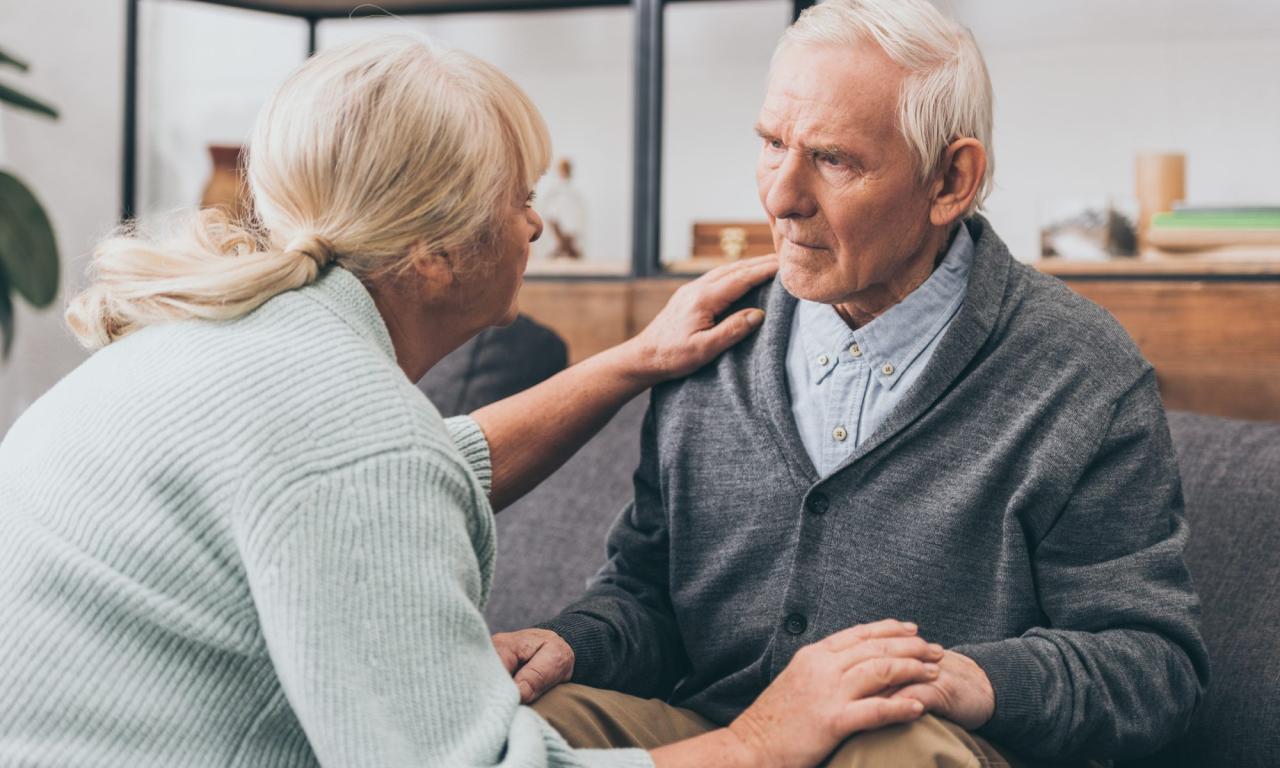
The journey of caring for a loved one with dementia often takes an emotional toll, but the financial implications can be equally daunting. Nursing home placement, while sometimes necessary, frequently presents a significant financial burden for families. Understanding the costs and available resources can help families navigate this challenging aspect of dementia care.Nursing home care is expensive, and the costs can vary greatly depending on several factors.
The financial strain of these costs can be substantial, impacting not only the individual’s financial well-being but also the family’s overall economic stability.
Funding Options for Dementia Care
Navigating the financial landscape of dementia care requires understanding the various funding options available. Medicaid and private insurance are two primary sources of financial assistance. Medicaid, a government program, may cover nursing home costs for low-income individuals, but eligibility requirements are stringent and often involve a lengthy application process. Private insurance, including supplemental long-term care insurance, can also play a crucial role in covering nursing home expenses, but it’s vital to carefully assess policy details and coverage limitations before making a commitment.
Costs Associated with Different Levels of Care
Nursing homes offer various levels of care, each with its associated costs. Skilled nursing care, which includes medication management and assistance with daily activities, typically incurs higher expenses than assisted living. The cost of specialized care for specific needs, such as memory care units designed for dementia patients, can be even higher. Factors like location, amenities, and the level of staffing can also impact the overall cost.
Caring for a spouse with dementia can be incredibly challenging, often leading to the difficult decision of placing them in a nursing home. Navigating the emotional and logistical aspects of this transition is tough, but it’s also important to remember the need for self-care. A successful example of balancing demanding work with a personal life is seen in the work of renowned New York chef david bouley new york chef.
Ultimately, finding the right support systems and resources for both the spouse with dementia and the caregiver is key to making the best choices in these challenging circumstances.
Long-Term Care Insurance Options
Long-term care insurance policies are designed to cover the costs of long-term care, including nursing home stays. These policies can be a crucial financial safeguard, especially for those with a high likelihood of needing long-term care in the future. Policies differ in coverage amounts, premiums, and eligibility requirements. Careful comparison of various policies, taking into account the individual’s specific needs and financial situation, is essential before making a decision.
It’s crucial to understand that these policies are not a guaranteed solution and that the coverage may not fully meet the required costs.
Estimated Costs of Nursing Home Care by Dementia Stage
| Dementia Stage | Estimated Annual Nursing Home Cost (Approximate Range) |
|---|---|
| Early Stage | $50,000 – $75,000 |
| Middle Stage | $75,000 – $100,000 |
| Late Stage | $100,000+ |
Note: These figures are estimates and can vary significantly based on the individual’s needs, the specific nursing home, and the location. Factors such as the required level of care, specialized therapies, and the availability of amenities influence the total cost.
Legal and Ethical Considerations
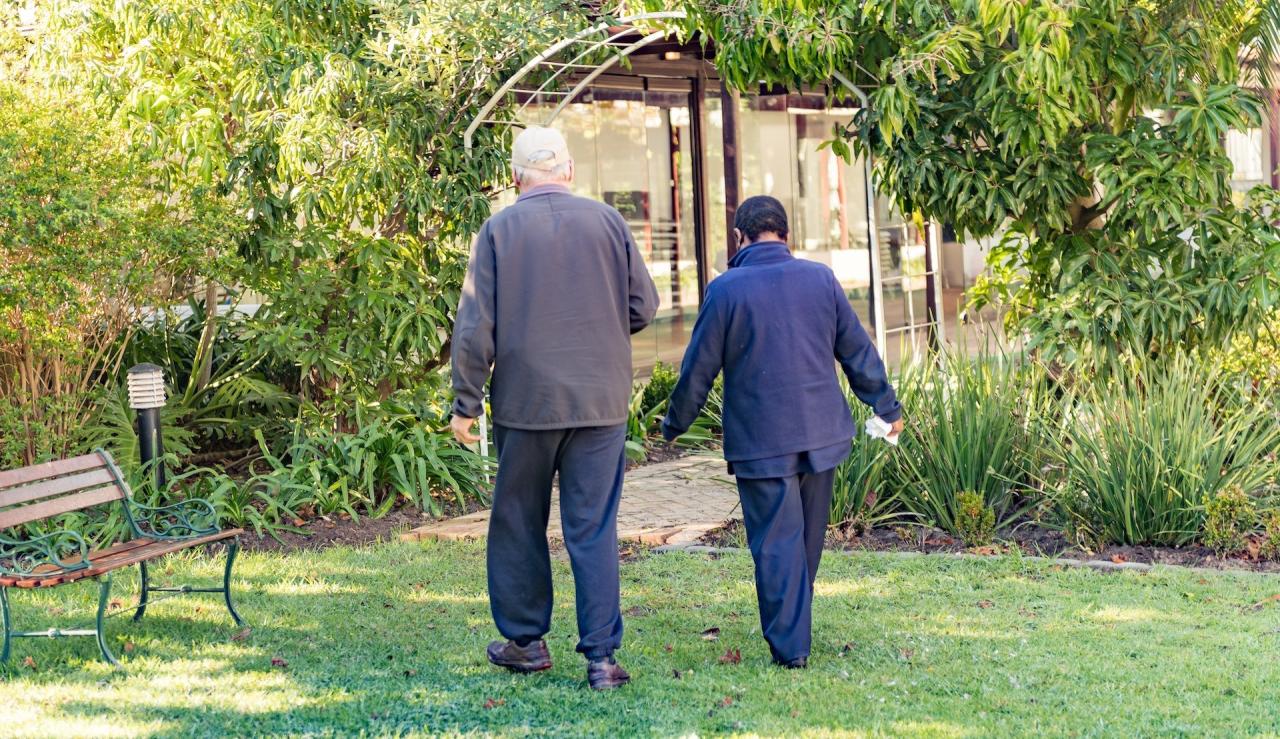
Navigating the complex landscape of dementia care often involves intricate legal and ethical considerations. Understanding these aspects is crucial for both the person with dementia and their family, ensuring their rights are protected and their best interests are prioritized throughout the care process. This section will delve into the key legal documents, ethical dilemmas, patient rights, common legal challenges, and practical steps for navigating the legal system.The legal and ethical framework surrounding dementia care is multifaceted.
It involves balancing the rights and needs of the individual with dementia with the responsibilities of caregivers, healthcare providers, and the broader community. The goal is to provide compassionate and high-quality care while upholding the highest standards of legal and ethical conduct.
Relevant Legal Documents
Understanding legal documents is paramount for effective dementia care. These documents Artikel the wishes and plans for the person with dementia, ensuring their preferences are respected and their well-being is prioritized. Power of attorney and advanced directives are critical tools in this process.
- Power of Attorney (POA): A POA designates a trusted individual to make legal and financial decisions on behalf of another person. In dementia care, this can be invaluable for managing finances, healthcare decisions, and property matters as the individual’s capacity diminishes. It’s essential to choose a reliable and trustworthy individual who understands the nuances of dementia care and is willing to assume this responsibility.
- Advanced Directives: These documents, including Living Wills and Health Care Proxies, specify the individual’s wishes regarding medical treatment and end-of-life care. They provide a clear roadmap for healthcare professionals and family members to follow, ensuring the individual’s autonomy is respected even when they are unable to express their desires directly.
Ethical Dilemmas in Dementia Care
Ethical dilemmas frequently arise in dementia care, requiring careful consideration and a commitment to ethical principles. Balancing the individual’s autonomy with the need for protection and care is a recurring challenge.
- Confidentiality and Privacy Concerns: Protecting the privacy and confidentiality of individuals with dementia is crucial. Caregivers and healthcare professionals must adhere to strict guidelines regarding sharing personal information, respecting the individual’s right to privacy, and avoiding any form of discrimination.
- Decision-Making Capacity: Determining an individual’s capacity to make informed decisions regarding their care can be complex. Ethical frameworks guide professionals and families in assessing capacity and respecting the individual’s wishes as far as possible.
- Treatment Refusal: Respecting an individual’s right to refuse treatment is a fundamental ethical principle. Healthcare professionals and caregivers must ensure that this right is upheld and documented appropriately.
Rights of Dementia Patients in Nursing Homes
Individuals with dementia residing in nursing homes have specific rights that must be protected. These rights are enshrined in various regulations and guidelines to ensure dignity and well-being.
Caring for a spouse with dementia in a nursing home can be incredibly tough. It’s a lot to juggle, especially the emotional toll. Interestingly, while scrolling through TikTok, I stumbled upon videos showcasing the latest Acne Studios scarf trends, and it got me thinking about how social media can sometimes distract us from the real struggles. The sheer volume of content, including acne studios scarf tiktok and similar trends, can highlight the beauty of fashion but sometimes overshadow the importance of dedicated care for dementia spouses in nursing homes.
- Right to Dignity and Respect: Individuals with dementia deserve to be treated with dignity and respect, regardless of their cognitive impairment. Nursing home staff must prioritize the individual’s comfort and well-being, fostering a supportive and nurturing environment.
- Right to Personal Choice: As far as possible, individuals with dementia should be empowered to make personal choices that reflect their preferences. This may include choices regarding their daily routines, activities, and social interactions.
- Right to Informed Consent (as appropriate): Where applicable, the individual should be involved in decisions concerning their care and treatment, ensuring their wishes are taken into account.
Legal Challenges Faced by Dementia Caregivers
Dementia caregivers often encounter various legal challenges, such as navigating complex financial and legal procedures. These challenges can be overwhelming and require a strong support system.
- Financial Exploitation: Unfortunately, individuals with dementia are vulnerable to financial exploitation. Caregivers and families must be vigilant in protecting their loved ones’ assets and seeking legal counsel if necessary.
- Guardianship Proceedings: Guardianship is a legal process that allows a court-appointed guardian to make decisions on behalf of a person who lacks the capacity to do so themselves. This process can be complex and time-consuming but is sometimes necessary to ensure the safety and well-being of the individual with dementia.
- Healthcare Disputes: Disputes regarding medical treatment, care plans, or end-of-life decisions can arise in dementia care. Seeking legal counsel is crucial to understand rights and responsibilities and to resolve disagreements in a timely manner.
Navigating the Legal System
Navigating the legal system for dementia care issues can be daunting. However, several strategies can streamline the process and protect the rights of individuals with dementia.
- Seek Legal Counsel: Consulting with an attorney specializing in elder law or disability law is crucial for navigating legal complexities. They can provide guidance and representation to ensure that the individual’s rights are protected.
- Document Everything: Maintaining meticulous records of all interactions, communications, and decisions related to dementia care is essential. This documentation can be vital in legal proceedings.
- Utilize Support Resources: Numerous organizations provide support and guidance for caregivers dealing with legal issues related to dementia. Contacting these resources can provide valuable information and assistance.
Alternative Care Options
Navigating the complexities of dementia care often leads families to explore alternative options beyond traditional nursing homes. Finding the right fit for a loved one with dementia requires careful consideration of individual needs, preferences, and available resources. This exploration considers assisted living facilities and in-home care as viable alternatives, presenting their unique characteristics and potential benefits.Assisted living facilities and in-home care offer a spectrum of services tailored to different levels of care needs.
Understanding the nuances of each option is crucial in making an informed decision. These options can provide crucial support for both the dementia patient and the family caregiver.
Assisted Living Facilities
Assisted living facilities (ALFs) provide a supportive environment for individuals needing assistance with daily tasks, while maintaining a level of independence and community engagement. These facilities offer a variety of services, including meals, housekeeping, medication management, and social activities.
- Structure and Environment: ALFs typically offer a structured environment with shared living spaces and communal activities. This structured environment can be comforting for some individuals with dementia, providing familiarity and a sense of community. The physical design of the facility, including common areas and individual apartments, should be carefully assessed for safety and accessibility.
- Level of Care: ALFs generally cater to individuals needing some assistance but not extensive 24/7 medical care. The level of care varies between facilities, with some offering more comprehensive support than others. It’s essential to inquire about the specific services offered and the staff-to-resident ratio.
- Pros: ALFs provide a supportive environment, social interaction, and assistance with daily living tasks. They can be a cost-effective alternative to nursing homes for those needing a moderate level of care. The social aspect often improves quality of life.
- Cons: The level of care might not be sufficient for individuals with severe dementia or those requiring extensive medical interventions. The cost can vary significantly depending on the location, amenities, and services provided. Finding a facility with a strong reputation and a compassionate staff is essential.
In-Home Care
In-home care services provide personalized care and support within the familiar comfort of a person’s home. This option allows for greater flexibility and control over the care environment.
- Types of Services: In-home care can include a range of services, from personal care and medication management to companionship and respite care for caregivers. Services can be tailored to specific needs and preferences, allowing for flexibility in the level of support.
- Flexibility and Personalization: In-home care allows for a high degree of customization and flexibility. Caregivers can be scheduled to provide specific services and adapt to the changing needs of the individual with dementia. The environment is familiar and less disruptive to daily routines.
- Pros: In-home care maintains the familiar surroundings and routines of the individual’s home. It allows for more personalized care and can be more cost-effective than other options, depending on the level of care needed.
- Cons: In-home care can be more expensive than other options, depending on the frequency and type of care required. Finding reliable and qualified caregivers can be challenging. The home environment might not be adequately equipped to manage all the needs of an individual with advanced dementia.
Choosing the Right Option
Evaluating potential alternative care facilities involves a thorough assessment process. Asking the right questions will guide the selection process and ensure the chosen option best suits the individual’s needs.
- Caregiver Qualifications: Inquire about the qualifications and experience of the staff, including nurses, caregivers, and other support personnel. Check certifications and references.
- Safety and Security: Evaluate the safety features and security measures implemented within the facility. Understand the procedures for emergencies and how staff handles resident care needs.
- Financial Considerations: Request detailed information about fees, payment options, and potential hidden costs. Compare costs across different facilities to ensure affordability.
- Community and Activities: Evaluate the available social activities and community engagement opportunities offered by the facility. This can be a crucial factor in maintaining a positive quality of life for individuals with dementia.
Questions to Ask When Evaluating Facilities
Carefully consider these questions when assessing potential facilities:
| Category | Specific Questions |
|---|---|
| Caregiver Qualifications | What are the qualifications and experience of the staff? How often are caregivers trained? |
| Safety and Security | What safety measures are in place? What procedures are followed for emergencies? |
| Financial Considerations | What are the fees and payment options? Are there any hidden costs? |
| Community and Activities | What social activities and community engagement opportunities are offered? |
Epilogue
In conclusion, the journey of dementia spouses navigating nursing homes is undeniably intricate. This guide has illuminated the emotional, financial, and logistical aspects of this experience. By understanding the available resources and support systems, spouses can navigate this challenging period with greater resilience and clarity. Remember, you’re not alone in this journey, and seeking support is crucial for both the caregiver and the patient.
FAQs: Dementia Spouses Nursing Homes
What are some common emotional challenges faced by spouses of dementia patients?
Spouses often experience feelings of grief, guilt, frustration, and isolation. The progressive nature of dementia can be incredibly taxing, leading to a constant struggle with changing roles and responsibilities. Loss of independence and the fear of the future are also common concerns.
How can I find support groups for dementia caregivers?
Local organizations, hospitals, and online communities offer support groups tailored to dementia caregivers. These groups provide a safe space to share experiences, connect with others facing similar challenges, and gain practical advice.
What are some alternative care options besides nursing homes?
Assisted living facilities, in-home care, and adult day care centers are some alternatives to nursing homes. Each option has its own set of advantages and disadvantages, and the best choice depends on the individual’s needs and circumstances.
What financial resources are available for dementia care?
Medicaid, private insurance, and long-term care insurance are possible options. It’s crucial to research and understand the eligibility criteria and coverage specifics of each option to determine the best fit for your situation.