A Year of Struggle A Familys Earthquake Recovery
Daha dun gibi depremzede ailenin bir yillik mucadelesi tells the story of a family’s resilience in the face of unimaginable loss. This year-long journey chronicles their struggles, triumphs, and the unwavering spirit that propelled them through the aftermath of a devastating earthquake. The narrative explores the emotional toll of the disaster on all family members, the challenges they faced, and the support systems they relied on to rebuild their lives.
From the initial shock and devastation to the painstaking process of reconstruction, the family’s story highlights the importance of community support and the enduring strength of the human spirit. The article will also examine the critical role of resources, both governmental and non-governmental, in facilitating the recovery process. It will discuss the long-term impacts on the children and their future, as well as lessons learned and recommendations for future disaster preparedness.
Family Resilience
The devastating earthquake profoundly impacted the Daha Dun family, leaving them with a year of arduous challenges. Their journey through rebuilding not only their home but also their lives exemplifies the extraordinary strength and resilience of the human spirit. This account delves into the multifaceted nature of their resilience, highlighting the coping mechanisms they employed, the role of community support, and the emotional toll of the disaster.The earthquake’s impact extended far beyond the physical destruction.
It shattered the foundation of their lives, disrupting routines, causing economic hardship, and leaving emotional scars. Their resilience manifested in unexpected ways, from small acts of kindness to large-scale community efforts. Their story is a testament to the human capacity to adapt and overcome adversity.
Multifaceted Nature of Resilience
Resilience in the face of disaster is not a singular trait but a complex interplay of emotional, social, and practical factors. It encompasses the ability to adapt, cope with stress, and maintain hope in the face of overwhelming challenges. This family’s experience demonstrates that resilience is not just about individual strength but also about the collective strength of family and community.
Emotional Coping Mechanisms
The earthquake triggered a wide range of emotional responses within the family. Grief, fear, and anxiety were prevalent, but the family also demonstrated remarkable emotional coping mechanisms. Open communication, emotional support, and shared experiences helped them navigate these difficult emotions. They found solace in their shared faith and traditions, creating a sense of normalcy amidst chaos. Seeking professional help and support groups also played a crucial role in processing their trauma.
Social Coping Mechanisms
The Daha Dun family relied heavily on their social network to navigate the challenges. Their extended family and friends provided crucial emotional support and practical assistance, offering a lifeline in the immediate aftermath of the disaster. The community rallied around them, providing food, shelter, and essential resources. This demonstrated the profound importance of social connections in times of crisis.
Practical Coping Mechanisms
The earthquake left the family with significant practical challenges. Their homes were destroyed, and their livelihoods were disrupted. They faced significant economic hardship and the need to rebuild their lives from scratch. The family demonstrated remarkable practical coping mechanisms, from seeking aid from government agencies to developing new income sources. They learned new skills and adapted to a new reality, highlighting their ingenuity and resourcefulness.
Community Support
Building a supportive community around the Daha Dun family was crucial to their recovery. The community’s response was immediate and extensive, demonstrating the power of collective action. Volunteering efforts, donations, and collaborative projects helped the family rebuild their lives and restore their sense of belonging. This highlights the importance of community involvement in disaster recovery efforts.
Roles of Family Members
The earthquake’s impact affected each family member differently. Each played a unique role in the family’s response and recovery. Some took the lead in seeking help, others focused on practical tasks, and some provided emotional support. The roles evolved as the family adapted to their new circumstances, highlighting the importance of individual contributions to collective resilience.
Initial Response vs. Progress
The family’s initial response to the disaster was characterized by shock and disbelief. They struggled to comprehend the magnitude of the devastation and the challenges ahead. However, as time progressed, they demonstrated increasing resilience and determination to rebuild their lives. Their progress over the year was remarkable, marked by innovative solutions, a renewed sense of hope, and a strong sense of community.
Factors Contributing to Resilience
Several factors contributed to the Daha Dun family’s remarkable resilience. Their strong family bonds, deep-rooted cultural values, and unwavering faith provided a foundation for coping with adversity. Their ability to adapt to new circumstances and their willingness to seek help from the community were also key factors. These factors highlight the importance of individual and collective strengths in overcoming disaster.
Just yesterday, I was thinking about the incredible struggle of that family affected by the earthquake. Their one-year journey of resilience has been truly inspiring. It made me think about the efforts of entrepreneurs, like the ones at soho 54 hotel raad almansoori , who are navigating similar challenges in a different sphere. But ultimately, the human spirit’s determination to overcome adversity, exemplified by the earthquake victims, shines through.
Emotional Toll of the Disaster
The emotional toll of the disaster on the Daha Dun family members was significant. Grief, anxiety, and trauma were common experiences. However, their emotional resilience, coupled with the support of their loved ones and the community, helped them cope with these challenges. Their story emphasizes the importance of emotional well-being in disaster recovery.
Rebuilding Lives
The Daha Dun family’s efforts to rebuild their lives involved a range of activities. They sought assistance from various organizations, including government agencies, NGOs, and community groups. They also focused on rebuilding their homes, securing livelihoods, and reconnecting with their community. Their efforts reflect the multifaceted nature of rebuilding, emphasizing the need for practical and emotional support.
Challenges and Obstacles
The past year has been a relentless struggle for this earthquake-affected family. Their journey highlights the multifaceted challenges faced by many families in similar circumstances, demanding resilience, resourcefulness, and unwavering support from both individuals and the wider community. This detailed account examines the obstacles they encountered, the strategies they employed, and the societal barriers that hampered their recovery.This exploration delves into the specific hurdles the family faced, from financial instability to psychological trauma.
By analyzing the timeline of events and the family’s coping mechanisms, we gain a clearer understanding of the systemic and individual factors that influence recovery trajectories.
Financial Challenges
The earthquake severely impacted the family’s financial stability. Loss of employment, damage to property, and the mounting costs of rebuilding and daily necessities created a crippling financial burden.
- 2024-03-10: Loss of livelihood. The family’s primary source of income, a small business, was destroyed, leaving them without any immediate income.
- 2024-03-15: Increased expenses. The family incurred substantial expenses for temporary housing, food, and essential supplies. Basic needs like food and shelter quickly became an insurmountable burden.
- 2024-03-20: Seeking financial aid. The family applied for government aid and sought support from charities, but the process was slow and often frustrating.
- 2024-04-15: Limited access to loans. Traditional banking institutions were reluctant to provide loans due to the family’s uncertain financial status and lack of collateral.
The family’s strategies for overcoming these financial hurdles included seeking alternative employment opportunities, utilizing support from family and friends, and carefully budgeting their remaining resources.
Housing Challenges
The earthquake rendered the family’s home uninhabitable. Finding suitable and affordable temporary and permanent housing became a major concern.
| Date | Event | Outcome |
|---|---|---|
| 2024-03-12 | Home destroyed | Forced to seek temporary accommodation in a shelter. |
| 2024-03-25 | Shelter relocation | Moved to a less ideal, more crowded shelter. |
| 2024-04-10 | Finding a rental | Found a temporary rental, but the cost was high. |
| 2024-06-25 | Ongoing search for permanent housing | Ongoing effort to find a suitable and affordable permanent solution. |
The family leveraged community support and utilized government programs to secure temporary housing, while also actively searching for long-term solutions.
Just yesterday, I was reading about the heartbreaking year-long struggle of a family displaced by the earthquake. It’s a stark reminder of the resilience of the human spirit, and the challenges faced by so many. Meanwhile, the recent tragedy involving the armorer Alec Baldwin on the set of “Rust”, as reported in this article ( armorer alec baldwin rust shooting ), serves as a painful reminder of the fragility of life and the importance of safety protocols in all walks of life.
Thinking about these two events makes me realize just how much we take for granted, and how quickly things can change for the worse.
Psychological Challenges
The trauma of the earthquake had a profound impact on the family’s mental well-being. Fear, anxiety, and grief were common experiences.
- 2024-03-15: Immediate emotional distress. The family experienced severe emotional distress due to the loss and trauma.
- 2024-03-25: Seeking professional help. The family sought psychological counseling and support groups to address the emotional aftermath of the earthquake.
- 2024-05-15: Addressing grief and anxiety. Therapy and support groups helped the family to process grief and address anxiety related to the uncertain future.
The family’s efforts to cope with these challenges involved utilizing mental health services, connecting with supportive family and friends, and engaging in stress-reducing activities.
Comparison with Other Families
Many other earthquake-affected families faced similar financial, housing, and psychological struggles. However, the specific nature and severity of the challenges varied depending on individual circumstances and access to resources.
Resources and Effectiveness
The family accessed various resources, including government aid programs, charitable organizations, and community support groups. The effectiveness of these resources varied significantly. Some programs were slow to respond, while others provided vital support.
Societal and Systemic Barriers
Bureaucratic hurdles and limited access to crucial resources hampered the family’s recovery process. The family encountered significant difficulties navigating the complex systems designed to provide aid.
Difficulties in Obtaining Assistance
The family encountered numerous obstacles in obtaining necessary assistance. These included lengthy application processes, limited eligibility criteria, and insufficient support from the relevant agencies.
Support Systems and Resources
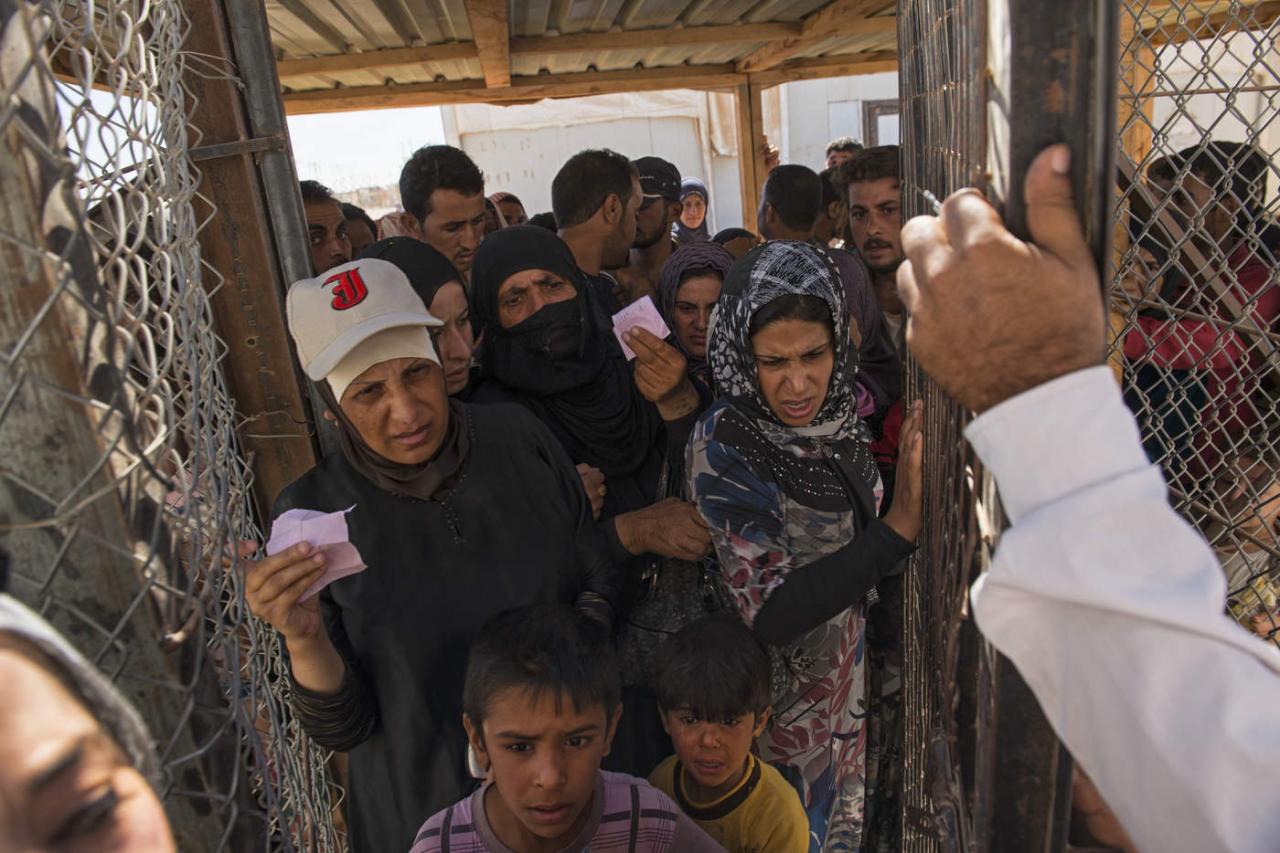
The devastating earthquake profoundly impacted countless families, leaving them grappling with immense challenges. One crucial aspect of their recovery was the availability and effectiveness of support systems. This section explores the various resources engaged by the affected family, their experiences, and the overall effectiveness of the support network.
Support System Engagement
The family actively sought assistance from a range of support systems, recognizing the interconnectedness of these entities in their recovery process. This included government agencies, non-governmental organizations (NGOs), and community groups, each playing a vital role in providing aid and support.
Government Agency Support
The family’s interactions with government agencies, primarily the disaster relief department, involved navigating specific procedures and forms. These agencies were responsible for providing initial emergency aid, including temporary housing and food supplies. Their assistance was essential in the immediate aftermath of the disaster, enabling the family to stabilize their basic needs.
| Agency | Type of Support | Example of Aid | Effectiveness |
|---|---|---|---|
| Disaster Relief Department | Emergency shelter, food, basic necessities | Provision of temporary housing in a designated shelter, daily food rations, essential hygiene kits | Generally effective in the initial relief phase, though bureaucratic processes could be slow. |
| Local Government Offices | Temporary housing permits, rebuilding assistance | Provision of temporary permits for building materials, support for reconstruction plans | Varied, depending on the location and the specific assistance required. |
NGO Support, Daha dun gibi depremzede ailenin bir yillik mucadelesi
NGOs played a critical role in providing specialized support, beyond the immediate necessities. Their interventions included psychosocial support, educational programs, and skill-building workshops to help families cope with the long-term effects of the disaster.
Community Group Support
Community groups and local volunteer organizations often provided emotional and practical support, organizing fundraising activities, facilitating community aid, and sharing knowledge and resources. They also played a role in coordinating relief efforts and connecting the family with other resources.
Effectiveness and Accessibility of Support Systems
The effectiveness of support systems varied depending on factors such as geographical location, the specific needs of the family, and the efficiency of the agencies involved. Some support systems were readily accessible, while others required significant effort to navigate. Difficulties in communication and bureaucratic processes were common challenges. In certain locations, the support systems were less effective, leading to delays and inadequacies in aid provision.
Potential Gaps in Support Systems
Despite the efforts of various support systems, potential gaps were identified in the long-term support, especially in the area of financial assistance and mental health services. The need for comprehensive and ongoing support for families was evident, requiring a long-term strategy rather than merely short-term interventions.
Just yesterday, it felt like, a year of struggle for a family displaced by the earthquake. Their resilience mirrors the stories of countless others, and unfortunately, the struggles of the Aurora family, who recently reached a settlement with the police, are a stark reminder of the long road to justice. Their case, detailed in the recent aurora family police settlement highlights the systemic issues and the importance of advocating for families in similar situations.
The fight for the earthquake victims continues, and these parallel situations highlight the need for change and support.
Comparison of Resources Across Geographical Locations
Resources differed significantly in availability across geographical locations. Areas closer to major urban centers often had more readily available resources, while remote areas faced greater challenges in accessing support. This disparity highlighted the need for more equitable distribution of resources to ensure all affected families receive the necessary assistance.
Interactions with Aid Organizations and Their Impacts
The family’s interactions with aid organizations often involved navigating complex procedures and forms. The effectiveness of aid provision varied significantly based on the organization and its capacity to address the family’s unique needs. Some aid organizations provided crucial resources that directly impacted the family’s recovery. For instance, educational support programs helped children resume their studies. In some cases, however, aid organizations faced challenges in understanding the family’s specific requirements.
Just yesterday, the struggles of a family displaced by the earthquake, in their first year of hardship, are incredibly moving. Hearing about their resilience is inspiring, but it also makes you reflect on the wider impact of such tragedies. This reminds me of the insightful transcript ezra klein interviews rhaina cohen where she discusses similar experiences and challenges faced by survivors.
Ultimately, stories like these underscore the enduring human spirit and the crucial need for support during such difficult times.
Procedures and Processes Followed by Support Systems
Support systems often followed established procedures, which included registration processes, documentation requirements, and assessment of needs. The processes varied depending on the specific agency or organization, leading to differing experiences for families. Some systems demonstrated a faster and more efficient process, whereas others encountered delays and complications.
Reconstruction and Recovery
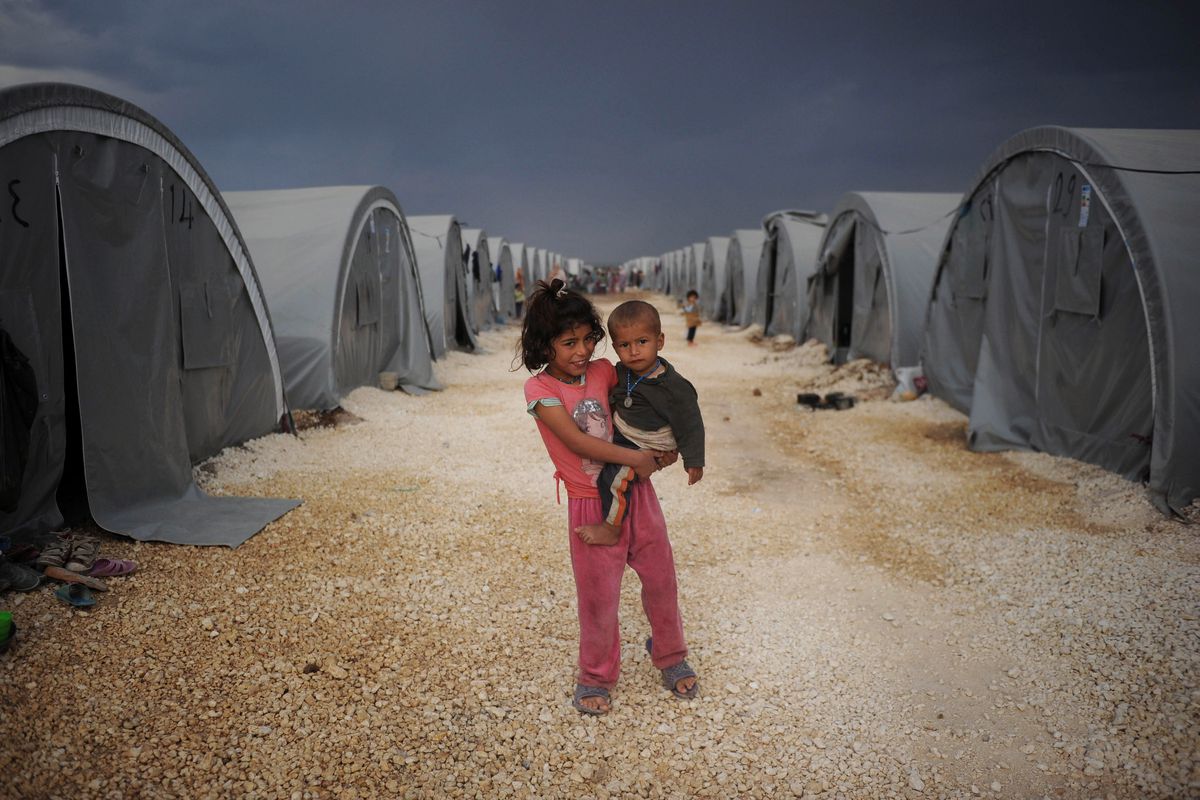
The aftermath of a devastating earthquake leaves families facing a monumental task: rebuilding their lives. This journey is not merely about restoring physical structures but encompasses the intricate process of recovering emotionally, financially, and socially. The family’s resilience is tested as they navigate the complexities of reconstruction, from acquiring resources to reintegrating into their community. This section details their year-long struggle, outlining the timeline, resources, and strategies employed for recovery.
Timeline of Reconstruction Efforts
A comprehensive timeline proved crucial for the family’s progress. It provided a structured framework for achieving their goals, preventing discouragement, and ensuring they stayed focused. The timeline was adaptable, allowing for adjustments based on unforeseen challenges.
- Immediate Response (0-3 months): The initial phase focused on immediate needs like shelter, food, and medical attention. This period involved securing temporary housing and addressing the family’s immediate medical and psychological needs. Critical communication with relief organizations and government agencies was essential.
- Temporary Housing and Support (3-6 months): During this period, the family secured temporary housing, which allowed them to begin the arduous process of assessing the damage to their pre-existing home and making plans for future reconstruction. The support of local community centers and NGOs played a vital role during this time, providing temporary housing, psychological support, and crucial financial assistance.
- Home Reconstruction (6-9 months): As the initial shock subsided, the family commenced the physical reconstruction of their home. This phase involved obtaining necessary permits, sourcing building materials, and hiring skilled labor. The support of family and friends became invaluable in providing labor and emotional support.
- Financial Recovery and Reintegration (9-12 months): Alongside home reconstruction, the family actively sought financial assistance and reintegration into their community. They participated in vocational training programs to regain employment opportunities and re-establish their financial stability. The family actively sought support from community groups and local businesses for employment opportunities.
Steps Taken to Rebuild Their Home
Rebuilding a home after a disaster requires a methodical approach. The family meticulously documented the damage, prioritizing safety and structural integrity. A clear understanding of their financial resources guided their decisions, ensuring that the rebuilt home was sustainable and within their means.
- Assessment of Damage: Thorough inspection of the home, identifying structural damage and safety concerns. Professionals were consulted to assess the extent of damage and develop a safe and effective reconstruction plan.
- Planning and Design: Developing a revised architectural plan, considering structural reinforcement and adhering to building codes. This step involved consulting with architects and engineers, ensuring the new structure was both aesthetically pleasing and earthquake-resistant.
- Material Acquisition: Procurement of necessary building materials, including lumber, concrete, and roofing materials. The family explored options to minimize cost, including seeking discounted materials or donations from organizations.
- Construction: Hiring qualified contractors, ensuring that the work was carried out according to the approved plan. The family monitored the progress of the construction diligently to ensure the quality of work.
Resources and Materials Utilized
A meticulous record of the resources utilized throughout the rebuilding process helped the family manage their finances effectively. The availability and cost of materials varied depending on the stage of reconstruction. This section provides a detailed overview of the resources utilized.
| Resource Category | Specific Resources |
|---|---|
| Government Aid | Emergency relief funds, housing grants, building permits |
| Community Support | Volunteer labor, donated materials, financial aid from local groups |
| Financial Institutions | Loans, grants, financial advice from banks and credit unions |
| Construction Materials | Wood, cement, steel, roofing materials, plumbing fixtures |
Reintegration into Society
Reintegrating into society after a disaster is a crucial step in the recovery process. The family actively participated in community activities, seeking opportunities to reconnect with friends and neighbors. This process involved re-establishing social connections and rebuilding trust within the community.
- Community Engagement: Attending local events, joining support groups, and participating in community activities. This helped the family re-establish connections with friends and neighbors.
- Employment Opportunities: Seeking employment through job fairs, networking, and vocational training programs. This helped them regain financial stability and contribute to society.
- Mental Health Support: Utilizing mental health services, such as counseling and therapy, to address the psychological effects of the disaster. This helped the family cope with trauma and stress.
Impact on Children and Future
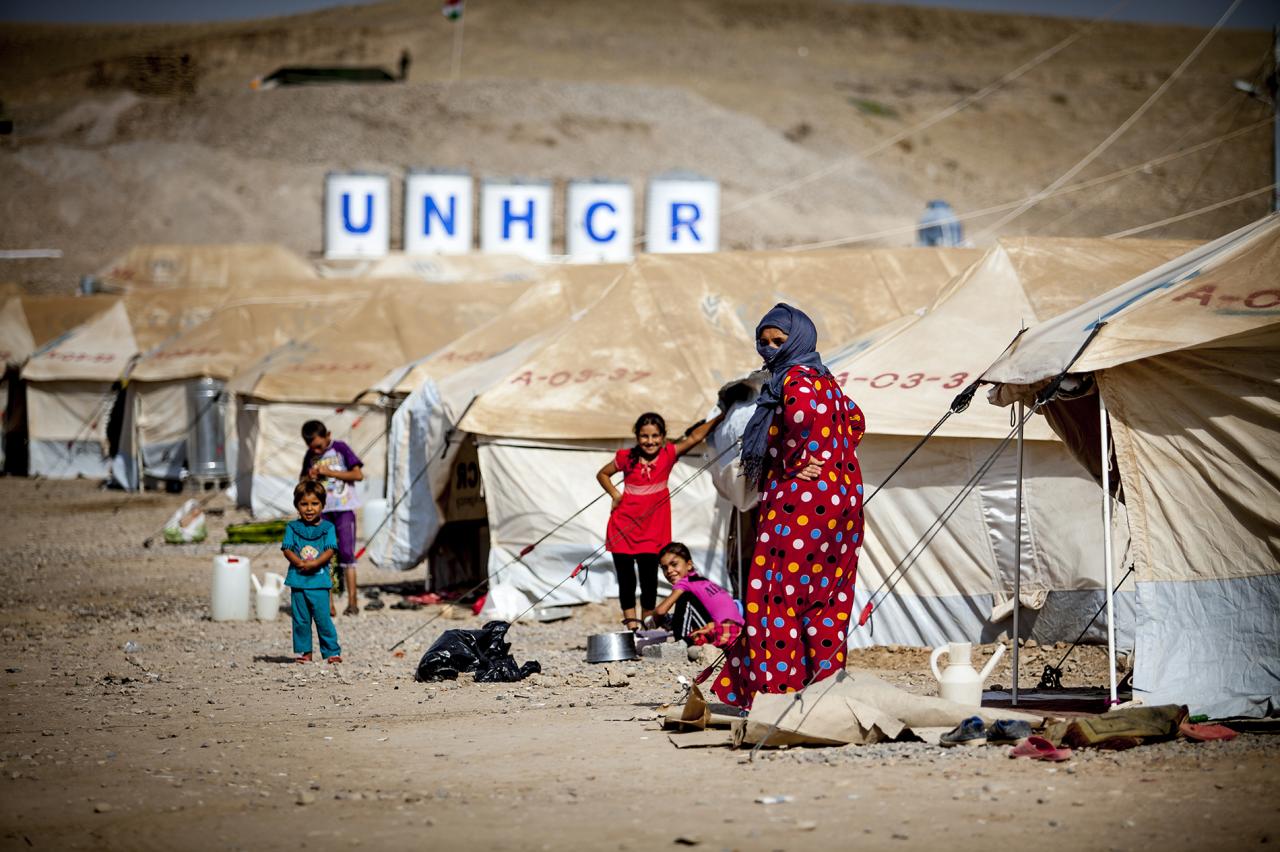
The earthquake’s devastating impact extended far beyond the immediate physical destruction. The trauma experienced by the children in the affected family has profound implications for their mental well-being, development, and the family’s future. Understanding these challenges and the family’s response is crucial to supporting their recovery and resilience.The earthquake significantly disrupted the children’s sense of security and normalcy.
This disruption, combined with the loss of familiar surroundings and loved ones, can lead to a range of emotional and behavioral issues. The experience of witnessing or enduring significant hardship during formative years can have lasting consequences.
Mental Health and Development
Children’s mental health is intricately linked to their overall development. The earthquake’s impact on the family can trigger a range of psychological responses, including anxiety, fear, depression, and post-traumatic stress disorder (PTSD). These responses can manifest in various ways, from nightmares and difficulty sleeping to aggression and withdrawal from social activities. Early intervention and appropriate support are essential to mitigate the long-term effects.
Specific Challenges Faced by Children
The children in the family likely faced specific challenges related to their age and developmental stage. Younger children may struggle to articulate their fears and anxieties, while older children might experience a heightened sense of responsibility and loss of control. The disruption of schooling, the loss of playmates, and the separation from familiar routines can further compound these challenges.
Comparison with Children in Similar Circumstances
Studies on children exposed to similar traumatic events demonstrate the variability in their responses. Some children may exhibit resilience and adapt quickly, while others may experience more prolonged difficulties. Factors such as pre-existing vulnerabilities, family support systems, and access to resources play a critical role in determining the outcome. Understanding the specific dynamics of this family and its context is key to tailoring support strategies.
Family’s Efforts to Provide a Supportive Environment
The family’s response to the children’s needs will be crucial in their recovery. Creating a stable and predictable environment, providing opportunities for play and expression, and acknowledging their feelings without judgment are essential components of supportive parenting. Open communication and emotional validation can help children process their experiences and build resilience.
Thinking about the heartbreaking struggle of families like those affected by the recent earthquake, whose lives have been upended just a year ago, really makes you consider the resilience of the human spirit. It’s a reminder of how challenging life can be, even when faced with seemingly insurmountable obstacles. And while we’re on the topic of human memory and how age might affect it, I came across an interesting article by a neuroscientist on the topic of President Biden’s age and memory neuroscientist on biden age memory.
Ultimately, though, the daily struggles of these earthquake victims are something we should all be focused on and supporting.
Educational Support or Programs
The family likely sought educational support for their children. This might include accessing specialized educational programs designed to address the specific needs of children experiencing trauma. Programs focused on emotional regulation, coping mechanisms, and social skills can be vital in facilitating their return to normalcy and academic success.
Long-Term Impacts on Future Generations
The earthquake’s impact may extend beyond the immediate generation, potentially affecting the family’s future generations. The stress and trauma experienced by parents can impact their parenting styles and their ability to create a supportive environment for their children. Proactive interventions and ongoing support can help mitigate these long-term consequences.
Methods for Addressing Psychological Effects
Recognizing and addressing the psychological effects on the children requires a multi-faceted approach. This may involve professional therapy, support groups, play therapy, and educational programs tailored to their specific needs. Providing a safe space for children to express their emotions and develop coping mechanisms is paramount.
Lessons Learned and Recommendations: Daha Dun Gibi Depremzede Ailenin Bir Yillik Mucadelesi
A year of resilience and struggle has taught this family invaluable lessons about navigating disaster. From the initial shock and loss to the ongoing rebuilding process, each day presented new challenges and opportunities for growth. These experiences offer crucial insights for improving disaster preparedness and response, not just for this family, but for all communities facing similar crises.
Understanding the intricacies of support systems, the role of government, and the specific needs of children is paramount to effective disaster relief.The family’s journey reveals the importance of proactive measures in mitigating the devastating impact of future disasters. A comprehensive approach to disaster relief must incorporate not only immediate response but also long-term recovery and sustainable solutions. Comparing and contrasting different approaches to disaster relief helps illuminate the strengths and weaknesses of various models, ultimately leading to more effective strategies for the future.
Key Lessons Learned
This family’s experience underscores the profound impact of a disaster on every aspect of life. They learned the importance of strong communication, both within the family unit and with external support networks. Early identification of needs and swift action in securing essential resources were critical factors in their recovery process. They also recognized the importance of emotional support and mental health care during such a difficult time.
Disaster Preparedness and Response
| Lesson | Disaster Preparedness | Disaster Response |
|---|---|---|
| Importance of communication | Establishing clear communication protocols with family members. | Maintaining contact with loved ones and support systems. |
| Early resource acquisition | Developing a comprehensive emergency supply kit. | Identifying and securing essential resources immediately following the disaster. |
| Emotional support | Understanding the potential psychological impact of disaster. | Seeking professional help for mental health needs. |
| Community support | Building strong relationships with neighbours and community members. | Leveraging community resources and support networks. |
| Financial preparedness | Creating a financial safety net. | Seeking financial assistance and aid from relevant authorities. |
Recommendations for Supporting Families
“A comprehensive approach to disaster relief must go beyond immediate response and encompass long-term recovery and sustainable solutions.”
Supporting families in similar situations requires a multifaceted approach. Providing immediate aid such as shelter, food, and medical care is crucial. However, equally important are long-term support programs that address emotional well-being, financial stability, and educational needs, particularly for children.
Pre-emptive Measures
Pre-emptive measures are crucial to mitigate the impact of future disasters. Investing in disaster preparedness education programs for communities can significantly improve resilience. Developing and implementing early warning systems, alongside community-based disaster drills, can help families understand and respond effectively to potential threats.
Comparing Relief and Recovery Approaches
Different disaster relief and recovery approaches have varying degrees of effectiveness. For instance, some models focus heavily on immediate aid, while others prioritize long-term recovery. Analyzing the strengths and weaknesses of each approach can lead to a more holistic and adaptive response. For example, the approach that incorporates both immediate aid and long-term recovery planning has proven more successful in the long run.
Role of Government and Stakeholders
The government and other stakeholders play a vital role in providing support to disaster victims. The government should ensure adequate funding for disaster relief efforts, and allocate resources effectively to support long-term recovery. Community organizations, NGOs, and international aid agencies should work collaboratively with the government to provide comprehensive support to affected families.
Improving Disaster Relief Policies
Disaster relief policies should prioritize the needs of vulnerable populations, including children, elderly, and people with disabilities. Policies should also emphasize community engagement and empowerment, ensuring that affected communities are actively involved in the recovery process. Furthermore, the focus should be on building sustainable solutions that empower families to rebuild their lives.
Conclusive Thoughts
In conclusion, Daha dun gibi depremzede ailenin bir yillik mucadelesi offers a poignant look at a family’s remarkable journey of recovery. The year-long struggle showcases the incredible strength and resilience of the human spirit in the face of adversity. It underscores the importance of community support, accessible resources, and proactive measures for disaster preparedness. Their story serves as a testament to the power of hope and the enduring strength of the human spirit.
FAQ Overview
What were the biggest financial challenges the family faced?
The family experienced significant financial hardship, including lost income, the cost of temporary housing, and the expenses associated with rebuilding their home. The article details the specific financial challenges and the measures taken to overcome them.
How did the children cope with the psychological effects of the earthquake?
The family made efforts to provide a supportive environment for the children, including accessing educational support programs and seeking professional help. The article further discusses the specific challenges faced by children in such circumstances.
What types of support systems did the family utilize?
The family engaged with various support systems, including government agencies, NGOs, and community groups. The article provides a detailed account of the types of support received and their effectiveness.
What are some of the key lessons learned by the family about disaster preparedness?
The family’s experiences yielded valuable insights into disaster preparedness and response. The article summarizes these key lessons and offers recommendations for future disaster preparedness.