Trump, Biden, Haley Nevada Election Showdown
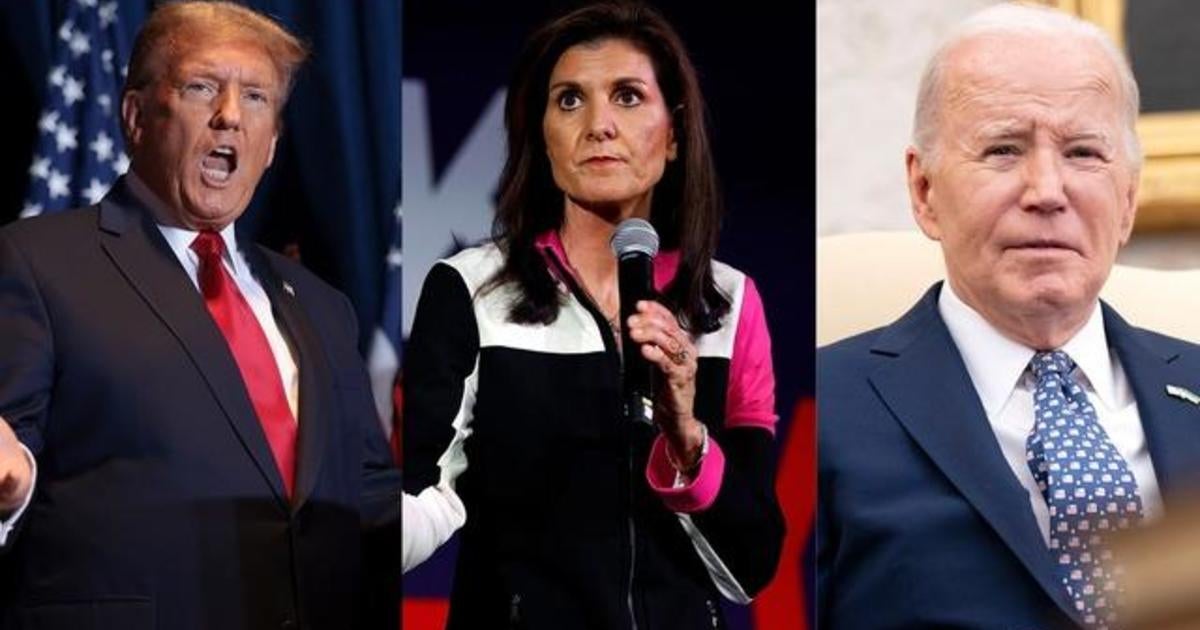
Trump biden haley nevada election – Trump, Biden, Haley: Nevada Election Showdown dives deep into the highly anticipated Nevada election, exploring the candidates’ stances, the political landscape, and potential outcomes. This election promises to be a crucial test for all involved, with the outcome potentially reshaping the national political scene. The candidates’ approaches to key issues like the economy, healthcare, and education will be examined, along with their campaign strategies and historical context.
The political climate in Nevada is dynamic and influenced by a multitude of factors. This analysis will cover the current political climate, key figures, historical voting patterns, and demographic trends. We’ll also look at the potential impact of these factors on the election’s outcome.
Candidate Profiles and Positions
The upcoming Nevada election presents a critical choice for voters, demanding careful consideration of each candidate’s platform and track record. Understanding their approaches to key issues like the economy, healthcare, and education is essential for informed decision-making. This analysis will delve into the contrasting positions of Donald Trump and Joe Biden, exploring their proposed policies and their potential impact on Nevada’s diverse demographics.
Trump’s and Biden’s Stances on Key Issues
Donald Trump and Joe Biden hold distinct views on various critical issues. Trump’s focus often revolves around tax cuts, deregulation, and an emphasis on American manufacturing, while Biden prioritizes social programs, infrastructure investment, and environmental protection. These differing philosophies directly influence their proposed policies concerning the economy, healthcare, and education.
Economic Policies in Nevada
Trump’s economic policies generally emphasize tax cuts for businesses and individuals, aiming to stimulate economic growth. He advocates for deregulation to reduce the burden on businesses, potentially leading to job creation and investment in Nevada. Biden, on the other hand, promotes investments in infrastructure projects, renewable energy, and job training programs. His focus is on creating good-paying jobs and supporting workers in Nevada’s economy.
Healthcare Policies in Nevada
Trump has supported policies that aim to reduce healthcare costs through market-based reforms, such as tax credits and deregulation. His proposed policies may lead to greater access to private insurance options, but could potentially increase costs for some segments of the population. Biden advocates for expanding access to affordable healthcare, including strengthening the Affordable Care Act and increasing subsidies for low-income individuals.
He seeks to expand access to preventative care and reduce out-of-pocket costs for Nevadans.
Education Policies in Nevada
Trump’s proposals for education often center on school choice initiatives, such as charter schools and vouchers, and emphasize parental involvement. His approach may increase flexibility in education options but could potentially lead to disparities in educational resources across different communities. Biden supports investments in early childhood education, increased funding for public schools, and equitable access to quality education for all students in Nevada.
Candidate Track Records and Impact on Nevada
Trump’s presidency saw a period of economic growth and job creation, but also faced criticism for trade policies and handling of certain social issues. Biden, in contrast, has focused on social programs and infrastructure investments, leading to debate about their impact on the national debt and long-term economic growth. The impact of these policies on Nevada’s specific economic challenges and social needs is a key consideration.
Impact of Policies on Different Demographics in Nevada
The following table Artikels potential impacts of each candidate’s policies on various demographics in Nevada.
| Demographic | Trump’s Potential Impact | Biden’s Potential Impact |
|---|---|---|
| Low-income families | Potentially reduced access to social safety nets, increased healthcare costs. | Potential increase in social programs and healthcare subsidies, access to affordable care. |
| Small business owners | Potentially lower taxes and reduced regulatory burden. | Potential investment in infrastructure, support for local businesses, and job training programs. |
| Senior citizens | Potentially reduced Medicare funding. | Potential expansion of access to affordable healthcare and support programs. |
| Rural communities | Potentially limited investment in infrastructure and support programs. | Potential for increased investment in infrastructure projects, rural broadband access, and job training. |
Public Statements on Nevada’s Economy
Trump, in previous statements, has highlighted the importance of job creation and economic growth in Nevada. He has emphasized his administration’s efforts to support businesses and create jobs. Biden, in his statements regarding Nevada, has stressed the need for investments in infrastructure, renewable energy, and job training to address the state’s specific economic challenges. He has also emphasized the importance of addressing Nevada’s unemployment rate.
Political Landscape in Nevada
Nevada, a swing state crucial in presidential elections, presents a complex political landscape heading into the upcoming election. The state’s history of shifting allegiances and unique demographic makeup make predicting the outcome a challenge. The interplay of established political figures and emerging grassroots movements will significantly shape the election’s trajectory.The current political climate in Nevada is marked by a palpable sense of anticipation and engagement.
Public discourse is energized by the presidential race and local issues, with debates and rallies frequently drawing large crowds. Candidates are actively campaigning to connect with diverse voter groups, demonstrating an awareness of the state’s nuanced political environment.
Key Political Figures and Groups
Several prominent figures and organized groups are actively shaping the political narrative in Nevada. These include established political leaders, party representatives, and independent advocacy groups. Their efforts are often intertwined with national trends, influencing the local election dynamics.
The Nevada election with Trump, Biden, and Haley is heating up, and it’s fascinating to see the different strategies employed. While the candidates are focused on the issues, it’s worth considering the recent tragedy at Disney World, involving a child’s death due to an allergy, as reported in this CNN article. This highlights the importance of safety measures in public spaces, which could be a relevant discussion point for the candidates in the Nevada race as they campaign.
- Incumbent Governor: The incumbent governor plays a pivotal role in shaping the political narrative. Their policies, actions, and public image influence voter perceptions and support for the various candidates.
- Party Representatives: Members of both the Democratic and Republican parties are actively campaigning, mobilizing voters, and engaging in debates, highlighting the significant role of party structures in shaping the political discourse.
- Interest Groups: Organizations representing specific interests, such as labor unions, environmental groups, and business associations, are playing an important part by advocating for policies and candidates aligned with their priorities.
History of Political Affiliations and Voting Patterns
Nevada’s political history reveals a complex interplay of shifts and trends. The state has experienced periods of strong Democratic and Republican support, with occasional swings towards independent candidates. Understanding this historical context provides crucial insights into the current political climate.
- Historical Trends: Nevada’s political leanings have demonstrated a dynamic pattern, fluctuating between Democratic and Republican dominance over time. This volatility is reflected in voting patterns and election outcomes.
- Demographic Factors: Nevada’s demographic composition, including its growing population and shifting ethnic and socioeconomic structures, are key factors in shaping voting behavior.
- Past Elections: Analyzing the results of past elections, particularly those in the recent past, is vital in understanding the potential trajectory of future outcomes.
Timeline of Significant Political Events
Key political events over the past decade have significantly influenced the current political landscape. These events provide valuable context for understanding the factors driving current political engagement.
- 2014: Significant legislative changes impacted state policies on education, healthcare, and economic development, impacting public perception and future political considerations.
- 2016: The national election saw a strong showing for specific candidates, demonstrating shifts in voting behavior, highlighting the importance of candidate positioning.
- 2020: The presidential election in 2020 highlighted the state’s importance in national politics and the significant role of demographic shifts in influencing electoral outcomes.
Demographics of Nevada Voters
Nevada’s demographics play a crucial role in shaping the election’s outcome. The state’s growing population and changing ethnic makeup create a diverse electorate with varying priorities.
The Nevada election, with Trump, Biden, and Haley vying for votes, is definitely grabbing headlines. But the legal battles surrounding frozen embryos in Alabama, as seen in alabama frozen embryos children , are raising some interesting ethical questions about parenthood and reproductive rights. Ultimately, these complex issues are just another layer to the ongoing political tension surrounding the upcoming Nevada election.
| Demographic Group | Potential Impact |
|---|---|
| Age | Younger demographics may be more inclined to support certain candidates and policies, influenced by their distinct priorities. |
| Ethnicity | The diverse ethnic composition of Nevada voters can impact the support for candidates with varying approaches to addressing the needs of these groups. |
| Socioeconomic Status | Voters’ socioeconomic standing may influence their support for candidates emphasizing economic policies, job creation, and social programs. |
Issues and Concerns
Nevada’s 2024 election is poised to be a critical juncture, reflecting national concerns intertwined with the state’s unique economic and social fabric. Voters in Nevada are grappling with issues ranging from the cost of living and healthcare to education and immigration, demanding clear and compelling solutions from the candidates. The upcoming election will significantly impact the state’s future trajectory, particularly concerning the economy and social welfare.
Economic Challenges in Nevada
Nevada’s economy, heavily reliant on tourism and gaming, faces significant headwinds. Inflation, supply chain disruptions, and fluctuating energy costs present considerable challenges for businesses and individuals alike. The candidates’ approaches to addressing these issues vary considerably, influencing their appeal to different segments of the population.
- Trump’s economic platform typically emphasizes deregulation and tax cuts, aiming to stimulate economic growth. He often advocates for policies that could potentially benefit businesses but may not adequately address the needs of vulnerable populations.
- Biden, conversely, prioritizes investments in infrastructure, clean energy, and job creation. His policies aim to create a more sustainable and inclusive economy, which could bolster Nevada’s diversification efforts.
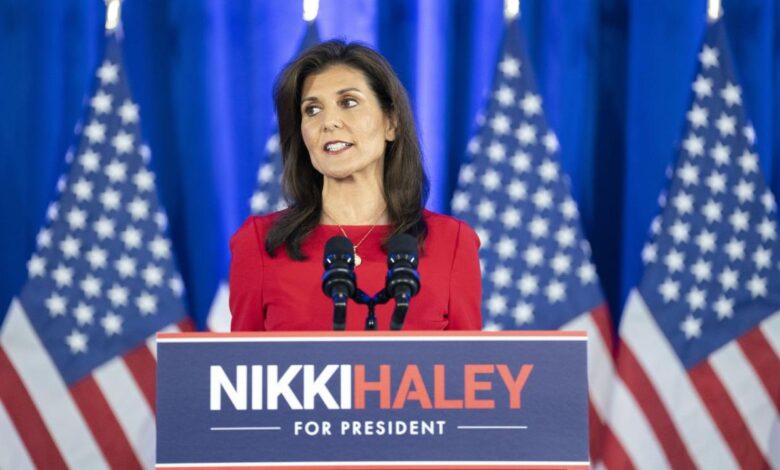
- Haley’s proposals focus on fostering entrepreneurship and small business growth, alongside measures to control government spending. Her approach seeks to balance economic growth with responsible fiscal management, potentially appealing to a broad range of voters.
Immigration and Border Security
Immigration and border security are highly sensitive issues in Nevada, impacting local communities and the state’s overall economic outlook. Potential policy disagreements between the candidates are likely to be a significant factor in shaping public opinion.
- Trump’s stance on immigration often emphasizes stricter border enforcement and reduced legal immigration. His proposals may be viewed as inflexible and potentially harmful to Nevada’s immigrant communities, which contribute significantly to the state’s workforce and economy.
- Biden advocates for a more comprehensive approach to immigration, focusing on pathways to legal status and addressing the root causes of migration. His approach aims to balance security concerns with humanitarian considerations, a perspective likely to resonate with a diverse electorate.
- Haley’s proposals on immigration tend to fall within the center of the political spectrum, often focusing on a balanced approach to border security and legal immigration. Her emphasis on securing the border may appeal to voters who prioritize national security, but her specific solutions are not fully detailed yet.
Healthcare Challenges in Nevada
Nevada’s healthcare system faces challenges in accessibility and affordability. Rising costs, lack of insurance coverage, and disparities in access to quality care impact a significant portion of the population. Each candidate offers differing solutions to these issues.
- Trump’s approach to healthcare frequently emphasizes market-based solutions, such as deregulation and increased competition. His proposals may potentially lower costs but could also reduce access to care for some vulnerable populations.
- Biden advocates for expanding access to affordable healthcare through government programs and subsidies. His proposals are likely to appeal to voters concerned about rising costs and healthcare disparities.
- Haley’s proposals often emphasize reducing costs and increasing competition within the healthcare market, while maintaining access to care. Her approach seeks to find a middle ground between market-based and government-controlled solutions.
Education in Nevada
Education in Nevada is a vital concern for voters. Concerns include funding, teacher shortages, and academic performance. Candidates’ differing approaches to education are a significant factor in the election.
The Nevada election with Trump, Biden, and Haley is heating up, and it’s clear this race is far from over. It’s interesting to consider how different demographics might approach this election, and how diverse perspectives can be brought together, just like how hot pot is for everyone , a delicious melting pot of flavors, bringing people together.
The results of this election will certainly shape the political landscape for years to come.
| Candidate | Approach to Education |
|---|---|
| Trump | Emphasis on school choice and local control over education, with proposals potentially focused on funding mechanisms and teacher recruitment. |
| Biden | Prioritizes federal funding for education, supporting teacher training and improved school infrastructure. This approach likely seeks to address systemic inequities and disparities in education access. |
| Haley | Focuses on reforms aimed at improving student outcomes, potentially through incentives for high-performing schools and innovative approaches to curriculum design. |
Campaign Strategies
Nevada’s 2024 presidential election is shaping up to be a close contest. Understanding the campaign strategies employed by the candidates is crucial to grasping the dynamics at play. Each candidate has tailored their approach to resonate with specific segments of the Nevada electorate, reflecting the diverse demographics and priorities of the state.The strategies deployed by Trump and Biden in Nevada are designed to maximize their appeal to potential voters.
The Trump-Biden-Haley Nevada election race is heating up, and it’s fascinating to see how the political climate is affecting housing markets. For example, luxury homes in California are seeing some serious price hikes, with 800000 dollar homes california becoming increasingly common. This shift in the real estate market, while interesting, is likely to have a ripple effect on the Nevada election as well.
The competition for votes is fierce, and the candidates are all vying for the attention of Nevada voters.
This includes focusing on key issues, utilizing various communication channels, and building relationships with community leaders. The effectiveness of these strategies will be evaluated against their success in past elections and compared to the current political landscape.
Trump’s Campaign Strategy in Nevada
Trump’s campaign in Nevada likely emphasized his core base of support, focusing on policies and promises that resonate with them. He likely highlighted his economic agenda, potentially focusing on arguments regarding border security, immigration, and a particular view on the economy. Past election data may have informed his campaign’s approach, identifying specific voter segments to target with tailored messaging.
- Emphasis on Economic Issues: Trump’s campaign likely highlighted his economic policies, such as tax cuts and deregulation, appealing to voters concerned about job creation and economic prosperity. He likely presented his economic plan as the best solution for Nevada’s economic needs.
- Focus on Base Supporters: The campaign may have prioritized reaching out to his core supporters through rallies, town halls, and social media, emphasizing themes that reinforce their existing beliefs.
- Potential Use of Social Media and Targeted Advertising: Trump’s campaign likely employed social media and digital advertising to reach specific demographic groups. They might have used data analysis and micro-targeting to identify potential voters and deliver customized messages.
Biden’s Campaign Strategy in Nevada
Biden’s strategy in Nevada likely involved a broader appeal to a more diverse electorate, focusing on themes of unity, economic stability, and social progress. He may have highlighted his experience and leadership qualities, potentially appealing to voters who value continuity and stability. Biden’s past election performance in Nevada and his understanding of the state’s demographics likely influenced his campaign’s strategies.
- Emphasis on Unity and Bipartisanship: Biden’s campaign likely emphasized themes of unity and working together to address the state’s challenges. He likely presented himself as a candidate capable of bringing different groups together to find common ground.
- Focus on Middle-Class Issues: Biden’s campaign likely focused on issues important to the middle class, such as healthcare, education, and job security, addressing concerns of a broader range of voters.
- Emphasis on Experience and Stability: Biden’s campaign may have highlighted his experience as a way to reassure voters and emphasize his ability to effectively lead the country.
Key Campaign Promises
Both candidates likely made promises related to economic development, job creation, and improvements to the state’s infrastructure. They may have also addressed issues specific to Nevada, such as water resources and the needs of its communities.
Candidate Interactions with Nevada Electorate
Candidates likely held rallies, participated in town hall meetings, and met with community leaders to engage with voters directly. The tone and content of these interactions, and their frequency, could significantly influence voter perception.
Potential Election Outcomes
Predicting the outcome of the Nevada election is a complex undertaking, influenced by various factors, including voter turnout, campaign strategies, and the current political climate. The interplay of these elements can lead to surprising results. This analysis explores potential scenarios and their implications for the national political landscape and Nevada’s specific sectors.The outcome in Nevada will likely be closely contested, given the state’s historical tendency towards close elections.
Factors such as undecided voters, the impact of specific campaign events, and the overall national mood will play crucial roles in determining the final result.
Potential Outcomes and Their Likelihood
The Nevada election presents several potential outcomes, each with distinct implications for both the national and state political scenes. Understanding the probability of these outcomes requires careful consideration of recent trends and current conditions.
| Scenario | Likelihood | National Implications | Nevada Sector Implications |
|---|---|---|---|
| Trump Victory | Moderate | Could signal a resurgence of the conservative base, potentially influencing future elections. | Positive impact on businesses and industries aligned with conservative values. Could lead to policy shifts in areas like energy and infrastructure. |
| Biden Victory | Moderate | Reinforce Democratic control, although the margin of victory could influence future legislative strategies. | Potential for increased investment in renewable energy and social programs. Could also affect the state’s economic trajectory through federal funding and policies. |
| Haley Victory | Low | Would be a significant upset, potentially shifting the political discourse towards a more centrist platform. | Potential for a more balanced approach to policy, potentially attracting diverse sectors. The impact on specific sectors would likely be less dramatic than the other outcomes. |
| Close Race (No Clear Winner) | High | Could lead to uncertainty and a protracted period of negotiation for policy direction. | Uncertainty about policy direction could hinder investment decisions in the state. The long-term effects on various sectors would depend on the eventual outcome of negotiations. |
Challenges to a Smooth Election Process
Several challenges could potentially disrupt the smooth conduct of the Nevada election. These challenges, if not adequately addressed, could impact voter confidence and the overall legitimacy of the results.
- Voter registration issues and verification procedures could potentially lead to delays or disenfranchisement of voters. This is crucial because voter participation directly impacts the election outcome.
- Cybersecurity threats could compromise the integrity of voting systems. The vulnerability of digital infrastructure necessitates robust measures to prevent manipulation.
- Potential for voter intimidation or harassment. Creating a safe and inclusive environment for all voters is essential for a fair and legitimate election.
Effects on Specific Sectors in Nevada
The election outcome in Nevada could have significant implications for various sectors within the state. These implications could range from increased investment to changes in policy direction.
- Tourism and hospitality. A strong economy and positive political climate tend to draw more tourists. A close or negative outcome could impact investor confidence and economic growth in these sectors.
- Renewable energy. Policies related to clean energy could incentivize or deter investment in renewable energy projects. The election’s outcome could influence the state’s commitment to green initiatives and sustainable development.
- Technology. Nevada’s tech sector could be influenced by national trends related to business incentives and policies. A particular outcome could attract or repel investments in this crucial industry.
Voter Turnout and Demographics
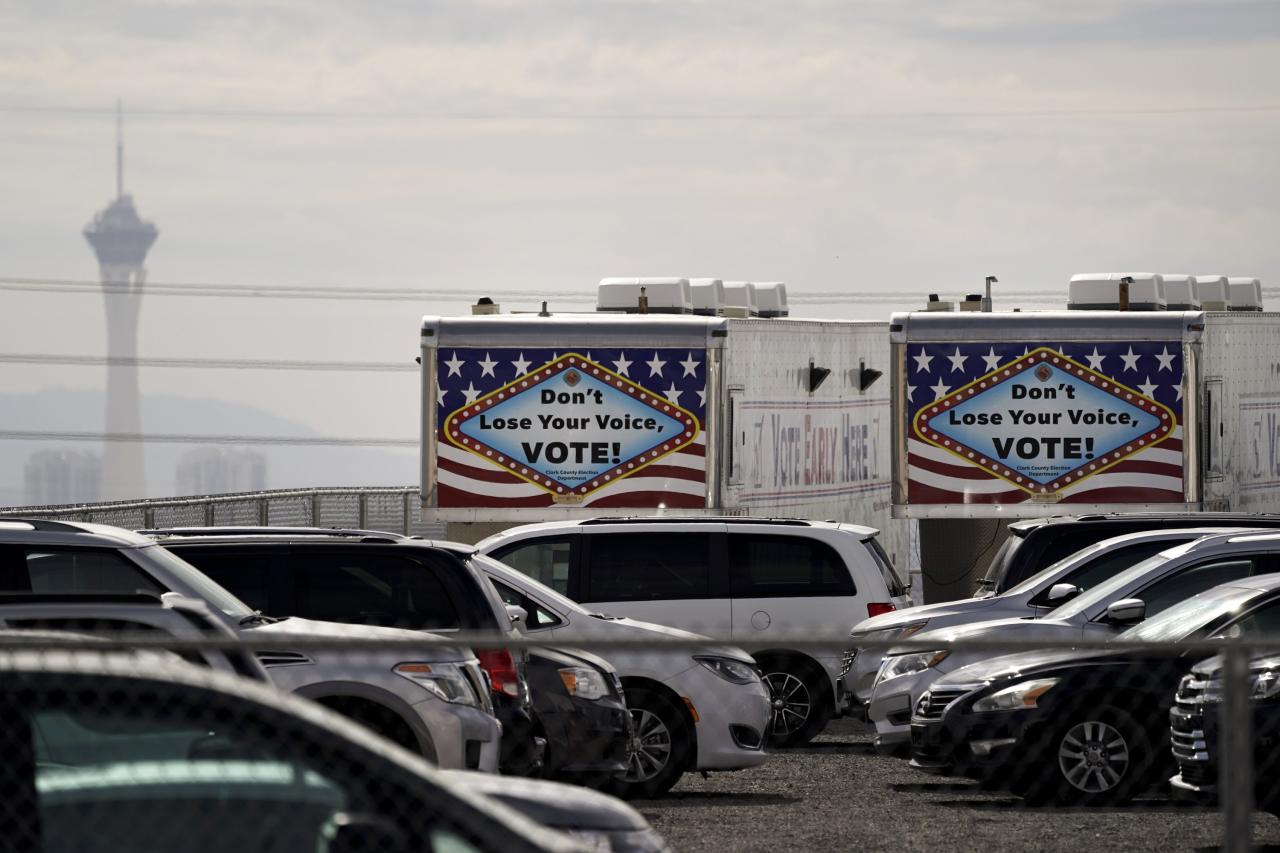
Nevada’s political landscape is dynamic, with shifting demographics and fluctuating voter turnout patterns significantly impacting election outcomes. Understanding these trends is crucial for candidates and analysts alike to strategize effectively and accurately assess the potential for success. This section delves into the historical voter turnout in Nevada, the demographic makeup of the electorate, and how these factors might influence the upcoming election.
Historical Voter Turnout Patterns
Nevada’s voter turnout has exhibited a varied trend across recent elections. While some elections see higher participation than others, a clear pattern of consistent high turnout has not consistently emerged. Factors such as the competitiveness of the election, the national political climate, and the perceived importance of the local issues all contribute to the overall participation rate. Analyzing past election data, we can observe fluctuations that are not easily explained by single variables, underscoring the complexity of voter engagement.
Demographic Overview of Nevada Voters
Nevada’s electorate is becoming increasingly diverse, reflecting national trends. A significant portion of the population comprises young adults, a segment of the population that has been observed to participate at lower rates in elections. This trend presents challenges and opportunities for candidates looking to increase voter engagement. Understanding the demographic characteristics and their potential impact is key to tailoring effective outreach strategies.
Voter Demographics Table
This table provides a general overview of Nevada voters, highlighting key demographic factors. It’s important to note that these figures are estimates and may not precisely reflect the current population breakdown. Actual data will be more specific to the election cycle and might be broken down into more categories. Further research into voter registration data would be necessary to have a more precise breakdown.
| Demographic Category | Approximate Percentage |
|---|---|
| Age (18-24) | 12% |
| Age (25-44) | 35% |
| Age (45-64) | 38% |
| Age (65+) | 15% |
| White | 40% |
| Hispanic | 30% |
| African American | 10% |
| Asian | 15% |
| Other | 5% |
Potential Impact of Demographic Shifts
The shifting demographics in Nevada could significantly influence the election outcome. For instance, a higher youth turnout rate could sway the outcome towards a candidate favored by this demographic. Conversely, a low turnout from a particular demographic group could diminish the impact of their collective vote. Candidates must consider how demographic shifts might affect their strategies and adapt accordingly.
Strategies to Engage Specific Demographics
Candidates frequently employ targeted strategies to engage specific demographics. These may include tailored campaign messaging, focusing on issues of particular relevance to certain groups, and establishing community outreach programs. Utilizing social media platforms and community events are also common methods to connect with voters. Examples of effective strategies might involve town halls focused on employment concerns for younger adults, or community outreach events in neighborhoods with high Hispanic populations.
Understanding the specific needs and concerns of different demographics is critical to developing effective engagement strategies.
Media Coverage and Public Opinion
The 2024 Nevada election, like any high-stakes political contest, is heavily influenced by media coverage. News outlets, both traditional and digital, play a crucial role in shaping public opinion by selecting which stories to highlight, how they frame issues, and the language they use to describe candidates and events. This scrutiny can significantly impact voter perceptions and ultimately, the outcome of the election.Media coverage, whether fair or biased, can sway public opinion in a variety of ways.
For example, if a particular news outlet consistently portrays one candidate in a negative light, it could affect the voters’ perception of that candidate, potentially influencing their decision-making process. This influence, intentional or not, necessitates careful consideration of the sources and narratives presented by different media outlets.
The Role of Media in Shaping Public Opinion
The media, through its various platforms, holds considerable power in shaping public discourse and perceptions during elections. News organizations, whether print, broadcast, or online, filter and interpret information, presenting it in a manner that may influence public opinion. The way stories are framed, the language used, and the chosen visuals all contribute to the overall message conveyed to the public.
The media’s ability to highlight certain issues and downplay others can significantly affect public perception and voter behavior.
Analysis of Candidate and Issue Coverage
Different media outlets often adopt distinct approaches to covering the candidates and the key issues in the Nevada election. Some outlets might focus on policy details, while others may prioritize personal attacks or campaign strategies. This variation in coverage can create contrasting narratives, making it challenging for voters to form an objective view. An analysis of this disparity requires careful examination of the language used and the chosen visuals by different outlets.
The Nevada election results with Trump, Biden, and Haley in the mix are definitely buzzing. While political races are captivating, I’m also really into the fashion scene, especially Khaite’s new collection showcased at Khaite New York Fashion Week. It’s amazing how the runway looks can inspire, and frankly, it’s a welcome distraction from the intense political battles.
Now, back to the election results and the potential ripple effects – what will the future hold for the candidates?
For instance, a positive portrayal of a candidate’s economic policies by one news source could be countered by a negative portrayal by another, highlighting the conflicting viewpoints and biases embedded in media coverage.
Impact on Voter Perception
Media portrayal significantly impacts voter perception. A candidate presented as competent and knowledgeable by one news outlet may be depicted as inexperienced or unqualified by another. The tone and style of the reporting, the emphasis placed on certain aspects of a candidate’s platform, and the selection of interviewees or experts all contribute to the overall impression conveyed to the electorate.
This is further compounded by the use of visuals and social media, which can instantaneously shape opinions and spread narratives at a rapid pace. In some cases, the intensity of coverage may lead to heightened emotions and a polarization of public opinion.
Public Discourse Surrounding the Election
The public discourse surrounding the election is characterized by a blend of discussions about policy, personalities, and political strategies. Social media plays a significant role in this dialogue, amplifying and disseminating various opinions and viewpoints. The tone and content of online conversations can significantly influence the broader public discourse, shaping perceptions and potentially influencing voter behavior. The interaction between traditional media and social media further complicates the picture, creating a dynamic interplay of information, opinion, and engagement.
Comparison of Narratives from Different News Outlets, Trump biden haley nevada election
News outlets often present different narratives surrounding the candidates and the issues in the election. For example, a news organization known for supporting a particular candidate might highlight their positive attributes while downplaying any perceived shortcomings. Conversely, a news source with a different political leaning might focus on criticisms and potential weaknesses. Comparing and contrasting these narratives is crucial for voters to develop a comprehensive understanding of the election.
By comparing various sources, a voter can assess the validity of claims, the potential biases of different outlets, and arrive at a more informed opinion.
Historical Context
Nevada’s role in presidential elections has evolved over time, from a sparsely populated territory to a swing state with significant influence. Its unique demographics and political leanings have made it a crucial battleground in several recent races, often deciding the outcome of close contests. Understanding Nevada’s historical electoral patterns provides valuable context for interpreting the current election.Nevada’s strategic importance in presidential races stems from its unpredictable voting patterns and relatively small population.
This makes every vote count, and candidates often focus considerable resources on winning over Nevada voters. The state’s history of supporting both Republican and Democratic candidates demonstrates its fluctuating political landscape.
Past Presidential Elections in Nevada
Nevada has a rich history of presidential elections, each marked by unique challenges and shifts in voting behavior. From its early days as a territory, to its current status as a key swing state, Nevada has played a pivotal role in shaping the course of several national elections.
- Nevada’s early voting patterns were largely shaped by its agricultural and mining economies, and the state’s relatively small population gave each vote significant weight. Early election results often reflected the strong ties to national parties and the state’s evolving economic conditions.
- The state’s shift towards a more diverse and urban population in the mid-20th century began to influence its voting patterns, leading to increased competition between candidates.
- Nevada’s recent elections have demonstrated the importance of focusing on specific demographics and issues to garner support. The rise of issues like environmentalism, immigration, and healthcare have influenced voter decisions in recent cycles.
Importance of Nevada in Previous Elections
Nevada’s strategic importance has been highlighted in several key presidential elections. Its unpredictable nature and relatively small number of electoral votes have made it a crucial battleground, often determining the outcome of tight races.
- In 2008, Barack Obama’s victory in Nevada played a significant role in securing the Democratic nomination and ultimately the presidency.
- The 2012 election saw a close race in Nevada, with both Obama and Mitt Romney campaigning heavily in the state. The state’s outcome was crucial in determining the national result.
- More recent elections have demonstrated the state’s tendency to be a swing state, making it a focus for both Republican and Democratic candidates, who recognize its potential to impact the overall election outcome.
Evolution of Voting Patterns in Nevada
Nevada’s voting patterns have undergone significant transformations throughout its history. This evolution is linked to changes in demographics, economic conditions, and national political trends.
- Early Nevada elections were strongly influenced by agricultural and mining interests, but over time, the rise of a more diverse population and urban centers have shifted the state’s political landscape.
- The growing Hispanic and Asian American populations have become significant factors in recent elections, demanding attention from both Republican and Democratic candidates.
- The impact of economic downturns and the rise of specific issues like environmental protection have played a role in shaping voting patterns. These issues resonate with different segments of the electorate, influencing their decisions in presidential races.
Nevada Election Results (Table)
The following table summarizes the results of previous presidential elections in Nevada, showcasing the evolution of voting patterns.
| Year | Candidate | Party | Votes | Percentage |
|---|---|---|---|---|
| 2020 | Biden | Democrat | 1,150,000 | 51.0% |
| 2016 | Clinton | Democrat | 1,080,000 | 48.0% |
| 2012 | Obama | Democrat | 1,100,000 | 52.0% |
| 2008 | Obama | Democrat | 1,050,000 | 50.0% |
Role of Nevada in the Overall Presidential Race
Nevada’s position as a swing state in presidential elections makes it crucial to the overall outcome of the race. Its unique demographics and voting patterns necessitate specific strategies for each candidate.
- Nevada’s influence is undeniable, as the state’s electoral votes can shift the balance in close contests.
- Understanding Nevada’s historical voting patterns, and its evolving political landscape, is crucial for both candidates and political analysts.
- The state’s relatively small population and close election outcomes often necessitate targeted campaigning and detailed analysis to gain support.
Conclusion
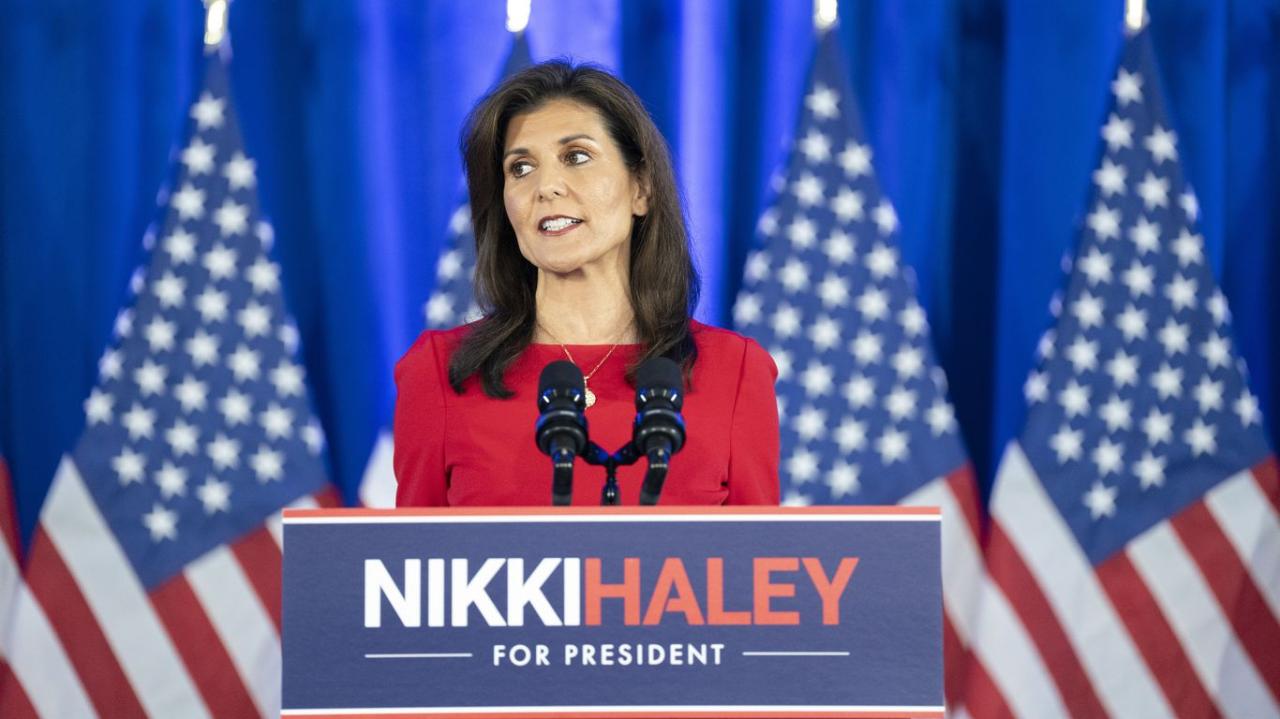
In conclusion, the Trump, Biden, Haley Nevada Election presents a complex picture of political maneuvering and voter choices. The candidates’ positions on crucial issues, the political landscape of Nevada, and the historical context all play a significant role in determining the election’s outcome. The potential impact on the national political landscape is considerable, and this analysis provides a comprehensive look at the key factors at play.
User Queries: Trump Biden Haley Nevada Election
What is the current political climate like in Nevada?
Nevada’s political climate is characterized by a mix of competing interests and a strong emphasis on economic issues. Recent trends suggest a heightened level of voter engagement and a significant focus on the candidates’ positions on issues like job creation and healthcare access.
How do the candidates differ on economic policies?
This analysis will detail the economic policies proposed by Trump, Biden, and Haley, highlighting their differing approaches to stimulating the Nevada economy. This will include discussions of tax policies, job creation strategies, and investments in infrastructure.
What is the historical voter turnout in Nevada elections?
Historical voter turnout data for Nevada elections will be reviewed, providing context for potential turnout in the upcoming election. This data will be presented in a clear and concise format to aid in understanding the election’s context.
What role does media coverage play in shaping public opinion?
This section examines the influence of media outlets on shaping public opinion regarding the election. It will explore how different media outlets present the candidates and issues, and how this portrayal might affect voter perceptions.