California Floods Schools Open/Closures
California floods schools open closures highlight the profound impact of natural disasters on education. This intricate narrative delves into the challenges faced by schools, communities, and students during and after these catastrophic events. We explore the logistical complexities of closures, the innovative alternative learning models, and the crucial role of community support systems. Ultimately, we analyze the lessons learned to foster more resilient educational environments.
The recent California floods have dramatically impacted schools, necessitating closures and adjustments to learning models. This report analyzes the situation, examining various aspects of the response and recovery. From the immediate effects of physical damage to the long-term consequences for student well-being, this analysis covers the entire spectrum of the crisis.
Impact on Education
The recent devastating floods in California have had a profound and multifaceted impact on educational institutions across the state. Schools, from bustling urban centers to quiet rural communities, have faced significant challenges, impacting students, teachers, and the overall educational landscape. The disruptions extend beyond the immediate aftermath, raising concerns about long-term consequences for student well-being and academic progress.The California floods have presented a complex web of challenges for educational institutions.
From the immediate physical damage to the disruption of services and the strain on resources, the educational system has been tested in ways that highlight the interconnectedness of communities and the need for comprehensive support. The varying responses and adaptations across different school types demonstrate the resilience and ingenuity of educators and administrators in navigating these unprecedented circumstances.
Physical Damage to Schools
Flooding has caused significant physical damage to school facilities. Schools situated in flood-prone areas have experienced extensive water damage to classrooms, laboratories, and other crucial educational spaces. The destruction of learning materials and equipment further complicates the educational process. For example, some schools have had to completely rebuild damaged sections, delaying the start of the new academic year.
Disruption of Services
The floods have disrupted essential school services, impacting the delivery of instruction and extracurricular activities. Transportation networks have been severely affected, hindering students’ ability to reach their schools. The closure of roads and bridges has caused immense difficulties for students, teachers, and staff. Moreover, the loss of essential supplies, like electricity and internet access, has also disrupted teaching and learning.
Resource Limitations
The floods have strained school resources in various ways. The need for temporary housing and support services for displaced families and staff has placed a significant burden on already limited budgets. Repair and replacement costs for damaged infrastructure and equipment add to the financial strain. Additionally, the disruption of supply chains has affected the availability of essential learning materials, impacting the quality of education.
School Types and Responses
Different types of schools have responded to the crisis in diverse ways. Public schools, with their large student populations, have faced the challenge of providing temporary learning spaces and support services for displaced families. Private schools, often with smaller student bodies, have faced similar difficulties but have sometimes benefited from greater community support. Charter schools, often operating with a higher degree of autonomy, have implemented innovative solutions to maintain continuity of education.
Potential Long-Term Effects
The long-term effects of the California floods on student learning and well-being are still unfolding. Students who have experienced significant disruptions to their education may face learning gaps and emotional challenges. The disruption of routines and the uncertainty surrounding the future can affect students’ mental health. Addressing these potential long-term effects requires a comprehensive approach that includes mental health support, individualized learning plans, and community-based interventions.
Comparison of School Closures
| Closure Level | Description | Impact on Students |
|---|---|---|
| Temporary | Short-term closure due to immediate hazards. | Limited disruption to academic progress; potentially affecting attendance. |
| Extended | Closure lasting several weeks or months. | Increased risk of learning gaps; potential need for supplemental instruction. |
| Permanent | Closure of the school due to irreparable damage or relocation. | Significant disruption; potential need for alternative learning options. |
Logistics of School Closures
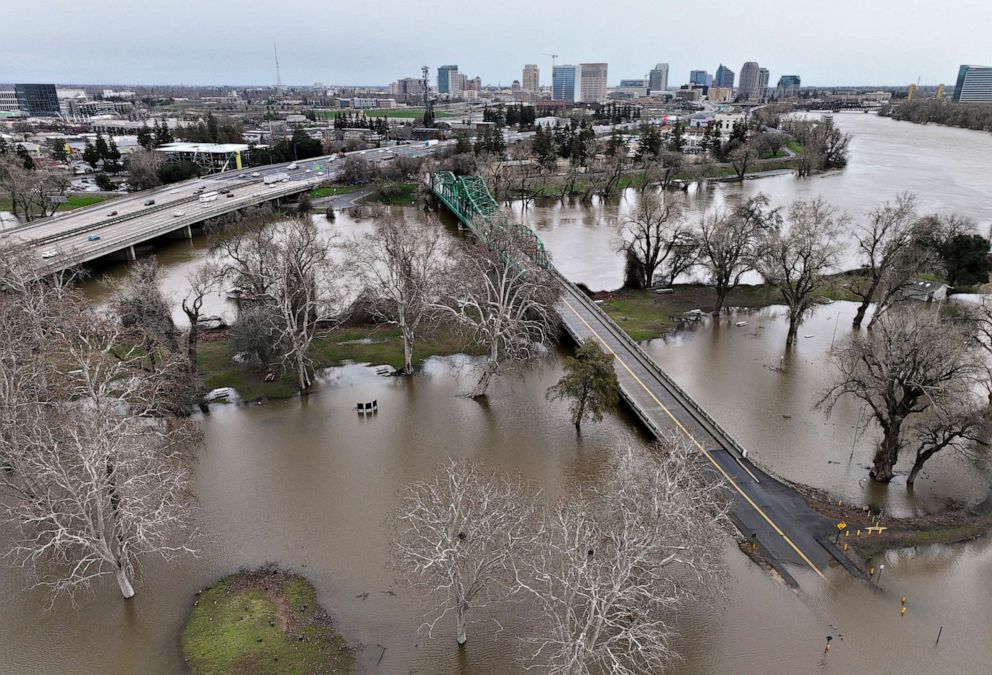
Navigating school closures due to natural disasters like floods requires a well-defined process to ensure student safety and continuity of learning. Effective communication and clear logistical planning are paramount to minimizing disruption and maximizing support for affected families and staff. This involves a multifaceted approach encompassing decision-making, communication, alternative learning arrangements, and transportation solutions.The decision to close schools during severe weather events, such as flooding, is a crucial one, requiring careful consideration of safety factors and community needs.
California’s recent floods have caused a lot of school closures, and it’s a real hassle for everyone involved. While dealing with the aftermath, it’s interesting to consider similar situations in other states, like New York’s recent legislative actions on credit card surcharges. ny law credit surcharges are a complex issue, but ultimately, the impact on local communities and the need for resilient infrastructure are key factors to consider, especially when discussing California school closures.
It’s clear that natural disasters like these have a domino effect.
This often involves input from relevant authorities like local emergency management teams, public health officials, and school administration. The safety and well-being of students and staff are the primary considerations.
Flood-Closure Decision Criteria
The determination of whether to close schools due to flooding is based on a multi-faceted assessment. Factors like the severity and extent of flooding, potential hazards to students and staff, and the accessibility of school facilities are thoroughly evaluated. A crucial aspect is the real-time assessment of road conditions and accessibility. For instance, if key access roads are flooded or impassable, the decision to close is almost certain.
California’s recent floods have caused quite a few school closures, impacting students and families. While the situation is serious, it’s interesting to consider how other crises, like the ongoing issues facing renters in Williamsburg, Brooklyn, and even Kyiv, Ukraine, renters williamsburg brooklyn kiev ukraine affect communities. Ultimately, these various disruptions highlight the interconnectedness of human challenges, and the importance of resilience in overcoming them, regardless of location.
The flood-related school closures are a serious local issue, requiring urgent attention and solutions.
A key factor also involves the level of risk posed by standing water to student health and safety.
Communication Strategies
Effective communication is critical during school closures. Multiple channels are employed to inform families and staff about closures. This typically includes automated phone calls, text messages, email alerts, and announcements posted on the school website. Social media platforms are also often used for quick dissemination of information. In addition, the communication must be clear and concise, using simple language, and including specific details about the closure duration and any alternative arrangements.
Alternative Learning Arrangements
Coordinating alternative learning arrangements during school closures is a complex task. Different strategies are implemented to ensure students can continue their learning journey. These might include providing online learning resources, assigning supplemental learning activities, or utilizing community centers for temporary learning spaces. For example, some schools might use online platforms to deliver educational materials, while others might work with local libraries or community centers to provide alternative learning spaces.
The specific approach depends on the nature and duration of the closure, as well as the available resources.
Transportation Options
Transportation is a key aspect of school closures. A range of options are employed to ensure safe transportation for students. School buses are a primary mode of transportation, and arrangements are made for their operation or cancellation based on road conditions. Parent pickup or alternative transportation arrangements are often provided when bus routes are impacted. Specific plans are in place to address the needs of students who rely on school transportation.
California’s recent floods have caused a lot of school closures, leaving many students and families in a tough spot. Meanwhile, the ongoing contract negotiations for Chiefs quarterback Andy Reid, which are dominating headlines, seem to be taking a backseat to the urgent issues affecting communities across the state. Andy Reid’s Chiefs contract negotiations are certainly interesting, but the focus now needs to shift back to getting schools reopened and students back on track.
The affected areas need immediate support, and the closures are creating a ripple effect impacting everything from academics to social well-being.
Support Systems During Closures
| Support System | Description |
|---|---|
| Emergency Services | Local emergency services provide crucial support, including assistance with evacuations, road closures, and safety checks. |
| School Staff | Teachers and administrators play a key role in coordinating alternative learning activities and ensuring student well-being. |
| Community Partners | Collaboration with local organizations, such as libraries or community centers, provides additional support for students and families. |
| Family Support Network | Families can assist each other and rely on their support network for childcare and other logistical needs. |
Alternative Learning Models
The devastating California floods disrupted education significantly, forcing schools to close and prompting the urgent need for alternative learning models. These models, ranging from remote learning platforms to community-based programs, aimed to bridge the learning gap and ensure students didn’t fall behind during the crisis. The effectiveness and challenges of these approaches varied, offering valuable lessons for future disaster preparedness in education.Alternative learning models proved crucial during the school closures, enabling students to continue their education despite the disruption.
This necessitated a rapid shift from traditional classroom settings to various digital and community-based learning environments. Different models presented unique advantages and disadvantages, necessitating careful consideration of their appropriateness for different student needs and circumstances.
Remote Learning Platforms
The transition to remote learning was swift and widespread. Online platforms like Google Classroom, Zoom, and Microsoft Teams became essential tools for teachers to deliver lessons, conduct virtual classes, and facilitate student-teacher interaction. The use of these platforms varied depending on the availability of internet access and technological resources.
Online Resources
Numerous educational websites and online resources played a vital role in supporting remote learning. These platforms offered supplemental materials, interactive exercises, and educational videos, supplementing the lessons provided by teachers. The availability and quality of these resources significantly impacted the effectiveness of remote learning. For instance, Khan Academy and Coursera provided valuable resources to augment classroom instruction.
Community-Based Programs
In areas with limited internet access or technological resources, community-based programs emerged as vital alternatives. These programs often leveraged local libraries, community centers, or volunteer organizations to provide learning opportunities for students. These initiatives highlighted the importance of collaboration between schools, communities, and families to ensure equitable access to education.
Innovative Approaches
The crisis fostered innovative approaches to learning. Teachers developed creative online activities and projects that engaged students while adapting to the unique circumstances. For example, some schools implemented interactive online games and virtual field trips to supplement traditional classroom learning.
Comparison of Online Learning Platforms
The effectiveness of different online learning platforms varied based on factors such as user-friendliness, accessibility, and the specific needs of the students and teachers. Platforms with intuitive interfaces and robust features often proved more successful in facilitating seamless learning.
Technological Tools for Remote Learning
| Technological Tool | Pros | Cons |
|---|---|---|
| Google Classroom | Easy to use, integrates various tools (docs, sheets, slides), allows for file sharing | Reliance on internet access, potential for overload of information |
| Zoom | Facilitates video conferencing, real-time interaction, allows for breakout rooms | Requires reliable internet, can be challenging for students with limited technical skills |
| Microsoft Teams | Comprehensive suite of tools, robust communication features, integration with other Microsoft products | Can be complex to navigate for some users, requires a Microsoft account |
| Khan Academy | Free access to a vast library of educational resources, interactive exercises, and videos | Limited teacher-student interaction, may not fully address curriculum objectives |
| Coursera | Provides access to university-level courses and resources, enhances learning experience | Requires self-discipline and time management, may not be suitable for all learners |
Community Support Systems: California Floods Schools Open Closures
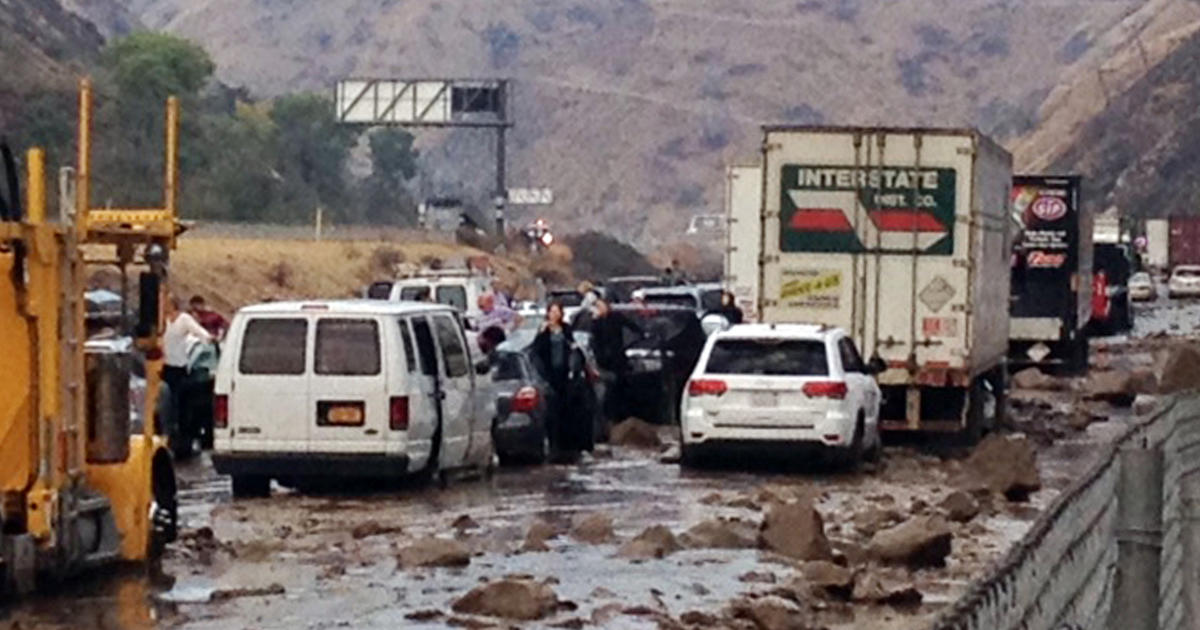
The devastating California floods highlighted the crucial role of community support in mitigating the impact on schools and students. Beyond the immediate crisis response, the long-term recovery hinges on collaborative efforts between schools, families, and community organizations. The spirit of shared responsibility and resilience demonstrated by these communities was instrumental in supporting flood-affected schools and their students.The communities rallied in numerous ways, providing vital resources and support for both schools and families.
This support extended from offering immediate aid like shelter and food to long-term assistance in rebuilding lives and educational opportunities. The generosity and compassion demonstrated were essential in helping to overcome the challenges presented by the floods.
Community Aid to Schools and Families
The flood-affected communities quickly mobilized, demonstrating a powerful network of support. This aid manifested in various forms, including volunteer efforts, donations, and financial assistance. Volunteers provided crucial support in clearing debris, repairing infrastructure, and offering emotional support. Donations of supplies, food, and clothing helped families meet immediate needs. Financial assistance played a critical role in covering expenses related to rebuilding and recovery, providing relief from financial burdens.
Types of Community Support Initiatives
A variety of initiatives emerged, demonstrating the diverse ways communities responded to the crisis. These included fundraising campaigns, organized volunteer drives, and establishing temporary shelters. The effectiveness of these initiatives varied depending on the specific needs of the community and the resources available. Some campaigns focused on collecting and distributing essential supplies, while others concentrated on providing emotional support to those affected.
Collaborative Efforts between Schools, Families, and Community Organizations
Collaboration between schools, families, and community organizations was critical in providing comprehensive support. Schools facilitated communication between families and community organizations, ensuring that aid reached those in need. Families played a vital role by participating in volunteer efforts and providing support to other families. Community organizations provided logistical support and expertise, bridging the gap between needs and resources.
This collaboration was instrumental in streamlining aid distribution and ensuring that the most vulnerable were supported.
So, the California floods are impacting school closures, a real bummer for everyone. While I’m trying to stay focused on the practical issues, I can’t help but be drawn to the captivating world of Broadway cast albums, especially those like the Sweeney Todd recordings. Listening to those powerful vocals while the kids are stuck at home with nothing to do might just be a useful distraction during these school closures.
Broadway cast albums Sweeney Todd offer a great escape, even if only temporary, while we wait for the flood waters to recede and schools to reopen.
Community Organizations Involved in Assistance
| Organization Name | Area of Focus | Methods of Support |
|---|---|---|
| American Red Cross | Disaster relief, emergency aid, shelters | Providing emergency supplies, food, shelter, and emotional support |
| Salvation Army | Emergency relief, shelter, food, clothing | Offering food and clothing to families, providing temporary housing, and supporting long-term recovery |
| Local Churches and Religious Organizations | Food distribution, shelter, emotional support | Organizing food drives, collecting clothing and supplies, and offering spiritual guidance |
| Community-Based Non-Profits | Specific community needs (e.g., housing, education) | Offering specialized services and resources based on the needs of the community, potentially including educational materials and resources for children |
| Parent-Teacher Associations (PTAs) | School support, family needs | Coordinating fundraising drives, organizing volunteer efforts, and connecting families with resources |
Recovery and Reconstruction
The devastating California floods have left a trail of destruction, impacting not only homes and businesses but also educational institutions. Schools and communities are now facing the arduous task of recovery and reconstruction, a process demanding careful planning, community support, and a long-term vision for resilience. The challenges extend beyond repairing physical infrastructure; they encompass addressing the emotional well-being of students and staff, mitigating learning loss, and ensuring schools are better prepared for future emergencies.This process requires a multifaceted approach, involving meticulous assessment, targeted interventions, and collaborative efforts between school districts, local governments, and community organizations.
The journey toward recovery will not be swift, but the commitment to rebuilding stronger and more resilient communities is unwavering.
Assessing Damage and Needs
Schools across affected areas conducted thorough assessments of physical damage. This involved evaluating the extent of structural damage to buildings, classrooms, and grounds, as well as the impact on educational resources and equipment. The assessments factored in the specific needs of each school, considering its size, location, and unique vulnerabilities. Data collected provided a comprehensive picture of the damage and the resources required for restoration.
Rebuilding Infrastructure
The reconstruction process began with immediate repairs to ensure the safety and functionality of school buildings. Temporary solutions were implemented in cases of severe damage to allow for continued educational operations. The rebuilding phase focused on the long-term stability of school infrastructure. Modern construction techniques, incorporating flood-resistant materials and designs, were prioritized to create a more resilient school environment.
Addressing Learning Loss and Emotional Well-being
Schools implemented a variety of strategies to address the learning loss resulting from disrupted educational schedules. These included accelerated learning programs, supplemental instruction, and individualized support for students. Addressing the emotional well-being of students and staff was equally important. Counseling services, support groups, and community outreach programs were established to help students cope with the trauma and stress associated with the disaster.
Examples of effective support systems include community-based support networks, partnerships with mental health professionals, and access to crisis hotlines.
Enhanced Disaster Preparedness
Lessons learned from the flood experience are being incorporated into improved disaster preparedness plans. Schools are strengthening their emergency communication protocols, updating evacuation procedures, and establishing robust early warning systems. Flood-resistant building materials and design are prioritized in future construction projects. Furthermore, schools are collaborating with local emergency management agencies to develop comprehensive disaster response plans.
Integrating Lessons into Preparedness Plans
Schools are integrating the flood experience into their disaster preparedness plans. This includes simulating potential flooding scenarios to practice emergency procedures, conducting regular drills to ensure familiarity with evacuation routes and procedures, and creating detailed contingency plans for various disaster scenarios. Schools are also engaging with community members and local emergency management teams to enhance preparedness strategies. For example, some schools are incorporating flood mitigation strategies into their landscaping and grounds maintenance plans.
Lessons Learned
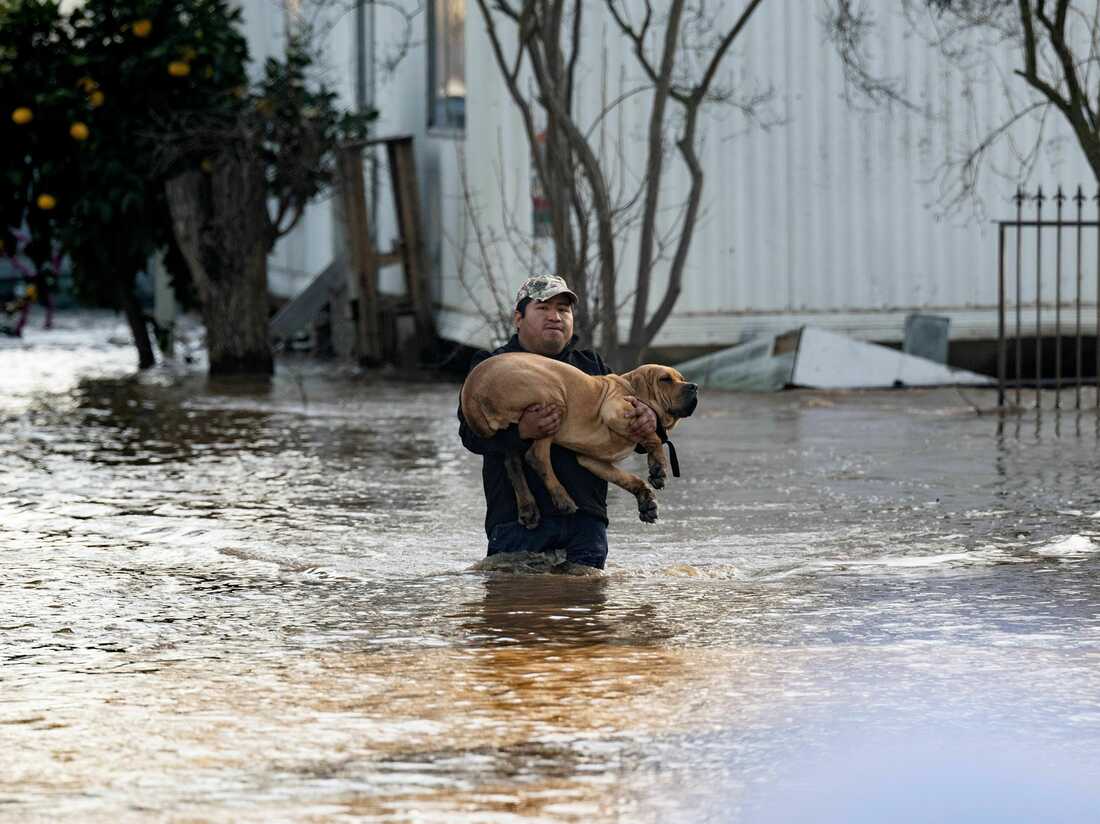
The recent California floods and the subsequent school closures highlighted critical vulnerabilities in our educational systems’ ability to respond to natural disasters. These events underscored the importance of proactive disaster preparedness, robust communication strategies, and the need for flexible learning models. Understanding the lessons learned is paramount for building more resilient communities and schools.The experience exposed gaps in existing frameworks, prompting a need for enhanced coordination between schools, districts, and community organizations.
California’s recent floods have caused a ripple effect, impacting school closures. While the disruption to education is significant, it’s important to remember that tragic events, like the recent disney world allergy death lawsuit , highlight the need for safety protocols and preparedness across the board. Ultimately, getting students back into classrooms safely is the priority as floodwaters recede.
By examining the approaches taken during the crisis, we can identify best practices for future disaster response, enabling schools to better support students and staff during emergencies.
Critical Takeaways from the California Floods
The California floods served as a harsh but valuable reminder of the critical importance of comprehensive disaster preparedness. The rapid onset and widespread impact of the floods demonstrated the limitations of existing response plans and highlighted the need for more flexible and adaptable systems. Key takeaways include the need for earlier warning systems, better evacuation protocols, and a greater focus on community resilience.
Schools must be prepared to serve as vital hubs in disaster response.
Need for Improved Disaster Preparedness and Response Strategies in Schools, California floods schools open closures
Effective disaster preparedness hinges on clear protocols and well-trained personnel. Schools must establish comprehensive emergency plans, including evacuation procedures, communication protocols, and secure alternative learning locations. Regular drills and training exercises for staff and students are crucial to ensuring a swift and coordinated response during emergencies. Schools must also stock essential supplies and equipment to support both immediate needs and long-term recovery efforts.
Communication and Coordination Between Stakeholders
Effective communication and coordination among schools, districts, parents, and community organizations are essential for a successful disaster response. Clear and timely communication channels, including mobile alerts and social media platforms, are critical for informing all stakeholders about school closures, evacuation procedures, and alternative learning options. Regular meetings and information sharing between stakeholders can help streamline decision-making and ensure a more unified response.
Comparison of Crisis Management Approaches in Different Schools and Districts
Comparing the approaches to crisis management across different schools and districts revealed varying levels of preparedness and responsiveness. Some schools demonstrated effective communication and coordination, smoothly transitioning to alternative learning models and providing support to students and staff. Conversely, other schools faced challenges in implementing their emergency plans, highlighting the need for standardized training and resources across districts.
Best Practices in Disaster Recovery for Schools
| Category | Best Practice | Example |
|---|---|---|
| Communication | Establish clear and consistent communication channels (e.g., phone trees, email lists, app-based notifications) that reach all stakeholders. | Districts implementing a dedicated app for emergency alerts and school updates. |
| Preparedness | Develop comprehensive emergency plans that incorporate specific procedures for natural disasters. | Schools creating detailed evacuation plans and identifying safe shelter areas. |
| Alternative Learning | Establish alternative learning models (e.g., online platforms, community centers) to maintain continuity of education during closures. | Schools utilizing online learning platforms for remote instruction. |
| Community Support | Actively engage with community partners (e.g., shelters, local businesses) to provide resources and support during and after the disaster. | Schools partnering with local restaurants to provide meals to affected families. |
| Resource Management | Ensure sufficient resources (e.g., supplies, equipment, personnel) are available to support the school’s response and recovery efforts. | Schools establishing a central inventory of emergency supplies. |
This table summarizes best practices in disaster recovery, highlighting the importance of comprehensive communication, proactive preparedness, and robust community support. Adapting these practices to the unique circumstances of individual schools and districts is essential for achieving a more effective and resilient response to future emergencies.
Conclusion
In conclusion, the California flood crisis underscored the importance of robust disaster preparedness plans within educational institutions. The swiftness of community response, the adaptability of teachers and students, and the innovations in alternative learning models all contributed to navigating this challenging period. Ultimately, these experiences will inform future strategies for resilience and recovery, ensuring that schools are better equipped to face similar crises.
Q&A
What are the common reasons for school closures during natural disasters?
School closures are typically implemented due to unsafe conditions, such as damaged infrastructure, compromised access, or the presence of hazardous materials. Also, disruptions to essential services like power or transportation often necessitate closure.
How are families informed about school closures?
Communication strategies often involve multiple channels, including phone calls, text messages, email updates, and announcements on school websites and social media.
What support systems are available to families during school closures?
Support systems may include alternative learning arrangements, food assistance, and counseling services to mitigate the impact on families.
How can schools better prepare for future emergencies?
Schools can enhance their preparedness through drills, establishing emergency communication protocols, developing backup plans for essential services, and building community partnerships.