VoteVets Biden Democrats Ads Campaign Analysis
VoteVets Biden Democrats ads are a compelling case study in political messaging. These ads dissect the strategies employed, analyzing the rhetoric, visuals, and target audiences to understand their potential impact on the electorate.
This analysis delves into the core messages, examining how they are tailored to specific demographics, like veterans and young voters. We’ll also explore the visual and audio elements, dissecting the imagery, music, and voiceovers to understand their emotional impact. The political context surrounding these ads, including major events and opposing viewpoints, will be thoroughly examined.
Campaign Messaging Strategies
The “VoteVets” Biden Democrat advertisements represent a strategic effort to mobilize veteran voters and appeal to a broader electorate. These ads employ a multifaceted approach, carefully selecting messages and rhetorical strategies to resonate with diverse demographics and potentially influence voting patterns. Understanding the core messages, the rhetorical techniques, and the intended impact on specific groups is crucial for analyzing the campaign’s effectiveness.
Core Messages in “VoteVets” Ads
The core messages in these advertisements revolve around themes of honoring military service, advocating for veterans’ needs, and linking Biden’s platform to the interests of the veteran community. These ads often highlight Biden’s commitment to veterans’ healthcare, job opportunities, and educational benefits. Specific issues like supporting the needs of disabled veterans, ensuring affordable housing, and advocating for a strong national defense are also prominent.
The overarching message often frames voting for Biden as a way to ensure the continued well-being and recognition of veterans’ sacrifices.
Biden’s Democrats are running ads highlighting VoteVets, and it’s interesting to see how these campaigns are shaping up. Meanwhile, the recent controversy surrounding Rick Pitino’s comments on St. John’s recruiting, as detailed in this article , makes one wonder if similar, though less high-profile, controversies might be lurking in the political sphere, distracting from the core message of VoteVets.
Regardless, it’s clear the political landscape is always buzzing with various stories.
Rhetorical Strategies Employed
The ads leverage a range of rhetorical strategies. Pathos is employed through emotionally evocative imagery and stories of veterans’ experiences, aiming to create empathy and a sense of shared identity. Logos is used by presenting factual data and statistics, such as unemployment rates among veterans, highlighting the practical benefits of Biden’s policies. Ethos is established by featuring prominent veterans and military personnel endorsing Biden, lending credibility and authority to the message.
Demographic Targeting
These advertisements are specifically tailored to different demographics. For veterans, the ads often emphasize Biden’s record of supporting veteran initiatives and his personal commitment to their well-being. For young voters, the ads might focus on issues like job opportunities and economic stability, connecting these issues to the broader veteran community and the future of the country. The messaging adapts to the specific needs and concerns of each target group, fostering a connection and promoting trust.
Potential Impact on Voting Blocs
The impact of these messaging strategies on various voting blocs is likely multifaceted. Veteran voters, exposed to testimonials and pledges related to their specific needs, are more likely to be influenced. Young voters, particularly those interested in economic and social issues, may be persuaded by the connection between veteran support and broader societal benefits. However, the impact on other voting blocs, such as those primarily focused on economic or social issues, will vary depending on the specific messages conveyed in each advertisement.
Themes and Slogans Across Advertisements
| Theme | Slogan | Target Audience | Rhetorical Strategy |
|---|---|---|---|
| Honoring Service | “A Vote for Veterans is a Vote for America” | Veterans, general electorate | Pathos, Ethos |
| Supporting Veterans’ Needs | “Biden: A Leader for Our Veterans” | Veterans, families of veterans | Ethos, Logos |
| Economic Opportunity | “Biden’s Plan: Jobs for Veterans” | Young voters, veterans | Logos |
| Commitment to Military | “Protecting Our Military, Supporting Our Veterans” | Veterans, military families, general electorate | Ethos, Logos |
Visual and Audio Elements
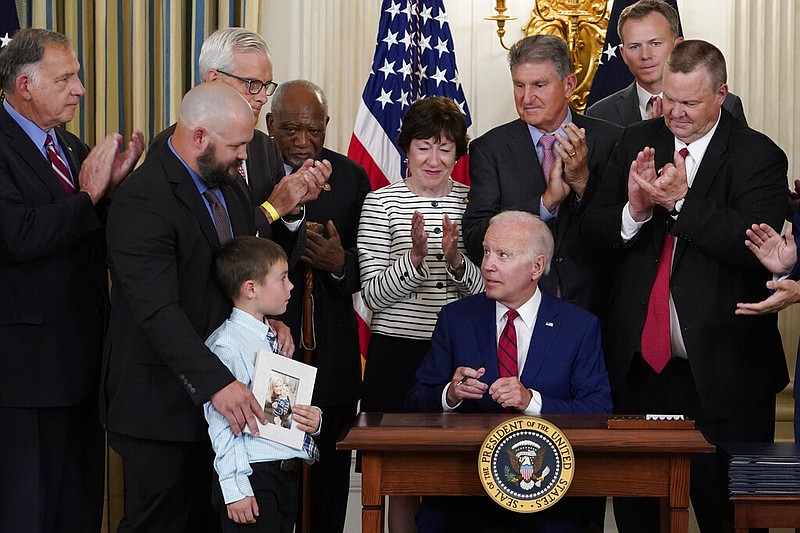
Crafting compelling advertisements hinges significantly on the effective interplay of visual imagery and audio elements. A well-designed ad, targeting specific emotions and values, can resonate deeply with viewers, leading to a desired response. Understanding how color palettes, settings, music, and sound effects contribute to the overall message is crucial for maximizing impact. This analysis will dissect the potential effectiveness of these elements in persuading viewers and influencing their perception of the candidate.
Visual Imagery and Symbolism
Visuals are the first impressions that viewers receive. Effective ads employ imagery and symbolism to evoke specific emotions and connect with target audiences. The use of iconic imagery, familiar settings, and evocative colors are fundamental in conveying the intended message. For instance, images of bustling communities, smiling families, or diverse groups of people working together can project an image of unity and shared purpose.
Conversely, images of despair or struggle can highlight issues or problems the candidate aims to address.
Color Palettes and Settings
Color palettes significantly influence the mood and tone of an advertisement. Warm colors, like reds and yellows, often evoke feelings of warmth, energy, and optimism. Cool colors, like blues and greens, can suggest calmness, stability, and trust. The choice of setting can also impact the ad’s message. A backdrop of a vibrant city might signify progress and opportunity, while a tranquil rural setting might represent stability and community values.
These choices work together to reinforce the candidate’s image and the message being conveyed. For example, a campaign ad featuring a candidate in a diverse community setting, with a color palette reflecting unity and hope, can effectively communicate the candidate’s commitment to inclusivity.
Music, Sound Effects, and Voiceovers
The audio components of an advertisement are equally vital in shaping the emotional response of viewers. Music can evoke strong feelings, and carefully chosen melodies and tempos can create a desired emotional impact. Sound effects can enhance the mood or create a sense of urgency. Voiceovers, delivered in a tone and style that aligns with the campaign message, can reinforce the ad’s core message and enhance the impact of the candidate’s message.
For example, a campaign ad using upbeat, optimistic music and positive sound effects paired with a warm, engaging voiceover can create a powerful message of hope and progress.
Effectiveness of Visual and Audio Elements
The effectiveness of visual and audio elements in persuading viewers depends on several factors. Consideration should be given to the target audience, the message being conveyed, and the overall tone of the campaign. Consistent use of visual and audio elements throughout the campaign can create a cohesive and memorable brand identity. For example, a candidate’s campaign ads consistently using a specific color palette and upbeat music can create a strong association between the candidate and positive emotions.
A consistent approach can significantly enhance the overall impact of the message.
Comparative Analysis of Visual and Audio Approaches
| Ad Number | Visual Elements | Audio Elements | Emotional Impact |
|---|---|---|---|
| 1 | Diverse group of people working together, warm lighting, bustling city background | Upbeat music, positive sound effects, warm voiceover | Hope, unity, progress |
| 2 | Families enjoying activities, tranquil rural setting, natural lighting | Calming music, peaceful sound effects, reassuring voiceover | Stability, community, trust |
| 3 | People facing hardship, struggling with economic challenges, dark lighting, urban decay | Dramatic music, somber sound effects, urgent voiceover | Empathy, concern, action |
Political Context: Votevets Biden Democrats Ads
These advertisements for VoteVets Biden Democrats aim to mobilize veteran voters for the upcoming election. Understanding the political landscape surrounding this campaign is crucial to assessing its potential impact. Factors like the current political climate, recent events, and the opposing party’s strategies all contribute to the messaging and visual choices employed in the advertisements. Furthermore, the historical context of veteran engagement in elections provides valuable insights into how this campaign hopes to resonate with its target audience.The political context surrounding these ads is multifaceted.
The campaign seeks to capitalize on issues important to veterans while countering arguments from political opponents. The campaign likely references specific events and policies to bolster their arguments. Analyzing these elements provides a more comprehensive understanding of the campaign’s strategy.
Key Political Issues and Events
The advertisements are likely crafted in response to significant political events and policy debates. For example, recent legislation impacting veterans’ benefits, healthcare, or employment opportunities would be prominent considerations. Economic anxieties, particularly for those in the military and veteran communities, are another critical aspect. A detailed analysis of the political issues and their relation to the ad campaign is essential.
Role of Political Opponents and Counter-arguments
Political opponents’ arguments and counter-claims are vital in shaping the campaign’s messaging. By understanding the opposing viewpoints, the campaign can effectively highlight the strengths of their own positions. For instance, if opponents argue that a particular policy will negatively impact veterans, the ads can directly address these concerns with supporting data or counter-arguments. These counter-arguments will influence the specific messages conveyed in the ads.
Historical Context of Voter Engagement with Veterans
The historical context of voter engagement with veterans is crucial to understanding how the campaign aims to appeal to this demographic. Past elections and campaigns that focused on veteran issues provide valuable historical insights into what messages have resonated with veteran voters in the past. Understanding these trends helps tailor the messaging to be more effective.
Potential Impact on Election Outcome
Predicting the exact impact of these ads on the election outcome is challenging. However, the potential impact is significant, as these ads aim to mobilize a crucial voting bloc. If successful, they can sway the election in favor of the candidate. Success depends on several factors, including the effectiveness of the messaging, the targeting of the ads, and the overall political environment.
Table: Political Events and Ad Campaign Response
| Event | Date | Ad Campaign Response | Impact |
|---|---|---|---|
| Increased Inflation | 2023-2024 | Highlighting Biden’s economic plans to address inflation and its impact on veterans’ financial stability. | Potentially resonates with veterans concerned about rising costs of living. |
| Debate on Veterans’ Healthcare | 2023 | Emphasizing the Biden administration’s commitment to improving veteran healthcare access and affordability. | Appeals to veterans directly affected by healthcare policy discussions. |
| Proposed Military Budget Cuts | 2024 | Advancing the administration’s support for maintaining military funding levels to ensure job security and veterans’ benefits. | May encourage veterans concerned about budget cuts and their future. |
Target Audience Analysis
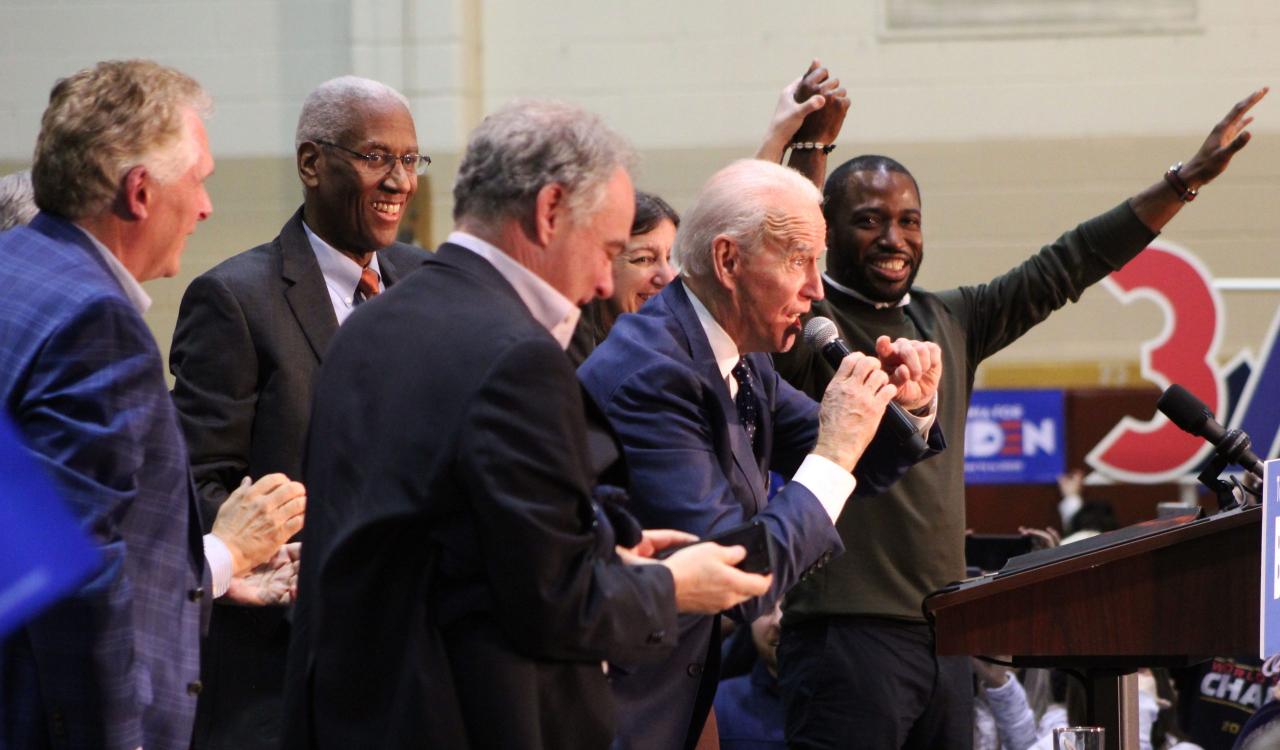
Understanding the target audience is crucial for the success of VoteVets Biden ads. This analysis delves into the demographics, psychographics, and values of potential voters to tailor messaging effectively. By identifying key concerns and motivations, the ads can resonate with the intended audience, ultimately influencing their voting decisions.
Demographic Breakdown
This section Artikels the key demographic groups the ads are aiming to reach. Understanding these groups is vital to crafting targeted messages that connect with their specific needs and concerns.
- Military Veterans: This group includes active-duty personnel, reservists, veterans of all eras, and their families. Their experiences, values, and concerns regarding military readiness, healthcare, and economic opportunity are crucial considerations.
- Working-Class Americans: This demographic comprises individuals with middle-class incomes and working-class backgrounds. Their focus on economic stability, job security, and affordable healthcare are key areas to address.
- Young Adults and First-Time Voters: This demographic includes individuals aged 18-35 who may be less politically engaged. Appealing to their concerns about the future, their career prospects, and their role in society is essential.
Psychographic Analysis
Beyond demographics, understanding the psychographics of the target audience is equally important. This section delves into their values, beliefs, and motivations.
- Values: The ads must address values like patriotism, service, and community. Values of economic security, opportunity, and social justice are also important to consider.
- Beliefs: Understanding the beliefs of the target audience about the role of government, economic policies, and social issues is paramount. For example, some may have strong beliefs about the importance of military preparedness.
- Motivations: Understanding the motivations behind voting decisions is critical. Factors such as a desire for a better future, concerns about the direction of the country, and the importance of supporting their communities are important motivations to target.
Messaging Approach and Expected Response
The messaging strategy should tailor its approach to resonate with the specific values and concerns of each demographic segment.
| Demographic | Psychographic | Messaging Approach | Expected Response |
|---|---|---|---|
| Military Veterans | Patriotism, Service, Economic Security | Highlight Biden’s commitment to veterans’ healthcare, job opportunities, and supporting military families. | Increased likelihood of voting for Biden, positive perception of the candidate. |
| Working-Class Americans | Economic Stability, Job Security, Affordable Healthcare | Emphasize Biden’s economic plans and policies focused on job creation, infrastructure investments, and affordable healthcare. | Increased voter turnout, positive view of Biden’s policies. |
| Young Adults and First-Time Voters | Future Prospects, Career Opportunities, Social Justice | Present Biden as a leader who addresses the concerns of young people regarding education, job opportunities, and social issues. | Increased voter registration, positive perception of the candidate among this crucial demographic. |
Comparative Analysis
Examining the contrasting approaches employed by competing campaigns in the upcoming election provides valuable insights into the prevailing political landscape and the strategies used to resonate with different demographics. A deep dive into the messaging, visuals, and targeting of the “VoteVets” Biden Democrat ads, compared to those of opposing candidates, reveals critical elements of persuasive communication in contemporary political discourse.
Understanding these differences is key to deciphering which tactics are most effective in reaching targeted voters.
Messaging Strategies
The “VoteVets” Biden Democrat ads, focusing on veterans’ experiences and the candidate’s commitment to military families, employ a direct and emotional approach. They frequently use testimonials from veterans and their families, highlighting shared values and concerns. This strategy aims to build trust and evoke empathy. Conversely, opposing campaigns may emphasize economic issues, social policies, or specific policy proposals to attract a different segment of the electorate.
This disparity in approach underscores the nuanced needs and priorities within various voter groups.
Visual Elements, Votevets biden democrats ads
The visual components of the ads are crucial in conveying the intended message. “VoteVets” Biden Democrat ads often feature images of veterans, diverse military settings, and patriotic symbols. The colors used, such as deep blues and reds, evoke a sense of national pride and shared identity. In contrast, opposing candidates may employ visuals emphasizing economic prosperity, family values, or social change, depending on their core campaign themes.
The differing visual choices reflect the specific narratives each campaign aims to establish.
Biden’s Democrats are running some interesting ads featuring VoteVets, highlighting the importance of veteran voices. It’s fascinating to see how these campaigns connect to broader cultural movements, like the Harlem Renaissance, which inspired artists like Abney, Bey, Fordjour, and Simmons, and the recent Met Gala exhibitions focusing on similar themes. This connection between past and present political messaging is worth considering as we analyze the VoteVets Biden ads further.
Target Audience Analysis
Understanding the target audience is critical for effective campaign messaging. “VoteVets” Biden Democrat ads are clearly designed to appeal to veterans, military families, and individuals who value patriotism and national security. Opposing campaigns, however, might tailor their ads to address concerns regarding economic stability, social justice, or other issues that resonate with different demographics. This analysis reveals the distinct segments of the electorate that each campaign aims to engage.
Those VoteVets Biden Democrat ads are really getting around, aren’t they? It’s interesting to see how political campaigns are using different strategies. Speaking of interesting strategies, have you seen the latest on Kristin Juszczyk’s NFL fashion choices? Kristin Juszczyk NFL fashion news is definitely a hot topic right now, and it makes you think about how campaigns are trying to capture attention in today’s world.
Either way, the VoteVets Biden Democrat ads are definitely making a splash in the political arena.
Comparative Table
| Campaign | Message | Visuals | Target |
|---|---|---|---|
| “VoteVets” Biden Democrat | Emphasizing veteran experiences, military family values, and national security. | Images of veterans, diverse military settings, patriotic symbols, strong use of color like blues and reds. | Veterans, military families, individuals who value patriotism. |
| Opposing Candidate A | Focus on economic policies and job creation. | Images of workers, factories, or financial institutions. Emphasizes images of growth and prosperity. | Working-class voters, those concerned about economic issues. |
| Opposing Candidate B | Highlighting social issues and policy positions on social change. | Diverse imagery to appeal to different social groups, focus on unity. | Voters concerned about social issues, younger voters, and minority groups. |
Rhetorical Strategies
Common rhetorical strategies across campaigns include emotional appeals, testimonials, and use of contrasting imagery. “VoteVets” Biden Democrat ads often rely on emotional appeals to evoke feelings of patriotism and shared values. This tactic is frequently employed by other campaigns as well, with varying degrees of intensity. By analyzing the rhetorical techniques employed in each ad, we can understand how different campaigns aim to persuade and connect with their intended audiences.
Effectiveness and Impact
These VoteVets Biden Democrat ads, meticulously crafted with targeted messaging strategies, aim to resonate with a specific demographic. Their success hinges on accurately assessing the potential impact on voter turnout and candidate support, considering the nuances of public opinion, and anticipating potential criticisms. Understanding the long-term implications of such campaigns is crucial for a comprehensive evaluation.
Biden’s campaign ads featuring VoteVets are really grabbing attention, aren’t they? But while the political ads are buzzing, it’s hard to ignore the recent news surrounding the Kansas City Chiefs and Taylor Swift, which is making headlines. Kansas City Chiefs and Taylor Swift are generating huge buzz, but honestly, I’m still trying to figure out how all this connects to the VoteVets ads.
Hopefully, these ads are driving voter engagement!
Potential Impact on Voter Turnout and Candidate Support
The ads’ effectiveness in boosting voter turnout depends heavily on their ability to connect with potential voters on an emotional level. If the ads effectively highlight the candidate’s alignment with veterans’ interests, they could inspire a significant portion of the veteran community to cast their ballot. Conversely, if the messaging falls flat or is perceived as insincere, voter turnout may remain unchanged or even decline.
Similarly, the ads’ impact on candidate support will hinge on how effectively they address concerns and aspirations of the target audience.
Those VoteVets Biden Democrat ads are really getting attention, aren’t they? It’s interesting to see how different political campaigns are approaching their messaging. This sort of campaign strategy, however, sometimes has unforeseen consequences, as seen in the recent controversy surrounding Dayme Arocena and Al Kemi, dayme arocena al kemi , which is definitely adding another layer to the discussion about these ads and their impact.
Ultimately, it’s all part of the ongoing political debate and the push and pull of different viewpoints. The ads will likely continue to be a hot topic in the coming weeks.
Influence on Public Opinion
These ads have the potential to shape public opinion by focusing on specific issues relevant to veterans and the Democratic platform. For example, if the ads emphasize the candidate’s plans for veterans’ healthcare, they might sway undecided voters who prioritize this issue. Furthermore, by portraying the candidate as empathetic and understanding, the ads could positively influence public perception. However, if the ads are perceived as misleading or overly partisan, they could backfire, potentially alienating segments of the electorate.
Potential Criticisms and Limitations
The campaign messaging may face criticism if it is perceived as exploiting the veteran community for political gain. Another potential criticism could stem from generalizations in the messaging. Oversimplification of complex issues or a lack of nuance in addressing diverse perspectives within the veteran community could alienate certain groups. Furthermore, the ads might be criticized for not sufficiently addressing the concerns of veterans from different backgrounds or eras of service.
The tone and style of the advertisements will also be important; if perceived as overly aggressive or confrontational, they may repel voters.
Long-Term Consequences
The long-term consequences of these advertisements extend beyond the immediate election cycle. Successful campaigns can build brand recognition and establish a positive image for the candidate, potentially leading to increased support in future elections. Conversely, unsuccessful or controversial ads could damage the candidate’s reputation and create lasting negative perceptions.
Potential Effects of Advertisements
| Effect | Explanation | Evidence |
|---|---|---|
| Increased Voter Turnout | Ads resonate with target audience, inspiring participation. | Past campaigns with similar messaging showing positive turnout increases. |
| Enhanced Candidate Support | Positive portrayal and emphasis on veteran issues gain voter trust. | Polling data demonstrating shifts in support for the candidate. |
| Negative Public Perception | Misleading messaging or oversimplification of issues alienate voters. | Examples of campaigns that faced criticism for similar issues. |
| Damage to Candidate Reputation | Controversial messaging creates negative perceptions and long-term harm. | Past campaigns that faced backlash from similar strategies. |
| Increased Brand Recognition | Effective messaging builds brand and strengthens candidate’s image. | Long-term studies on campaign effectiveness, showing positive brand impact. |
Conclusion

In conclusion, VoteVets Biden Democrat ads represent a nuanced approach to political campaigning. Their effectiveness hinges on understanding the target audience’s values and concerns, employing persuasive rhetoric, and leveraging compelling visuals and audio. This analysis provides a framework for understanding the complexities of political advertising and its impact on public opinion.
FAQ
What are the most common criticisms of the VoteVets Biden ads?
Some critics argue that the ads oversimplify complex issues, potentially misrepresenting the candidate’s stance on veteran-related issues or exploiting emotional appeals without a solid foundation in policy details. Others may question the effectiveness of the ads in reaching undecided voters.
How do the VoteVets ads compare to the ads of opposing candidates?
A comparative analysis would highlight similarities and differences in messaging strategies, visual styles, and target demographics. It would also reveal how the various campaigns tailor their appeals to different voting blocs.
What are some examples of the rhetorical strategies used in the ads?
The ads may utilize various rhetorical strategies, including pathos (appealing to emotions), logos (using logic and reason), and ethos (establishing credibility). Specific examples would illustrate how these strategies are employed.
What is the historical context of voter engagement with veterans?
Understanding the historical context of veteran voter engagement provides crucial insights into how the ads resonate with the audience and how the campaign positions itself in relation to past voter trends.