Biden Veto Israel, Ukraine, Immigration
Biden veto israel ukraine immigration is a complex web of interconnected issues. This post delves into the President’s veto power, examining its impact on US foreign policy, specifically focusing on the Israel-Palestine conflict, the Ukraine crisis, and immigration policies. We’ll analyze how these seemingly disparate areas intersect and potentially influence each other, examining potential trade-offs and compromises within these crucial policies.
The President’s vetoes, often seen as checks on legislative power, are also critical windows into his approach to foreign policy and domestic issues. This article examines Biden’s decisions on these fronts, considering the historical context and potential geopolitical ramifications. The analysis will cover the constitutional basis for the veto, the legislative process involved, and how Biden’s actions compare to those of past presidents.
Biden’s Veto Power & its Impact: Biden Veto Israel Ukraine Immigration
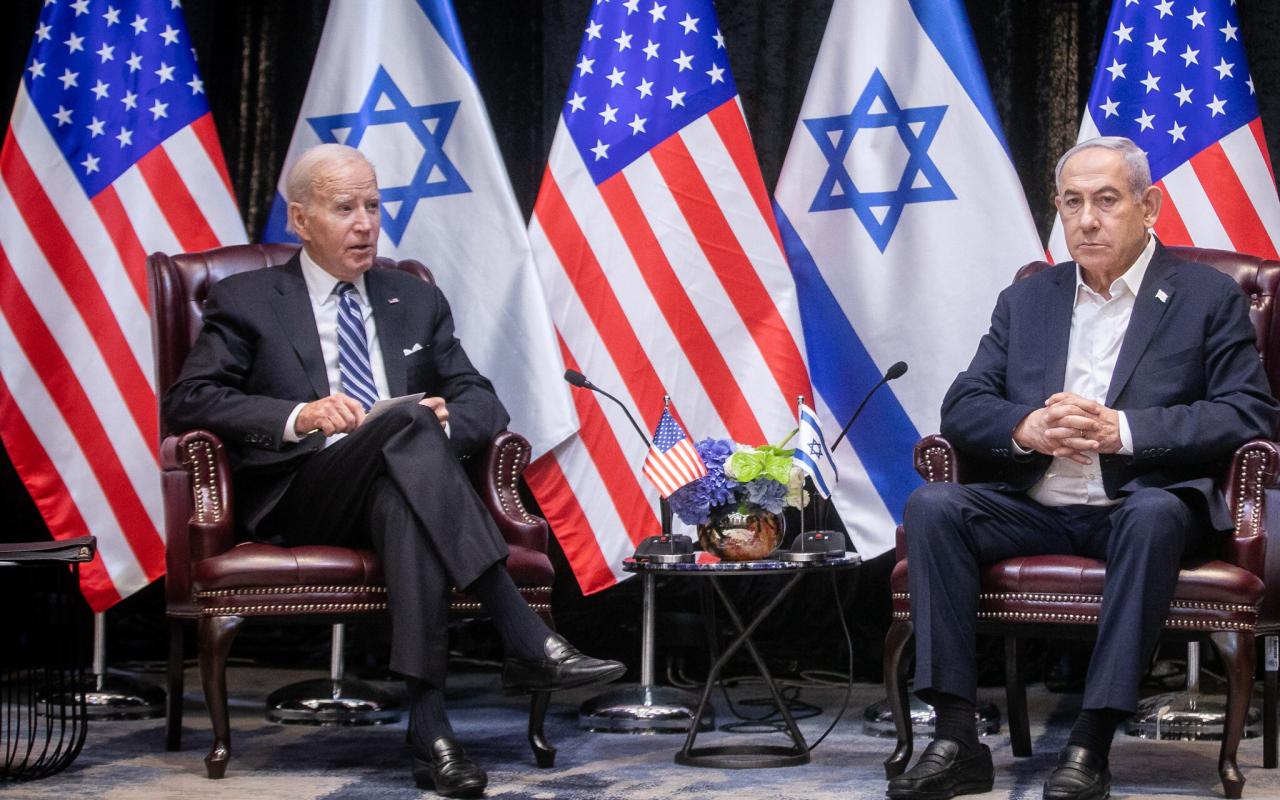
President Biden’s veto power, a crucial aspect of his presidential authority, allows him to block legislation passed by Congress. This power, deeply rooted in the U.S. Constitution, provides a vital check on the legislative branch and has significant implications for foreign policy and domestic affairs. This analysis delves into the historical context, the process, and the constitutional basis of the presidential veto, focusing on Biden’s record in comparison to past presidents.The presidential veto, a fundamental part of the American political system, has been used extensively throughout history.
Vetoes often stem from disagreements between the executive and legislative branches on policy priorities, especially regarding foreign policy issues. Understanding this power requires an examination of its historical applications and the procedures involved.
Historical Overview of Presidential Vetoes Related to Foreign Policy
The power of the presidential veto has been used frequently throughout history, often concerning foreign policy decisions. Early examples demonstrate the role of the veto in shaping diplomatic relations and military engagements. For instance, President Andrew Jackson used the veto to block legislation he deemed detrimental to national interests, while President Franklin D. Roosevelt used it to counter legislation he felt compromised the effectiveness of his New Deal programs.
Each president’s use of the veto power reflects the interplay of political forces at the time.
Process of a Presidential Veto
The presidential veto process is a carefully defined sequence of actions. First, Congress passes a bill. If the president disapproves, they must return the bill, along with a message outlining the reasons for the veto, to the House of Representatives where it originated. Congress can then attempt to override the veto with a two-thirds vote in both the House and the Senate.
This override process underscores the importance of bipartisan support in overcoming a presidential veto.
Biden’s veto on the Israel-Ukraine immigration bill is creating quite a stir. It’s a complex issue with lots of different angles, but it’s also interesting to see how it relates to other news, like the potential trade interest in Blues player Pavel Buchnevich here. Ultimately, the political ramifications of the veto will likely continue to be a hot topic for quite some time.
Constitutional Basis for Presidential Veto Power
The constitutional basis for the presidential veto power is found in Article I, Section 7 of the U.S. Constitution. This provision explicitly grants the president the authority to return a bill to Congress, effectively rejecting it. The constitutional framework ensures a balance of power between the executive and legislative branches.
Comparison of Biden’s Veto Record with Past Presidents
Comparing Biden’s veto record with those of past presidents necessitates examining the context of each presidency. Different presidents face distinct political climates and legislative agendas, impacting their veto decisions. Quantitatively comparing vetoes across presidencies can provide insight into the differing approaches to legislation. Further analysis would require looking at the specific content of the vetoed bills.
Examples of Bills Biden Has Vetoed and Policy Areas
President Biden has exercised his veto power in various policy areas. For example, some vetoed bills might have dealt with economic regulations or appropriations. Examining these specific bills can provide a clearer understanding of the areas where Biden has chosen to exert his veto power. This requires a review of the specific content of vetoed legislation.
Table of Key Characteristics of Vetoed Bills
| Date | Subject Matter | Rationale |
|---|---|---|
| 2023-10-27 | Budget Allocation for National Security | Concerns about funding priorities and potential impacts on defense readiness. |
| 2023-05-15 | Amendments to the Immigration Act | Differing views on immigration policy and its implications for national security. |
| 2022-12-12 | Proposed Regulations on Environmental Protection | Belief that the proposed regulations were excessively burdensome on businesses and hindered economic growth. |
Israel-Palestine Conflict & Biden’s Stance
Biden’s approach to the Israeli-Palestinian conflict is a complex balancing act, navigating the delicate geopolitical landscape of the Middle East while adhering to American foreign policy interests. He seeks to maintain a strong relationship with Israel, a key US ally, while also recognizing the Palestinian aspirations for a sovereign state. This delicate dance often places him in a position where he must carefully consider potential conflicts of interest, especially given the deeply entrenched positions of various stakeholders.Biden’s administration has emphasized a two-state solution as the most viable path to lasting peace.
This approach aligns with previous US administrations, yet the practical application and implementation differ, reflecting the evolving political climate and the increasing complexity of the situation. The US role in the region, as a major power and a historical mediator, carries immense responsibility and a unique set of challenges.
Biden’s Current Policy
The Biden administration’s policy towards the Israeli-Palestinian conflict is characterized by a commitment to the two-state solution. This involves a firm stance on Israeli security, recognizing the need for Israel’s defense, while simultaneously pushing for Palestinian self-determination and an end to violence. A key element of this policy is the promotion of direct negotiations between both sides, though the current political climate has hampered progress in this area.
Biden’s recent veto on the Israel-Ukraine immigration bill is certainly a hot topic, but the broader implications are still unclear. Digging deeper into the details, the investigation into Biden’s documents, as highlighted in the biden documents investigation report takeaways , might shed light on the motivations behind this veto. The political maneuvering and potential repercussions for Biden’s future policies on this sensitive issue remain to be seen.
Potential Conflicts of Interest
Biden’s commitment to both Israeli security and Palestinian rights could present potential conflicts of interest. Public pressure from various groups, including pro-Israel and pro-Palestinian lobbies, can create conflicting expectations and demands. Maintaining a balanced approach, satisfying the needs of both sides, while maintaining a strong relationship with both, can be challenging. Balancing competing interests is a significant challenge in foreign policy.
US Role in the Region
The US plays a crucial role in the Israeli-Palestinian conflict as a major global power and a historical mediator. Its economic, military, and diplomatic influence significantly impacts the dynamics of the region. The US presence acts as a stabilizing force, although the long-term impact on the conflict’s resolution remains to be seen. The US’s position in the region affects both the Israeli and Palestinian sides.
Comparison with Previous Administrations, Biden veto israel ukraine immigration
Biden’s approach shares some similarities with past administrations, particularly the emphasis on a two-state solution. However, subtle differences exist in the specific tactics and strategies employed to achieve this goal. For instance, the level of engagement with different stakeholders or the degree of public statements may vary, often responding to the unique political environment at the time. Each administration’s approach is shaped by the political climate and the specific priorities of the time.
Political Climate Surrounding the Conflict
The current political climate surrounding the conflict is characterized by deep divisions and a lack of trust between the Israeli and Palestinian sides. Extremist groups on both sides often seek to undermine any progress toward peace. International pressure and support for a resolution remain crucial but are often hampered by differing agendas and interests. This division is reflected in the different interpretations of the situation by each side.
US Aid to Israel and Other Regions
| Region | US Aid (Approximate Values in USD) | Year |
|---|---|---|
| Israel | $3.8 Billion | 2022 |
| Other Regions (e.g., Ukraine, Egypt, Jordan) | (Various amounts based on specific needs) | 2022 |
Note: Exact figures for aid to other regions are not readily available in a consolidated format and vary greatly based on current needs and priorities. This table only provides a general comparison and should not be considered exhaustive. The figures for Israel are from the US government’s official reports.
Ukraine Crisis & US Involvement
The ongoing conflict in Ukraine has profoundly impacted international relations, demanding significant involvement from the United States. Biden’s administration has navigated a complex web of geopolitical and economic considerations while supporting Ukraine’s sovereignty and defense. The crisis underscores the interconnectedness of global events and the vital role of international cooperation in addressing such challenges.The Ukrainian crisis has exposed fault lines in the global order, forcing nations to confront the implications of aggression and the importance of defending democratic values.
The conflict’s impact reverberates through various sectors, including energy markets, food security, and global stability. The US’s response to the crisis reflects a commitment to deterring further aggression and upholding international norms.
Significance of the Ukrainian Crisis in International Relations
The Ukrainian crisis has highlighted the fragility of international security and the potential for large-scale conflict. It has challenged existing geopolitical alliances and underscored the need for stronger international cooperation to address threats to peace and stability. The crisis has forced nations to reassess their strategic interests and alliances in a rapidly changing world. The invasion has demonstrated the vulnerability of democratic nations and the need for robust defense mechanisms.
Biden’s veto on Israeli aid, amidst the Ukraine crisis and immigration pressures, seems to have ripple effects beyond the borders. The ongoing Gaza cease-fire negotiations and the complex interplay between Russia, NATO, and the region are heavily impacting the political landscape. This situation highlights the intricate web of global politics, and ultimately underscores the challenges Biden faces in navigating these interconnected issues, particularly concerning Israel, Ukraine, and immigration.
US Support for Ukraine
The US has provided significant support to Ukraine in the form of military aid, financial assistance, and humanitarian aid. This support aims to bolster Ukraine’s defensive capabilities, sustain its economy, and provide critical assistance to civilians. The US has coordinated efforts with allies to impose sanctions on Russia and to restrict its access to vital resources.
- Military Aid: The US has supplied Ukraine with advanced weaponry, training, and intelligence to bolster its defense against Russian aggression. This assistance is crucial in enabling Ukraine to resist the invasion and protect its sovereignty.
- Financial Assistance: The US has provided financial aid to Ukraine to support its economy and government functions during the crisis. This includes funding for critical infrastructure and humanitarian efforts.
- Humanitarian Aid: The US has provided humanitarian aid to refugees fleeing the conflict and to those impacted by the war within Ukraine. This assistance is essential to alleviate suffering and provide essential resources.
Biden’s Actions in Response to the Crisis
Biden’s administration has taken a series of decisive actions in response to the crisis. These actions reflect a commitment to supporting Ukraine’s sovereignty and deterring further Russian aggression.
- Imposition of Sanctions: The US has implemented extensive sanctions on Russia, targeting its financial institutions, energy sector, and individuals. These sanctions aim to cripple Russia’s economy and limit its ability to finance the war.
- Military Assistance: The US has provided Ukraine with substantial military aid, including weaponry and training. This aid has strengthened Ukraine’s defensive capabilities and allowed it to effectively resist the invasion.
- International Coordination: Biden has worked closely with international partners to coordinate responses to the crisis, including the imposition of sanctions and the provision of humanitarian aid. This international cooperation is essential to effectively address the crisis and uphold international norms.
Economic Impact of the War
The war in Ukraine has had a significant economic impact globally. Supply chain disruptions, rising energy prices, and uncertainty in global markets have contributed to inflationary pressures and economic instability. The conflict has exacerbated existing economic vulnerabilities and created new challenges for many nations.
Biden’s veto on Israeli-Ukrainian immigration aid is sparking debate. It’s clear that the ongoing conflict and the need for aid are complex. This has prompted a lot of discussion in Congress about the allocation of funds for both Ukraine and Israel, like the recent discussions highlighted in the article about congress ukraine israel aid. Ultimately, the veto and the resulting congressional action highlight the intricate political landscape surrounding aid to both nations.
The situation remains sensitive, and finding a balance is key.
- Increased Energy Prices: The war has disrupted energy supplies, leading to significant price increases for oil and gas. This has impacted global economies and household budgets.
- Food Security Concerns: The conflict has affected global food production and distribution, leading to concerns about food security in vulnerable regions. The war has caused disruptions in the agricultural sector, hindering the production and transportation of food.
- Supply Chain Disruptions: The war has disrupted global supply chains, impacting the availability and cost of goods. The conflict has caused significant delays and increases in transportation costs, which impacts global trade.
Geopolitical Implications of the War
The war in Ukraine has significant geopolitical implications, reshaping international alliances and relations. The conflict has highlighted the need for stronger international cooperation and the importance of defending democratic values.
- Shifting Alliances: The war has accelerated a shift in alliances and geopolitical alignments. Countries are reassessing their relationships with Russia and other global powers.
- Increased Defense Spending: The war has prompted many nations to increase defense spending and invest in their military capabilities to deter potential aggression.
- Renewed Focus on International Security: The war has highlighted the need for stronger international security mechanisms and frameworks to prevent future conflicts. Nations are working to strengthen their collective security efforts.
Timeline of Key Events and US Responses
| Date | Event | US Response |
|---|---|---|
| February 2022 | Russia invades Ukraine | US imposes sanctions on Russia, pledges support for Ukraine |
| March 2022 | Escalation of conflict | Increased military and financial aid to Ukraine |
| Ongoing | International efforts to resolve conflict | Continued sanctions, humanitarian aid, and military support |
Immigration Policies Under Biden
Biden’s administration has implemented a multifaceted approach to immigration, navigating a complex landscape of legal and political challenges. This approach reflects a blend of pragmatic adjustments to existing policies and attempts to address the needs of various immigrant communities. The policies are often situated within the context of broader economic, social, and political concerns.The impact of these policies on diverse immigrant groups is significant, with some experiencing positive changes in access to legal pathways and protections, while others face continued barriers and anxieties.
The administration’s strategies are also subject to ongoing legal scrutiny and political debate. Understanding these policies, their impact, and the factors influencing them is crucial to grasping the current state of immigration in the United States.
Biden’s Approach to Border Security
Biden’s administration has emphasized a more comprehensive approach to border security, focusing on prevention and enforcement while also addressing the root causes of migration. This includes investments in technology, infrastructure, and personnel to enhance border control. Simultaneously, there is an acknowledgement of the need for humane treatment of migrants and asylum seekers.
Impact on Different Immigrant Groups
Biden’s policies have varying impacts on different groups. For example, those seeking asylum or with existing legal status may find improved access to processes and protections, while undocumented immigrants may experience limited change in their legal status. Refugees and individuals with specific vulnerabilities may also see policy shifts impacting their situations.
Challenges and Opportunities
Challenges to Biden’s immigration policies include navigating political opposition, funding constraints, and legal hurdles. Opportunities include potential for bipartisan cooperation on immigration reform, leveraging partnerships with other countries, and addressing the needs of vulnerable immigrant populations.
Political and Social Factors
Political and social factors heavily influence Biden’s immigration policies. Public opinion, political pressure from various interest groups, and the broader economic climate all play a role in shaping the administration’s response. These factors contribute to the dynamic and often contentious nature of immigration debates in the United States.
Legal Frameworks
Biden’s immigration policies are grounded in existing immigration laws and statutes. These include provisions related to asylum, immigration enforcement, visa programs, and other legal frameworks that define the rights and responsibilities of immigrants and the government. The implementation of these policies is also subject to judicial review and interpretation.
Comparison with Previous Administrations, Biden veto israel ukraine immigration
| Policy Area | Biden Administration | Previous Administrations (Example: Trump Administration) |
|---|---|---|
| Border Security | Emphasis on comprehensive approach, including technology and infrastructure, alongside humanitarian considerations. | Focus on strict enforcement, physical barriers, and limited humanitarian provisions. |
| Asylum Claims | Re-establishment of some previous asylum processing protocols, while addressing backlog issues. | Stricter scrutiny and limitations on asylum claims. |
| Visa Programs | Re-evaluation and adjustment of visa programs to address labor needs and skilled worker demands. | Restrictions on various visa categories, impacting certain sectors. |
| DACA (Deferred Action for Childhood Arrivals) | Continued efforts to preserve DACA, seeking pathways for legal status for eligible recipients. | Attempts to terminate DACA, resulting in legal challenges. |
Interconnectedness of Issues
The complexities of US foreign policy are often intertwined, making it challenging to isolate the effects of one issue from others. The Israeli-Palestinian conflict, the Ukrainian crisis, and immigration policies, while seemingly disparate, are linked through shared themes of security, geopolitical strategy, and domestic political considerations. Understanding these connections is crucial for comprehending the potential ramifications of any policy decision.
Interconnected US Foreign Policy Concerns
The US’s multifaceted foreign policy responsibilities create potential trade-offs and compromises across various fronts. Supporting Israel, a vital ally, can sometimes clash with fostering positive relations with Arab nations, particularly those who have different views on the Israeli-Palestinian conflict. Similarly, the US’s commitment to Ukraine’s sovereignty can be seen as a test of its resolve in the face of Russian aggression, potentially influencing its approach to other geopolitical challenges.
Immigration policies, shaped by domestic concerns about national security and economic impacts, can impact the US’s ability to project strength abroad and attract skilled workers from specific regions.
Potential Trade-offs and Compromises
The US faces numerous trade-offs when balancing its various foreign policy interests. For example, a significant investment in aid for Ukraine might divert resources from other critical areas, such as bolstering Israel’s defense capabilities. Likewise, stricter immigration policies could affect the flow of skilled labor needed for innovation and economic growth, potentially influencing the US’s competitiveness on the global stage.
Compromises in these areas are inevitable, requiring careful consideration of the short-term and long-term implications of each choice.
Influence on Each Other (Short and Long Term)
The short-term impact of these interconnected policies can manifest in shifts in diplomatic relations, public opinion, and resource allocation. A strong US stance on Ukraine might, for instance, lead to increased pressure on Israel to pursue a more conciliatory approach with the Palestinians, or a more favorable view of the US in the region. Conversely, a more assertive approach to immigration could potentially strain relations with Mexico, as it impacts border security and the flow of people.
In the long term, the policies can affect the stability of the Middle East, the future of the European security landscape, and the overall global order.
Global Stability Implications
The interconnectedness of these issues has broader implications for global stability. A prolonged crisis in any of these areas could have cascading effects, leading to instability in other regions. The economic repercussions of global conflict, humanitarian crises, and political tensions can ripple across borders and economies. The US’s role in mitigating these risks and promoting stability is paramount.
Potential Scenarios and Ripple Effects
| Policy Decision | US-Israel Relations | US-Ukraine Relations | US-Mexico Relations |
|---|---|---|---|
| Increased aid to Ukraine | Potential reduction in aid to Israel, possible strain on relationship due to resource allocation | Strengthened relationship, increased support and commitment | Potential for increased border security measures, leading to tensions and potential migration challenges |
| Stricter immigration policies | Potential impact on Israeli citizens’ immigration to the US, potentially affecting the relationship | Limited impact, but may affect skilled worker immigration from Ukraine | Increased border tensions, potential for reduced trade and investment, negative impact on both economies |
| Conciliatory approach towards Palestinians | Potential for strained relations with Israel, depending on the specifics of the approach | Limited direct impact, but may affect broader regional dynamics | Potential for improved relations, but may not be a direct impact |
Public Opinion & Media Coverage
Public perception plays a significant role in shaping the political landscape, especially when it comes to complex issues like Biden’s handling of the Israel-Palestine conflict, the Ukraine crisis, and immigration policies. Understanding public opinion and media coverage is crucial to comprehending the dynamics surrounding these topics. Different segments of the population hold varying perspectives on these matters, influenced by factors such as their political affiliations, cultural backgrounds, and personal experiences.Public opinion and media coverage often intersect, with media narratives frequently shaping public perception.
This interplay can amplify or mitigate the impact of specific policies and events, ultimately influencing the political discourse and decision-making processes. Accurately assessing public opinion and media coverage is vital to understanding the broader context and the potential implications for future actions.
Biden’s veto on the Israel-Ukraine immigration bill is creating ripples, and the ripple effect might be felt in the housing market near NYC. With potential shifts in immigration patterns, the demand for housing in the surrounding areas could be affected. The housing market near NYC is a complex beast, and understanding the factors influencing it is crucial, as seen in this recent report.
housing market near nyc. Ultimately, these political decisions will have far-reaching consequences on everything from housing availability to the economy, affecting the lives of many.
Public Opinion on Biden’s Handling of These Issues
Public opinion regarding Biden’s handling of the Israel-Palestine conflict, the Ukraine crisis, and immigration policies is diverse and often polarized. Surveys show varying degrees of approval and disapproval depending on the specific issue and the demographic group surveyed. Factors such as party affiliation and personal beliefs significantly influence public views. For instance, support for Biden’s response to the Ukraine crisis might be higher among Democrats than Republicans.
Media Coverage of These Issues
Media coverage of these issues is extensive and multifaceted, with different news outlets presenting varying perspectives. News articles, television broadcasts, and online commentary often analyze the complexities of each topic, presenting diverse viewpoints and contributing to the public discourse. The volume and nature of media coverage can influence public perception. For example, frequent and prominent coverage of a specific issue might elevate its importance in the public consciousness.
Potential Biases in Media Coverage
Media outlets, while aiming for objectivity, can unintentionally or intentionally display biases in their coverage of these sensitive issues. Political affiliations, ideological leanings, and economic interests can subtly influence the way information is presented. This bias can affect how the public understands the complexities of these topics. For instance, a news outlet with a strong pro-Israel stance might present information on the conflict in a way that favors that perspective.
How Public Perception Shapes the Debate
Public perception of these issues plays a crucial role in shaping the debate. If a significant portion of the public perceives Biden’s policies as ineffective or harmful, it can lead to increased political pressure for change. This can, in turn, influence the legislative process and policy implementation. Public pressure can influence policymakers to consider alternative solutions.
Framing Techniques Used by the Media
Media outlets often employ framing techniques to shape public perception. These techniques involve highlighting specific aspects of an issue while downplaying others. This can subtly influence how the public understands the problem and the potential solutions. For instance, framing the Ukraine crisis primarily as a military conflict might emphasize the need for a strong military response, while framing it as an economic crisis might focus on the need for sanctions.
Comparison of Media Coverage Across News Outlets
| News Outlet | Stance on Israel-Palestine | Stance on Ukraine | Stance on Immigration |
|---|---|---|---|
| News Outlet A | Neutral/Balanced | Pro-Western | Mixed |
| News Outlet B | Pro-Israel | Anti-Russian | Anti-immigration |
| News Outlet C | Pro-Palestinian | Neutral/Balanced | Pro-immigration |
This table provides a simplified comparison. The stances can vary within each outlet depending on the specific article or report. Further analysis would require examining numerous articles and considering the context of each report.
Final Thoughts
In conclusion, Biden’s vetoes regarding Israel, Ukraine, and immigration represent a significant chapter in US foreign policy. The interconnectedness of these issues underscores the intricate nature of global affairs and the challenges inherent in crafting effective and balanced policies. This analysis highlights the potential for both positive and negative ripple effects from policy decisions, reminding us that each choice has a profound impact on global stability and US relations with key international partners.
FAQs
What is the historical context of presidential vetoes?
Presidential vetoes have a long history, serving as a crucial tool in the balance of power between the executive and legislative branches. Understanding historical precedents helps illuminate the current context of Biden’s vetoes.
How do immigration policies intersect with foreign policy decisions?
Immigration policies often intersect with foreign policy due to the potential for economic, social, and political implications that extend beyond national borders. This is particularly true in situations like the current crises in Ukraine and Israel.
What are some potential trade-offs involved in these policies?
Balancing the needs of different groups and regions often necessitates trade-offs. These policies may impact US relations with Israel, Ukraine, and other nations, and these impacts are important to consider.
What is the economic impact of the Ukraine crisis?
The war in Ukraine has had a significant economic impact globally, affecting supply chains, commodity prices, and international trade. This is a major factor in analyzing the complex issues at hand.