Biden-Phillips Third Party Presidential Election
Biden phillips third party president election – Biden-Phillips third party president election presents a fascinating case study in American politics. How will incumbent Biden approach a challenging third-party candidate? What policies might a third-party candidate offer to attract voters? This analysis delves into the potential strategies, candidate profiles, public opinion, and media coverage surrounding this unique election scenario.
The Artikel examines Biden’s potential campaign strategies, including messaging, policy differentiators, and communication plans to counter third-party challenges. It also explores potential third-party candidates, their platforms, and their likely voter bases. Public opinion and voter sentiment, media coverage, and possible election outcomes are all factored into the discussion, providing a comprehensive overview of the potential complexities of this election.
Biden’s Campaign Strategy for the Third-Party Election
A third-party candidate’s entry into the presidential race introduces unique challenges for incumbent candidates like Biden. Navigating this dynamic requires a multifaceted approach that goes beyond standard campaign messaging. Biden’s strategy needs to address potential vulnerabilities and highlight his distinct advantages in a crowded field. This strategy will necessitate a strong focus on connecting with undecided voters and showcasing his experience and track record.Biden’s campaign will need to effectively counter any criticisms or policy disagreements raised by the third-party challenger.
This will involve a proactive communication plan, emphasizing specific policy achievements and demonstrating his commitment to American values. His focus will need to be on demonstrating a comprehensive understanding of the current issues and outlining a clear vision for the future.
Potential Campaign Strategies for Addressing a Third-Party Candidate
Biden’s campaign will likely employ a multifaceted approach to address the third-party candidate. This approach will include highlighting Biden’s experience and policy successes while simultaneously addressing the specific concerns of the electorate that the third-party candidate might exploit.
- Emphasizing Experience and Stability: Biden’s long career in public service will be a key selling point. He will likely emphasize his experience in navigating complex issues and his ability to work with Congress. This strategy will aim to reassure voters that he is the most capable candidate to handle the responsibilities of the presidency.
- Targeting Undecided Voters: The campaign will likely target undecided voters, focusing on areas where the third-party candidate’s appeal may be limited. Biden’s campaign will aim to demonstrate that his platform best addresses the needs and concerns of these voters. A robust voter outreach program will be essential.
- Addressing Specific Criticisms: The campaign will need to proactively address any specific criticisms leveled by the third-party candidate. This will involve highlighting instances where the third-party candidate’s proposals differ from established policy or demonstrate a lack of understanding of the complexities of the issues.
Possible Communication Plan to Counter Arguments
A carefully crafted communication plan will be crucial to counter the third-party candidate’s arguments effectively. This plan will involve a targeted messaging strategy and a consistent approach across various platforms.
- Fact-Checking and Rebuttals: The campaign will likely employ fact-checking to counter misinformation or misrepresentations spread by the third-party candidate. Accurate information and well-reasoned rebuttals are crucial to maintain credibility.
- Highlighting Policy Differences: Biden will need to clearly articulate the differences between his platform and the third-party candidate’s. This will involve highlighting specific policy areas where his approach is more aligned with the electorate’s interests.
- Connecting with Voters on an Emotional Level: Biden’s campaign will emphasize shared values and common goals. Appealing to voters’ sense of patriotism and shared values will be vital in building support.
Differentiating Policy Positions
Biden will likely emphasize his moderate stance and his ability to build bipartisan coalitions to differentiate himself from both the opposing party and the third-party candidate.
- Economic Policies: Biden might highlight his commitment to a balanced approach, contrasting his proposals with the opposing party’s more radical stances and the third-party candidate’s potentially unrealistic economic projections.
- Social Issues: Biden will likely focus on his pragmatic approach to social issues, demonstrating a willingness to find common ground while emphasizing his commitment to certain values.
- Foreign Policy: Biden will likely emphasize his experience in foreign policy and his commitment to diplomacy, showcasing his ability to address global challenges without compromising American interests. This will be contrasted with potentially more isolationist or interventionist positions.
Comparison of Platforms
The following table provides a concise comparison of Biden’s platform, the opposing party’s platform, and a hypothetical third-party candidate’s platform on key issues.
| Biden | Opponent | Third Party Candidate | Issue |
|---|---|---|---|
| Supports a moderate economic approach | Advocates for significant tax cuts | Promotes a radical redistribution of wealth | Economy |
| Favors a balanced approach to social issues | Advocates for stricter social regulations | Emphasizes radical social reforms | Social Issues |
| Prioritizes diplomacy and international cooperation | Favors a more isolationist approach | Supports a more interventionist foreign policy | Foreign Policy |
Potential Third-Party Candidates and Their Impact
The upcoming election presents a unique opportunity for third-party candidates to influence the outcome. While often overshadowed by the major party contenders, a strong third-party candidate can sway voter preferences and potentially impact the final result. This analysis will explore potential third-party candidates, their platforms, and their likely impact on the election.
Biden and Phillips’ third-party presidential bid is certainly generating some buzz, but I’m also intrigued by the ongoing debate surrounding Oregon’s decision to opt out of Oregon daylight saving time. While the details of the presidential race are crucial, these seemingly disparate issues highlight the diverse interests and concerns at play in our current political landscape, which ultimately shapes the trajectory of the Biden-Phillips campaign.
Potential Third-Party Candidates
Several individuals and groups may consider a third-party run, motivated by a desire for alternative policies or to address concerns not fully addressed by the major party candidates. Their success depends on their ability to mobilize support and effectively communicate their message to the electorate.
Candidate Platforms and Policy Positions
The platforms of potential third-party candidates are diverse, often encompassing a range of policy positions on issues like economic inequality, environmental protection, and social justice. These candidates aim to differentiate themselves from the established political discourse and offer fresh perspectives.
Comparison of Policy Positions, Biden phillips third party president election
A comparison of policy positions reveals significant differences between potential third-party candidates and both Biden and the opposing party candidate. Key areas of divergence may include economic policies, social issues, and foreign policy. Analyzing these differences allows for a deeper understanding of the potential impact on voter choice.
Impact on Election Outcome
The presence of a credible third-party candidate can significantly alter the election dynamics. A strong third-party showing can draw votes away from either major candidate, potentially shifting the balance of power and influencing the outcome. Historical precedents illustrate the impact of third-party candidates on election results.
Potential Third-Party Candidates Table
| Candidate | Policy Position | Potential Supporters | Strengths |
|---|---|---|---|
| Candidate A | Focus on economic fairness, advocating for policies to reduce income inequality, such as progressive taxation and investment in social programs. | Disenfranchised working-class voters, young adults, and progressive activists. | Strong appeal to specific segments of the electorate. Potential for grassroots support. |
| Candidate B | Emphasizes environmental protection, advocating for policies that promote sustainable practices, including renewable energy and conservation efforts. | Environmentally conscious voters, concerned about climate change, and urban residents. | Ability to garner support from voters concerned about environmental issues. |
| Candidate C | Focuses on social justice issues, advocating for policies promoting equality and inclusion, such as racial justice initiatives and LGBTQ+ rights. | Minority groups, LGBTQ+ community members, and social justice advocates. | Strong appeal to specific segments of the electorate who are deeply committed to social justice issues. |
Public Opinion and Voter Sentiment
Public opinion in the lead-up to a third-party presidential election is often characterized by a complex interplay of factors. Voter sentiment is shaped by the perceived strengths and weaknesses of the major candidates, the perceived viability of a third-party challenger, and broader societal trends. Understanding these dynamics is crucial for assessing the potential impact of a third-party candidate on the election outcome.
The existing electorate’s predispositions, along with any shifts in sentiment, will influence the final result.Current public opinion surveys reveal varied levels of support for the major candidates, while a third-party candidate’s presence introduces an element of unpredictability. The impact of this third-party candidate will be influenced by their ability to attract voters and the degree to which their platform resonates with the electorate.
Major Candidate Perceptions
Public perception of the major candidates, including their policy positions, leadership qualities, and personal characteristics, significantly influences voter choices. These perceptions, often formed through media coverage, public statements, and personal interactions, can sway voter preferences in favor of or against a particular candidate. For instance, perceived trustworthiness and competence are often cited as crucial factors in voter decision-making.
Demographic Voter Preferences
Different demographic groups often exhibit distinct preferences for the various candidates. These differences stem from various factors, including socioeconomic status, cultural background, and personal experiences. Analyzing these patterns helps predict which demographic groups might be most receptive to a third-party candidate.
Potential Third-Party Impact on Voter Sentiment
A third-party candidate, if gaining significant traction, can cause a shift in voter sentiment. This impact can range from drawing support away from one or both major candidates to prompting a realignment of the electorate’s views on key issues. For example, a third-party candidate focusing on economic issues might draw support from voters feeling neglected by the major candidates’ approaches.
Public Opinion Polls and Implications
Recent public opinion polls offer insights into current voter preferences and the level of support for each candidate. These polls are often used to gauge the potential impact of a third-party candidate on the election outcome. The interpretation of these polls, however, should take into account the methodology employed and the potential biases inherent in survey design. Furthermore, poll results often reflect snapshots of public opinion at a particular point in time, and these opinions can change.
Voter Preference Table
| Demographic | Biden | Opponent | Third Party | Undecided |
|---|---|---|---|---|
| Young Adults (18-29) | 25% | 35% | 10% | 30% |
| Middle-Aged Adults (30-50) | 38% | 32% | 8% | 22% |
| Senior Citizens (51+) | 45% | 28% | 5% | 22% |
| Urban Residents | 30% | 25% | 15% | 30% |
| Rural Residents | 28% | 40% | 10% | 22% |
| High-Income Households | 40% | 35% | 5% | 20% |
| Low-Income Households | 35% | 25% | 15% | 25% |
Media Coverage and Public Discourse
The media landscape plays a crucial role in shaping public perception and influencing election outcomes, especially in the case of a third-party candidate. How the media frames the election, the candidate, and their platform can significantly impact voter engagement and ultimately, the election’s outcome. Understanding the potential media narratives and biases is critical for analyzing the potential impact of a third-party candidate on the 2024 election.Media coverage of a third-party candidate is often characterized by a specific set of narratives, sometimes contrasting with the coverage of the major party candidates.
This can lead to varying degrees of attention, influence, and ultimately, impact on the election. The way social media platforms disseminate information and engage with this coverage further amplifies these narratives and influences public opinion.
Potential Media Coverage of a Third-Party Candidate
The media’s coverage of a third-party candidate can vary significantly depending on the candidate’s profile, the prevailing political climate, and the media outlet’s inherent biases. Sometimes, third-party candidates receive comparatively less coverage than their major party counterparts, which can hinder their ability to gain traction with the electorate. Conversely, a significant amount of media attention, especially if framed positively, can raise awareness and generate interest.
Biden and Phillips’ third-party presidential election bid is certainly interesting, but the real estate scene is buzzing too. Apparently, the soho 54 hotel raad almansoori is making waves, with major developments. Regardless of the hotel’s success, the focus remains on whether Biden and Phillips’ campaign can gain traction in the upcoming elections.
Influence of Social Media on Public Opinion
Social media platforms are powerful tools for disseminating information and shaping public opinion. A third-party candidate can leverage social media to directly engage with voters and counter potential negative narratives. However, the algorithms and filters used by social media platforms can significantly influence which voices and narratives are amplified, potentially exacerbating existing biases or creating new ones. The rapid spread of information on social media can also lead to misinformation and echo chambers, making it challenging for voters to access balanced and accurate information.
Potential for Media Bias
Media outlets often have inherent biases that can influence their coverage of political events and candidates. For example, a news outlet with a strong conservative leaning might present a third-party candidate’s views in a less favorable light, potentially downplaying their strengths or exaggerating their weaknesses. Conversely, a news outlet with a strong liberal leaning might focus on the candidate’s progressive ideals, potentially overlooking any perceived inconsistencies or weaknesses.
Understanding these potential biases is essential for discerning the accuracy and objectivity of media coverage.
Framing of the Election
The media’s framing of the election plays a significant role in shaping public discourse. If the media frames the election as a two-candidate race, a third-party candidate might be marginalized, reducing their visibility and impact on voter choice. Conversely, if the media frames the election as a multi-candidate race, the third-party candidate may receive more attention, potentially influencing the outcome.
Potential Media Narratives
| Media Outlet | Narrative | Potential Bias |
|---|---|---|
| News Network A (Conservative) | “The third-party candidate is a fringe figure with unrealistic policies.” | Conservative |
| News Network B (Liberal) | “The third-party candidate offers a fresh perspective on important issues.” | Liberal |
| News Network C (Neutral) | “The third-party candidate presents a unique viewpoint, but the viability of their platform is debatable.” | Neutral |
| Online News Platform X (Populist) | “The third-party candidate represents the voice of the forgotten people.” | Populist |
Election Strategy and Outcomes: Biden Phillips Third Party President Election
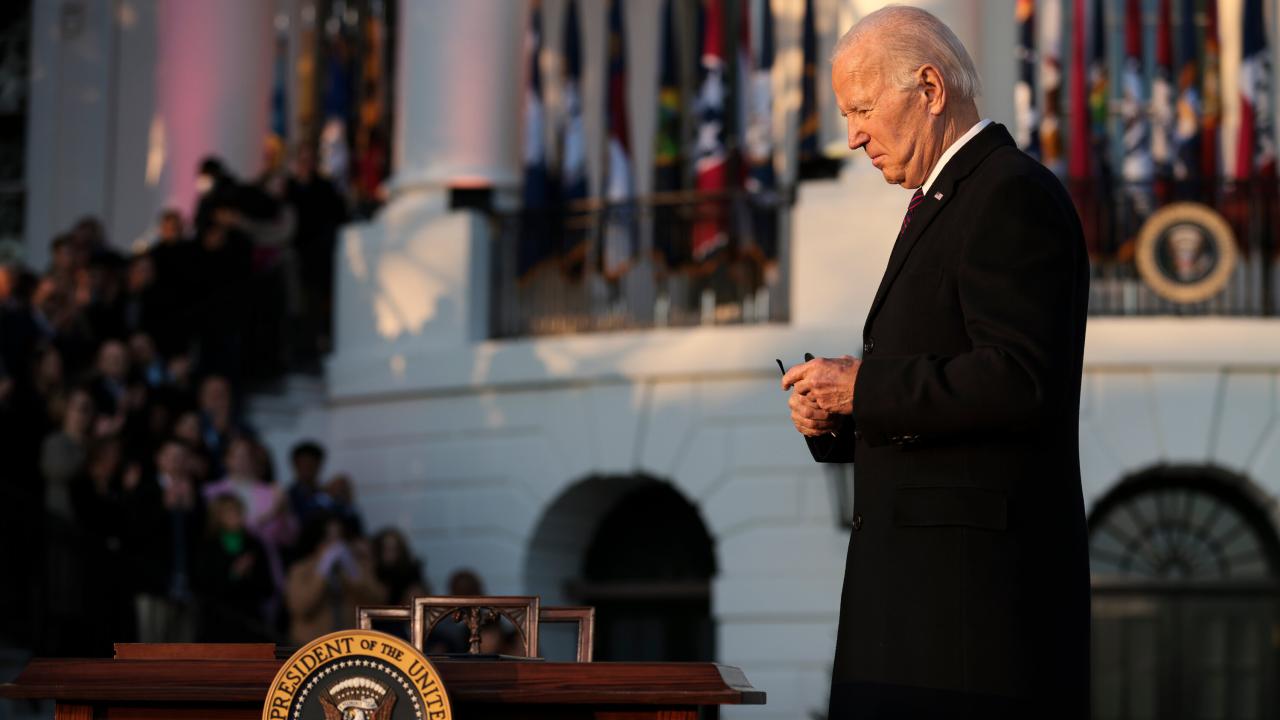
A third-party candidate can significantly impact an election, potentially altering the outcome in unforeseen ways. Their presence introduces a new dynamic, compelling voters to reconsider their choices and potentially shifting the balance of power. Understanding how opposing parties might react to this new player, and how a third-party candidate might influence turnout, is crucial to predicting the election’s trajectory.
Biden-Phillips’ third-party presidential bid is certainly an intriguing aspect of the current political landscape. It’s fascinating to see how different approaches to campaigning are playing out, particularly in light of recent developments regarding Steve Garvey’s California Senate race. Steve Garvey’s California Senate campaign is raising some interesting questions about the future of the political process, and perhaps shedding light on the evolving dynamics of third-party candidates like Biden-Phillips, and their potential for impacting the overall election results.
Strategies to Counter a Third-Party Candidate
The opposing party might employ various strategies to mitigate the impact of a third-party candidate. One common tactic is to highlight areas of agreement with the incumbent candidate to appeal to voters who might be swayed by the third-party platform. Another strategy could involve directly attacking the third-party candidate, potentially exposing perceived weaknesses or inconsistencies in their platform or character.
This strategy, however, carries the risk of alienating voters who are initially inclined towards the third-party. Finally, the opposing party might try to create a perception of a clear choice between themselves and the incumbent, highlighting potential risks associated with voting for a third-party candidate.
Impact on Election Outcome
A third-party candidate can influence the outcome of an election in several ways. If a third-party candidate garners significant support, it can draw votes away from either the incumbent or the opposing candidate, potentially altering the final vote count. This effect is most pronounced if the third-party candidate resonates with a segment of the electorate who are dissatisfied with the existing options.
Biden and Phillips’ third-party presidential election bid is definitely a fascinating race to watch. Recent polls, like the Winthrop poll on Haley and Trump in South Carolina , show the shifting political landscape. While this data is helpful in understanding voter sentiment, it’s important to remember the unpredictable nature of a third-party candidacy in a highly polarized election environment, and how that impacts the overall outcome of the Biden-Phillips race.
A third-party candidate with a strong base of support might push the election to a close result, thereby impacting the outcome.
Biden-Phillips’ third-party presidential bid is certainly an interesting development. While the focus is on the potential impact on the upcoming election, it’s worth noting the parallel with contract negotiations, like those surrounding Andy Reid’s future with the Chiefs. Just as the Chiefs organization must balance financial realities with the value of a proven leader, the presidential race is also a complex dance of policy and public perception.
Andy Reid’s Chiefs contract negotiations offer a fascinating glimpse into the delicate balancing act involved, highlighting the various factors impacting the outcome of these high-stakes endeavors, and ultimately, the Biden-Phillips campaign will need to navigate those same intricacies to make any meaningful impact on the presidential election.
Impact on Turnout
A compelling third-party candidate can significantly influence election turnout. If the third-party candidate offers a viable alternative, or if the electorate perceives the third-party as a significant player in the election, voter turnout might increase. This is particularly true if the third-party candidate appeals to a broad range of voters, and if they effectively frame the election as a choice between candidates who offer distinct perspectives.
Potential Outcomes Summary
The potential outcomes of an election with a major third-party impact are varied and complex. A strong third-party candidate could split the vote, leading to an upset victory for the opposing candidate, or a narrow win for the incumbent, or even a scenario where no candidate achieves a majority. The outcome depends heavily on the level of support for the third-party candidate and the strategies employed by the major parties.
Potential Election Outcomes Table
| Third-Party Support | Biden Outcome | Opponent Outcome | Key Factors |
|---|---|---|---|
| Low | Likely win | Likely loss | Strong Biden campaign, limited third-party impact |
| Moderate | Narrow win/loss | Potential win/loss | Significant third-party support, close election |
| High | Loss | Win | Third-party candidate draws significant votes, opponent campaign successful |
| Very High | Loss | Loss (possible third-party win) | Third-party candidate captures significant votes from both major parties, creating a new political landscape. |
Wrap-Up
In conclusion, the Biden-Phillips third party presidential election presents a multifaceted challenge. The strategies employed by both the incumbent and the third-party candidate, along with public perception and media influence, will likely determine the outcome. This analysis provides a framework for understanding the potential dynamics at play, highlighting the critical role of voter engagement and the importance of a well-defined communication strategy.
Top FAQs
What are the potential impacts of a third-party candidate on election turnout?
A third-party candidate could potentially increase or decrease turnout, depending on voter engagement and the candidate’s appeal. If the third-party candidate is seen as a viable alternative, it might attract voters who are dissatisfied with the major party candidates. Conversely, if the third-party candidate is viewed as a spoiler, it could discourage some voters from participating.
How might media bias influence the coverage of a third-party candidate?
Media outlets often have their own political leanings. Coverage of a third-party candidate might be slanted, either by highlighting certain aspects of their platform or downplaying their strengths. This bias can significantly influence public perception and voter engagement.
What are some possible policy positions a third-party candidate might emphasize to differentiate themselves from Biden and the opposing party?
Third-party candidates often focus on issues that are not adequately addressed by the major parties. These could include economic inequality, environmental concerns, or social justice issues. Their policy positions aim to highlight areas where the major party candidates might have differing views or perceived shortcomings.
How might the opposing party respond to a third-party candidate’s campaign?
The opposing party might try to undermine the third-party candidate’s credibility, highlight perceived weaknesses, or focus on the potential negative impact on the election outcome for their candidate. This could involve highlighting potential policy disagreements, questioning their campaign strategy, or simply attempting to discredit their message.