
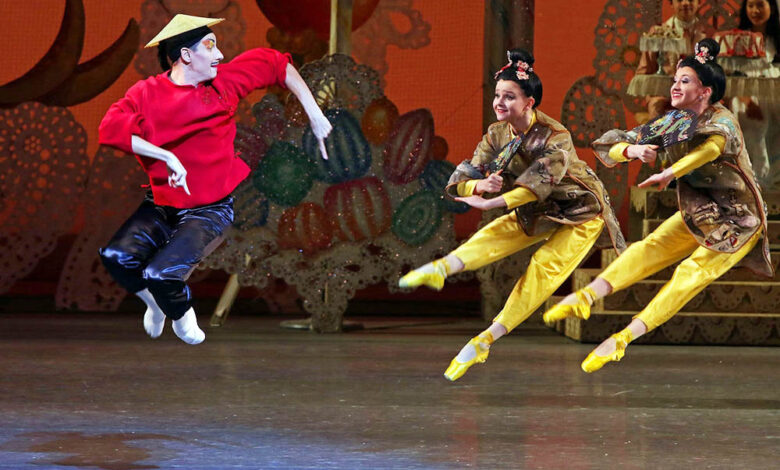
Balanchine Nutcracker The Original Tea
Balanchine nutcracker the original tea – Balanchine Nutcracker: The Original Tea sets the stage for this enthralling narrative, offering readers a glimpse into a story that is rich in detail and brimming with originality from the outset. Imagine a pre-performance tea party for the 1950s Balanchine Nutcracker. What teas were served? What desserts accompanied them? This exploration dives deep into the historical context, the tea experience, and how modern productions might reflect this fascinating aspect of the ballet.
The original Balanchine Nutcracker, a cornerstone of ballet history, offers a fascinating opportunity to examine the role of tea within its cultural and social context. We’ll trace the historical evolution of the ballet, explore the potential tea selections and preparation, and consider how tea might be integrated into modern interpretations. Join us as we unravel the stories behind the teacups!
Historical Context
George Balanchine’s 1954 production of The Nutcracker, a stark departure from traditional interpretations, marked a pivotal moment in ballet history. This version, while retaining the familiar story, brought a unique aesthetic and choreographic voice to the classic tale. Understanding its genesis requires examining the cultural and artistic milieu of the mid-20th century, where Balanchine’s revolutionary approach flourished.The original production’s context encompassed a burgeoning interest in modern ballet, with Balanchine’s company, the New York City Ballet, pioneering a unique style.
This was a time when ballet was evolving beyond its classical roots, embracing innovation and experimentation. The cultural atmosphere, especially in New York City, was one of artistic dynamism and a strong desire for new forms of expression.
Balanchine’s Vision
Balanchine’s choreography for The Nutcracker aimed to strip away the superfluous and emphasize the inherent drama and movement within the narrative. He sought to create a ballet that was both visually arresting and intellectually stimulating, rather than a mere retelling of a traditional story. His approach was characterized by sharp, precise movements, a focus on the interplay of light and shadow, and a strong sense of musicality.
This is evident in the innovative use of the score and the deliberate staging choices, resulting in a unique and modern interpretation of the classic tale.
The Cultural Landscape
The mid-20th century saw a burgeoning interest in modern art forms, influencing not only ballet but also theatre, music, and visual arts. This period saw a growing interest in social and political themes. Balanchine’s Nutcracker, while not overtly political, reflected the era’s artistic and cultural currents.
The Role of Tea
Tea, a ubiquitous beverage in pre-modern society, often played a significant role in social gatherings, artistic events, and cultural ceremonies. Its presence, whether in lavish salons or humble tea houses, underscored its cultural significance. In many cultures, tea ceremonies served as a focal point for social interaction and artistic appreciation.
Integration into the Production
While specific details about tea’s direct integration into the 1954 production are scarce, its cultural significance likely influenced the overall aesthetic and social context. For example, the emphasis on elegance and refinement, common in tea ceremonies, might have been subtly incorporated into the costumes, set designs, or even the overall atmosphere of the performance. The tea-drinking habits of the audience, or even the social contexts in which they attended performances, might have been a part of the background of the production.
Ultimately, while not explicitly mentioned, the social context surrounding tea in the era could be inferred from other cultural elements of the time. The sophisticated aesthetic of the period and the significance of social gatherings likely influenced the production.
The Balanchine Nutcracker Tea Experience
A 1950s tea party, preceding a Balanchine Nutcracker performance, would have been a meticulously planned affair, reflecting the social graces and refined tastes of the era. The tea itself would have been more than just a beverage; it would have been a carefully curated experience, embodying the elegance and formality of the pre-performance reception. It would have subtly mirrored the sophistication of the ballet itself.The tea selection, preparation, and accompanying treats would have been chosen to enhance the anticipation and ambiance of the evening.
The social interaction during the tea party would have been a crucial element, fostering a sense of community and shared excitement amongst the attendees, all preparing for the artistic spectacle.
Possible Tea Selection and Preparation
The tea selection for a 1950s pre-performance reception would likely have included a range of black teas, such as English Breakfast, Earl Grey, and perhaps a more delicate Darjeeling. Decaf options were emerging, but less common. The preparation would have been precise, emphasizing the quality of the tea leaves and the proper steeping time. Individual pots and cups, possibly accompanied by a tea cosy, would have been used for each guest, ensuring the proper temperature and brewing process.
Milk and sugar would have been available, but in a refined and controlled manner, to suit the individual preferences.
Possible Tea Pairings and Snacks
The menu for a pre-performance tea party would have been carefully chosen to complement the tea and create a delightful culinary experience.
| Tea Type | Dessert/Snack Pairing |
|---|---|
| English Breakfast | Savory scones with clotted cream and jam, or perhaps a small selection of finger sandwiches with smoked salmon or cucumber |
| Earl Grey | Lemon-flavored pastries, delicate macarons, or a light fruit tart |
| Darjeeling | A selection of small cakes, such as sponge cakes with whipped cream or fruit fillings, and delicate cookies |
| Decaf (if available) | Similar options as black teas, adjusted for caffeine-free choices; potentially fruit preserves, honey-based sweets |
Scenario for a Pre-Performance Tea Reception
The pre-performance tea reception would have been a carefully orchestrated event, designed to establish a sophisticated and anticipatory atmosphere. Guests would have arrived in their finest attire, ready to mingle and enjoy the curated experience. The room would have been elegantly decorated, perhaps with flowers, candles, and subtly elegant music playing softly in the background. The tea service would have been meticulously handled by staff, ensuring each guest felt pampered and respected.
Conversation would have revolved around the upcoming performance, the ballet itself, and the anticipation for the evening.
I’m currently sipping on Balanchine Nutcracker the Original Tea, and honestly, it’s pretty delightful. While enjoying this delicious brew, I’ve been thinking about the upcoming political landscape, specifically the potential legal ramifications of the next federal election case involving Donald Trump. Learning more about whats next federal election case trump is fascinating, and I can’t help but wonder how these events will influence the future of tea-drinking culture.
Back to the tea, though – it’s surprisingly complex and aromatic, just like the current political climate.
Teaware and Tableware of the Era
The teaware and tableware used in the 1950s would have reflected the elegance and sophistication of the era. Fine china sets, often with intricate designs or floral patterns, would have been prominent. Matching teapots, cups, saucers, and perhaps even a tea cosy for maintaining the temperature, would have been a crucial part of the presentation. Silver or polished metal serving platters and trays would have held the assortment of pastries and sandwiches.
The overall presentation would have been meticulously planned to create a harmonious and refined aesthetic.
Modern Interpretations and Comparisons
The Balanchine Nutcracker, a reimagining of the classic tale, offers a unique lens through which to examine the evolving cultural significance of tea. This reinterpretation, while retaining elements of the original, often presents a fresh perspective on the role of tea, reflecting contemporary societal values and artistic sensibilities. This section explores how modern productions might incorporate or represent tea, contrasting it with the original, and highlighting how the cultural context surrounding tea has transformed over time.Modern productions of the Balanchine Nutcracker might portray tea in a variety of ways, moving beyond a mere prop to a more nuanced symbolic element.
For example, the act of preparing and serving tea could be used to depict moments of quiet contemplation or social interaction within the ballet. The setting might also incorporate tea houses or gardens, adding visual depth to the story and emphasizing the role of tea as a social and cultural centerpiece. Costume design and choreography could also use tea as a visual metaphor, drawing connections to the themes of hospitality, tradition, and artistry.
I’ve been enjoying Balanchine Nutcracker the original tea lately. It’s a lovely, comforting brew, perfect for a quiet evening. However, the recent news about the struggles of people dealing with grief, as seen in the article “grief is for people sloane crosley” grief is for people sloane crosley , has made me reflect on how important it is to find moments of peace and comfort in everyday life, even while facing difficult situations.
The subtle floral notes in the tea remind me of that, and I’m glad to have it in my life.
Incorporation of Tea in Modern Productions
Modern productions might use tea to symbolize different aspects of the story. For instance, the act of sharing tea could represent moments of peace and harmony. The visual elements, such as a lavish tea service, could highlight the opulence and importance of tradition in the story. Choreography could emphasize the ritualistic aspects of tea preparation and consumption, creating a dynamic and visually engaging representation of the tea ceremony.
Furthermore, the costumes could reflect the cultural and historical significance of tea by incorporating elements inspired by specific tea-producing regions or historical periods.
Comparison of Tea Presentation in Original and Contemporary Interpretations
The original Balanchine Nutcracker, set in a specific historical context, might have depicted tea in a more straightforward manner. The focus might have been on the social custom of tea drinking as a symbol of politeness and decorum, with less emphasis on the cultural nuances associated with tea. Contemporary interpretations, however, might use tea as a springboard to discuss broader themes such as cultural exchange, sustainability, and the role of tradition in a rapidly changing world.
The way tea is portrayed would likely reflect the modern audience’s wider understanding of tea’s global presence and the diversity of its cultural expressions.
Changes in Cultural Context Surrounding Tea
The cultural context surrounding tea has significantly evolved from the original production of the Balanchine Nutcracker to the present day. Today, tea is recognized as a globally significant beverage, consumed in various forms and across diverse cultures. The original production may have focused on the European or American tea traditions, whereas modern interpretations might draw on tea’s presence in Asian countries, particularly China and Japan, highlighting the beverage’s global reach.
Symbolic Representations of Tea
The symbolic representations of tea in the Balanchine Nutcracker might evolve to reflect these shifts. In the original production, tea might have been primarily associated with social grace and tradition. In modern interpretations, the symbolic meanings could extend to themes of intercultural understanding, sustainable practices, and the importance of preserving cultural heritage. For example, the tea ceremony itself could symbolize the delicate balance between tradition and change, highlighting the need to adapt to new times while preserving important cultural elements.
Visual Representations
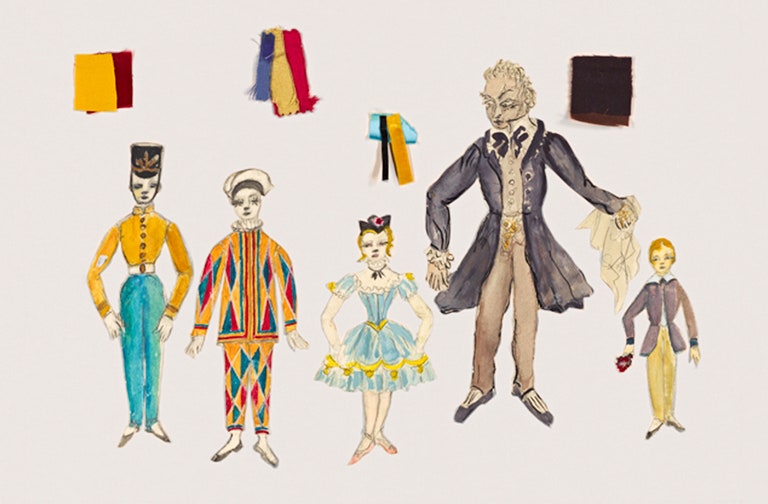
The original Balanchine Nutcracker, while retaining some elements of the traditional story, offered a unique interpretation. This divergence in style presented opportunities to explore visual representations of tea, allowing for a more abstract and symbolic portrayal of the act of enjoying tea or the tea ceremony. This exploration extends beyond simple props and into the realm of artistic expression, adding layers of meaning and visual intrigue.Visual representations of tea in Balanchine’s Nutcracker could range from subtle to prominent, depending on the scene’s narrative purpose.
I’ve been sipping on Balanchine Nutcracker the Original Tea lately, and it’s absolutely delightful. Thinking about the lovely, long days of summer in Oregon, I can’t help but wonder how daylight saving time impacts tea consumption. Perhaps the extra daylight hours in Oregon, as discussed in this article on oregon daylight saving time , means more time for enjoying a warm cup of this fantastic tea.
Either way, I’m enjoying the tea immensely!
Subtlety could be achieved through the use of muted colours or the use of tea as a background element. More prominent representations could involve elaborate tea sets and intricate tea ceremonies as a central theme.
Possible Visual Representations in the Original Balanchine Nutcracker
The original Balanchine production might have subtly incorporated tea through the costumes of the characters. Imagine the Sugar Plum Fairy, instead of wearing vibrant, overtly theatrical colours, sporting a pastel palette with hints of subtle floral patterns reminiscent of teacups or teapots. The colours could evoke the calming and refreshing qualities associated with tea. Background set pieces, like a shimmering backdrop, could have incorporated tea-inspired motifs, such as delicate tea leaves or swirling tea steam.
I’ve been obsessed with Balanchine Nutcracker the Original Tea lately. It’s a delightful blend, perfect for a cozy afternoon. While dreaming about sipping this exquisite tea, I also started wondering about the lavish lifestyles in California, specifically homes priced around $800,000. 800000 dollar homes california are a fascinating glimpse into the state’s real estate market, and honestly, it made me appreciate the simple pleasure of a good cuppa even more.
Back to the tea, though – it’s truly exceptional!
A fleeting glimpse of a tea table, perhaps with a single porcelain cup and saucer, could appear as a backdrop element, hinting at the presence of tea.
Modern Interpretations of Tea-Related Visuals
Modern productions can significantly expand on these possibilities. Tea-related props, costumes, and set pieces could be far more elaborate and explicit. A lavish tea set, with intricate porcelain teacups and ornate teapots, could be a central element of a scene, suggesting a tea ceremony or a moment of quiet contemplation. Costumes could incorporate patterns of tea leaves or teapots, reflecting the cultural significance of tea.
The set itself could be designed to evoke the atmosphere of a traditional tea house, with soft lighting, lush greenery, and subtle oriental motifs.
Enhancing Visual Storytelling with Tea Imagery
The inclusion of tea-related visuals can greatly enhance the ballet’s visual storytelling. For example, a scene featuring a princess and a prince engaging in a delicate tea ceremony could symbolize a moment of peace and quiet contemplation amidst the bustling events of the story. The act of preparing tea could represent a moment of mindful transition or preparation for an important event.
Tea imagery could also be used to highlight themes of elegance, refinement, or the passage of time.
A Possible Design for a Tea-Related Scene
Imagine a scene where the Sugar Plum Fairy is hosting a tea party. The set could be a miniature teahouse, with a low table laden with ornate tea sets and delicate pastries. The walls could be adorned with soft, flowing fabrics in calming shades of beige and muted greens, evoking a sense of calm and tranquility. Lighting could be soft and diffused, highlighting the intricate details of the tea sets and the delicate expressions on the characters’ faces.
The costumes of the characters could be adorned with subtle floral motifs and pastel colours, reminiscent of the tea ceremony. The characters could move with grace and precision, showcasing the artistry of the tea ceremony and the elegance of the scene. The scene could end with a graceful and precise bow by the characters as the tea is finished.
Possible Narrative Elements: Balanchine Nutcracker The Original Tea
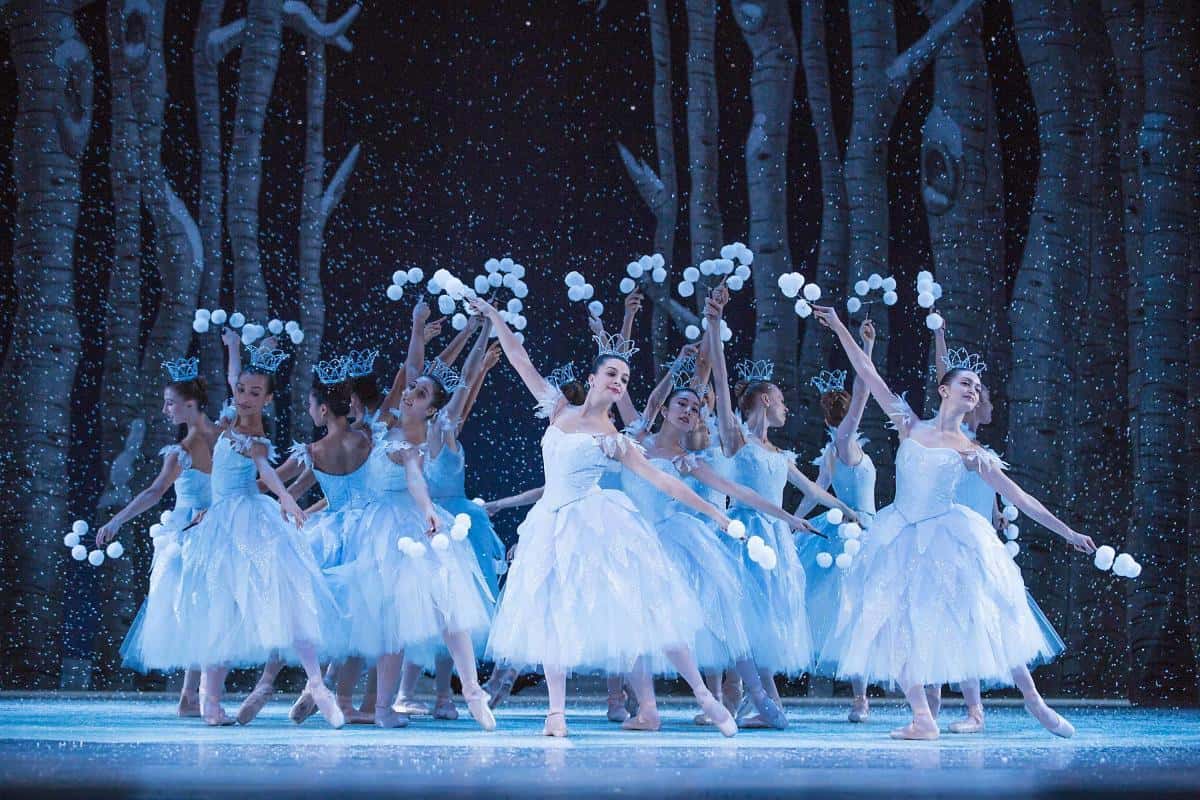
The Balanchine Nutcracker, renowned for its stripped-down elegance, presents unique opportunities to integrate tea into its narrative. Departing from traditional interpretations, we can explore the symbolic power of tea to enrich the ballet’s emotional depth and cultural context. This exploration delves into how tea can be used to subtly alter the plot, influence character arcs, and comment on the social and cultural landscapes of the time period, adding a layer of complexity and intrigue to the familiar story.Integrating tea into the narrative can subtly shift the focus.
For example, a seemingly simple tea ceremony could hold profound significance, revealing hidden motivations or foreshadowing future events. This approach allows for a deeper engagement with the characters and their relationships, adding a nuanced layer to the already compelling narrative.
I’ve been really enjoying Balanchine Nutcracker the original tea lately. It’s got a lovely, delicate flavor, perfect for a cozy afternoon. While I was thinking about how refreshing it is, I stumbled upon news about the Aurora family police settlement, which, frankly, was quite upsetting. Hopefully, this will help move things forward in a positive direction. Regardless, Balanchine Nutcracker the original tea is still a fantastic treat, and I’m definitely going to keep enjoying it! aurora family police settlement
Symbolic Meanings of Tea
Tea, across various cultures, holds rich symbolic meanings. In some societies, it represents hospitality, respect, and the shared experience of community. These symbolic associations can be woven into the Balanchine Nutcracker to enhance its themes and character development. For instance, a crucial meeting between characters could be facilitated by a shared cup of tea, emphasizing the importance of connection and understanding.
Tea and Plot Advancement
The inclusion of tea can be used to advance plot points in subtle yet impactful ways. Imagine a character’s decision to prepare or decline a cup of tea reflecting their inner conflict or determination. A carefully placed teacup, perhaps with a hidden message or a symbolic item, could serve as a crucial clue, propelling the narrative forward. Furthermore, a prolonged tea ceremony could be used to create suspense and tension, mirroring the slow burn of a dramatic event.
Tea and Character Development
The characters’ interactions around tea can significantly impact their development. A character’s preference for a particular type of tea or their reaction to a tea-related social custom could reveal their personality traits or social standing. A character’s hesitancy or eagerness to partake in a tea ceremony might mirror their internal struggles or their eagerness to navigate social dynamics.
Tea as a Cultural Commentary, Balanchine nutcracker the original tea
Tea can be used as a tool for social commentary, mirroring the social dynamics of the time. Different characters’ interactions with tea could represent the various social classes or the evolving cultural norms. For example, a formal tea ceremony could be presented in stark contrast to the casual tea drinking of another character, highlighting the societal divisions. A specific type of tea, like a rare or exotic one, could represent the exclusivity or privilege associated with particular social groups, emphasizing the disparity in the society depicted in the ballet.
Ultimate Conclusion
In conclusion, Balanchine Nutcracker: The Original Tea reveals a rich tapestry of history, artistry, and cultural significance. By exploring the role of tea in the ballet’s past and present, we gain a deeper appreciation for the artistry and cultural context of this iconic work. The potential for modern productions to incorporate tea-related elements is truly exciting, offering fresh perspectives and enriching the storytelling experience.
From historical context to modern interpretations, this journey through tea and ballet promises to be unforgettable.
Essential FAQs
What specific teas might have been served at a pre-performance tea party in the 1950s?
Likely choices would have included black teas like English Breakfast, Earl Grey, or Darjeeling, along with possible herbal infusions popular at the time.
How might tea be symbolically represented in a modern production of the Balanchine Nutcracker?
Tea could symbolize warmth, hospitality, tradition, or even the passage of time, depending on the narrative elements.
What kind of teaware would be appropriate for a 1950s-themed pre-performance tea party?
Elegant china teacups, saucers, and perhaps a teapot with a matching lid would be in keeping with the era. The specific styles would depend on the level of formality.
Could tea be used to advance plot points or character arcs in a modern production?
Absolutely. A character’s encounter with a particular tea or the symbolic significance of tea given during a pivotal moment could significantly impact the narrative.