
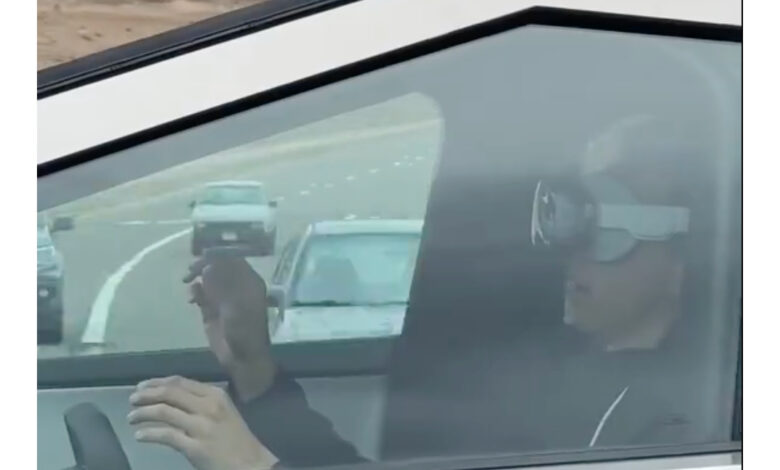
Apple Vision Pro Tesla A Futuristic Fusion
Apple Vision Pro Tesla: a captivating concept envisioning a seamless integration of Apple’s innovative Vision Pro headset with Tesla’s cutting-edge electric vehicles. This fusion promises a revolutionary user experience, combining the immersive capabilities of augmented reality with the intuitive design of Tesla’s vehicles. Imagine a future where navigation, entertainment, and even vehicle control are reimagined through an advanced, personalized interface.
Early exploration suggests a promising market with both significant potential and challenges.
This article delves into the potential of Apple Vision Pro Tesla, exploring the technological, design, and market aspects of this groundbreaking idea. We’ll examine possible integration scenarios, analyze the technological hurdles, and discuss the potential impact on both the automotive and technology industries.
Apple Vision Pro and Tesla
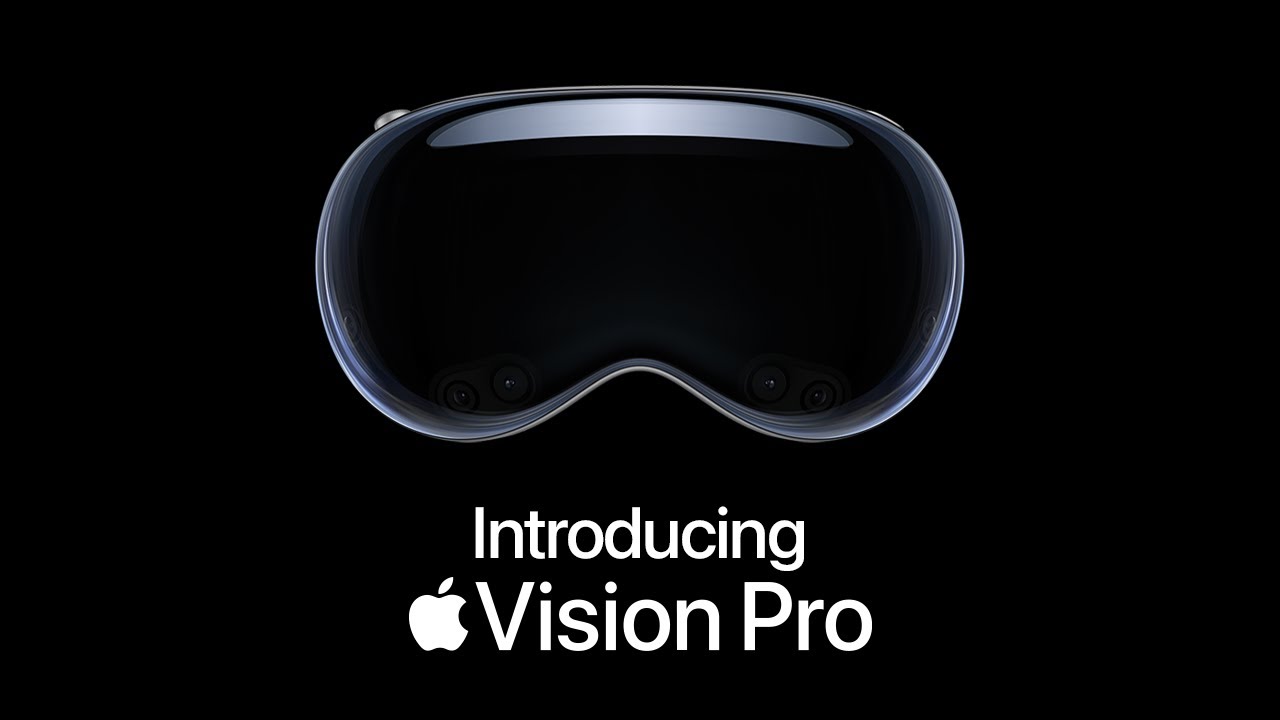
The convergence of augmented reality and electric vehicles is rapidly shaping the future of transportation and personal computing. Apple’s Vision Pro, a revolutionary headset promising immersive experiences, and Tesla’s autonomous electric vehicles are both at the forefront of this transformation. This exploration delves into the potential synergy between these technologies, examining their individual innovations, market overlap, and the potential customer base for integrated products.
Current Product Offerings
Apple Vision Pro, a spatial computing device, offers a fully immersive augmented reality experience through a high-resolution display, advanced sensors, and powerful processing. Tesla’s lineup includes a range of electric vehicles featuring advanced driver-assistance systems (ADAS), autopilot capabilities, and sophisticated battery technology. Both companies are pushing the boundaries of their respective industries, creating products that anticipate future needs and desires.
Historical Context of Innovation
Apple, renowned for its user-friendly interfaces and innovative hardware, has a long history of creating products that seamlessly integrate technology into everyday life. Tesla, a pioneer in electric vehicle technology, has revolutionized the automotive industry with its focus on sustainability, performance, and advanced driver-assistance systems. These histories of innovation underpin the potential for a fruitful collaboration between the two companies.
Potential Market Overlap and Synergy
The merging of these two technologies could create a unique market niche. Imagine a future where a driver using a Vision Pro headset can interact with the vehicle’s controls in a completely new way, potentially eliminating the need for physical buttons and steering wheels. Tesla’s advanced driver-assistance systems could be seamlessly integrated with Vision Pro’s spatial computing capabilities, offering drivers unprecedented levels of control and information.
Potential Customer Base
The potential customer base for such integrated products spans various demographics and interests. Early adopters, tech enthusiasts, and luxury car owners would be among the initial targets. However, the broader appeal of a streamlined, intuitive, and technologically advanced driving experience could expand the customer base considerably. Consider, for example, the increasing demand for personalized and connected driving experiences.
Comparison of Key Features
| Feature | Apple Vision Pro | Tesla |
|---|---|---|
| Display Technology | High-resolution, micro-OLED displays for immersive spatial computing. | High-resolution displays for vehicle instrumentation and information. |
| Computing Power | Powerful custom silicon for real-time processing of complex visual data. | Powerful processors for handling complex driving tasks and vehicle systems. |
| User Interface | Intuitive spatial interface for controlling devices and interacting with digital environments. | Intuitive interface for vehicle controls, navigation, and driver assistance features. |
Potential Integration Scenarios
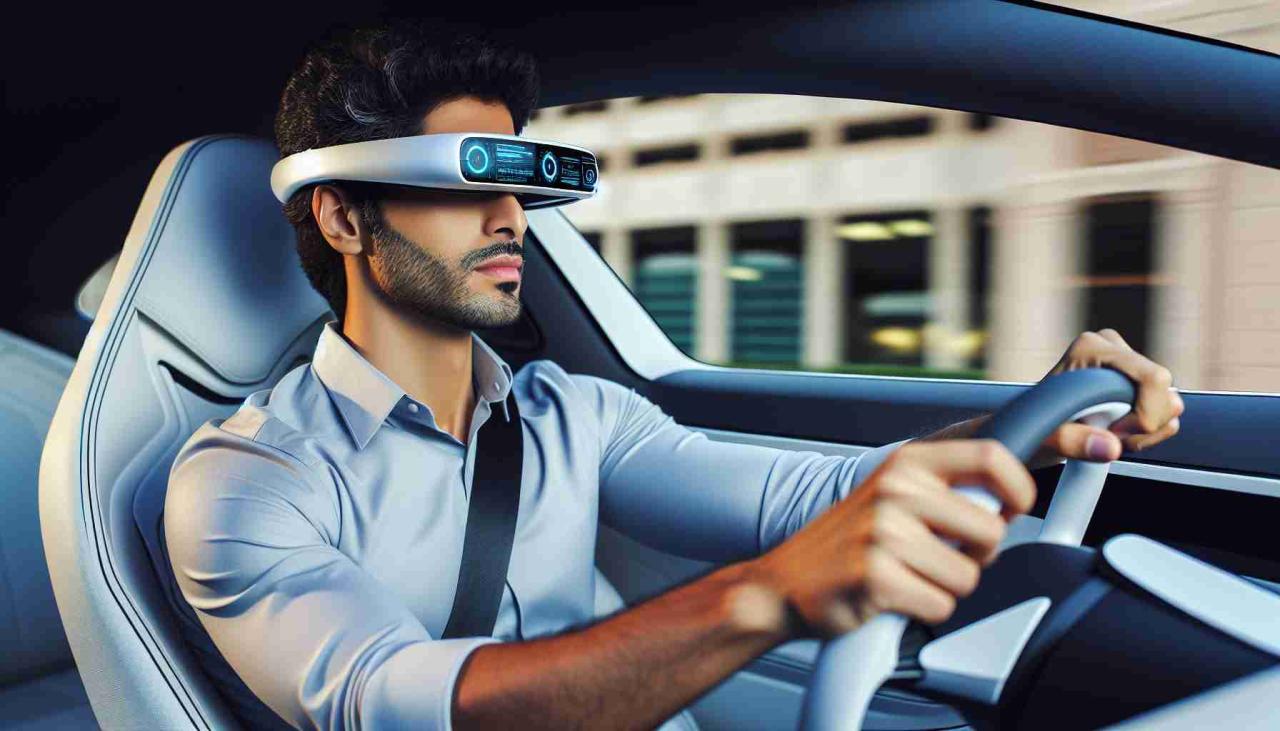
The convergence of automotive and augmented reality technologies presents exciting possibilities, particularly with the advent of Apple Vision Pro and Tesla’s advanced autonomous driving systems. This exploration delves into potential integration scenarios, outlining user experiences, design considerations, and the potential benefits and drawbacks. Imagine seamlessly transitioning from a virtual reality driving experience in the Vision Pro to a real-world Tesla, with minimal friction.Integration between these platforms could revolutionize the way we interact with our vehicles and the world around us.
Seamless data transfer and intuitive controls are paramount to realizing the full potential of such a partnership.
Integration Scenario 1: Virtual Driving Practice
This scenario focuses on utilizing Apple Vision Pro for immersive driving simulations and training. Users can practice various driving scenarios, including complex maneuvers and emergency responses, in a safe and controlled environment. The Vision Pro headset would display a realistic, interactive driving environment, allowing users to experience different road conditions and traffic situations. Tesla’s data could be used to refine the simulation, ensuring realistic responses from the virtual car.The user experience would be highly immersive, with the Vision Pro providing a detailed and dynamic display of the virtual driving environment.
The user would control the simulated car through intuitive hand gestures and voice commands. Design considerations include ensuring the accuracy of the simulation in reflecting real-world driving dynamics, and providing a user-friendly interface for navigation and control within the Vision Pro.Potential benefits include improved driving skills, reduced anxiety during real-world driving, and personalized training tailored to specific needs.
Drawbacks might include the cost of the Vision Pro and the need for a dedicated space for practice.
Integration Scenario 2: Enhanced Navigation and Information Display
This scenario focuses on leveraging the Vision Pro to provide an augmented reality overlay for Tesla’s navigation system. Instead of a traditional screen, the Vision Pro would display interactive maps and real-time traffic information projected directly into the user’s field of vision. This could include real-time traffic updates, route optimization suggestions, and even point-of-interest information. The Tesla’s onboard system would provide the data, while the Vision Pro would present it in an intuitive and visually appealing format.The user experience would involve a seamless integration of information, allowing drivers to view navigation data without looking away from the road.
I’ve been pondering the Apple Vision Pro and Tesla’s potential synergy lately. It’s fascinating to consider how these technologies might intertwine, especially with the recent developments in augmented reality. This exploration reminds me of the fascinating story of Dayme Arocena al Kemi, a figure whose work in the creative arts offers a unique perspective on how technology and artistry can converge.
Dayme Arocena al Kemi is definitely worth checking out. Ultimately, though, the Apple Vision Pro’s potential, coupled with electric vehicles like the Tesla, still seems like a very intriguing possibility for the future of personal computing and transportation.
Design considerations include minimizing distractions, ensuring the clarity and readability of the overlaid information, and integrating with Tesla’s existing infotainment system.Potential benefits include improved navigation, reduced driver fatigue, and access to a more comprehensive range of information. Drawbacks could include the need for consistent and reliable data streams from both systems and potential eye strain if the AR overlay is not well-designed.
Integration Scenario 3: Remote Vehicle Control and Maintenance
This scenario envisions using the Vision Pro to control and maintain a Tesla remotely. Users could remotely access their vehicle’s diagnostic data, initiate repairs, and even monitor the car’s status while away from it. The Vision Pro could display a 3D model of the vehicle, allowing users to view its components and diagnose potential issues. This could be particularly useful for preventative maintenance and remote troubleshooting.The user experience would involve a highly detailed 3D visualization of the Tesla, with interactive controls for managing various functions.
Apple’s Vision Pro and Tesla’s advancements are fascinating, but have you heard about the recent legal developments involving Felicia Snoop Pearson and Ed Burns? Their case, detailed in this article about felicia snoop pearson ed burns wire , is certainly raising some eyebrows. While seemingly unrelated, it sparks interesting questions about the future of tech innovation and how these things might intersect, ultimately influencing the future of Apple Vision Pro and Tesla products.
Design considerations include ensuring secure access to the vehicle’s systems, and providing clear instructions and alerts for the user.Potential benefits include enhanced vehicle maintenance, remote assistance, and increased vehicle longevity. Drawbacks might include the need for a robust and secure communication channel between the Vision Pro and the Tesla, and potential security vulnerabilities if not carefully designed.
| Scenario | Benefit 1 | Benefit 2 | Drawback 1 |
|---|---|---|---|
| Virtual Driving Practice | Improved driving skills | Personalized training | Cost of Vision Pro |
| Enhanced Navigation | Improved navigation | Reduced driver fatigue | Potential eye strain |
| Remote Vehicle Control | Enhanced vehicle maintenance | Remote assistance | Security vulnerabilities |
Technological Aspects of Integration
The prospect of integrating Apple Vision Pro with Tesla’s autonomous driving and vehicle control systems presents a fascinating challenge. This fusion of cutting-edge augmented reality and sophisticated automotive technology promises to revolutionize the driving experience, but substantial technological hurdles must be overcome. A key aspect is ensuring seamless communication and control between the two disparate systems.The inherent complexity of this integration demands careful consideration of several critical factors.
Interoperability, security, and the precise engineering of software and hardware modifications are paramount to the successful execution of this ambitious project. This exploration delves into the intricate technological aspects, outlining the potential challenges and proposing solutions to achieve a harmonious and functional integration.
The Apple Vision Pro’s potential is exciting, especially considering the tech’s potential impact on the automotive industry. It’s interesting to see how these advancements might influence the future of electric vehicles, like Tesla. However, recent news about the potential trade interest surrounding Blues player Pavel Buchnevich here has got me thinking about different kinds of “pro” situations.
Ultimately, I’m still really interested in seeing how the Apple Vision Pro will shape the future of tech and its integration into daily life.
Technical Challenges
Bridging the gap between Apple’s Vision Pro and Tesla’s automotive systems necessitates overcoming several significant technical challenges. Differences in operating systems, communication protocols, and hardware architectures are prominent hurdles. For instance, the Vision Pro’s reliance on a proprietary augmented reality platform contrasts with Tesla’s established vehicle control systems. Successfully synchronizing these disparate systems and ensuring smooth data flow requires careful attention to detail and a robust engineering approach.
These challenges must be addressed to create a user-friendly and safe driving experience.
Software Modifications, Apple vision pro tesla
Significant software modifications are necessary for the seamless integration of Vision Pro and Tesla technology. Tesla’s vehicle control software must be adapted to receive and interpret data from the Vision Pro’s sensors and augmented reality displays. Conversely, the Vision Pro’s software must be capable of receiving and processing data from the Tesla’s vehicle sensors and control systems. This requires a complete overhaul of both systems’ software architecture, encompassing communication protocols, data formats, and user interfaces.
The specific modifications will be highly dependent on the envisioned integration scenario.
Hardware Modifications
Hardware modifications are also critical to facilitate seamless interaction between the two systems. The Vision Pro’s head-mounted display will need to communicate with Tesla’s onboard systems via a high-speed, low-latency connection. Furthermore, Tesla’s vehicle systems must incorporate compatible hardware for receiving and processing data from the Vision Pro. This might involve the addition of specialized sensors or actuators.
Security Considerations
Security is paramount in this integration. A sophisticated security framework is crucial to protect sensitive data exchanged between the Vision Pro and Tesla’s vehicle control systems. The system must be resistant to hacking attempts and unauthorized access, ensuring the confidentiality, integrity, and availability of critical information. This will require robust encryption protocols, secure authentication mechanisms, and regular security audits.
Interoperability
Interoperability is essential for the seamless functioning of the integrated system. Both platforms must be designed to communicate effectively and exchange data in a standardized format. This standardization ensures compatibility across various hardware and software configurations. A well-defined communication protocol will enable the Vision Pro to access and control Tesla’s vehicle systems in a secure and reliable manner.
I’ve been pondering the Apple Vision Pro and Tesla’s potential integration lately. It’s fascinating to imagine how augmented reality could enhance driving experiences. Sadly, though, the recent tragic NYC subway shooting on the D train, a deeply disturbing event, highlights the need for safety and security in our daily lives, and the urgent need for robust public transport systems.
Still, the future of Apple Vision Pro technology is promising, with the potential to revolutionize many facets of our daily lives, even while we grapple with real-world challenges like this one. nyc shooting d train
Technological Components
| Component | Description | Specification |
|---|---|---|
| Vision Pro Head-Mounted Display | Augmented reality display for driver interaction | High-resolution, high-refresh rate display with advanced eye-tracking capabilities |
| Tesla Vehicle Control System | Existing autonomous driving and vehicle control software | Proprietary software requiring significant modification for interoperability |
| Communication Interface | High-speed, low-latency connection between Vision Pro and Tesla | Secure, encrypted protocol for data exchange |
| Data Format Standard | Standardized format for data exchange between the two systems | Optimized for speed and reliability in real-time applications |
| Security Protocols | Encryption and authentication mechanisms | Advanced cryptography to ensure data integrity and confidentiality |
Market Analysis and Potential Impact
The potential integration of Apple Vision Pro and Tesla technology presents a compelling opportunity for innovation across multiple industries. This fusion could redefine how we interact with automobiles and leverage augmented reality for a richer, more immersive driving experience. Understanding the market demand, competitive landscape, and potential impact is crucial to assessing the viability and transformative potential of this integration.This analysis delves into the predicted market demand, competitive landscape, and the profound effects this integration could have on the automotive and technology sectors.
A comprehensive look at the potential competitive advantages will provide a framework for understanding the future implications.
Predicted Market Demand
The market demand for products integrating Vision Pro and Tesla technology is expected to be substantial. Early adopters and tech enthusiasts will be drawn to the novelty and enhanced functionality. The integration of augmented reality with a high-performance electric vehicle will likely appeal to consumers who value cutting-edge technology and sophisticated features. For example, Tesla’s strong brand reputation for innovative technology, coupled with Apple’s established track record for user-friendly design, could create a significant pull for this combined product.
Apple Vision Pro and Tesla’s futuristic tech are fascinating, but what about the practical implications for workers? The increasing integration of technology into our lives often leads to blurring boundaries between work and personal time. This raises important questions about the right to disconnect, a concept gaining traction with new laws like the right to disconnect law.
Ultimately, as these innovative products like the Apple Vision Pro evolve, a clear understanding of employee rights and boundaries is crucial for a balanced and productive future.
The combined appeal could lead to significant sales volume in the high-end market segment.
Competitive Landscape
The competitive landscape will be complex. Existing automakers, such as BMW and Mercedes-Benz, will likely introduce their own augmented reality and advanced driver-assistance systems. Additionally, specialized AR and VR companies will strive to offer integrated solutions. The key will be not just technological prowess, but also the seamless integration and user experience. For example, successful integration will need to address issues of software compatibility and user interface design to maintain a cohesive experience across the various platforms.
Potential Impact on Industries
This integration has the potential to reshape both the automotive and technology industries. The automotive sector could witness a shift towards more personalized and interactive driving experiences. For the technology sector, it will drive innovation in augmented reality, display technology, and automotive software. For instance, the integration could spur further development in advanced driver-assistance systems (ADAS), leading to safer and more efficient vehicles.
Analysis of Potential Impact on Industries
The combination of Apple’s user interface expertise and Tesla’s automotive prowess will undoubtedly influence the design of future vehicles. Furthermore, the integration will likely encourage the development of new software and services for augmented reality in automobiles.
Competitive Advantages of Integration
| Aspect | Competitive Advantage | Reasoning |
|---|---|---|
| User Experience | Exceptional, intuitive interface | Leveraging Apple’s design philosophy and Tesla’s automotive expertise. |
| Technological Integration | Seamless fusion of AR and automotive technology | Combining the strengths of both companies for a unique and innovative solution. |
| Brand Recognition | Strong brand appeal | Combining two highly recognizable and trusted brands. |
| Market Differentiation | Unique product offering | Differentiation from existing competitors through a novel combination of technologies. |
| Innovation Potential | Driving further development in ADAS | The integration can pave the way for new features and capabilities in autonomous driving. |
User Experience and Design Considerations
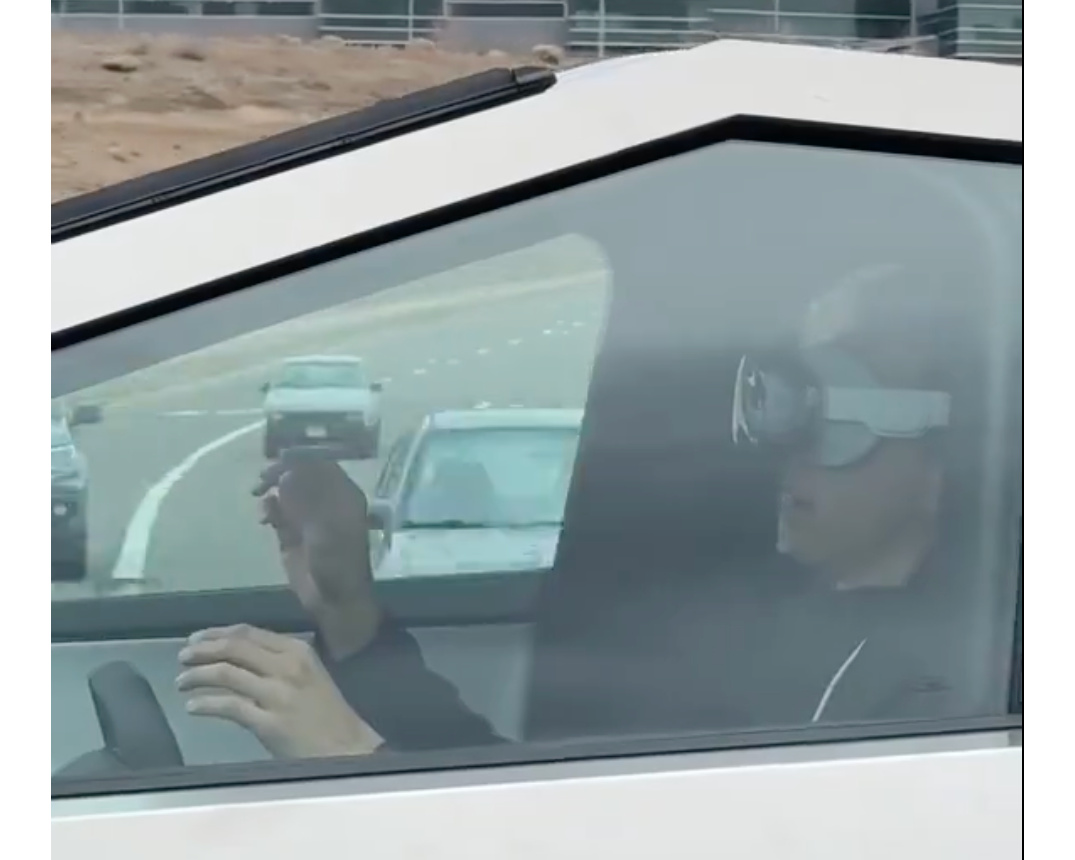
The integration of Apple Vision Pro and Tesla presents a unique opportunity to redefine the automotive experience. A seamless and intuitive user interface is paramount to realizing the full potential of this fusion. This integration demands careful consideration of user needs and design principles, leading to a truly immersive and effortless interaction between the driver and their vehicle.The key to success lies in creating a cohesive experience that leverages the strengths of both platforms.
Vision Pro’s spatial computing capabilities and Tesla’s autonomous driving technology should be seamlessly integrated, enabling a user flow that is both intuitive and efficient. This fusion demands a user-centered design philosophy, prioritizing clear communication and a streamlined workflow.
User Flow for a Hypothetical Vision Pro-Tesla Integration
This section Artikels a hypothetical user flow, demonstrating how a user might interact with a combined Vision Pro and Tesla system.A user, wearing the Vision Pro headset, initiates a trip by selecting their desired destination. This is accomplished via a visually rich interface within the headset, displaying interactive maps and real-time traffic data. The user can customize their vehicle settings, including climate control, music preferences, and seat adjustments, all within the Vision Pro environment.
Once the user is ready, the system automatically connects with the Tesla vehicle, ensuring a seamless transition between the virtual and physical worlds. During the drive, the Vision Pro headset provides an immersive experience, allowing the user to interact with various applications, such as video conferencing or working on documents, without compromising safety. When the user approaches their destination, the Vision Pro headset guides them through the parking process, utilizing the Tesla’s parking assist systems for optimal navigation and precision.
Upon arrival, the Vision Pro system seamlessly disconnects from the vehicle, ensuring a smooth transition back to the user’s everyday environment.
User Interface Design Principles
The user interface should adhere to several core principles to guarantee a positive and efficient experience. First, it must be intuitive, allowing users to effortlessly navigate the system. Clear visual cues and consistent design language will ensure a user-friendly interface. Secondly, the interface should prioritize safety. Critical information, such as speed limits and navigation instructions, should be prominently displayed and easily accessible.
Thirdly, the interface should adapt to the user’s environment, automatically adjusting the display and information presented based on the user’s surroundings. Finally, the interface should leverage spatial audio and haptic feedback to enhance the user experience and provide clear, contextual feedback.
Key User Needs
This section details the key user needs that must be addressed in the design process.Users require a system that prioritizes safety, ensuring that critical information is readily available and presented in a manner that does not distract from driving. Users need an interface that adapts to their environment and presents relevant information, dynamically adjusting based on the user’s surroundings.
The system must be reliable, ensuring consistent performance and functionality. Furthermore, users need a visually rich and engaging experience that leverages the potential of spatial computing. Finally, the system should offer a personalized experience, adapting to the user’s preferences and habits.
Examples of User Interface Elements
| Element | Description | Purpose |
|---|---|---|
| Interactive Map | A 3D map displayed within the Vision Pro headset, allowing users to visualize their route and real-time traffic conditions. | Provides a clear and intuitive representation of the driving path. |
| Vehicle Controls | Intuitive controls within the headset for adjusting vehicle settings, such as climate control and music preferences. | Allows users to manage vehicle functions without taking their hands off the wheel. |
| Heads-Up Display (HUD) | Projection of critical information onto the windshield, including navigation instructions and speed limits. | Provides vital information in a safe and easily accessible manner. |
| Spatial Audio | Audio cues and alerts that are rendered within the spatial environment of the Vision Pro headset. | Enhances the user experience and provides clear, contextual feedback. |
Illustrative Examples: Apple Vision Pro Tesla
The potential integration of Apple Vision Pro and Tesla presents exciting possibilities for a future of seamlessly integrated automotive and personal computing experiences. Imagining these interfaces requires exploring various use cases and scenarios, moving beyond abstract concepts and into tangible examples. This section will delve into specific instances showcasing how augmented reality and the Vision Pro could revolutionize the Tesla driving experience.
Tesla Vehicle Interface Using Vision Pro Technology
A Tesla dashboard, overlaid with a Vision Pro interface, could display vital information in a highly interactive manner. Imagine a holographic representation of the vehicle’s speed, battery life, and navigation route, projected directly onto the windshield. This overlay could dynamically adjust its size and position based on the driver’s gaze or head movements, providing a clear and intuitive view of crucial data without requiring the driver to take their eyes off the road.
The interface could also offer personalized settings, allowing drivers to customize the information displayed and its visual presentation. Furthermore, this could be a customizable interface, allowing drivers to modify the display of data.
Vision Pro Application Interacting with a Tesla Car
Vision Pro applications could provide real-time, augmented reality overlays for various Tesla functions. For instance, a navigation app could project a 3D model of the route ahead, highlighting upcoming turns and intersections, seamlessly integrated into the driver’s field of view. Similarly, a maintenance app could display diagnostics and potential issues with the vehicle’s components, offering solutions and instructions, all projected into the driver’s line of sight.
These applications could provide a wealth of information without requiring the driver to take their eyes off the road or navigate complex touchscreens.
Augmented Reality Use with a Tesla
Augmented reality (AR) could be used to enhance the Tesla driving experience in numerous ways. For example, AR could provide real-time traffic updates and safety warnings, projected onto the windshield as translucent overlays. This would allow drivers to remain aware of their surroundings while receiving important information. Further, AR could be used for hands-free control of vehicle functions, such as adjusting climate settings or accessing media through voice commands or eye-tracking, ensuring a more intuitive and safe experience.
The Tesla’s AI could be integrated with the AR system to provide real-time adjustments, improving the efficiency and safety of the driving experience.
Vision Pro User Interacting with a Tesla through Augmented Reality
Imagine a Vision Pro user approaching their Tesla. As they draw closer, the car’s augmented reality interface would dynamically adapt to the user’s position. The vehicle’s status, such as battery level, estimated range, and upcoming destinations, could be projected into the user’s field of view as a virtual overlay. The user could interact with this information using intuitive hand gestures, adjusting settings or initiating pre-programmed actions, like pre-heating the cabin or setting the navigation route.
The user experience would be enhanced by seamless transitions between the Vision Pro interface and the vehicle’s existing systems.
Tesla Driver Using Vision Pro for Navigation
A Tesla driver using Vision Pro for navigation could experience a truly immersive and intuitive navigation system. The driver’s field of view could be overlaid with a detailed 3D representation of the route, dynamically adjusting as they approach intersections or make turns. This navigation system would allow for seamless integration of traffic information, highlighting areas of congestion and providing alternative routes.
The system would also offer interactive elements, allowing the driver to adjust the navigation parameters, like arrival time or destination, through intuitive gestures. This could be combined with augmented reality elements like road markings or speed limit signs, enhancing the safety and clarity of the navigation experience.
Closing Notes
The concept of Apple Vision Pro Tesla presents a compelling vision for the future of transportation and technology. While significant challenges remain in terms of technological integration and user adoption, the potential benefits are undeniable. This fusion of cutting-edge technologies has the potential to revolutionize the way we interact with our vehicles and the world around us. Further development and exploration are crucial to unlocking the full potential of this innovative concept.
Question Bank
What are some potential drawbacks of integrating Apple Vision Pro with Tesla?
Security concerns regarding data privacy and the complexity of maintaining a seamless interface across different platforms are potential drawbacks. Ensuring the reliability and stability of such a complex system is also a key challenge.
What are the predicted costs of producing Apple Vision Pro Tesla vehicles?
The exact costs would depend on various factors, including production volume, component pricing, and integration complexity. However, it’s likely that such a revolutionary vehicle would have a higher price point compared to standard Tesla models due to the advanced technology involved.
How will battery life be affected by incorporating the Vision Pro display?
The integration of the Vision Pro display will likely require additional power, potentially impacting battery life. Optimizations in display technology and power management will be crucial for a positive user experience.
What about the safety implications of augmented reality displays in vehicles?
Ensuring the safety and clarity of the augmented reality displays in real-world driving conditions is paramount. The display needs to provide clear information without distracting the driver or impeding their ability to see the road ahead.