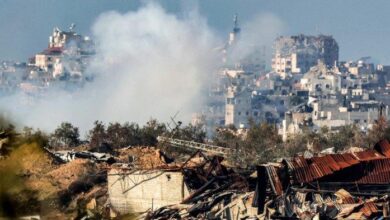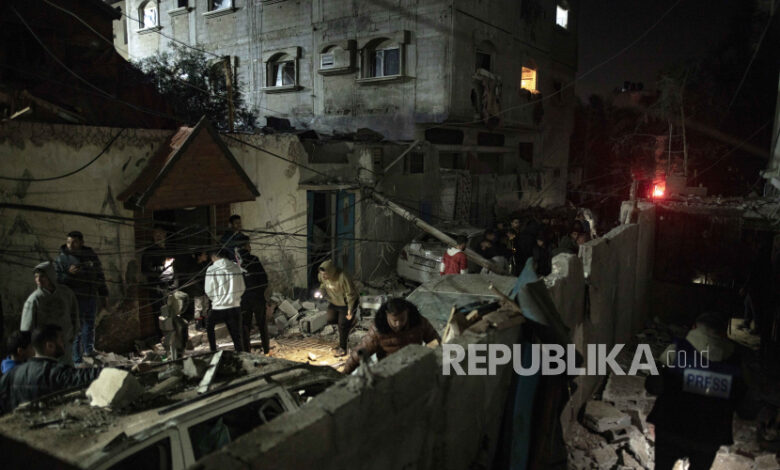
Israel-Hamas Southern Gaza and Rafah
Israel hamas southern gaza rafah – Israel-Hamas conflict in Southern Gaza and Rafah has ignited a fierce debate, revealing the complex interplay of political maneuvering, military strategy, and the devastating human cost. This region, with its unique historical context and geographical significance, has become the epicenter of this conflict. The recent escalation has resulted in a humanitarian crisis of unimaginable proportions, demanding immediate attention and long-term solutions.
The conflict’s roots run deep, intertwined with decades of political tensions and historical grievances. The struggle for control of this strategic area, along with the significant role of various international actors, adds another layer of complexity to this already volatile situation. The humanitarian crisis in Southern Gaza and Rafah is deeply concerning, with civilians bearing the brunt of the fighting.
Overview of the Conflict
The recent escalation of violence between Israel and Hamas, particularly focused on Southern Gaza and Rafah, has tragically resulted in significant loss of life and widespread destruction. Understanding this conflict requires examining its historical roots, the key players, and the strategic importance of the region. The ongoing fighting underscores the complex and deeply entrenched nature of the conflict in the region.The conflict’s roots lie in decades of political tension and disputes over land, borders, and the right of return for Palestinian refugees.
These underlying issues have been exacerbated by the political climate and the actions of various parties involved.
Historical Context
The Israeli-Palestinian conflict has a long and complex history. It began with the 1948 Arab-Israeli War, which resulted in the displacement of many Palestinians and the establishment of Israel. Subsequent conflicts, including the Six-Day War and the Yom Kippur War, further solidified the divisions. The ongoing occupation of Palestinian territories, including Gaza, has been a significant source of tension.
The Oslo Accords, intended to achieve peace, failed to address the core issues, and have been followed by periods of violence and instability.
Key Actors and Their Roles
The conflict involves several key actors, each with their own motivations and objectives. Israel, seeking to protect its citizens and deter attacks, has pursued military actions in response to Hamas’ actions. Hamas, an Islamist organization, aims to establish an independent Palestinian state and end the Israeli occupation. Other Palestinian factions and international actors also play significant roles in the ongoing conflict.
- Israel: Israel’s primary objective is to defend its citizens and maintain security. Military actions are often taken in response to perceived threats, with the aim of preventing future attacks. The Israeli government’s policies and actions are often debated and criticized internationally.
- Hamas: Hamas’s strategy focuses on resisting Israeli occupation and advocating for the rights of Palestinians. Their methods, while intended to achieve political goals, have often been met with condemnation and criticism for the harm they cause to civilians.
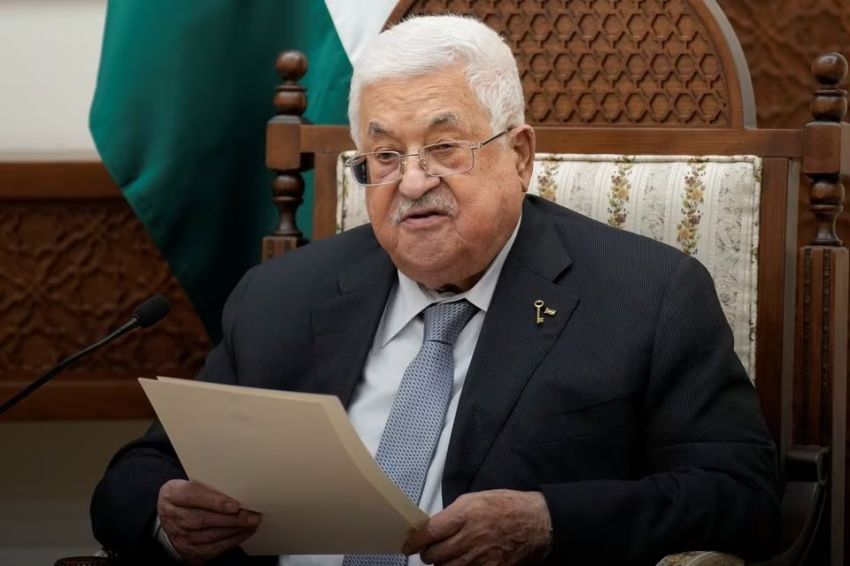
- Palestinian Authority: The Palestinian Authority often plays a mediating role in the conflict, but its ability to influence events has been limited. Their efforts to achieve a lasting peace have been complicated by internal divisions and external pressures.
Geographical Significance of Southern Gaza and Rafah
Southern Gaza and Rafah hold significant geographical importance due to their proximity to Egypt and their role as crucial entry and exit points for people and goods. The strategic location has made these areas a focus of conflict, and the control over these areas has significant implications for both Israel and Hamas. The vulnerability of the area has been highlighted by the conflict’s impact on the civilian population.
- Border crossings: Rafah, in particular, serves as a critical border crossing, impacting the movement of people and goods. Control over this crossing has significant implications for humanitarian aid and the movement of civilians.
- Proximity to Egypt: The border with Egypt allows for cross-border movements, which can be exploited by both sides. This proximity has influenced the course of the conflict, as seen in the flow of arms and the movement of militants.
- Population density: Southern Gaza and Rafah have a high population density, making them particularly vulnerable to the effects of conflict. The presence of a large number of civilians in the region makes it a crucial point in the conflict.
Humanitarian Crisis in Southern Gaza and Rafah
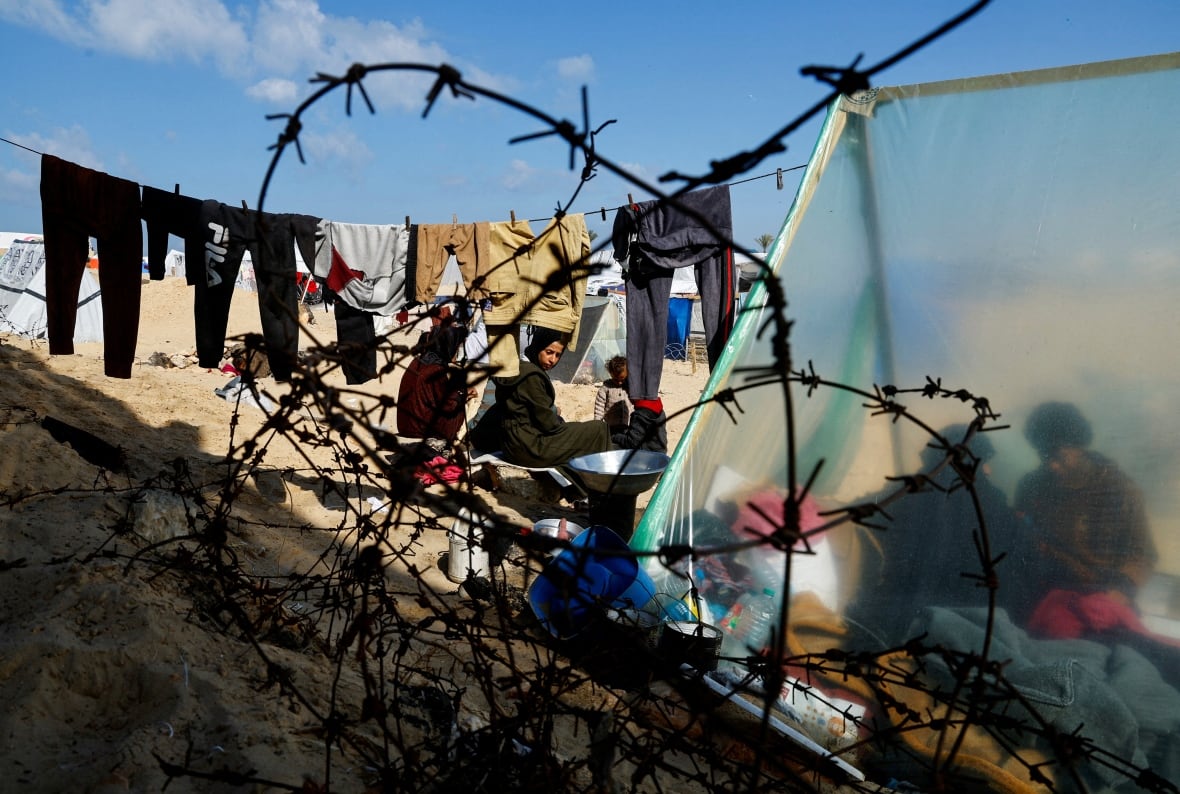
The recent escalation of conflict in southern Gaza and Rafah has unleashed a devastating humanitarian crisis. Civilians are bearing the brunt of the fighting, facing unprecedented challenges in accessing basic necessities and escaping the violence. The scale of destruction is alarming, and the long-term consequences for the region’s stability are deeply concerning.The sheer number of displaced individuals and the widespread damage to infrastructure are creating a dire situation.
The affected population faces immediate and critical needs, with access to essential resources severely limited. The ongoing conflict poses significant risks to the well-being of the civilian population, particularly in terms of their health and safety.
Scale of the Humanitarian Crisis
The conflict has caused widespread displacement and destruction, forcing countless people from their homes. The dense population in southern Gaza and Rafah exacerbates the problem, making it harder to provide adequate support to the affected civilians. This concentrated displacement creates an urgent need for immediate and effective humanitarian aid.
Immediate Needs of the Affected Population
The immediate needs of the affected population are numerous and pressing. Essential supplies like food, water, and medical care are critically short. Many have lost their homes and livelihoods, leaving them vulnerable to disease and starvation. The lack of safe shelter is another significant concern, with people often seeking refuge in overcrowded and unsafe locations.
- Food Security: Widespread food shortages and the disruption of agricultural activities are leading to severe food insecurity. The ability to grow and obtain food is drastically reduced, leading to malnutrition and health issues. For example, the 2020-2022 Horn of Africa drought resulted in millions facing acute food insecurity and starvation, highlighting the devastating consequences of such crises.
- Water Access: The destruction of water infrastructure, including wells and pipelines, is severely impacting access to clean water. Waterborne diseases are likely to increase, threatening public health, especially for vulnerable populations such as children and the elderly. Lack of access to safe water can lead to long-term health problems.
- Shelter and Housing: Homes and other buildings have been destroyed, leaving people with no place to live. This lack of shelter poses a threat to health and safety, especially during inclement weather. This also affects children’s education, mental health, and access to social services.
- Medical Care: Hospitals and clinics are struggling to cope with the influx of casualties. Essential medical supplies and personnel are in short supply, leading to limited access to life-saving treatment. The need for trauma care and long-term health services is extremely important to help people recover and maintain health.
Potential Long-Term Consequences
The conflict’s impact on the region’s infrastructure will be long-lasting. Damage to roads, bridges, and other essential infrastructure will severely hinder economic recovery and development. The disruption of essential services will create a ripple effect, impacting various aspects of daily life and hindering long-term growth.
The ongoing conflict in Israel, Hamas, and southern Gaza, particularly around Rafah, is incredibly complex. While the world focuses on the humanitarian crisis, it’s fascinating to see how seemingly disparate events connect. For instance, the recent return of Romeo Gigli to Marrakech, as reported in this article , highlights a different kind of drama unfolding. Regardless of the global stage, the situation in southern Gaza remains incredibly critical.
Vulnerabilities of the Civilian Population
The civilian population in southern Gaza and Rafah is particularly vulnerable due to the conflict’s impact on their safety, health, and well-being. The presence of vulnerable groups, such as women, children, and the elderly, amplifies the risks associated with displacement, violence, and lack of access to essential services. These vulnerabilities are crucial to address and mitigate through effective humanitarian aid.
Military Actions and Strategies
The recent conflict between Israel and Hamas has exposed the stark realities of modern warfare, particularly the complexities of targeting in densely populated areas. Both sides have employed a range of strategies, reflecting differing capabilities and objectives. The focus on Southern Gaza and Rafah, with their intertwined civilian and military infrastructure, has further complicated the situation.Understanding the military strategies employed by both sides is crucial to comprehending the conflict’s dynamics and its impact on the civilian population.
This analysis delves into the tactics used, the damage inflicted on civilian infrastructure, and the broader implications of these actions.
Israeli Military Strategies
Israel’s military strategy in Southern Gaza and Rafah has prioritized precision strikes and minimizing civilian casualties. While aiming for a high degree of precision, the inherent challenges in distinguishing between military targets and civilian infrastructure, coupled with the density of population, have made this a difficult goal. Israeli forces have employed a range of weaponry, including air strikes and artillery barrages, to target Hamas infrastructure and personnel.
The ongoing conflict in southern Gaza, specifically around Rafah, involving Hamas and Israel, is deeply concerning. It’s a complex situation with tragic consequences for civilians. Meanwhile, the NRA lawsuit against Wayne LaPierre, a figure central to the gun rights debate, is raising similar questions about accountability and responsibility, as well as the future of gun control in the US.
Ultimately, both these situations highlight the devastating consequences of conflict and the need for solutions that prioritize human life and safety. The situation in southern Gaza demands urgent attention. nra lawsuit wayne lapierre
Hamas Military Strategies
Hamas’s military strategy in Southern Gaza and Rafah has focused on utilizing the terrain and the presence of civilian populations as a shield, creating a complex environment for Israeli forces. This strategy relies heavily on the use of tunnels, urban warfare tactics, and the employment of combatants in civilian areas, making clear differentiation between military and civilian targets extremely challenging.
Their tactics have also included rocket attacks aimed at Israeli targets.
Comparison of Tactics in Southern Gaza and Rafah
The tactics employed in Southern Gaza and Rafah have exhibited some similarities and differences. In both areas, the presence of civilian infrastructure has significantly impacted military operations. While Israel has attempted to minimize collateral damage in Rafah, the dense urban environment and the proximity of military targets to residential areas have created challenges. The use of tunnels and urban warfare tactics by Hamas has been particularly prevalent in Southern Gaza.
Impact on Civilian Infrastructure
The military actions have had a devastating impact on civilian infrastructure in Southern Gaza and Rafah. Homes, hospitals, schools, and critical infrastructure have been damaged or destroyed. The loss of essential services like water and electricity has exacerbated the humanitarian crisis, creating significant challenges for the local population. The destruction of essential services like water and electricity is a major humanitarian concern, compounding the already difficult situation for civilians.
Military Operations Table
| Operation Name | Location | Description | Impact on Civilian Infrastructure |
|---|---|---|---|
| Operation [Insert Name, if available] | Southern Gaza | [Insert Brief Description, if available] | [Insert Details, if available] |
| Operation [Insert Name, if available] | Rafah | [Insert Brief Description, if available] | [Insert Details, if available] |
| Operation [Insert Name, if available] | Southern Gaza | [Insert Brief Description, if available] | [Insert Details, if available] |
| Operation [Insert Name, if available] | Rafah | [Insert Brief Description, if available] | [Insert Details, if available] |
International Response and Diplomatic Efforts
The international community’s response to the ongoing conflict in Gaza has been multifaceted, ranging from condemnations of violence to calls for de-escalation and humanitarian aid. Major powers have voiced their concerns and initiated diplomatic efforts, while international organizations have played a crucial role in delivering assistance to affected populations. This section will detail the international community’s actions and diplomatic initiatives.The swift and varied responses highlight the gravity of the situation and the international community’s recognition of the humanitarian crisis.
Different nations have employed various approaches, reflecting their individual geopolitical interests and priorities. However, the common thread is the recognition of the need for a cessation of hostilities and a pathway toward a peaceful resolution.
International Statements and Actions
Numerous countries have issued statements condemning the violence and expressing solidarity with the victims. These statements often emphasize the importance of upholding international humanitarian law and protecting civilians. Specific actions taken by major powers, such as imposing sanctions or initiating diplomatic dialogues, have also varied.
The ongoing conflict in Israel, Hamas, and southern Gaza, particularly around Rafah, is incredibly complex. It’s a situation with a long history, and understanding the intricacies of the region’s past is crucial. For example, exploring the career of filmmaker Keith McNally, whose work often delves into the human impact of conflict, offers valuable context keith mcnally balthazar filmmaking past.
Ultimately, the situation in southern Gaza remains deeply troubling, and requires careful consideration from all sides.
Role of International Organizations
International organizations, such as the United Nations and its various agencies, have been instrumental in providing humanitarian aid and support to the affected population. Their efforts encompass providing emergency medical supplies, food, shelter, and other essential necessities to those in need. The UN’s work often involves coordinating with other humanitarian organizations and local authorities to ensure effective delivery of aid.
Diplomatic Efforts to De-escalate
Numerous diplomatic efforts have been undertaken to de-escalate the conflict. These include mediation attempts by various countries and international organizations. The specific nature of these efforts often involves high-level talks and negotiations, with the ultimate goal of achieving a ceasefire and fostering a pathway towards a lasting resolution. Past successful examples of diplomatic resolutions can provide insights into the challenges and opportunities involved in de-escalating such conflicts.
Summary of International Responses
| Nation | Response Type | Specific Actions |
|---|---|---|
| United States | Condemnation and humanitarian aid | Issued statements condemning the violence and pledged support for humanitarian efforts. Provided financial assistance and medical supplies. |
| United Nations | Humanitarian aid and mediation | Deployed personnel and resources to deliver aid to affected populations. Initiated diplomatic channels to facilitate de-escalation. |
| European Union | Condemnation and sanctions | Issued a joint statement condemning the violence and imposed sanctions on individuals and entities linked to the conflict. Offered financial aid for humanitarian relief efforts. |
| Israel | Military action and humanitarian concerns | Focused on military operations while acknowledging the need for humanitarian access to Gaza. |
| Other Countries | Varied responses | Many countries expressed concern, condemned the violence, and/or provided humanitarian aid, reflecting a range of perspectives and priorities. |
Impact on Infrastructure and Economy
The recent conflict in Southern Gaza and Rafah has inflicted devastating damage on the already fragile infrastructure and economy of the region. The relentless shelling and ground fighting have left a trail of destruction, severely impacting vital services and economic activities. This destruction extends beyond immediate needs, creating a long-term crisis that will require significant investment and international support to address.The economic and infrastructural damage in Southern Gaza and Rafah is multifaceted, encompassing damage to homes, businesses, and vital infrastructure like roads, water systems, and power grids.
This disruption has widespread repercussions, affecting agricultural production, trade, and tourism, all of which are critical to the region’s already vulnerable economy. The destruction of homes and businesses will also severely impact the livelihoods of thousands, requiring immediate and long-term recovery efforts.
Damage to Infrastructure
The relentless bombardment has severely damaged roads, essential for transportation and trade. Water and sewage systems have been crippled, creating sanitation crises and increasing the risk of disease outbreaks. Power outages are frequent, affecting essential services like hospitals and hindering economic activity. Schools and healthcare facilities have also suffered extensive damage, disrupting education and healthcare access for the population.
Economic Consequences
The conflict has crippled agricultural production in the region. The destruction of farmland, irrigation systems, and equipment has led to significant crop losses. The damage to agricultural infrastructure will negatively affect the region’s food security and ability to produce its own food. Trade routes have been disrupted, further hindering economic activity and causing significant supply chain problems.
The tourism sector, already fragile, has been completely devastated, with the disruption of travel and the destruction of tourist sites.
Economic Sectors Impacted
- Agriculture: The destruction of farmland, irrigation systems, and agricultural equipment has severely reduced agricultural output, leading to shortages of essential food crops. The loss of livestock also significantly impacts the livelihood of many farmers. The disruption of supply chains and markets further exacerbates the situation.
- Trade: The damage to roads and bridges, and the disruption of supply chains, has severely hampered trade in and out of the region. This impacts the availability of goods and services and increases prices, adding to the economic hardship.
- Tourism: The conflict has devastated the tourism sector, which relies heavily on the safety and security of the region. The destruction of tourist sites and the general instability have made the region unattractive for visitors, resulting in significant revenue losses.
- Industry: Small and medium-sized enterprises (SMEs) have been significantly affected by the conflict. The destruction of factories and businesses has led to job losses and reduced production. The region’s industrial capacity has been severely weakened.
- Infrastructure: The damage to roads, bridges, water systems, and power grids has had a wide-ranging impact on the region. The loss of vital infrastructure will severely impact the region’s ability to function and recover.
Potential Recovery Plans
International assistance and a coordinated effort are crucial to recovery. The establishment of sustainable infrastructure projects, such as rebuilding roads, bridges, and utilities, is essential. Providing agricultural support, including seeds, tools, and training, is critical to rebuilding agricultural production. Resuming trade routes and providing financial assistance to businesses are also necessary. A long-term recovery plan must focus on the development of sustainable economic activities that can help the region become self-sufficient.
The ongoing conflict in Israel, Hamas, and Southern Gaza, particularly around Rafah, is incredibly complex. Political maneuvering is playing out on multiple fronts, with the recent Winthrop Poll highlighting the shifting political landscape in South Carolina. This poll, winthrop poll haley trump south carolina , suggests a potential shift in the Republican primary race. Regardless of these internal US political debates, the situation in Southern Gaza remains intensely volatile.
| Economic Sector | Impact | Recovery Needs |
|---|---|---|
| Agriculture | Destruction of farmland, irrigation systems, equipment, loss of livestock | Provision of seeds, tools, training, and financial assistance. |
| Trade | Disruption of supply chains, damage to roads and bridges | Rebuilding of infrastructure, resuming trade routes, and supporting businesses. |
| Tourism | Destruction of tourist sites, disruption of travel | Restoring safety and security, promoting the region, and investing in tourist attractions. |
| Industry | Destruction of factories and businesses, job losses | Financial assistance to businesses, support for job creation, and training. |
| Infrastructure | Damage to roads, bridges, water systems, power grids | Rebuilding infrastructure, restoring essential services, and providing long-term maintenance. |
Potential Long-Term Effects
The recent conflict in Southern Gaza and Rafah has inflicted profound and multifaceted damage, extending far beyond the immediate humanitarian crisis. The potential for further instability in the region, the long-term implications for regional security, and the very real prospect of displacement and migration are deeply concerning. The conflict’s impact on regional relations promises to be enduring and complex, shaping the future landscape of the Middle East.
Further Instability in the Region
The conflict’s aftermath creates a volatile environment conducive to further escalation. Weakened governance and the presence of armed groups can exacerbate existing tensions and create opportunities for new conflicts. The disruption of established social and political structures, combined with the ongoing economic hardship, could lead to a resurgence of extremist ideologies and further instability in the region. History offers numerous examples where prolonged conflicts and unresolved grievances have fueled cycles of violence.
Long-Term Implications on Regional Security
The conflict directly impacts regional security. The protracted nature of the conflict can destabilize neighboring states through the flow of refugees, arms, and extremist ideologies. The potential for spillover effects into neighboring countries necessitates concerted efforts to address the underlying causes of the conflict and prevent a wider regional confrontation. The conflict has also raised concerns about the effectiveness of existing security mechanisms and the need for stronger regional cooperation to maintain peace.
Potential for Displacement and Migration
The conflict’s intensity has created a significant displacement crisis. Thousands of Palestinians have been forced to flee their homes, adding to the existing refugee population in the region. The long-term consequences of displacement include economic hardship, social disruption, and the potential for long-term political instability in the region. The Syrian civil war, for instance, demonstrates how prolonged displacement can lead to humanitarian crises and regional instability.
The ongoing conflict in Israel, Hamas, and Southern Gaza, particularly around Rafah, is deeply concerning. Political maneuvering in the US, like Steve Garvey’s potential California Senate run, steve garvey california senate , adds another layer of complexity to the already volatile situation. The situation in Southern Gaza remains precarious, with humanitarian concerns rising.
The limited resources and infrastructure in the region will likely strain existing social services and exacerbate existing inequalities.
Potential Consequences for Regional Relations
The conflict is likely to have significant implications for regional relations. Tensions between Israel and its neighboring countries could escalate, further hindering efforts towards peace and reconciliation. The conflict also highlights the deep-seated mistrust and unresolved historical grievances that continue to shape the region’s political landscape. The international community will need to engage constructively with all parties involved to foster dialogue and promote a lasting peace.
Past instances of regional conflicts have illustrated the complex and often protracted nature of reconciliation processes.
Illustrative Examples of the Impact
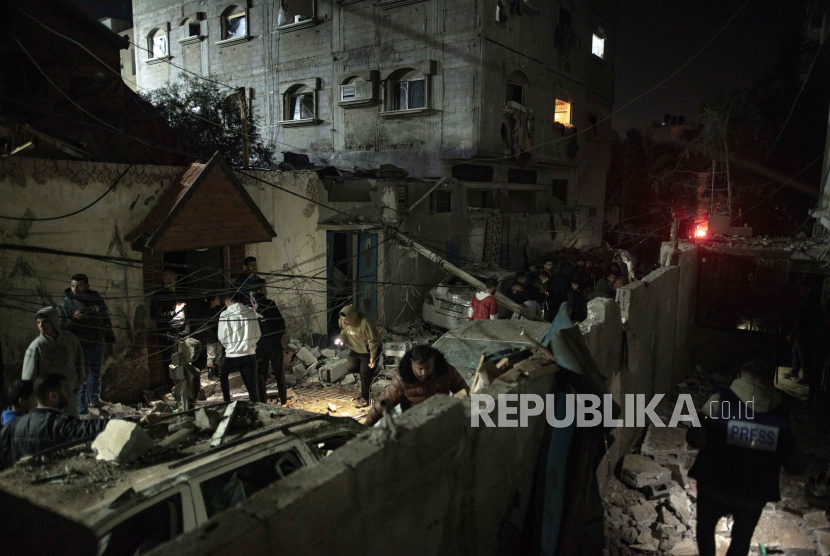
The relentless conflict in Southern Gaza and Rafah has left an indelible mark on the lives of its inhabitants. Homes, businesses, and essential infrastructure have been decimated, forcing countless individuals into displacement and hardship. This section will provide a glimpse into the human cost of the violence, highlighting the devastating impact on everyday life and the profound challenges faced by those in the region.The following accounts depict the tangible effects of the conflict, moving beyond statistics to illustrate the profound suffering experienced by individuals caught in the crossfire.
Understanding the personal narratives is crucial to comprehending the full extent of the humanitarian crisis.
Devastation in Southern Gaza and Rafah
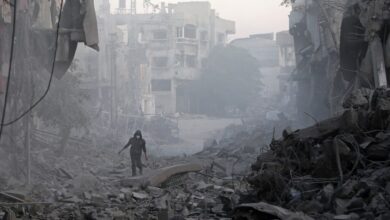
The relentless shelling and aerial bombardments have wrought havoc on Southern Gaza and Rafah. Homes reduced to rubble, hospitals overwhelmed, and vital infrastructure crippled, the scale of the destruction is staggering. Entire neighborhoods lie in ruins, rendering countless families homeless and without access to essential services. The devastation stretches far beyond physical structures, affecting the very fabric of communities.
Effects on Everyday Life
The conflict’s impact ripples through every facet of daily life. Families struggle to secure basic necessities like food, water, and shelter. Schools are often damaged or unusable, disrupting education and hindering the future prospects of children. Healthcare systems are strained to the breaking point, unable to cope with the influx of casualties and the general deterioration of well-being.
The psychological toll on residents is also immense, with trauma and anxiety becoming pervasive.
Comparison of Living Conditions, Israel hamas southern gaza rafah
| Aspect | Southern Gaza and Rafah Before the Conflict | Southern Gaza and Rafah After the Conflict |
|---|---|---|
| Housing | Adequate housing for many, with some areas experiencing limited access to quality housing. | Widespread destruction of homes, leaving many families homeless or residing in damaged structures. |
| Healthcare | Basic healthcare services available, albeit with some limitations. | Overwhelmed hospitals, limited access to medical supplies and trained personnel. |
| Education | Schools operating, providing educational opportunities. | Schools damaged or destroyed, interrupting educational opportunities for children and youth. |
| Economy | Some economic activity, with varying levels of prosperity. | Significant disruption to the economy, with limited income-generating opportunities. |
| Security | Relative security, despite some tensions. | Extreme insecurity and danger due to constant violence and shelling. |
First-Hand Account
“The explosions were deafening. My family and I huddled in the basement, terrified. We lost everything – our home, our belongings, our sense of security. Now, we’re struggling to find food and shelter. We just want peace.”
A resident of Southern Gaza.
Potential Solutions and Mitigation Strategies: Israel Hamas Southern Gaza Rafah
The ongoing conflict in Southern Gaza and Rafah necessitates a multifaceted approach encompassing military, diplomatic, and humanitarian strategies. A comprehensive solution must address the immediate needs of the civilian population while simultaneously working towards a long-term resolution that prevents future violence and fosters stability in the region. This requires a collaborative effort from all stakeholders, including regional powers and international organizations.
Potential Solutions Categorized by Approach
Addressing the multifaceted crisis requires a coordinated effort across various fronts. Different approaches, each with its own set of challenges and potential benefits, can be considered.
| Approach | Potential Solutions | Description |
|---|---|---|
| Military | Ceasefire and De-escalation | Implementing a sustainable ceasefire is paramount. This involves clear communication channels between warring factions and the establishment of buffer zones to reduce tensions. Military de-escalation strategies, including arms control and limitations on military activities, are crucial for reducing the risk of further violence. |
| Diplomatic | Mediation and Negotiation | International mediation efforts, led by recognized organizations or key regional players, can facilitate dialogue between conflicting parties. Negotiations focused on long-term solutions, such as border security and economic cooperation, are vital to establish a framework for lasting peace. |
| Humanitarian | Emergency Relief and Reconstruction | Prioritizing the provision of essential services, such as food, water, shelter, and medical care, is crucial to alleviate the suffering of the civilian population. Long-term reconstruction efforts, focusing on infrastructure development and economic recovery, are essential for sustainable solutions. Examples of such efforts can be drawn from post-conflict scenarios in other regions. |
Key Recommendations for Resolving the Conflict
A multi-pronged approach is essential for a lasting resolution.
- Establish a Permanent Ceasefire: A cessation of hostilities is paramount for preventing further loss of life and destruction. This requires strong international pressure and commitment from all parties involved.
- Promote Dialogue and Negotiation: Establishing effective communication channels and facilitating direct talks between opposing sides is essential for finding mutually acceptable solutions. International mediators can play a crucial role in this process.
- Provide Humanitarian Aid: The urgent need for food, water, shelter, and medical care must be addressed to alleviate the suffering of the affected population. International organizations and humanitarian groups should lead these efforts.
- Support Long-Term Reconstruction: The reconstruction of vital infrastructure and economic recovery must be prioritized. This includes rebuilding homes, schools, hospitals, and essential services to help the affected communities return to normal life. Models from similar reconstruction projects in the past can serve as valuable references.
- Address Underlying Causes of Conflict: Addressing the root causes of the conflict, such as political disputes and economic grievances, is crucial for sustainable peace. This requires a long-term commitment to addressing these issues through diplomatic efforts and international cooperation.
Mitigation Strategies for the Humanitarian Crisis
Addressing the humanitarian crisis in Southern Gaza and Rafah requires a swift and coordinated response.
- Prioritize Access to Essential Services: Ensuring the delivery of vital resources, including food, water, and medical supplies, is of utmost importance. Establishing secure pathways for aid delivery is critical.
- Strengthen Protection of Civilians: Protecting civilians from further harm is paramount. International efforts to monitor the safety and well-being of the affected population are needed.
- Support the Provision of Shelter: Providing temporary and permanent housing solutions is vital for those displaced by the conflict. The scale and complexity of this challenge require the coordination of multiple organizations.
Summary
In conclusion, the conflict in Israel, Hamas, Southern Gaza, and Rafah highlights the urgent need for a multifaceted approach to peace. The human cost is staggering, and the long-term effects will undoubtedly reshape the region. International cooperation, diplomatic efforts, and humanitarian aid are critical to addressing the immediate crisis and working towards sustainable peace. The path ahead is fraught with challenges, but the global community must remain steadfast in its commitment to resolving this devastating conflict.
General Inquiries
What are the main causes of the conflict in Southern Gaza and Rafah?
The conflict has deep historical roots, stemming from ongoing territorial disputes and political tensions between Israel and Hamas. The strategic location of Southern Gaza and Rafah plays a significant role in the escalating conflict.
What is the role of international organizations in the crisis?
Numerous international organizations, including the UN and various humanitarian groups, are working to provide aid and support to the affected populations. Their efforts are crucial in mitigating the humanitarian crisis.
What are the potential long-term effects of the conflict on regional security?
The conflict has the potential to further destabilize the region, leading to increased tensions and further conflicts. The consequences for regional relations could be far-reaching.
What are the key recommendations for resolving the conflict?
A comprehensive approach is needed, incorporating diplomatic efforts, humanitarian aid, and potentially military solutions. This requires cooperation between all parties involved, including Israel, Hamas, and international actors.