House Republicans Israel Aid A Deep Dive
House Republicans Israel aid is a complex issue, with significant historical context, current debates, and potential long-term impacts. This post explores the evolution of US financial support for Israel, examining the arguments for and against current aid levels, and considering alternative approaches to supporting the country. We’ll also look at the influence of this aid on Israeli policies, regional dynamics, and public opinion in both the US and Israel.
The article delves into the historical context of US aid to Israel, tracing its development from early support to the present day. It analyzes the various factors that have shaped US policy, including geopolitical considerations, domestic pressures, and religious influences. Further, it examines the current congressional debates surrounding aid levels and conditions, comparing the positions of different political factions within the House of Representatives.
Historical Context of US Aid to Israel: House Republicans Israel Aid
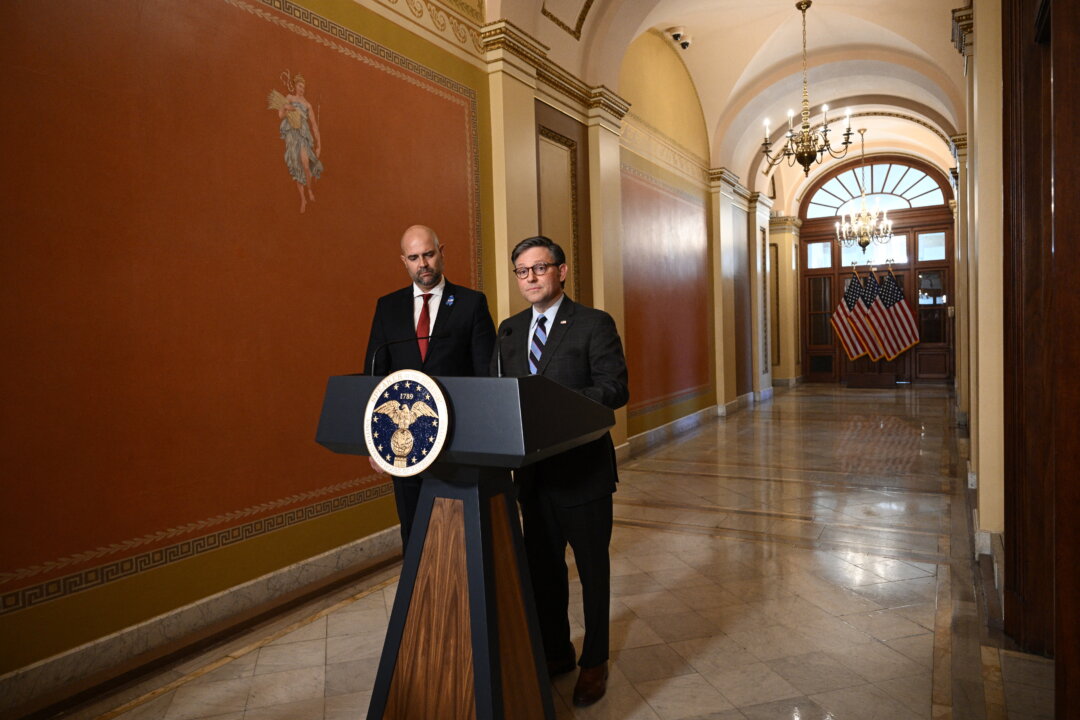
The United States has provided significant financial aid to Israel for decades, a relationship deeply intertwined with geopolitical realities, domestic political pressures, and religious factors. This aid has evolved substantially over time, reflecting shifts in global power dynamics and the ever-changing nature of the Israeli-Palestinian conflict. Understanding this history is crucial to comprehending the current context and ongoing debates surrounding US support for Israel.
Evolution of US Financial Aid to Israel
US aid to Israel has not been a constant flow. It has fluctuated dramatically, responding to various factors. The amount and nature of support have been shaped by both external events and internal political dynamics. This has often led to significant policy changes. The following table provides a glimpse into the historical trajectory of US aid to Israel.
House Republicans’ stance on Israel aid is definitely a hot topic right now. It’s fascinating how these political debates often seem to intersect with seemingly unrelated events, like the recent subway weekend festivities in honor of Jose Lasalle. Subway weekend Jose Lasalle highlights the vibrant energy of the community, and while the connection to the aid debates might be tenuous, the underlying currents of public engagement are undeniably present.
Ultimately, the focus remains on the substantial debate regarding the future of aid to Israel.
| Year | Amount of Aid (Approximate) | Major Events | Key Legislative Actions |
|---|---|---|---|
| 1948-1960s | Limited, focused on early state-building | Establishment of Israel, initial Cold War tensions. | Initial aid packages focused on security and development. |
| 1970s-1980s | Increased significantly, especially following the 1973 Yom Kippur War. | Yom Kippur War, Camp David Accords, escalating Palestinian conflict. | Increased funding for security and military cooperation. Emergence of specific aid legislation. |
| 1990s | Continued high levels, with emphasis on peace process | Oslo Accords, continued regional conflicts. | Legislation focused on conditional aid tied to peace efforts. |
| 2000s | Continued high levels, fluctuations based on political conditions. | Second Intifada, US election cycles. | Continued emphasis on security and peace. Debate on aid levels and conditions. |
| 2010s-Present | Significant levels, often with debates over conditions and allocation. | Escalating regional conflicts, rise of political polarization. | Continued debate on aid levels, conditions, and the relationship between aid and political objectives. Legislation often tied to specific events and political agendas. |
Congressional Attitudes Towards Israeli Aid
Congressional views on Israeli aid have been complex and often contentious. The decisions surrounding the amount and conditions of aid have been shaped by various factors, including bipartisan support, strategic interests, and domestic political pressures. Legislation has often reflected shifting priorities.
- Congressional support for aid to Israel has historically been strong, driven by a combination of strategic interests and bipartisan consensus.
- However, there have been periods of debate and adjustments, often triggered by specific events or domestic political concerns.
- Congressional actions, such as legislative amendments and appropriations, have directly influenced the terms and conditions of US aid.
- The influence of special interest groups and lobbying efforts cannot be ignored in shaping congressional attitudes toward aid.
Factors Influencing US Policy Towards Israeli Aid
Several key factors have influenced US policy towards Israeli aid. These factors have often intertwined, creating a complex web of motivations.
- Geopolitical considerations have been central. US support for Israel has often been linked to broader regional security concerns and strategic alliances in the Middle East.
- Domestic political pressures, including public opinion and lobbying efforts, have played a significant role in shaping policy decisions.
- Religious influences, particularly within certain segments of the American population, have also exerted considerable influence on the debate surrounding aid to Israel.
Current Congressional Debates Surrounding Aid
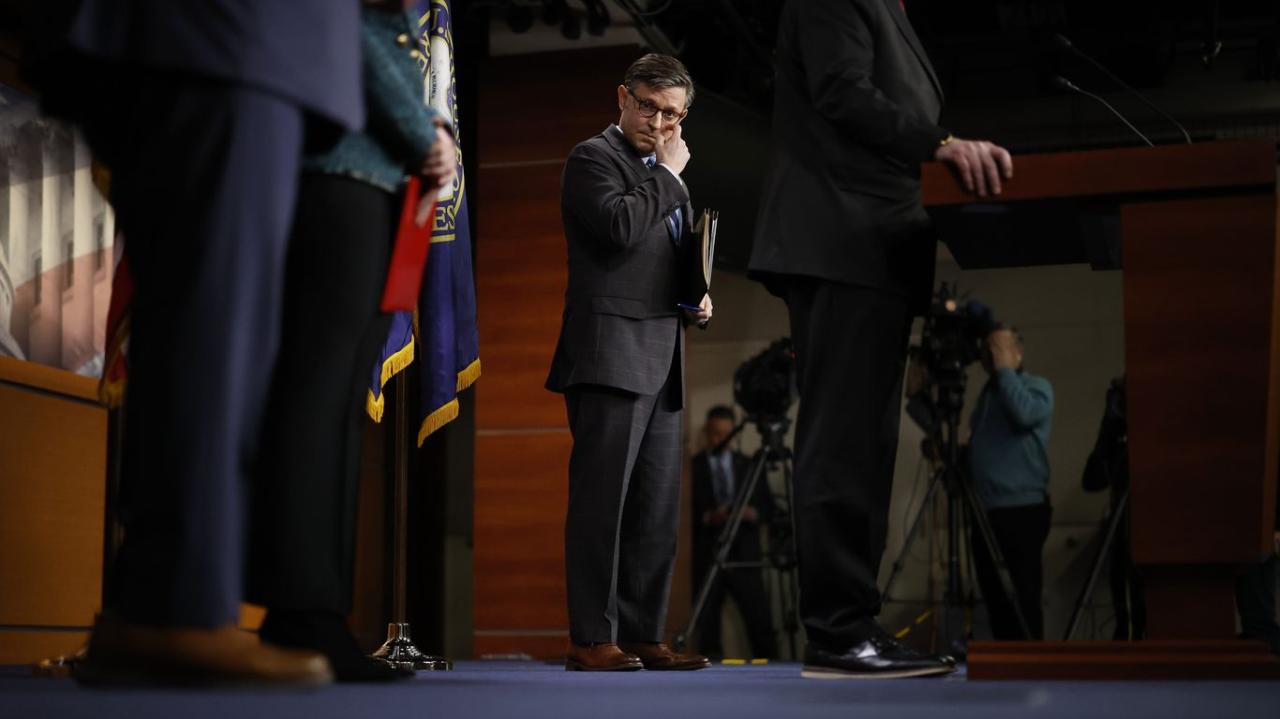
The ongoing debate surrounding US aid to Israel reflects a complex interplay of geopolitical considerations, domestic political pressures, and competing ideological viewpoints within the House of Representatives. The issue transcends simple pro-Israel vs. anti-Israel divisions, encompassing a wide range of perspectives on the aid’s efficacy, its impact on regional stability, and the role of the US in Middle Eastern affairs.
The current political climate necessitates a nuanced understanding of the arguments presented by various factions, including their motivations and potential consequences.The debate surrounding US aid to Israel is multifaceted. Proponents emphasize Israel’s strategic importance to US interests in the region, highlighting its role as a key partner in intelligence gathering and counterterrorism efforts. Conversely, critics argue that current aid levels are excessive and may be misappropriated or used to perpetuate conflicts.
Understanding these contrasting viewpoints is essential to comprehending the current congressional debates.
Positions of Different Political Factions
The House Republican caucus encompasses a spectrum of views on US aid to Israel. While general support for Israel is a common thread, variations exist regarding the optimal level and conditions for aid disbursement.
| Faction | General Stance | Potential Concerns |
|---|---|---|
| Conservative Republicans | Generally strong support for Israel, emphasizing national security and strategic alliances. | Potential concerns regarding aid effectiveness, the use of funds in certain areas, and the potential for unintended consequences. They may also emphasize the importance of holding Israel accountable for actions that might impact the aid package. |
| Moderate Republicans | Tend to prioritize a balance between security concerns and other geopolitical factors. May be more open to considering conditions for aid. | Potential concerns about the humanitarian impact of aid conditions, and whether those conditions are being fairly and effectively enforced. They may seek to understand how aid impacts regional stability. |
| Libertarian Republicans | More focused on individual liberties and limited government intervention. May express reservations about the extent of US involvement in the region. | Potential concerns about the appropriateness of using taxpayer money to fund military aid in international conflicts, and whether the aid’s strategic benefits outweigh the costs and potential risks. |
Arguments of Proponents and Opponents
Proponents of current aid levels emphasize Israel’s role as a crucial ally, particularly in countering threats from radical groups and maintaining regional stability. They cite historical partnerships and mutual defense agreements as justification for continued and substantial aid.Opponents of current aid levels frequently argue that the aid does not adequately address the root causes of conflict or promote peace negotiations.
Some critics also point to instances where aid may have been used to fund military actions that harm civilian populations. They may propose alternative approaches that emphasize diplomacy and de-escalation.
Stakeholder Concerns
Pro-Israel lobbyists often emphasize the importance of unwavering support for Israel’s security and the potential negative consequences of reducing aid. Human rights groups express concerns regarding the potential for aid to be used to support human rights violations. International actors may view aid conditions as a tool to exert influence on Israeli policy. The concerns expressed by these groups demonstrate the complex and often conflicting interests at play in this debate.
Impact of Aid on Israeli Policies
US aid to Israel has been a significant factor shaping Israeli policies across various domains. While proponents argue it bolsters Israel’s security and regional standing, critics contend it has fostered policies that exacerbate regional tensions. This analysis delves into the potential correlations between aid levels and Israeli policy decisions, considering the complexities and potential unintended consequences.Israeli policies, particularly regarding settlement expansion, military spending, and regional relations, have been influenced by the substantial and consistent US aid.
The availability of this aid creates a dynamic where Israel’s strategic choices are potentially intertwined with the financial support it receives. This relationship is not always straightforward and requires careful consideration of the various factors involved.
Settlement Expansion
The ongoing Israeli-Palestinian conflict is deeply intertwined with settlement expansion. Proponents of settlements often cite security concerns as justification, while critics argue that settlements are a major obstacle to peace. US aid, viewed by some as a crucial element in Israel’s security apparatus, might indirectly incentivize settlement expansion. The perceived security benefits of settlements, coupled with the financial support offered by the US, can create a cycle that reinforces the status quo and hinders progress toward a resolution.
It’s crucial to acknowledge that the causal link between aid and settlements is not always direct and is affected by other geopolitical factors.
Military Spending
US aid has historically played a significant role in funding Israel’s military capabilities. This substantial financial support has allowed Israel to invest in advanced weaponry and maintain a robust military. The correlation between aid levels and military spending is often observed, with higher aid often correlating with increased military budgets. However, this relationship does not necessarily imply a direct cause-and-effect connection, as other factors like regional threats and domestic political considerations can also influence military expenditure.
Regional Relations
The impact of US aid on Israel’s regional relations is multifaceted and complex. Israel’s military strength, partly supported by US aid, can influence its interactions with neighboring countries. This can lead to a complex interplay of factors, including security concerns, geopolitical ambitions, and the perception of power dynamics within the region. The relationship is not always a simple equation of aid directly correlating with stronger regional influence, as the influence of other factors, including diplomatic efforts and regional dynamics, cannot be ignored.
Potential Unintended Consequences
Unintended consequences of US aid on the Middle East’s political landscape are a significant concern. Some argue that the long-term financial support might inadvertently perpetuate the conflict by influencing Israeli policies that are perceived negatively by the Palestinians and their allies. This can contribute to instability and further resentment, potentially impacting regional security and peace efforts. The cumulative effect of these policies, alongside the role of US aid, is complex and requires careful analysis.
Impact on Israeli Domestic Politics and Public Opinion
The issue of US aid profoundly impacts Israeli domestic politics and public opinion. Public support for specific policies, such as settlement expansion, might be influenced by the perceived connection between aid and security. Furthermore, the debate around aid levels can become a focal point in Israeli political discourse, impacting public opinion and potentially influencing voting patterns. The connection between aid and the public’s perception of Israeli security and national interests is a complex interplay of factors.
Table: Potential Correlations between US Aid and Israeli Policies
| Israeli Policy Area | Potential Correlation with US Aid Levels (Over Time) |
|---|---|
| Settlement Expansion | Increased aid levels potentially correlate with increased settlement activity, although other factors play a significant role. |
| Military Spending | Higher aid levels often correlate with increased military budgets, but regional threats and domestic factors also influence this. |
| Regional Relations | Aid levels can potentially influence Israel’s interactions with neighboring countries, affecting security dynamics and perceptions of power. |
Alternative Approaches to Supporting Israel
Shifting the focus from solely military aid to comprehensive support for Israel’s development and regional stability can yield more sustainable and equitable outcomes for both Israelis and their neighbors. Traditional aid models often prioritize immediate security concerns, potentially neglecting long-term economic and social needs that contribute to instability. Exploring alternative approaches can create a more resilient and prosperous future for Israel and the surrounding region.
Economic Development Focused on Civilian Needs
Economic development aid, targeted at civilian needs, can empower Israeli society and foster greater self-reliance. This approach addresses underlying socioeconomic issues that may contribute to instability or resentment. By investing in infrastructure, education, and job creation programs, alternative aid can promote sustainable economic growth and reduce reliance on external assistance.
- Examples of Successful Models: The Millennium Challenge Corporation (MCC) and similar international development programs have demonstrated success in improving governance and economic outcomes in recipient countries. These programs often prioritize good governance, economic freedom, and transparency in aid disbursement. For example, the MCC’s investments in infrastructure and education in various countries have led to measurable improvements in economic growth and human capital development.
House Republicans’ continued support for Israel’s aid is a complex issue, especially when considering the current geopolitical climate. Recent events, like the ongoing situation in Gaza, are directly impacting the region and global relations. For example, the potential for a cease fire involving Russia and NATO in the Gaza conflict, as detailed in gaza cease fire russia nato , is definitely something to watch.
Ultimately, the debate surrounding aid to Israel remains a significant topic with no easy answers.
- Potential Advantages: Targeted economic development aid can foster greater self-sufficiency, reduce dependence on external assistance, and address the root causes of potential conflict. This approach can promote economic growth, improve living standards, and create more opportunities for Israelis, ultimately strengthening their resilience.
- Potential Disadvantages: Effective implementation of such programs requires careful consideration of local contexts, political realities, and potential corruption risks. The design and oversight of these programs must be rigorous and transparent to ensure their effectiveness and prevent misuse of funds.
Initiatives to Promote Regional Stability
Promoting regional stability through diplomatic engagement and economic cooperation can reduce the need for military aid and foster a more peaceful environment for Israel. This approach emphasizes fostering trust and understanding between Israel and its neighbors, potentially leading to long-term solutions.
- Examples of Successful Diplomatic Initiatives: The Abraham Accords, which normalized relations between Israel and several Arab nations, demonstrate the potential for diplomatic initiatives to reshape regional dynamics. Such agreements, coupled with economic cooperation, can create a more favorable environment for Israel.
- Potential Advantages: Regional stability can significantly reduce the security concerns that drive the need for substantial military aid. Economic cooperation can foster mutual benefits and shared prosperity, reducing tensions and fostering trust.
- Potential Disadvantages: Negotiating and implementing such initiatives require extensive diplomatic efforts and often face political obstacles. Progress can be slow and uncertain, and there is no guarantee of complete success.
Impact Comparison
| Approach | Impact on Israeli Society | Impact on Regional Dynamics |
|---|---|---|
| Traditional Military Aid | Focuses on short-term security, potentially neglecting socioeconomic needs. May create dependency on external assistance. | Maintains the existing power dynamics, possibly exacerbating tensions and conflicts. Limited potential for regional cooperation. |
| Economic Development Aid | Empowers Israeli society through economic self-sufficiency. Reduces reliance on external aid. Fosters job creation and improves living standards. | Promotes regional stability by addressing economic disparities and fostering cooperation. Can create a more positive environment for relations with neighbors. |
| Regional Stability Initiatives | Reduces security concerns and allows for focus on other societal needs. Fosters a more peaceful and secure environment. | Creates a more favorable environment for regional cooperation, potentially leading to long-term peace and stability. Reduces the need for military aid and encourages investment in other areas. |
Public Opinion and Perceptions of Aid
Public perception of US aid to Israel is a complex issue, shaped by a multitude of factors, including historical context, current events, and media portrayal. Understanding this dynamic is crucial to comprehending the ongoing debates surrounding aid levels and the evolving relationship between the two nations. Support for aid is not monolithic and varies across different demographics and political affiliations.Public opinion regarding US aid to Israel is influenced by diverse perspectives and experiences.
This complex web of influences often leads to varying levels of support and understanding, shaping the narrative around this significant aspect of US foreign policy. Understanding these perceptions is essential for navigating the intricacies of the ongoing debate.
Public Perception in the US
Public opinion in the United States regarding US aid to Israel is not uniformly positive or negative. While significant support exists, it is not unwavering and often fluctuates based on specific events and geopolitical circumstances. The level of support can be influenced by factors such as the perceived effectiveness of the aid in achieving its objectives, the perceived balance of power in the region, and the prevailing public sentiment towards Israel.
House Republicans are currently debating the level of aid to Israel. It’s a complex issue, with many factors at play. Interestingly, some of the current political discourse surrounding this has striking parallels to the recent celebrity discussion surrounding Taylor Swift, Travis Kelce, and their perceived MAGA leanings. This recent news highlights the strange ways that seemingly unrelated topics can intersect in the public sphere.
Regardless of the celebrity connections, the debate over aid to Israel remains a crucial discussion in American politics.
Public Perception in Israel
Public perception in Israel regarding US aid is generally positive, with a strong sense of reliance and gratitude for the continued support. However, the specifics of how this support is perceived and utilized can be nuanced, ranging from appreciation for the security benefits to concerns about potential strings attached.
Media Coverage and Lobbying
Media coverage and lobbying efforts significantly influence public perception of US aid to Israel. These factors often frame the narrative surrounding the aid, impacting public understanding and shaping opinions. The framing of events can create either a positive or negative impression of aid effectiveness.
House Republicans’ recent stance on Israeli aid is definitely grabbing headlines, but it’s hard to shake the feeling that there are bigger issues at play. The tragic events surrounding the Super Bowl Kansas City shooting here highlight the complexities of our current climate, and it’s a sobering reminder that even when we focus on seemingly unrelated political discussions, like aid to Israel, the real-world impact extends beyond the headlines.
This all adds another layer to the conversation about the House Republicans’ decisions on Israel aid.
Polling Data on Support for Aid Levels
Public opinion polls consistently show substantial support for US aid to Israel, but this support is not absolute. The specific levels of support fluctuate based on various factors, including regional events and domestic political discourse. The exact percentages of support can vary significantly across different polling organizations and survey methodologies. It’s crucial to consider the methodology and the specific time frame of each poll when evaluating the results.
House Republicans’ continued support for Israeli aid is a complex issue, especially given the recent tensions. The ongoing negotiations surrounding the Netanyahu hostage deal in Rafah, as detailed in netanyahu hostage deal rafah , adds another layer to the debate. Ultimately, how these developments will influence the future of aid packages remains to be seen, but it’s clear the situation is a critical one.
A deeper analysis of polling data reveals nuances in support, including variations across demographic groups.
Evolution of Public Opinion, House republicans israel aid
| Year | Polling Organization | Support for Aid (Estimated Percentage) | Key Events/Factors Influencing Opinion |
|---|---|---|---|
| 2010 | Pew Research Center | 70% | Israeli-Palestinian conflict; US political climate |
| 2015 | Gallup | 65% | Escalating tensions in the Middle East; domestic political debate |
| 2020 | Ipsos | 72% | Rise of anti-Israel sentiment; US foreign policy shift |
| 2023 | Harris Poll | 68% | Recent regional conflicts; domestic political discourse |
This table provides a simplified representation of the evolution of public opinion. The data points are estimates based on the available information, and the actual numbers may vary depending on the specific poll. Furthermore, the table doesn’t account for nuanced shifts within each year. Polling organizations use various methodologies, potentially leading to differing results.
International Context of US Aid
US aid to Israel, a significant component of the nation’s foreign policy, often draws comparisons to international aid and development efforts globally. Understanding this aid’s place within the broader context is crucial to assessing its impact and potential implications. This involves examining the rationale behind providing aid to Israel, considering the geopolitical landscape of the Middle East, and evaluating how such aid contrasts with assistance offered to other nations.The US approach to foreign aid is multifaceted, with varying levels of support directed towards diverse countries and objectives.
The decision to prioritize aid to Israel, while not unique in the international arena, necessitates a nuanced understanding of its strategic and historical context. This is not simply about financial support, but also about political alignment and geopolitical interests.
Comparative Analysis of US Aid
Analyzing US aid to Israel in the context of international aid requires a comparison with other countries, particularly those in the Middle East. This comparison reveals a complex picture, demonstrating the varying levels and priorities of US foreign aid across different regions and political landscapes.
| Country | Type of Aid | Amount (Approximate, in USD) | Rationale |
|---|---|---|---|
| Israel | Military, economic, humanitarian | Significant, fluctuating annually | Strategic alliance, regional security concerns, historical ties |
| Egypt | Military, economic | Historically significant, varying amounts | Regional stability, counter-terrorism efforts |
| Jordan | Economic, security assistance | Varied | Regional stability, security cooperation |
| Other Middle Eastern Countries | Development, humanitarian aid | Varying amounts based on need and political relations | Poverty alleviation, infrastructure development, humanitarian crises |
| Countries Globally | Development, humanitarian, economic | Vast range depending on recipient needs | Poverty reduction, disaster relief, economic growth |
The table above presents a rudimentary comparison. Precise figures for each country’s aid vary annually and often depend on specific programs and projects. It is important to note that the categorization of aid is also complex, as some aid may encompass multiple objectives.
Potential Diplomatic Implications
US aid to Israel can have significant diplomatic ramifications in the Middle East and beyond. The perception of favoritism towards Israel can strain relations with other nations in the region, potentially leading to political tensions and diplomatic conflicts. Conversely, strong support for Israel can bolster alliances and partnerships with other nations sharing similar geopolitical interests.The US relationship with other countries in the region is a crucial factor to consider.
For instance, the level of aid to Israel might influence the approach to diplomatic engagement with countries like Egypt, Jordan, or the Palestinians. Strategic considerations, such as regional stability and counter-terrorism efforts, must be weighed alongside the humanitarian and economic development goals. The long-term impact on regional peace and security cannot be overlooked.
International Aid and Development Policies
The US aid to Israel must be examined within the context of broader international aid and development policies. Such policies often focus on poverty reduction, infrastructure development, and humanitarian assistance across various regions. The allocation of resources to Israel is a decision with significant implications, requiring careful consideration of its role within these global efforts.This includes an assessment of how US aid to Israel impacts other aid initiatives in the Middle East and globally.
A holistic approach necessitates considering the potential trade-offs and unintended consequences of prioritizing one country over others. The impact of US foreign policy on global perceptions of American commitment to international development is crucial to understand.
Conclusion
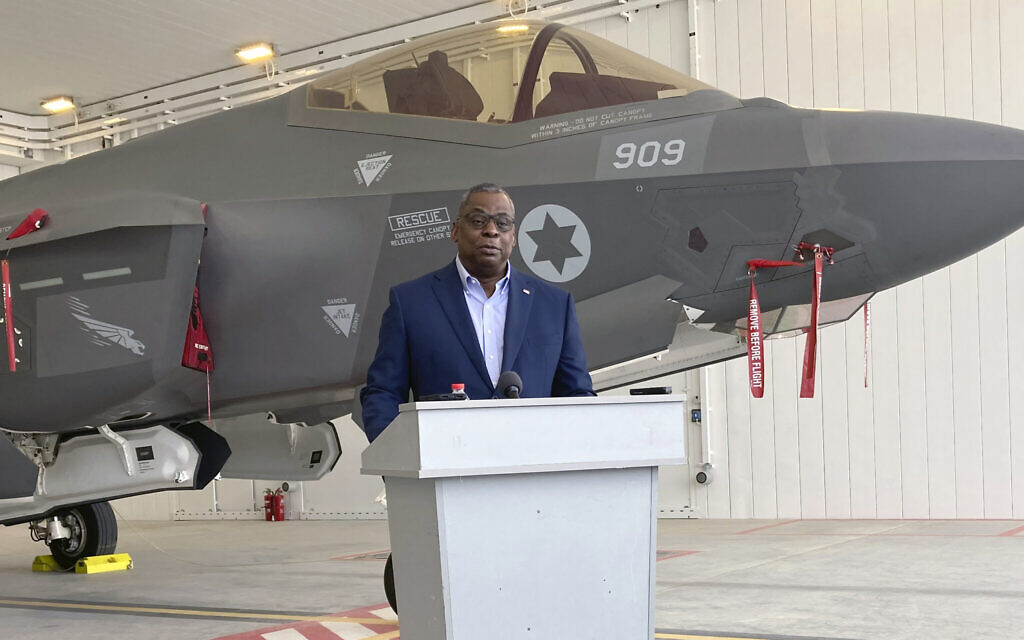
In conclusion, the House Republicans Israel aid debate highlights a multifaceted issue with deep historical roots and significant present-day implications. The ongoing discussion necessitates a comprehensive understanding of the complexities involved, from the historical context and current debates to the potential impact on Israeli policies and regional stability. Ultimately, a nuanced perspective is crucial for navigating this intricate topic and exploring potential solutions.
Question Bank
What is the current level of US aid to Israel?
Unfortunately, precise figures are not included in the Artikel provided. To obtain the most up-to-date data, consulting recent government reports or specialized policy analysis sites would be necessary.
How do different House Republican factions view this aid?
The Artikel indicates a table will be included to demonstrate the stance of different House Republican factions on this issue, such as conservative, moderate, and liberal, to name a few. However, the specifics are not available in the provided summary.
What are some potential unintended consequences of US aid?
The Artikel suggests that the provided content will analyze potential unintended consequences of aid on the political landscape in the Middle East. This includes impacts on Israeli policies regarding settlement expansion, military spending, and regional relations.
What are some alternative ways to support Israel besides financial aid?
The Artikel indicates potential alternative approaches, such as economic development aid focused on civilian needs or initiatives to promote regional stability, will be explored. The provided text suggests examples of successful international development models and diplomatic initiatives will be discussed.