
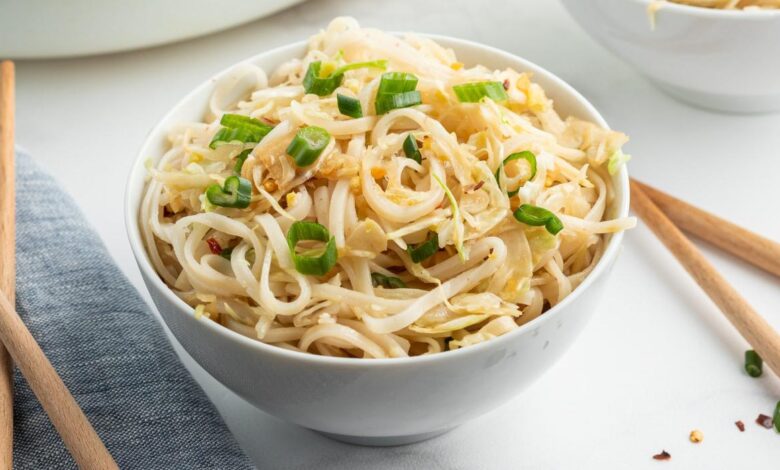
Gingery Longevity Noodles Make Again and Again
Gingery longevity noodles to make again and again are a delicious and healthy dish, perfect for a comforting meal. This recipe dives deep into the preparation, highlighting the cultural significance, potential health benefits, and a variety of variations. We’ll explore the key ingredients, preparation methods, and serving suggestions, so you can create this flavorful dish again and again.
From the vibrant ginger to the satisfying noodles, each element plays a vital role in the overall experience. This comprehensive guide breaks down the dish, making it easy to understand and replicate. Discover the secrets behind this culinary masterpiece!
Introduction to Ginger Longevity Noodles
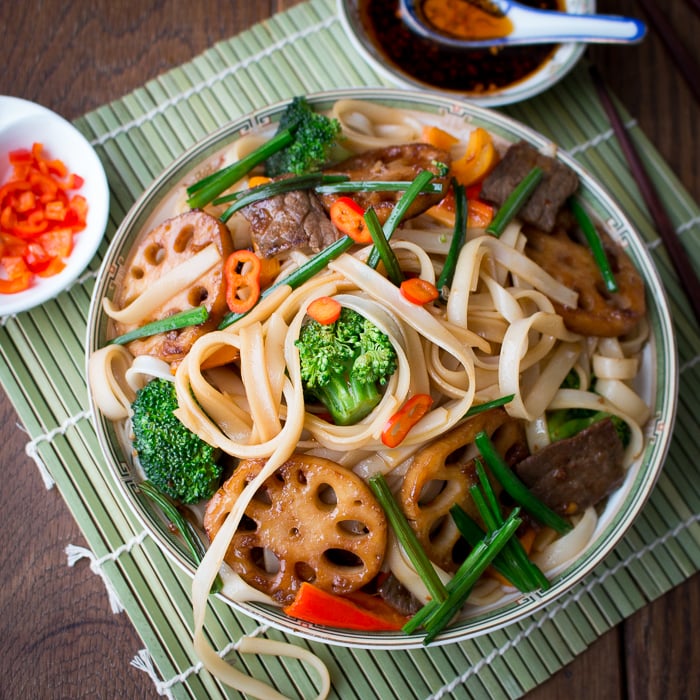
These gingery longevity noodles, a culinary delight steeped in tradition and brimming with health-boosting ingredients, promise a satisfying and potentially beneficial meal. Their vibrant flavors and symbolic meaning make them a compelling choice for those seeking a nourishing and flavorful experience. This dish isn’t just about a delicious meal; it’s about embracing a philosophy of well-being and enjoying the journey towards a healthy and fulfilling life.Ginger longevity noodles, often served as a celebratory dish, represent a culinary expression of the desire for long life and good health.
The vibrant ginger and other aromatic spices used in the dish aren’t merely for flavor; they’re believed to contribute to the dish’s symbolic properties. This connection between food and well-being is a cornerstone of many cultures and adds a deeper layer of meaning to the culinary experience.
Definition of Ginger Longevity Noodles
Ginger longevity noodles are a type of noodle dish, often featuring a prominent presence of ginger and other aromatic spices, that is believed to promote longevity and good health. They are frequently enjoyed on special occasions, such as birthdays or other celebrations. The specific ingredients and preparation methods may vary, but the overall concept and symbolic significance remain consistent.
Cultural Significance
Many cultures associate certain foods with specific virtues or concepts. In some traditions, noodles, especially long ones, symbolize longevity, reflecting a wish for a long and healthy life. The addition of ginger, with its pungent aroma and purported medicinal properties, further strengthens the dish’s symbolic association with health and vitality. This cultural association imbues the dish with a richer meaning, making it more than just a meal; it becomes a celebration of life and well-being.
These gingery longevity noodles are seriously addictive – I’ve made them three times this week alone! The vibrant flavors and satisfying texture just keep calling me back. Speaking of things that are endlessly satisfying, I’ve been totally hooked on the drama surrounding ann maddox vanderpump rules lately. It’s definitely keeping me occupied, but I’m already planning my next batch of gingery longevity noodles! They’re so simple and delicious, I just can’t get enough.
Health Benefits
The ingredients commonly used in ginger longevity noodles offer a variety of potential health benefits. Ginger, known for its anti-inflammatory properties, may help alleviate digestive discomfort. Other potential benefits include enhanced immune function and antioxidant support, both of which contribute to overall well-being. The noodles themselves, often made from whole wheat or other nutrient-rich grains, provide a source of complex carbohydrates, essential for sustained energy.
Concept of Longevity
The concept of longevity encompasses a range of factors beyond mere lifespan. It includes maintaining good health, experiencing a fulfilling life, and living a life rich in positive experiences. Ginger longevity noodles are a culinary reflection of this broader understanding of longevity, emphasizing not just the length of life but the quality and richness of that life.
Brief History
While a precise history of “ginger longevity noodles” as a specific dish is difficult to trace, the symbolic association of noodles with longevity is deeply rooted in many Asian cultures. The use of ginger in culinary traditions dates back centuries, with its medicinal and culinary properties appreciated throughout the world. The combination of noodles and ginger, possibly influenced by local traditions and culinary innovations, likely emerged over time as a celebration of health and well-being.
These gingery longevity noodles are seriously addictive – I’ve made them three times this week alone! Finding the time to create such flavorful meals can be tricky, though. Thankfully, the right to disconnect law helps me set boundaries, so I can focus on preparing these delicious noodles without feeling guilty about turning off my work emails.
Now that I’m not constantly distracted, I can truly savor the process of making these amazing noodles again and again.
Ingredient Breakdown
Ginger longevity noodles are a vibrant symphony of flavors and textures, a culinary journey that celebrates the power of fresh ingredients. This section delves into the core components, exploring their individual roles and the art of preparation, all to guide you in creating your own delicious bowls of this healthy and flavorful dish.
Key Ingredients
Ginger longevity noodles rely on a carefully chosen set of ingredients. The core components include ginger, noodles, vegetables, and a flavorful broth. Each ingredient plays a crucial role in delivering a unique and satisfying experience. Ginger, for instance, provides a pungent zest that complements the other ingredients. The right noodles offer a pleasing texture, while the chosen vegetables add depth and nutrition.
The broth, a crucial element, ties all the flavors together, providing a savory base for the dish.
Role of Ginger
Ginger, a star ingredient, is more than just a flavor enhancer. It possesses anti-inflammatory properties and is believed to contribute to overall well-being. Its pungent aroma and warm, spicy taste add a dynamic element to the dish. Fresh ginger is the preferred choice, as its flavor is more pronounced and vibrant. It is typically grated or thinly sliced to release its essence into the broth and other components.
These gingery longevity noodles are seriously addictive – I’ve made them three times already! Their vibrant flavor and satisfying texture just beg to be recreated. Speaking of things to recreate, I was fascinated by Keith McNally’s early filmmaking work with Balthazar, as explored in keith mcnally balthazar filmmaking past. The inspiration for that unique blend of savory and spicy notes definitely reminded me of the precise spice blend needed for the perfect gingery longevity noodles – definitely worth another go!
Types of Noodles
Different noodle types offer unique textures. Rice noodles are a light and delicate choice, while wheat noodles provide a hearty and substantial bite. Soba noodles, with their slightly chewy texture, also offer an interesting alternative. The choice of noodle will depend on personal preference and desired culinary outcome.
Importance of Vegetables
Vegetables add a burst of freshness and a spectrum of colors and flavors to the dish. Spinach, bok choy, and mushrooms add nutrients and visual appeal. Broccoli adds a touch of bitterness and a slight crunch. The vegetables should be chosen for their quality and freshness.
Ingredient Preparation Methods
Proper preparation of each ingredient is essential for optimal flavor and texture. Ginger should be peeled, grated, or thinly sliced. Noodles are typically cooked according to package instructions. Vegetables, such as spinach and bok choy, are usually blanched to maintain their vibrant color and texture.
Nutritional Content
| Ingredient | Quantity | Nutritional Value |
|---|---|---|
| Ginger (1 inch piece) | 1 | Antioxidants, Vitamins B6 and C, Manganese |
| Rice Noodles (1 serving) | 100g | Complex carbohydrates, fiber, protein |
| Spinach (1 cup) | 1 | Vitamin A, Vitamin C, Iron, Calcium |
| Bok Choy (1 cup) | 1 | Vitamin K, Vitamin C, Potassium |
| Mushrooms (1 cup) | 1 | Selenium, Vitamin D, B vitamins |
Preparation Methods: Gingery Longevity Noodles To Make Again And Again
Ginger Longevity Noodles offer a delightful culinary experience, adaptable to various cooking styles. From a quick stir-fry to a comforting simmer, this recipe is a testament to the versatility of fresh ginger and vibrant vegetables. This section delves into different preparation methods, highlighting their distinct characteristics and providing step-by-step instructions.Different cooking methods influence the texture and flavor profile of the noodles, making each approach unique.
Stir-frying, for example, delivers a crisp-tender texture, while steaming preserves the delicate flavors of the ingredients. Boiling offers a simple and straightforward method for achieving a light and wholesome dish.
Stir-Frying
Stir-frying is a rapid cooking method that results in a flavorful and visually appealing dish. It requires quick, controlled movements to ensure even heating and prevent sticking. This technique emphasizes the bright flavors of the ginger and the fresh vegetables, while also creating a satisfyingly textural contrast between the noodles and the sauce.
- Heat a wok or large skillet over high heat with a drizzle of oil. Add minced ginger and garlic, stirring until fragrant.
- Add the sliced vegetables (e.g., carrots, bell peppers, onions) and stir-fry for 2-3 minutes until slightly tender-crisp.
- Add the cooked noodles and stir-fry for another minute to coat them with the sauce and vegetables. Adjust the spice level by adding more chili flakes or a dash of chili oil.
- Serve immediately, garnished with chopped cilantro or green onions. Cooking time is typically 5-7 minutes, depending on the vegetables used.
Steaming
Steaming is a delicate cooking method that preserves the natural flavors and textures of the ingredients. It’s ideal for dishes where you want to maintain the freshness and nutrients of the vegetables. The gentle heat helps to retain the vibrant colors and the subtle flavors of the ginger.
- Bring a pot of water to a boil and place a steamer basket over it.
- Add the cooked noodles and vegetables to the steamer basket.
- Cover the pot and steam for 3-5 minutes, or until the noodles are heated through and the vegetables are tender-crisp. Adding a few slices of ginger to the water can enhance the overall aroma.
- Drizzle with a light sauce and garnish with fresh herbs, if desired. The cooking time will vary based on the thickness of the noodles.
Boiling
Boiling is a simple and straightforward cooking method for the noodles. It’s perfect for those who want a quick and easy meal. It allows the noodles to cook evenly and allows for a lighter sauce to be absorbed.
These gingery longevity noodles are seriously addictive – a recipe to make again and again. While I’m happily focused on delicious, healthy meals, recent news about the retraction of a study on abortion pills, found here , has got me thinking about the importance of rigorous research and reliable information. Thankfully, these noodles are a constant source of comfort and deliciousness, a great antidote to the complexities of the world.
- Bring a pot of salted water to a boil. Add the noodles and cook according to package directions, typically 2-3 minutes.
- While the noodles cook, prepare a light broth using ginger, soy sauce, and sesame oil.
- Combine the cooked noodles with the broth and vegetables. Stir-fry briefly for a few seconds until heated through.
- Serve immediately with a sprinkle of sesame seeds or chopped green onions. The cooking time for boiling will depend on the type of noodles used.
Flavor Variations
Adjusting the spice level is a simple way to customize your Ginger Longevity Noodles. Start with a base level of ginger and gradually increase the amount of chili flakes, chili oil, or a pinch of red pepper flakes to achieve your desired level of heat.
These gingery longevity noodles are seriously amazing – a total keeper! They’re so easy to whip up, and the flavor just keeps getting better with each bite. Speaking of keepers, the recent NRA lawsuit against Wayne Lapierre, as detailed in this article nra lawsuit wayne lapierre , is definitely one to watch. Either way, these noodles are worth the time and effort, and they’ll definitely be on repeat in my kitchen for years to come.
Broth Preparation
A flavorful broth elevates the overall taste of the noodles. A simple broth can be made by combining soy sauce, sesame oil, a dash of rice vinegar, and grated ginger. You can also add a splash of chicken or vegetable broth for a richer flavor.
Step-by-Step Guide
- Prepare the noodles according to package directions.
- Prepare the vegetables (e.g., carrots, bell peppers, onions).
- Prepare the broth.
- Choose your cooking method (stir-frying, steaming, or boiling).
- Combine the noodles, vegetables, and broth.
- Adjust the spice level to your preference.
- Serve hot and enjoy!
Summary Table
| Method | Steps | Time |
|---|---|---|
| Stir-Frying | Quick stir-fry of noodles, vegetables, and ginger in a hot pan | 5-7 minutes |
| Steaming | Gentle steaming of noodles and vegetables over boiling water | 3-5 minutes |
| Boiling | Boiling noodles in salted water, followed by combining with broth and vegetables | 2-3 minutes (noodles) + 2-3 minutes (cooking other ingredients) |
Variations and Adaptations
Ginger longevity noodles are a versatile dish, allowing for numerous adaptations to suit different tastes and dietary needs. Beyond the basic recipe, a world of flavorful possibilities opens up, from adding proteins to adjusting spice levels and incorporating diverse vegetables. This section explores these variations, empowering you to customize your noodles to perfection.
Different Protein Variations
This dish is remarkably adaptable to various protein sources. While the original recipe highlights the vibrant simplicity of the noodles, the addition of protein can elevate the meal and offer a more substantial experience. Examples include the incorporation of tofu, chicken, or shrimp, which offer a variety of textures and flavors.
- Tofu: Silken tofu provides a creamy texture and mild flavor that complements the ginger-soy sauce beautifully. Crumble or slice the tofu and stir-fry it with the noodles for a satisfyingly complete dish. You can also marinate the tofu in a flavorful ginger-garlic sauce before stir-frying for an extra depth of flavor.
- Chicken: Cubed chicken breast, marinated in a ginger-soy sauce, provides a savory protein component that pairs well with the noodles. Ensure the chicken is cooked through to avoid any health risks.
- Shrimp: Shrimp adds a delicate flavor and a delightful snap to the dish. Stir-fry the shrimp briefly to maintain its delicate texture. You can also add a touch of lime juice to enhance the freshness.
Spice Level Adjustments
The ginger-soy sauce base offers a harmonious balance of flavors. For those seeking a spicier kick, a dash of chili garlic sauce or a pinch of red pepper flakes can transform the dish. On the other hand, if you prefer a milder flavor, you can omit the chili or reduce the amount used. This flexibility allows you to adjust the spice level to your exact preference.
Vegetable and Herb Enhancements
Beyond the basic ingredients, a wide array of vegetables and herbs can further enrich the dish. Broccoli florets, snap peas, bean sprouts, or shredded carrots can add a vibrant touch and a variety of textures. Fresh herbs like cilantro or scallions can add a bright, fresh aroma.
- Broccoli: Broccoli adds a crisp-tender element and a subtle vegetal flavor that complements the ginger and soy. Stir-fry the broccoli alongside the noodles for a complete and nutritious dish.
- Snap Peas: Snap peas add a satisfying crunch and a touch of sweetness to the dish. Stir-fry them with the other ingredients for a balanced and flavorful meal.
- Herbs: Fresh cilantro or scallions offer a fresh, aromatic contrast to the rich ginger-soy flavors. Garnish the dish with these fresh herbs before serving for a delightful presentation.
Ingredient Substitutions
The versatility of this dish extends to ingredient substitutions. For example, if you are sensitive to soy sauce, tamari or coconut aminos can be used as substitutes. Rice vinegar or apple cider vinegar can substitute for rice wine vinegar to change the flavor profile. You can even use different types of noodles, like soba or wheat noodles, to change the texture.
Comparing and Contrasting Variations
A crucial aspect of understanding these variations is comparing and contrasting the resulting dishes. The addition of protein significantly alters the dish’s richness and provides a more substantial meal. Adjusting the spice level allows for customization of the overall flavor profile. Incorporating vegetables expands the dish’s nutritional value and adds an array of textures.
Variations Table
| Variation | Key Ingredients | Description |
|---|---|---|
| Basic Ginger Noodles | Noodles, ginger, soy sauce, garlic, sesame oil | Classic and simple version |
| Tofu Variation | Noodles, tofu, ginger, soy sauce, garlic, sesame oil | Creamy and savory |
| Chicken Variation | Noodles, chicken, ginger, soy sauce, garlic, sesame oil | Hearty and satisfying |
| Shrimp Variation | Noodles, shrimp, ginger, soy sauce, garlic, sesame oil | Delicate and flavorful |
| Spicy Variation | Noodles, ginger, soy sauce, garlic, chili garlic sauce, sesame oil | Adds a kick |
| Vegetable Variation | Noodles, ginger, soy sauce, garlic, broccoli, snap peas, sesame oil | More nutritious and colorful |
Serving Suggestions and Presentation
Ginger Longevity Noodles are more than just a meal; they’re an experience. Proper presentation elevates the dish, highlighting its vibrant flavors and aromatic qualities. Careful portioning and thoughtful garnishes contribute to a visually appealing and satisfying culinary journey. Let’s explore the art of serving these exquisite noodles.
Serving Methods, Gingery longevity noodles to make again and again
A crucial aspect of enjoying Ginger Longevity Noodles is how they’re served. A variety of methods exist, each with its own nuances. The key is to ensure the noodles retain their heat and freshness while allowing for optimal flavor appreciation. Some methods include serving the noodles in individual bowls, or in a larger communal dish for sharing.
The choice depends on the occasion and the number of diners.
Garnishes and Presentation
Presentation is paramount in elevating the dining experience. A well-chosen garnish not only enhances the visual appeal but also complements the dish’s flavors. Consider adding fresh cilantro, chopped scallions, or a sprinkle of toasted sesame seeds. A drizzle of sesame oil adds a touch of richness and a subtle aroma. Alternatively, a delicate arrangement of sliced ginger adds a touch of color and visual interest.
These small details significantly contribute to the overall enjoyment of the meal.
Portioning
Proper portioning ensures that every diner receives an adequate amount of noodles while preventing overconsumption. For a satisfying meal, a portion size of approximately 2-3 cups of noodles is recommended. This provides a balanced amount of carbohydrates, protein, and vegetables. Adjusting the portion size according to the diner’s appetite and dietary needs is crucial.
Visual Presentation
An attractive presentation of Ginger Longevity Noodles involves careful arrangement of the noodles in a bowl. Imagine a vibrant display of the noodles, a generous drizzle of sesame oil, and a scattering of fresh cilantro. A few slices of ginger, placed strategically, create a beautiful contrast. A sprinkle of chopped scallions adds a final touch of elegance.
The goal is to create a visually appealing dish that excites the appetite.
Styling for Different Occasions
The styling of Ginger Longevity Noodles can be adapted to suit various occasions. For a casual dinner with friends, a simple arrangement of the noodles in bowls, garnished with cilantro and sesame seeds, is ideal. For a more formal gathering, consider using a larger platter, arranging the noodles in a visually striking manner, and incorporating more elaborate garnishes.
For instance, a swirl of chili oil can add a touch of boldness to a formal presentation.
Serving Temperature
The optimal serving temperature for Ginger Longevity Noodles is warm. This ensures that the noodles retain their texture and the flavors meld harmoniously. Serving the noodles too hot might cause the noodles to become soggy or lose their desirable texture. Serving them too cold may cause the dish to lose its overall appeal. Maintaining a warm temperature throughout the serving process is crucial for optimal enjoyment.
Serving Suggestions Table
| Occasion | Serving Suggestion | Garnish |
|---|---|---|
| Casual Dinner | Individual bowls | Cilantro, sesame seeds |
| Family Gathering | Large platter, shared | Cilantro, scallions, ginger slices |
| Formal Event | Individual bowls, elaborate arrangement | Cilantro, scallions, sesame oil, chili oil, ginger |
| Lunchbox | Individual containers | Cilantro, sesame seeds, shredded carrots (if applicable) |
Visual Representation
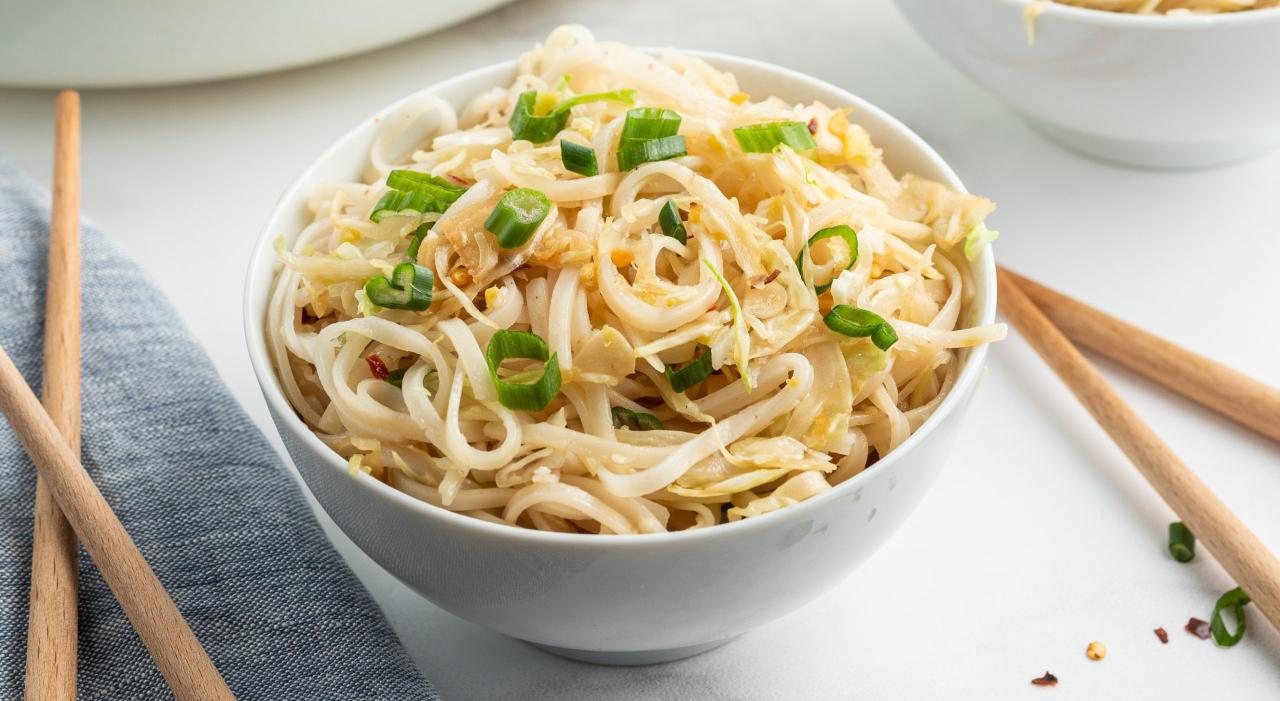
A symphony of colors and textures awaits you in a bowl of Ginger Longevity Noodles. The vibrant hues, the interplay of smooth and crunchy elements, and the overall presentation work together to create a dish that is not just delicious but also visually captivating. Imagine the satisfying visual journey from the first glimpse to the final bite.This visual feast is designed to enhance the overall dining experience, making each element of the dish more appealing and memorable.
A carefully curated presentation, showcasing the interplay of ingredients and colors, is key to achieving this visual harmony.
Noodle Appearance
The noodles themselves play a crucial role in the visual appeal. Freshly cooked noodles, ideally a light golden hue, possess a slightly translucent quality that allows the vibrant colors of the sauce and vegetables to shine through. Their delicate texture, when combined with the savory sauce, creates a visually enticing contrast. The noodles are often tossed with a light hand, allowing them to retain a slightly irregular shape, adding a touch of rustic charm.
Ingredient Details
Each ingredient contributes to the overall visual appeal. The bright, fresh ginger slices, with their characteristic golden-brown hue, provide a pop of color. The vibrant green of the leafy vegetables, like bok choy or spinach, contrast beautifully with the other ingredients, creating a balanced palette. Thinly sliced red bell peppers offer a striking splash of color, while the glossy, glistening surface of the proteins, whether chicken or tofu, further enhances the visual appeal.
Presentation Considerations
The way the dish is presented matters. A visually appealing presentation should showcase the dish’s ingredients in a harmonious arrangement. The noodles are often nestled in a bowl, allowing the vibrant colors and textures to stand out. A drizzle of a light, flavorful sauce adds a touch of shine and visual interest. The use of a decorative garnish, like a sprinkle of toasted sesame seeds or a few chopped scallions, can elevate the visual appeal and add a touch of elegance.
Color Combinations
The color palette is crucial. A combination of warm and cool colors creates a balanced and visually appealing effect. The golden hues of the noodles and ginger, the vibrant greens of the vegetables, and the warm oranges and reds of the peppers create a visually interesting contrast. These colors evoke a sense of freshness and vibrancy, mirroring the flavors within the dish.
Texture Variations
The dish’s textures are another key element. The smooth texture of the noodles contrasts with the crunchy texture of the vegetables and the chewy texture of the proteins. This variety of textures adds a dimension to the visual experience, making the dish appear more enticing and stimulating to the senses. The glistening sauce adds another layer of visual appeal.
A well-balanced dish showcases this varied texture, drawing the eye to the subtle differences.
Tips and Troubleshooting
Mastering the art of gingery longevity noodles involves understanding potential pitfalls and knowing how to navigate them. This section provides practical advice for achieving optimal flavor and texture, handling ingredient variations, and resolving common cooking issues. By following these tips, you’ll be well-equipped to create delicious and satisfying bowls of noodles time and again.Careful attention to detail in ingredient quality, precise cooking techniques, and proactive troubleshooting will elevate your noodle experience.
Addressing potential issues before they escalate will guarantee a consistently satisfying meal.
Achieving Optimal Flavor and Texture
Proper preparation and cooking techniques are key to achieving the ideal flavor and texture in your gingery longevity noodles. Using fresh, high-quality ginger, garlic, and other spices is crucial. Fresh ginger, in particular, imparts a vibrant flavor that complements the noodles beautifully. Adjusting cooking times for different noodle types ensures a perfect al dente texture. Ensuring the broth is flavorful and rich is also critical.
Handling Potential Ingredient Issues
Sometimes, even the freshest ingredients can present challenges. For instance, if your ginger is unusually tough or fibrous, grating it finely or using a ginger-garlic paste can alleviate the problem. Similarly, if your noodles are overly firm or tough, adjusting the cooking time or using a slightly wetter broth during cooking can help. Alternatively, substituting the type of noodle to a softer variety may be necessary.
Storing Leftovers
Proper storage is essential to maintaining the quality of your leftover gingery longevity noodles. Cool the noodles completely before storing them in an airtight container in the refrigerator. They should last for up to 3 days in the refrigerator. For longer storage, consider freezing portions in individual containers for up to 3 months. Reheating the noodles can be done by gently steaming or microwaving them.
Troubleshooting Common Cooking Problems
Cooking problems can occur during the preparation process. For instance, if the noodles become mushy, ensure they are cooked according to package directions. If the broth is too salty, carefully add a little water to dilute it. Similarly, if the noodles are sticking together, add a little oil to the broth to prevent sticking. These simple solutions can quickly resolve cooking issues.
Table of Common Issues and Solutions
| Issue | Solution |
|---|---|
| Noodles are mushy | Cook noodles according to package directions. |
| Broth is too salty | Carefully add a little water to dilute it. |
| Noodles are sticking together | Add a little oil to the broth. |
| Ginger is too tough | Grate finely or use a ginger-garlic paste. |
| Noodles are overly firm | Adjust cooking time or use a wetter broth. |
| Not enough flavor | Add more ginger, garlic, or other spices. |
Final Thoughts
We’ve explored the wonderful world of gingery longevity noodles, uncovering their preparation methods, ingredient variations, and serving suggestions. From the initial introduction to the final presentation, we’ve covered all the crucial aspects. Now, you’re equipped to create this healthy and flavorful dish, time and again, adapting it to your own preferences. Enjoy the delicious journey!
FAQ Corner
What are some common substitutions for the ginger?
Other pungent roots like garlic or scallions can be substituted for ginger, but the unique flavor profile of ginger is irreplaceable.
How long can I store leftover noodles?
Store leftovers in an airtight container in the refrigerator for up to 3 days. Reheat gently before serving.
Are there vegetarian options for the protein?
Absolutely! Tofu, mushrooms, or vegetable stir-fries are excellent substitutes for meat, offering a complete and flavorful vegetarian option.
What kind of noodles are best for this dish?
Rice noodles or egg noodles are excellent choices, offering a good texture and absorbing the flavorful broth.