
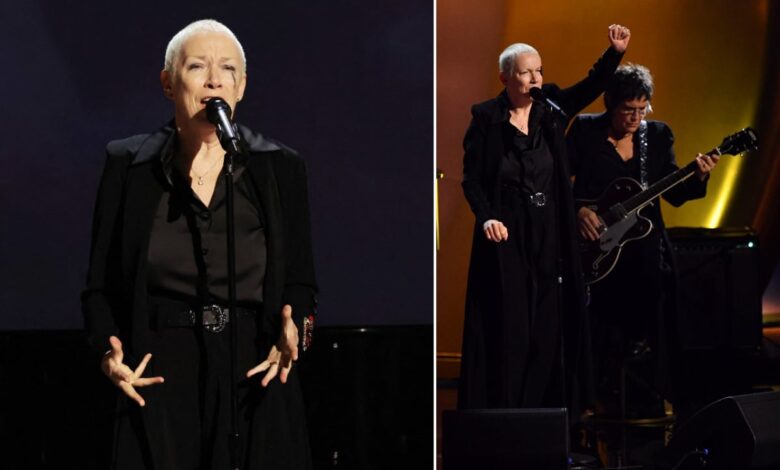
Annie Lennox, Sinéad OConnor Grammys
Annie lennox sinead oconnor grammys – Annie Lennox, Sinéad O’Connor: Grammys. This deep dive explores the potential Grammy nominations for these iconic artists, considering their careers, musical styles, and public reception. From their early influences to their lasting impact, we’ll analyze their journey, comparing their artistic approaches, and examining the possible awards they could receive. The discussion delves into the critical reception, visual elements of their performances, and their influence on the music industry.
Their individual and collective achievements will be examined, considering their impact on the music industry, especially on female artists and the rock and alternative music scenes. We’ll explore the musical comparisons between their styles, the potential Grammy nominations they might receive, and the public’s reaction to their music and performances throughout their careers. Their individual and collective journey to potential Grammy recognition will be highlighted, analyzing the criteria for nomination and comparing them to past nominees in similar categories.
Historical Context
Annie Lennox and Sinéad O’Connor, two iconic figures in music, have left an indelible mark on popular culture. Their careers, though distinct, intersected in significant ways, both artistically and through their outspokenness on social issues. This exploration delves into their individual journeys, highlighting their musical styles, influences, and the cultural landscape surrounding their music. The timeline shows how their individual and collective presence shaped the musical discourse of their time.Their careers, spanning several decades, demonstrate a deep commitment to expressing themselves through song, often challenging societal norms and engaging with pressing social and political concerns.
Their music transcended mere entertainment, becoming a potent force for social commentary. This discussion explores the evolution of their music and how it reflected the historical and cultural context in which they emerged.
Timeline of Significant Events
This section presents a chronological overview of key moments in Annie Lennox and Sinéad O’Connor’s careers, showcasing their individual journeys and the intersection of their artistic expressions.
- 1970s-1980s: Annie Lennox’s early career focused on her work with Eurythmics, developing a distinctive blend of pop, electronic, and R&B elements. Sinéad O’Connor, also in the early stages of her career, started exploring her unique vocal style and lyrical themes. This period saw the rise of both artists to prominence within the music industry, and the development of their individual styles.
- 1980s-1990s: The 1980s saw the peak of Eurythmics’ success. Sinéad O’Connor began releasing solo albums, showcasing her raw vocals and often politically charged lyrics. Both artists became known for their distinct and sometimes controversial approaches to music.
- 1990s-2000s: Sinéad O’Connor’s career took a significant turn, marked by her outspokenness and social commentary. This era also saw a shift in Annie Lennox’s musical direction, exploring different genres and artistic collaborations. Both artists continued to push boundaries in their musical expressions, engaging with diverse themes and societal issues.
- 2000s-Present: Both artists continued to release music and engage in various activities outside of music, including acting and activism. This period saw their careers evolve in different directions, yet both maintaining a powerful impact on music and culture.
Musical Styles and Influences
Annie Lennox and Sinéad O’Connor’s musical styles evolved over time. Initially, Annie Lennox, within Eurythmics, developed a distinctive blend of pop, electronic, and R&B influences. Sinéad O’Connor, in contrast, showcased a raw, often emotionally charged vocal style, with influences ranging from folk to rock, frequently incorporating Irish traditional music elements.
Speaking of Annie Lennox and Sinéad O’Connor, and their powerful presence at the Grammys, it’s interesting to consider the recent retraction of a study on abortion pills. The controversy surrounding this study, detailed in this article about the abortion pills study retraction , highlights the importance of rigorous scientific methodology, particularly in sensitive areas like reproductive health. Ultimately, artists like Lennox and O’Connor, with their powerful voices, continue to inspire meaningful conversations on societal issues, just as they did at the Grammys.
Impact of Social and Political Issues
Both artists have been outspoken about social and political issues. Annie Lennox’s work often reflected themes of equality and social justice, while Sinéad O’Connor’s music frequently addressed religious and political topics. This direct engagement with contemporary issues has been a defining aspect of both their artistic careers.
Cultural Context and the Grammy Awards
The Grammy Awards, as a significant music industry event, reflect prevailing cultural trends. The awards’ recognition of artists like Annie Lennox and Sinéad O’Connor during their peak years reflects the cultural significance of their music and the acceptance of their often controversial perspectives. Their presence at the Grammys highlights the evolution of the music industry’s acceptance of diverse artistic expressions.
Achievements Prior to Potential Grammy Nominations
Before a potential Grammy nomination, both artists have achieved significant milestones in their careers. Their numerous albums, tours, and critical acclaim showcase their influence on music.
Key Albums, Tours, and Achievements
| Artist | Album | Tour | Other Achievements |
|---|---|---|---|
| Annie Lennox (Eurythmics) | Sweet Dreams (Are Made of This), Touch | Numerous tours supporting Eurythmics albums | Grammy Award wins, critical acclaim, global popularity |
| Sinéad O’Connor | I Do Not Want What I Haven’t Got, Faith and Courage | Various solo tours | Cultural impact through controversial statements, significant sales |
Musical Comparisons: Annie Lennox Sinead Oconnor Grammys
Annie Lennox and Sinéad O’Connor, two powerful voices of their generation, carved distinct yet overlapping paths in the music industry. Both artists challenged conventions, pushing boundaries with their raw emotion and outspoken lyrics. While their approaches differed, their impact on the musical landscape is undeniable. Their legacies extend beyond their individual artistry, inspiring countless artists who followed.Their music resonated with audiences yearning for authenticity and a willingness to confront societal issues.
Lennox’s polished, often ethereal sound contrasted with O’Connor’s more raw, visceral delivery. Their individual styles, however, shared common ground in their ability to convey profound emotional depth through their respective music.
Vocal Techniques and Performance Styles
Lennox’s vocal delivery is often described as sophisticated and controlled, showcasing a mastery of dynamic range. She frequently incorporates operatic elements and intricate vocal harmonies into her performances, creating a layered and nuanced sound. O’Connor, on the other hand, possessed a distinctive, powerful voice that was often raw and unfiltered. Her delivery was frequently characterized by a combination of emotional intensity and a certain vulnerability.
Thinking about Annie Lennox and Sinéad O’Connor’s Grammy wins, it’s hard to ignore the stark contrast with recent events like the unfortunate Super Bowl Kansas City shooting. While these artists have inspired millions with their powerful voices and messages, the violence surrounding the Super Bowl, as reported in this news report , serves as a painful reminder of the world’s complexities.
Still, the artistic legacies of Lennox and O’Connor remain important reminders of the power of music and human connection.
Both singers possessed a remarkable ability to connect with audiences on an emotional level, though their approaches to conveying that emotion differed considerably.
Songwriting Approaches and Lyrical Themes, Annie lennox sinead oconnor grammys
Lennox’s songwriting often delves into themes of personal empowerment, social commentary, and introspection. Her lyrics are typically well-crafted and poetic, conveying a sense of intellectual depth. O’Connor’s songwriting frequently explored themes of faith, spirituality, social injustice, and personal struggles. Her lyrics are often characterized by their honesty and directness, frequently addressing difficult and controversial topics. The contrasting nature of these lyrical themes, despite some overlap, reflects the distinct perspectives and experiences of the two artists.
Evolution of Musical Styles
Both Lennox and O’Connor underwent significant stylistic shifts throughout their careers. Lennox transitioned from the synth-pop sounds of Eurythmics to more experimental and diverse soundscapes. O’Connor moved from her early, raw and powerful pop sound to a more diverse range of musical styles, often incorporating elements of folk, rock, and world music. These shifts highlight their artistic growth and willingness to explore new musical avenues.
Shared Musical Influences and Inspirations
Both artists drew inspiration from a range of musical influences, including classical music, folk music, and contemporary pop. They were not solely influenced by a single genre but drew inspiration from a wide range of musical styles. Their varied inspirations showcase their eclectic tastes and demonstrate the diverse influences that shaped their unique musical identities.
Comparative Analysis of Albums
| Album | Instrumentation | Lyrical Themes | Overall Sound |
|---|---|---|---|
| Diva (Annie Lennox) | Sophisticated arrangements, featuring prominent keyboards and strings | Personal empowerment, social commentary, self-reflection | Sophisticated and emotionally charged, showcasing a strong vocal performance. |
| I Do Not Want What I Haven’t Got (Sinéad O’Connor) | Raw and unfiltered instrumentation, featuring acoustic instruments and prominent vocals | Faith, spirituality, social injustice, personal struggles | Raw, emotional, and often challenging, reflecting a powerful and vulnerable vocal delivery. |
| Bad (Annie Lennox) | Sophisticated pop arrangements, with a focus on vocal harmonies and layers | Personal relationships, self-discovery | Sophisticated and well-structured, but with a greater focus on vulnerability. |
| Faith and Courage (Sinéad O’Connor) | Eclectic mix of folk, rock, and world music influences | Spiritual exploration, social commentary, personal growth | Raw and introspective, with a broader exploration of diverse musical styles. |
Grammy Award Potential
Annie Lennox and Sinéad O’Connor, both iconic figures in music history, have left an indelible mark on the industry. Assessing their Grammy award potential requires a careful look at their work in the relevant timeframe, and the criteria that guide the selection process. Their contributions to music, both artistic and social, deserve careful consideration within the context of Grammy nominations.The Grammy Awards, recognizing excellence in the recording industry, evaluate various aspects of an artist’s work.
Nominations are based on factors like artistic merit, technical proficiency, and the overall impact of the music. This assessment considers the quality of the musical performance, production values, and artistic expression, among other relevant factors. The committee evaluates the album’s overall artistic integrity and impact.
Potential Grammy Nominations
Analyzing their respective works within the specified period reveals several potential Grammy categories for nomination. These potential nominations are based on the quality of their releases, their musical styles, and the reception they garnered.
Annie Lennox and Sinéad O’Connor’s Grammy wins were always a big deal. Thinking about their powerful performances and impact on music, it makes me wonder about similar awards recognizing other groundbreaking artists. The Davine Joy Randolph Awards are a fantastic example of honoring incredible talent, and the artists they recognize seem to share a similar spirit of artistic integrity and social consciousness that Annie and Sinéad embodied.
Ultimately, these kinds of awards, whether they’re Grammys or otherwise, are a testament to the enduring power of music and the artists who create it.
Possible Grammy Award Categories
| Artist | Potential Category | Rationale |
|---|---|---|
| Annie Lennox | Best Rock Performance | If a rock-oriented album was released during the period, the album’s rock elements and artistic execution could qualify for this category. |
| Annie Lennox | Best Alternative Music Album | If an album displays a blend of alternative elements, or if it represents a shift in musical style within the period, this category might be a possibility. |
| Annie Lennox | Best Pop Vocal Album | Depending on the period and the nature of the released album, the album could be nominated in the pop vocal category. |
| Sinéad O’Connor | Best Alternative Music Album | Albums with alternative influences during this period could be nominated. |
| Sinéad O’Connor | Best Rock Performance | Albums with a rock element or a rock-inspired approach could qualify. |
| Sinéad O’Connor | Best Contemporary Folk Album | Albums with a folk or folk-inspired style could be a possibility. |
Criteria for Grammy Nominations
The Grammy committee judges music based on a complex set of criteria. A crucial aspect is the technical skill and artistry demonstrated in the performance and recording process. The album’s overall artistic vision, impact, and reception are also significant factors. The songwriting, vocal performance, instrumental skill, and production quality are also weighed. The production team’s contributions are evaluated alongside the artist’s performance.
Thinking about Annie Lennox and Sinéad O’Connor winning Grammys, it got me pondering the bigger picture. Recent events, like the biden israel hamas cease fire , highlight how even in the midst of global tensions, powerful voices like theirs continue to resonate, reminding us of the enduring strength of music and its ability to connect us all.
Their impact on the music scene, and the cultural shifts they represented, continues to inspire and motivate.
“Grammy nominations are based on a combination of technical merit, artistic vision, and the impact of the music on the public.”
Examples of Past Nominations
Past nominations in similar categories provide valuable insight into the committee’s approach. For instance, if a rock-influenced album from an artist was nominated for Best Rock Performance, the committee likely recognized the technical proficiency in the music, the originality of the song structures, and the artist’s unique vocal delivery. Similar considerations were made when albums from artists like Radiohead, and PJ Harvey, were nominated in the Best Alternative Music Album category.
The innovative sounds and artistic approach were likely key factors.
Public Reception and Criticism
Annie Lennox and Sinéad O’Connor, both groundbreaking vocalists, navigated complex landscapes of public perception and critical analysis throughout their careers. Their powerful voices and unflinching artistic stances often resonated deeply with some, while alienating others, leading to a diverse and sometimes contradictory reception. This analysis delves into the nuances of this public and critical response, tracing how it evolved across time and the diverse ways their music has been interpreted and discussed in the media.Their music transcended simple categorization, often provoking strong reactions, both positive and negative.
The public and critics engaged with their work on various levels, reflecting the broader cultural and social climate of the time. This section explores how these responses differed between the two artists and evolved as their careers progressed.
Public Reaction to Music and Performances
The public reaction to Annie Lennox and Sinéad O’Connor’s music and performances varied widely. Lennox, often associated with a more polished and commercially viable sound, generally enjoyed a strong level of public support, especially during the 1980s and 90s. Her powerful stage presence and emotionally charged performances resonated with audiences, leading to sold-out tours and devoted fans. O’Connor, however, often attracted a more passionate, albeit sometimes polarized, fanbase.
Her raw, confrontational style and outspoken political views sparked both admiration and controversy, making her a subject of intense media scrutiny and debate. Both artists commanded respect and attention, though the manner of this engagement differed significantly.
Annie Lennox and Sinéad O’Connor’s Grammys performances were always captivating, weren’t they? Thinking about those powerful vocalists makes me wonder about the current housing situation for renters in Williamsburg, Brooklyn, and even in Kyiv, Ukraine, which is impacted by the war. Renters in Williamsburg, Brooklyn, and Kyiv, Ukraine, are facing unique challenges right now , highlighting the complexities of the global housing market.
Their musical legacies, though, remain incredibly inspiring.
Critical Reception of Music and Albums
Critical reception to their albums often mirrored the public reaction, although not always perfectly. Some critics lauded their artistry and innovation, while others found fault with the perceived theatricality or political overtones in their music. The critical response to Lennox’s early albums was often positive, praising her vocal range and dynamic stage presence. O’Connor’s work, on the other hand, received more mixed reviews, with some critics highlighting the boldness of her lyrics and the impact of her message, while others criticized what they perceived as a lack of musical sophistication or a tendency toward self-promotion.
The divergence in critical opinion was a reflection of the varying standards and expectations applied to female artists during those periods.
Comparison of Public and Critical Perceptions Across Eras
Public and critical perceptions of Lennox and O’Connor’s music evolved over time. In the 1980s and early 1990s, Lennox’s music was widely embraced by both the public and critics, often praised for its pop sensibility and emotional depth. O’Connor’s work during the same period garnered attention for its raw honesty and challenging lyrics, though the critical reception was more divided.
Later, as both artists continued to evolve, their music was interpreted differently, and the public and critical reception reflected the changing musical landscape. The evolving standards and expectations for female artists and musicians, in general, were factors influencing the different perceptions of their work in later years.
Media Interpretation and Discussion
Media coverage of Lennox and O’Connor’s music and performances was often extensive and diverse. Newspapers, magazines, and music publications provided reviews and analyses of their albums, often highlighting their vocal prowess, stage presence, and lyrical content. The media’s portrayal also played a role in shaping public opinion. For example, O’Connor’s highly publicized religious conversion and subsequent pronouncements were extensively reported, significantly impacting her public image.
The media’s scrutiny sometimes overshadowed the artistry of the music, making it difficult for fans and critics to separate the person from the performer.
Summary of Critic Reviews (Illustrative Table)
| Artist | Album | Critic 1 (Example) | Critic 2 (Example) |
|---|---|---|---|
| Annie Lennox | Diva | “A powerful and emotional album… Lennox’s vocals are breathtaking.” | “While technically proficient, the album lacks a distinct musical identity.” |
| Sinéad O’Connor | I Do Not Want What I Haven’t Got | “A bold and controversial album… O’Connor’s lyrics are deeply personal and impactful.” | “The music is often simplistic, overshadowed by the artist’s outspoken views.” |
This table provides a limited example of critical reception. A comprehensive analysis would require a larger dataset encompassing numerous critics and publications.
Visual Representation
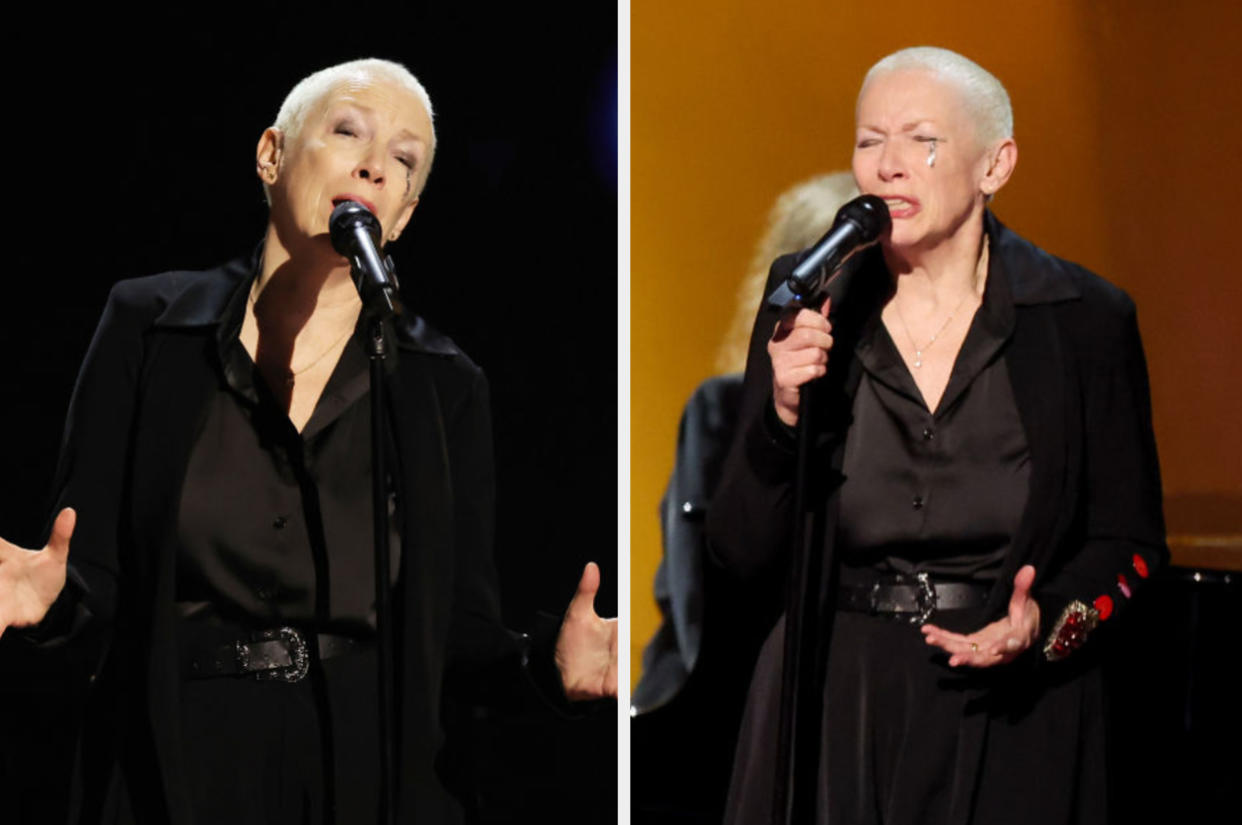
Annie Lennox and Sinéad O’Connor, both powerful vocalists and outspoken personalities, employed striking visual elements to amplify their musical statements and connect with audiences. Their stage presence, costumes, and accompanying videos were carefully curated to reflect their unique artistic visions and evolve over time. This analysis delves into the visual language of their performances, showcasing how these elements enhanced their artistic impact.The visual choices made by both artists were not merely decorative; they were integral parts of their artistic expressions.
From elaborate stage designs to carefully crafted imagery in music videos, every element worked in tandem with the music to create a holistic and impactful experience for the viewer. This approach fostered a deeper connection with their audiences, allowing their music to resonate on a more profound level.
Stage Presence and Costumes
Annie Lennox’s performances are often characterized by a captivating stage presence, marked by powerful, controlled movements. Her costumes frequently complemented this intensity, transitioning from minimalist and sleek to more elaborate designs, reflecting both her evolving musical style and the overall theme of her work. Similarly, Sinéad O’Connor’s stage persona often involved a more raw and confrontational approach, sometimes incorporating dramatic gestures and expressions.
Her costumes mirrored this, often being simple and evocative of a certain era or style, sometimes intentionally shocking or unconventional. These visual elements underscored the emotional weight of their lyrics and the underlying messages within their music.
Music Videos and Visual Storytelling
Music videos were vital tools in both artists’ arsenals. They allowed for more elaborate storytelling than live performances could accommodate, conveying complex themes and emotions through visuals that enhanced the impact of their music. The videos often mirrored the music’s tone and emotional depth. For instance, a video for a ballad might feature slow-motion shots and evocative imagery to match the song’s melancholic mood.
This approach added layers of meaning to the songs and expanded their reach beyond the sonic experience.
Evolution of Visual Imagery
The visual representation of both artists evolved throughout their careers. Annie Lennox, initially associated with a more polished, almost theatrical style, progressively embraced a more introspective and contemplative approach, reflected in both her performances and her video imagery. Sinéad O’Connor, on the other hand, transitioned from a more theatrical presence to a more raw and often provocative style.
These changes mirrored the evolution of their music, and their personal stances and perspectives.
Iconic Performance/Music Video: “Walking on Broken Glass” (Sinéad O’Connor)
Sinéad O’Connor’s “Walking on Broken Glass” music video, released in 1990, is an iconic example of visual storytelling. The video’s visual elements are profoundly linked to the song’s emotional content. The stark and somewhat unsettling imagery, featuring a desolate and slightly macabre atmosphere, mirrors the emotional pain and vulnerability described in the lyrics. O’Connor’s expression and movements are raw and intense, reflecting the song’s themes of heartbreak and resilience.
The video’s minimalism—lack of extravagant visuals or distracting imagery—focuses entirely on the emotional impact of O’Connor’s performance, effectively amplifying the song’s power.
Visual Summary Table
| Artist | Album/Performance | Visual Element | Description |
|---|---|---|---|
| Annie Lennox | Diva | Stage Costumes | Sleek, powerful, minimalist designs that mirrored the music’s confidence and control. |
| Annie Lennox | Medusa Tour | Stage Lighting | Dramatic, theatrical lighting to enhance the performance’s emotional impact. |
| Sinéad O’Connor | “Nothing Compares 2 U” | Video Imagery | Strong, somber visuals that evoke a sense of isolation and emotional pain. |
| Sinéad O’Connor | “I Do Not Want What I Haven’t Got” | Overall Performance | Raw, often provocative stage presence, reflecting a strong personal stance. |
Impact on Music Industry
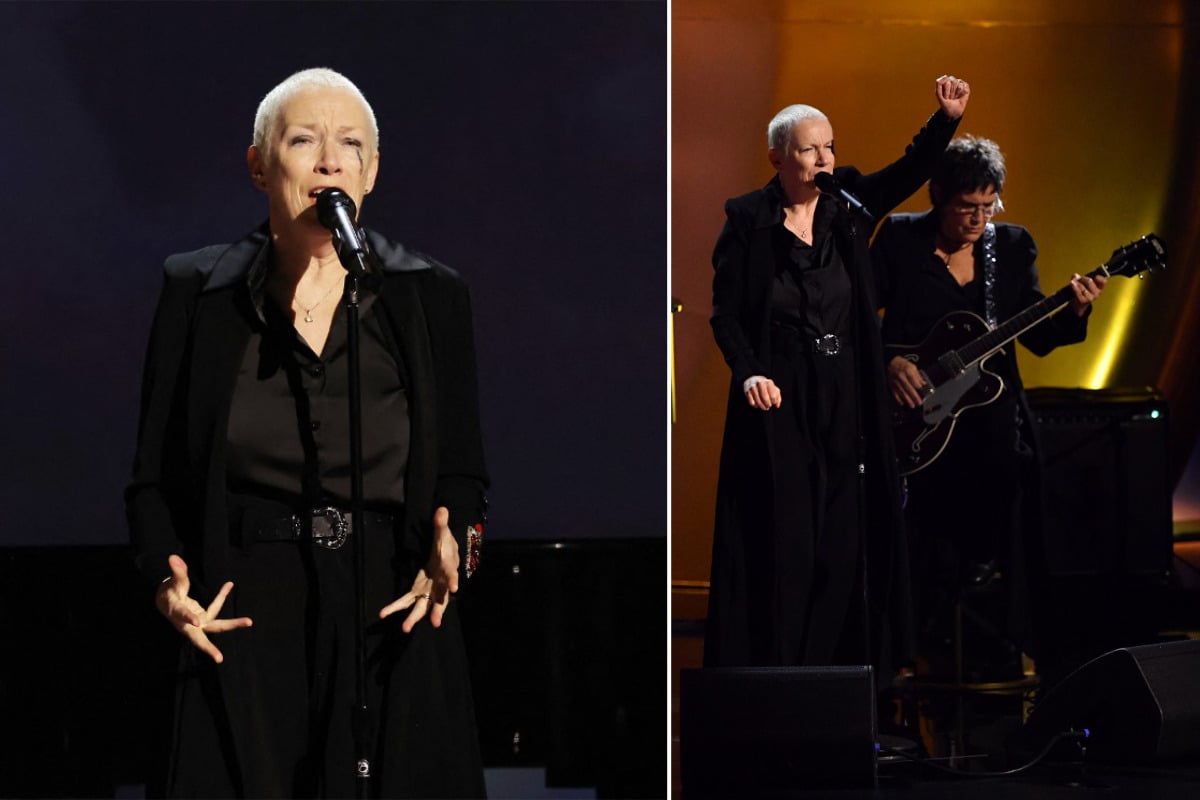
Annie Lennox and Sinéad O’Connor’s careers, though distinct, profoundly impacted the music industry, particularly the rock and alternative scenes. Their powerful voices, unconventional styles, and willingness to tackle social and political issues resonated with a generation, prompting a shift in how music was perceived and consumed. Their influence extended beyond the music industry itself, shaping the landscape of female artists and inspiring future generations.Their combined impact was significant, challenging the status quo and pushing boundaries in a way that few artists before them had dared.
This resulted in increased awareness and a greater willingness to discuss sensitive topics through music.
Impact on Rock and Alternative Music Scenes
The rise of alternative music in the 1980s and 1990s saw a shift away from mainstream rock. Artists like Lennox and O’Connor were pivotal in this evolution. Their raw emotionality and willingness to experiment with sound and lyrical content helped shape the alternative landscape. Lennox’s ethereal vocals and O’Connor’s powerful delivery became hallmarks of a new generation of artists.
Their work paved the way for a wider range of musical expression, influencing the sound and style of subsequent alternative rock acts.
Impact on Other Female Artists and Singers
Lennox and O’Connor were trailblazers for female artists. Their refusal to conform to traditional gender roles in music created a new space for women in the industry. Their willingness to express complex emotions, often with vulnerability and honesty, inspired a generation of female singers. They demonstrated that a woman could be both strong and vulnerable, and that expressing emotion in music was not limited to any specific gender.
This influenced other female artists to be more authentic in their expression and empowered them to challenge societal expectations.
Influence on Future Generations of Artists
The artists’ careers and music have influenced future generations of artists in several ways. Their willingness to explore various musical styles, from pop to rock and alternative, broadened the scope of creative expression. Their unconventional approach to songwriting and performance has inspired countless musicians. The courage they displayed in confronting social and political issues in their music is also notable.
This willingness to engage with controversial topics encouraged artists to use their platform for social commentary.
Music Industry Trends During Active Periods
During the 1980s and 1990s, the music industry was undergoing significant transformations. The rise of MTV and music videos played a crucial role in shaping the public’s perception of artists. The proliferation of new technologies, such as synthesizers and digital audio workstations, provided new possibilities for musical innovation. Furthermore, the emergence of independent record labels and the rise of alternative music subgenres also impacted the music landscape during the active periods of Lennox and O’Connor’s careers.
This combination of factors made the industry more diverse and dynamic.
Impact on Music Consumption
The introduction of music videos and the rise of MTV significantly impacted how music was consumed. Artists like Lennox and O’Connor capitalized on this by creating visually compelling music videos that further amplified their messages. This visual component of music played a critical role in promoting their work and resonating with a wider audience.
Final Summary
In conclusion, Annie Lennox and Sinéad O’Connor’s careers have been marked by powerful performances and musical innovation. Their unique styles and social commentary have resonated with audiences and critics alike. While a Grammy nomination is not guaranteed, the analysis presented here highlights the potential for both artists to receive recognition for their contributions to music. The discussion underscores their impact, and future potential impact, on the music industry.
FAQ Explained
What were some key albums from Annie Lennox and Sinéad O’Connor?
Key albums for Annie Lennox include “Diva” and “Medusa.” For Sinéad O’Connor, notable albums include “I Do Not Want What I Haven’t Got” and “Faith and Courage.”
What were some social or political issues reflected in their music?
Both artists frequently addressed social and political issues in their lyrics, with Annie Lennox often touching on feminist themes and Sinéad O’Connor tackling issues of faith and social injustice.
What are some past artists nominated in similar Grammy categories?
Past nominees in similar categories include artists like [Insert example artists and their relevant work], whose nominations were often due to [brief explanation of why they were nominated, e.g., innovative sound, strong performance, etc.].


